Aman
Silence treated as architecture — rooms that ask nothing of you but your attention.
The Collection
Hotels, resorts and hideaways from around the world — chosen for their location, atmosphere and the feeling of being exactly where you should be.
The heart of Pure Voyage
Hotels, resorts, villas and lodges that have convinced us. Not because they appear in rankings or belong to a famous brand, but because we can recommend them in good conscience.
What matters are not stars, awards or trends, but character, atmosphere and whether a stay will still be remembered years later.
For every hotel we share our view, the best time to travel and notes on who it suits particularly well. Because the right choice does not come from a list — it comes from understanding which journey fits you.
Every property in one place
The full hotel collection at a glance: the recommended houses across the major groups, the Independent Icons and the addresses we would stay in ourselves. Filter by region, hotel group or the way you travel.
Region
Style and occasion
Hotel group
Selection
85 properties
Fifth Avenue, New York
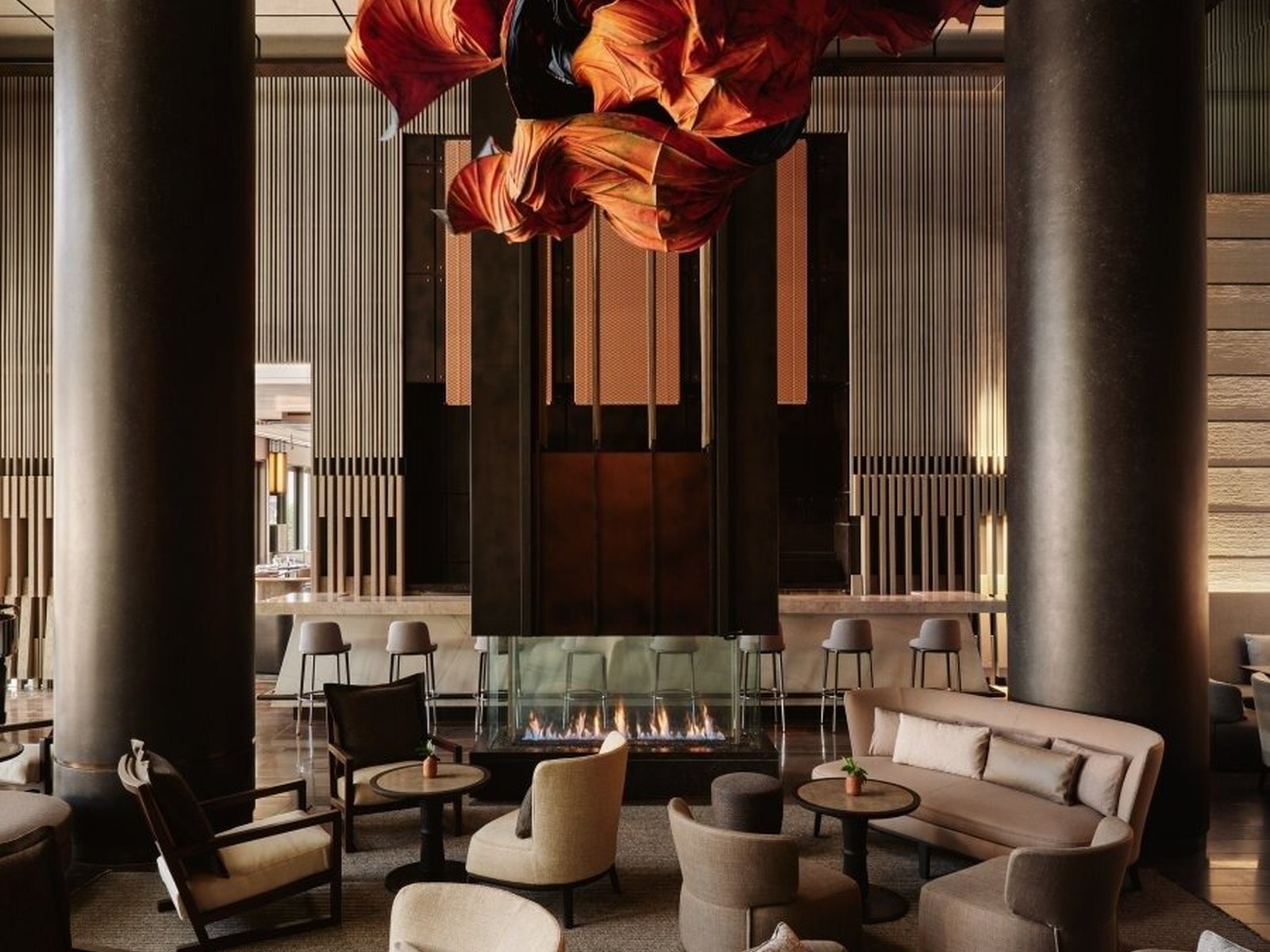
An unusually quiet address on Fifth Avenue — a fireplace in every room, a spa across three floors, the city kept as a view.
Otemachi, Tokio
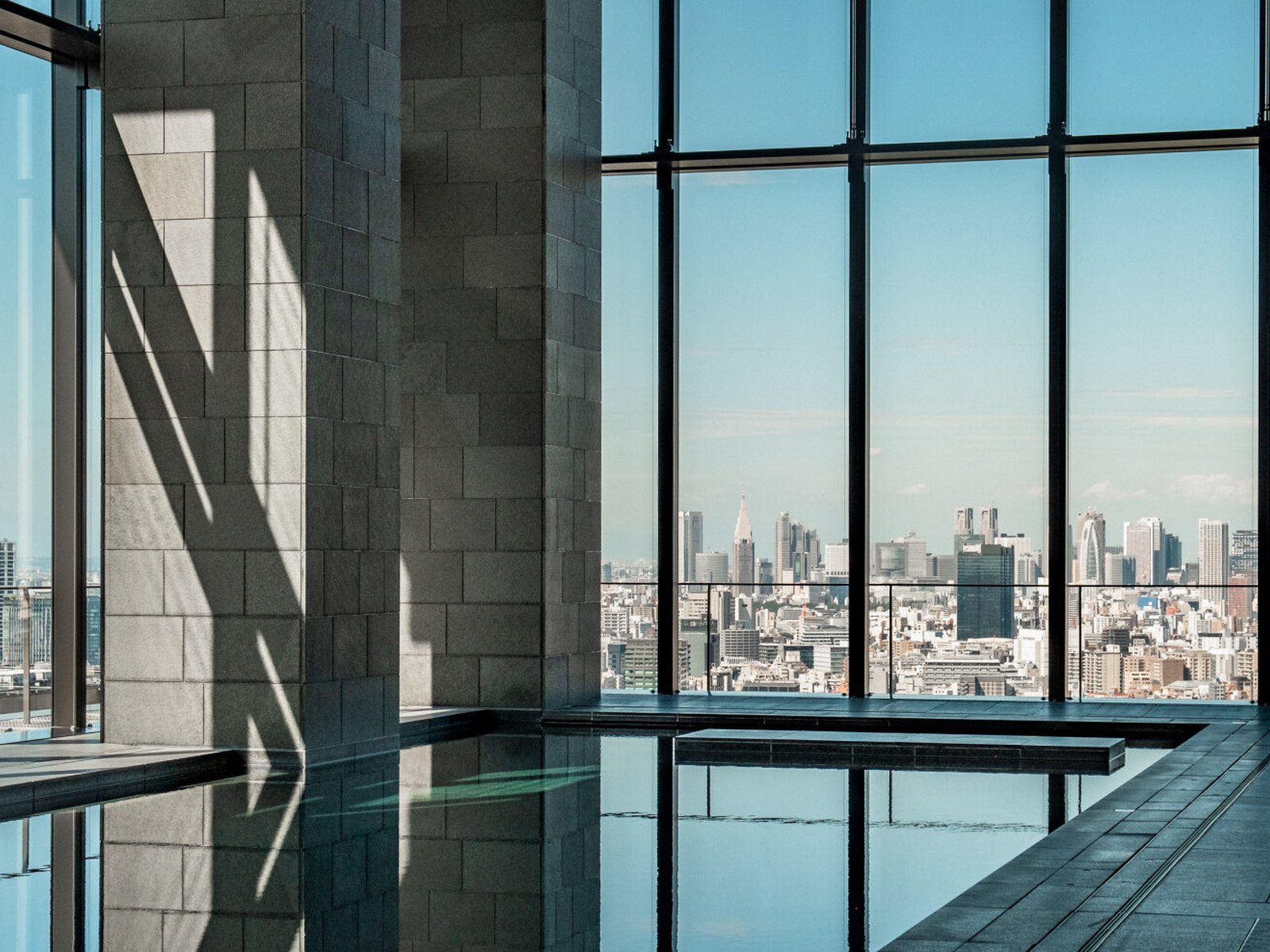
A Japanese hotel lifted to the 33rd floor: washi, stone, cedar and a lobby thirty metres high.
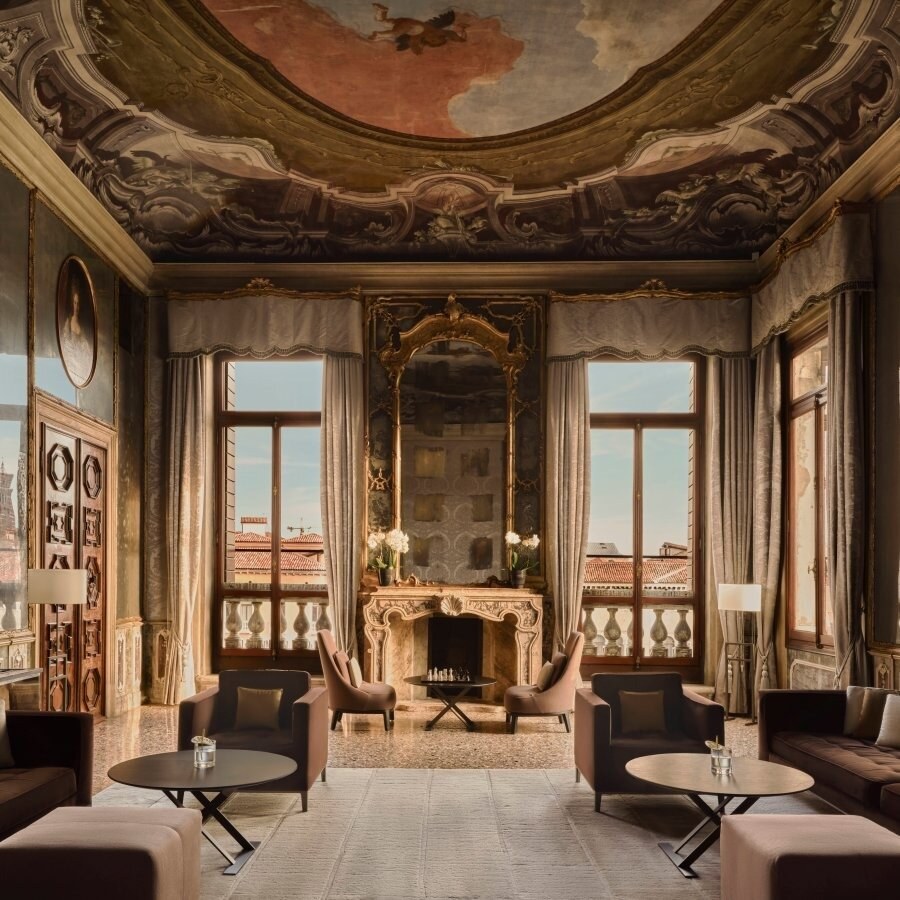
Canal Grande, Venedig
A sixteenth-century palazzo on the Grand Canal, twenty-four rooms behind Tiepolo frescoes.
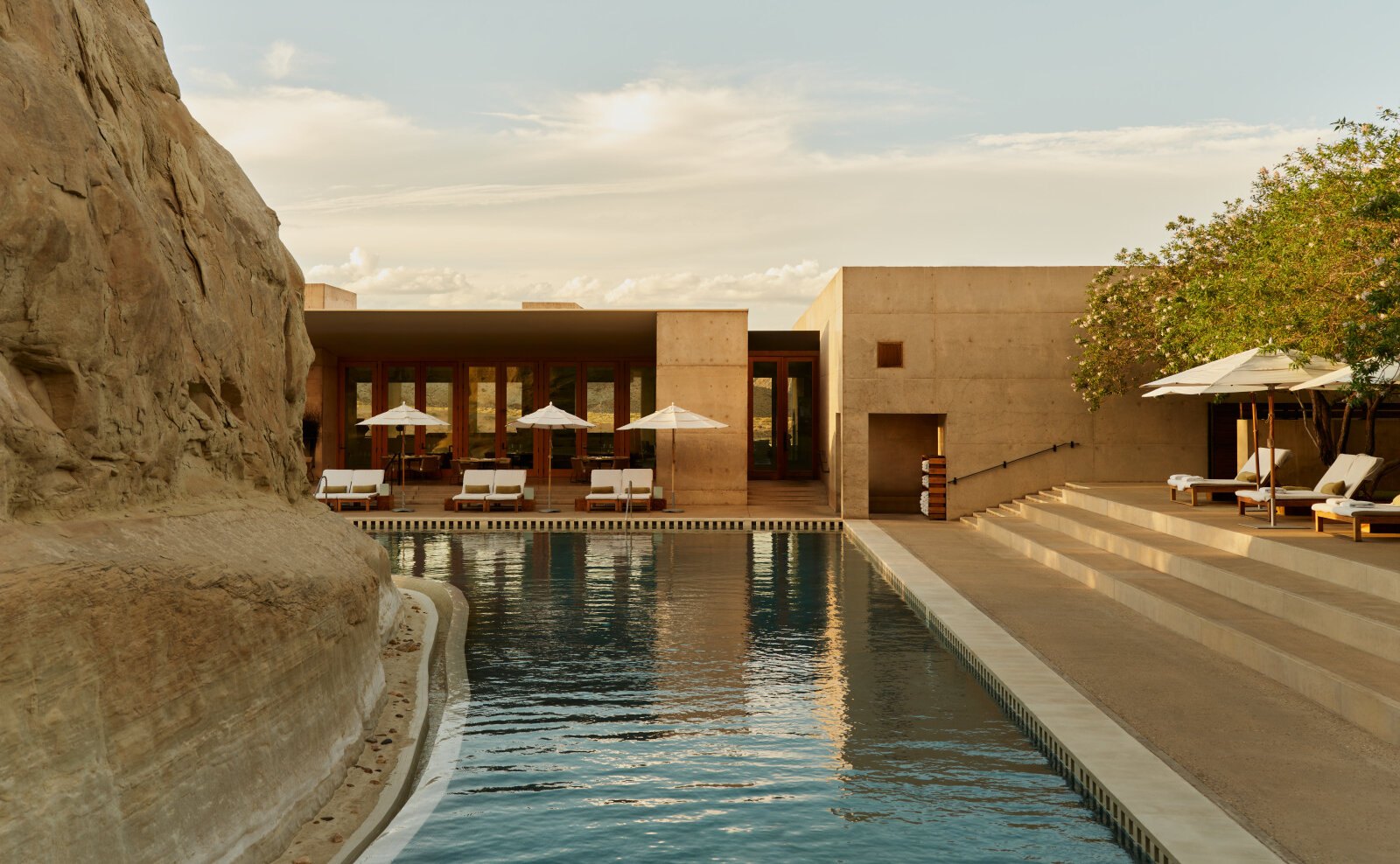
Canyon Point, Utah
Board-formed concrete in the desert, built around a rock — landscape that stays larger than the building.
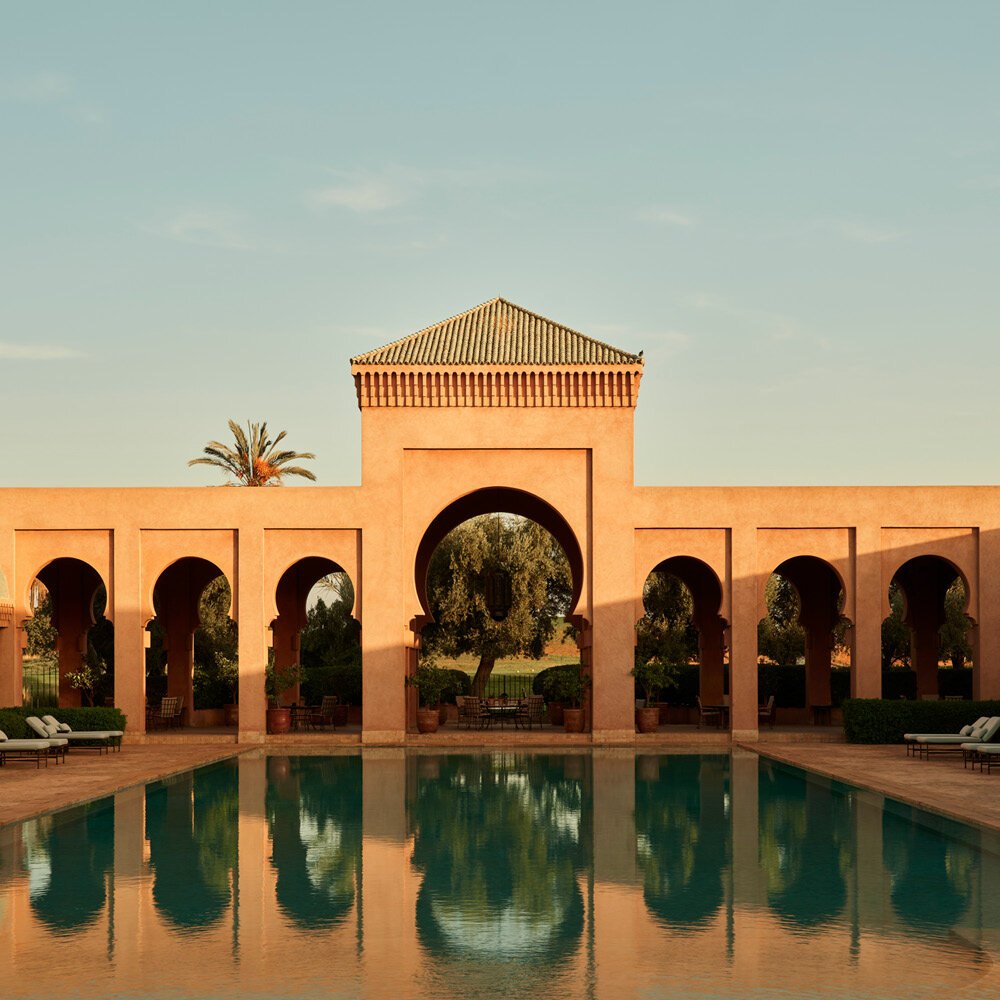
Marrakesch, Marokko
A courtyard of ochre pavilions before the Atlas — reflecting pools, olive groves, Marrakech twenty minutes away.
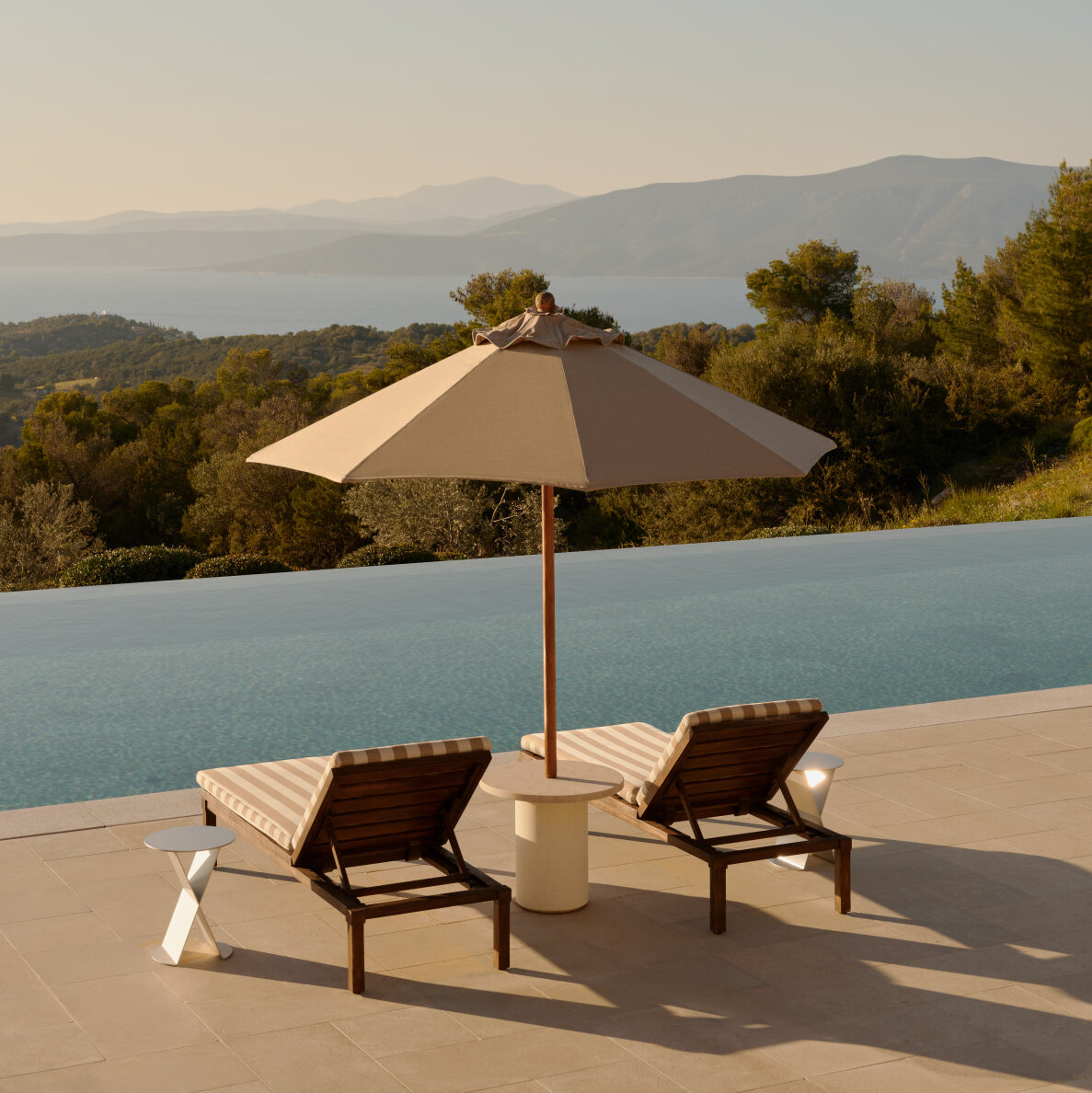
Porto Heli, Peloponnes
Pavilions of pale stone on an olive hill above the Aegean, three hours by road from Athens.
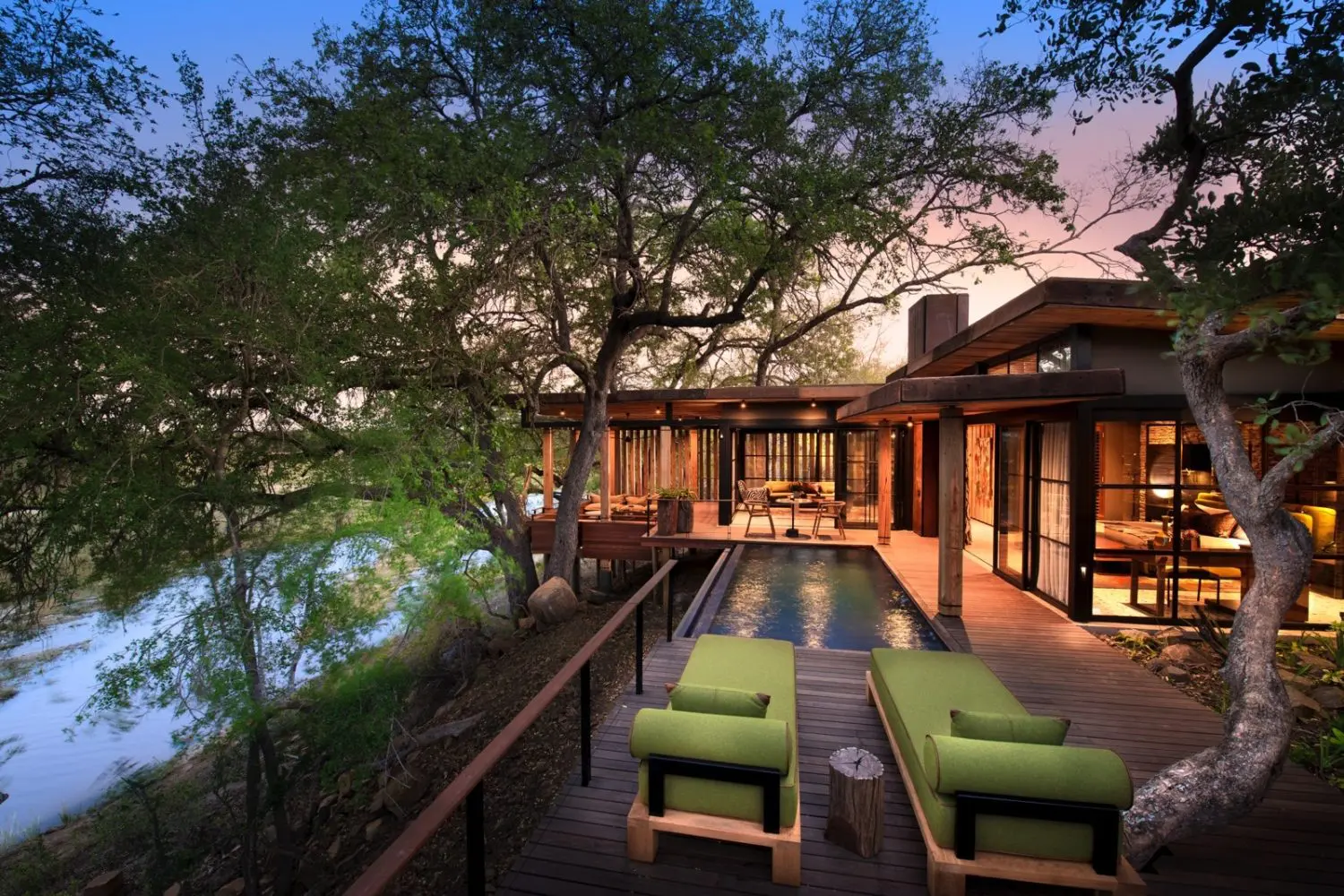
Sabi Sand, Südafrika
Nine suites on the Sand River, in some of Africa's densest leopard country. The camp is built quietly — timber, mesh, few hard edges — and the drives are shared by only a handful of vehicles.
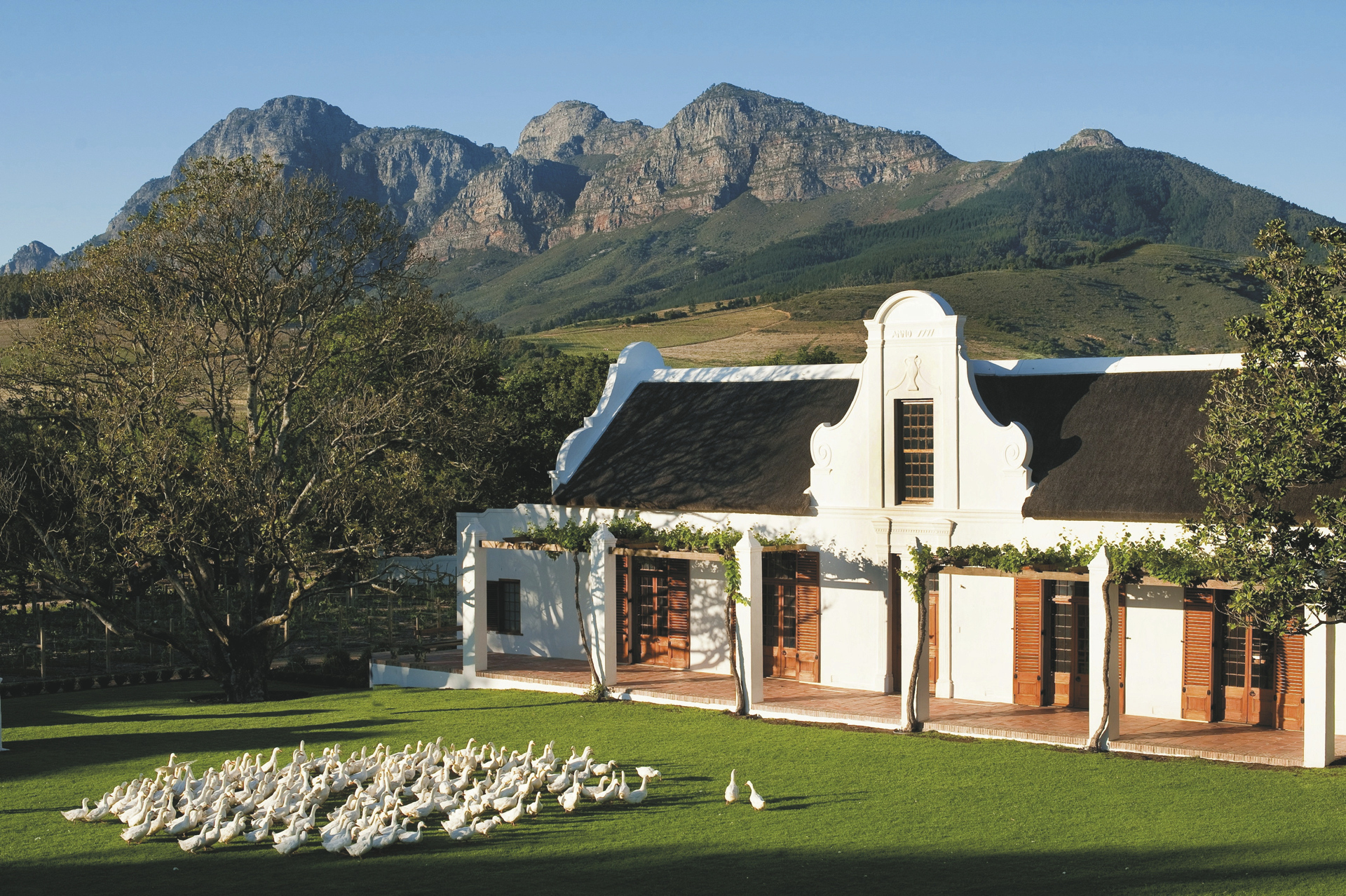
Franschhoek, Südafrika
A Cape Dutch wine farm with a three-hectare kitchen garden that governs everything else.
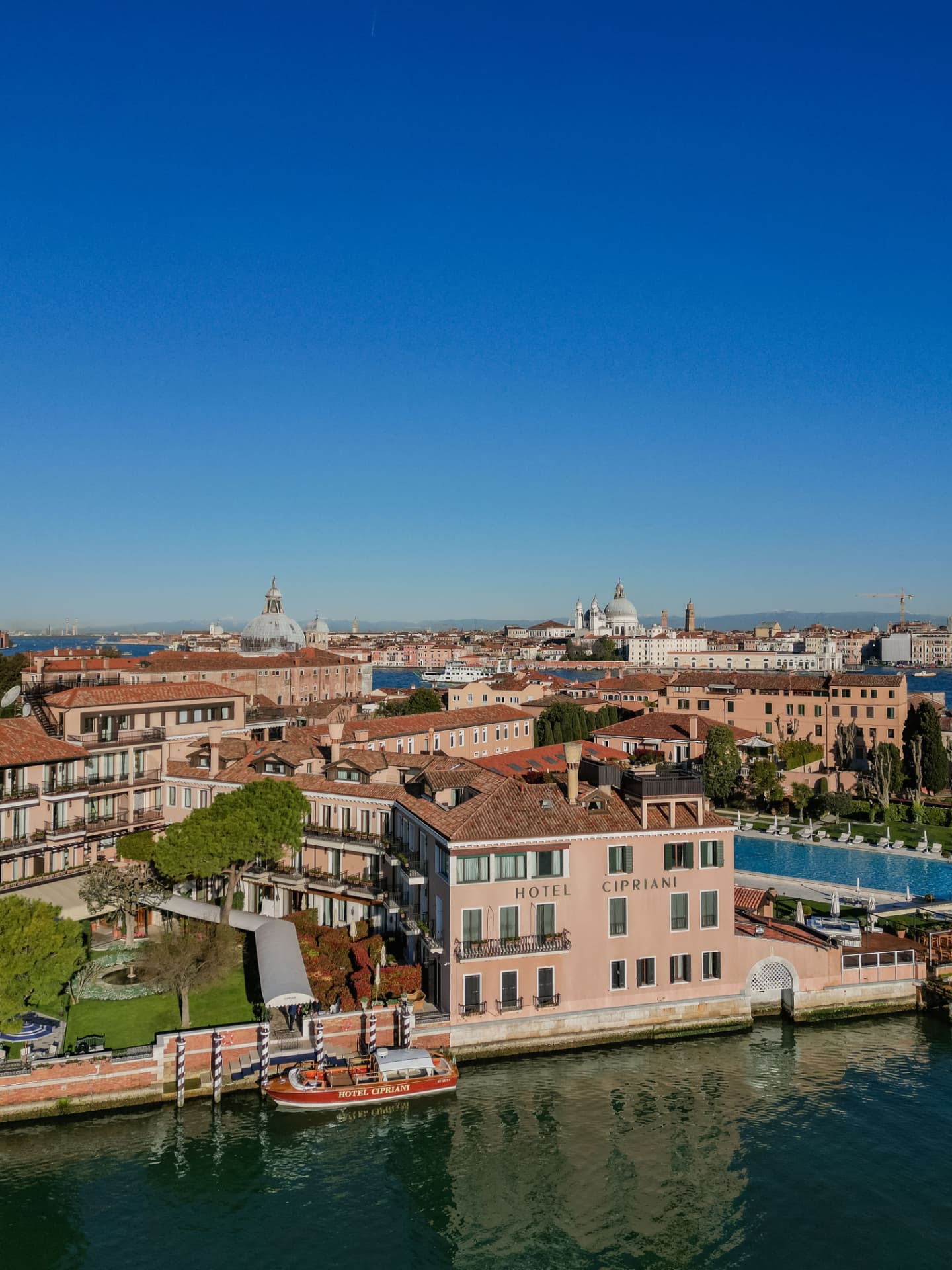
Giudecca, Venedig
Garden, pool and vineyard on the Giudecca — Venice sits opposite, the boat runs around the clock.
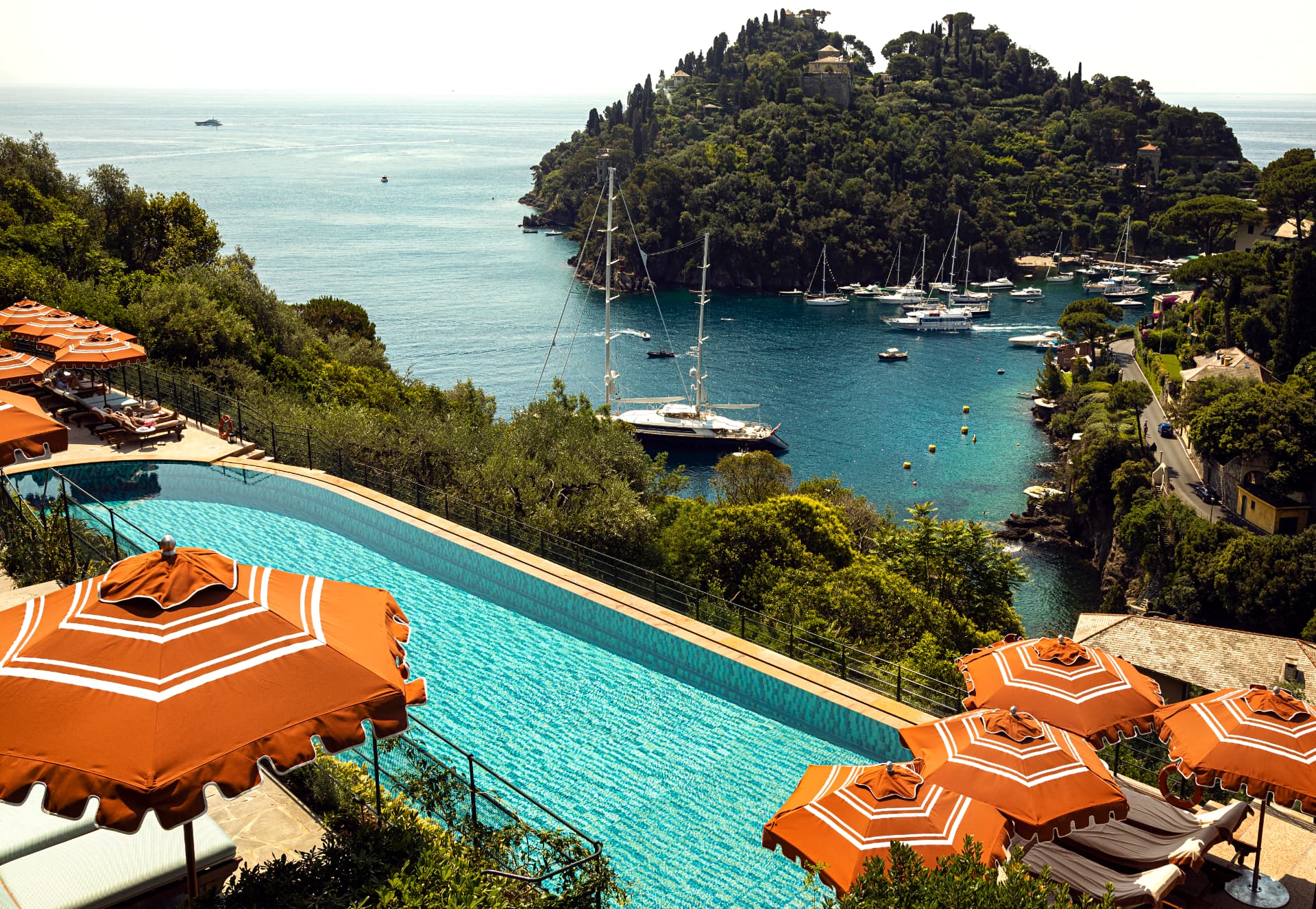
Portofino, Ligurien
A former monastery above the bay of Portofino, revisited by the same families since the thirties.
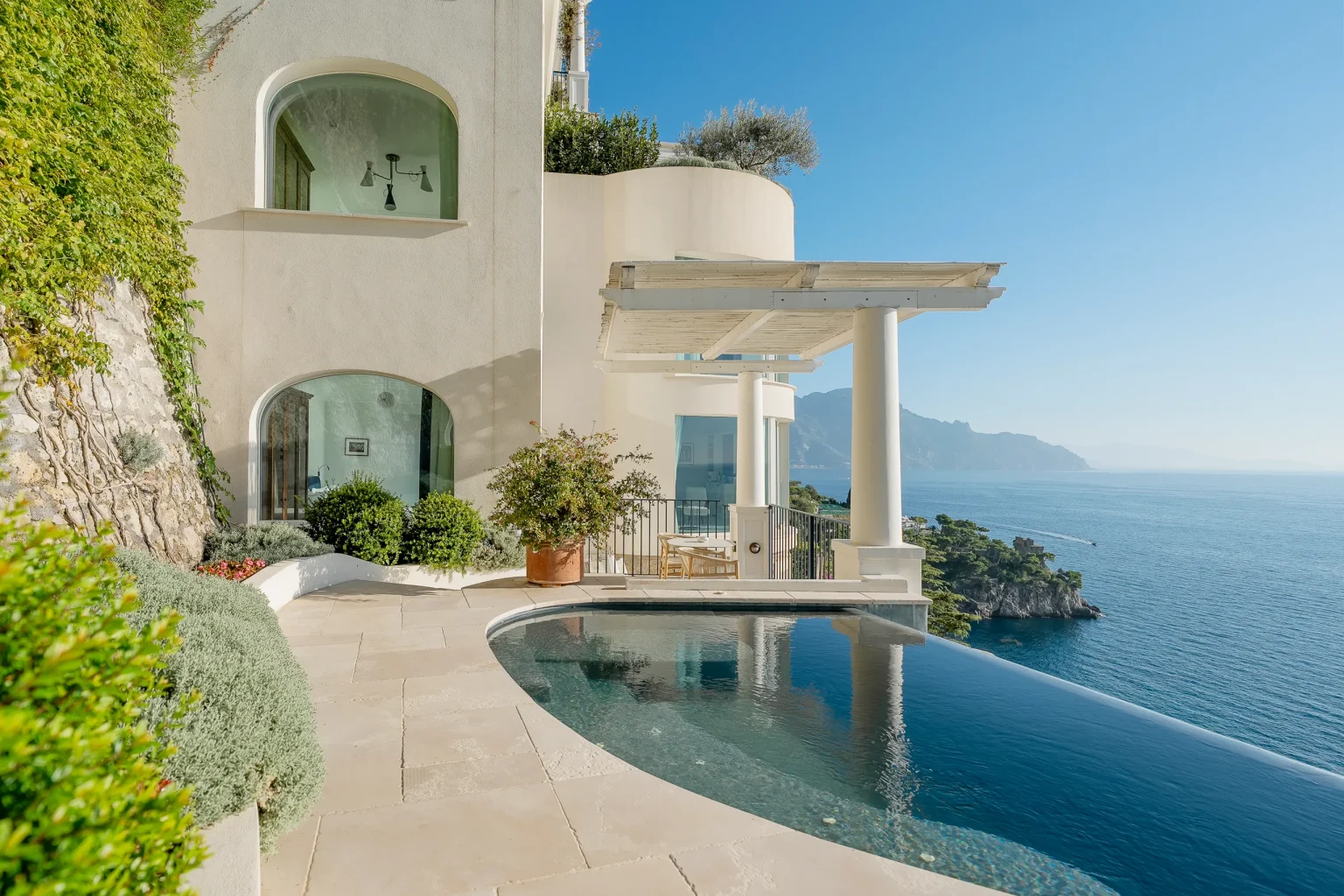
Amalfiküste
A 1960s retreat built into the cliff and retold in handmade Vietri tile. One of few addresses on this coast with its own beach and an unhurried terrace.
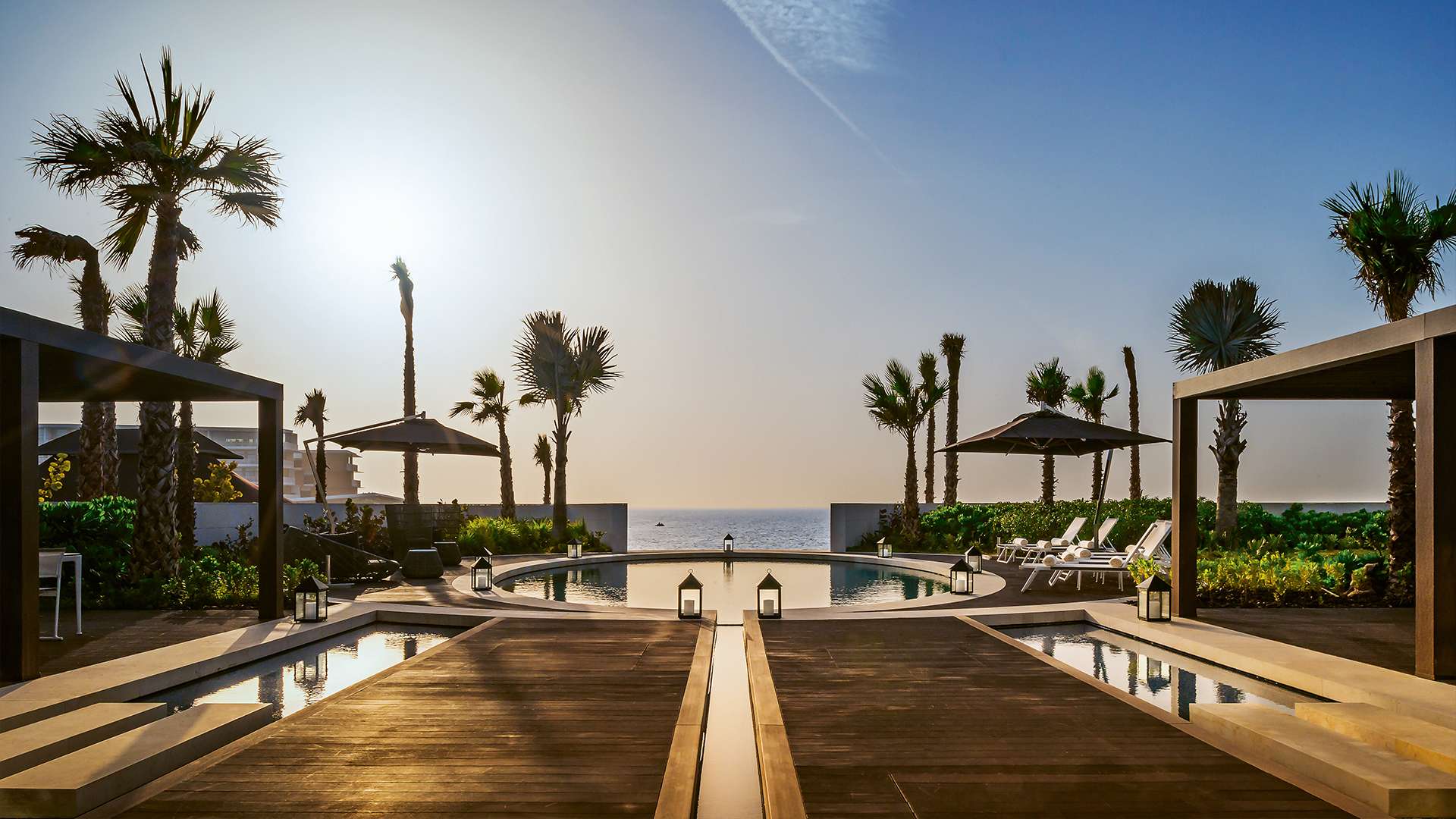
Jumeirah Bay Island, Dubai
A low, Italian-designed house on its own island, with a private beach and marina.
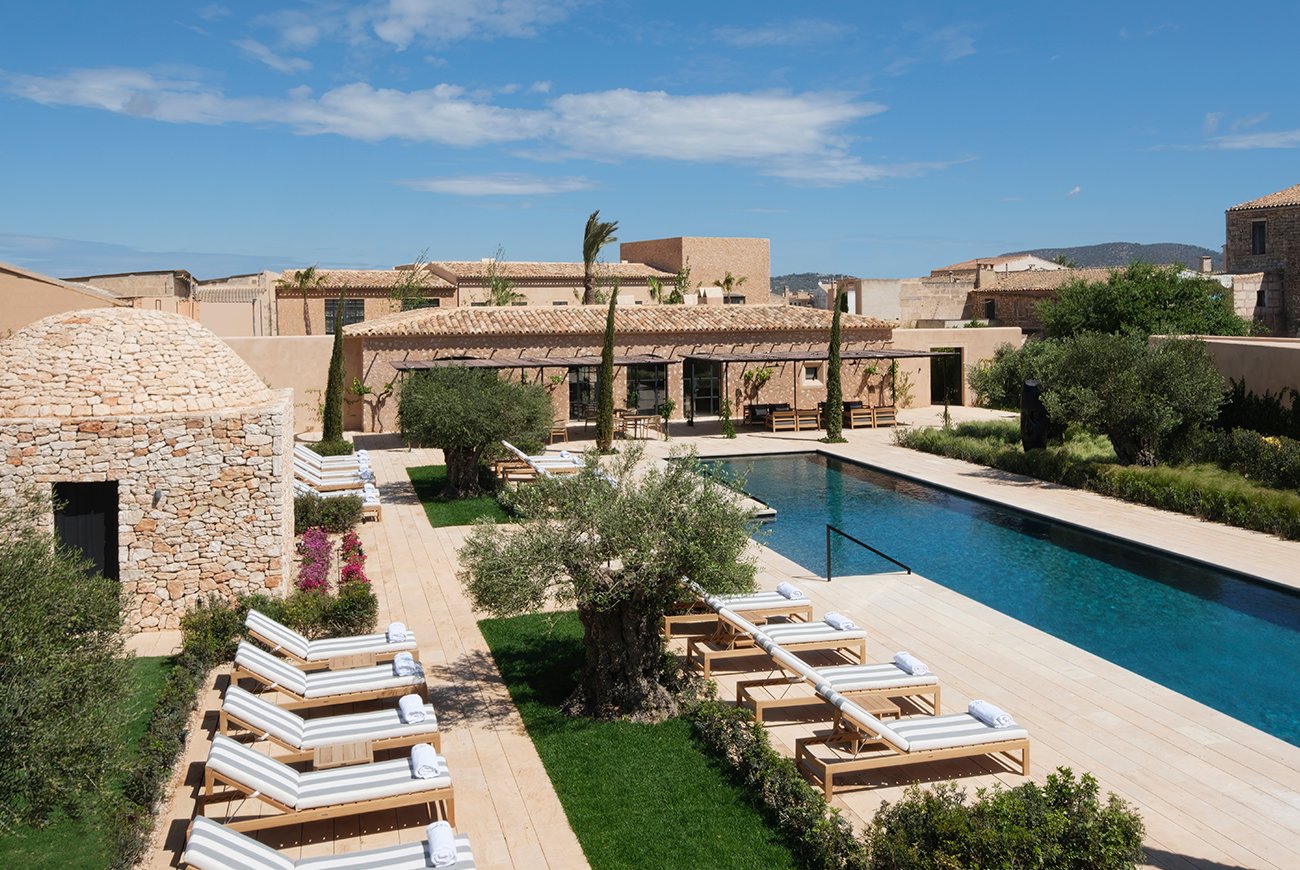
Santanyí, Mallorca
A seventeenth-century town retreat in the quiet south-east, with sandstone, cool courtyards and a walled garden. More restrained than almost anything on the island.
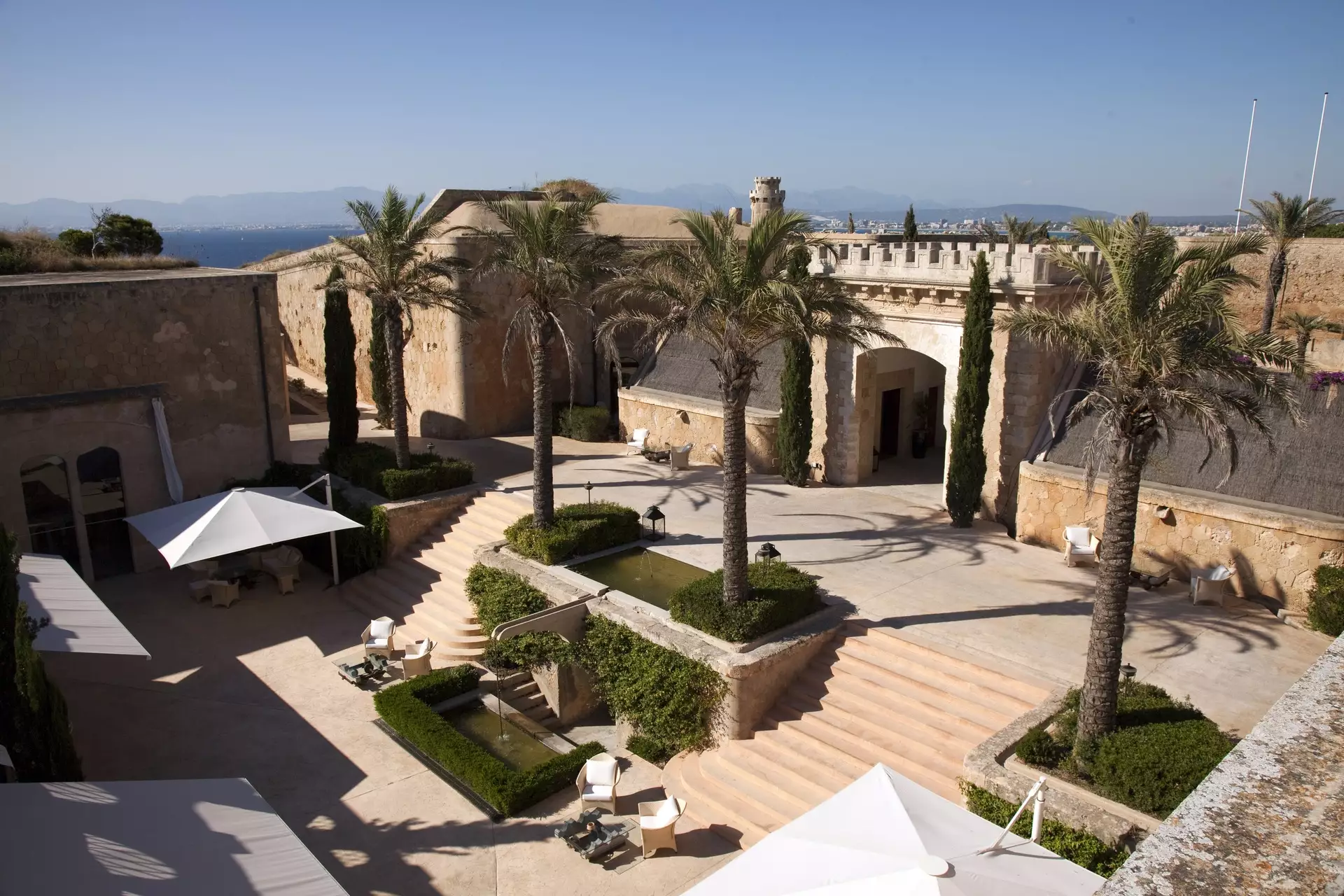
Mallorca
A nineteenth-century fortress on the bay of Palma, cut into rock and converted so carefully the intervention barely registers. Not a house for people who need a beach — one for people who want silence.
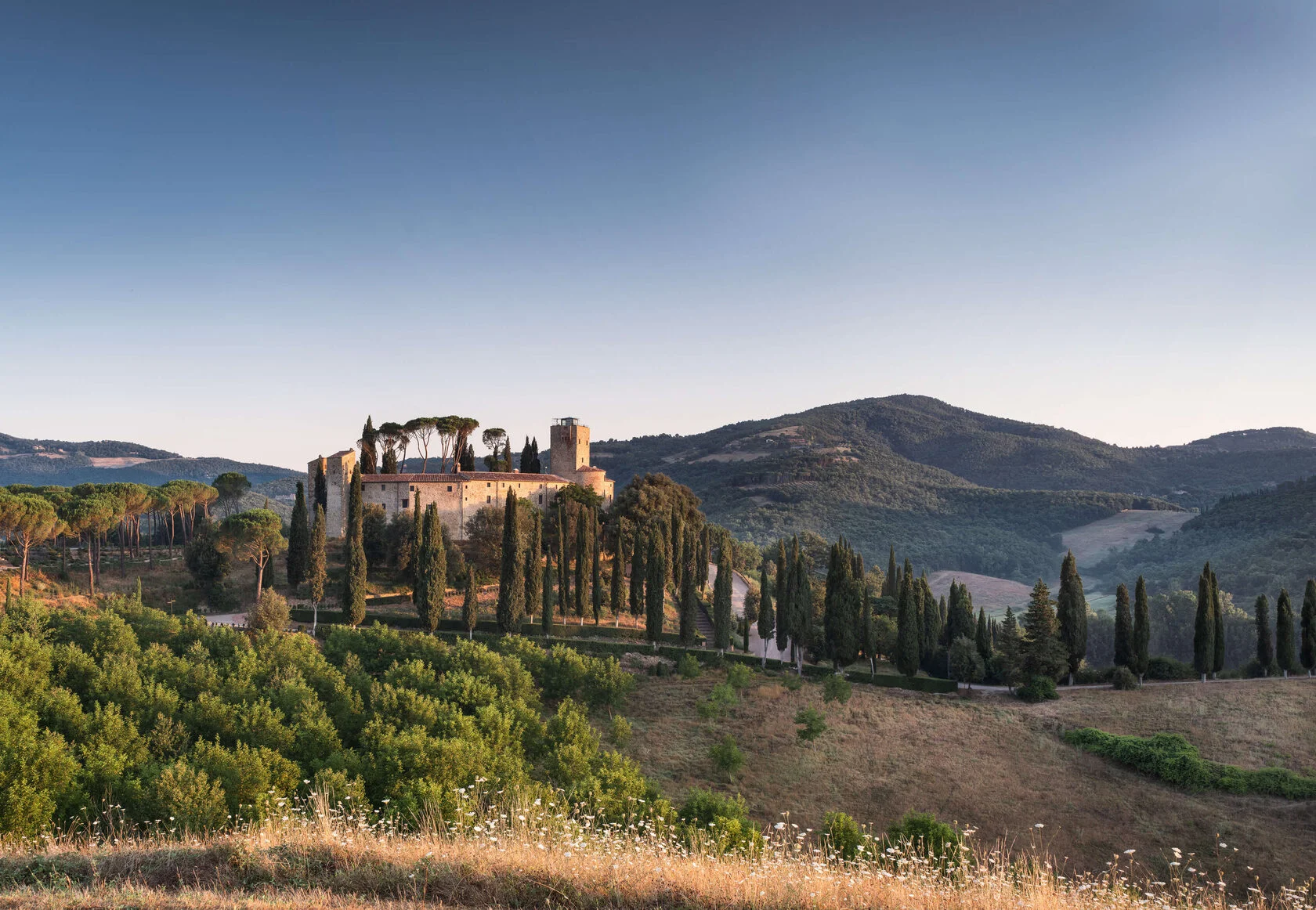
Lisciano Niccone, Umbrien
A thousand-year-old castle on an estate of some 1,500 hectares, brought back by one family over two decades. Everything inside — lamps, handles, beds — was designed and made on site.
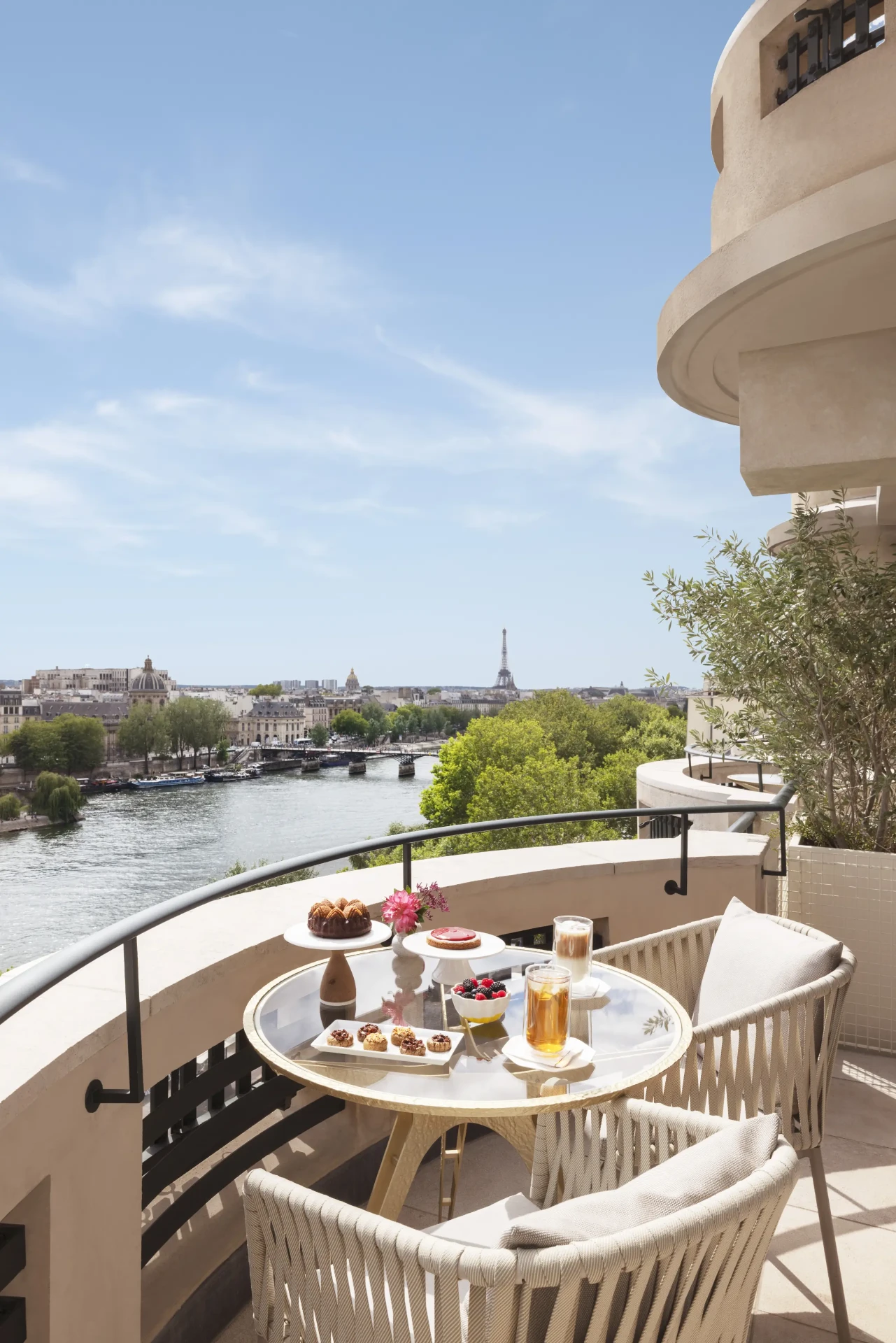
1. Arrondissement, Paris
Seventy-two rooms inside the Samaritaine, nearly all facing the Seine, with a pool beneath the property.
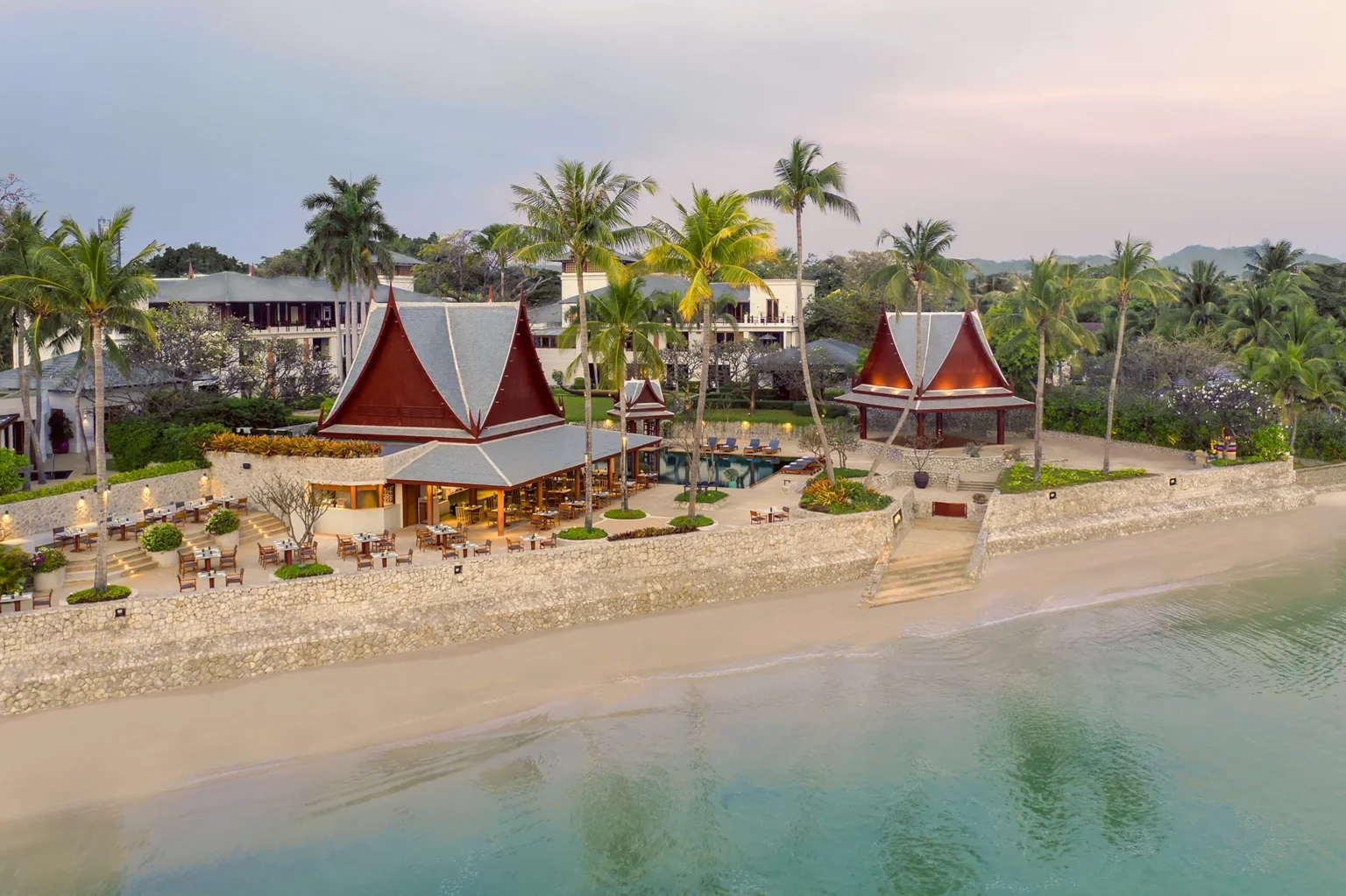
Hua Hin, Thailand
A tropical garden on the Gulf of Thailand doing the same thing for more than thirty years — only better. Pavilions, old trees, a beach and very experienced therapists.
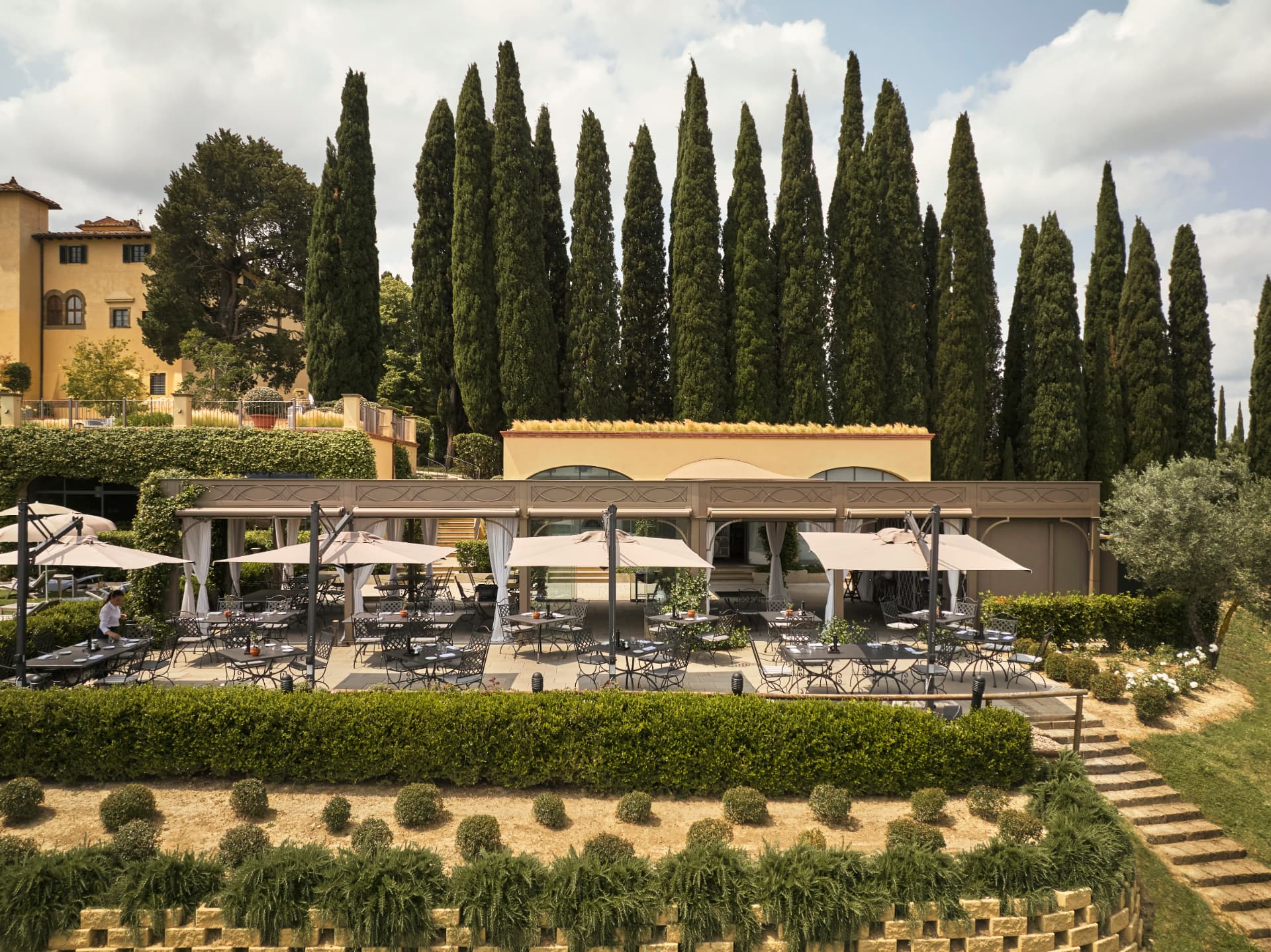
Chianti, Toskana
A 12th-century castle in Chianti, with a kitchen and spa that genuinely structure the day.
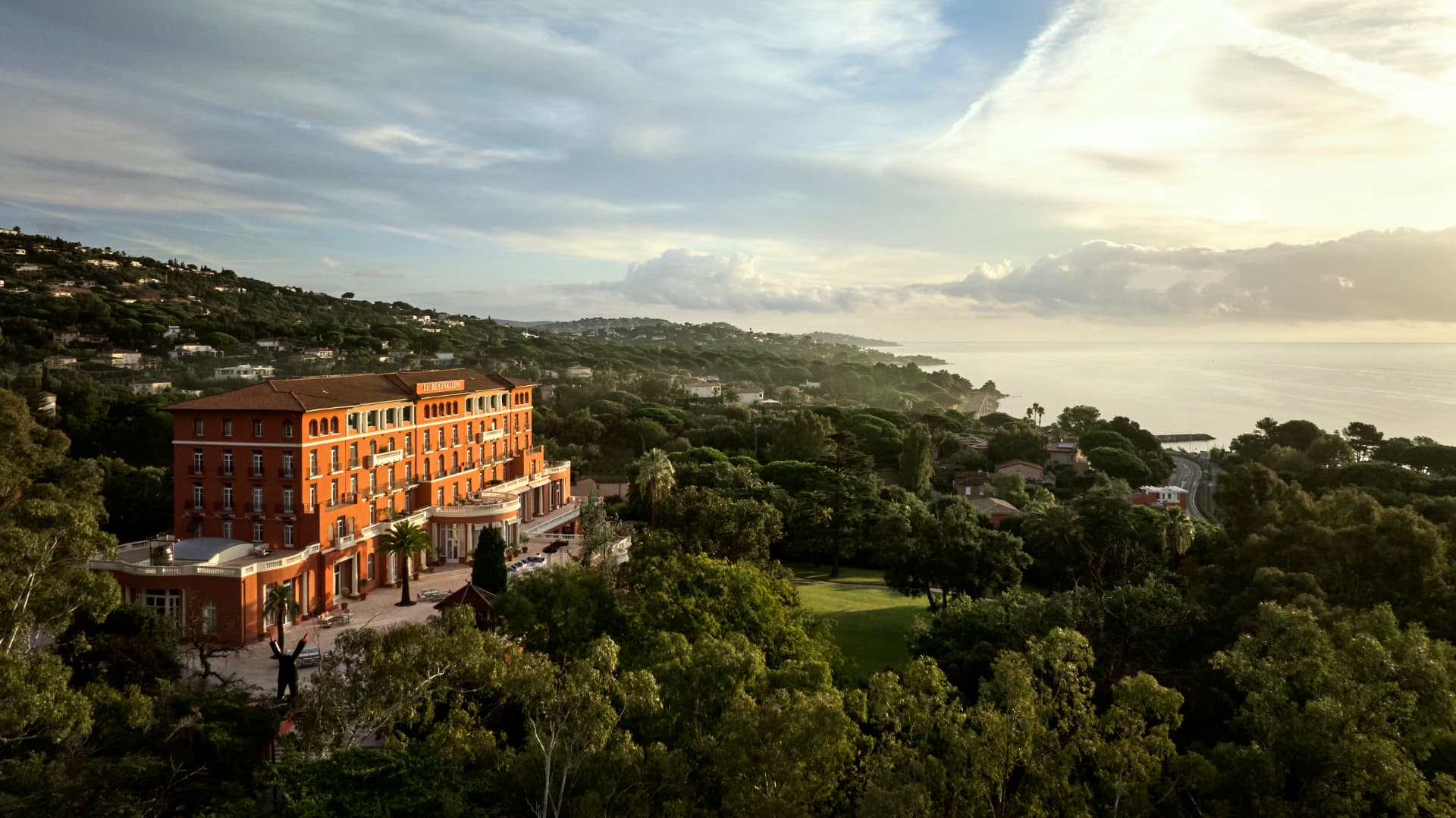
Grimaud, Bucht von Saint-Tropez
A 1914 Riviera classic above the bay, brought back in COMO's hand: light, residential, without pomp.
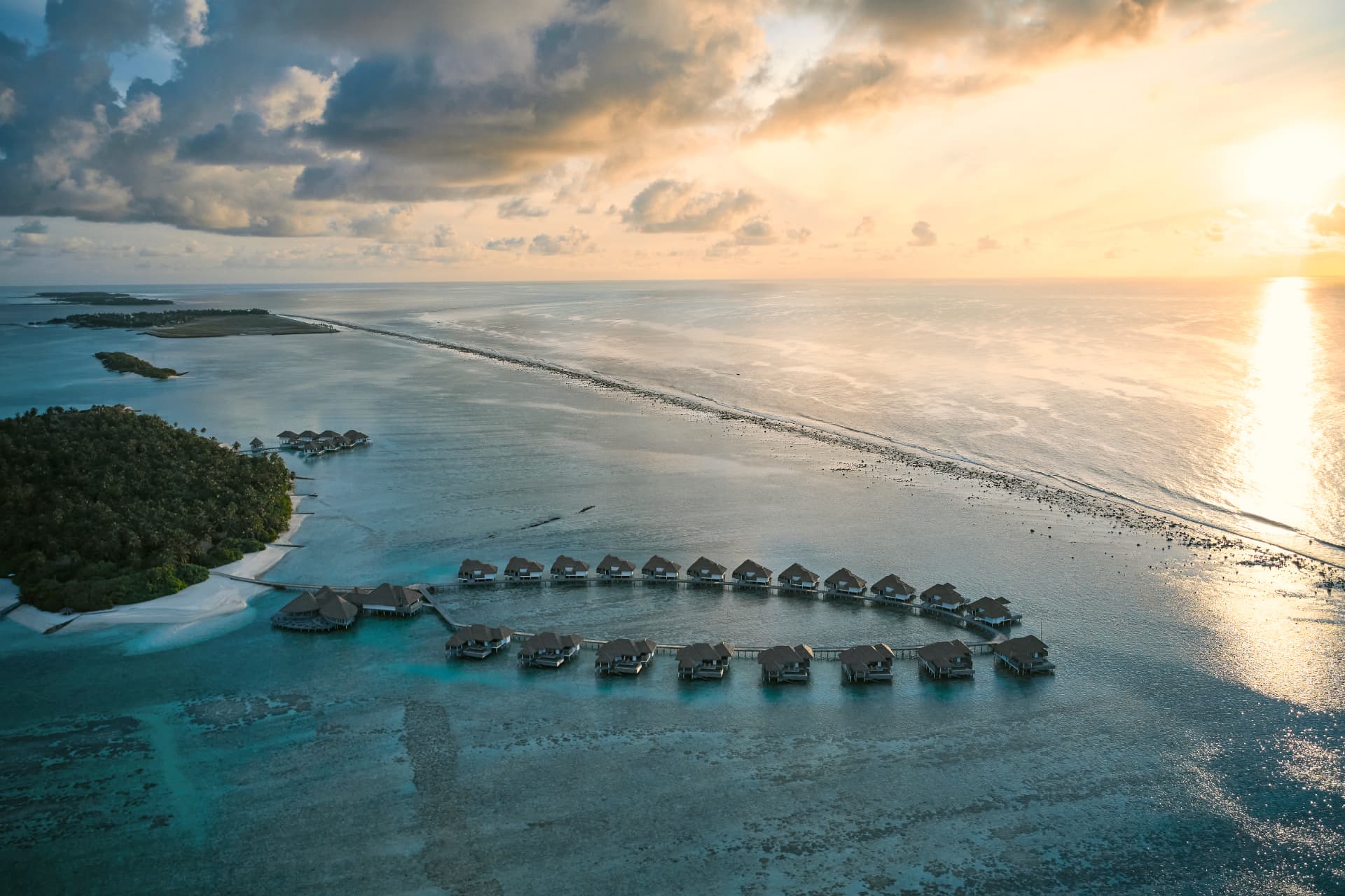
Thaa-Atoll, Malediven
The only address in a rarely visited southern atoll, with strong diving and surf seasons and the clear, light COMO signature. Less production, more sea.
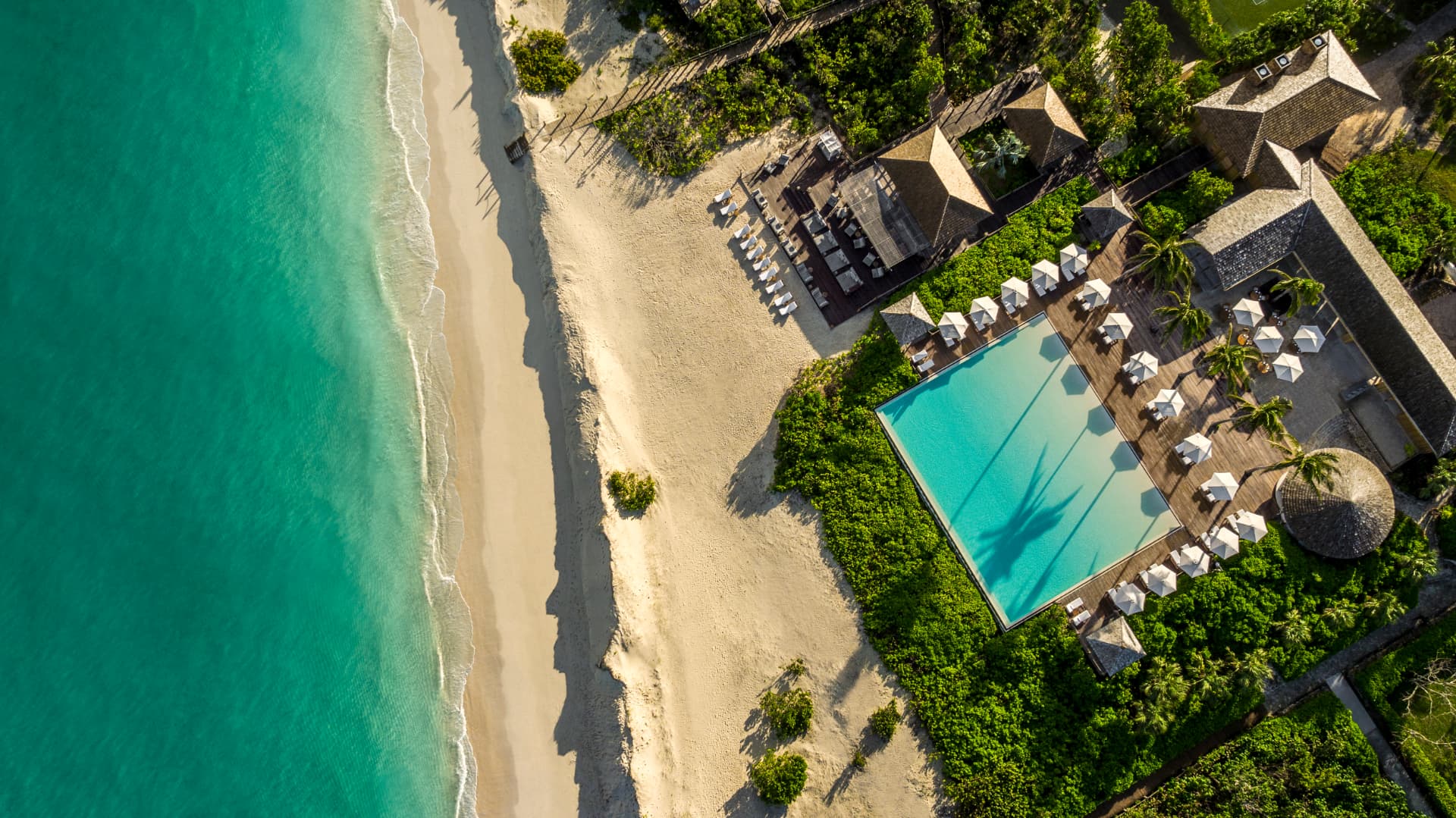
Turks- und Caicosinseln
A private island with a two-mile beach, yoga in the morning and very little else.
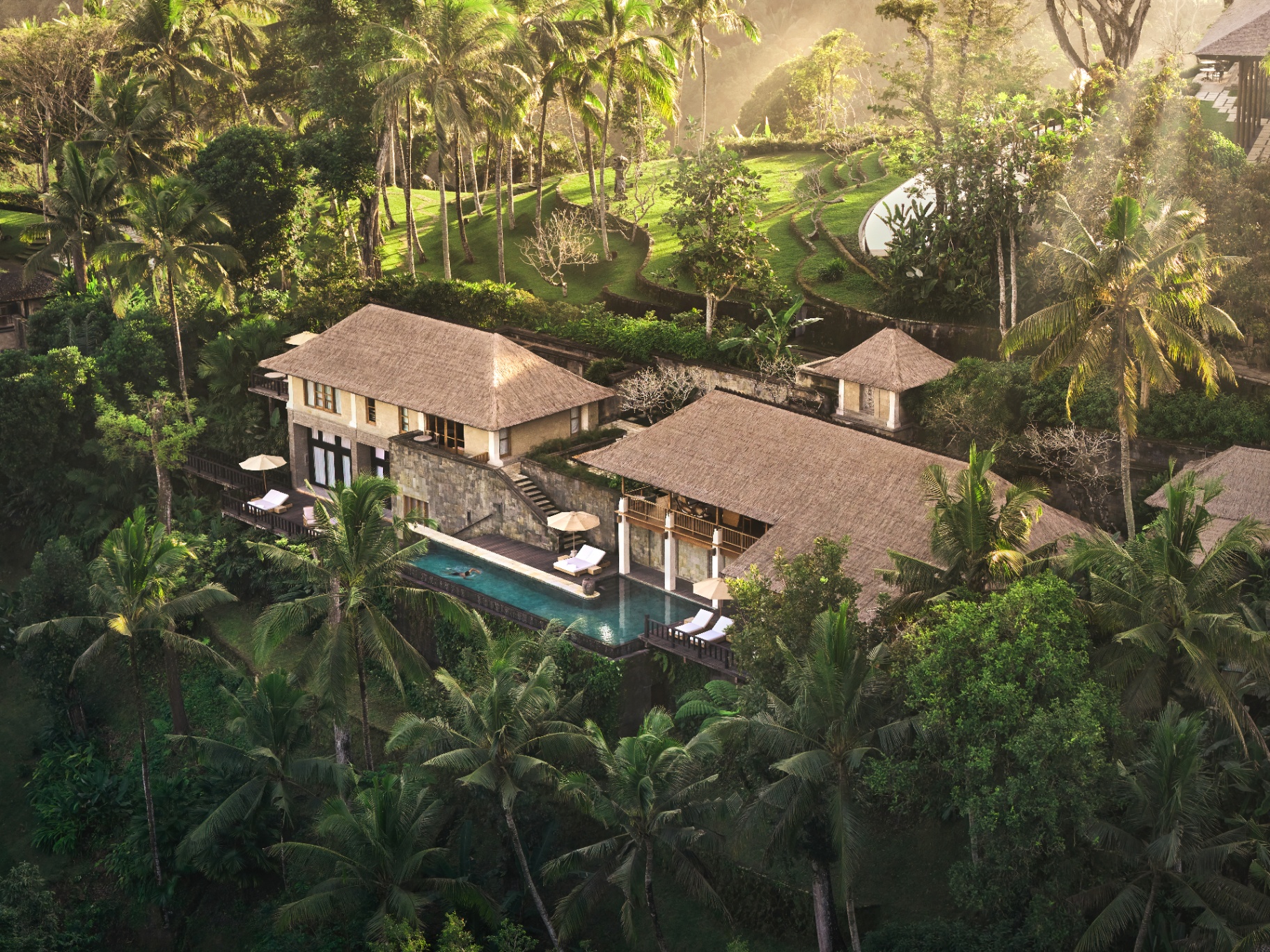
Ubud, Bali, Indonesien
A retreat in the rainforest above the Ayung river: timber, stone, water, a handful of residences in the green and paths you walk barefoot.
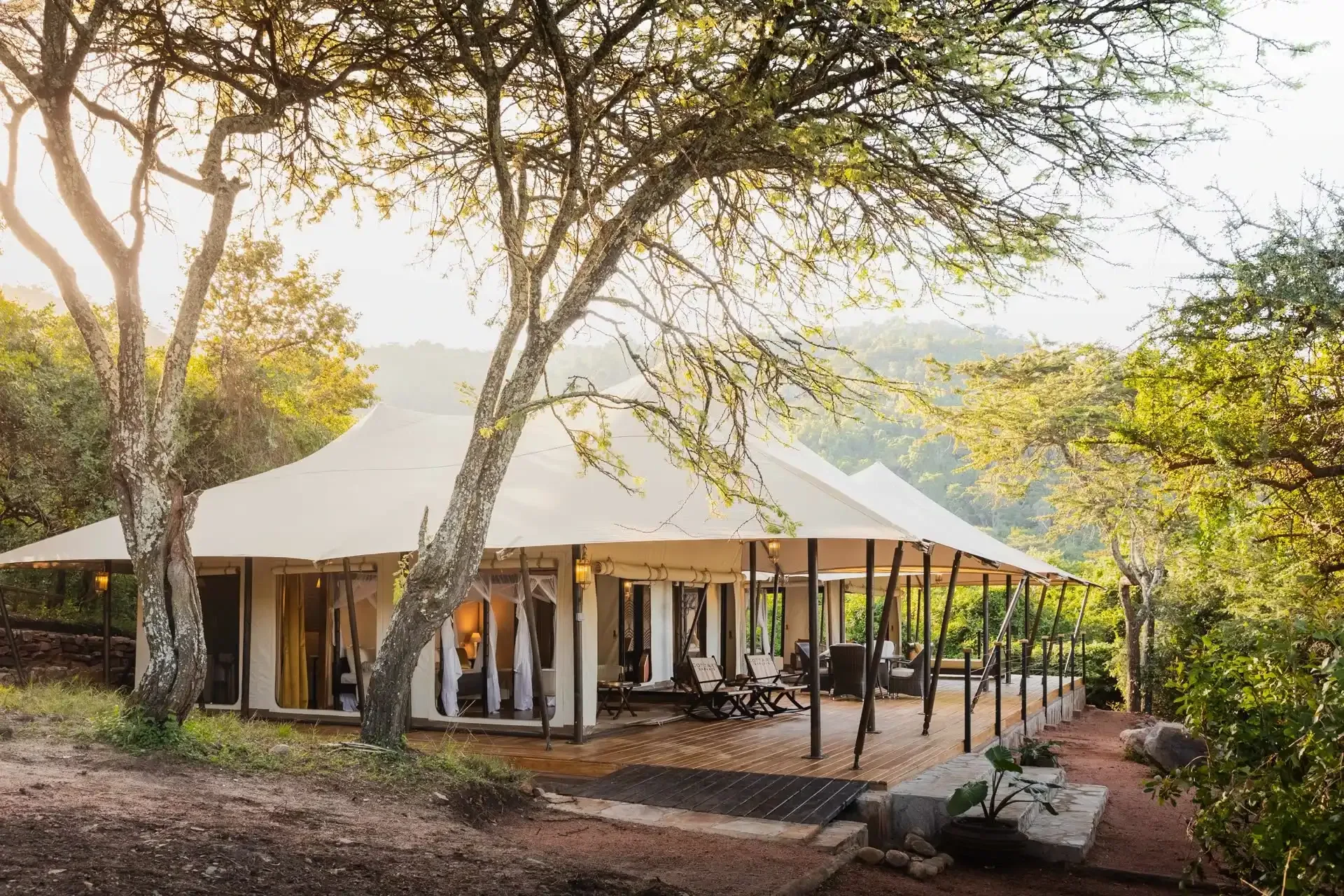
Masai Mara, Kenia
Run by the fifth generation of the same family, in a private concession on the edge of the Mara. Twenties-style tents, but real safari craft: tracking, walking, time.
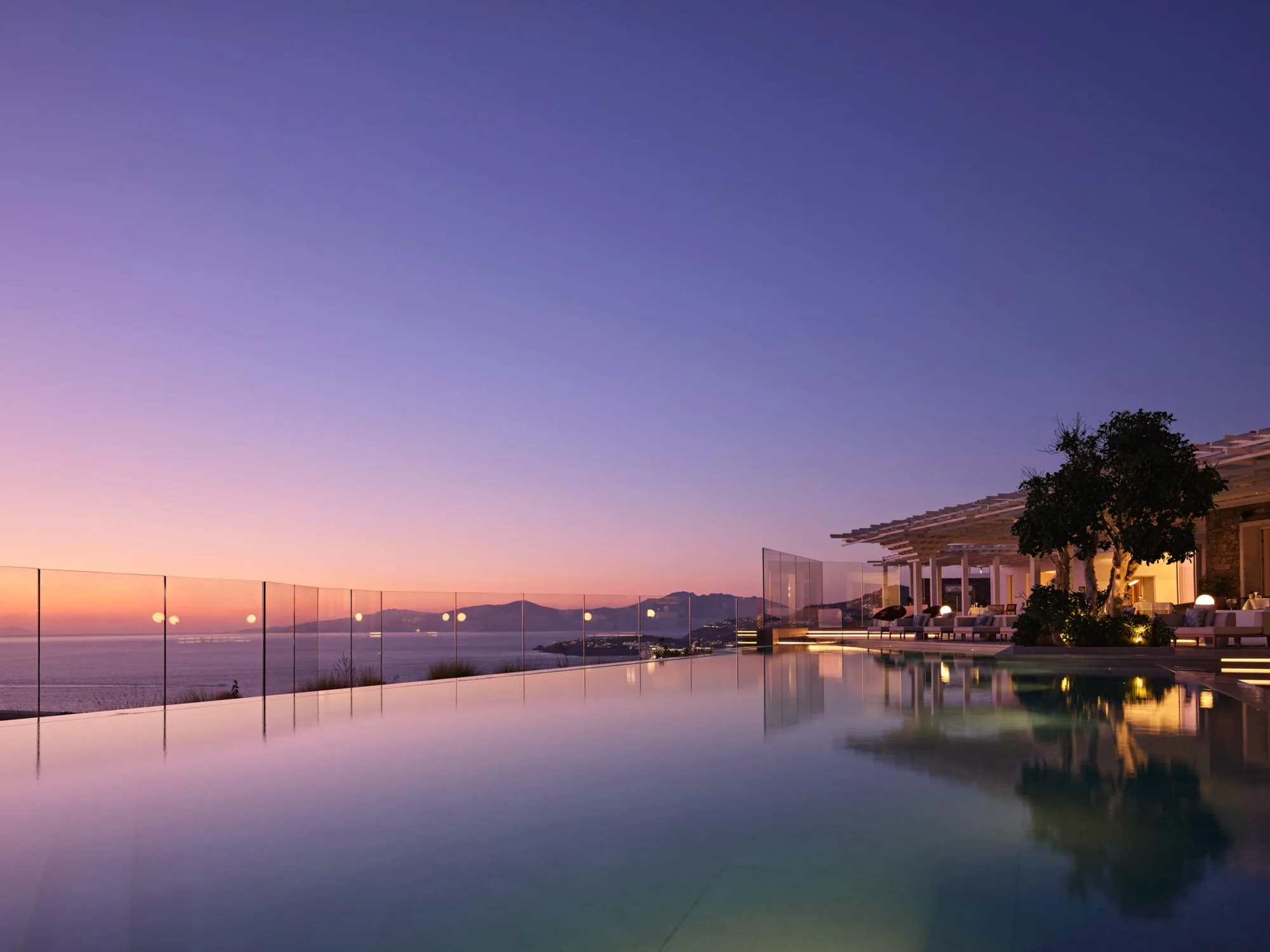
Agios Ioannis, Mykonos
A small house above Agios Ioannis bay, made of plaster, stone and little else.
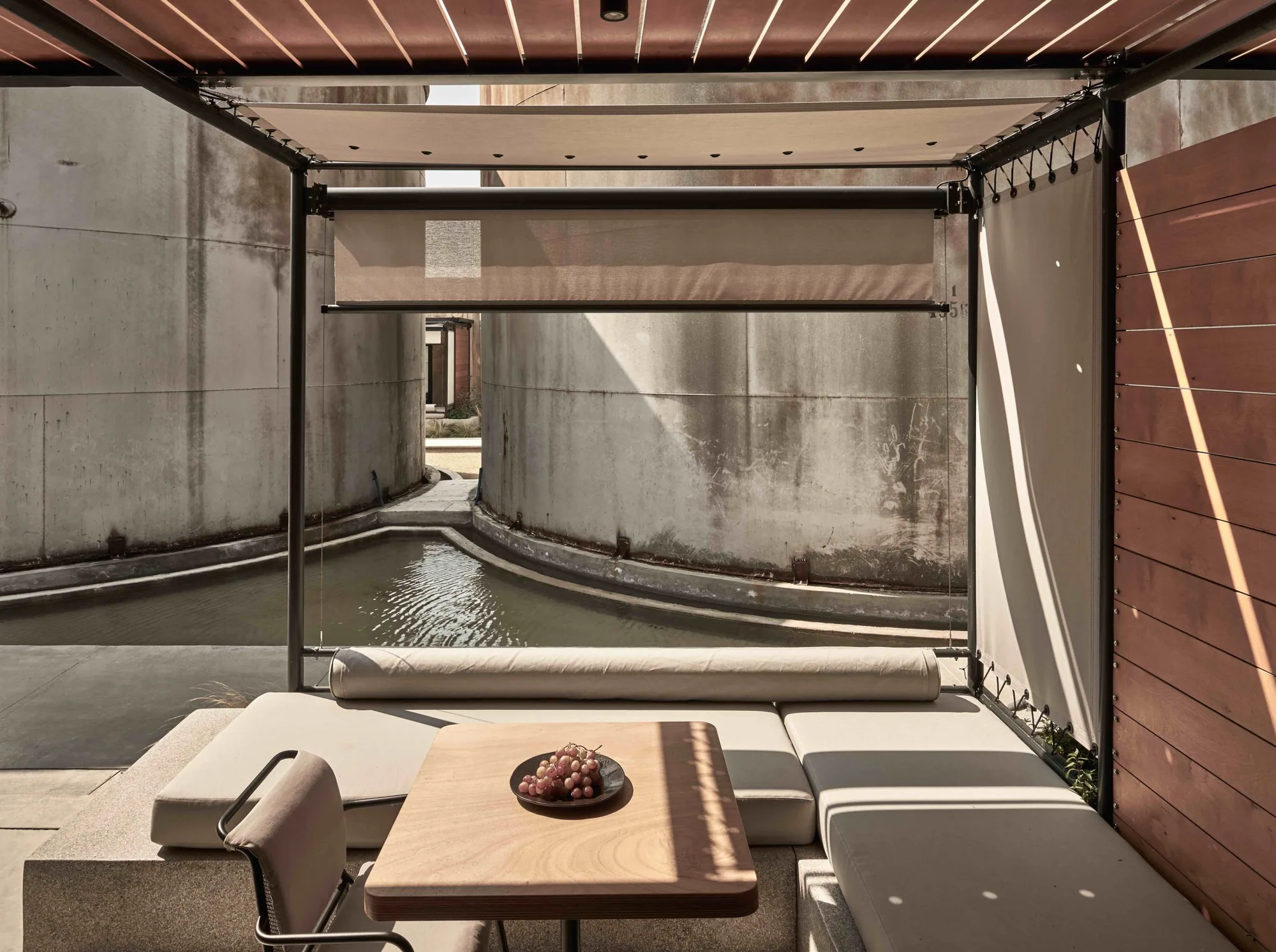
Kourouta, Peloponnes
A 1920s wine factory on the Ionian Sea whose concrete tanks became rooms. Raw, still and entirely undecorated — architecturally the most singular thing in Greece right now.
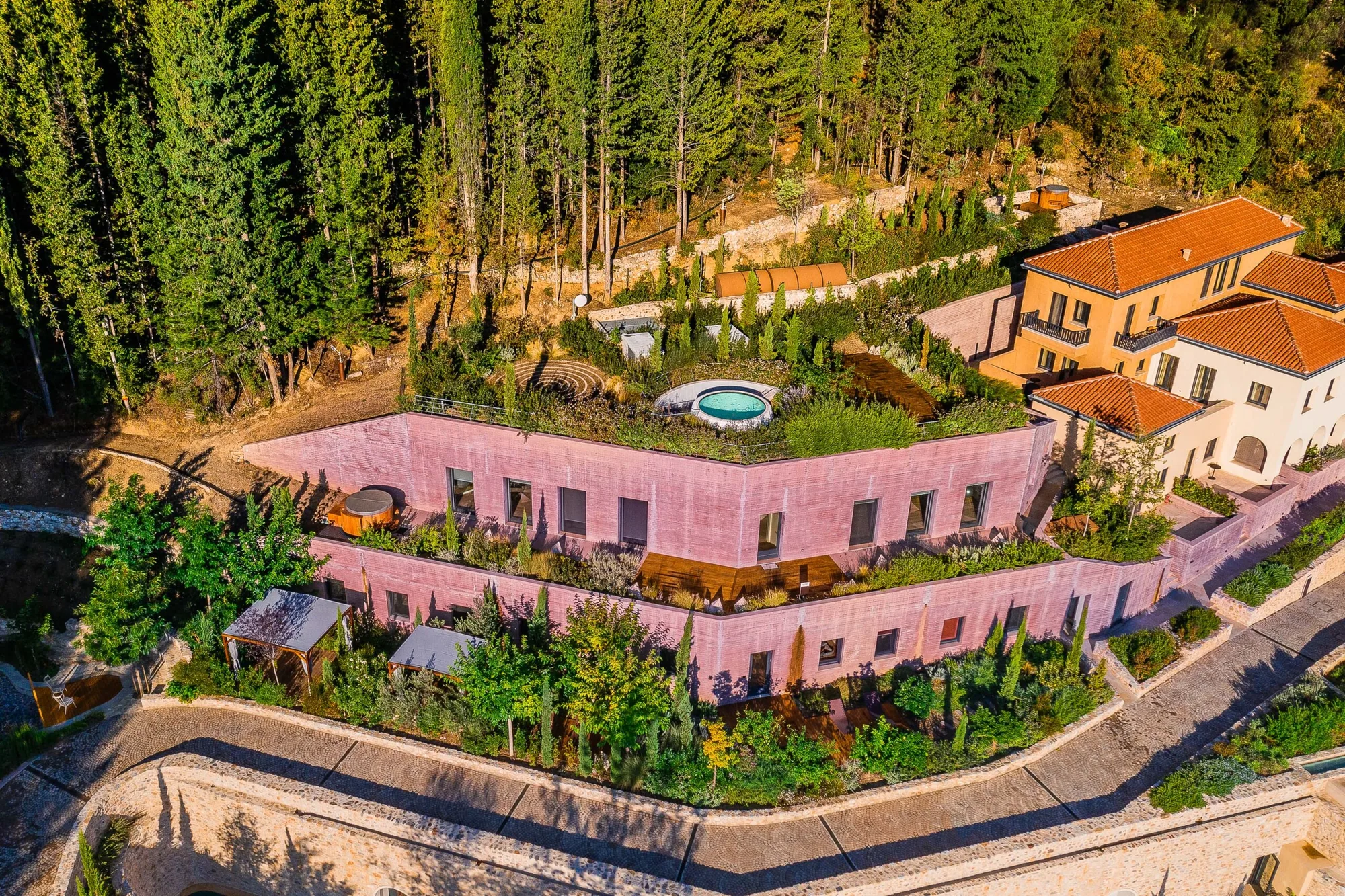
Mystras, Peloponnes
A retreat on the slope below the Byzantine ruins of Mystras, built around a subterranean domed pool hall. The programmes are serious rather than decorative.
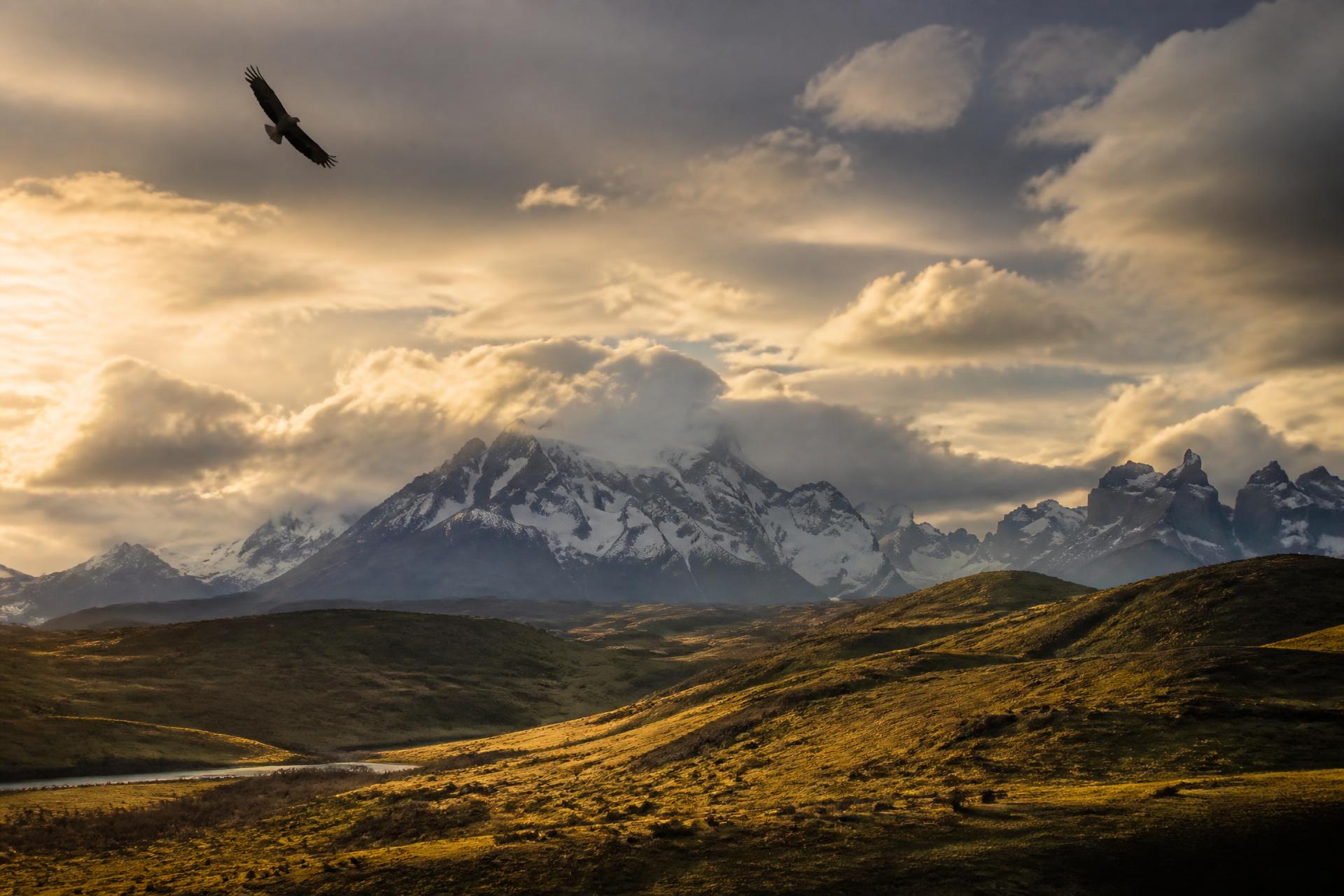
Torres del Paine, Chile
A house at Salto Chico facing the towers — guided walks rather than scheduled activities.
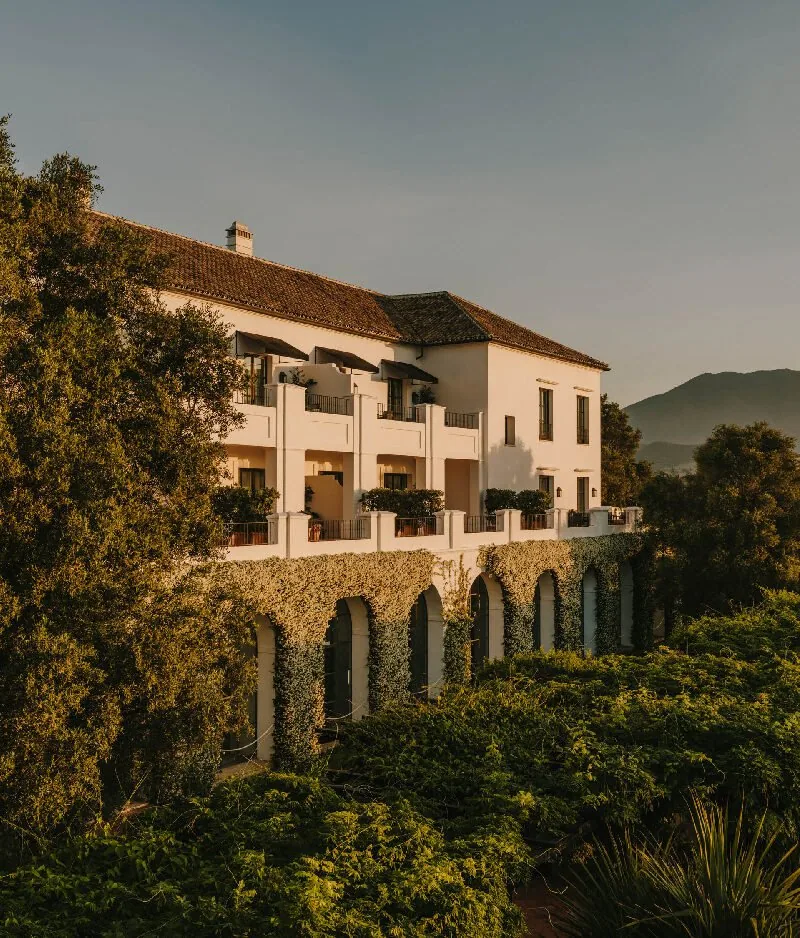
Casares, Andalusien
An Andalusian estate between Marbella and Sotogrande with unusually generous rooms, mature trees and one of Europe's more demanding golf courses. Quiet, despite the Costa del Sol address.
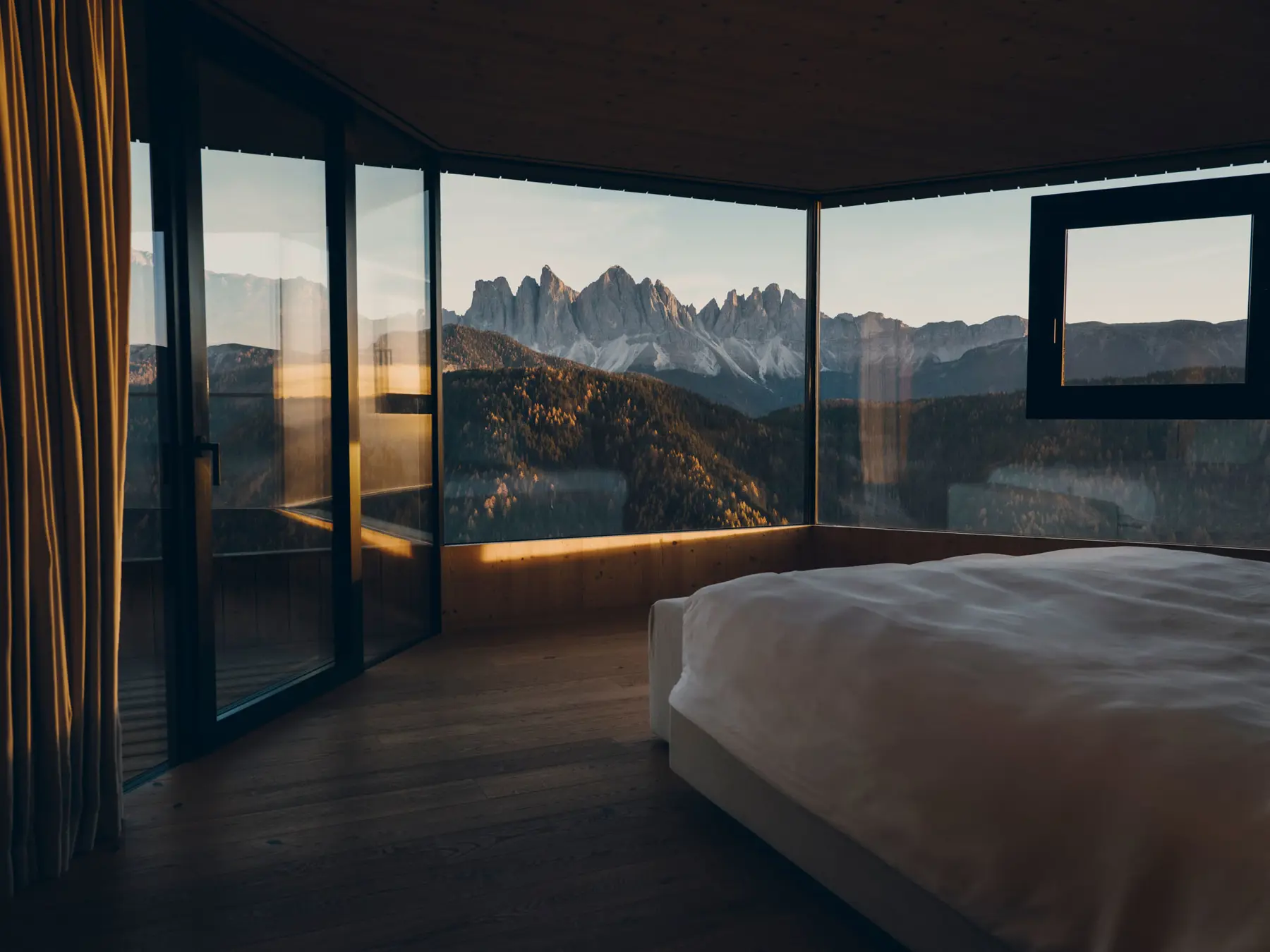
Brixen, Dolomiten, Italien
At 1,800 metres above Bressanone, facing the Dolomites: four spruce-clad towers, tall windows, almost no colour and a silence you register on the first evening almost as a sound.
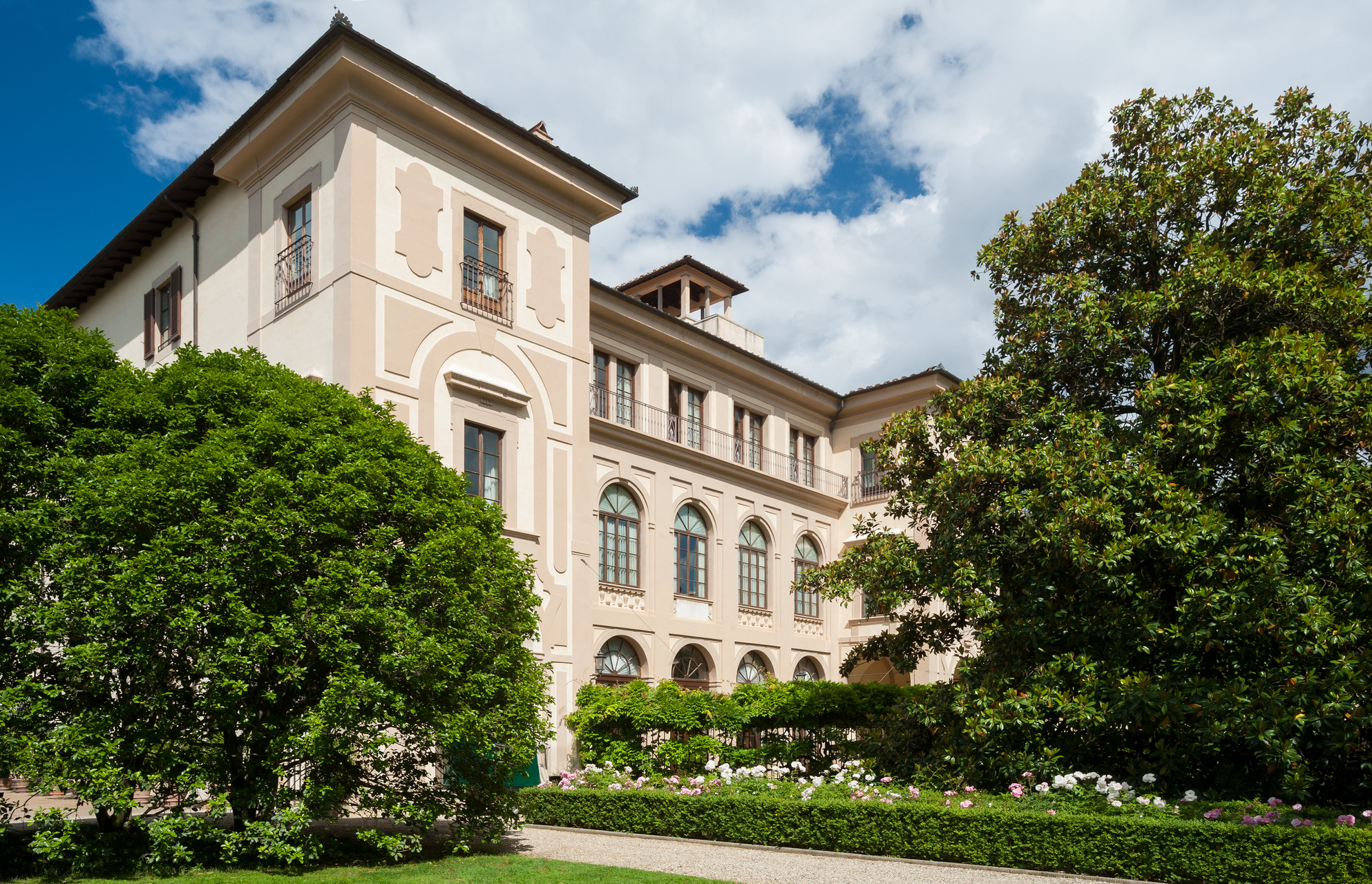
Florenz, Toskana
A Renaissance palazzo with eleven hectares of garden behind it — Florence on foot, silence at breakfast.
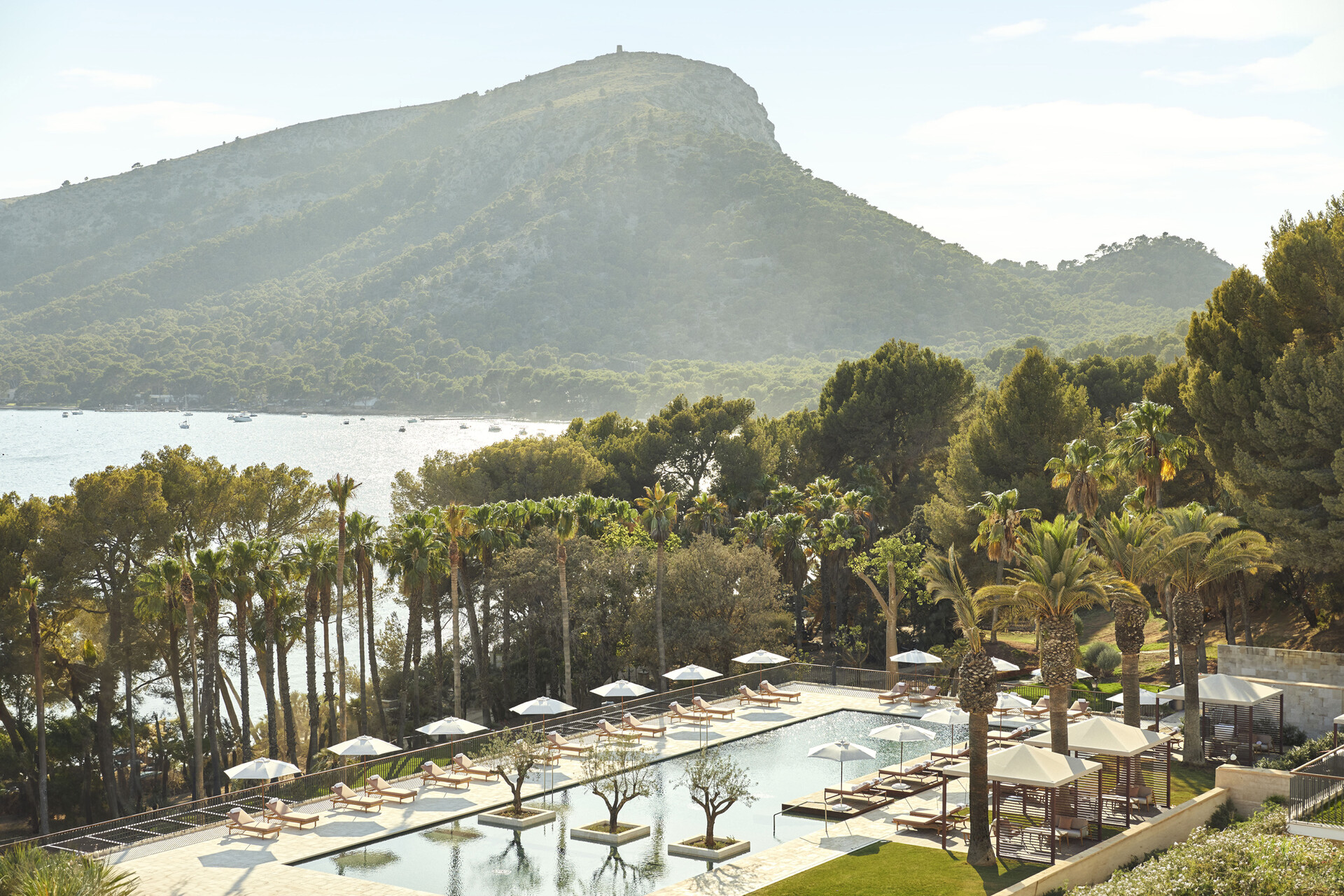
Formentor, Mallorca
The 1929 grand hotel on Formentor bay, carefully brought back rather than reinvented.
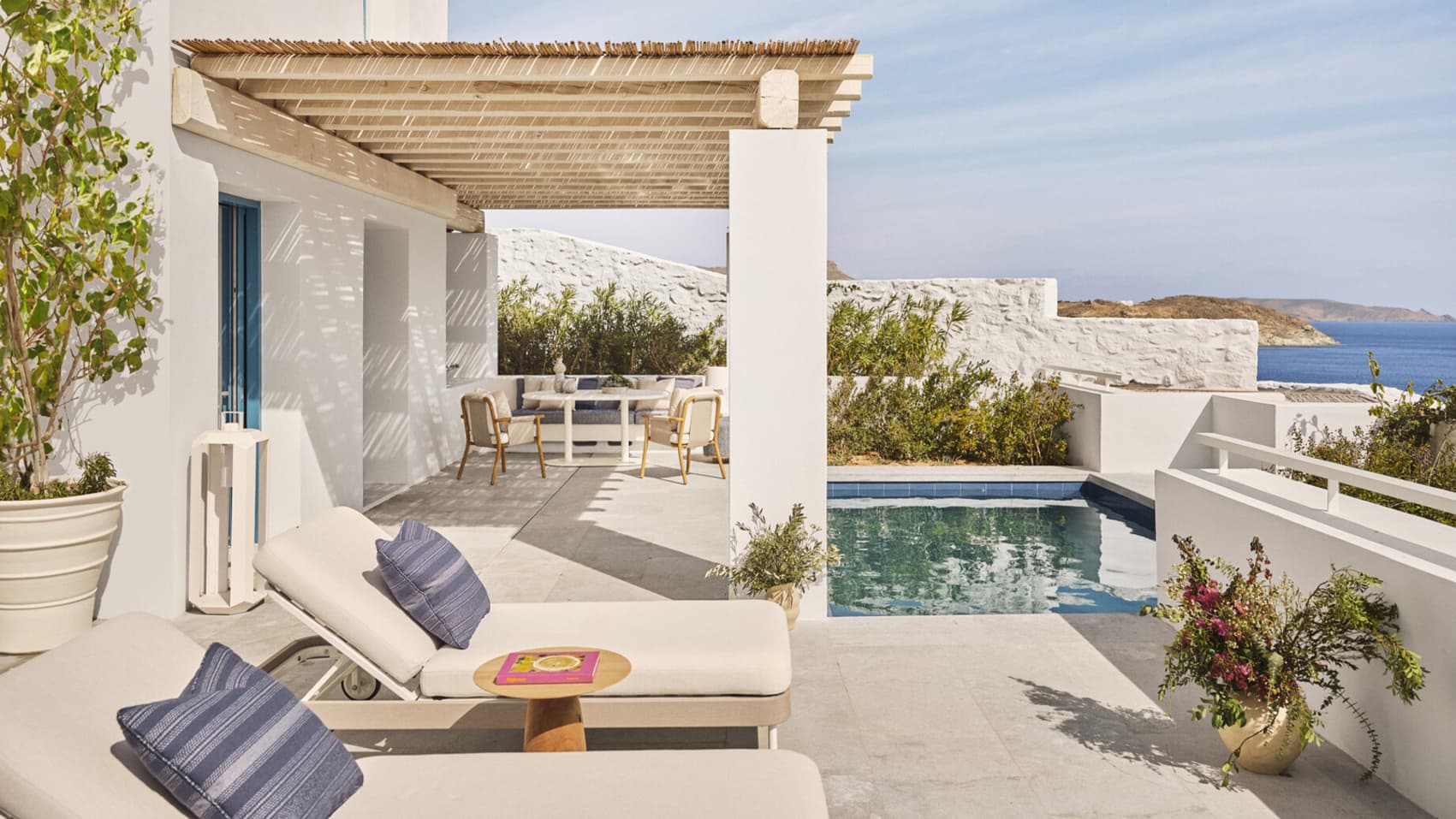
Mykonos
A large resort on a sheltered southern bay, built in Cycladic manner and far enough from town that the island does not reach the room at night. The most dependable address on Mykonos when children travel.
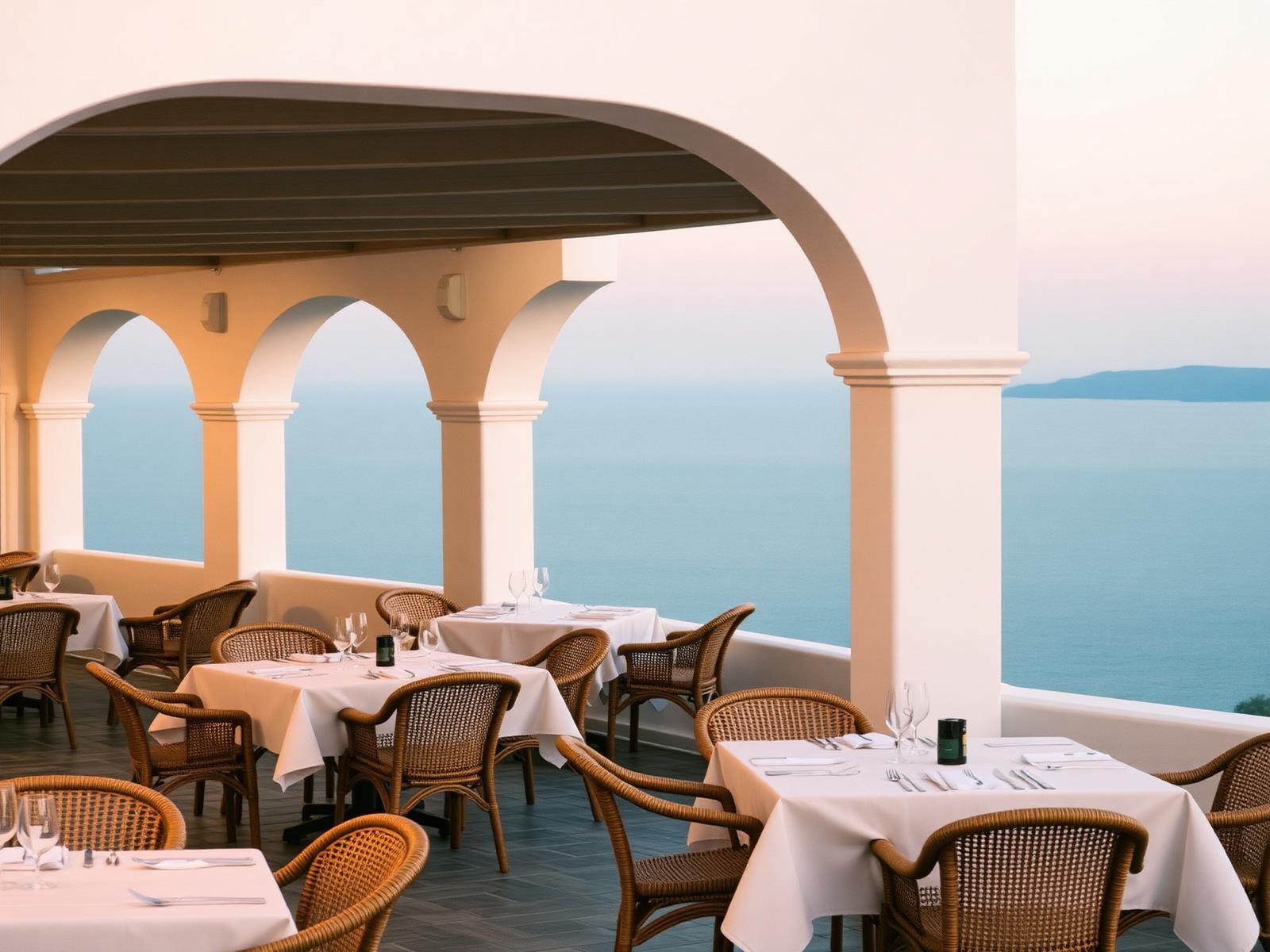
Mykonos, Kykladen
A house built around the table: few rooms and a restaurant that is the real reason.
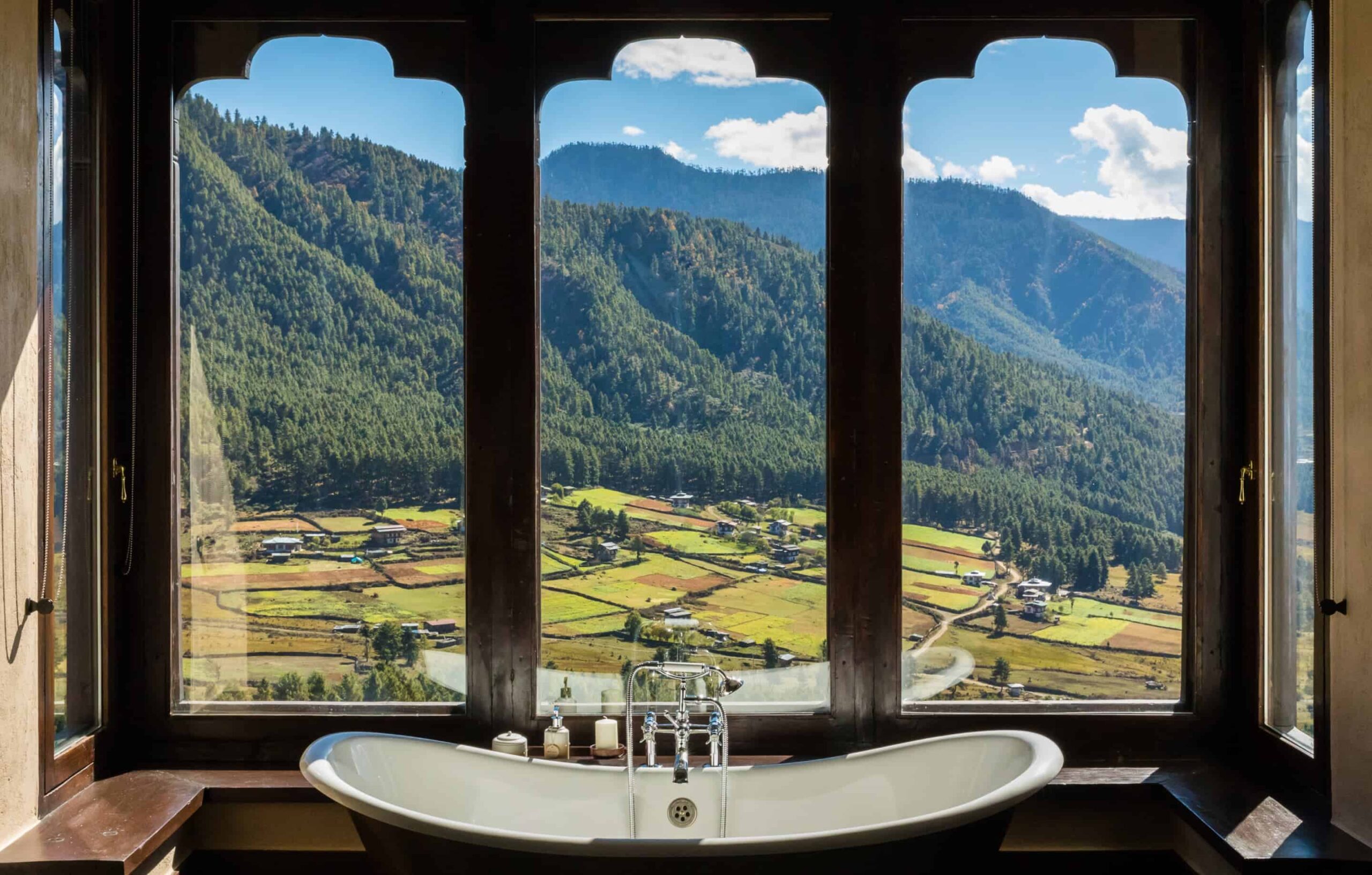
Phobjikha-Tal, Bhutan
Twelve suites in a converted farmhouse above a glacial valley, facing Gangtey monastery.
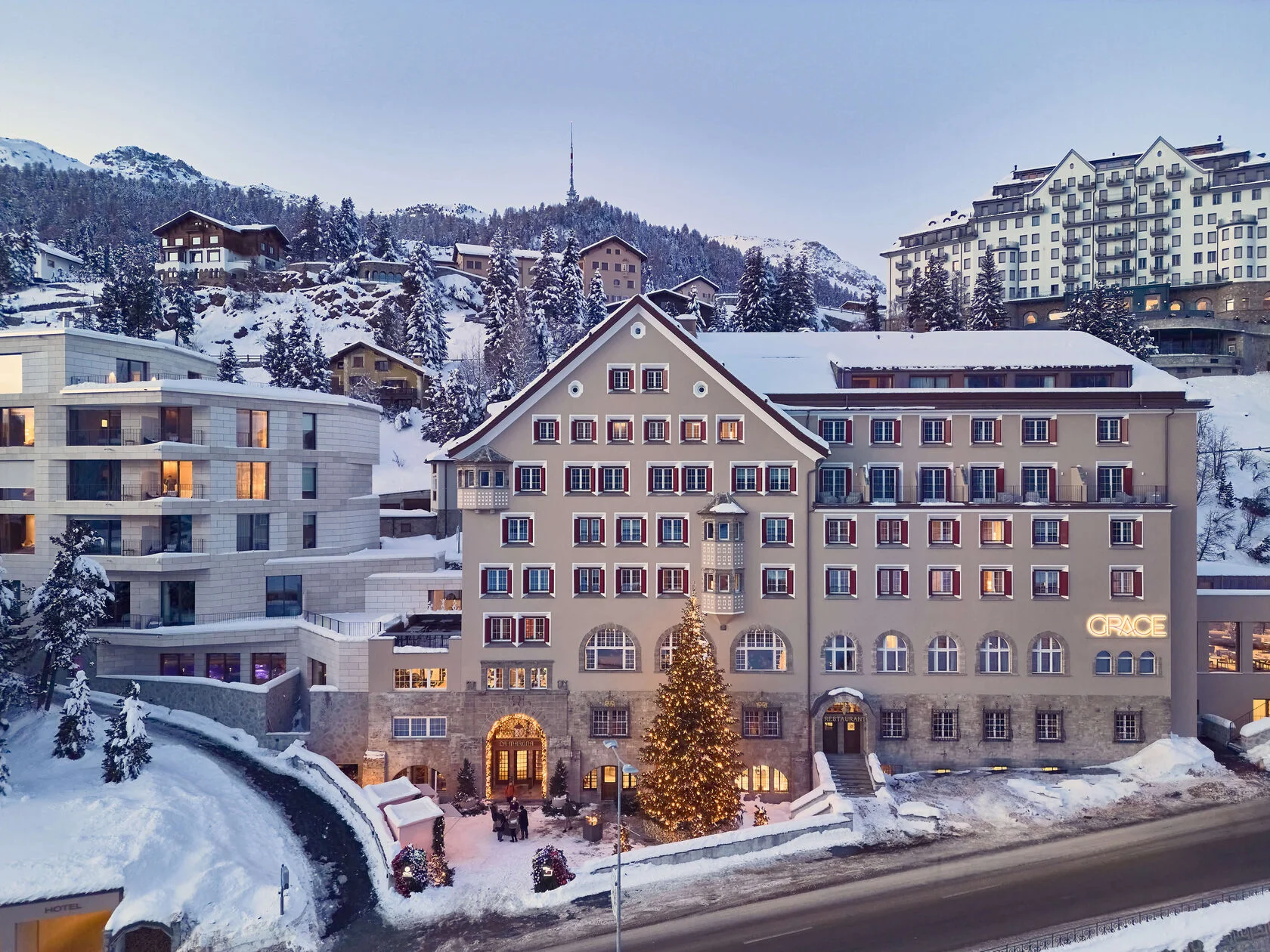
St. Moritz, Engadin
A 1907 grand hotel by the lake, carefully brought back and extended with a modern wing.
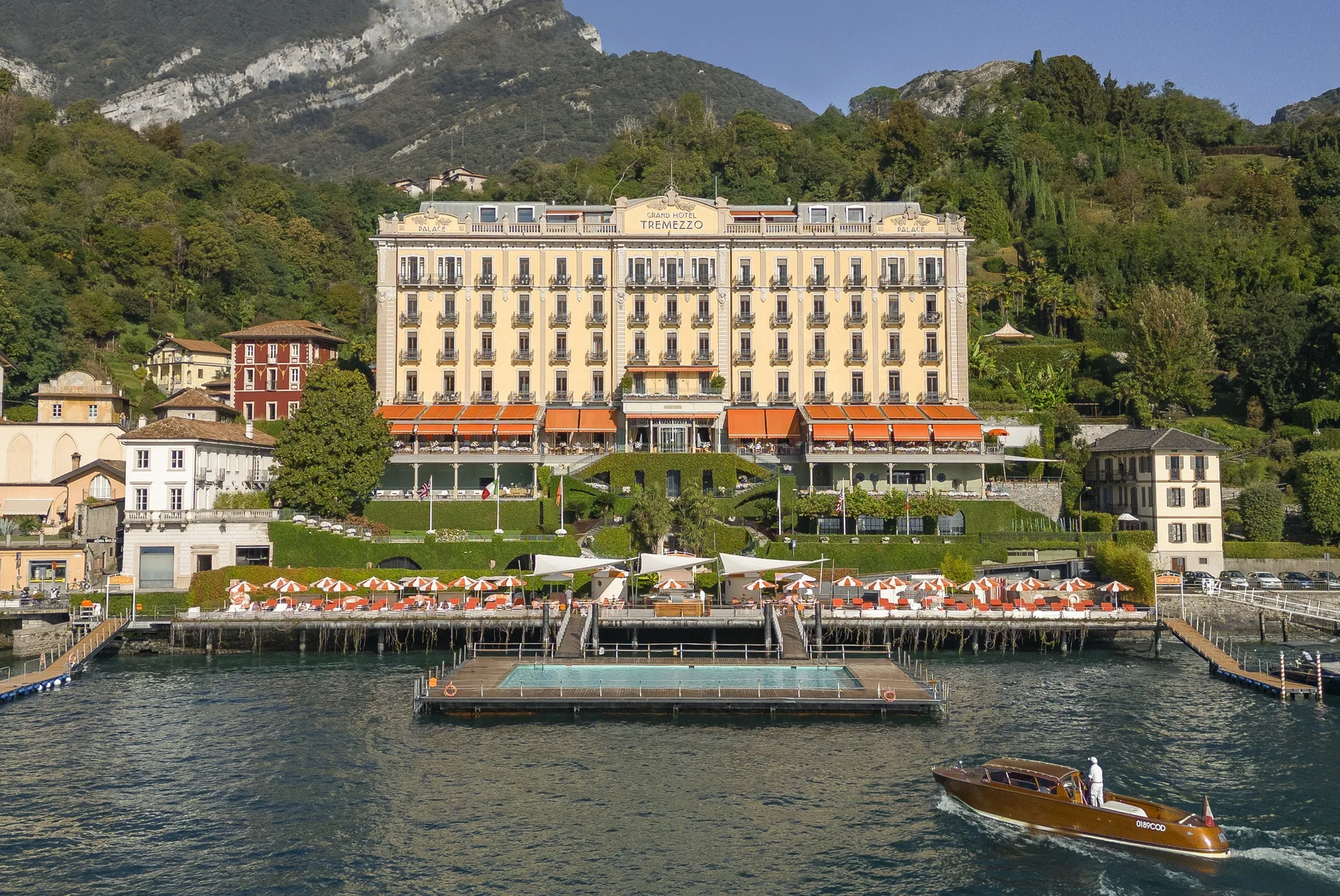
Tremezzina, Comer See
A grand hotel of 1910, run by the same family for generations and still warm with it. The view across to the Bergamasque Alps is among the finest on the lake.
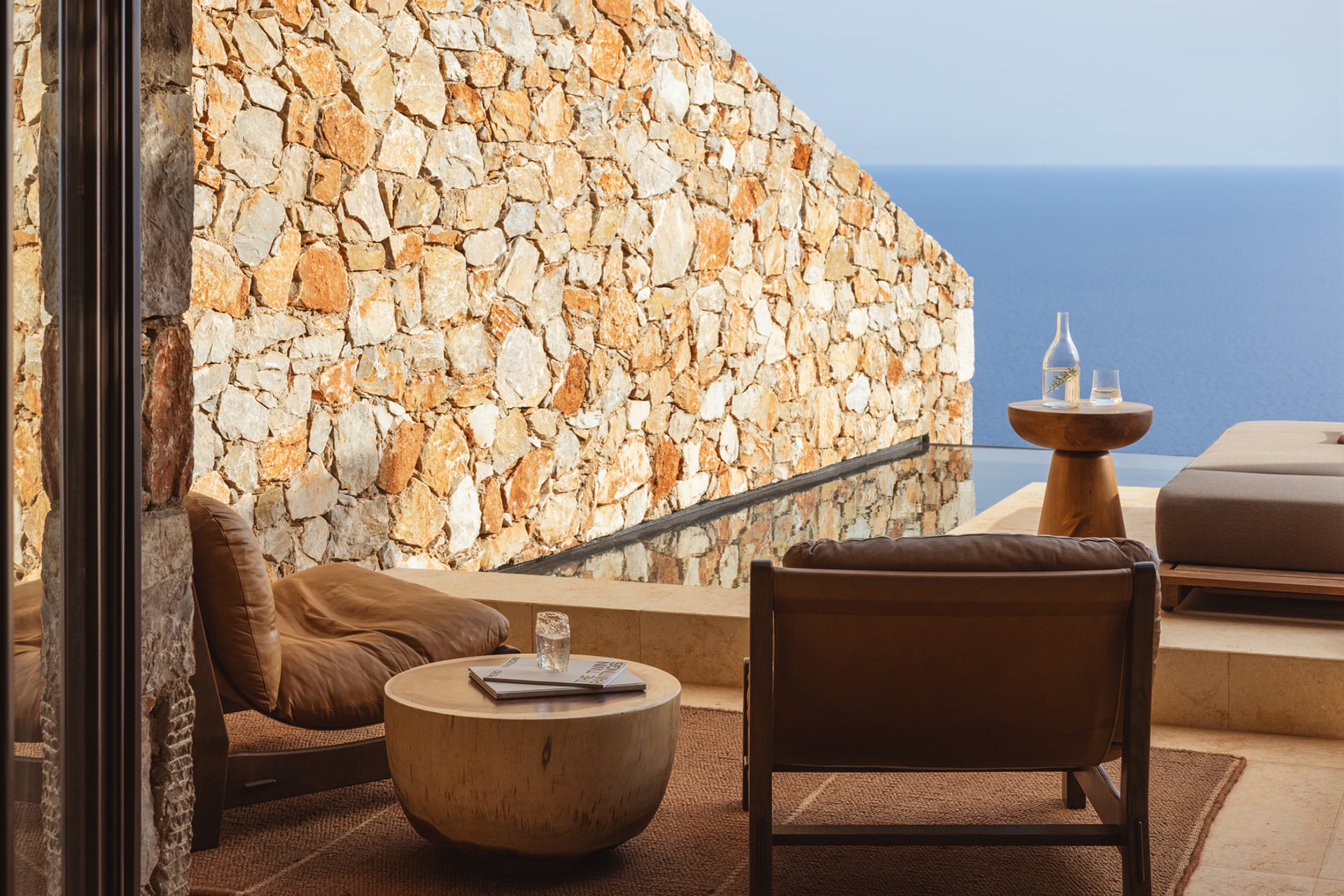
Folegandros
A address on an undeveloped cliff, built from volcanic stone and set so deep into the slope it is barely visible from the sea. Folegandros has no airport and no scene — which is the point.
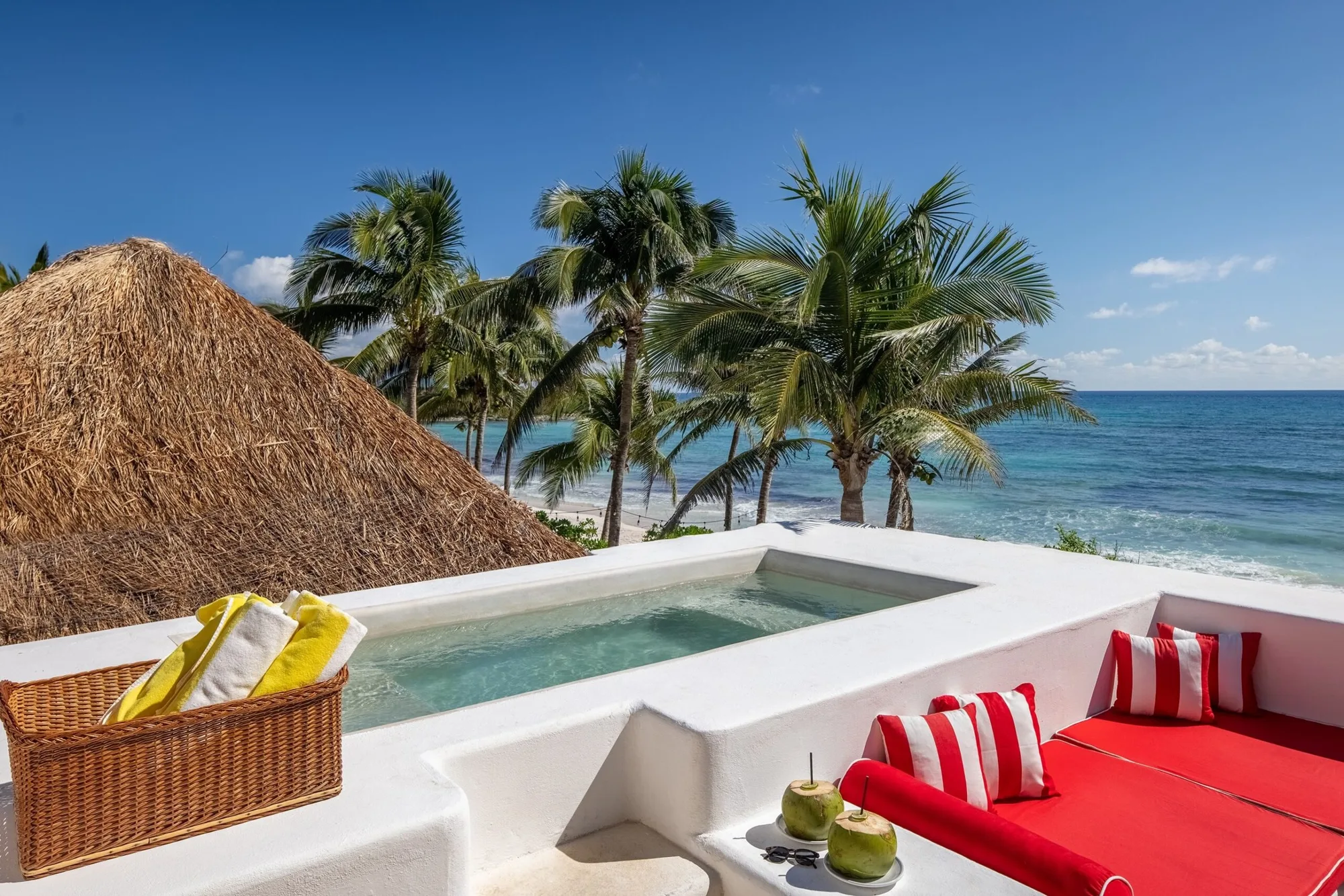
Riviera Maya, Mexiko
A former private estate on Xpu-Ha beach — twenty-nine rooms, a great deal of lawn, very little programme.
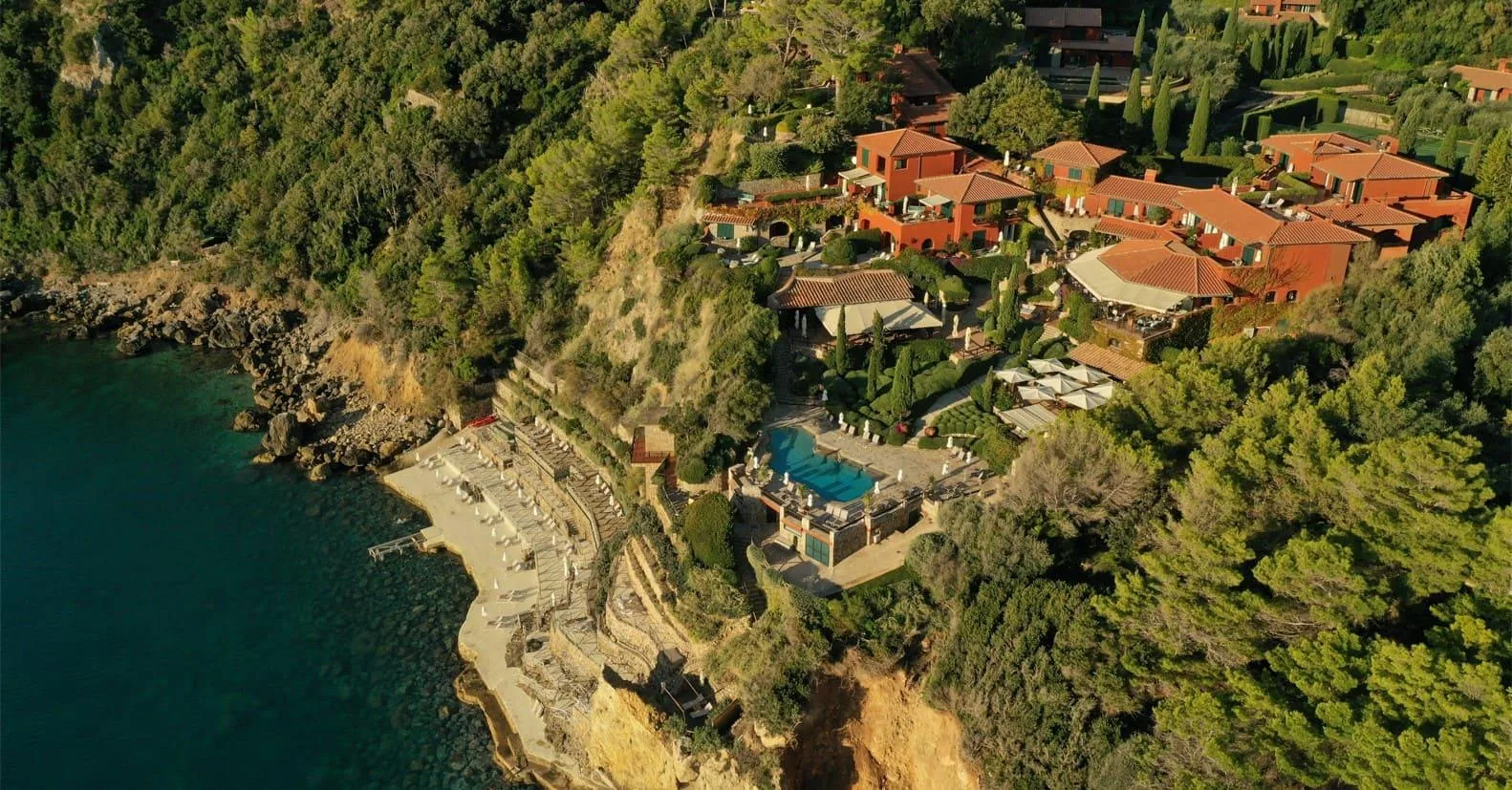
Porto Ercole, Toskana
The same bay, the same pines, the same attitude since 1965: Mediterranean ease without performance. The property shaped a style it never needed to reinvent.
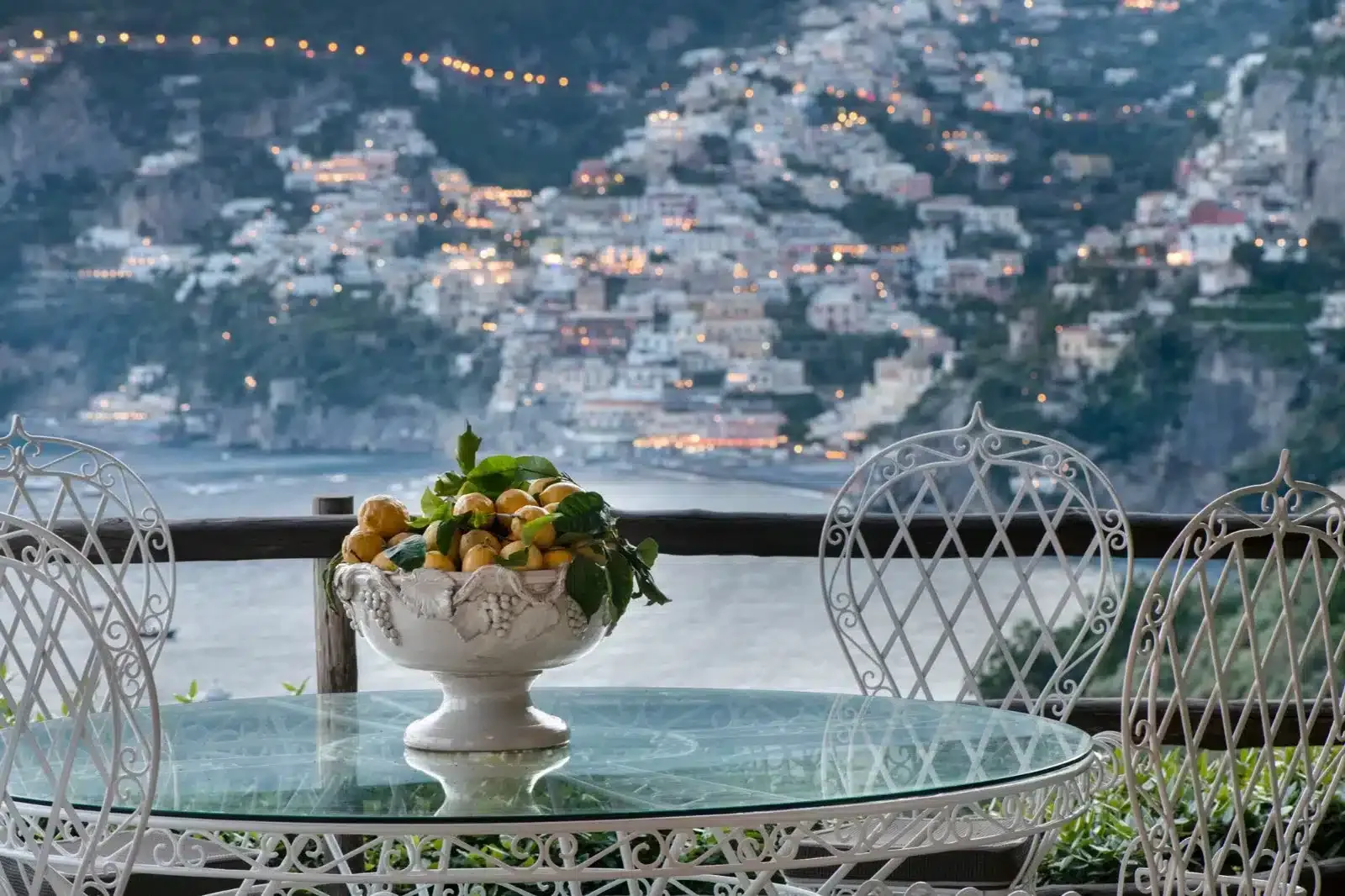
Positano
Family-run since 1970 and still guided by the same idea: terraces set into the rock, bougainvillea over everything, a lift down to the sea. The staff have known returning guests by name for decades.
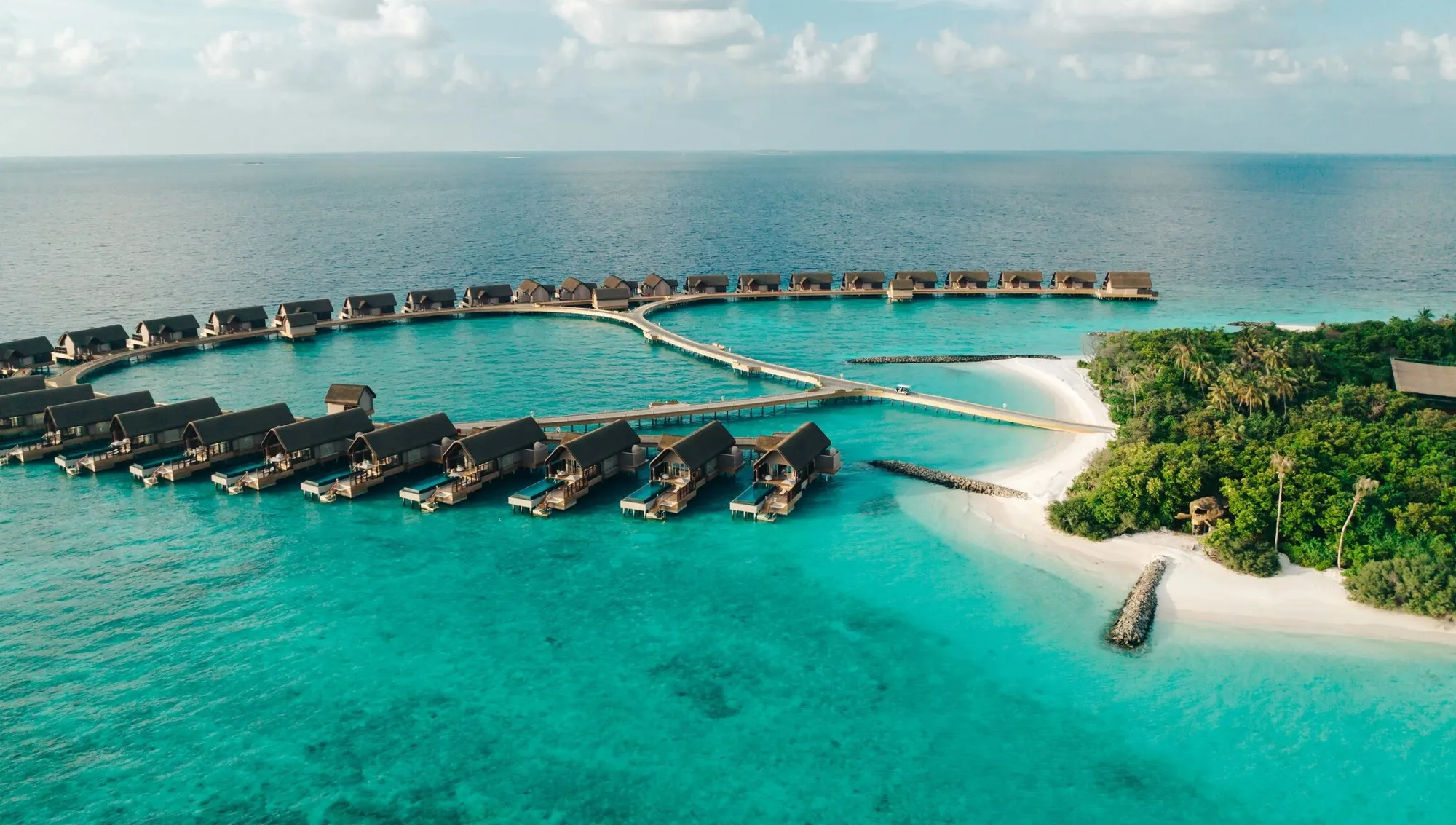
Raa-Atoll, Malediven
A hotel that does not treat art as decoration: installations by international artists stand in the water, the forest and the villas. The architecture stays quiet around them.
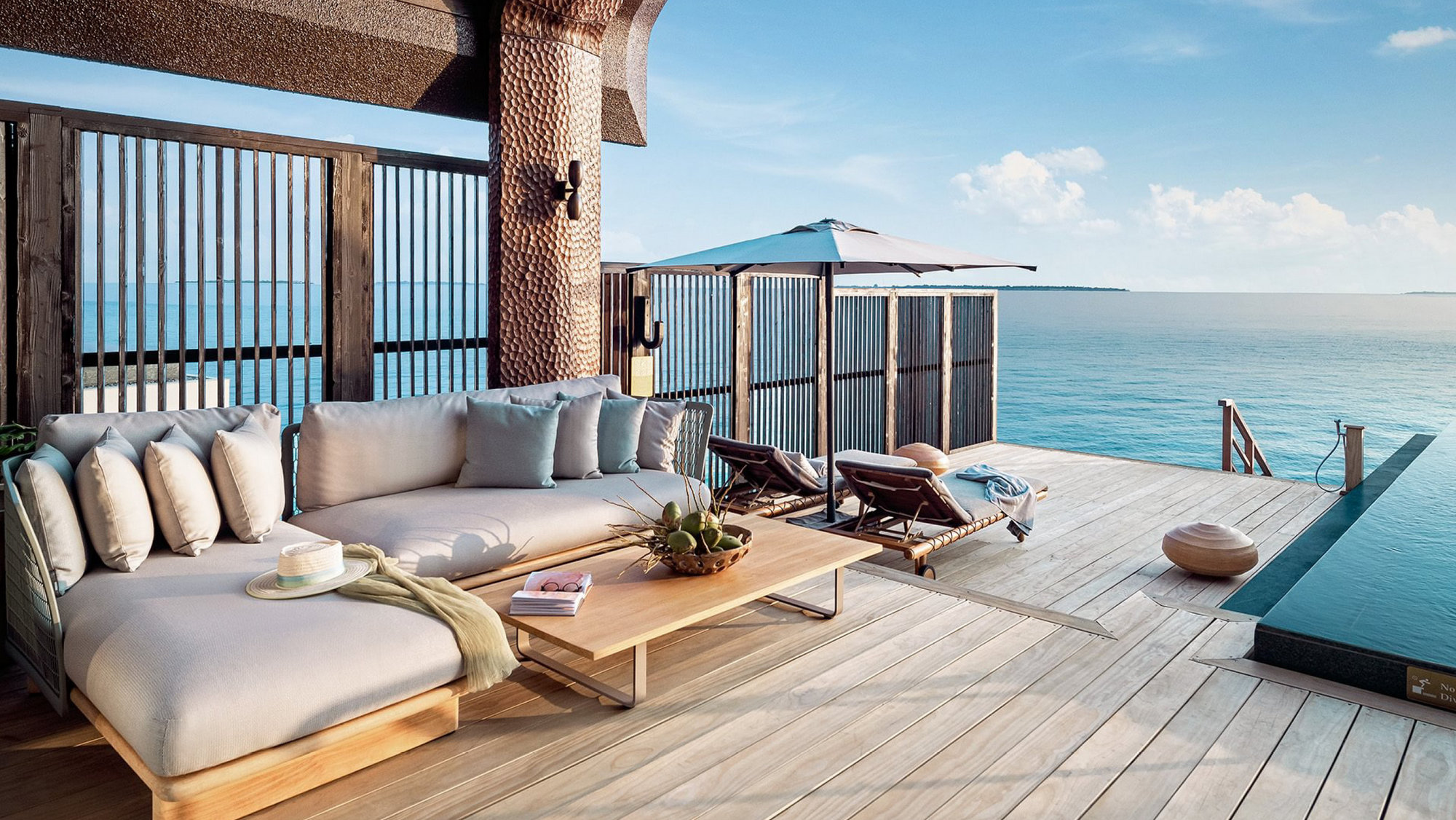
Raa-Atoll, Malediven
An island given entirely to wellbeing: four pillars from nutrition to sound, a resident doctor, and still a Maldivian island.
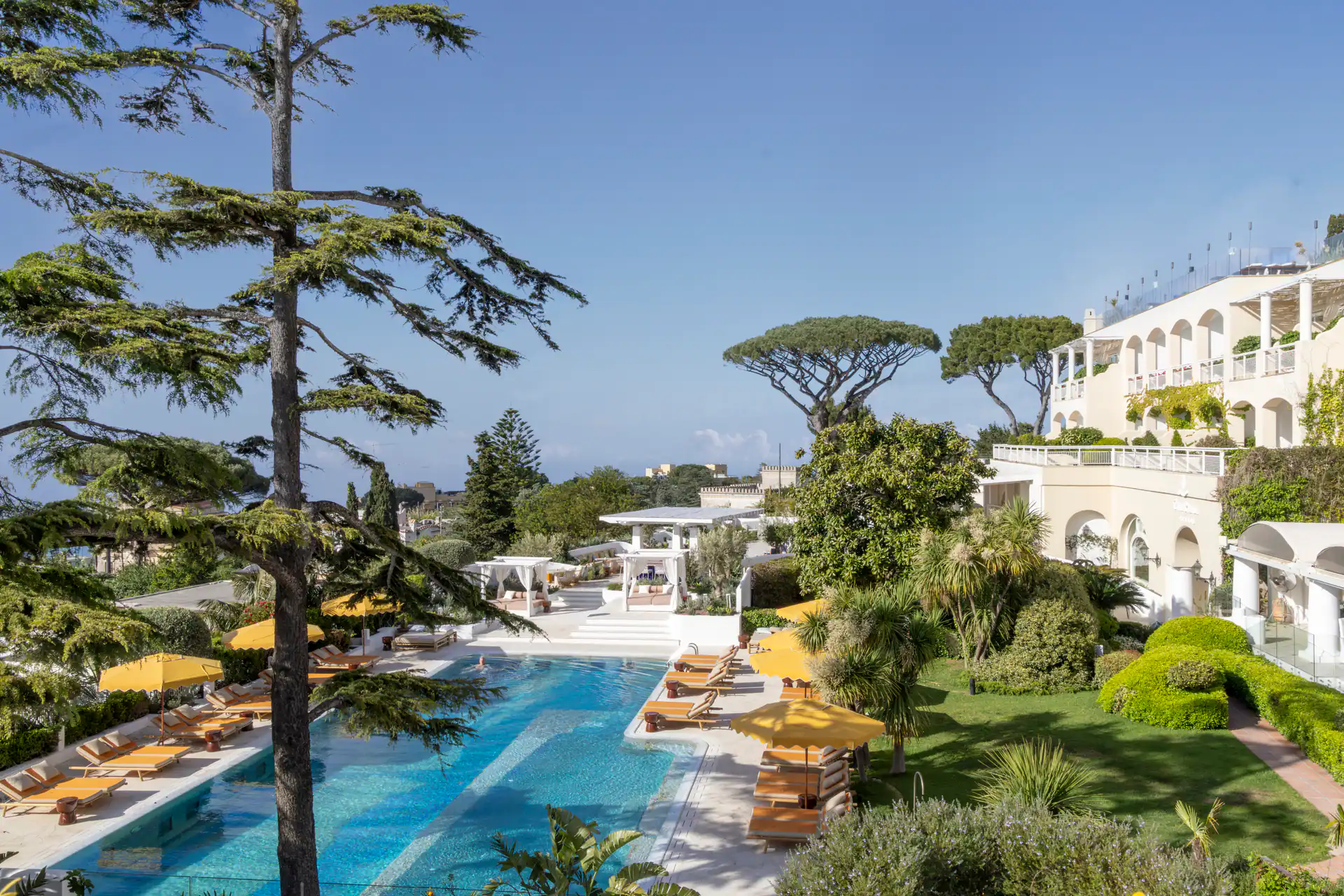
Anacapri, Capri
A white house in Anacapri, above the crowds, with an art collection and a serious spa.
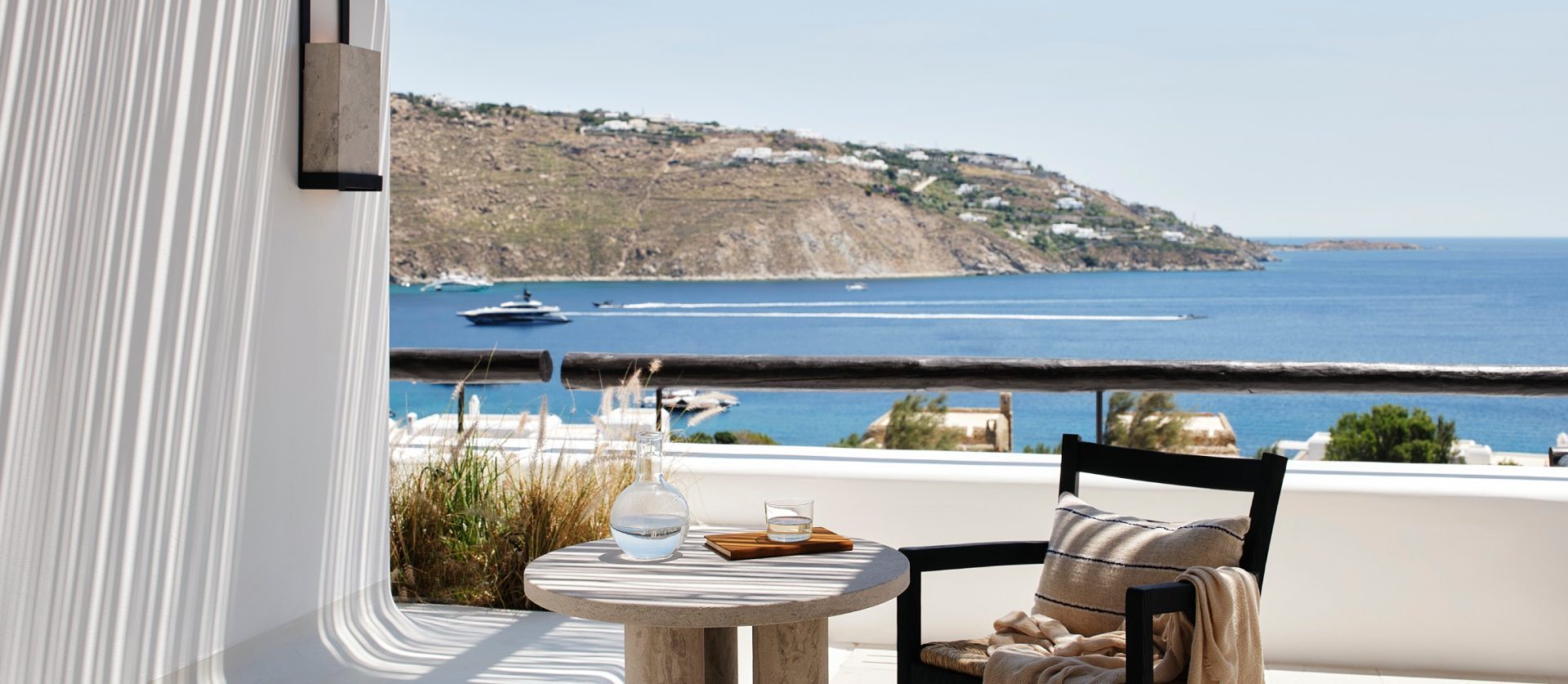
Mykonos
Twenty-seven suites on a slope above Ornos Bay, built in Cycladic manner with stone walls and timber. Proof that Mykonos can be quiet without leaving the island.
Koh Samui, Thailand
A retreat built around a monk's cave on the south coast of Koh Samui, with programmes spanning burnout, sleep and weight.
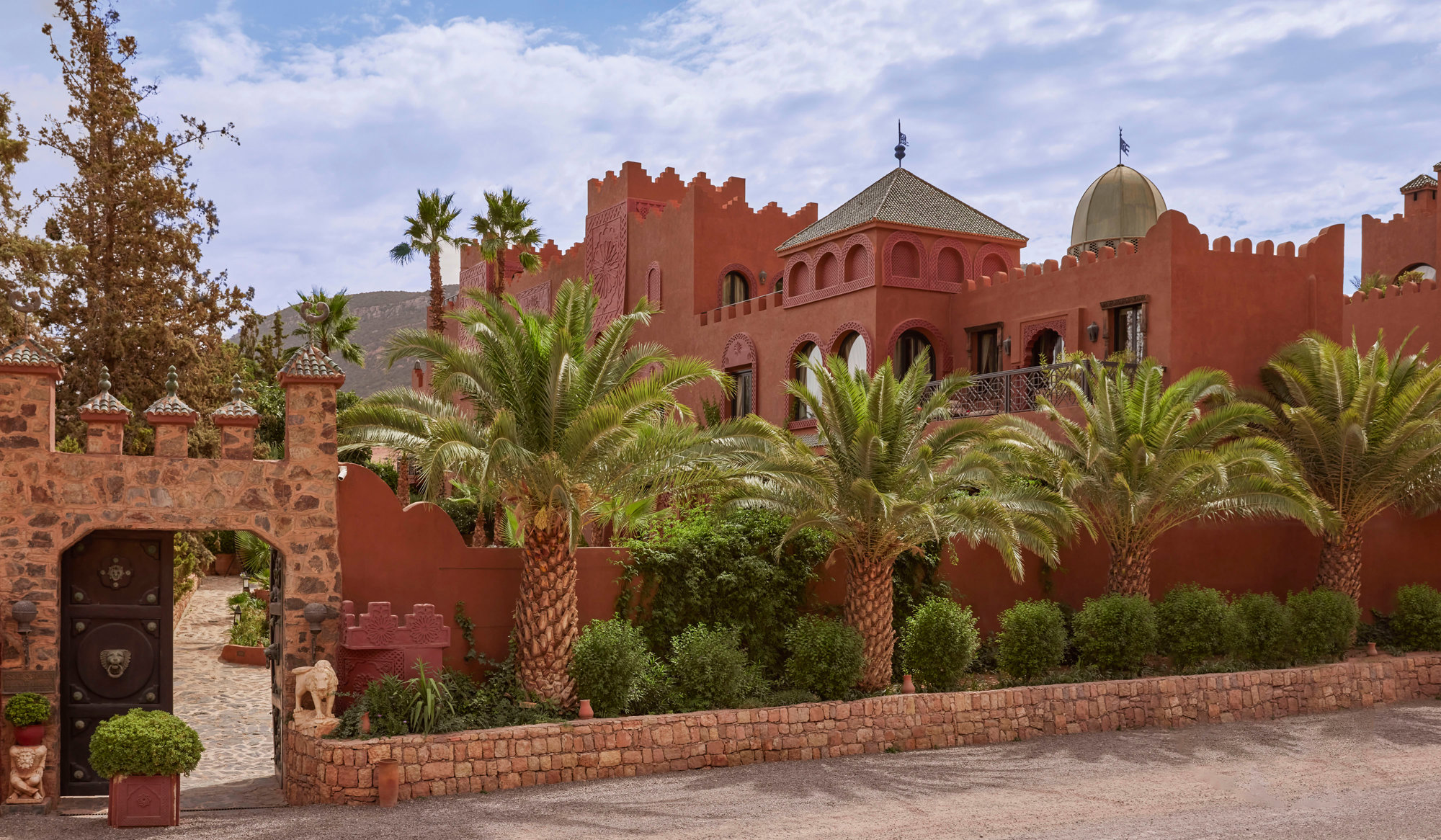
Hoher Atlas, Marokko
A kasbah in the Atlas mountains, an hour from Marrakech and in another world entirely.
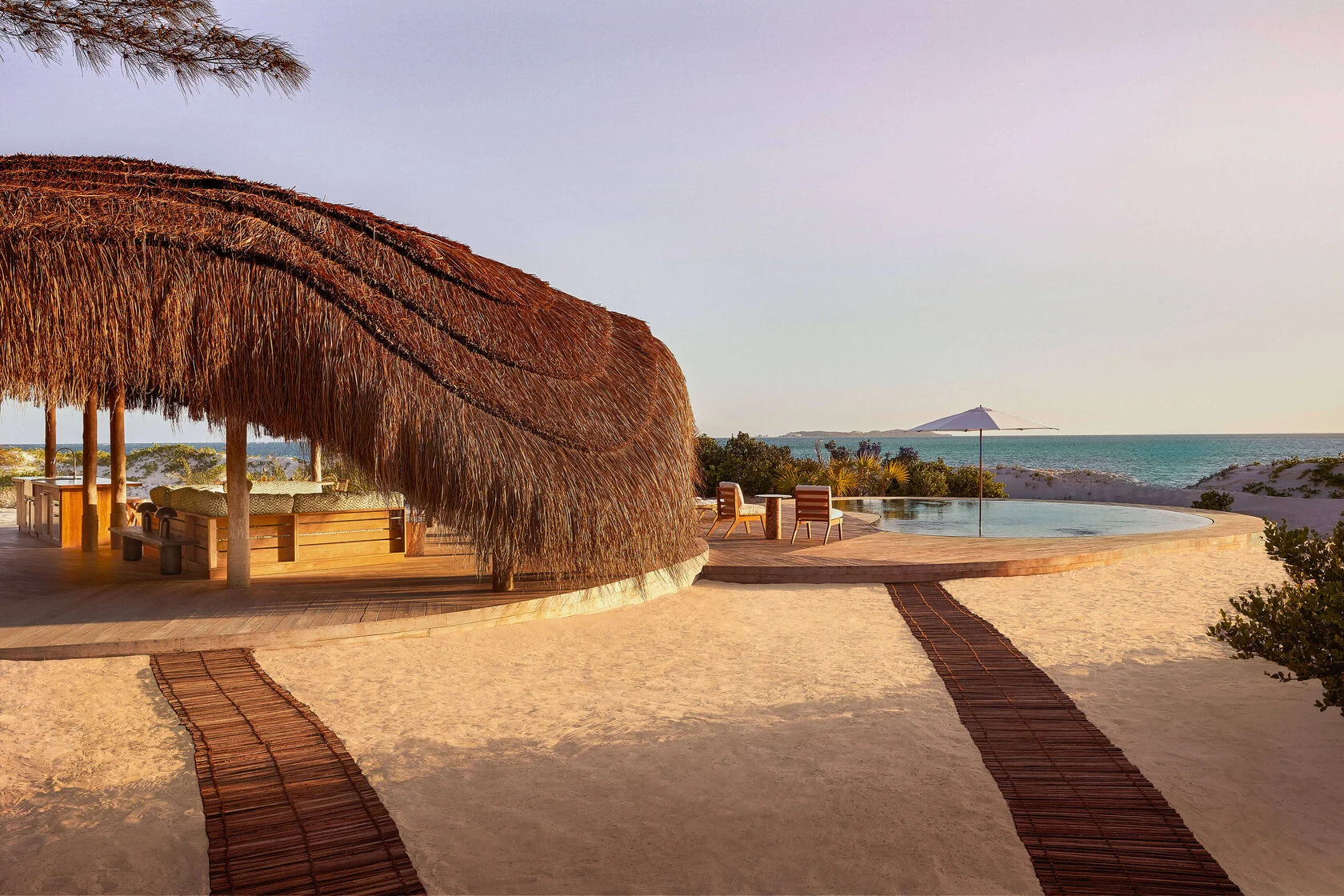
Benguerra Island, Mosambik
Twelve free-standing residences across three hundred hectares of island, each with its own stretch of sand.
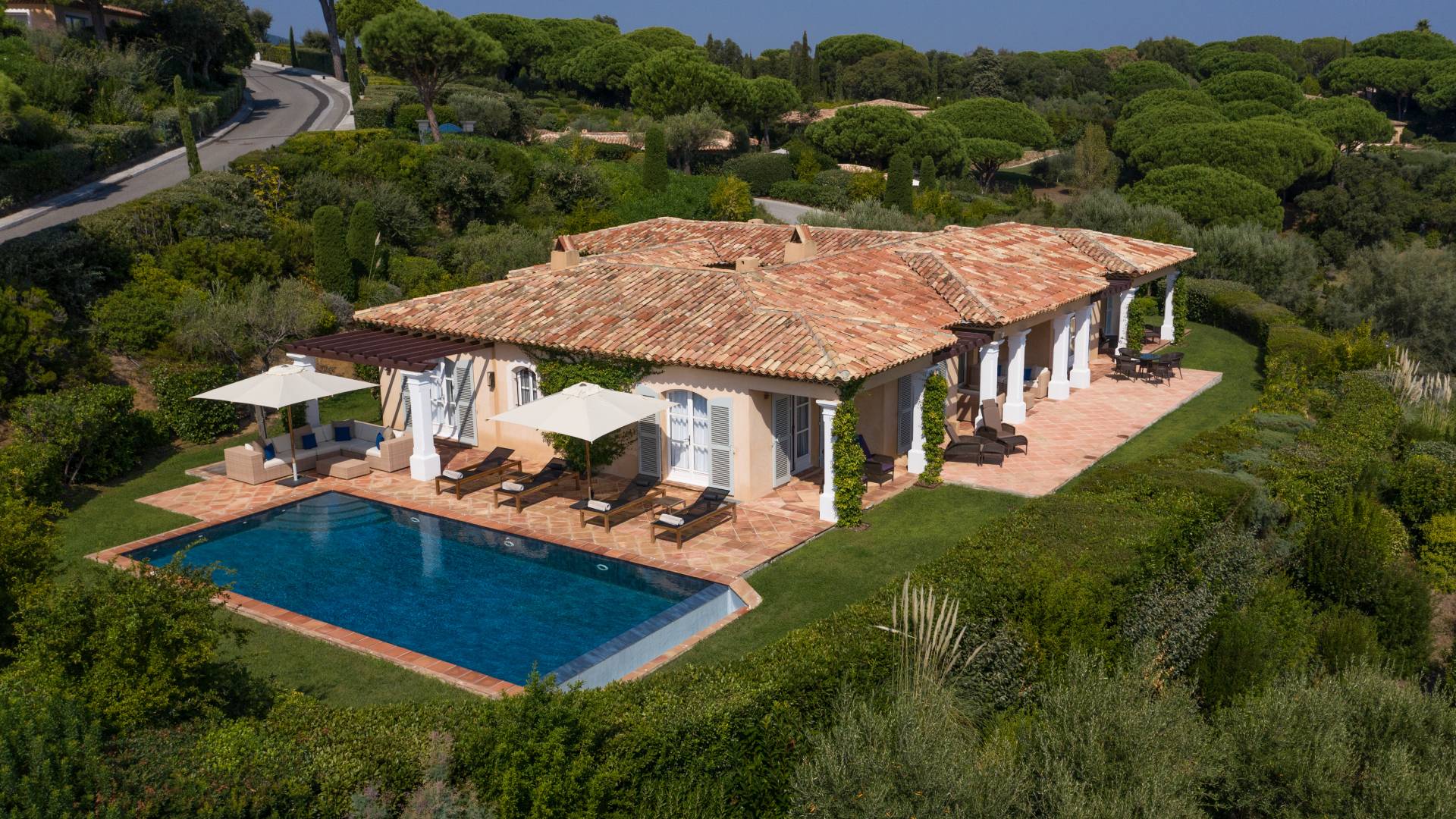
Ramatuelle, Côte d’Azur
A Jean-Michel Wilmotte house above the coast near Saint-Tropez, with pines instead of a promenade.
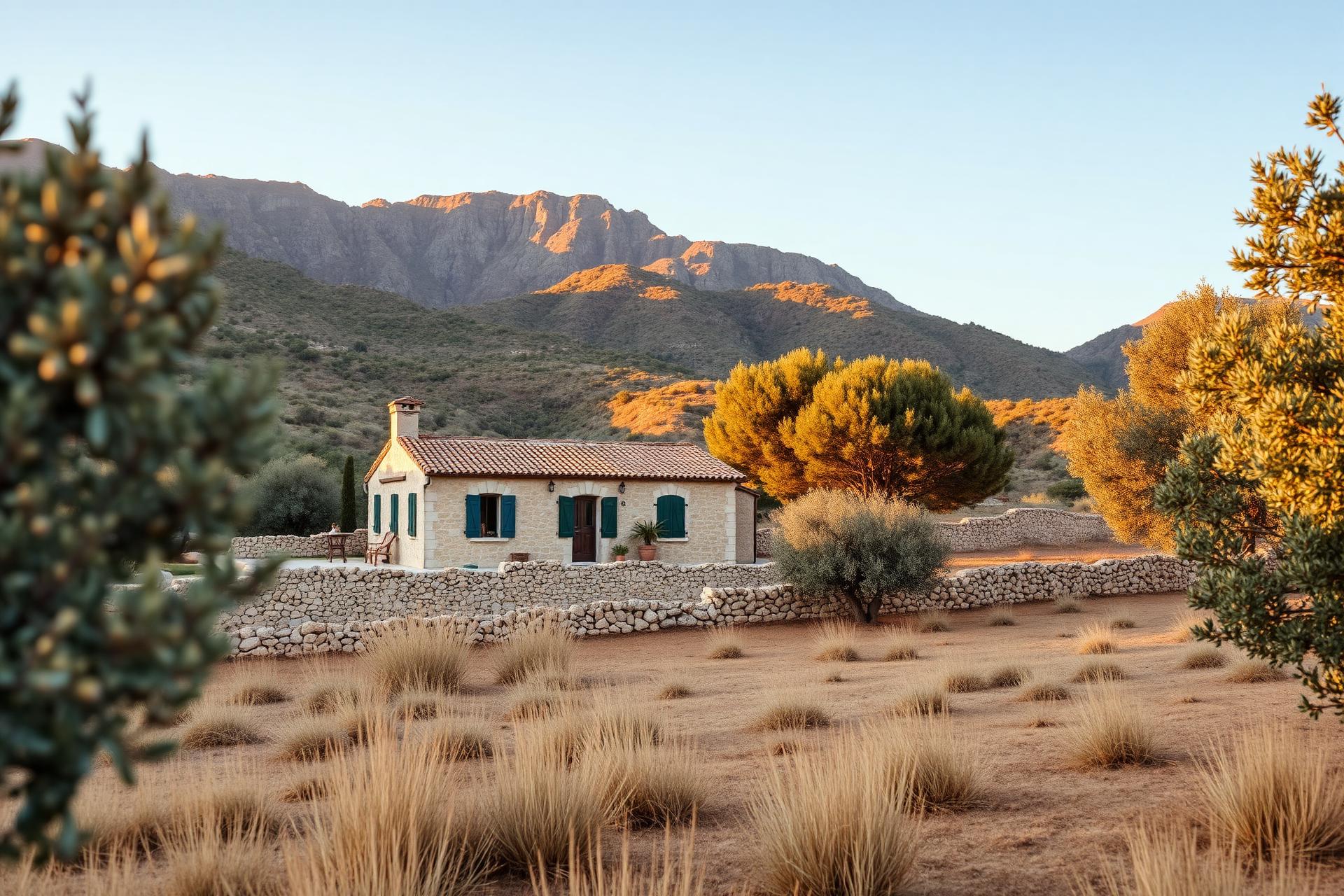
Deià, Mallorca
Two sixteenth-century manor hotels above the artists' village of Deià, among olive groves and citrus. The combination of art collection, Tramuntana light and long address history exists nowhere else on Mallorca.
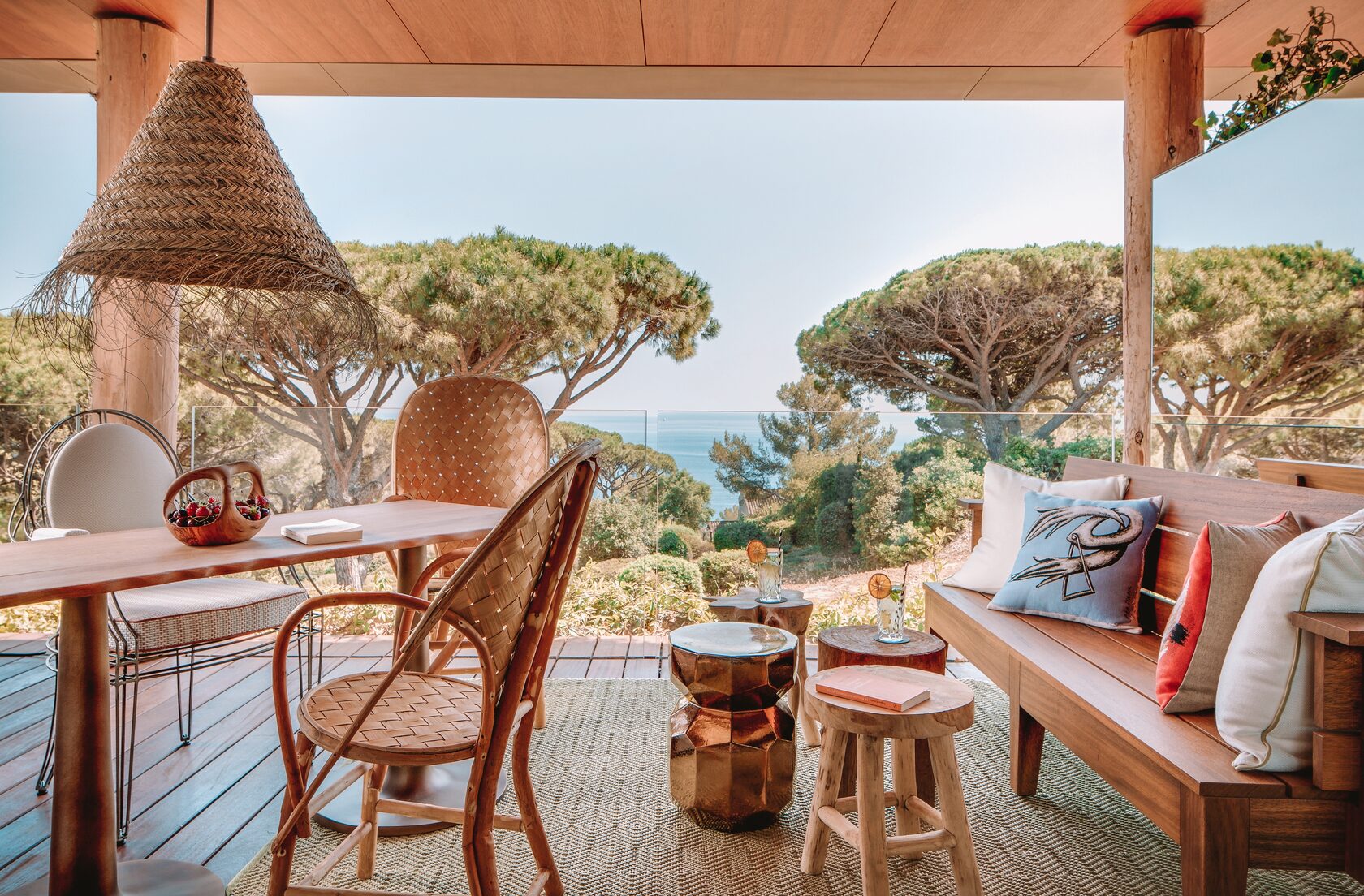
La Croix-Valmer, Frankreich
A Philippe Starck house above the Bay of Gigaro that feels more like a holiday hotel than a clinic — with a very serious programme behind it.
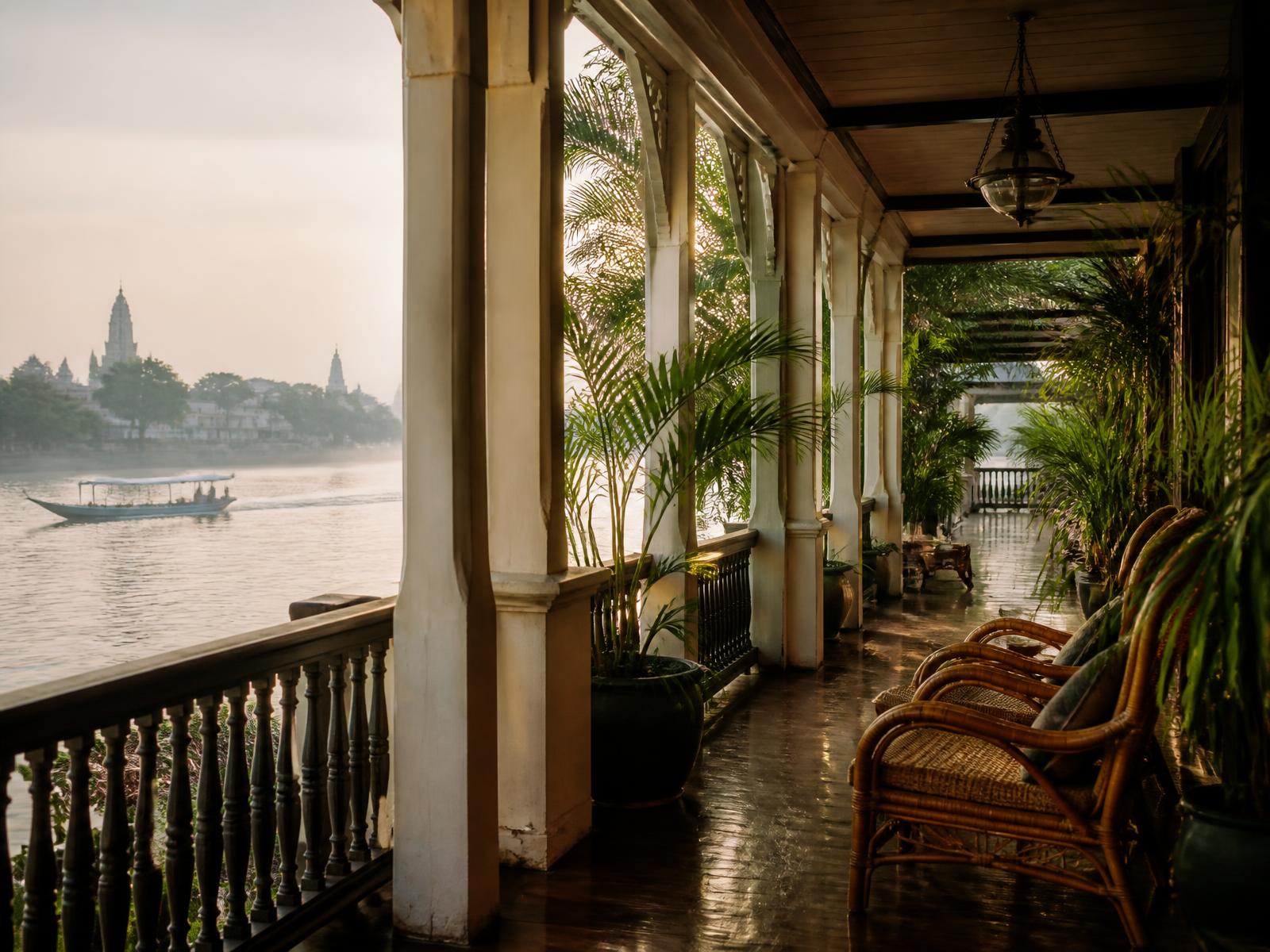
Chao-Phraya-Fluss, Bangkok
The Authors' Wing, the river at dusk and a standard of service rehearsed for over a century.
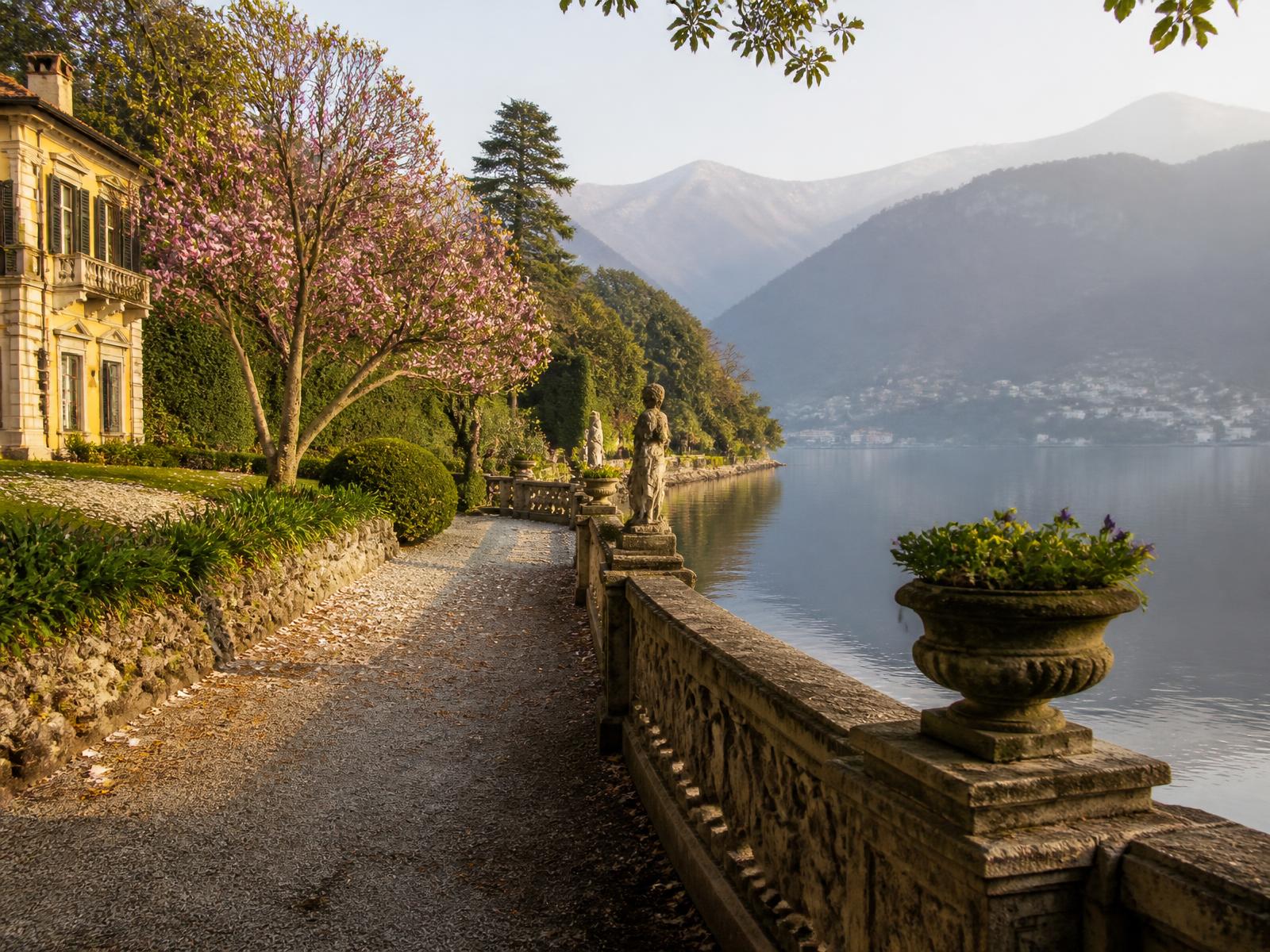
Blevio, Comer See
Historic villas on the quiet eastern shore, with a private jetty and terraced gardens.
Costa d’en Blanes, Mallorca
A private headland between two small coves, twenty minutes west of Palma. After a long rebuild of a sixties property, one of the few addresses on the island with direct access to the water and a short run into town.
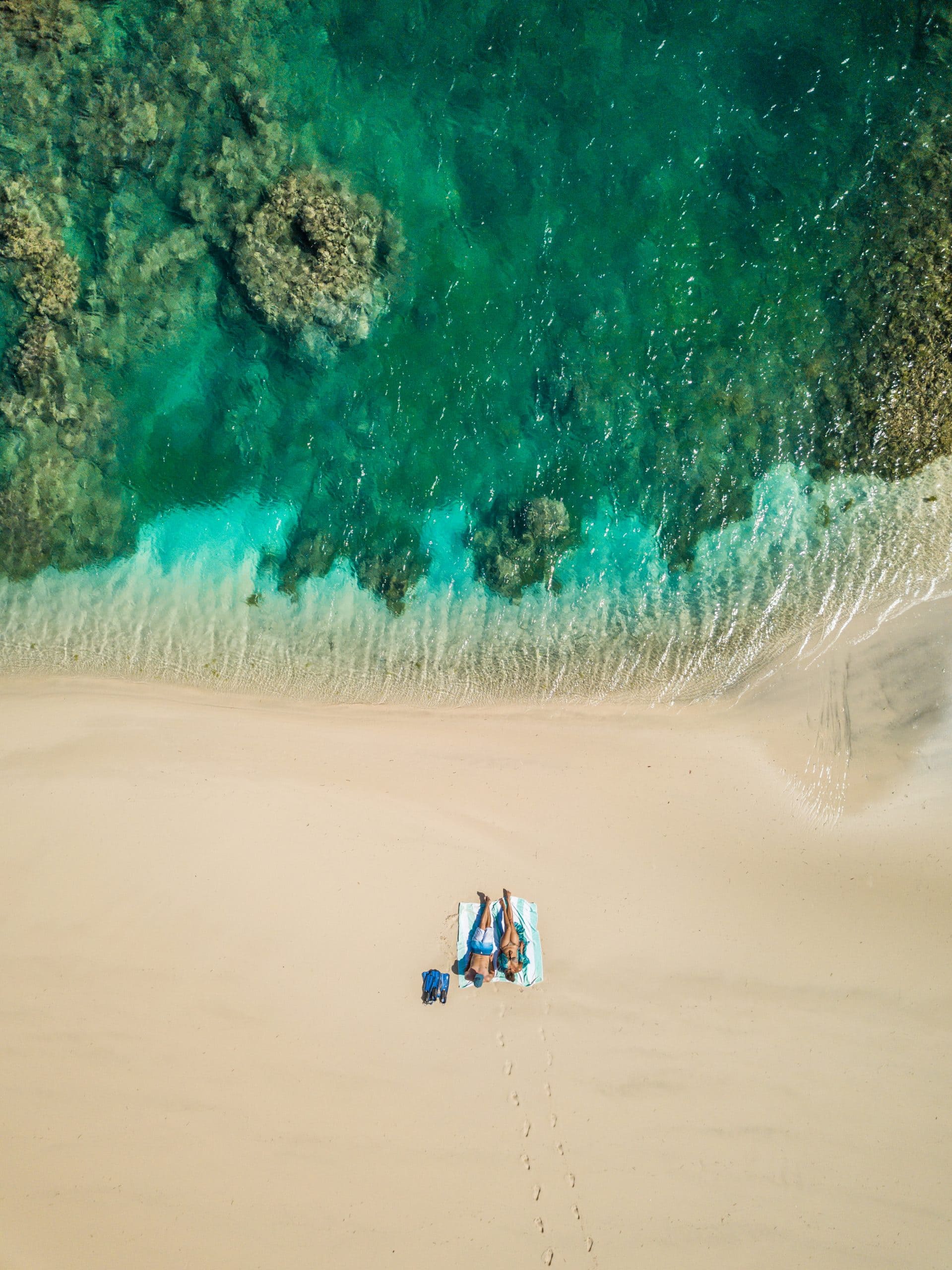
Nosy Ankao, Madagaskar
Fourteen villas on an island off northern Madagascar, reachable only by helicopter, with a marine conservation programme that the operation funds. The effort of arriving is part of what protects it.
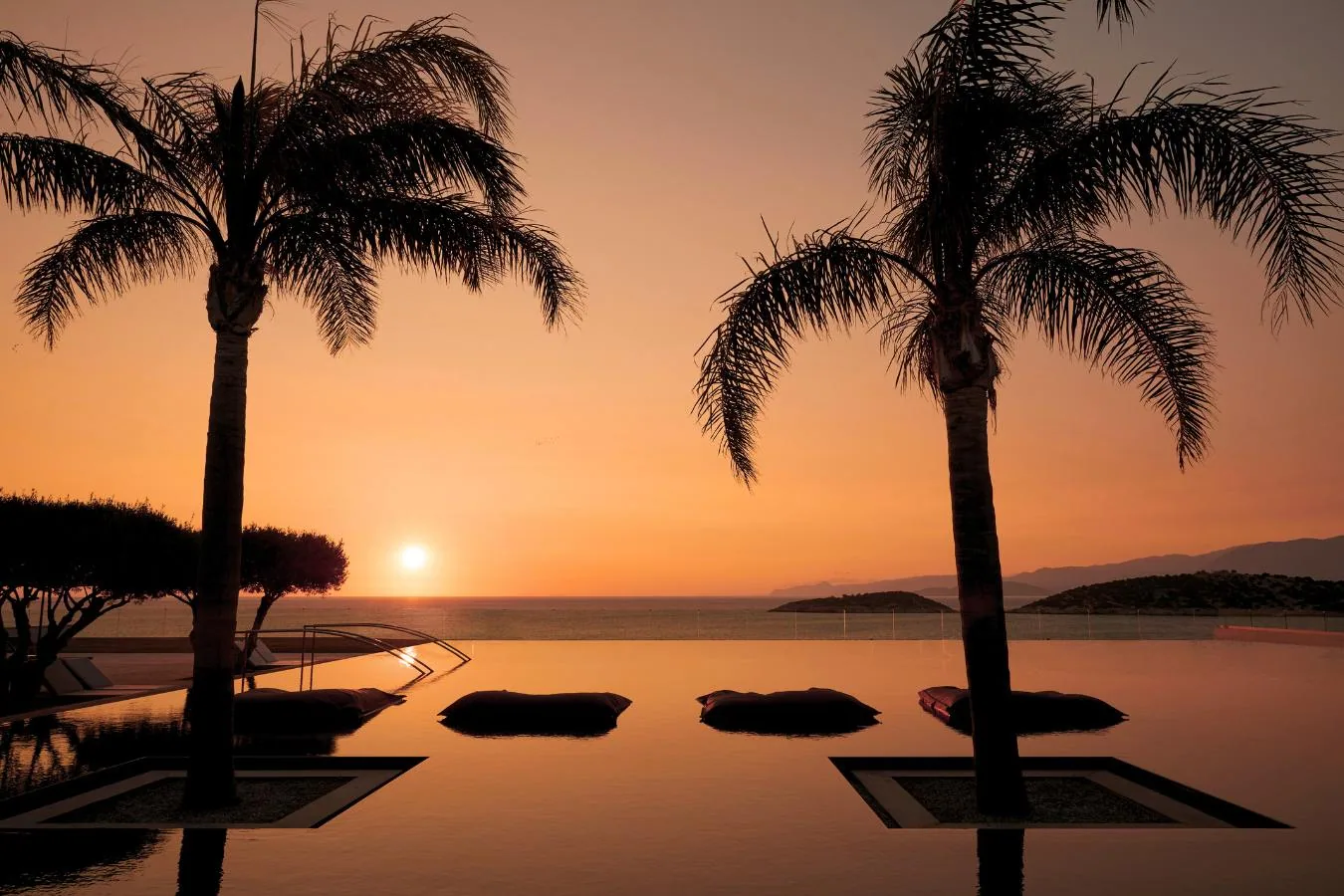
Agios Nikolaos, Kreta, Griechenland
An adults-only peninsula in the Gulf of Mirabello: bright rooms by the water, short distances, a great deal of blue and a pace that slows by itself.
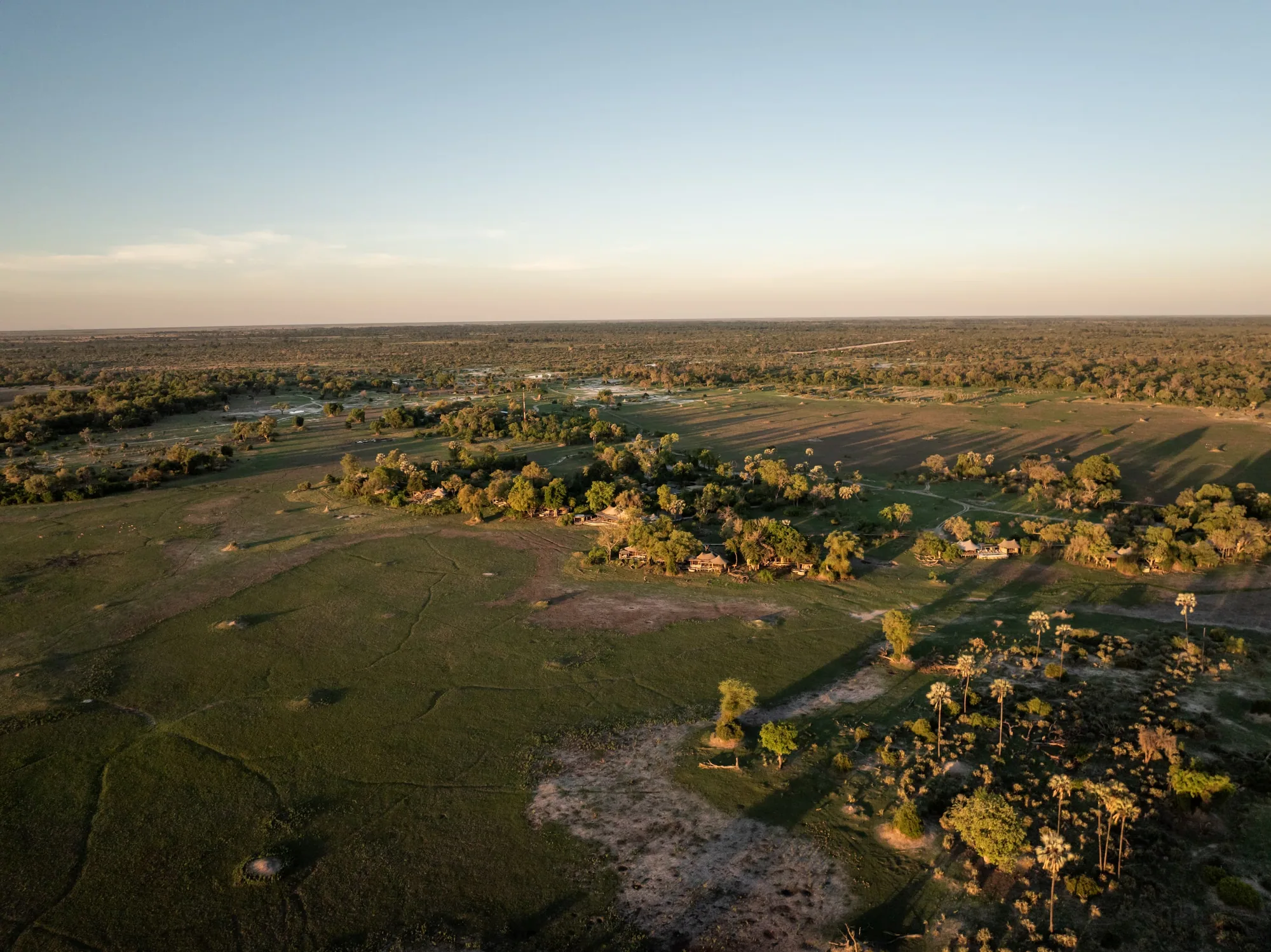
Okavango-Delta, Botswana
Set on Chief's Island at the heart of the Delta, in country of rare game density. The camp stands on stilts above the floodplain; animals pass beneath the walkways.
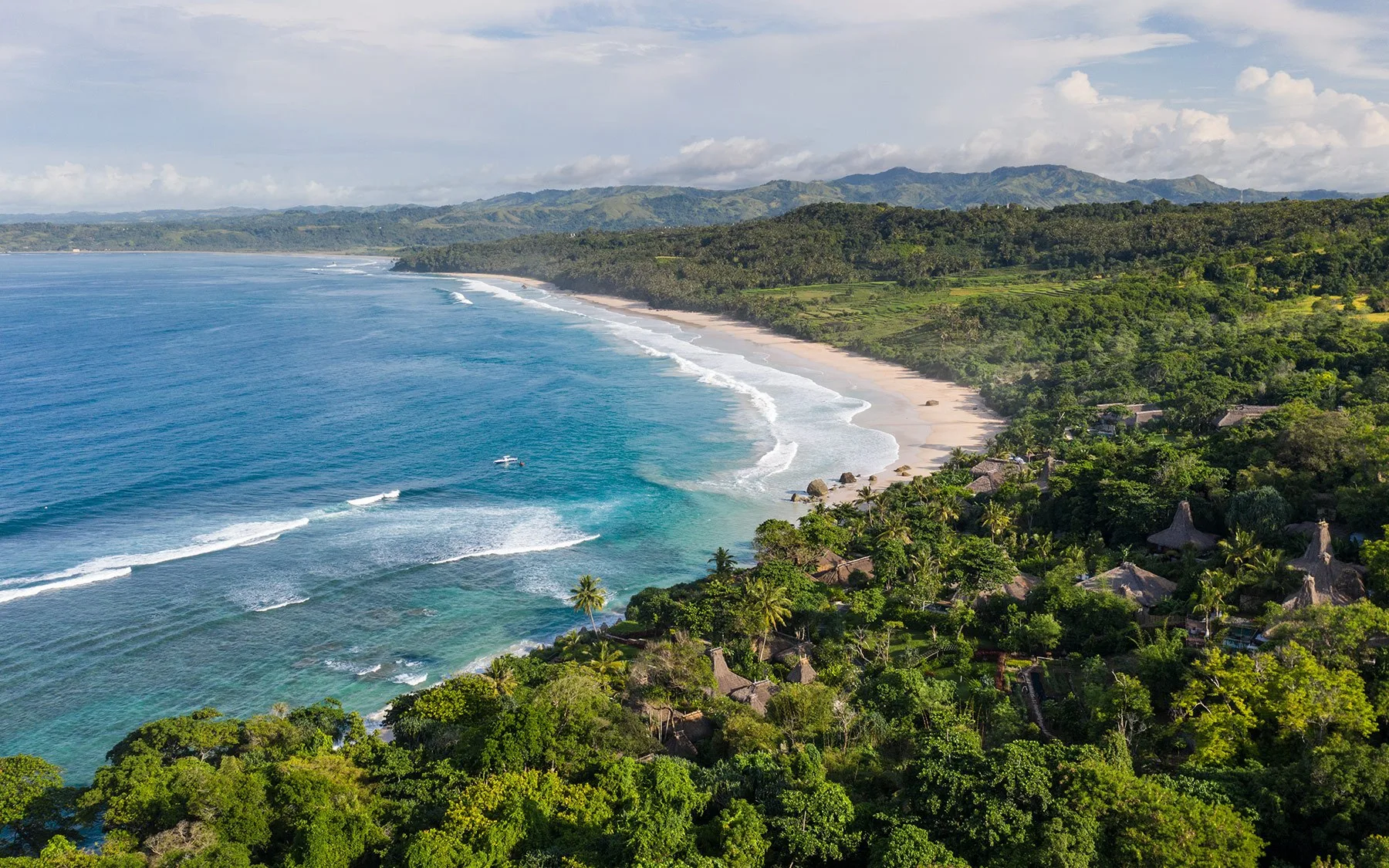
Sumba, Indonesien
Horses on the sand, a well-known wave and an island barely developed for tourism.
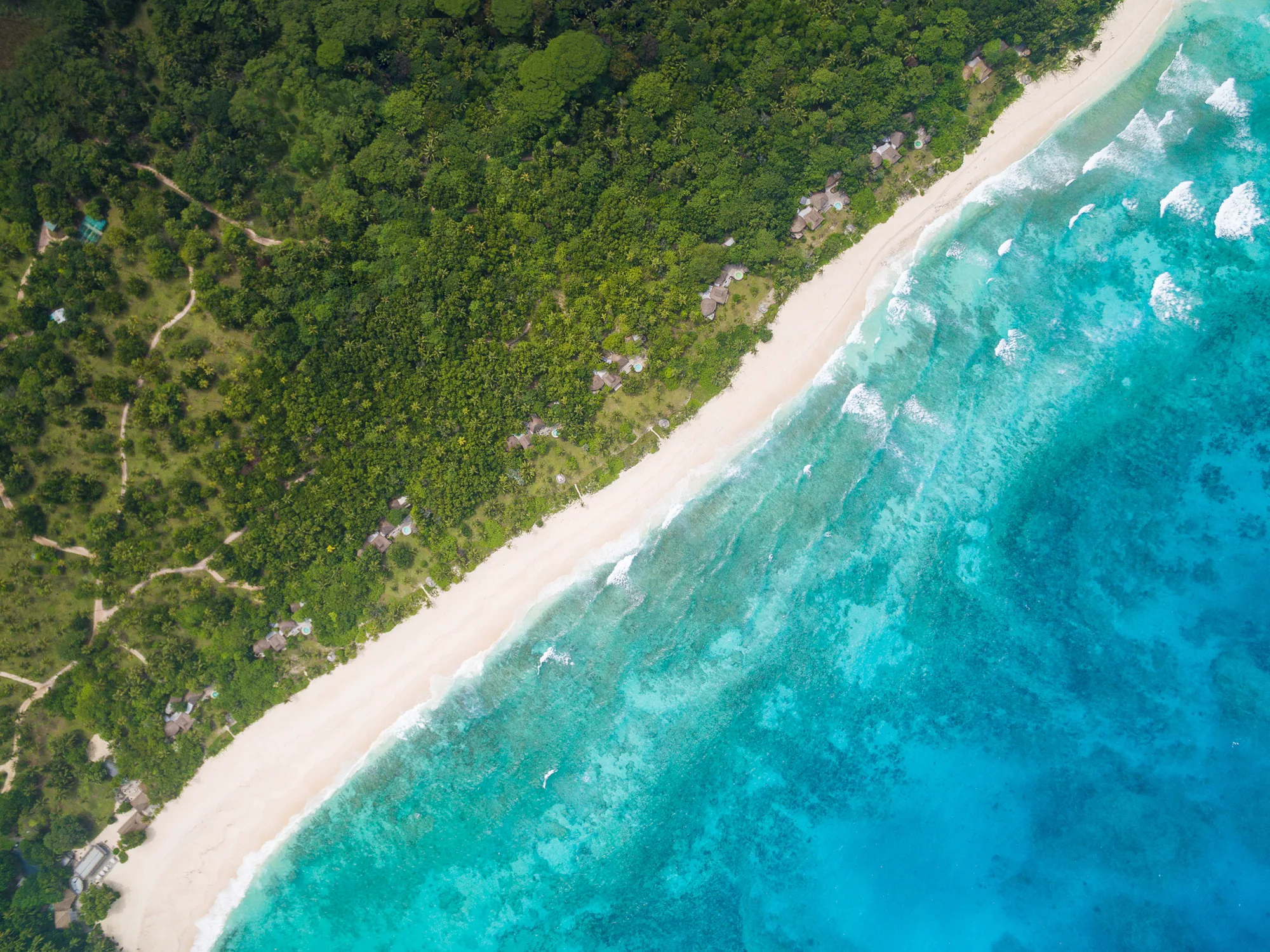
Seychellen
A private island of eleven villas, cleared of introduced species and replanted over decades. You share it with giant tortoises and almost no one else.
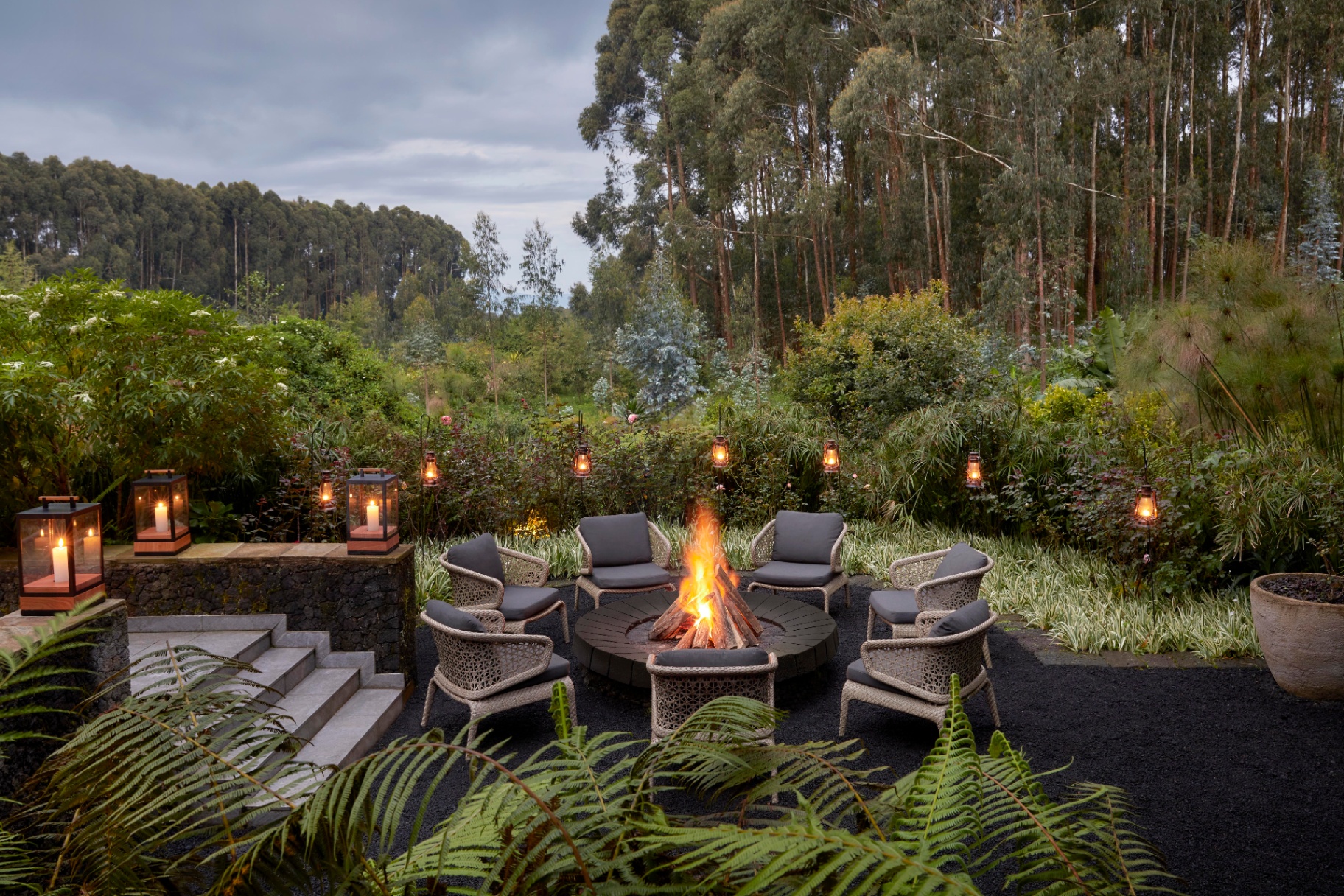
Vulkan-Nationalpark, Ruanda
A eucalyptus forest at the foot of the Virunga volcanoes, an hour from the gorilla trails.
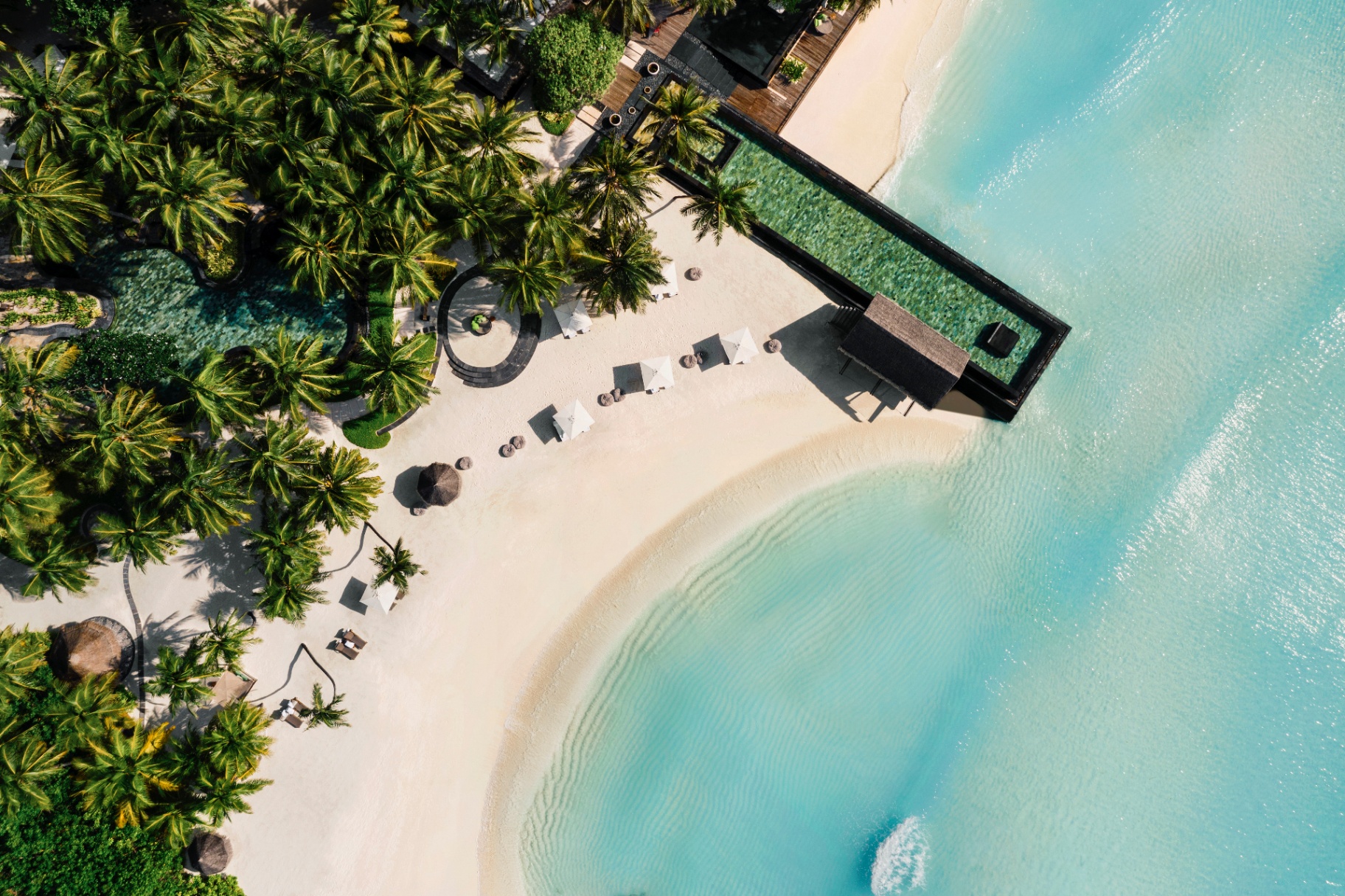
Nord-Malé-Atoll, Malediven
An unusually large island with twelve separate beaches — enough space to lose your bearings.
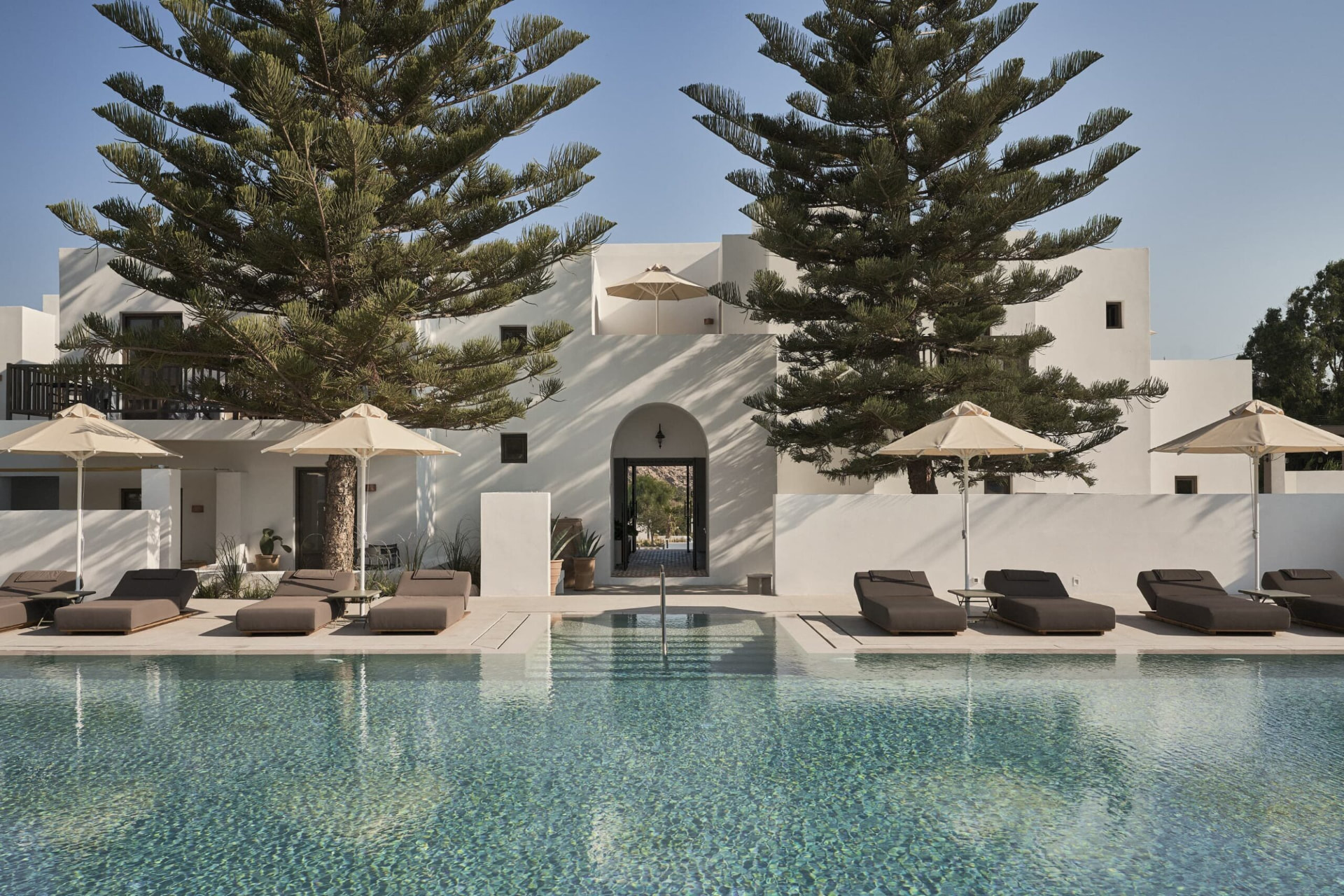
Paros
White lime, local stone and concrete in a very reduced language — one of few new Cycladic retreats that reads as architecture rather than postcard.
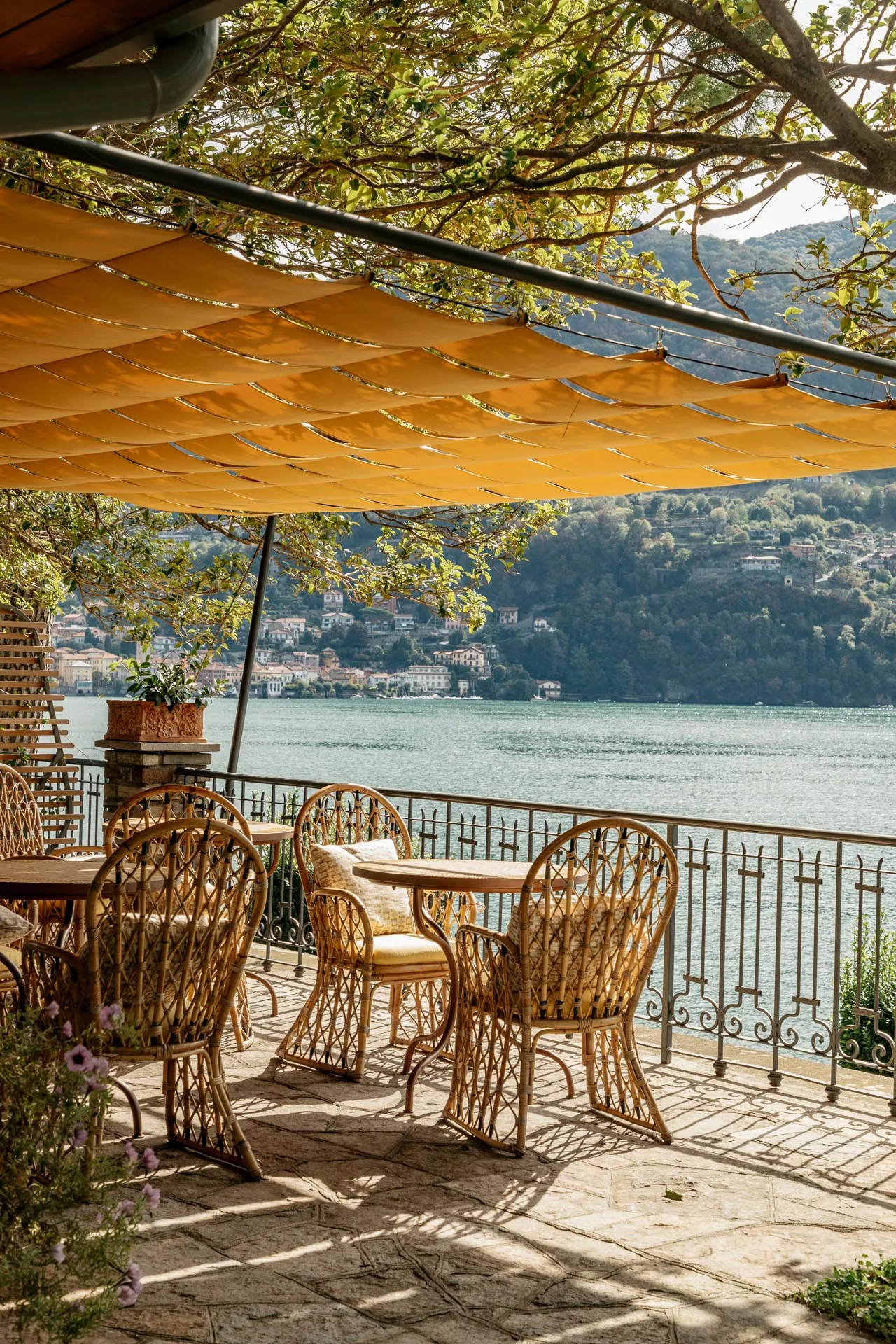
Moltrasio, Comer See
An eighteenth-century villa restored over years by the family who owns it: frescoes, fabrics and furniture kept rather than referenced. You stay in rooms that were living rooms first.
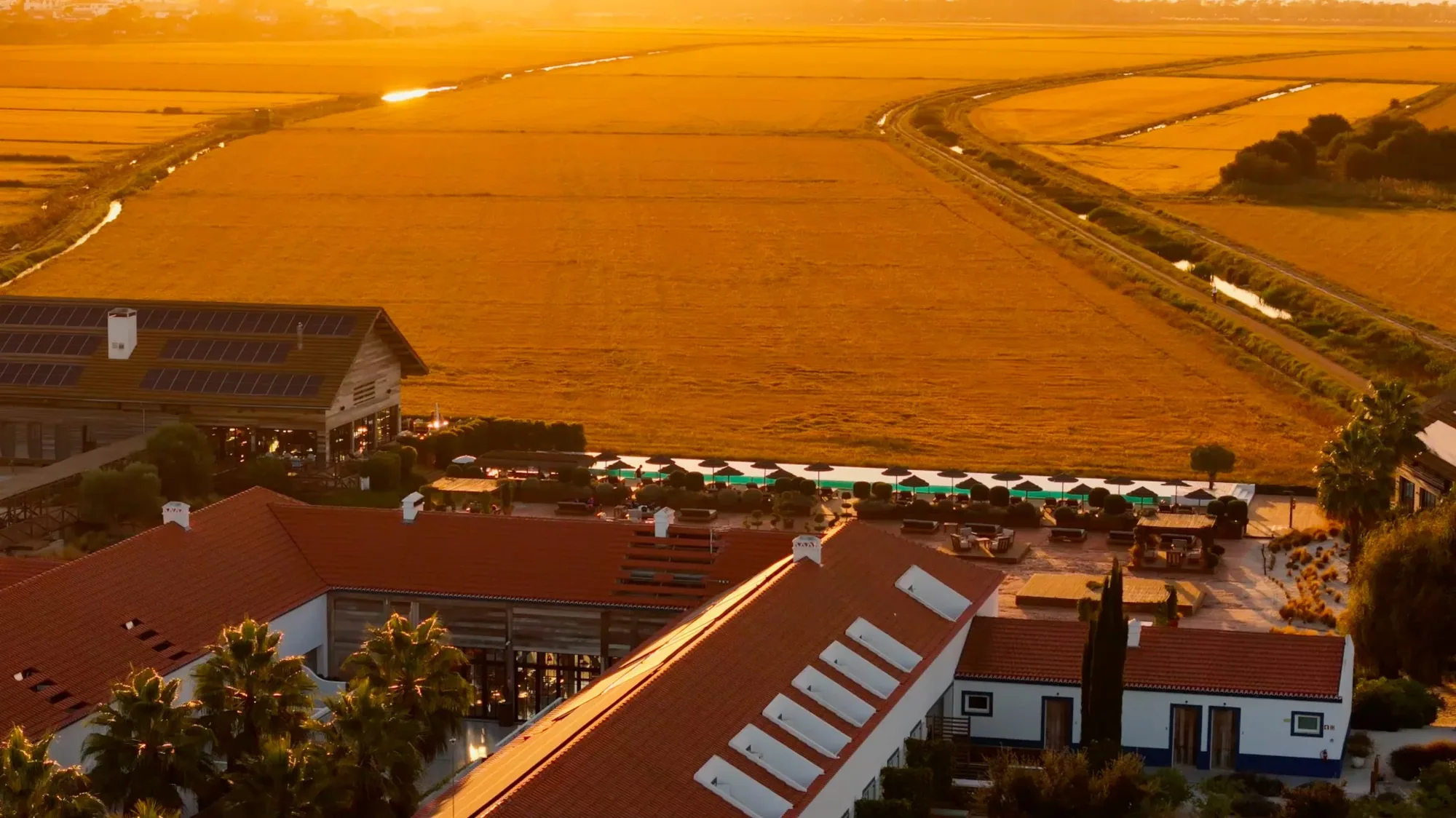
Comporta
A property among rice fields, built from wood, lime and thatch in the local language. Comporta kept its character because nothing was built here for a long time — this house shows it.
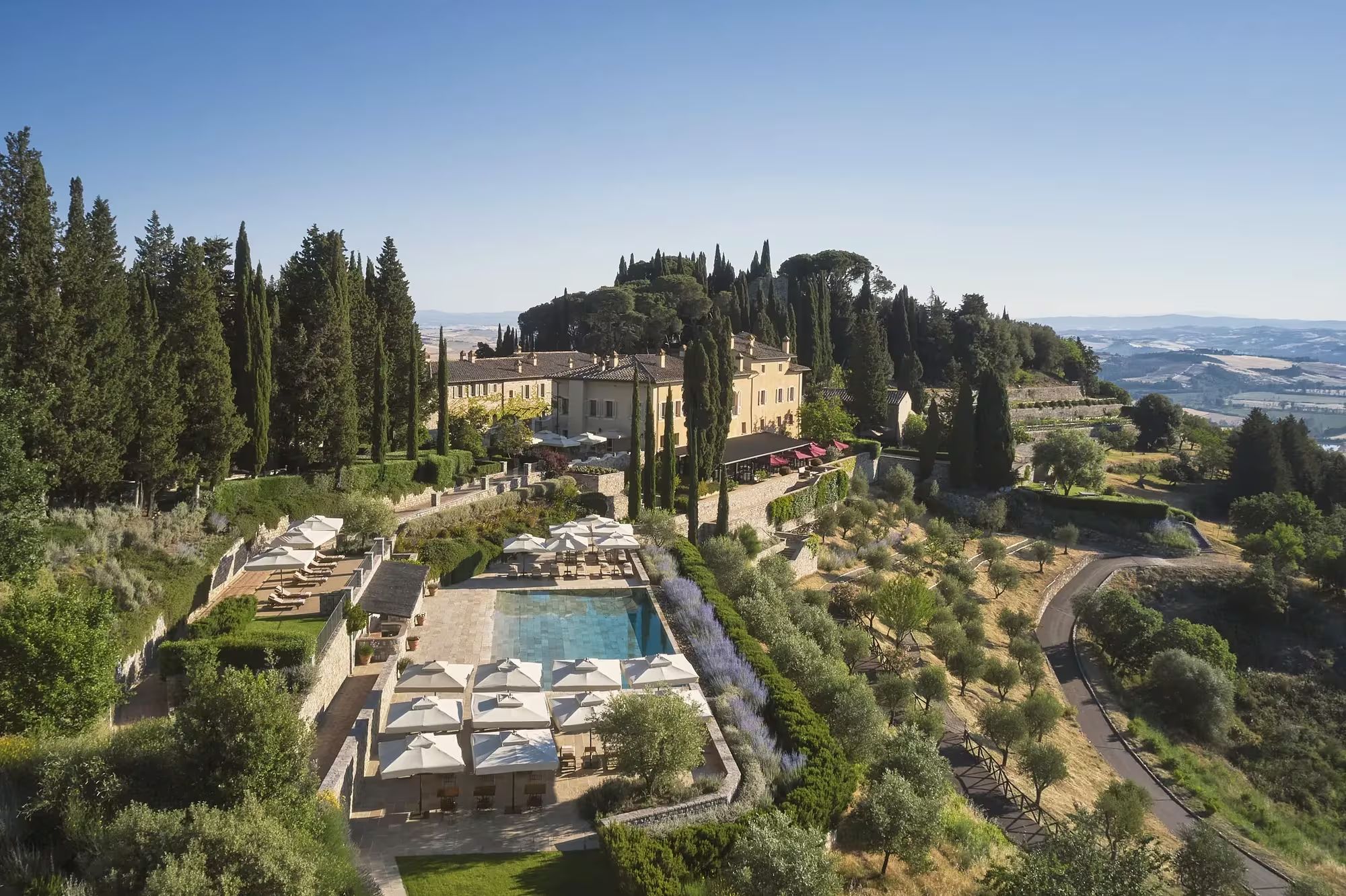
Val d'Orcia, Toskana
A medieval borgo on 1,100 hectares of the Val d'Orcia, with its own Brunello and suites in the old farmhouses.
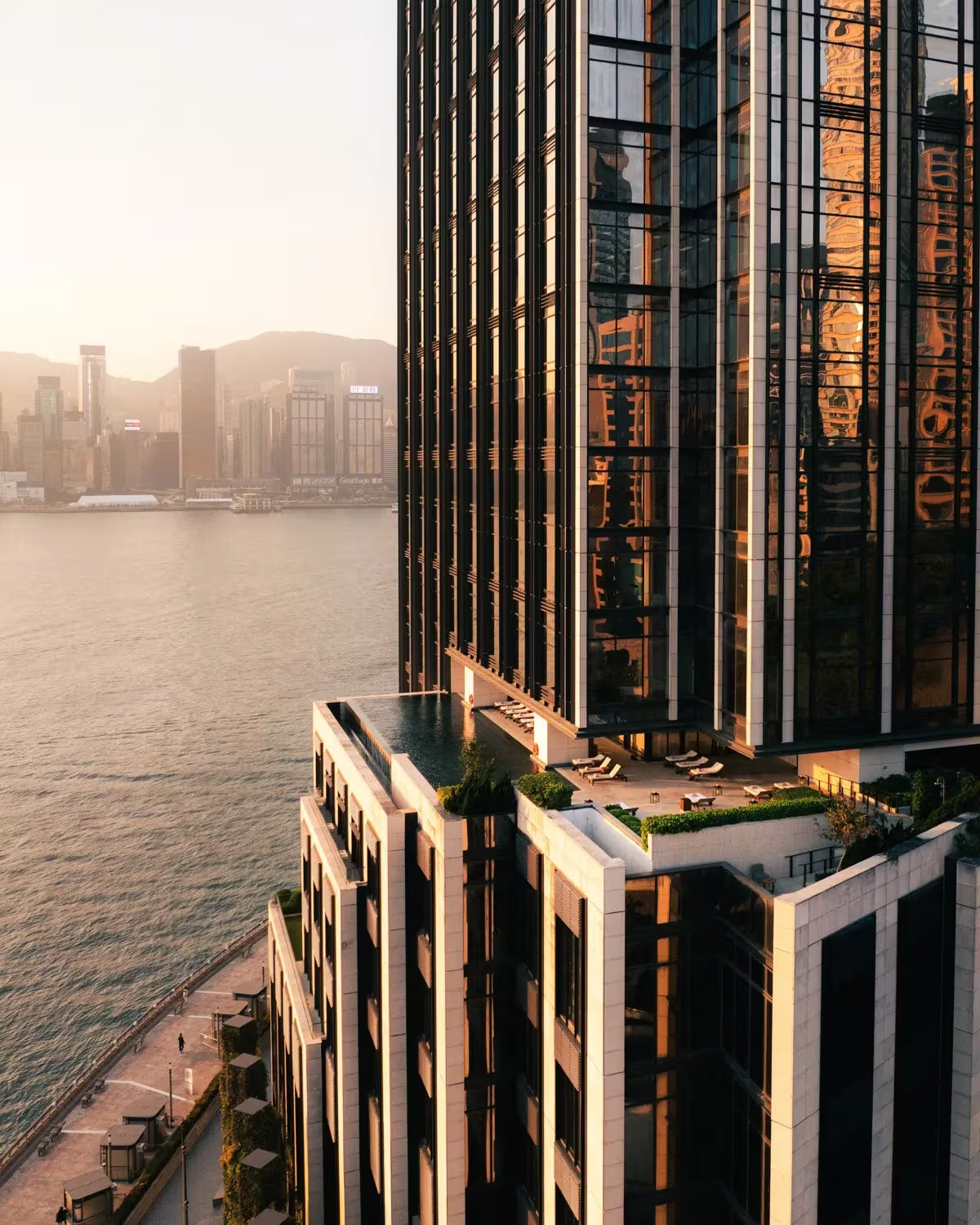
Tsim Sha Tsui, Hongkong
A family address in tower form: an art collection, a library, and rooms that frame the harbour like a picture.
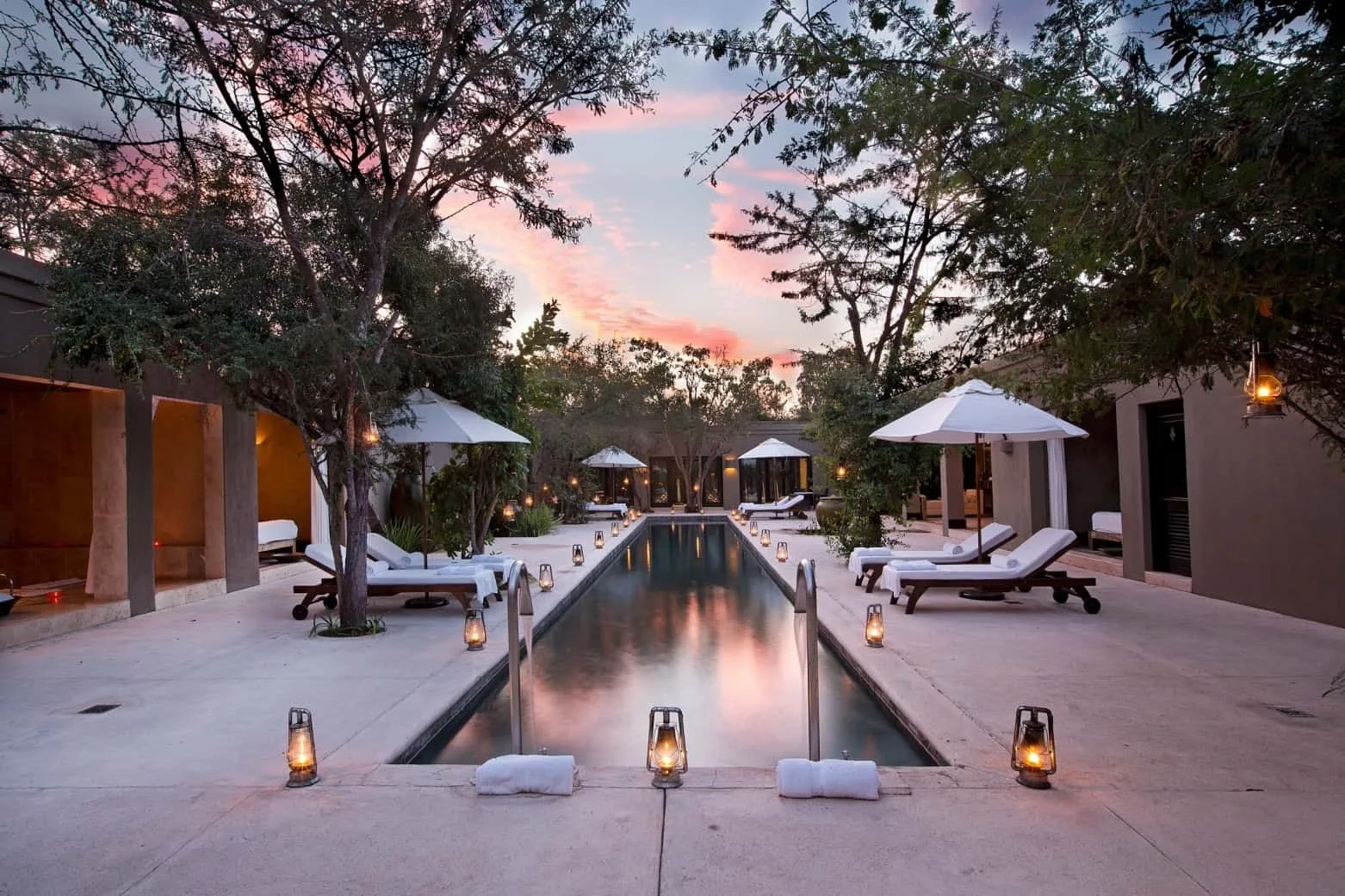
Thornybush, Südafrika
Known for its guiding: the lodge employs some of the few highest-qualified trackers and guides in South Africa. If you want to understand what you are looking at, this is the place.
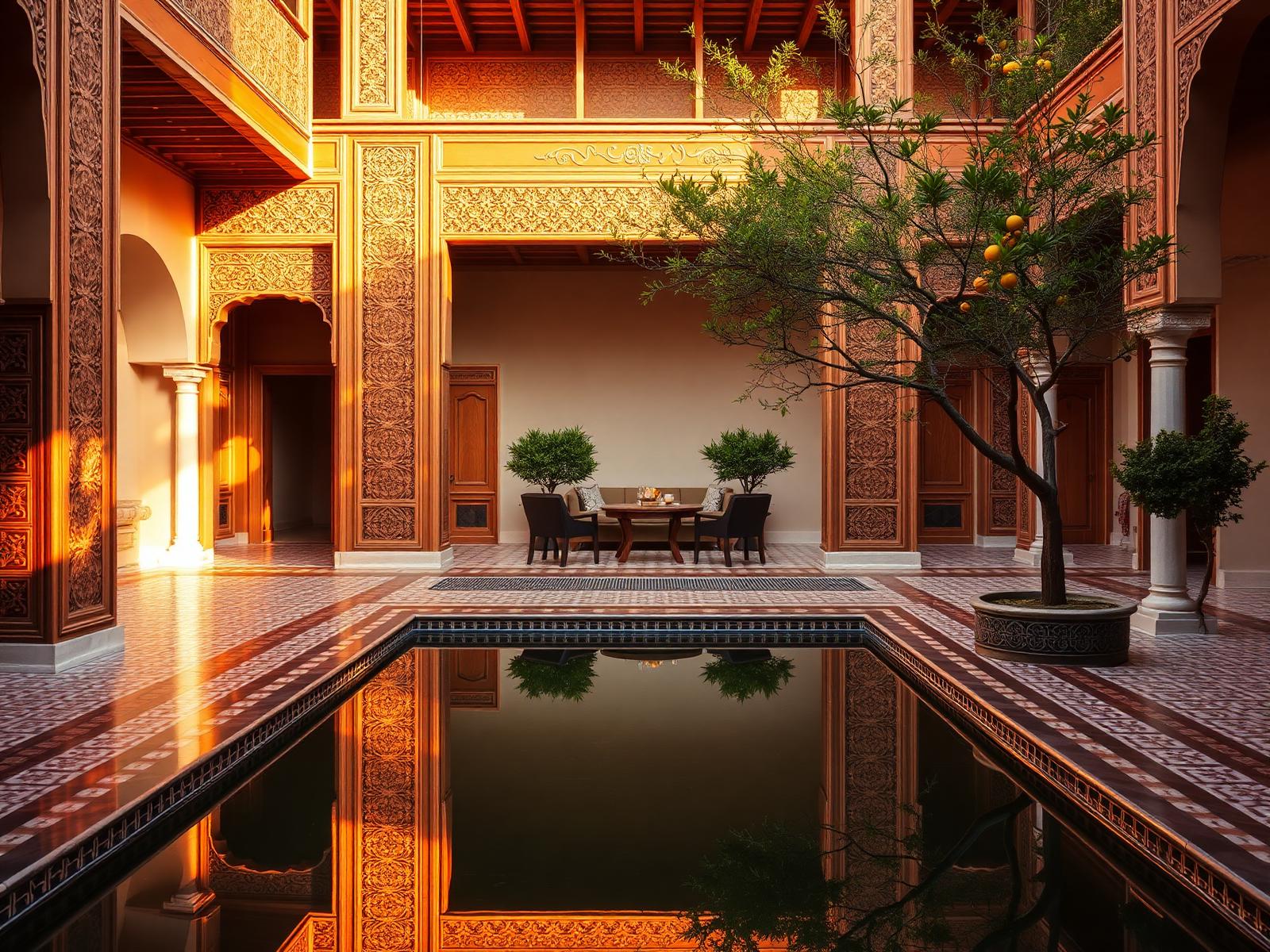
Marrakesch, Marokko
Fifty-three private riads inside the city walls, each with courtyard, roof terrace and its own door.
Kandy, Sri Lanka
A restrained house in the hills near Kandy, built on a former tea estate, with Ayurveda as its foundation rather than its decoration.
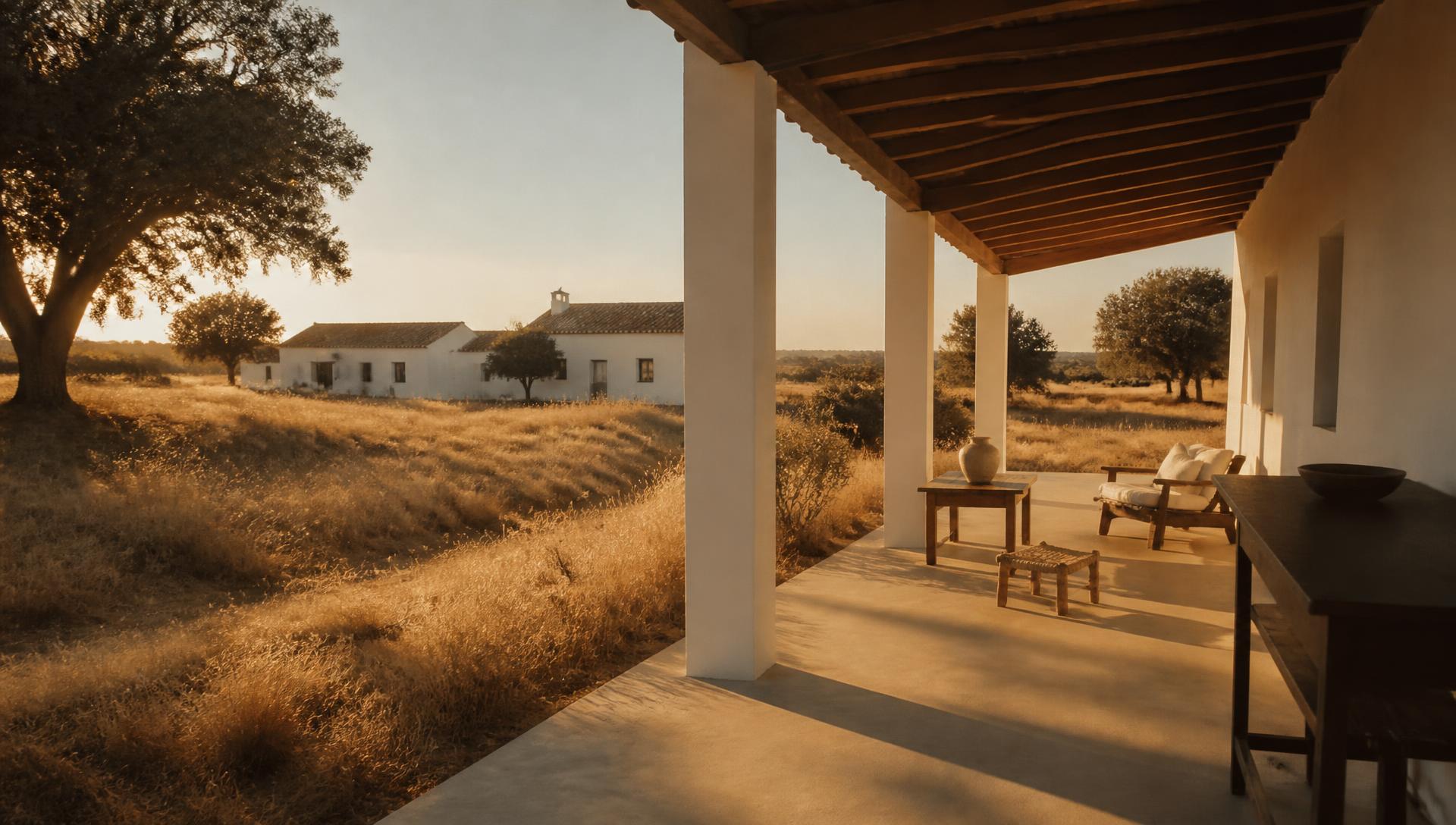
Monsaraz, Alentejo
An estate held by the same family for two hundred years and reopened with care: stables became rooms, the village stayed a village. The Alentejo here is as empty as Europe rarely is.
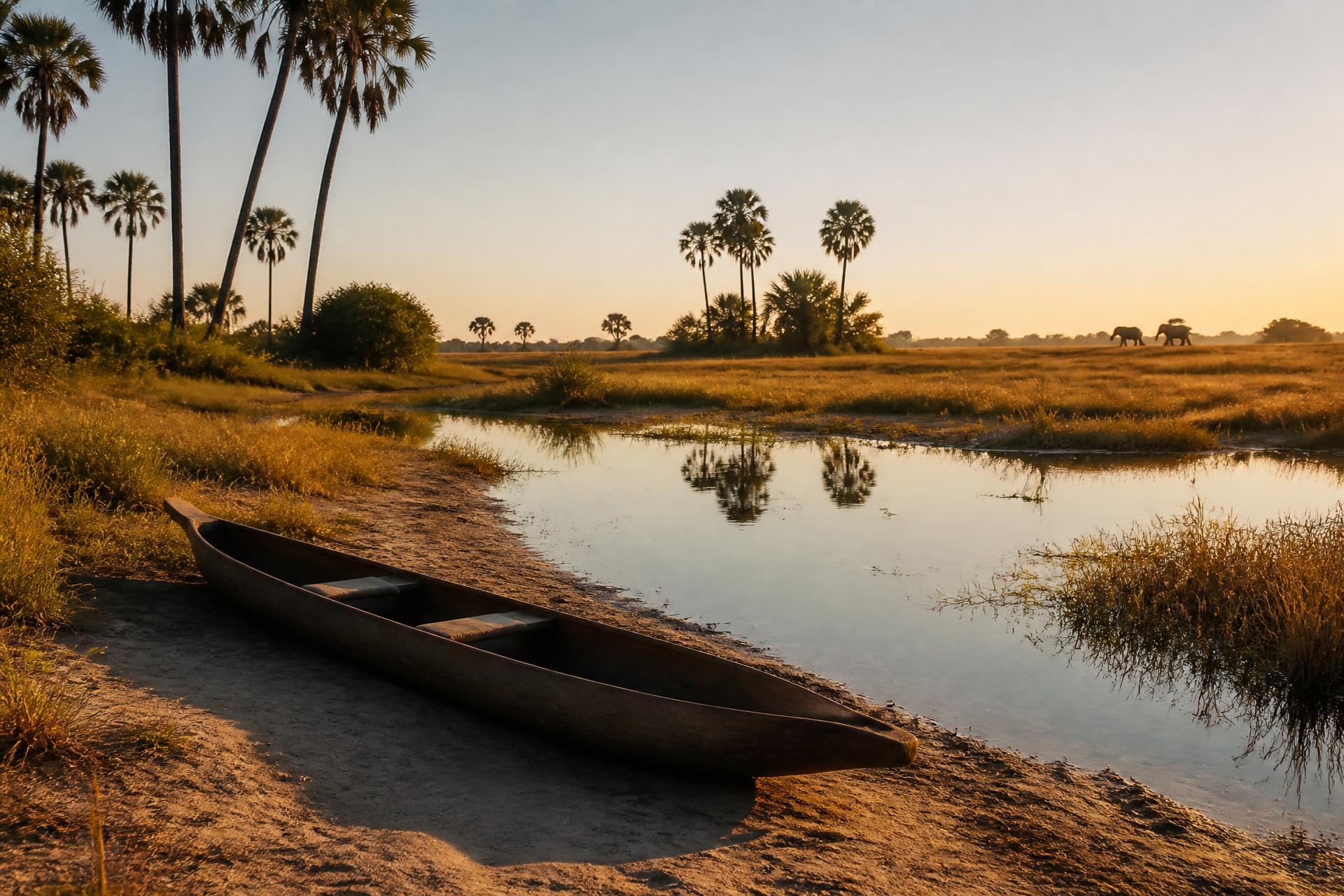
Sabi Sand, Südafrika
The same land as Ebony, a different retreat: built among granite boulders, more open, quieter, with very large suites. Those who know both choose Boulders the second time.
Sabi Sand, Südafrika
Singita's first lodge, opened on the Sand River in 1993 and carefully renewed since. The Sabi Sand is among Africa's most reliable leopard country; the animals are used to vehicles, not to people.
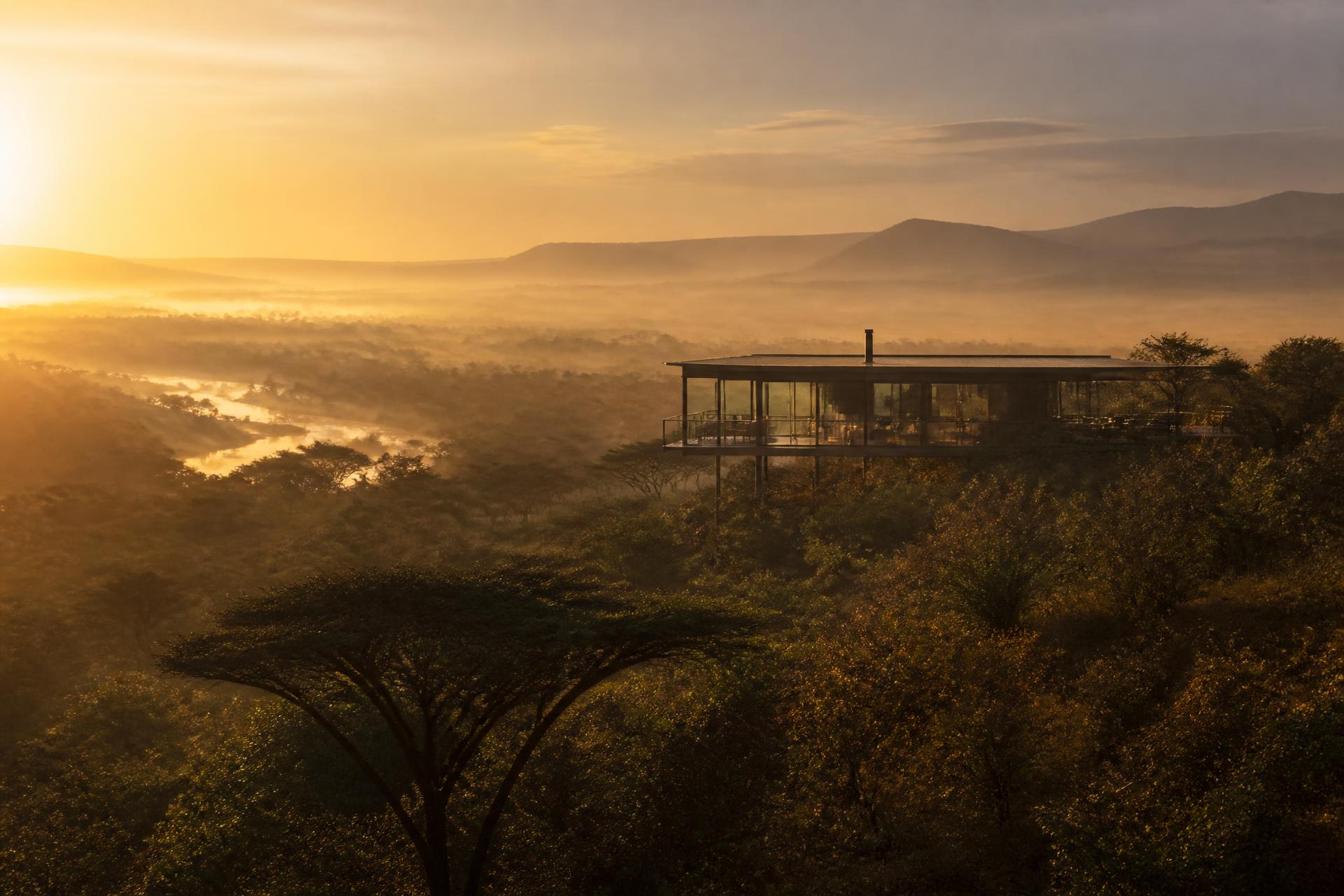
Krüger-Nationalpark, Südafrika
Glass suites above the N'wanetsi river, game viewing across 130,000 hectares of private concession.
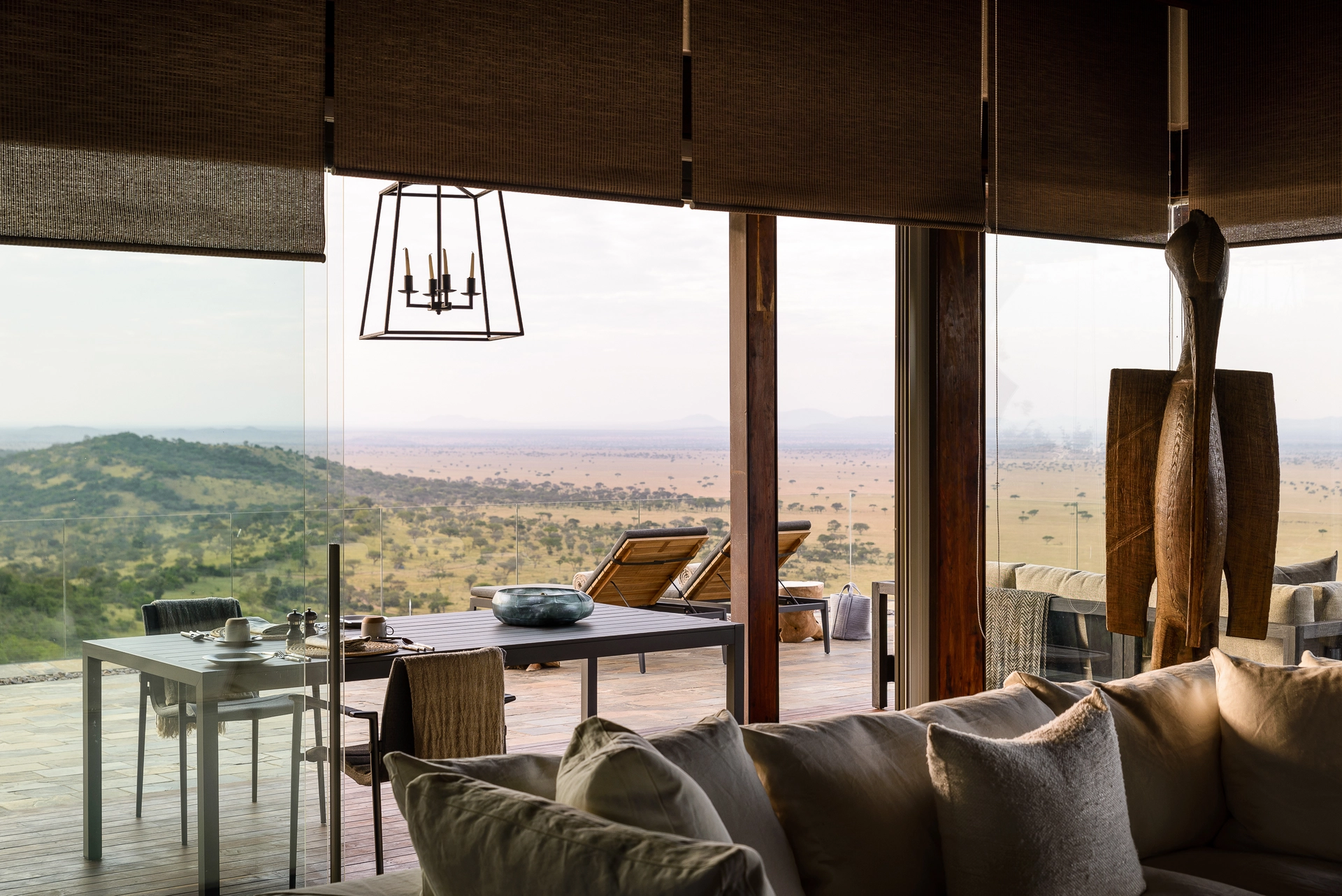
Grumeti, Serengeti
An Edwardian manor on a hill above the Grumeti concession, looking across thirty kilometres of plain. The land is private, and the migration passes through between June and July.
Lamego, Douro
A nineteenth-century quinta above the Douro terraces, with one of Portugal's best spas and access to estates that otherwise stay closed.
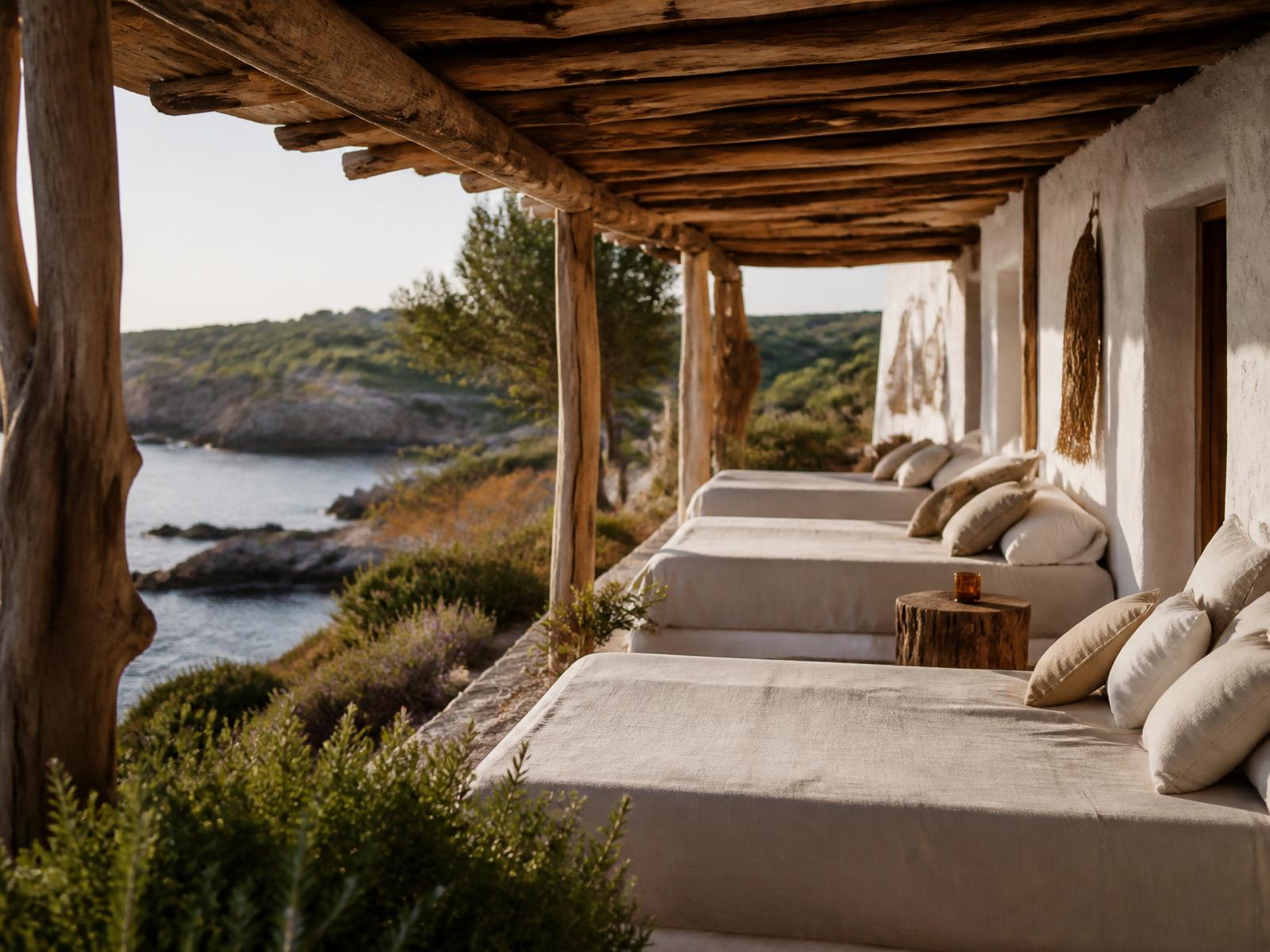
Cala Xarraca, Ibiza
The quiet north of the island: one bay, a longevity programme and dinner without a door policy.
Dehradun, Indien
A quiet estate at the foot of the Himalaya, surrounded by sal forest. White courtyards, few furnishings, plenty of daylight — a house that accompanies its guests rather than instructing them.
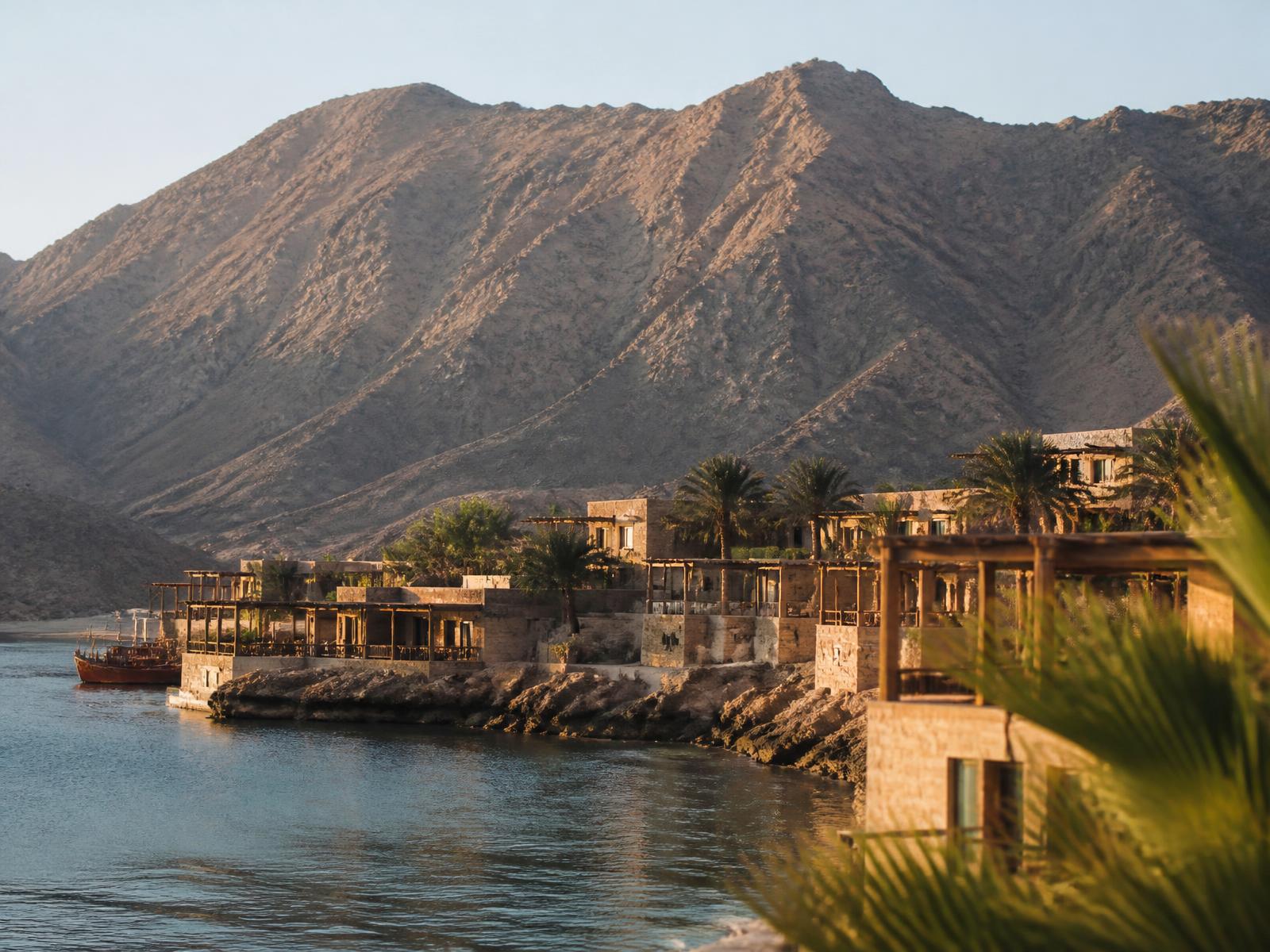
Musandam, Oman
A bay between the Hajar mountains and the sea, reached by the mountain road — or by paraglider.
Puigpunyent, Mallorca
A 1672 country estate in the Tramuntana, run after long restoration as a address rather than a resort. Art on the walls, terraces under old trees, almost no noise.
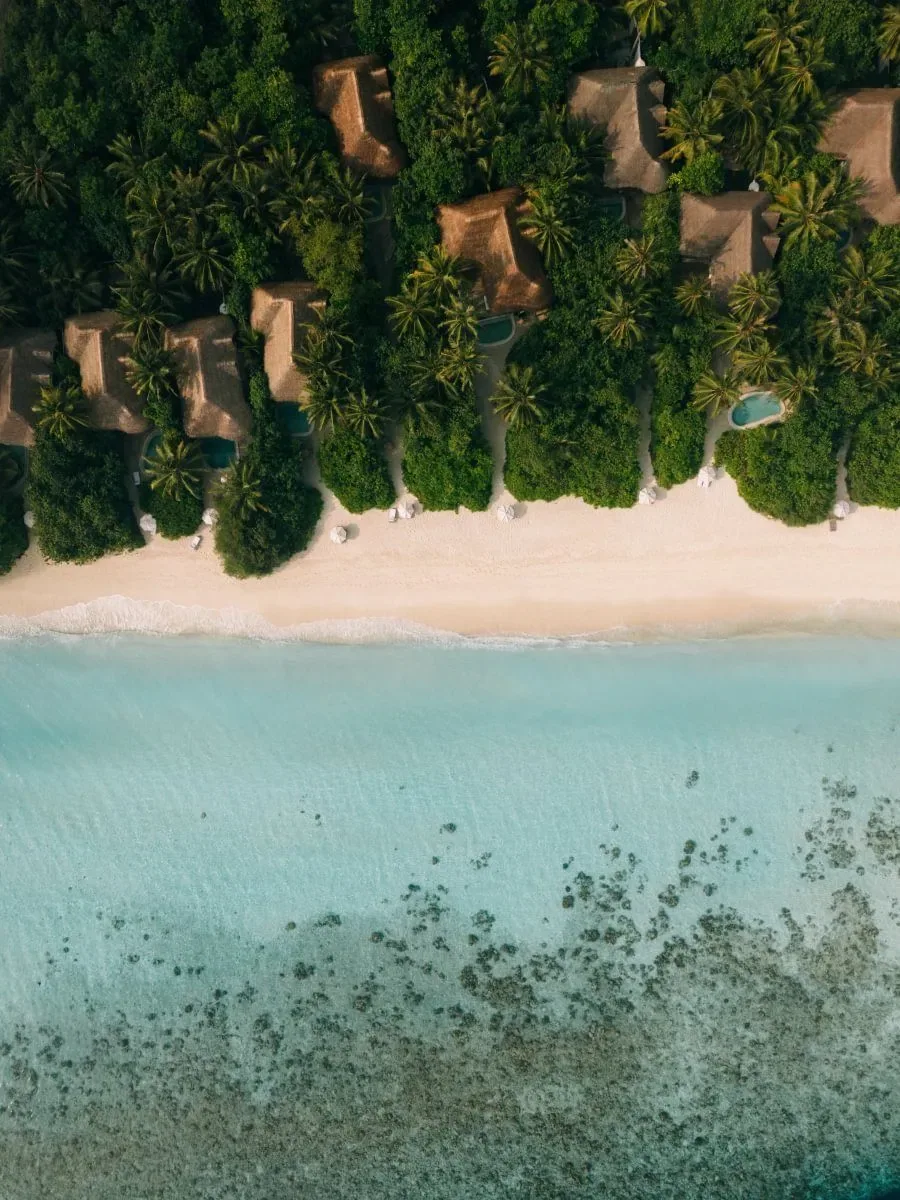
Baa-Atoll, Malediven
The island that founded the idea of barefoot luxury in 1995 and still takes it seriously: dense jungle, no shoes, its own recycling and glass studios. Larger than our other recommendations — but so overgrown you never notice.
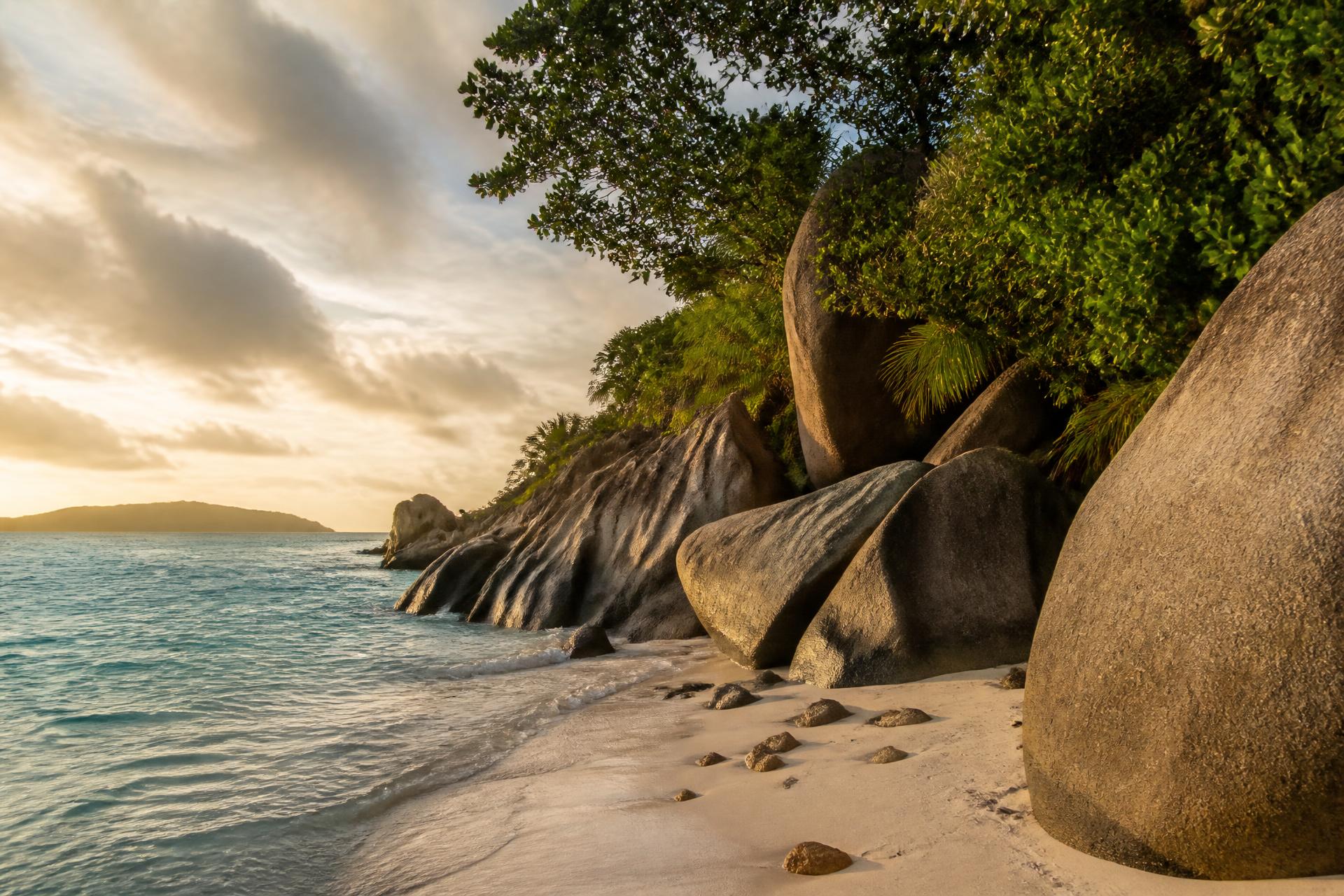
Noonu-Atoll, Malediven
Overwater villas in an enclosed lagoon whose colour is unusual even by Maldivian standards. The slide and the retractable bedroom roof are play — the lagoon is the reason.
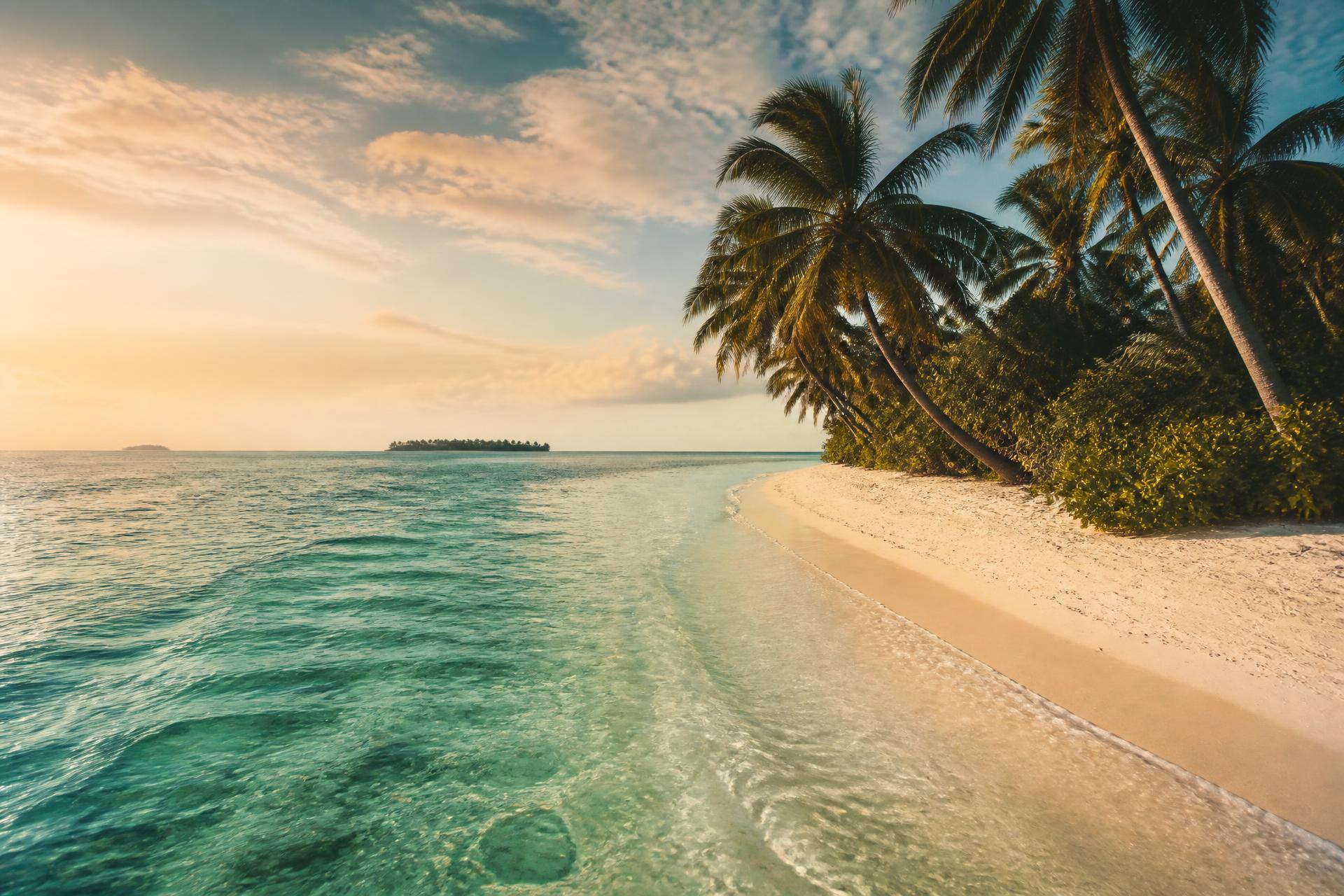
Tetiaroa, Französisch-Polynesien
A largely self-sufficient private atoll — thirty-three villas, and otherwise bird islands.
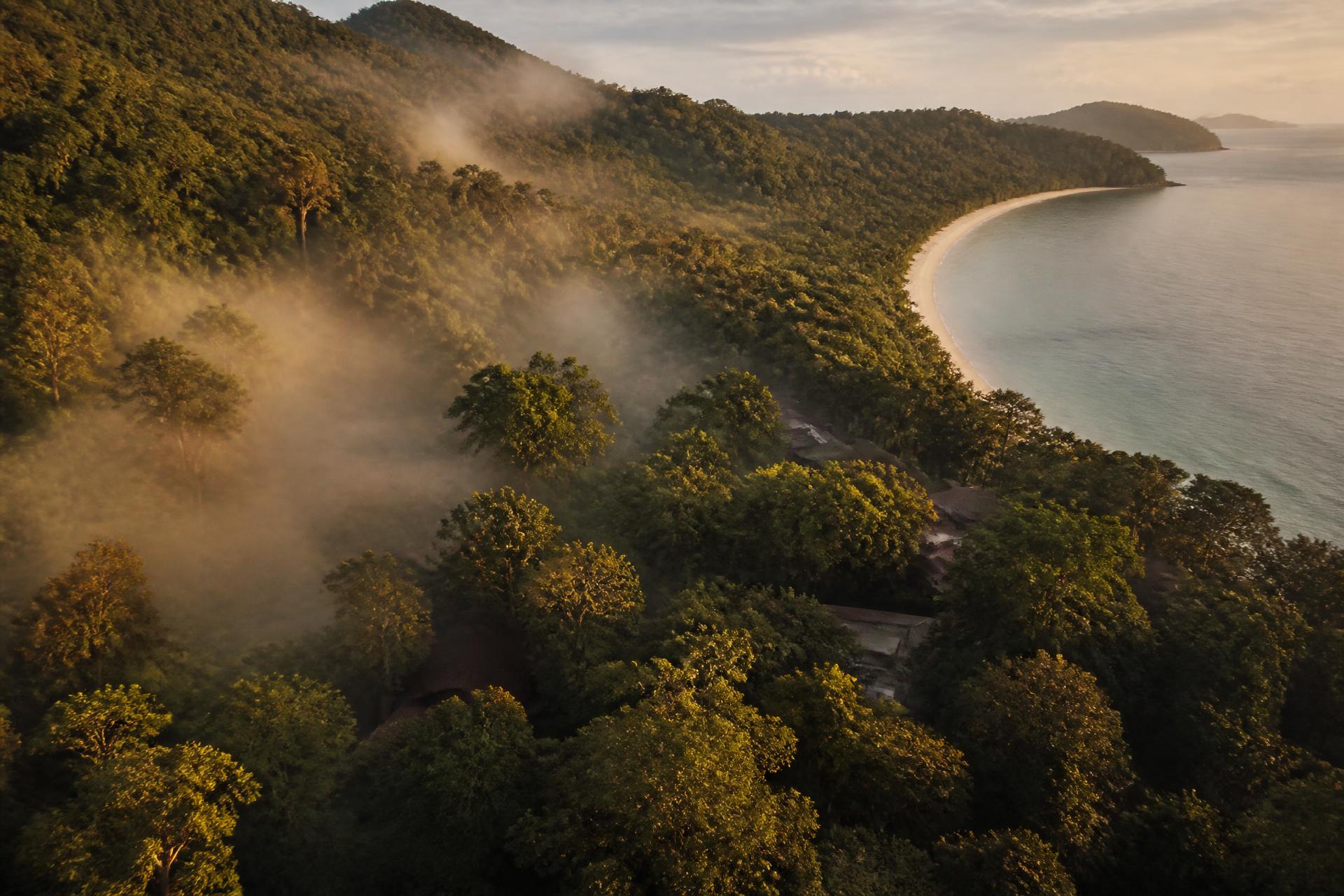
Langkawi, Malaysia
A ten-million-year-old rainforest at the door, a quiet Andaman beach in front of it.
Melides
Thirteen rooms in the centre of Melides, furnished over years by Christian Louboutin with Portuguese craftsmen — azulejos, ironwork, regional furniture. A address with a signature that stands by it.
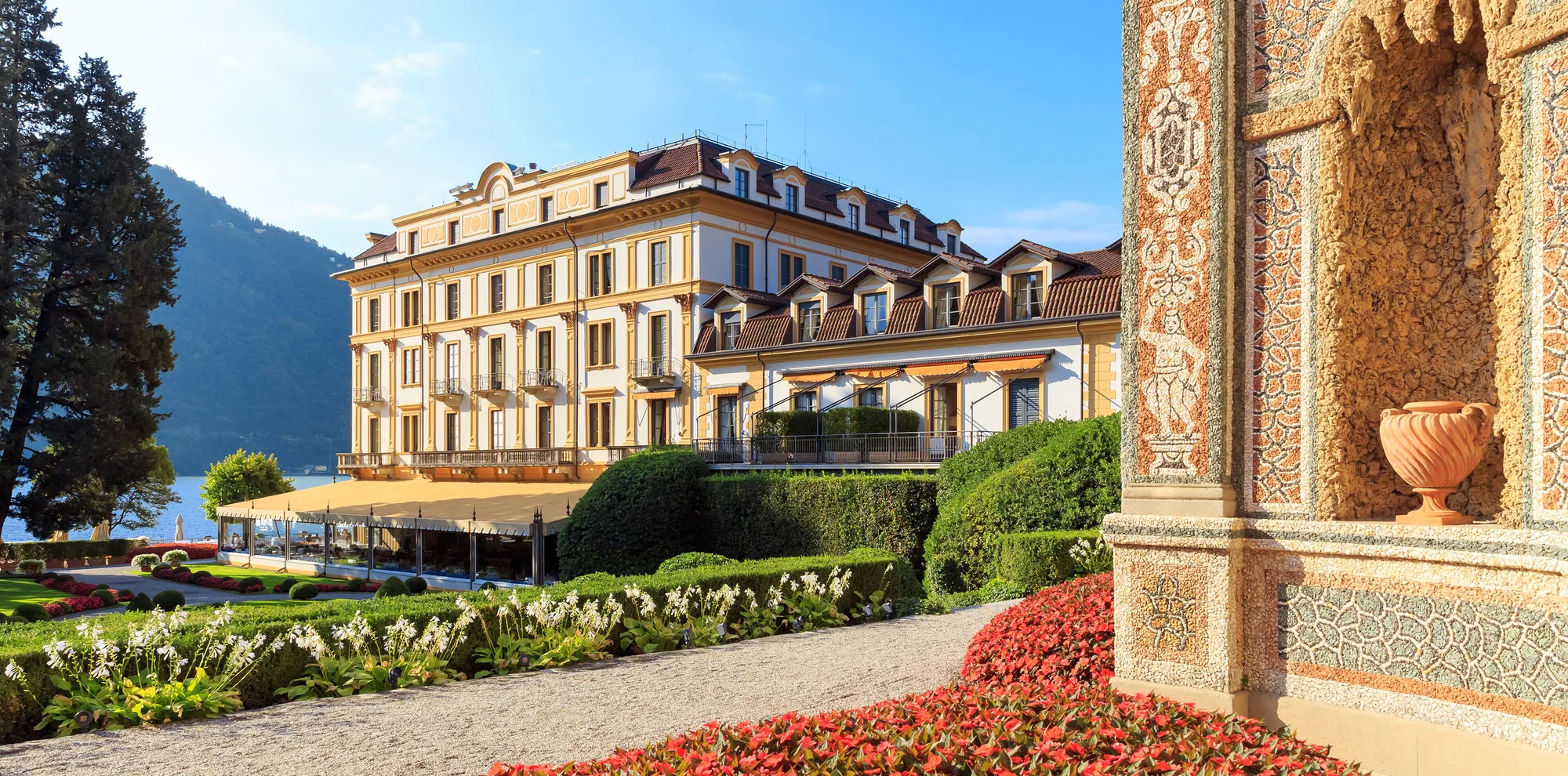
Cernobbio, Comer See
A Renaissance villa of 1568, a hotel since 1873 and run without interruption ever since. The floating pool on the lake, the mosaic in the park, the height of the rooms — much of it exists only here.
Selinda, Botswana
Four tents in a concession of some 130,000 hectares — you share an area the size of a city with seven other guests. The Selinda Spillway draws elephant in numbers.
Chapter One
Those who value a particular signature like to follow it. Each group holds its own idea of hospitality — the collections at a glance.
Silence treated as architecture — rooms that ask nothing of you but your attention.
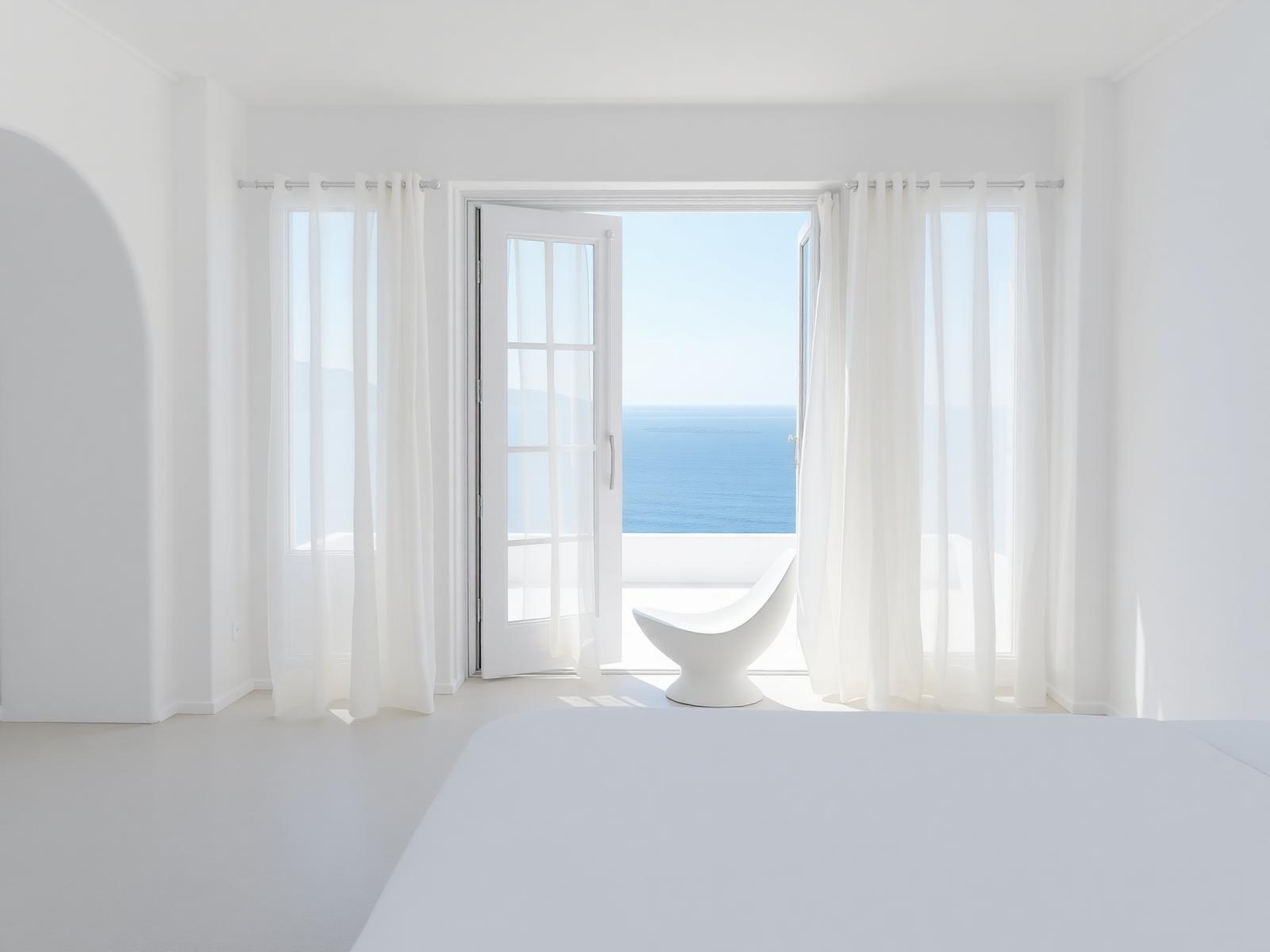

Light, linen and sea air, arranged with the discipline of a well-kept notebook.
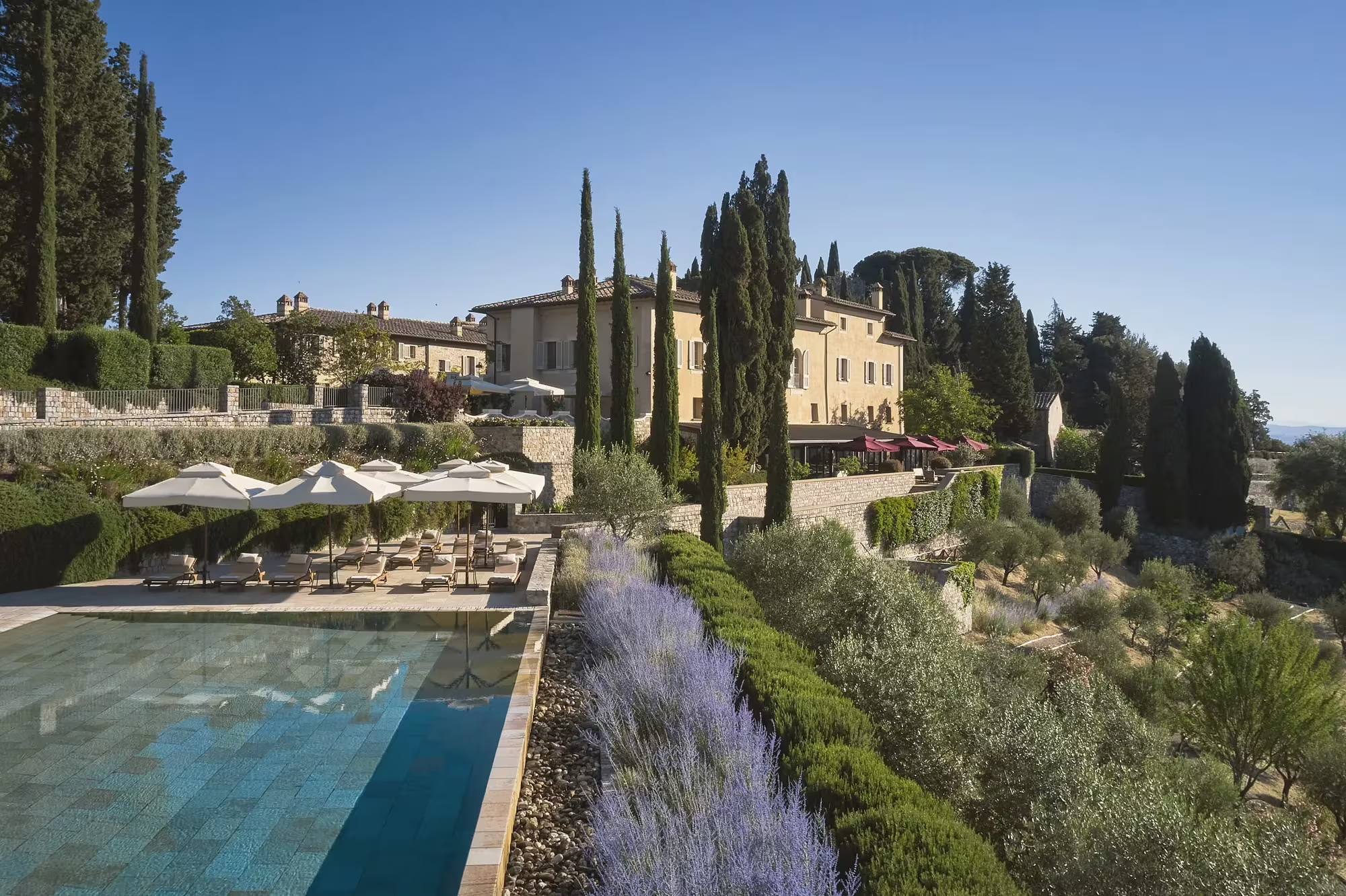

Addresses that belong to their cities, and keep something of the neighbourhood indoors.

Old romance, kept alive without nostalgia — terraces, lakes and slow arrivals.

Barefoot rigour: wellness without ceremony, landscape treated as the main room.

Wide horizons and generous shade, for the journeys that are meant to be long.

French precision at altitude — couture rooms, warm as a private apartment.

Asian hospitality at its own pace — anticipated rather than announced.
Chapter Two
Some of the world's most remarkable hotels belong to no collection at all. What connects them is individuality, character, craftsmanship and a strong sense of place.
We do not present them as an alternative to the large groups but as their equals — from Passalacqua on Lake Como to Cap Rocat in Mallorca and Kisawa in the Indian Ocean.
Chapter Three
People planning a journey rarely think in hotel groups; they think in landscapes: Lake Como or Amalfi, the Cyclades or the Peloponnese, Sabi Sand or the Okavango. So the collection is ordered by region as well.
Six chapters — Italy, Greece, Spain, Portugal, the Indian Ocean and safari country — holding thirty-four addresses. For each we say why we chose it, who it suits, which room we would take and when to go.
Chapter Four
Some journeys do not end at an address. They run by rail across Europe and Asia, by sea to anchorages no road can reach — and the arriving happens along the way rather than at the end.
Those journeys are gathered in a chapter of their own: Journeys.
An Invitation
One hotel that convinced us. One new opening we are watching. And one travel idea for the right season. Carefully selected and reduced to the essentials.