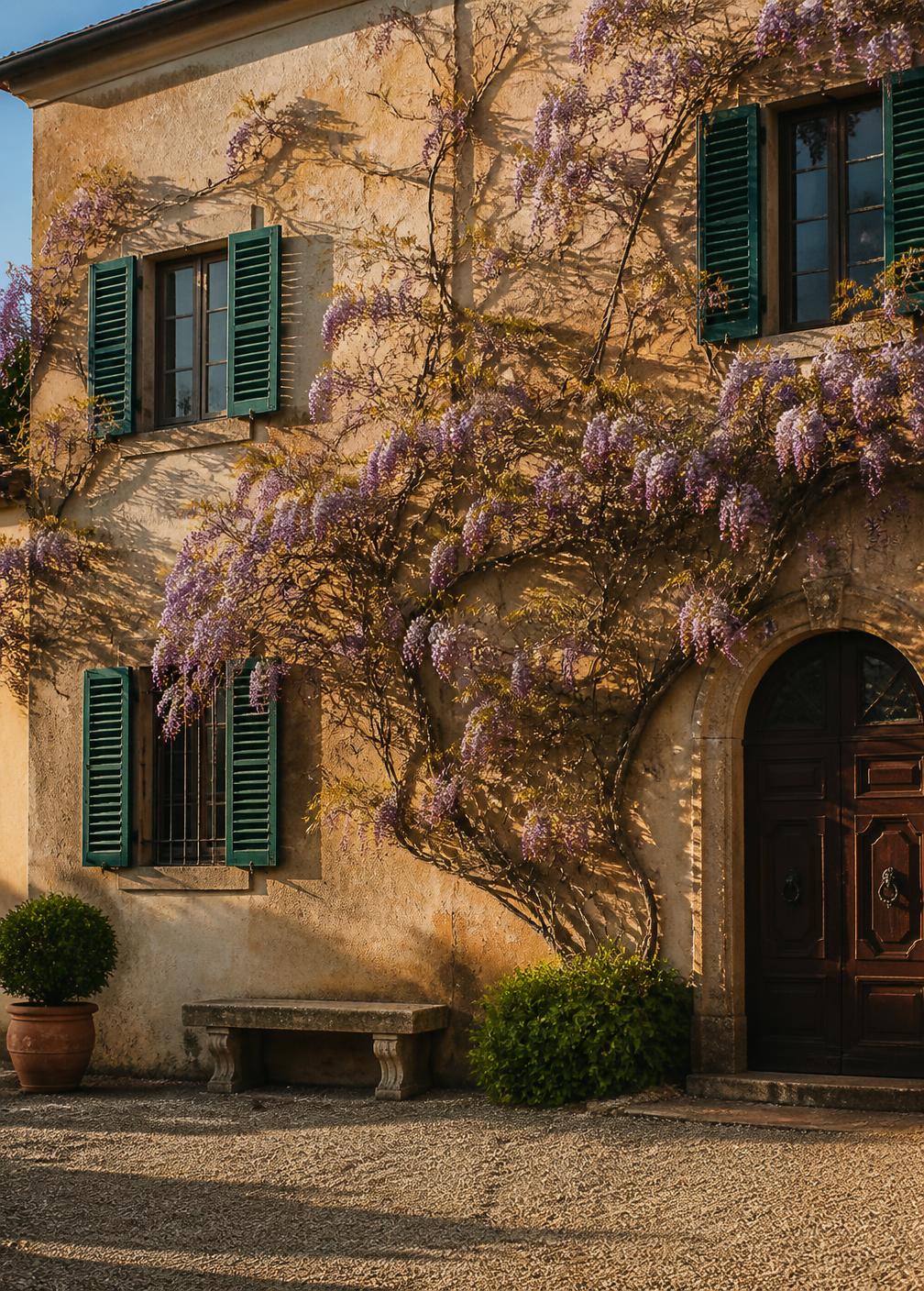
Hotels — August 2026
Die schönsten Hotels der Toskana
Zwölf Häuser zwischen den Hügeln des Chianti und dem Val d'Orcia — ein Schloss, ein Kloster, ein Anwesen mit eigener Presse — ausgewählt danach, wie sie den Morgen einfangen.
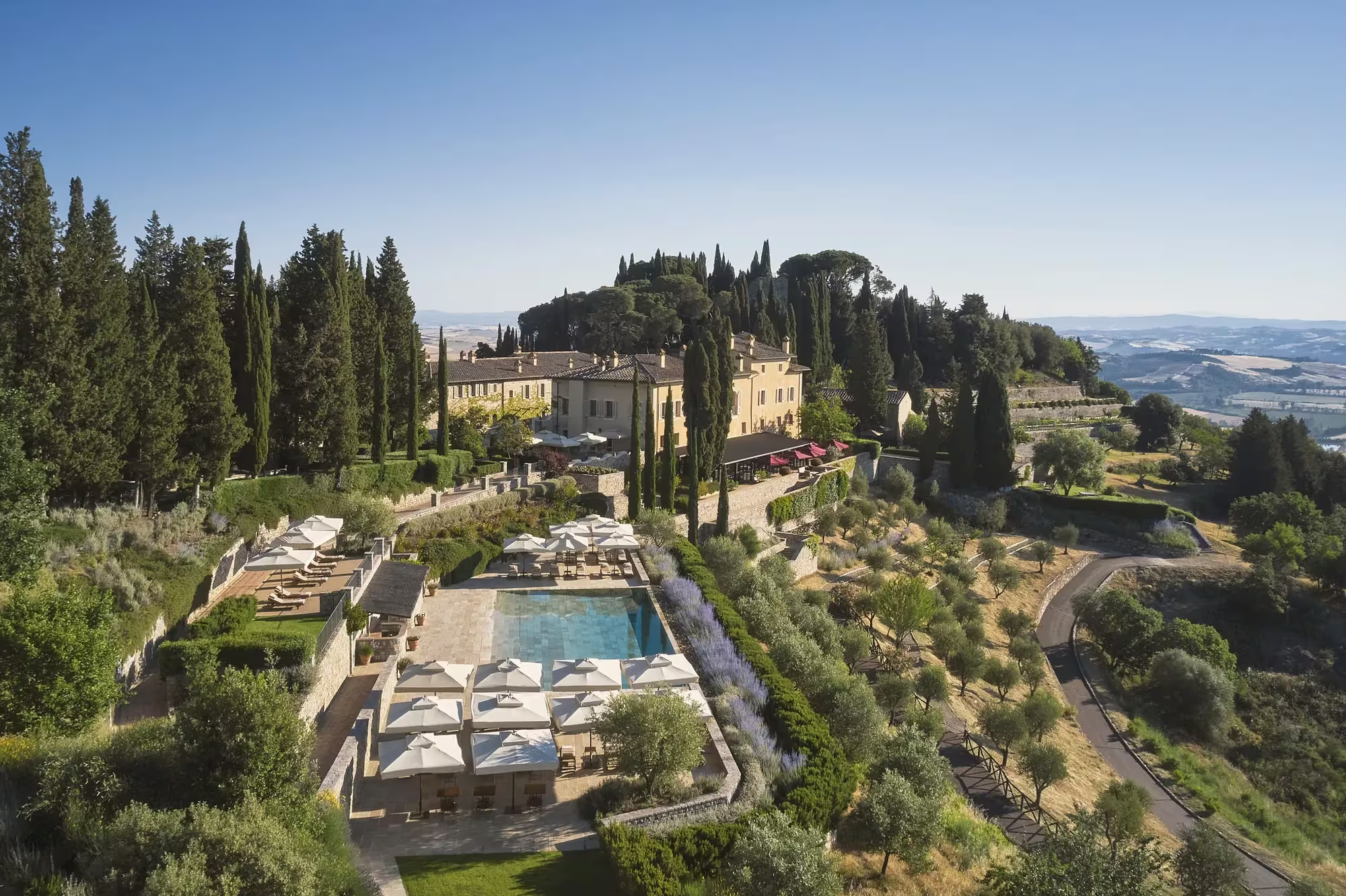
Rosewood — Montalcino, Val d'Orcia
Verborgen in den UNESCO-geschützten Hügeln des Val d'Orcia ist Rosewood Castiglion del Bosco mehr als ein Landrückzugsort. Es ist ein jahrhundertealtes Anwesen, in dem Brunello-Weinberge, zeitlose Architektur und italienische Gastfreundschaft in bemerkenswerter Harmonie zusammenkommen.
Warum wir es gewählt haben
Ein Borgo aus dem 11. Jahrhundert, ein arbeitender Brunello-Weinberg, eine Kapelle mit einem Fresko von Pietro Lorenzetti — und rundherum Land, das seit Jahrhunderten so aussieht. Das Hotel wurde nicht in die Toskana gesetzt, es war schon da.
Gäste bleiben hier länger als geplant. Nicht wegen der Ausstattung, sondern weil der Tag eine eigene Ordnung bekommt: Lesen am Vormittag, Weinberg am späten Nachmittag, Abendessen, wenn die Hügel ihre Farbe verlieren. Für Familien und für Aufenthalte ab fünf Nächten ist es unsere erste Adresse in Mittelitalien.
Was den Unterschied macht
Eignung
Besonders geeignet für
Weniger geeignet für
Was oft unterschätzt wird
Das Anwesen ist groß, die Wege innerhalb sind länger als sie wirken. Ein Auto oder Buggy gehört zur Planung.
Wenn das nicht das Richtige ist
Wenn die Toskana bleibt, der Charakter des Hotels aber anders sein darf:
01 · Umbrien
Privater und eigenwilliger, weniger Resort, mehr bewohntes Anwesen.
02 · Chianti
Kleiner, näher an Florenz und Siena, mit stärkerem Spa-Schwerpunkt.
Ansehen03 · Florenz
Für Reisende, die die Stadt möchten und den Garten trotzdem nicht aufgeben.
AnsehenKeine Steigerung, keine Rangfolge — nur andere Wege, die zu anderen Reisenden passen.
Eine Einführung
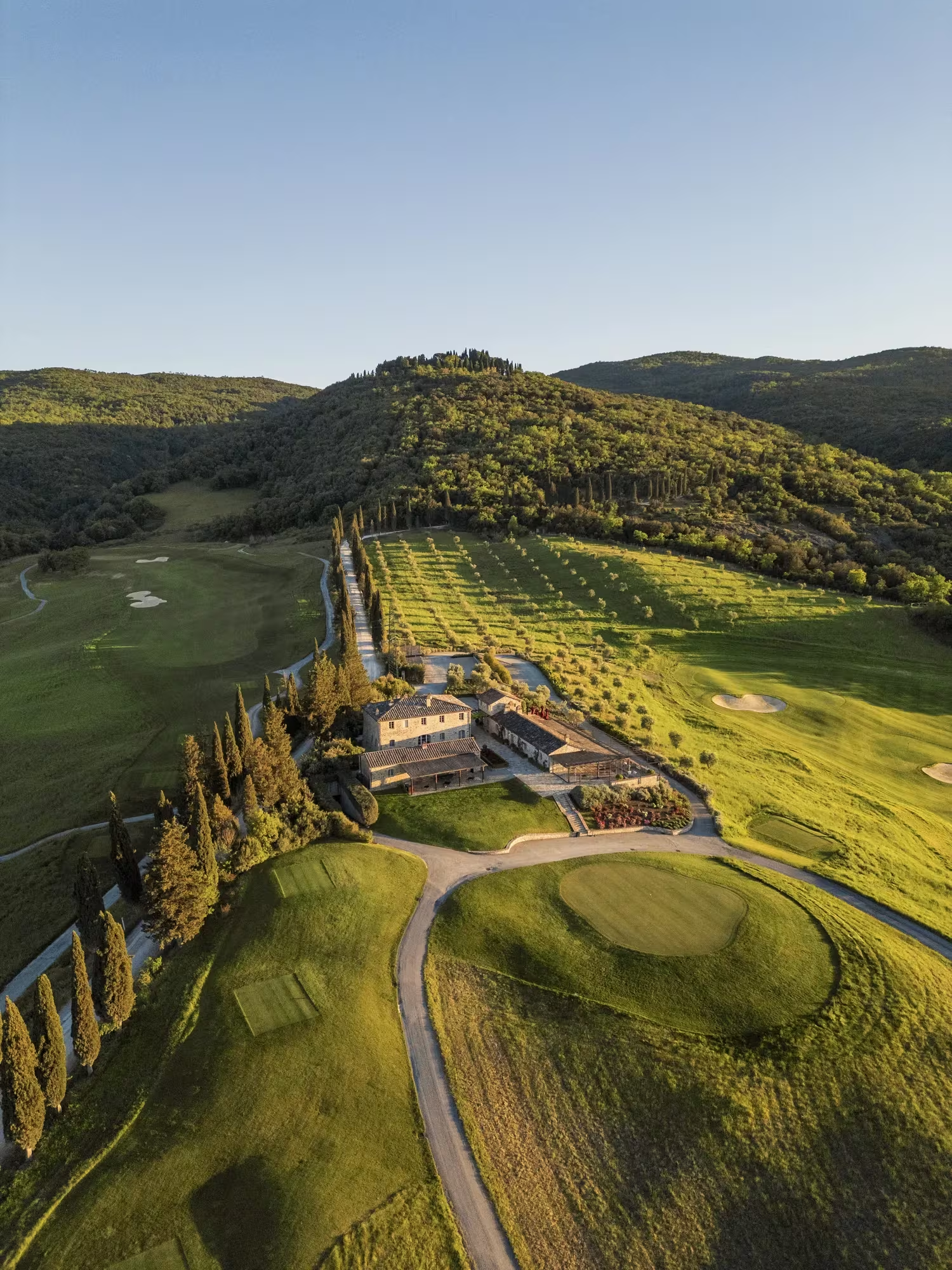
Die letzten Kilometer sind Kies. Die Straße steigt zwischen Zypressen an, die gepflanzt wurden, um sie zu markieren, lange bevor jemand daran dachte, aus Vergnügen hierherzukommen, und sie ist – durch Zufall, durch Jahrhunderte – darauf angelegt, Sie zu verlangsamen. Sie schalten einen Gang zurück, dann noch einen, und irgendwo zwischen der zweiten und der dritten Kurve hören Sie auf, über das nachzudenken, worüber Sie auf der Straße von Siena nachgedacht haben.
Dann die Stille. Sie ist keine Abwesenheit, sondern eine Textur: Wind in Olivenblättern, ein Traktor zwei Täler weiter, ein Hund, Vögel, die die Reihen abarbeiten. Die Luft trägt Lavendel und frisch geschnittenes Gras und warmen Stein, und jenseits der Reben fällt das Land in langen Lehmwellen zu Montalcino hin ab, so oft gemalt, dass es sich schon halb erinnert anfühlt, bevor man es überhaupt gesehen hat.
Das Anwesen besteht seit dem elften Jahrhundert – ein befestigtes Dorf, eine Kirche mit einem Fresko von Pietro Lorenzetti, Höfe, Terrassen, Reben. Fünftausend Morgen des Val d'Orcia, das meiste als Wald und Feld belassen. Rosewood hat es nicht neu erfunden, sondern arbeitsfähig gehalten: Der Brunello wird noch hier gemacht, die Oliven werden noch hier gepresst, der Borgo wird noch bewohnt. Dies ist ein Luxushotel in der Toskana nur in dem Sinn, dass ein Landgut auch, ganz nebenbei, Gäste aufnehmen kann.
Architektur & Design
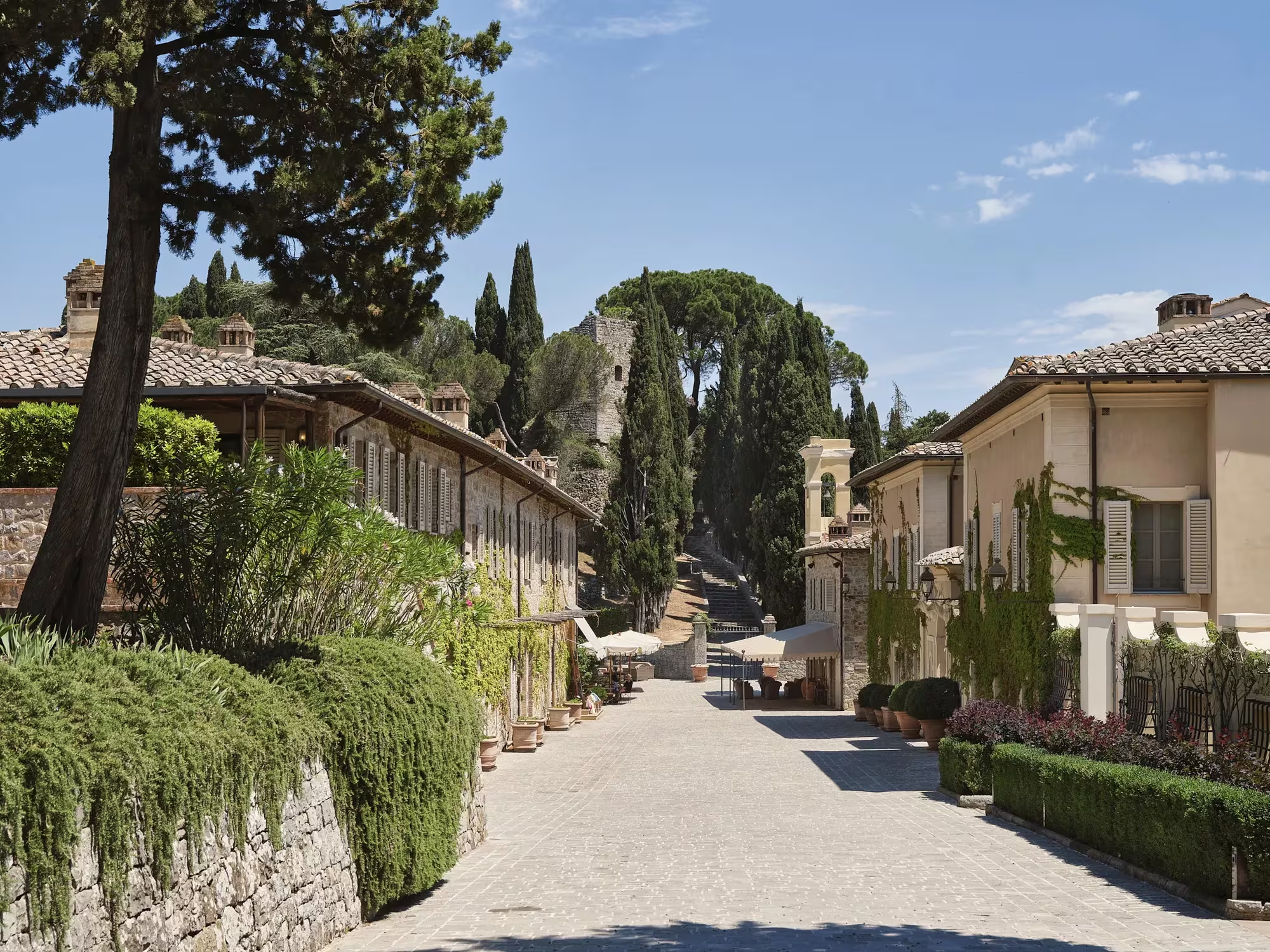
Die Restaurierung war eine Übung in Zurückhaltung. Der Kalkstein wurde gereinigt statt ersetzt, sodass man noch sieht, wo Jahrhunderte von Händen eine Türöffnung rund geschliffen haben. Leerstehende Bauernhäuser wurden mit den Steinen wiederaufgebaut, die aus ihnen herausgefallen waren. Eichenbalken blieben, wo sie hielten, und wurden angepasst, wo sie es nicht taten. Nichts wurde zu Neuheit glattgeschliffen.
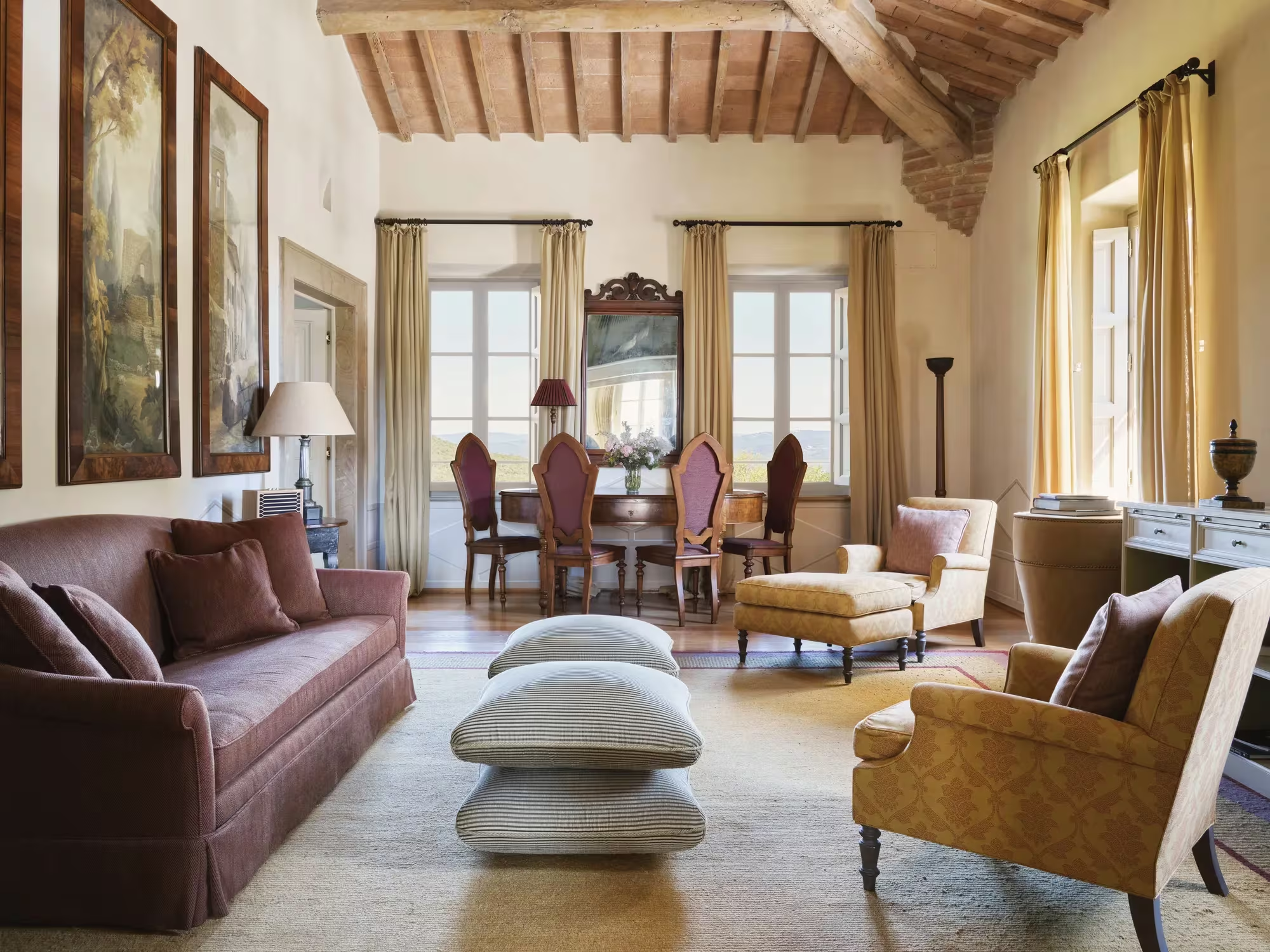
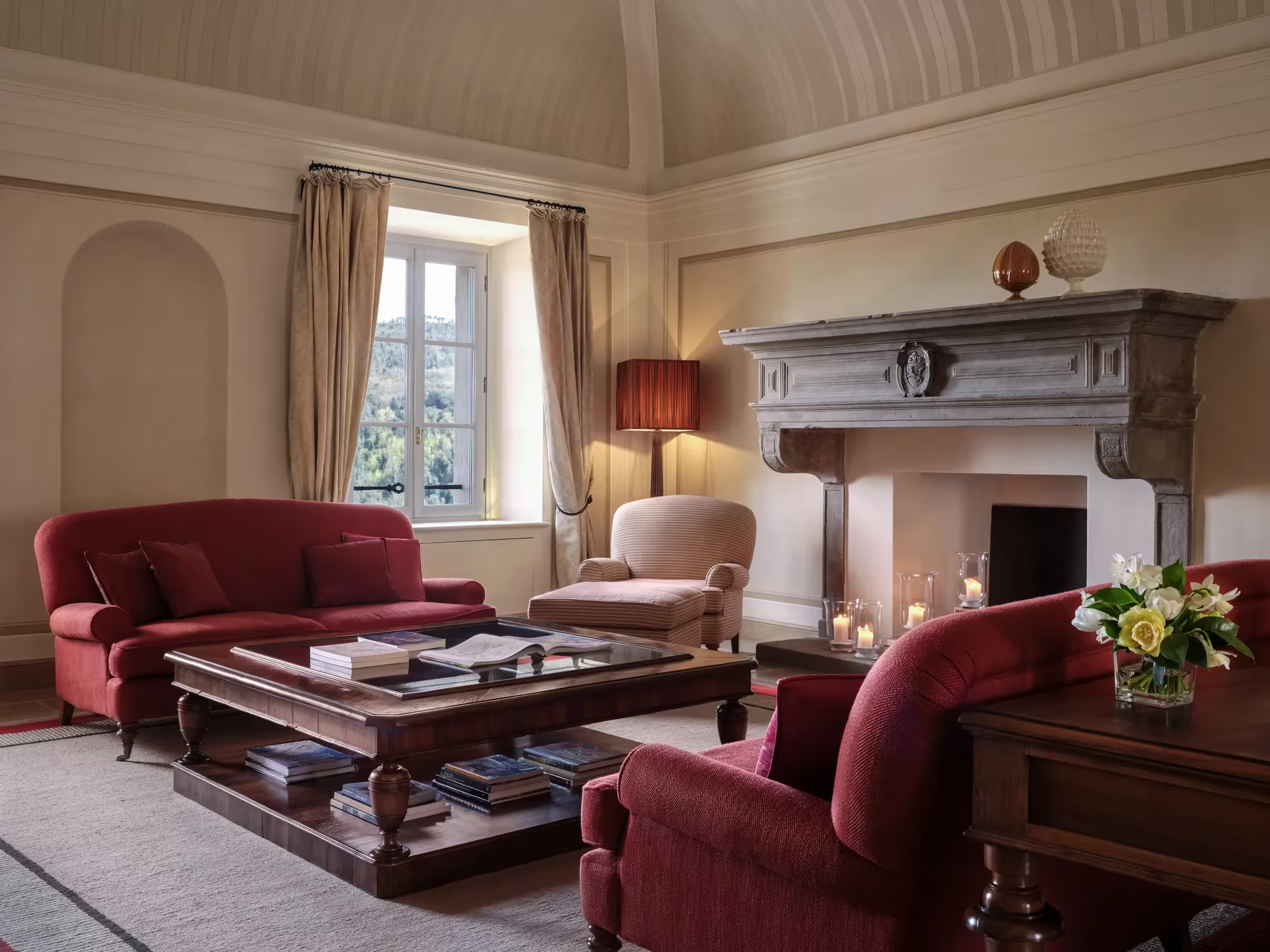
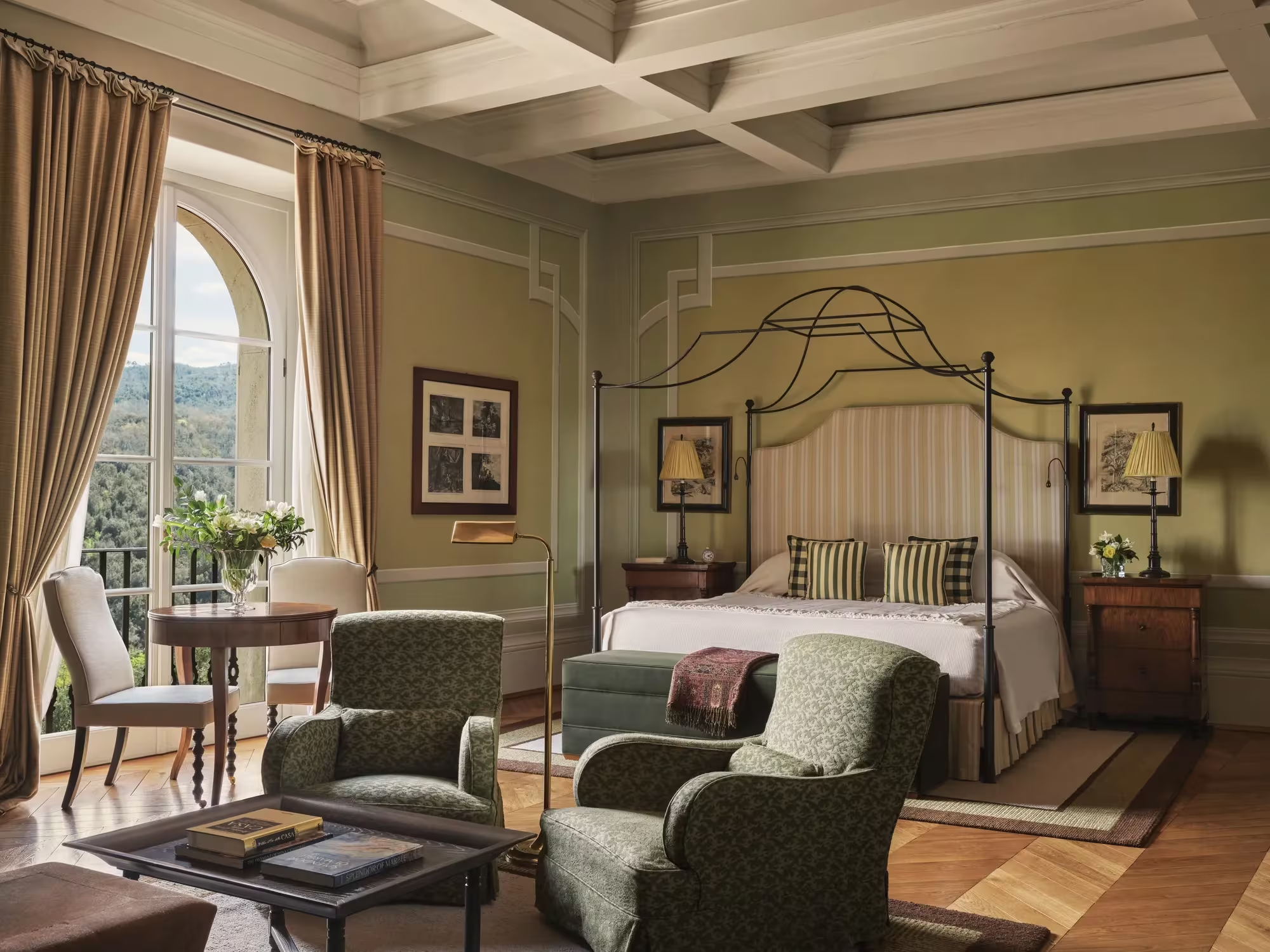
Innen: Terrakottaböden, die im August kühl unter den Füßen bleiben, kalkverputzte Wände in der Farbe ungebleichten Papiers, antike Kamine, die noch ziehen, handgefertigte italienische Möbel, ausgewählt, weil sie ihre Form halten, ohne die Stimme zu erheben. Leinen überall, und fast nichts, das glänzt.
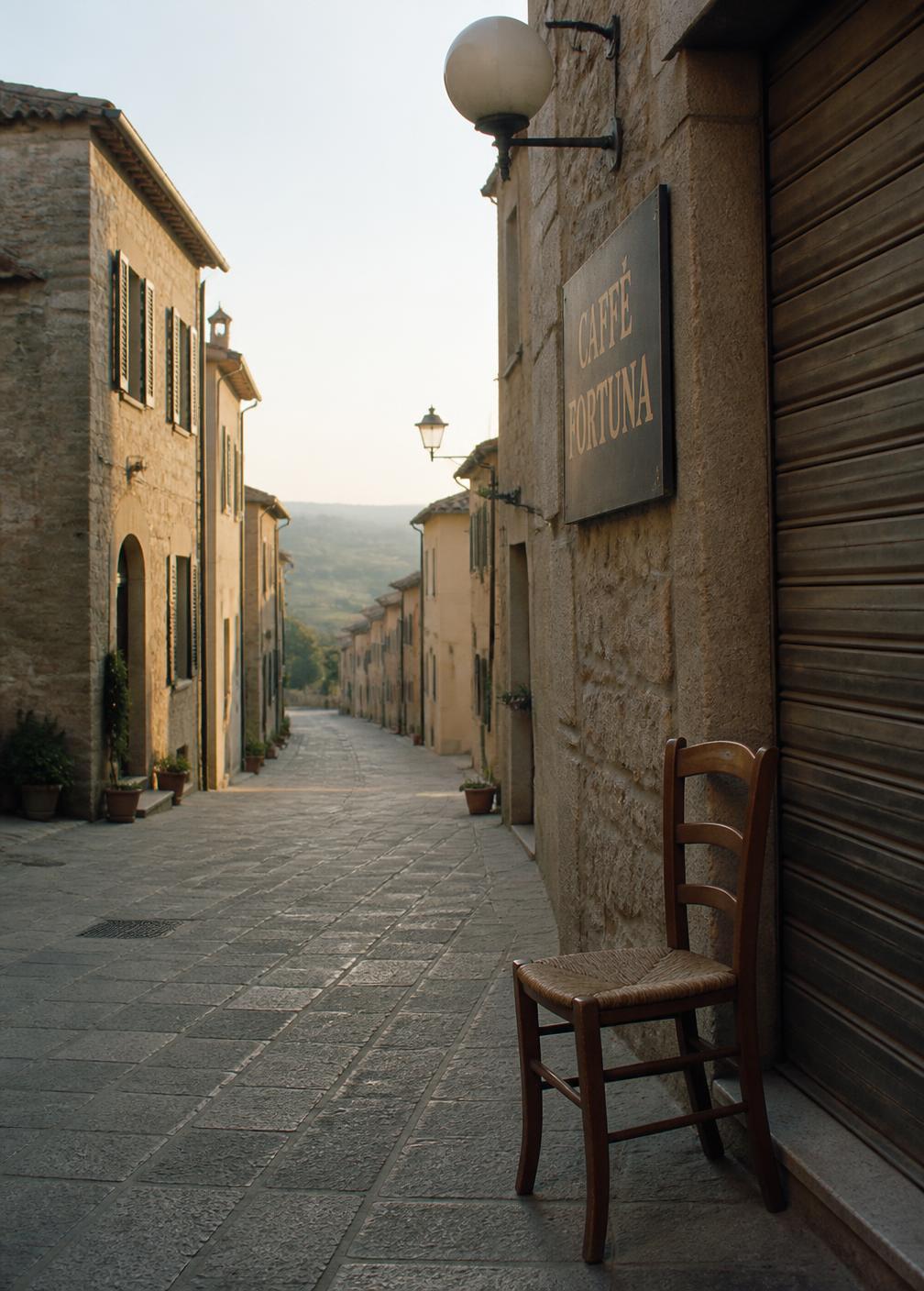
Der mittelalterliche Borgo bleibt ein Dorf, keine Lobby – eine Piazza, eine Kirche, eine einzige Bar, Wäscheleinen. Rosewoods Kunst bestand hier darin zu wissen, wo man aufhören muss. Komfort kam hinzu; der Charakter des Anwesens musste dafür keinen Platz räumen.
Suiten & Villen
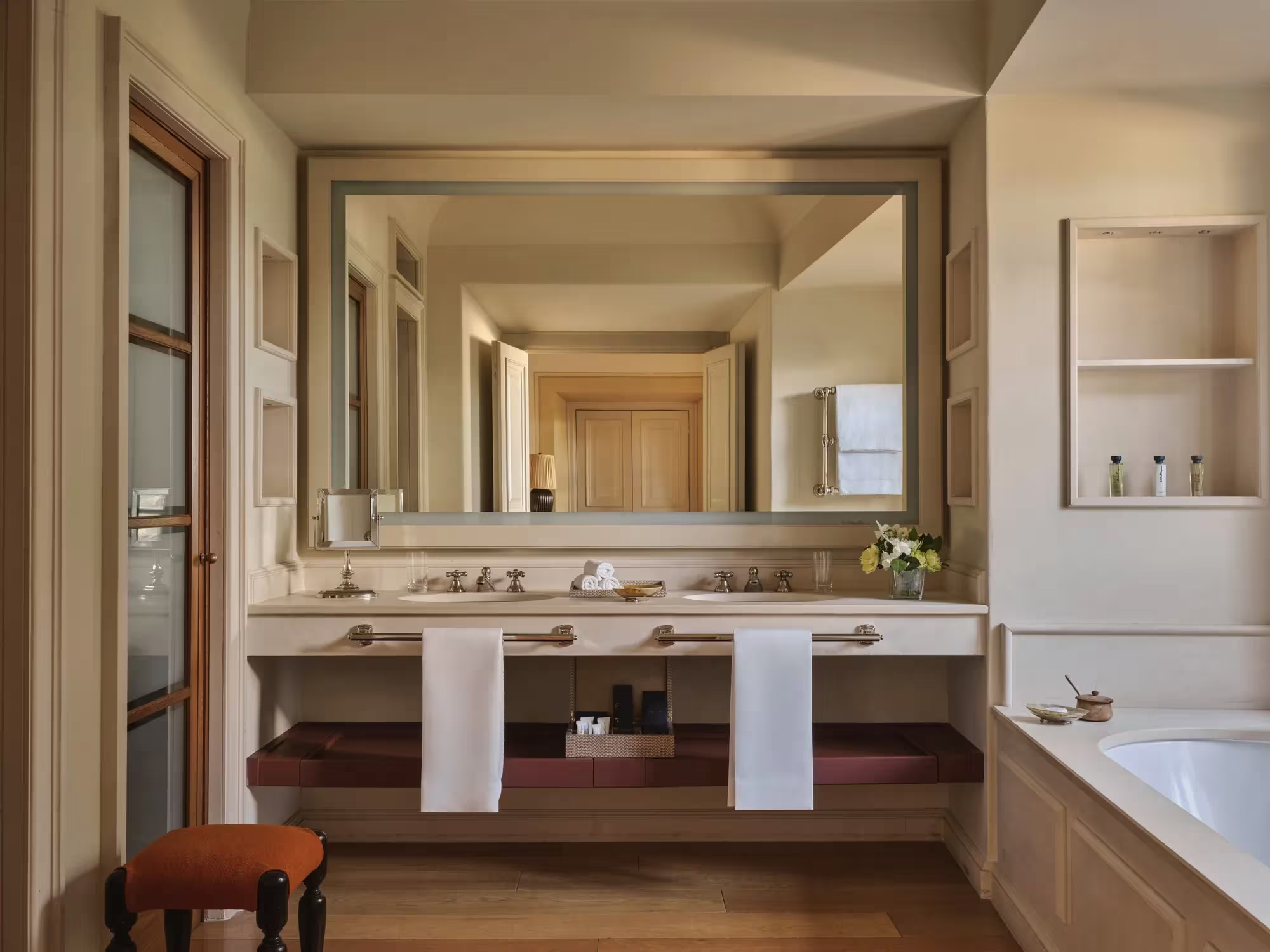
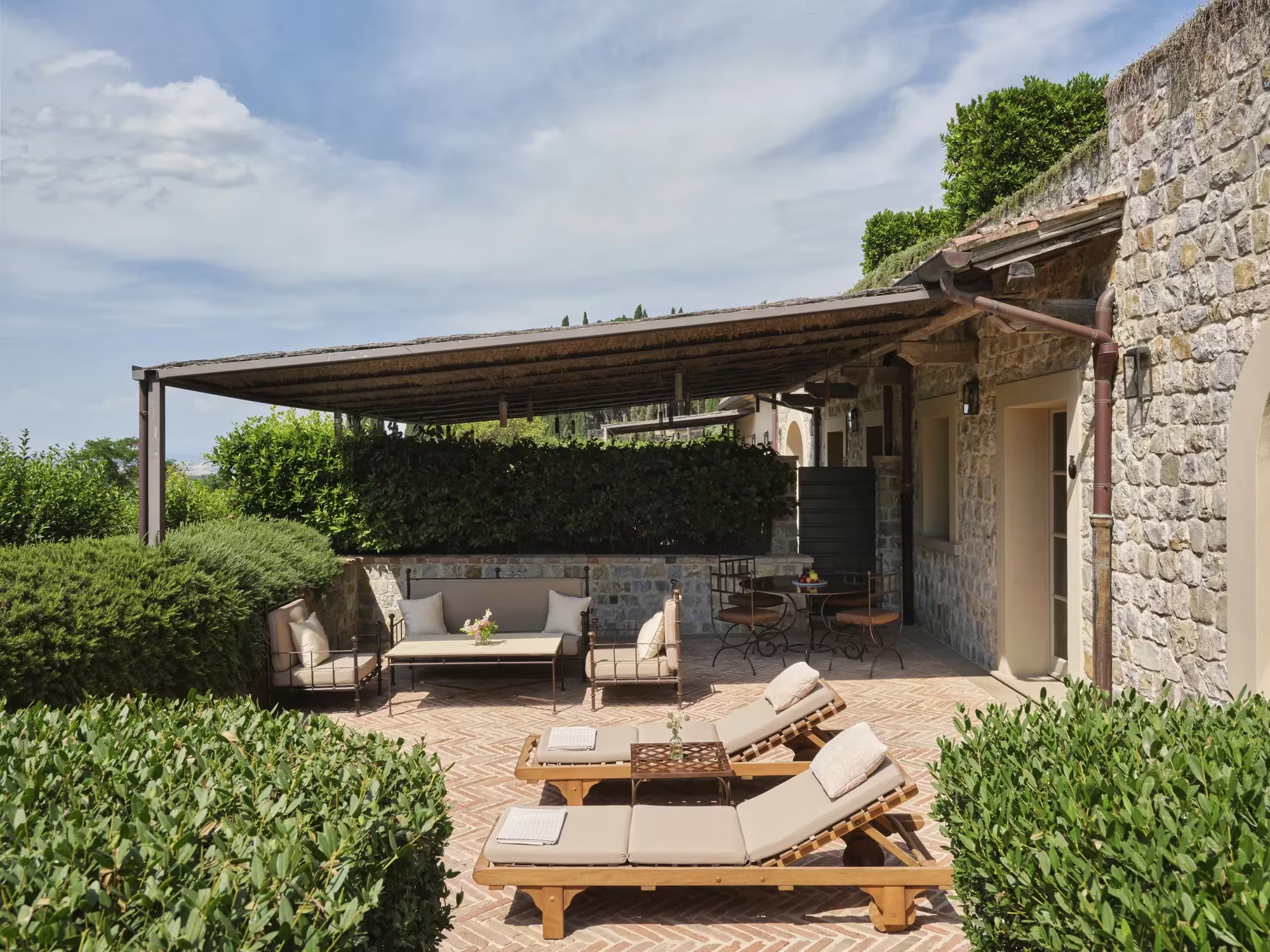
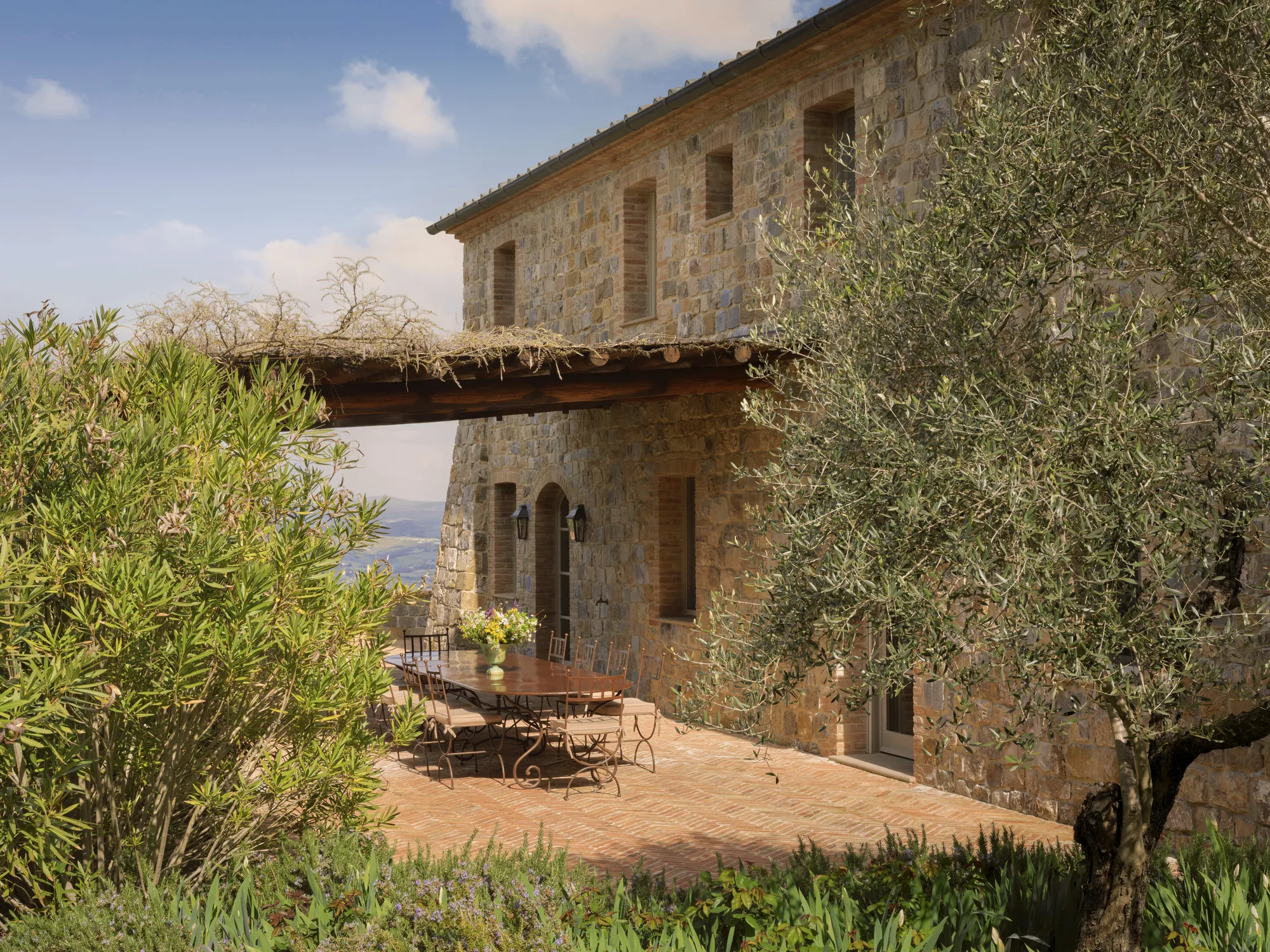
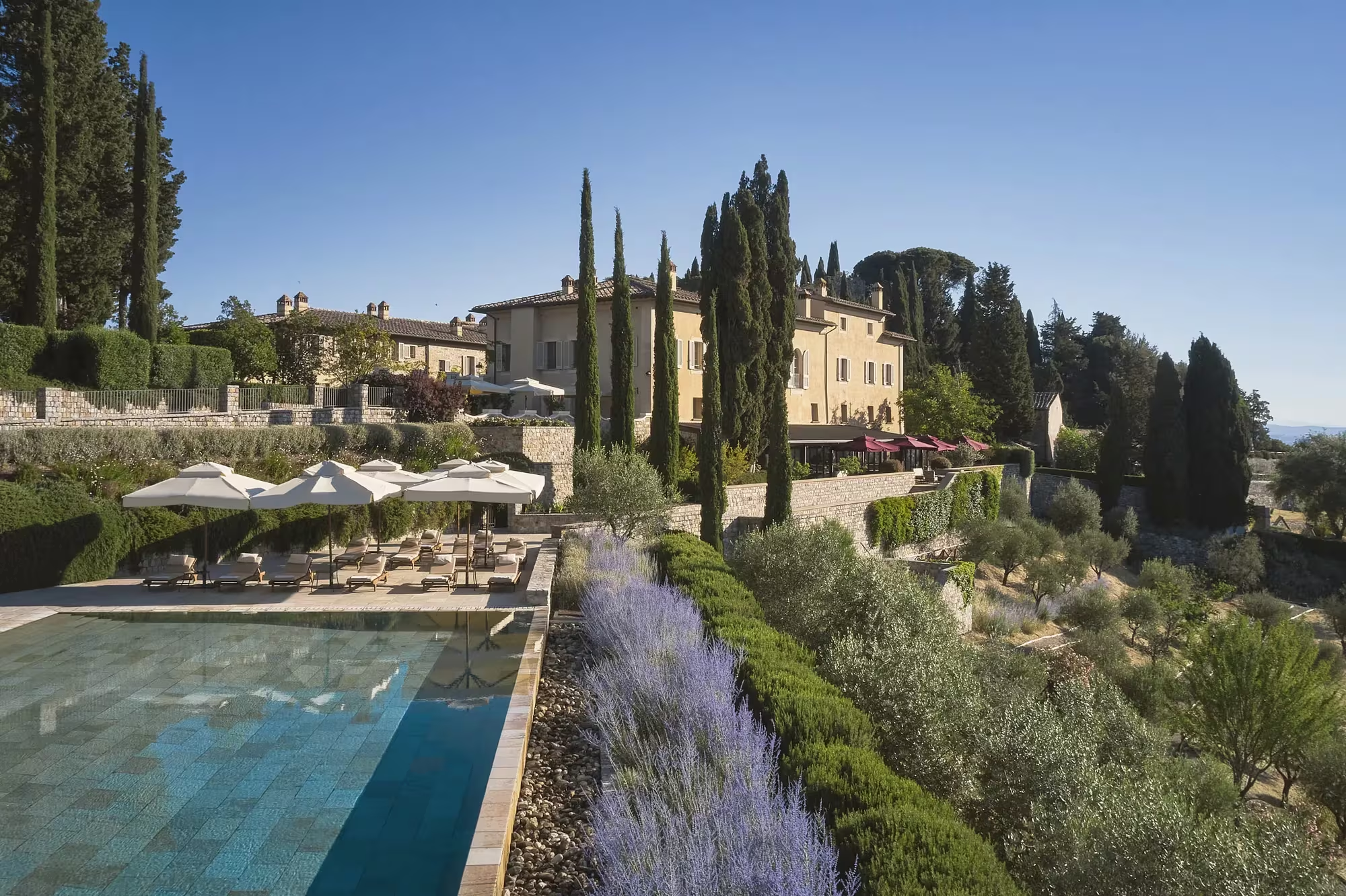
Man erhält nicht so sehr ein Zimmer als vielmehr ein toskanisches Zuhause: eine Tür zum Kies, einen Garten, aus dessen Mauer Rosmarin wächst, eine Steinterrasse, auf der die Stühle dem Schatten hinterherbewegt wurden. Luxusvillen in der Toskana kümmern sich selten so wenig darum, bewundert zu werden.
Die Morgen kommen langsam. Fensterläden, zurückgeschoben auf Rebreihen, noch grau vom Nebel, Kaffee barfuß nach draußen getragen, der Tag entscheidet sich selbst. Die Abende tun das Gegenteil: Das Licht wird golden, dann bronze, dann blau über dem Tal, in etwa zwanzig Minuten, und jemand entzündet das Feuer, weil die Septembernächte hier unangekündigt kühl werden.
Alles darin ist Material statt Oberfläche – Leinen, Eiche, Wolle, Terrakotta, Putz, Stein. Die Fenster sind groß und tief gesetzt, sodass die Landschaft an jeder Wand hängt, ohne dass sie jemand gerahmt hätte. Nach zwei Tagen bemerken Sie die Adresse gar nicht mehr, was das Höchste ist, was man über eine sagen kann.
Kulinarik
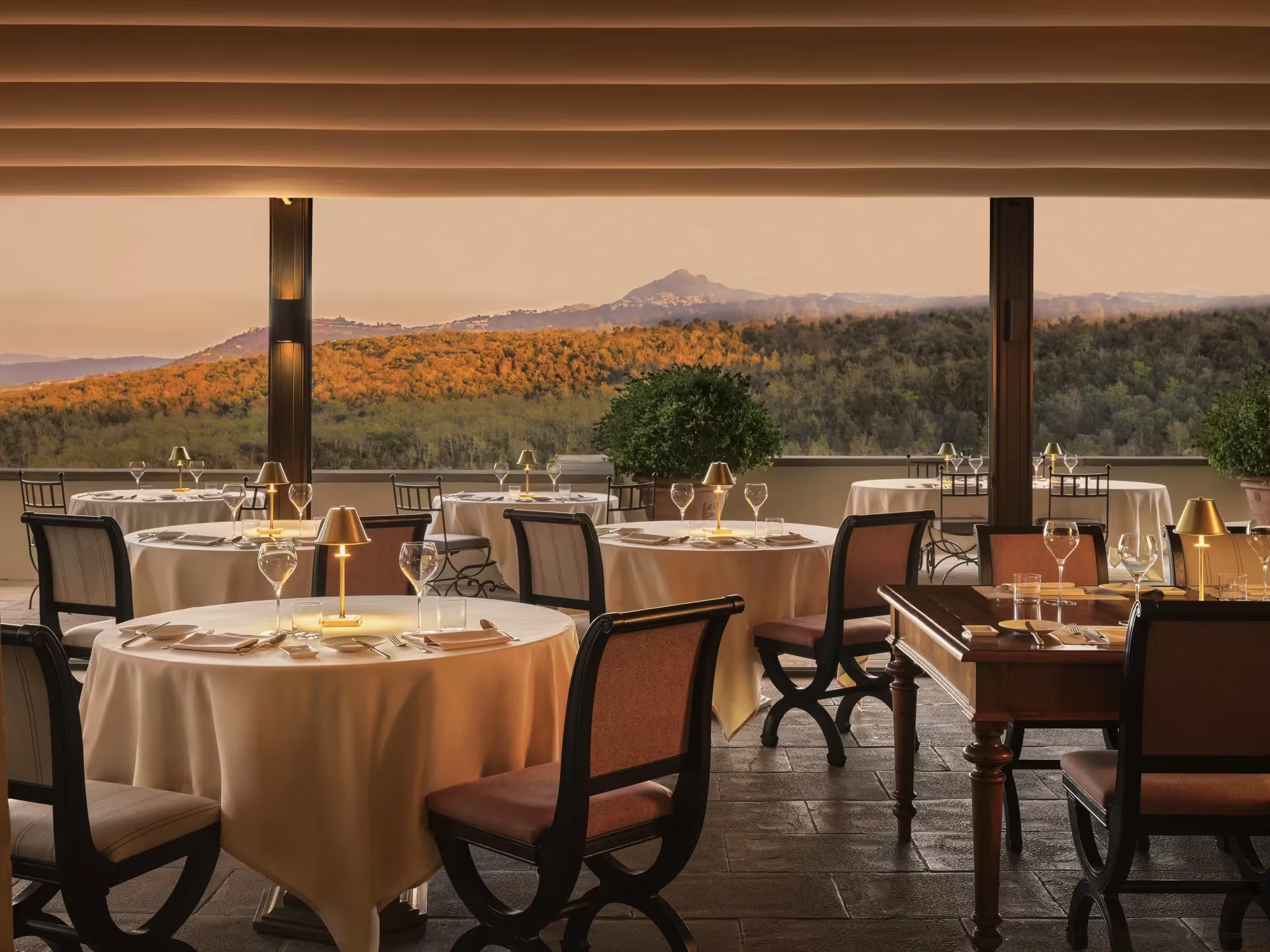
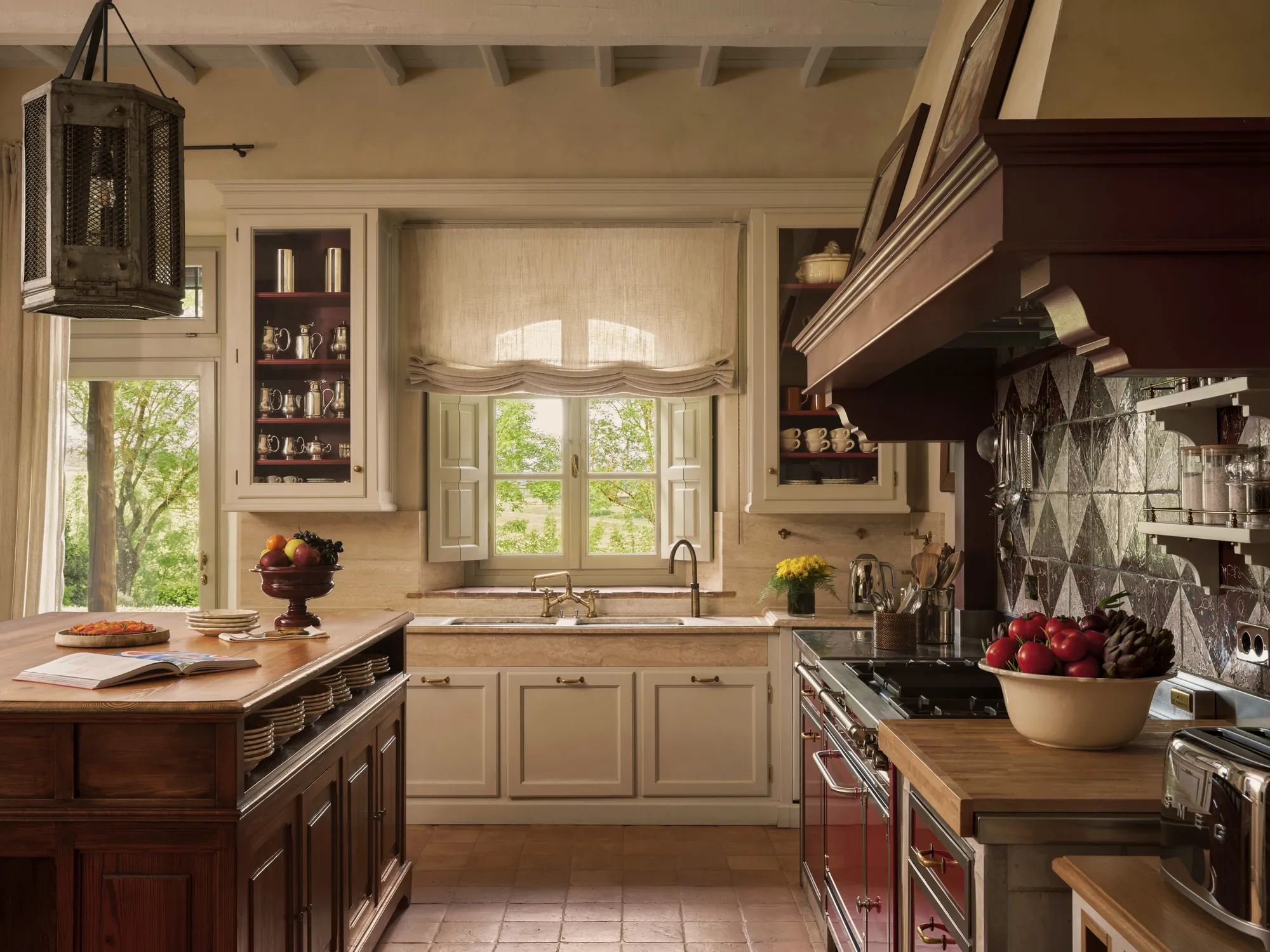
Das meiste, was auf den Tisch kommt, ist in Sichtweite davon gewachsen. Gemüse aus dem Küchengarten, am Morgen geschnittene Kräuter, Öl aus der eigenen Presse des Anwesens – im November grün und pfeffrig, im Juni sanfter behandelt. Pasta, von Hand gerollt und breiter geschnitten, als man erwartet. Fleisch über Holz, und Brot aus demselben Feuer.
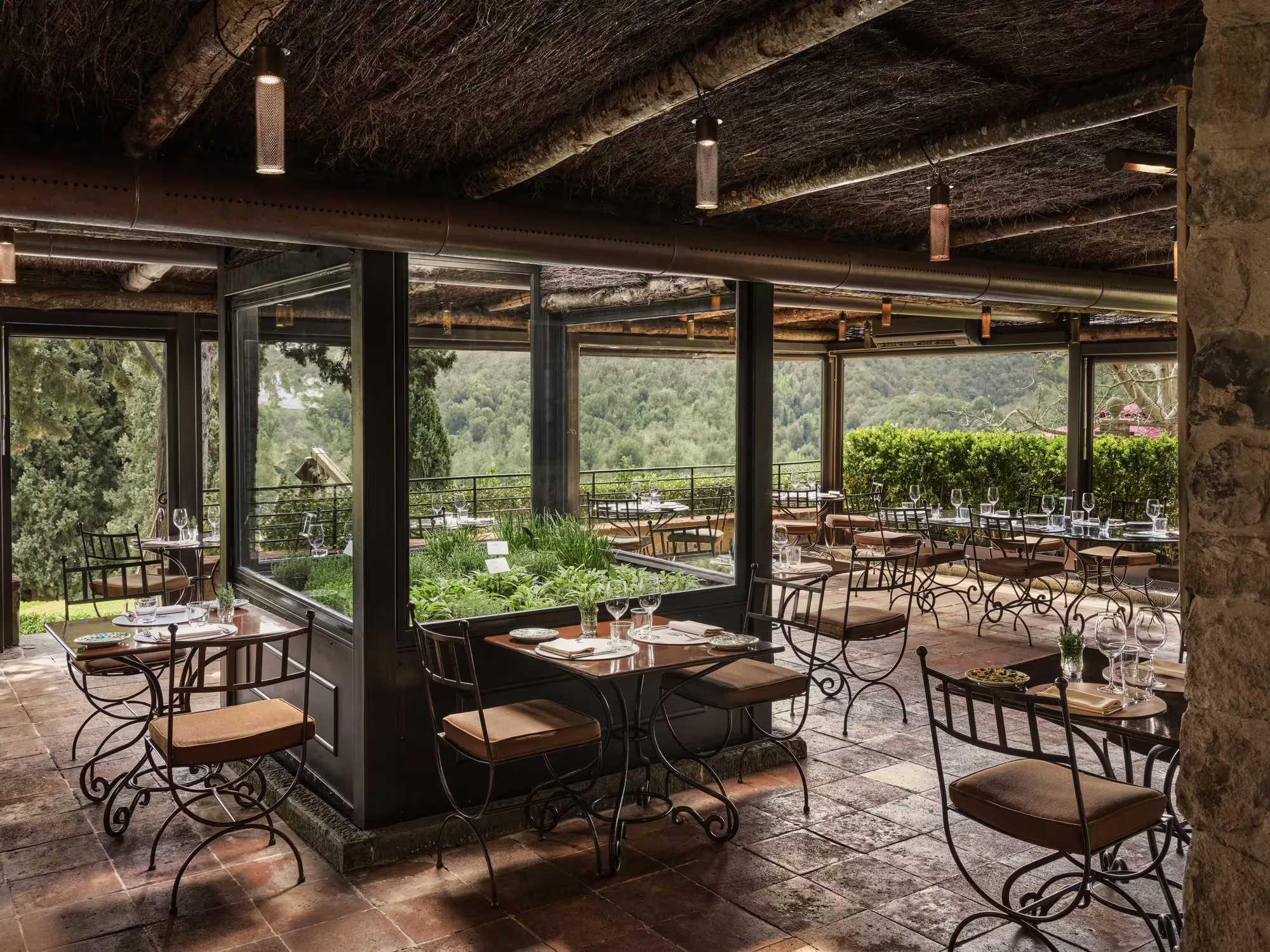
Das Mittagessen findet draußen unter den Oliven statt und zieht sich meist in die Länge. Das Abendessen zieht in einen gewölbten, meist kerzenbeleuchteten Raum um, oder bleibt auf der Terrasse, wenn der Abend es erlaubt. Die Weinkarte beginnt mit dem eigenen Brunello di Montalcino des Anwesens – zweihundert Meter entfernt hergestellt, ohne Zeremonie eingeschenkt, beim zweiten Glas besser als beim ersten.
Nichts ist aufwendig. Tomaten im August, eine Feige, mit dem Daumen aufgebrochen, ein Rezept, das die Großmutter von irgendjemandem wiedererkennen würde. Die Küche versteht, dass das Kochen in der Toskana nicht von der Landschaft getrennt ist. Es ist die Landschaft, die etwa sechs Stunden später am Tisch ankommt.
Wellness
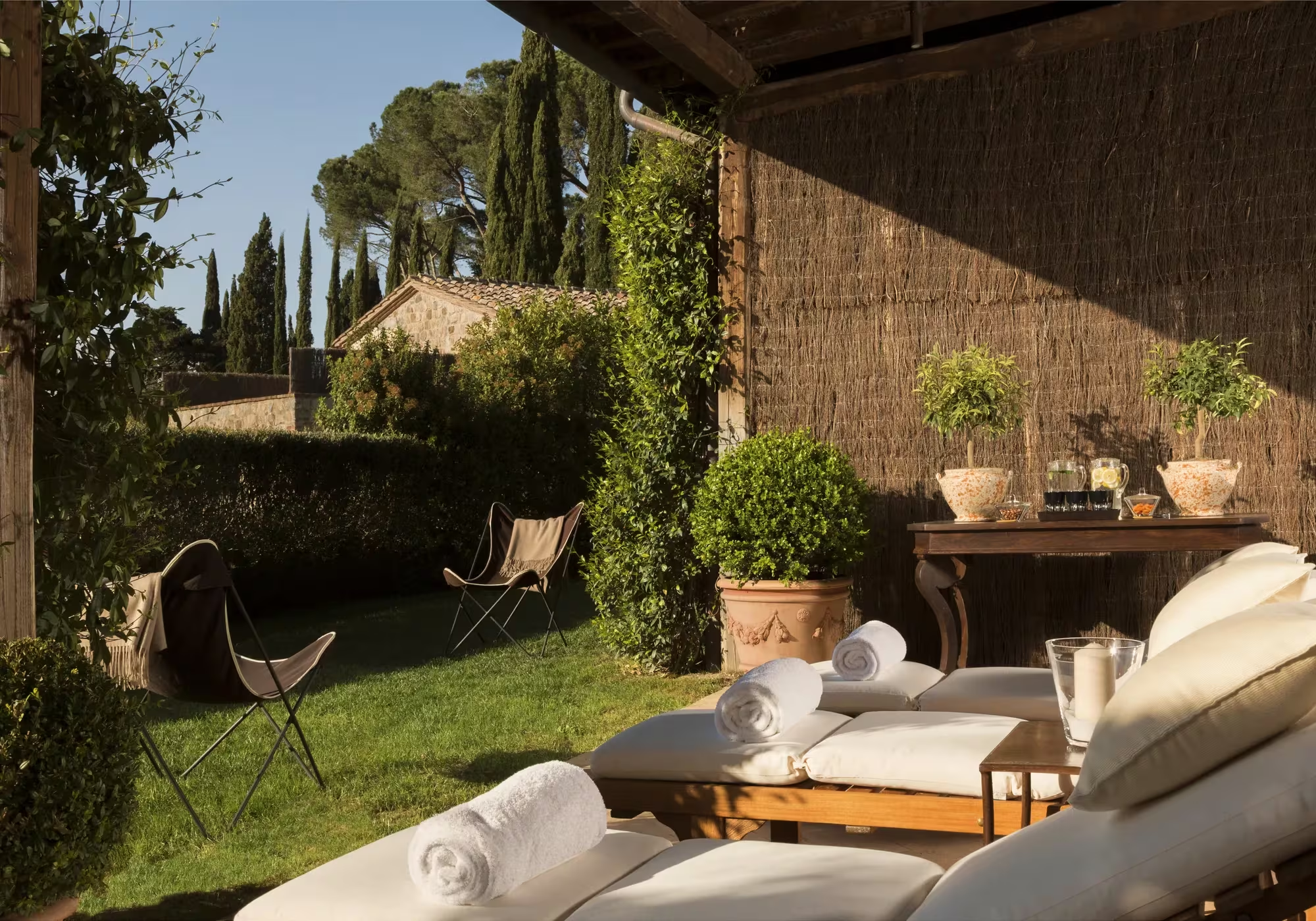
Der Rosewood-Spa befindet sich in alten Gutsgebäuden und riecht nach dem, was draußen wächst – geschnittenes Gras, Rosmarin, warmer Stein, Holzrauch im Oktober. Die Behandlungen sind ohne Eile und weitgehend wortlos: Hände, Wärme, botanische Öle vom Hang, und danach eine lange Stille, aus der Sie niemand drängt.
Yoga findet früh im Garten statt, vor der Hitze, während das Tal noch weiß vom Nebel ist und nur Vögel zwischen den Olivenreihen zu hören sind. Es gibt Wasser, still und leise warm, und einen Raum, in dem Sie sich einfach hinlegen und innehalten sollen.
Nichts davon ist vom Anwesen abgeriegelt. Sie gehen mit nassem Haar über den Kies zurück, an den Reben vorbei, den Nachmittag völlig unverplant. Genau das, mehr als jede Behandlung, meinen Menschen hier, wenn sie sagen, dass sie sich besser fühlen.
Was wir vor Ort empfehlen
Jedes von ihnen gehört eher dem Val d'Orcia als dem Anwesen, und genau darin liegt der Reiz. Nicht mehr als eines pro Tag.
Nr. 01
Der Keller des Anwesens ist kühl, niedrig und riecht nach Eichenholz und nassem Stein. Jemand, der dreißig Jahrgänge in diesem Raum verbracht hat, zapft ein Glas direkt aus dem Fass, hält es gegen das einzige Fenster und sagt fast nichts, während Sie trinken. Später gibt es Flaschen, ältere, geöffnet an dem Tisch, an dem die Erntehelfer essen.
Nr. 02
Der Brenner röhrt, dann verstummt er, und danach gibt es nur noch ein Tal, das unter Ihnen erwacht — Zypressenalleen wie mit Tinte gezogen, noch verschlossene Bauernhäuser, Nebel, der sich in jeder Bodenfalte zwischen den Hügeln sammelt. Es dauert eine Stunde. Fast niemand spricht dabei, und niemand stört sich daran.
Nr. 03
Sie brechen auf, bevor der Boden sich erwärmt, mit einem Mann, der dies seit seiner Kindheit tut, und einem Hund, der es besser kann als er. Nasses Laub, stilles Warten, viel Ruhe. Wenn der Hund innehält, hält alles inne. Was Sie nach Hause tragen, passt in ein Taschentuch und durchduftet das ganze Auto.
Nr. 04
Der Koch des Anwesens misst nichts ab. Pasta, von Hand gerollt, bis die Unterarme es spüren, Tomaten noch warm von der Reihe, Öl aus der eigenen Presse, großzügig eingeschenkt. Sie essen, was Sie gemacht haben, im Freien, und es schmeckt besser, als es dürfte.
Nr. 05
Die Strade Bianche verlaufen zwischen den Weinbergen und tragen kaum Verkehr. Nehmen Sie nach dem Frühstück ein Fahrrad, halten Sie sich auf dem Kamm Richtung Montalcino und kehren Sie um, wann immer Sie möchten. Kies unter den Reifen, Zypressenschatten in Abständen über der Straße, an jeder Weggabelung eine Entscheidung.
Nr. 06
Ein Korb, hinausgetragen an eine Reihe Brunello-Reben — Brot, Pecorino, Tomaten, eine Flasche im Tuch — und drei Stunden, in denen niemand nach Ihnen sucht. Später ein Glas auf der Terrasse um acht, während Montalcino in rund zwanzig Minuten von Grün über Bronze zu Blau wechselt und Mauersegler über dem Borgo kreisen.
Pure Voyage liebt
Für wen dieses Hotel ist
Es passt zu Menschen, denen Gebäude und Gärten am Herzen liegen, die die zweite Flasche bestellen, weil das Gespräch gut läuft, die lieber einen Vormittag in einem Weinkeller verbringen als einen Nachmittag in vieren. Weinliebhaber finden hier ihr Thema an der Quelle. Design-Reisende werden den ersten Tag mit dem Betrachten von Schreinerarbeiten verbringen. Paare, die die entspannte Version Italiens suchen, brauchen keine Überzeugungsarbeit.
Es eignet sich ungewöhnlich gut für einen Anlass – einen Geburtstag, einen Jahrestag, ein langes Mittagessen, das zur Geschichte des Jahres wird – und bewältigt generationenübergreifende Reisen mit echter Eleganz, denn das Anwesen ist groß genug, dass sich jeder darin verlieren und zum Abendessen wieder zurückfinden kann. Familien kommen hier gut zurecht, sofern die Kinder Weite, Tiere und das Draußensein bis in die Dunkelheit mögen.
Nicht jedem wird es zusagen. Es gibt kein Nachtleben, keinen Strand, keine Einkaufsstraße, und die nächste größere Stadt braucht ein Auto und eine halbe Stunde weißer Straße. Im Hochsommer ist das Tal heiß und still. Wer möchte, dass jeden Abend etwas passiert, findet hier eine Landschaft vor, die sich – schön und tagelang – darauf spezialisiert hat, dass gar nichts passiert.
Entdeckungen in der Nähe
Das Val d'Orcia ist klein und langsam und belohnt alle, die bereit sind, spät dranzusein. Nichts davon ist eine Checkliste; alles verlangt ein Auto und einen unaufgeregten Morgen.
Nr. 01
Eine kleine Stadt auf einem Hügel, die zufällig einen der großen Weine Italiens hervorbringt und das ganz beiläufig trägt. Kommen Sie nach fünf, wenn die Busse weg sind. Gehen Sie die Wehrmauern der Fortezza entlang, trinken Sie ein Glas mit Blick nach Süden über die Orcia und kaufen Sie in der Enoteca, wo der Mann hinter dem Tresen erst fragt, was Sie heute Abend essen, bevor er auswählt.
Nr. 02
Eine Renaissance-Idee einer vollkommenen Stadt, in fünf Jahren erbaut und dann fünfhundert Jahre in Ruhe gelassen. Gehen Sie früh hin, wenn die Pecorino-Läden öffnen und der Stein noch kühl ist, und stellen Sie sich auf die Terrasse hinter der Kathedrale, wo das ganze Tal auf einmal erscheint. Kaufen Sie den in Walnussblättern gereiften Käse.
Nr. 03
Statt einer Piazza gibt es ein dampfendes Renaissance-Becken, und der Dampf, der in die kalte Morgenluft steigt, gehört zu den seltsamsten und einprägsamsten Anblicken der Toskana. Baden ist nicht erlaubt. Setzen Sie sich stattdessen mit einem Kaffee an den Rand und gehen Sie danach hinunter zu den alten Mühlen unterhalb des Dorfes, um die Füße hineinzuhalten.
Nr. 04
Eine Abtei aus dem zwölften Jahrhundert aus blassem Travertin, allein in einem Olivenhain, mit Alabasterfenstern, die das Licht honigfarben werden lassen. Prüfen Sie die Uhrzeit des gregorianischen Gesangs, kommen Sie früh, setzen Sie sich weiter hinten und fotografieren Sie nicht. Zwanzig Minuten dort ordnen einen ganzen Tag neu.
Nr. 05
Steiler und belebter als Montalcino, und den Aufstieg wert wegen dem, was darunter liegt: Keller, durch etruskische Tunnel tief in den Fels geschlagen, im August kühl und voller Vino Nobile. Danach ein langes Mittagessen auf einer Terrasse mit Blick auf das Val di Chiana, und für den Nachmittag keinerlei Pläne.
Nr. 06
Die einprägsamsten Stunden hier gehören Orten ohne Schild: ein Familienbetrieb, der Öl in der Garage verkauft, ein Mittwochsmarkt mit vier Ständen, eine Bar in einem Dorf mit vierzig Einwohnern, wo es zum Mittagessen gibt, was gerade da ist. Nehmen Sie die unmarkierte Abzweigung. Das, mehr als jede Route, ist die eigentliche Reise.
Galerie
Eine Notiz vom Team
Nehmen Sie eine Adresse auf der Weinbergseite. Gehen Sie vor dem Frühstück die Zypressenallee entlang, während das Tal noch den Nebel hält, essen Sie so lange draußen zu Mittag, wie es geht, und lassen Sie einen Nachmittag ganz frei. Dieser Nachmittag wird der sein, von dem Sie später erzählen, und Sie werden Mühe haben, zu erklären, warum.
Das Pure-Voyage-Team
Aus dem Journal
Hotels — August 2026
Zwölf Häuser zwischen den Hügeln des Chianti und dem Val d'Orcia — ein Schloss, ein Kloster, ein Anwesen mit eigener Presse — ausgewählt danach, wie sie den Morgen einfangen.
Reiseführer — Juli 2026
Ein Hügelstädtchen, zwei Tage und die klare Regel, nicht mehr als zwei Dinge pro Tag zu planen. Wo man Brunello trinkt, wo man isst und zu welcher Stunde man ankommen sollte.
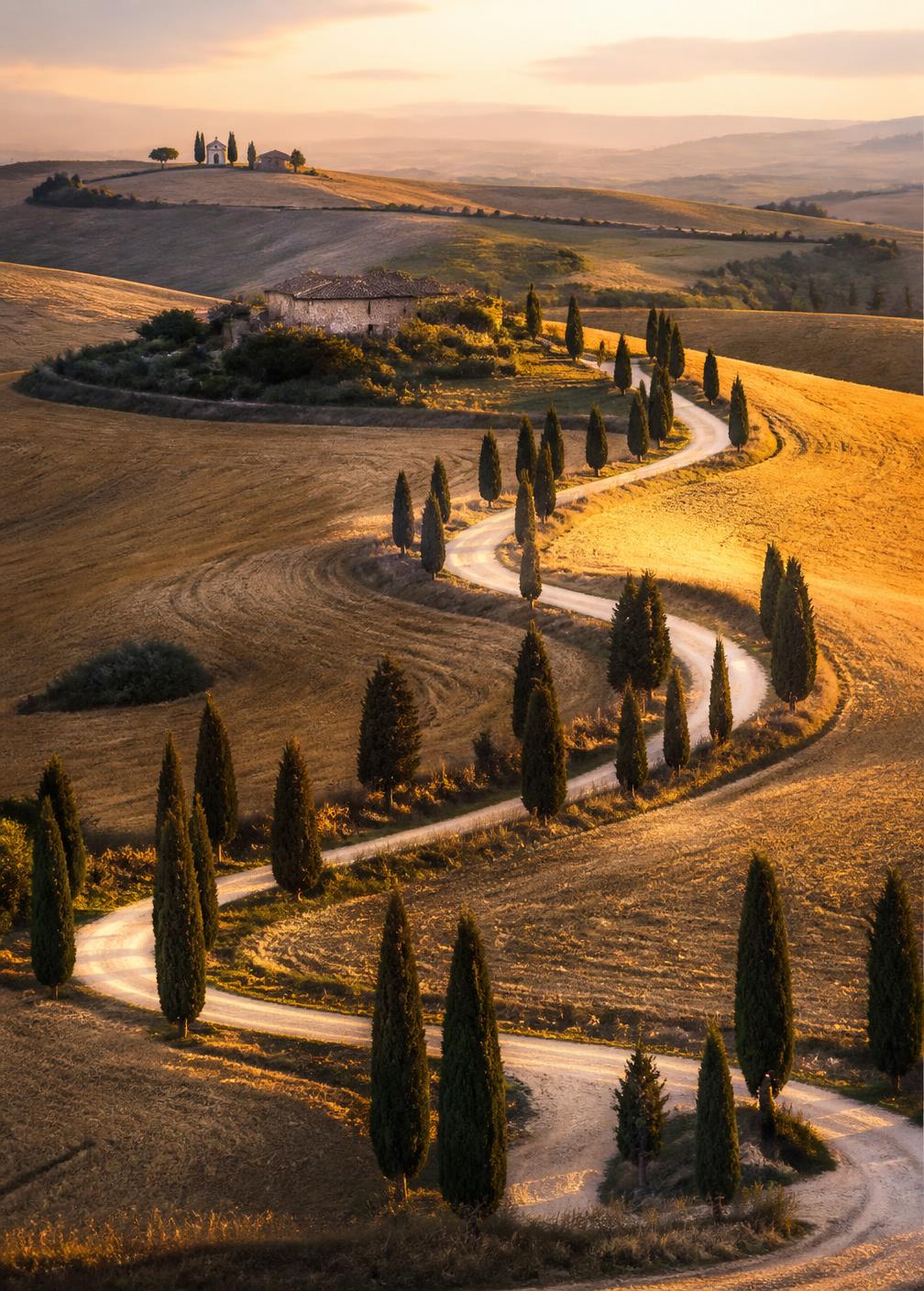
Landschaft — Juni 2026
Ein Tal, über acht Jahrhunderte zu einem Gemälde geformt und ebenso geschützt. Über Licht, Zypressen, Lehm und die Kunst, ziellos zu fahren.
Eine persönliche Anfrage
Wenn das Val d'Orcia bereits nach Ihrer nächsten Reise klingt, gestalten wir sie gern persönlich für Sie – das Anwesen selbst und alles darum herum.
Ein privater Brunello-Vormittag in einem Keller, der sonst keine Besucher empfängt, die Trattoria, die die Fahrt wert ist, ein oder zwei versteckte Dörfer und weitere Nächte in der Toskana, ganz auf Ihre Art zu reisen zugeschnitten.
Warum über Pure Voyage buchen?
Preisrahmen
Was eine Reise in Italien ungefähr kostet
Der Unterschied liegt weniger am Haus als an der Woche und der Zimmerkategorie.
Richtwerte pro Person und Nacht im Doppelzimmer, ohne Flüge. Kein Angebot — eine Orientierung vor dem ersten Gespräch.
Unsere Einschätzung
Rosewood Castiglion del Bosco — Val d'Orcia, Toskana
Passt besonders für
Unser Lieblingsraum
Suite im alten Bauernhaus
Die Suiten im Borgo sind stimmiger als die Villen am Rand — man lebt zwischen den Steinhäusern statt daneben.
Wann hinreisen
Mai bis Juni für die grünen Hügel, September bis Oktober zur Lese. August ist heiss und voll.
Verwandte Erlebnisse
Aus der Suite Collection
Innerhalb eines Hotels entscheidet oft ein einzelner Raum darüber, wie ein Aufenthalt in Erinnerung bleibt. Diese Suiten haben uns überzeugt.
Pure Voyage Atlas
Der Atlas verbindet, was zusammengehört: die Region, die Kollektionen, die passende Reisezeit und die Hotels, die in derselben Erzählung stehen.
Weiter in der Kollektion
Adressen, die Gäste dieses Hotels erfahrungsgemäss ebenfalls schätzen — als Fortsetzung derselben Reise oder als Gegenstück dazu.
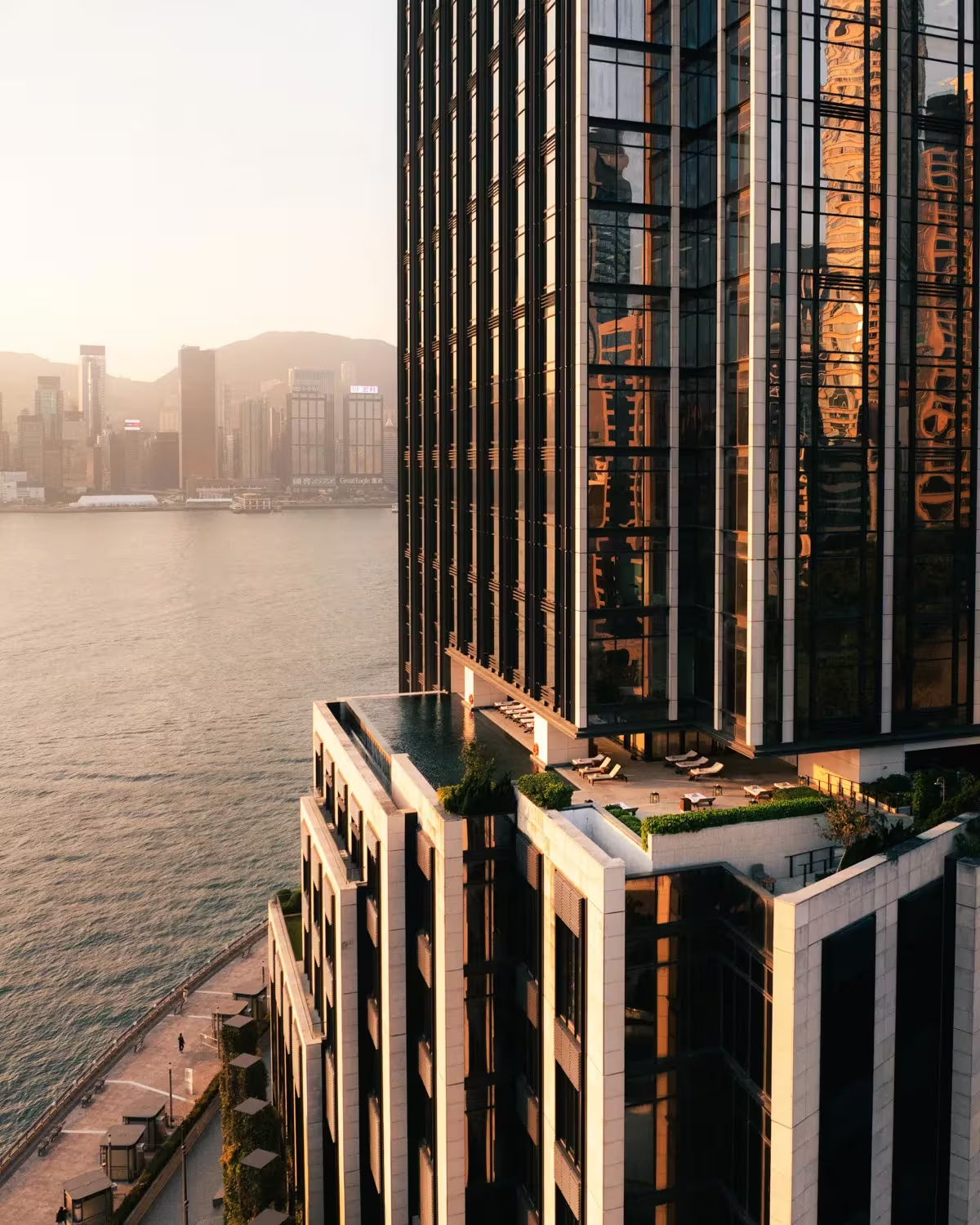
Tsim Sha Tsui, Hongkong
Ein Familienhaus im Hochhausformat: Kunstsammlung, Bibliothek, und Zimmer, die den Hafen wie ein Bild fassen.
Empfohlene Dauer: Drei Nächte
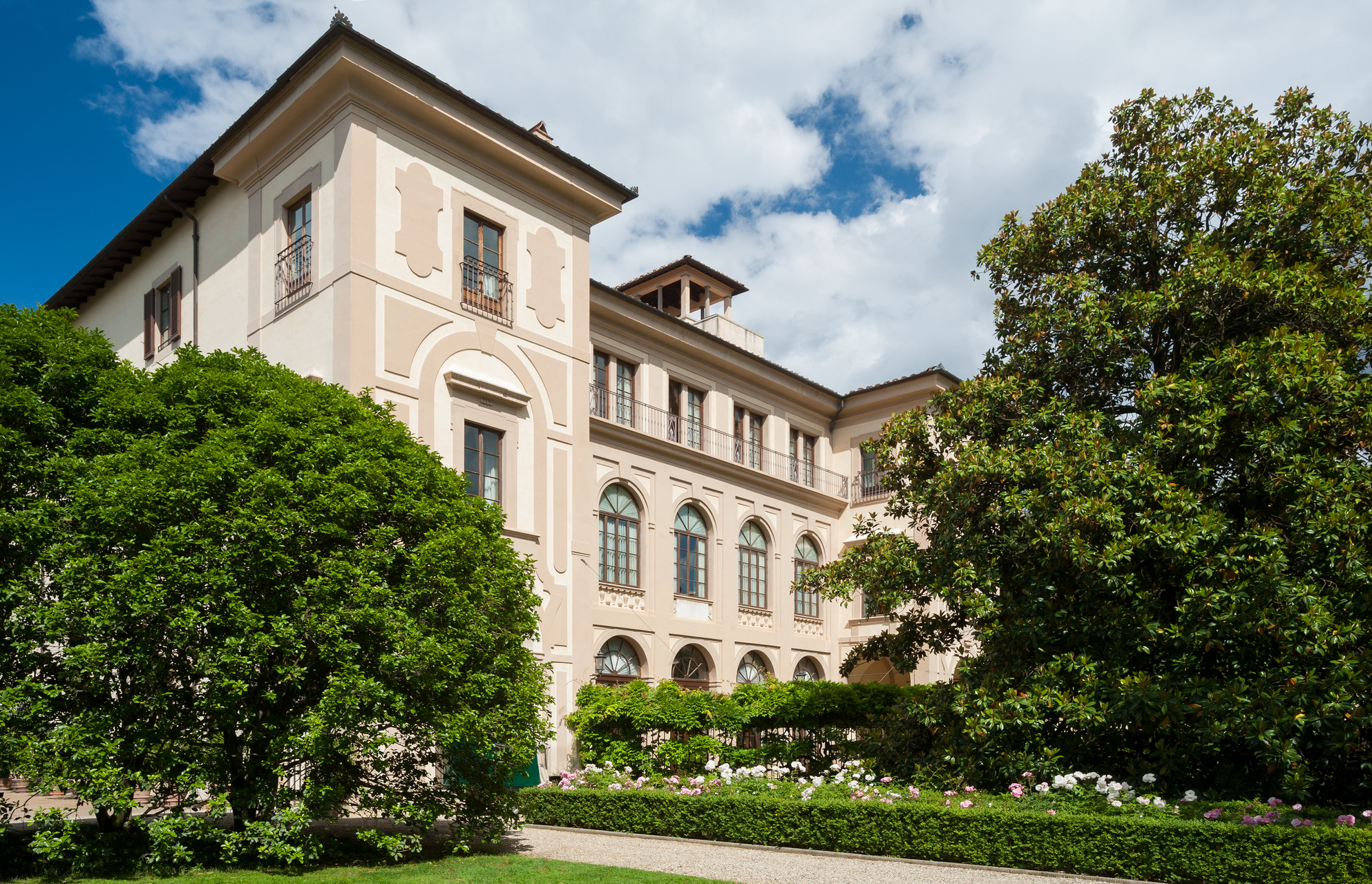
Florenz, Toskana
Ein Renaissance-Palazzo mit elf Hektar Garten dahinter — Florenz zu Fuss, Stille beim Frühstück.
Empfohlene Dauer: Drei bis vier Nächte
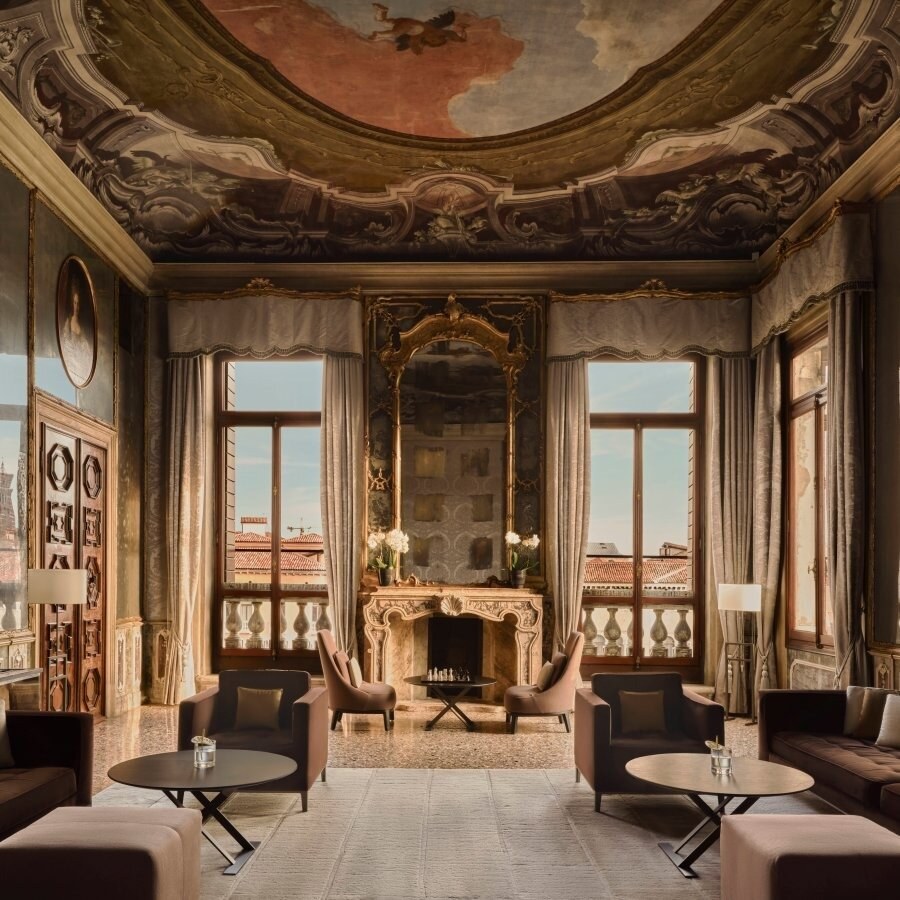
San Polo, Venedig
Vierundzwanzig Zimmer in einem Palazzo aus dem 16. Jahrhundert, Ankunft über das Wassertor, ein privater Garten mitten in Venedig.
Empfohlene Dauer: Vier Nächte
Das könnte Ihnen ebenfalls gefallen
Nicht das Ähnlichste, sondern das Naheliegendste: Orte, Wege und Texte, die zu dieser Art zu reisen gehören.
Häufige Fragen
Weiter im Pure Voyage Universum
Kein Katalog, sondern der nächste Schritt: die Hotels, Wege, Länder und Texte, die wir im Gespräch an dieser Stelle nennen würden.
Journeys
Wege, die diese Region erschliessen.
Destinationen
Das Land im Überblick.
Empfehlungen
Was wir für diesen Anlass vorschlagen.
Journal
Weiterlesen, bevor Sie entscheiden.
Eine Einladung
Ein Hotel, das uns überzeugt hat. Eine Neueröffnung, die wir im Blick haben. Und eine Reiseidee zur richtigen Jahreszeit. Sorgfältig ausgewählt und auf das Wesentliche reduziert.