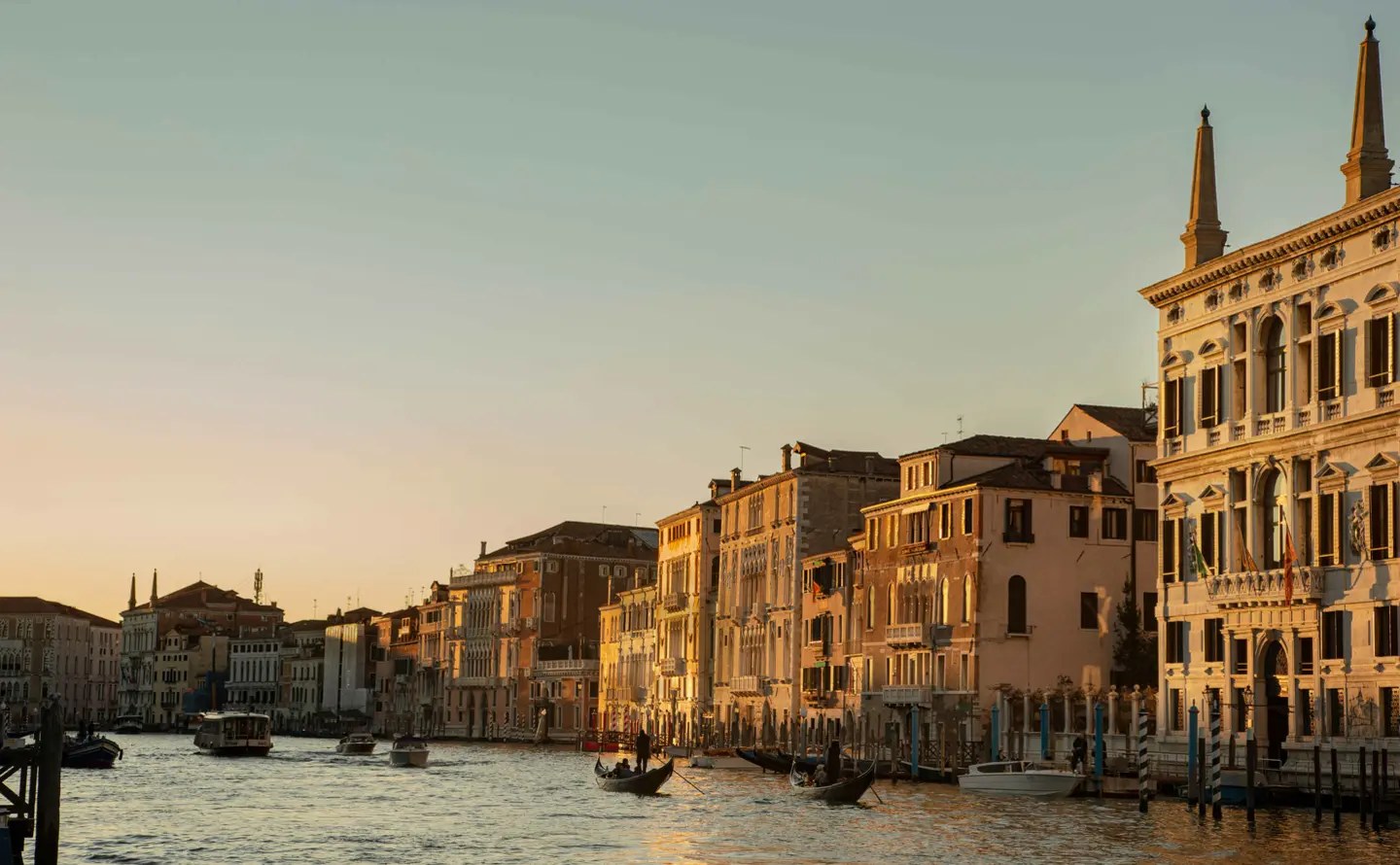
Sixteenth-century Venetian palazzo facade on the Grand Canal at sunrise, still water holding its reflection

Aman — House No. 01

Aman Venice

A private palazzo on the Grand Canal, where the water writes on the ceilings all morning and nobody asks you what you would like to do today.

An Introduction

You do not check in. A door opens onto a courtyard, and Venice stops shouting.

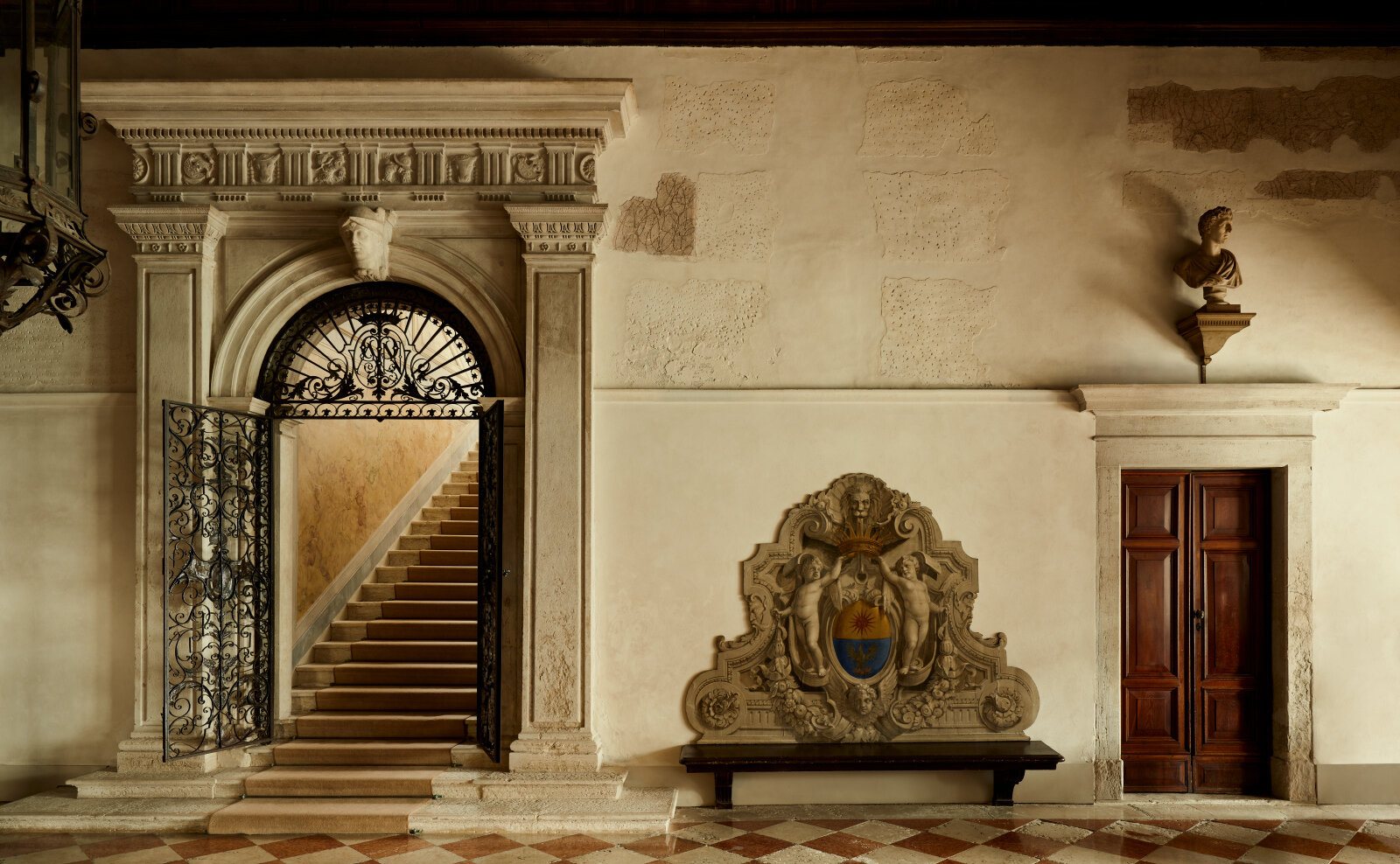
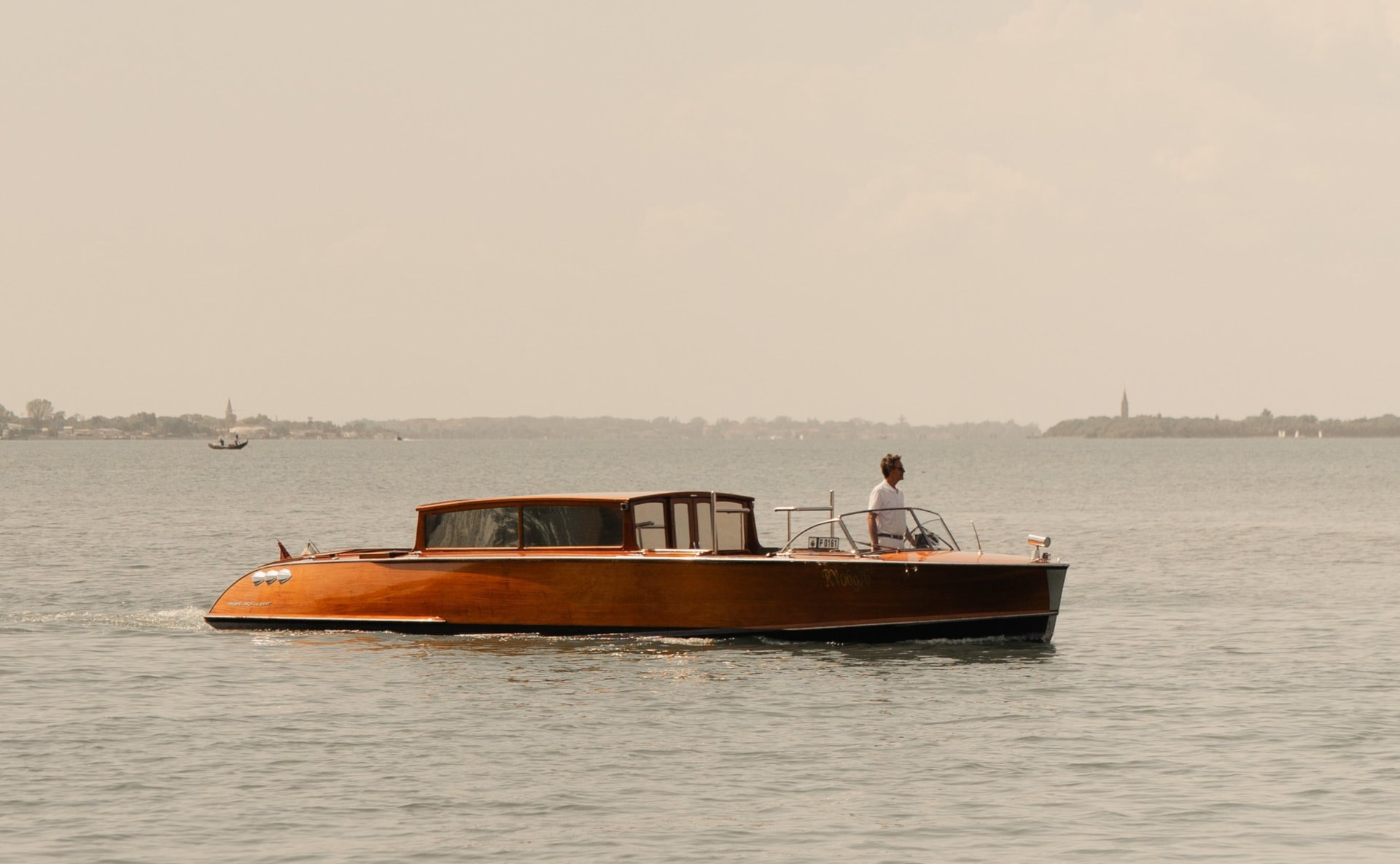
The boat turns off the Grand Canal into a side rio, the engine drops to nothing, and you arrive at a water gate rather than a lobby. There is no counter, no queue, no lanyard. Someone takes your bag, someone else says good morning once, and then you are left standing in a stone hall with a garden visible at the far end — which is, in a city of eighteen million annual visitors, an almost absurd luxury.

The palazzo is one of the largest private houses on the canal, and it still feels like one. Two of its salons hold frescoes that have never left the building. Twenty-four rooms occupy a footprint that a modern hotel would have divided into ninety. What that arithmetic buys is silence: whole floors where the only sound in the afternoon is a vaporetto three hundred metres away and a clock somewhere behind a door.

Guests tend to describe the stay in terms of hours rather than facilities. The hour before breakfast in the garden. The hour when the canal light climbs the wall of the stairwell. The hour after dinner when the house empties and you walk out of the land door into an alley with nobody in it.

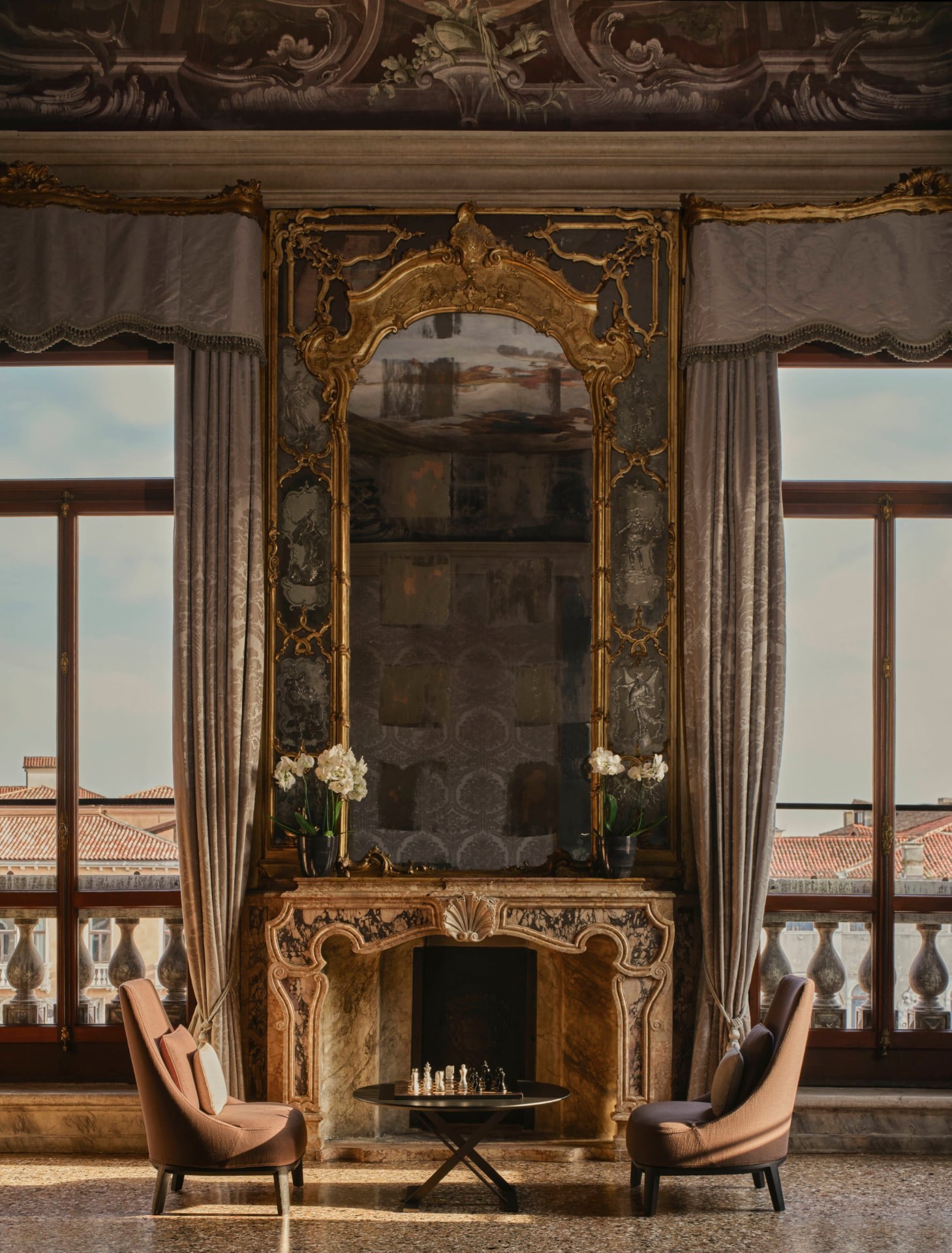
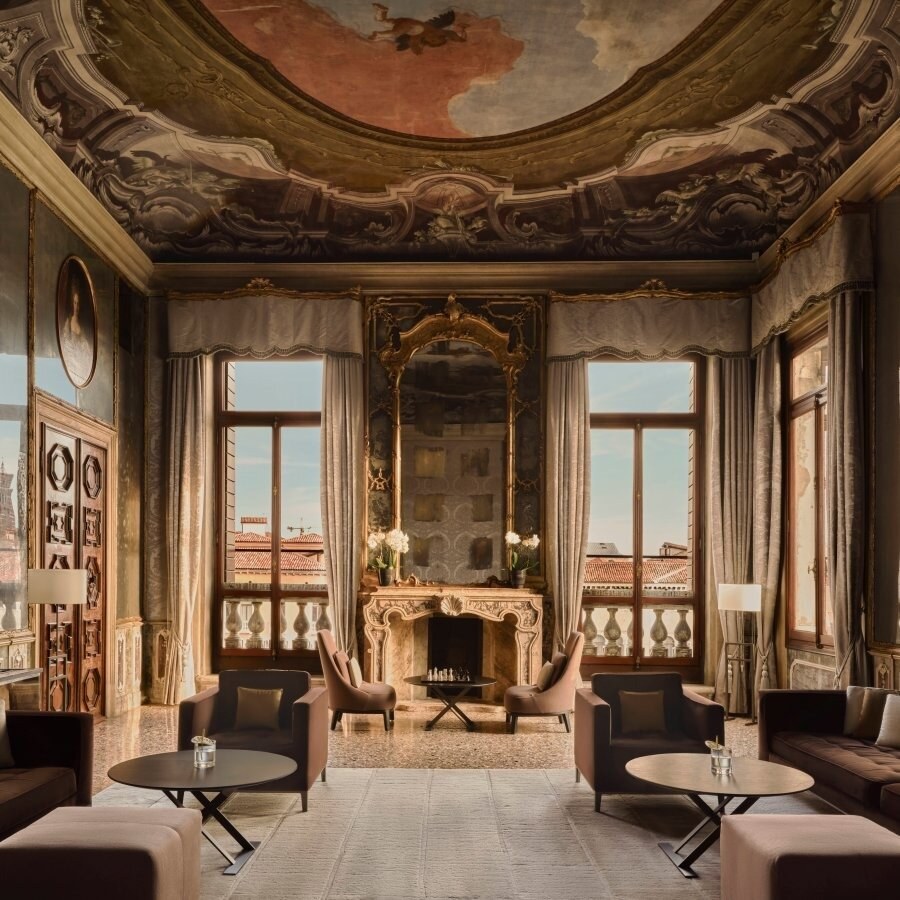
Empty palazzo salon with faded frescoes, gilded ceiling and Gothic arched windows overlooking the canal

Architecture

Left as time made it

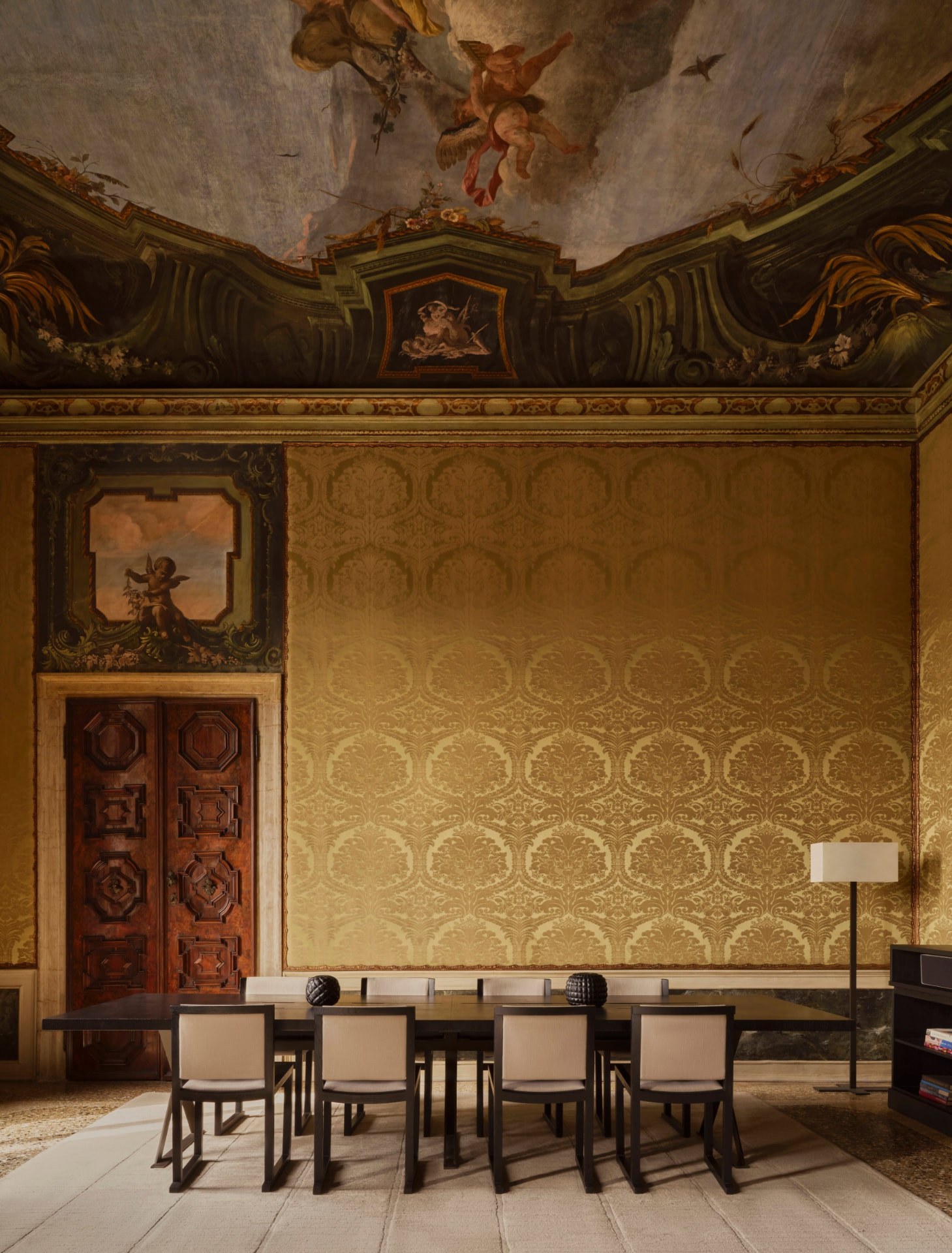
The house was built in the sixteenth century and enlarged in the eighteenth, and both centuries are still legible: Gothic tracery on the water side, Rococo plaster upstairs, a Tiepolo ceiling in a room used mostly for reading.

The restraint of the renovation is the story. Frescoes were stabilised, not repainted. Terrazzo floors were polished, not replaced. Where new furniture was needed it is low, undecorated and set well away from the walls, so the architecture is never asked to compete with it.

The result is a building that behaves like an old house rather than a curated one. Doors are heavy. Corridors turn where they always turned. Rooms are slightly the wrong shape, and better for it.

Rooms & Suites

Twenty-four rooms in a private house

Fewer keys than a palazzo of this size would suggest, which is the point. Most mornings you will not meet another guest on the stairs.

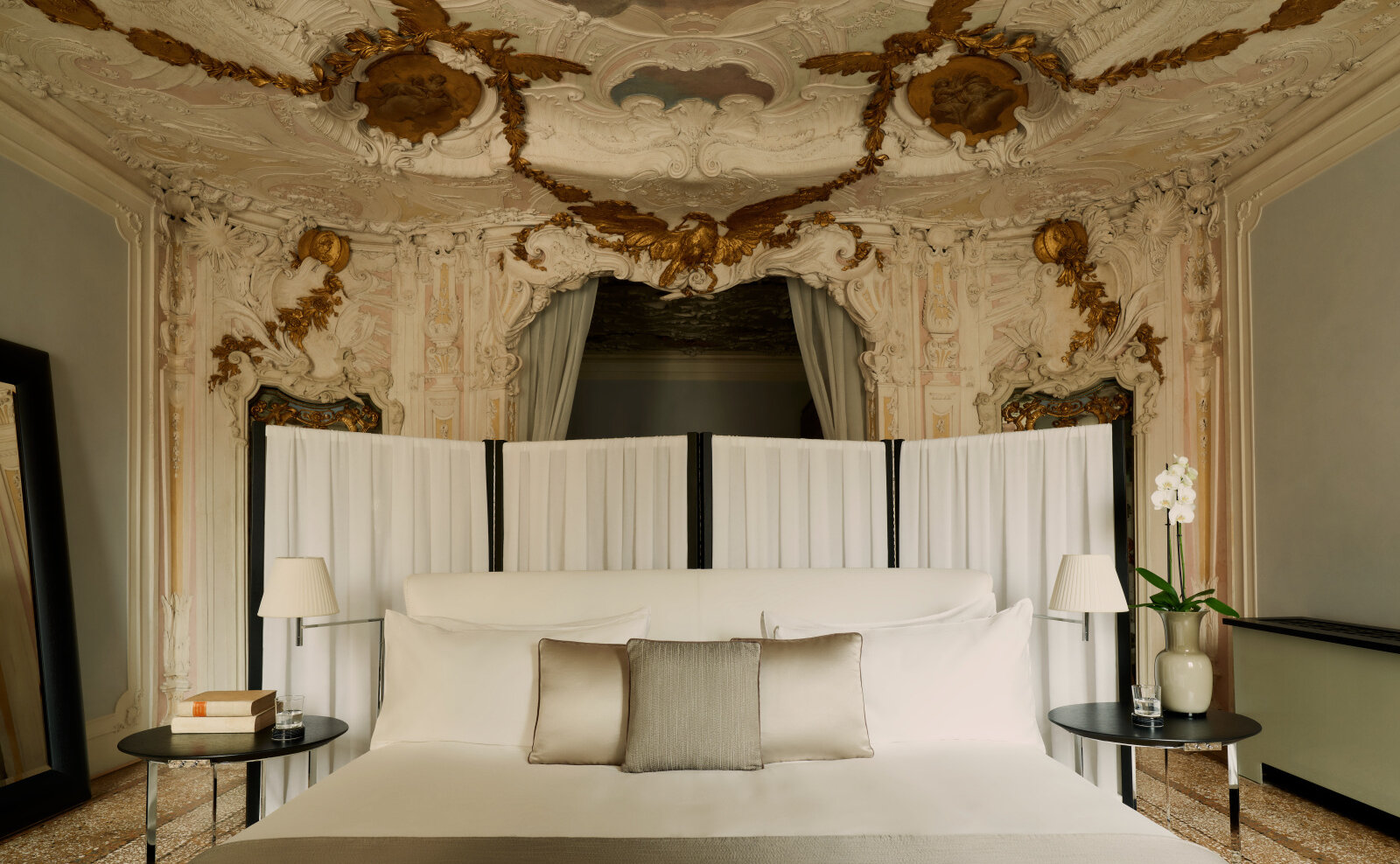
Palazzo bedroom in oatmeal linen beside an open window looking onto the Grand Canal at golden hour

No. 01

The Canal Rooms

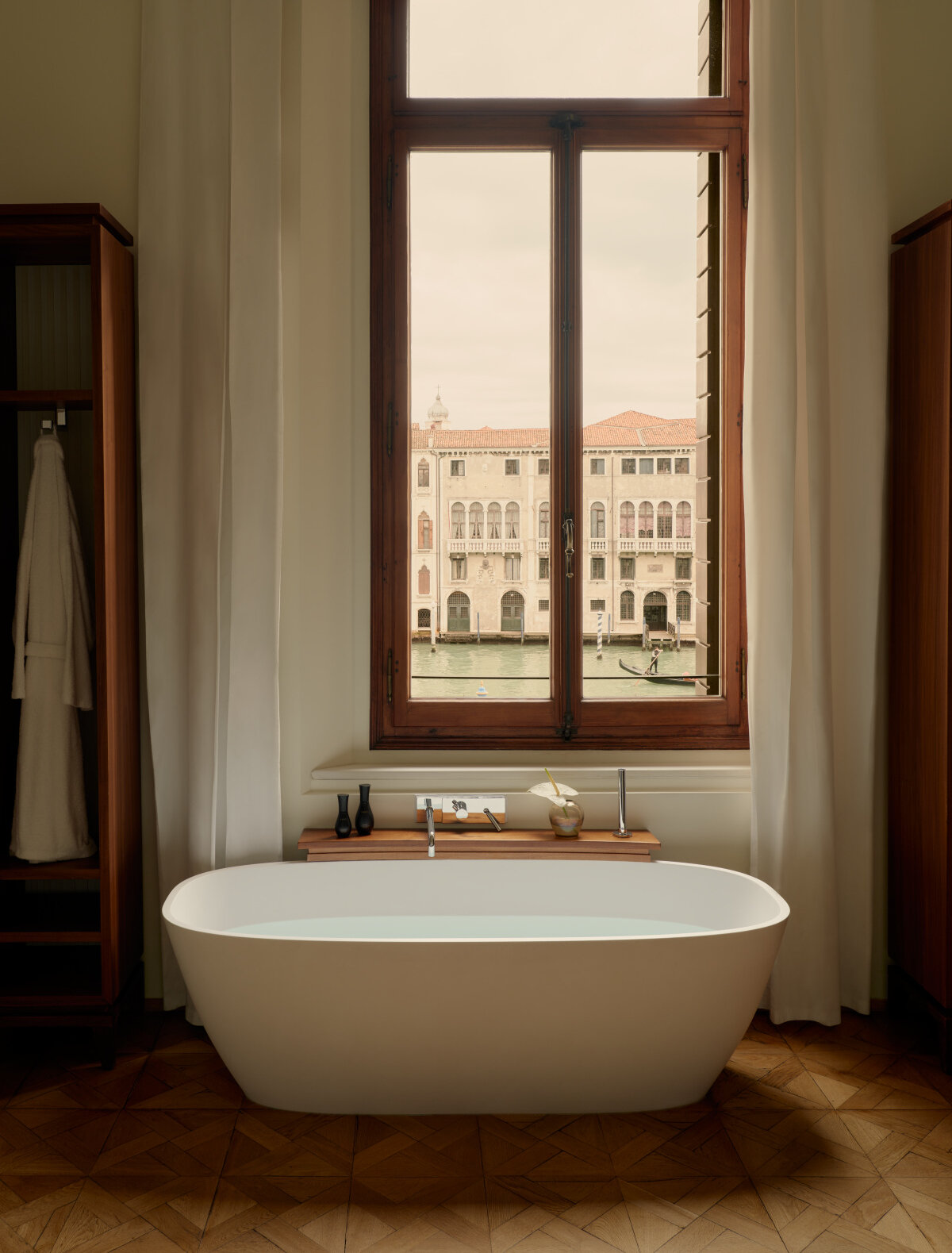
The water arrives before the light does. From five in the morning the canal throws a moving pattern onto the ceiling, and by seven the room has warmed to the colour of the plaster outside. Beds are dressed in undyed linen, walls are hand-painted and left slightly imperfect, and there is nothing on the desk but a lamp. You are meant to sit at the window for longer than you planned.

Corner of a Venetian suite with a pale linen armchair, sheer curtain and parquet floor in late afternoon light

No. 02

The Piano Nobile Suites

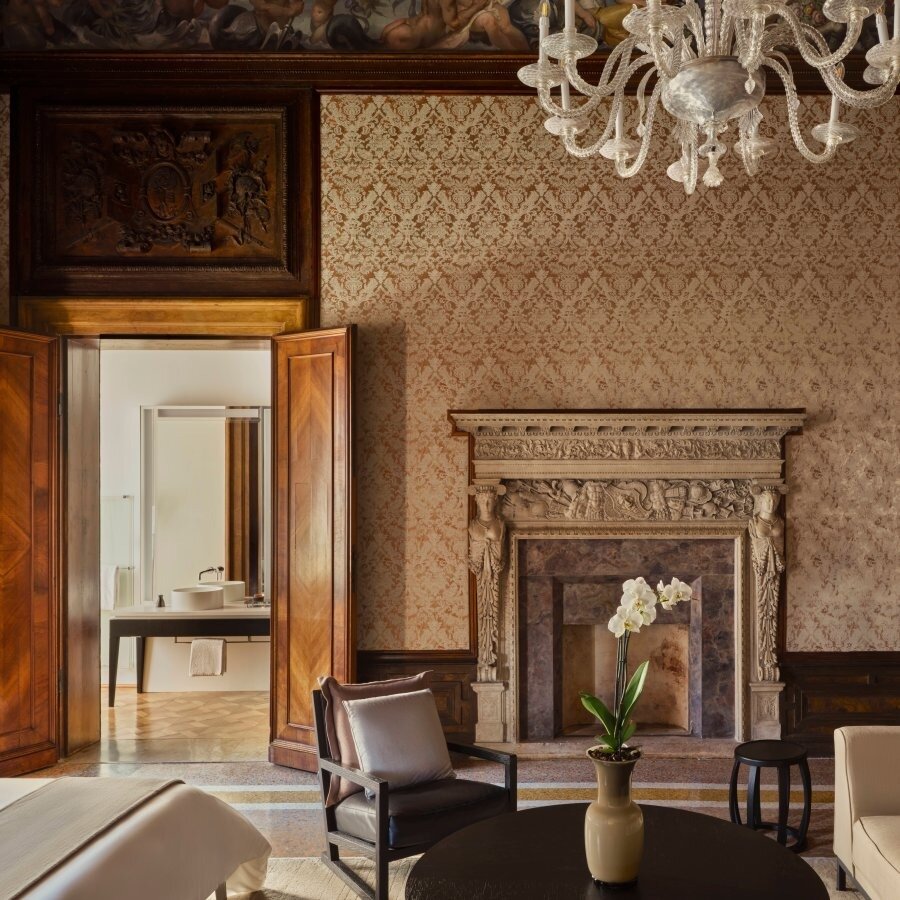
On the first floor the ceilings lift and the rooms lengthen. Original parquet underfoot, stucco borders that were gilded three hundred years ago and have been allowed to fade, a single chair placed where the afternoon sun lands. Nothing has been restored back to newness. The rooms feel inherited rather than furnished, which is the difference between staying in Venice and living in it for a few days.

Single table set with white linen and glassware in a frescoed Venetian dining room lit by candles

Dining

Lagoon cooking, quietly

The kitchen looks at the water rather than at Italy in general. Moeche in spring, castraure from Sant'Erasmo, a risotto made with the vegetable stock of whatever the boat brought at six. Portions are small, courses are few, and very little arrives under a cloche.

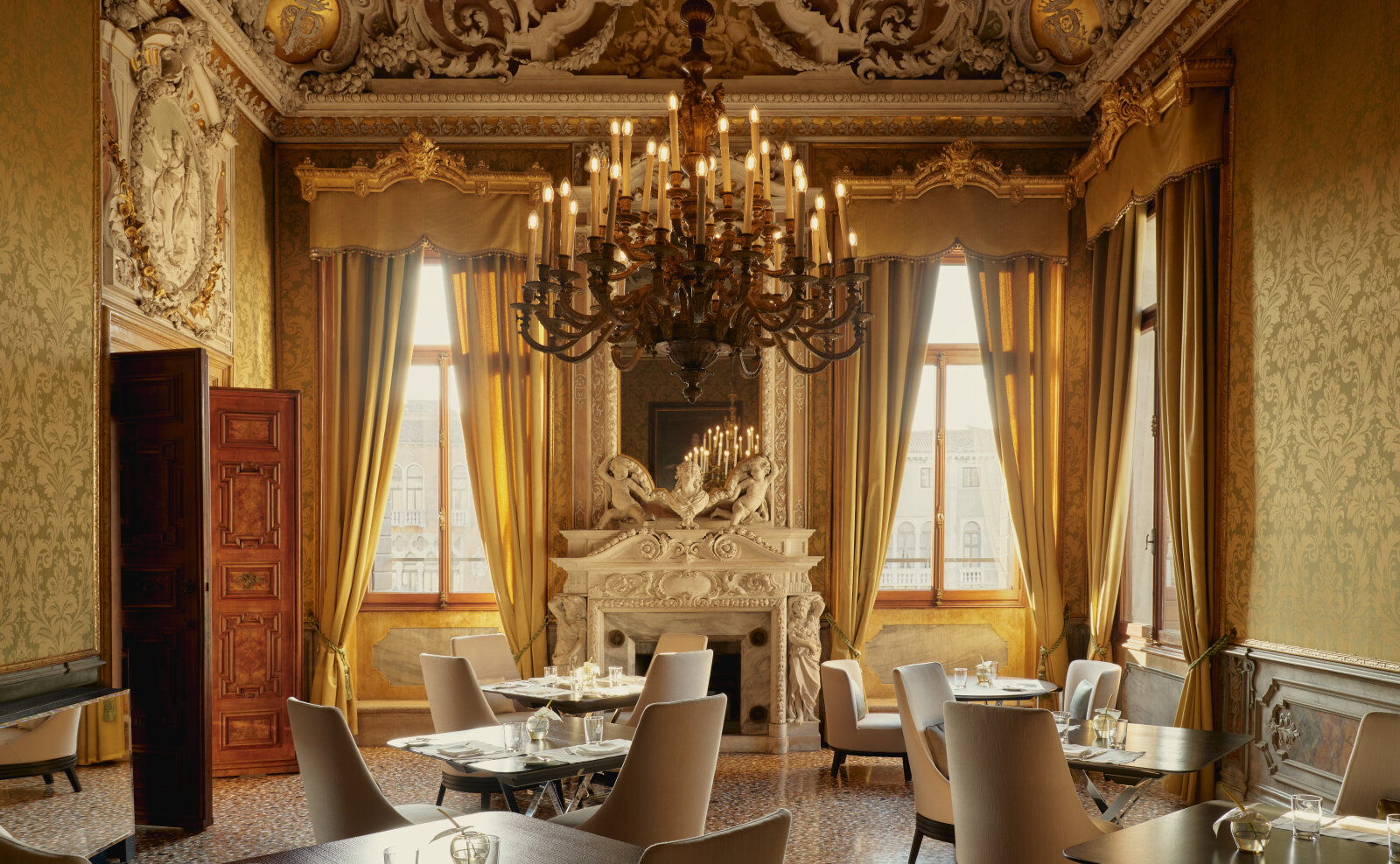
Dinner is served in two frescoed rooms and, from May, in the garden — the only private garden of its size on the canal, which means you eat outdoors in Venice without a single passing crowd.

Breakfast is the meal to protect. Take it late, by the window, and let it run into the morning. Nobody will clear the table.

Calm palazzo treatment room with lime plaster walls, a stone basin, timber bench and folded grey linen

Wellness

Two rooms and a great deal of silence

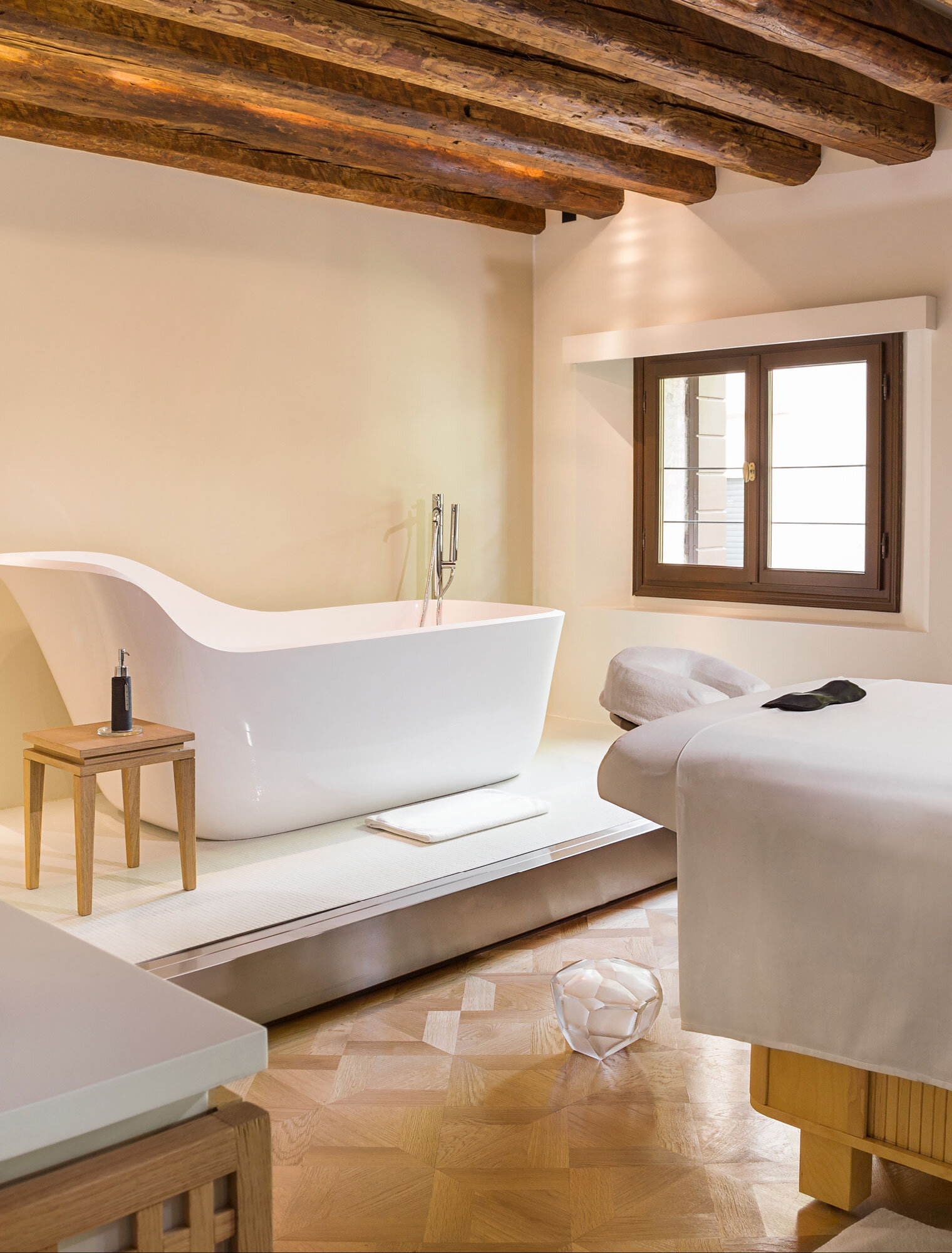
There is no spa in the resort sense — no corridor of doors, no menu the length of an arm. Two treatment rooms on a quiet floor, lime plaster, a stone basin, grey linen, one window with rippled glass.

Treatments are long and unhurried, and largely built around the thing Venice does to a body: five hours of walking on stone. Book the late afternoon, then do nothing at all until dinner.

Maison Voyage Loves

Five small things

  • The water entrance, which turns arrival into something closer to being received at a house.
  • The garden at half past seven, before the kitchen is properly awake.
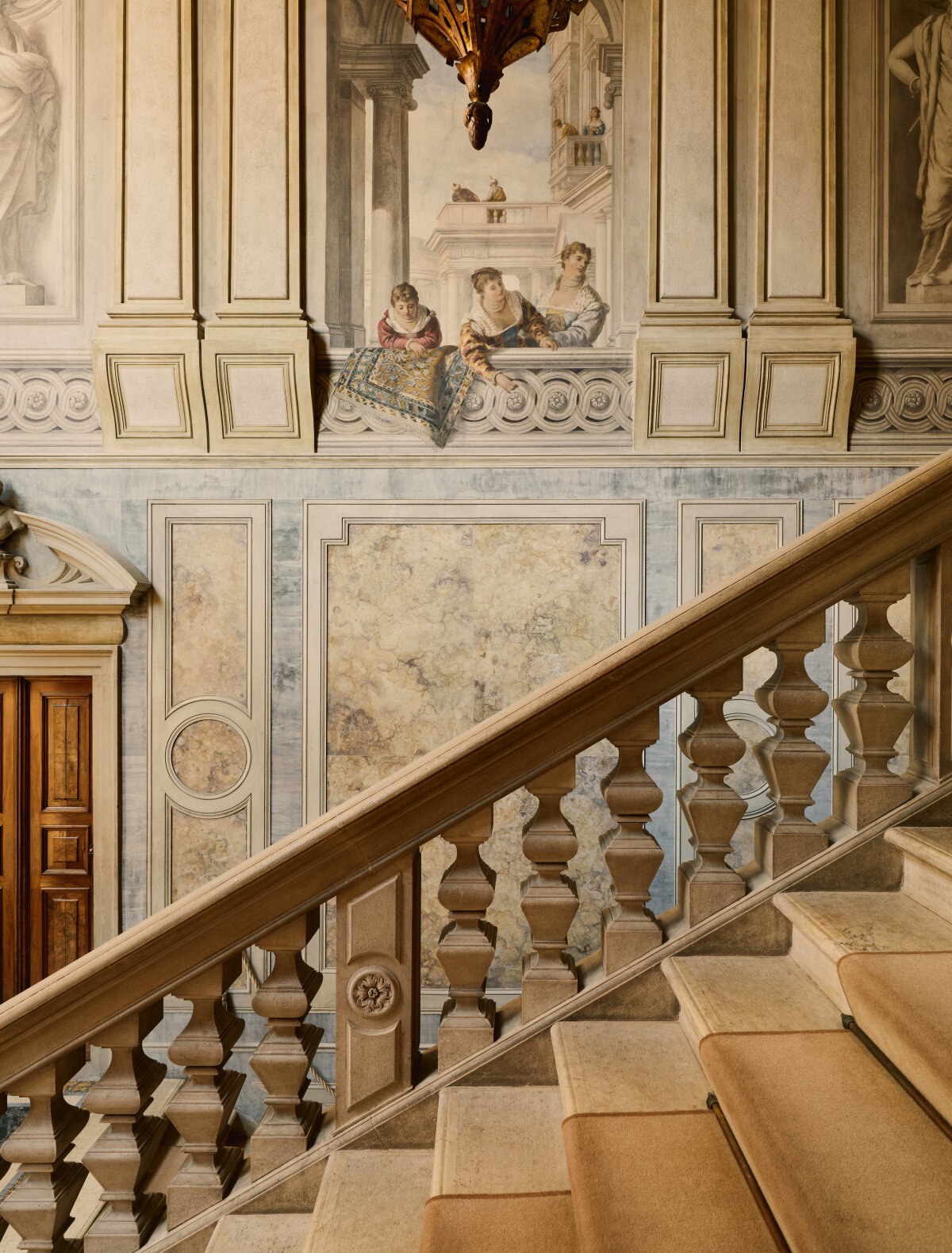
  • The stairwell in the late morning, when canal light climbs the plaster like weather.
  • The reading room's Tiepolo ceiling, used for nothing in particular.
  • The land door, and the empty alley behind it after dinner.

Who This House Is For

Travellers who intend to stay in one place.

It suits people who return to Venice rather than visit it — who have already stood in the Basilica and are now more interested in an hour with a bookbinder, or a morning that produces nothing at all. It suits couples who like long breakfasts and quiet floors, and readers who want a room with a window they can sit in.

It suits first-time visitors too, on one condition: that they treat the palazzo as the reason to come rather than as somewhere to sleep between churches.

It will disappoint anyone who wants a resort, a large spa, a scene at the bar or a concierge who plans the day for them. Nothing here is arranged for spectacle, and very little happens loudly.

Nearby Experiences

Four things worth leaving for

None of them are sights. All of them are within an hour of the water door.

  • No. 01

    Torcello before the boats

    Forty minutes north across flat water, an island of eleven residents and a basilica with a mosaic that has been holding the same expression since the twelfth century. Go at eight; you will have it alone, and the lagoon on the way back is the colour of pewter.

  • No. 02

    A gold beater in Cannaregio

    One of the last workshops in Europe still hammering leaf by hand. The room smells of paper and rabbit-skin glue, the sheets move if you breathe, and an afternoon there quietly explains every gilded ceiling you have walked under all week.

  • No. 03

    The Querini Stampalia library

    A Carlo Scarpa intervention on a Renaissance ground floor: water is allowed to enter, and the building was designed around that fact. Ten minutes on foot, and the most instructive half-hour in the city for anyone who cares how old and new can share a room.

  • No. 04

    Sant'Erasmo, by boat, for lunch

    The lagoon's kitchen garden — artichokes in spring, vines, salt in the soil. A skiff, a trattoria with six tables, and an afternoon that involves no monuments whatsoever.

A Personal Enquiry

Planning Your Stay?

If this hotel feels like the right place for your next journey, we would be delighted to curate your stay personally.

Maison Voyage specialises in carefully crafted luxury travel experiences tailored entirely to you.

Why book through Maison Voyage?

  • Personal luxury travel advice
  • Carefully curated hotel recommendations
  • Tailor-made itineraries
  • Exclusive partner benefits whenever available
  • Direct personal contact from start to finish

No booking is made and nothing is charged. We simply begin a conversation.

From the Journal

Written in the city

All stories
  • Empty Venetian campo at dawn with wet stone paving and a carved stone wellhead

    Venice at Six in the Morning

    RitualMay 2026

    For ninety minutes the city belongs to bakers, delivery boats and one or two people who have understood the arithmetic of daylight.

  • Artisan workshop table with gold leaf, worn brushes and a marble mortar in dusty warm light

    The Last Gold Beaters

    CraftApril 2026

    A workshop in Cannaregio where leaf is still made by hand, and why the ceilings of this palazzo look the way they do.

  • Venetian lagoon at dusk seen from a wooden boat, flat silver water and a distant bell tower

    Notes from the Lagoon

    TravelMarch 2026

    Three islands, one boat and a long argument for spending your last afternoon on the water rather than in a church.

A Note from the Editor

Come in November, and stay four nights.

The light is low and grey-gold, the city belongs to Venetians again, and the palazzo is warm in the way old houses are warm. Arrive by water in the afternoon. Do nothing on the first evening. On the second morning, be in the garden before anyone else — that half hour is the whole reason to be here.

Ben Trousil, Founding Editor

An Invitation

Continue the Journey

One letter each month: a place worth the detour, an object worth keeping, a page worth reading slowly. Nothing more.