Venice Simplon-Orient-Express — Paris · Die Alpen · Venedig
Der schönste Weg, Europa zu durchqueren
Mehr als ein Zug: Der Venice Simplon-Orient-Express ist ein fahrendes Kunstwerk, in dem zeitloser Glanz, bemerkenswerte Handwerkskunst und Slow Travel die Reise selbst zum Ziel machen.
Eine Einführung
Die Reise beginnt auf dem Bahnsteig, geraume Zeit bevor sich der Zug bewegt.
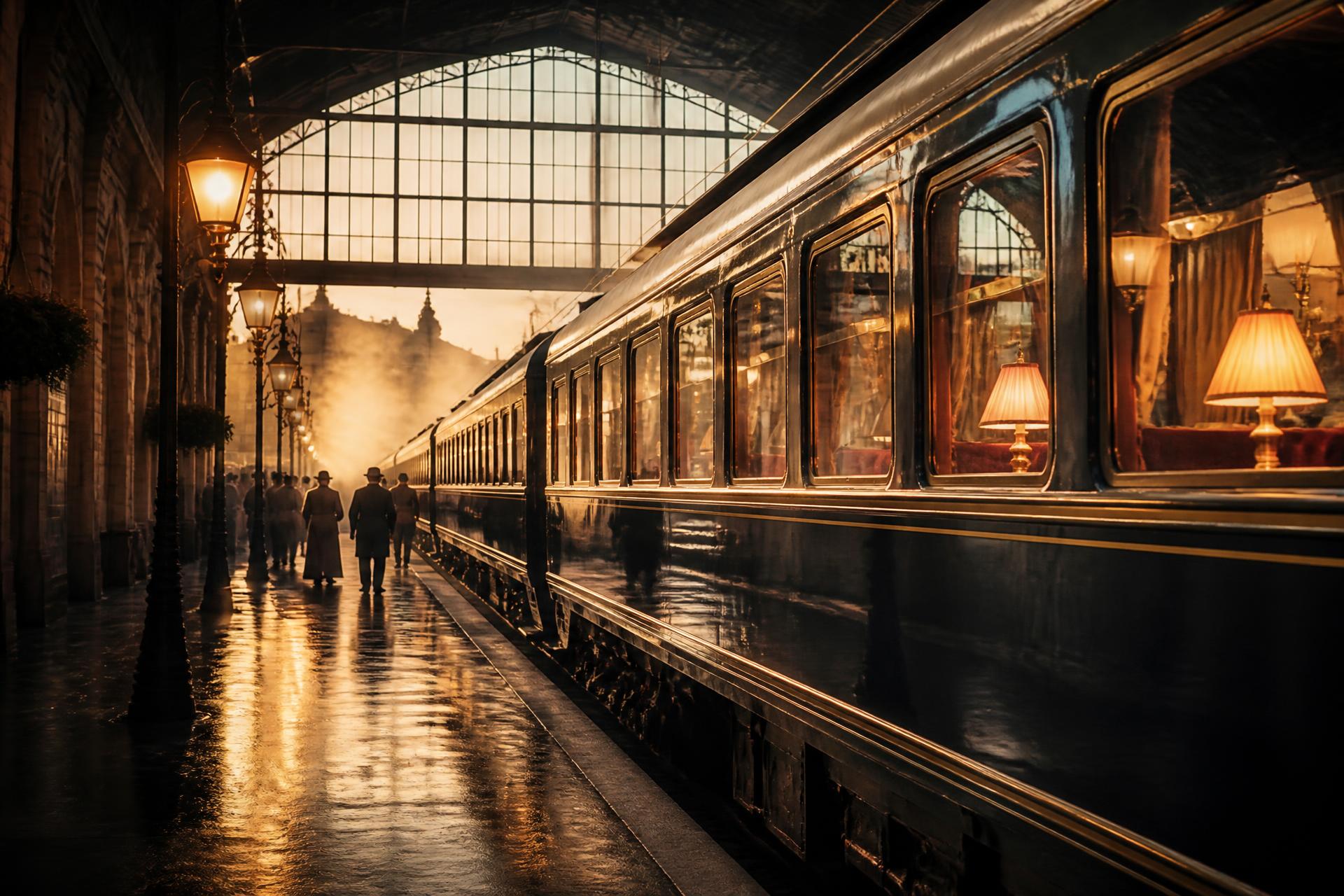
Sie kommen früh am Bahnhof an, weil man es Ihnen so gesagt hat und weil Sie es ohnehin getan hätten. Unter der eisernen Kuppel ist der Nachmittag bernsteinfarben geworden. Irgendwo den Bahnsteig entlang zieht Dampf seitwärts durch das Licht, und eine lange Reihe dunkelblauer Waggons mit goldener Beschriftung an den Flanken steht still und poliert da, deutlich älter als jeder, der daneben steht.
Ein Steward in Marineuniform kennt Ihren Namen, bevor Sie ihn genannt haben. Mit einem kleinen Nicken nimmt er Ihnen den Koffer ab und verschwindet im Waggon, und Sie stehen einen Moment auf dem Bahnsteig, ohne etwas zu tragen — genau dann kommt das Gefühl. Nicht ganz Aufregung. Eher so etwas wie Feierlichkeit. Das Gespür, am Anfang von etwas zu stehen, das sich Zeit nehmen will.
Dann der Schritt hinauf: der Messinghandlauf kühl unter der Handfläche, die kleine Anstrengung des Hinaufsteigens statt eines bloßen Einsteigens, und der Gang — schmal, vertäfelt, gedämpft beleuchtet, seiner ganzen Länge nach in poliertem Holz von der Farbe dunklen Honigs. Es riecht nach Bienenwachs und frischem Leinen. Jemand weiter hinten lacht. Eine Pfeife ertönt hinter Ihnen, dünn und ungehetzt, und der Bahnsteig beginnt zu gleiten.
Das ist, warum der Orient Express zur Legende wurde und nicht bloß zu einem Verkehrsmittel. Nicht die Geschwindigkeit, die nie der Punkt war, und nicht die Route, die Züge seit anderthalb Jahrhunderten befahren. Es war die Idee — dass die Durchquerung eines Kontinents als Anlass behandelt werden könnte statt als Unannehmlichkeit, dass man sich dafür festlich anzieht, dass irgendwo im Dunkeln zwischen zwei Ländern ordentlich zu Abend gegessen wird. Schriftsteller fanden das unwiderstehlich, aus demselben Grund, aus dem es Reisende noch heute tun: Alles Wesentliche geschieht zwischen Abfahrt und Ankunft.
Was viele überrascht, ist, wie schnell die Außenwelt loslässt. Innerhalb einer Stunde sind aus den Hecken und Gärten der Vorstädte offenes Land geworden, das Licht ist lang und tief geworden, und das Einzige, das Aufmerksamkeit zu verlangen scheint, ist ein Glas mit etwas Kaltem und die vorbeiziehenden Felder. Es gibt nirgendwo hinzumüssen. Es gibt nichts zu organisieren. Die Zeit an Bord läuft im Takt der Schienen, und sie fragt Sie nicht um Erlaubnis.
Europa erledigt derweil den Rest. Es entfaltet sich langsam und der Reihe nach: Weinberge, dann Wald, dann die erste Andeutung von Bergen gegen das letzte Licht. Sie werden zum Dinner gehen, während das geschieht, und zu einem gemachten Bett und einem dunklen Fenster zurückkehren, und noch eine Weile wach liegen und den Schienen lauschen, nur weil Sie nichts davon verpassen wollen.
Art-déco-Erbe
Museumsstücke, weiterhin im Dienst
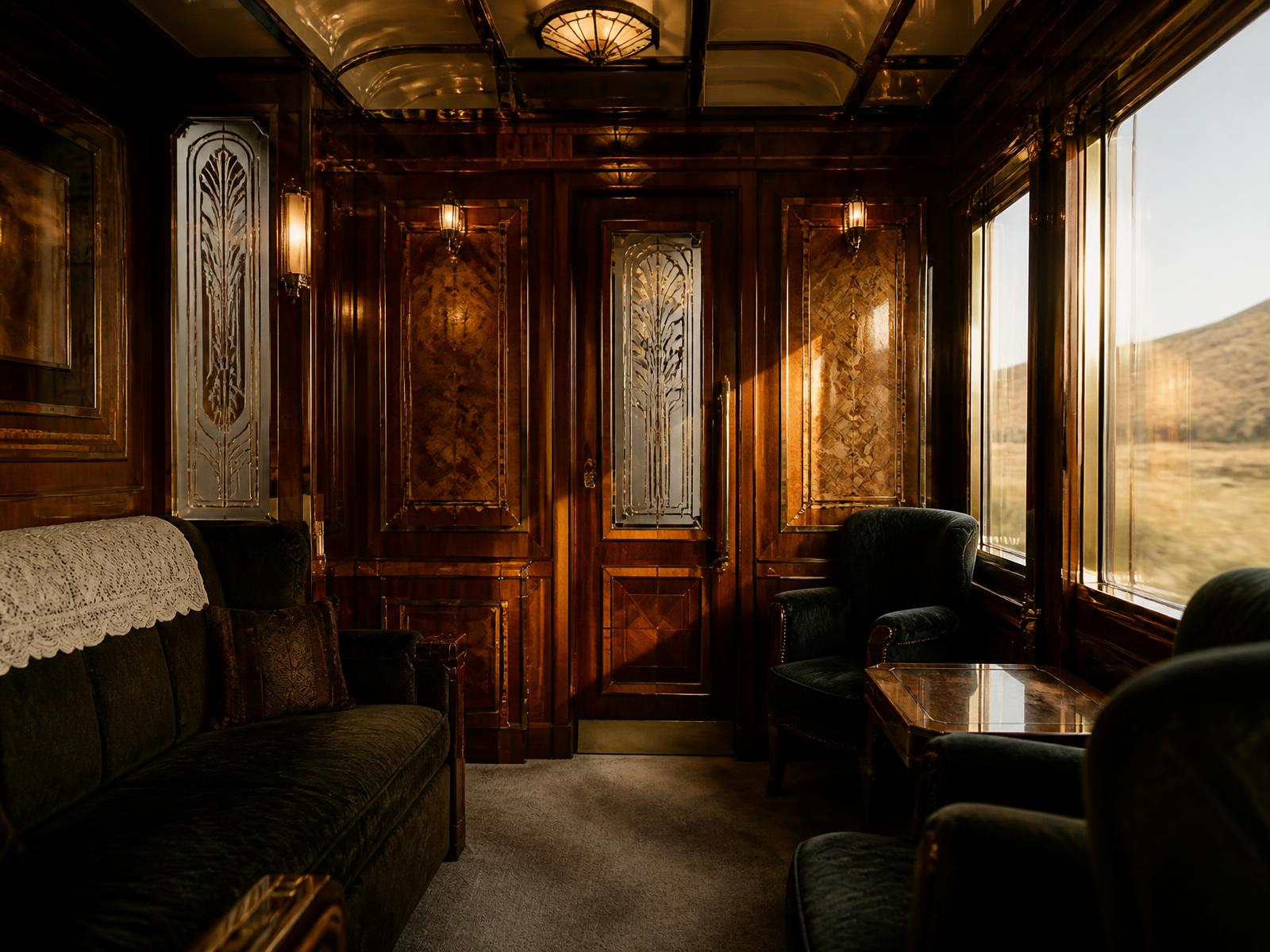
Jeder Waggon wurde in den 1920er-Jahren gebaut, und jeder trägt eine eigene Geschichte. Sie wurden auf Abstellgleisen, in Feldern und in Bahnhöfen quer durch Europa gefunden, zerlegt und von Schreinern, Glasmachern und Polsterern nach Originalzeichnungen wieder zusammengesetzt — eine Restaurierung, die eher in Jahren als in Monaten gemessen wird.
Die Intarsien sind das Herzstück: Tausende von Hand geschnittene Splitter aus Walnuss, Ahorn, Mahagoni und Rosenholz, zu Feldern mit Blumen, Körben und Urnen gefügt. Daneben satinierte Glaspaneele mit eingegossenen tanzenden Figuren, Messingbeschläge, so poliert, dass sich die Gangbeleuchtung darin spiegelt, und Samt in der Farbe eines guten Bordeaux.
Es sind Kulturgüter im eigentlichen Sinn — der letzte vollständige Ausdruck eines Jahrzehnts, das glaubte, Bewegung müsse schön sein. Bemerkenswert ist, dass sie nicht hinter Absperrbändern in einem Museum stehen. Sie verrichten noch immer die Arbeit, für die sie gebaut wurden, fast ein Jahrhundert später — eine seltenere Form der Bewahrung als jede Vitrine.
Suiten & Kabinen
Ein kleiner getäfelter Raum, an dem Europa vorbeizieht
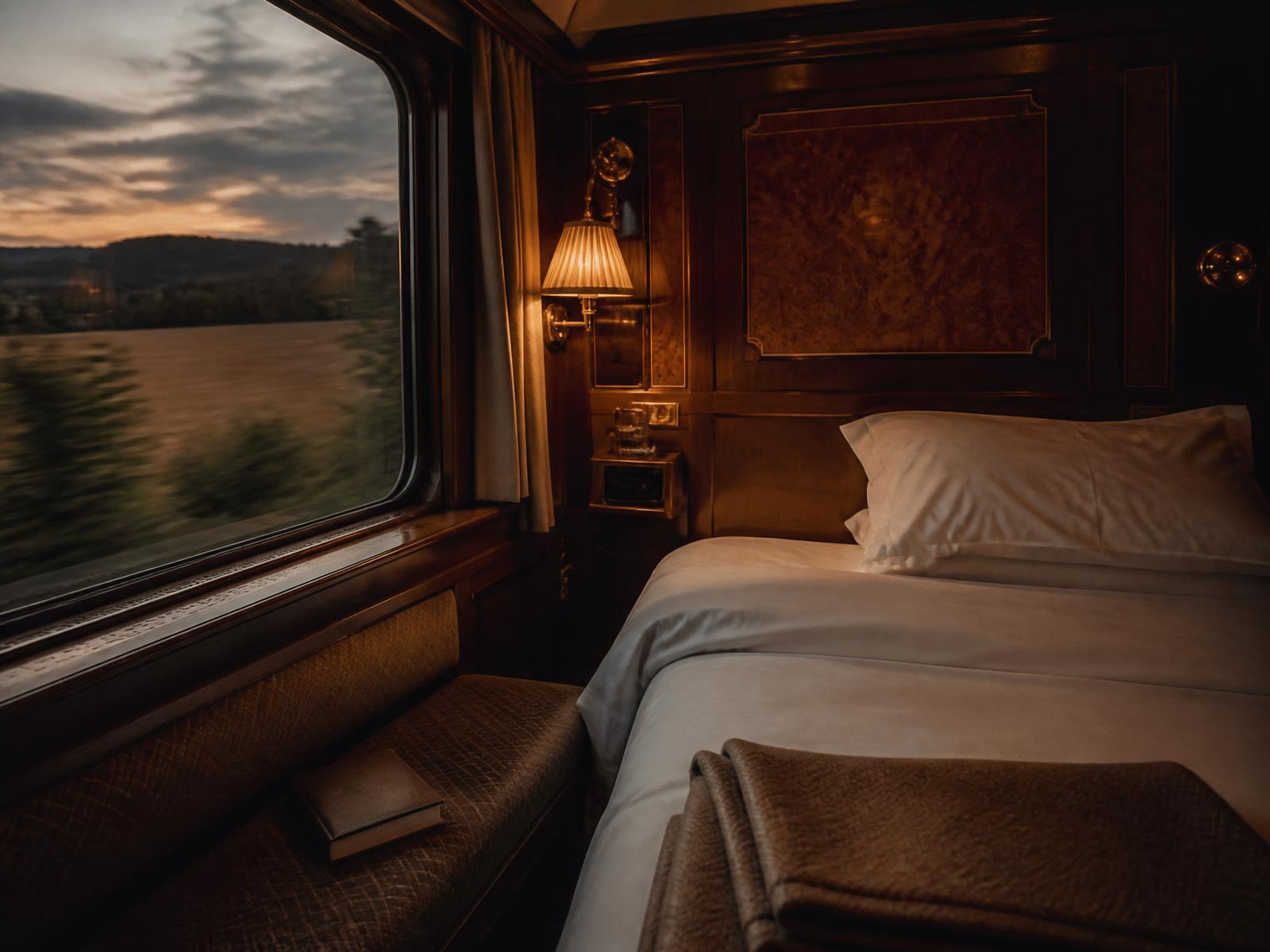
Es ist eher ein privater Salon als eine Koje: eingelegtes Holz auf jeder Fläche, eine Bank unter dem Fenster, eine Messinglampe mit plissiertem Schirm, die einen Lichtkreis genau in der Größe eines aufgeschlagenen Buches wirft. Spätabends verwandelt ein Steward den Salon in ein Schlafzimmer, während Sie zu Abend essen, und verwandelt ihn zurück, bevor Sie mit dem Frühstück fertig sind.
Das Fenster ist der eigentliche Punkt. Man sitzt mit der Schulter an der Vertäfelung und beobachtet in der blauen Stunde ein Land, dessen Namen man nicht kennt: ein für eine Sekunde erleuchtetes Bauernhaus, einen Bahnübergang, einen Fluss mit dem letzten Rest des Himmels darin. Länger zu lesen ist unmöglich. Alle geben auf und schauen einfach nur.
Nachts ist das Leinen kühl, und die Schienen werden ruhig und rhythmisch unter Ihnen. Jemand im Gang sagt auf Französisch gute Nacht. Man lässt die Jalousie absichtlich oben, damit man, wenn man um drei Uhr halb aufwacht, Mondlicht auf Schnee sieht und sich sagen kann, man sei in die Berge übergegangen, ohne aufzustehen.
Kulinarik
Dinner, irgendwo zwischen zwei Ländern
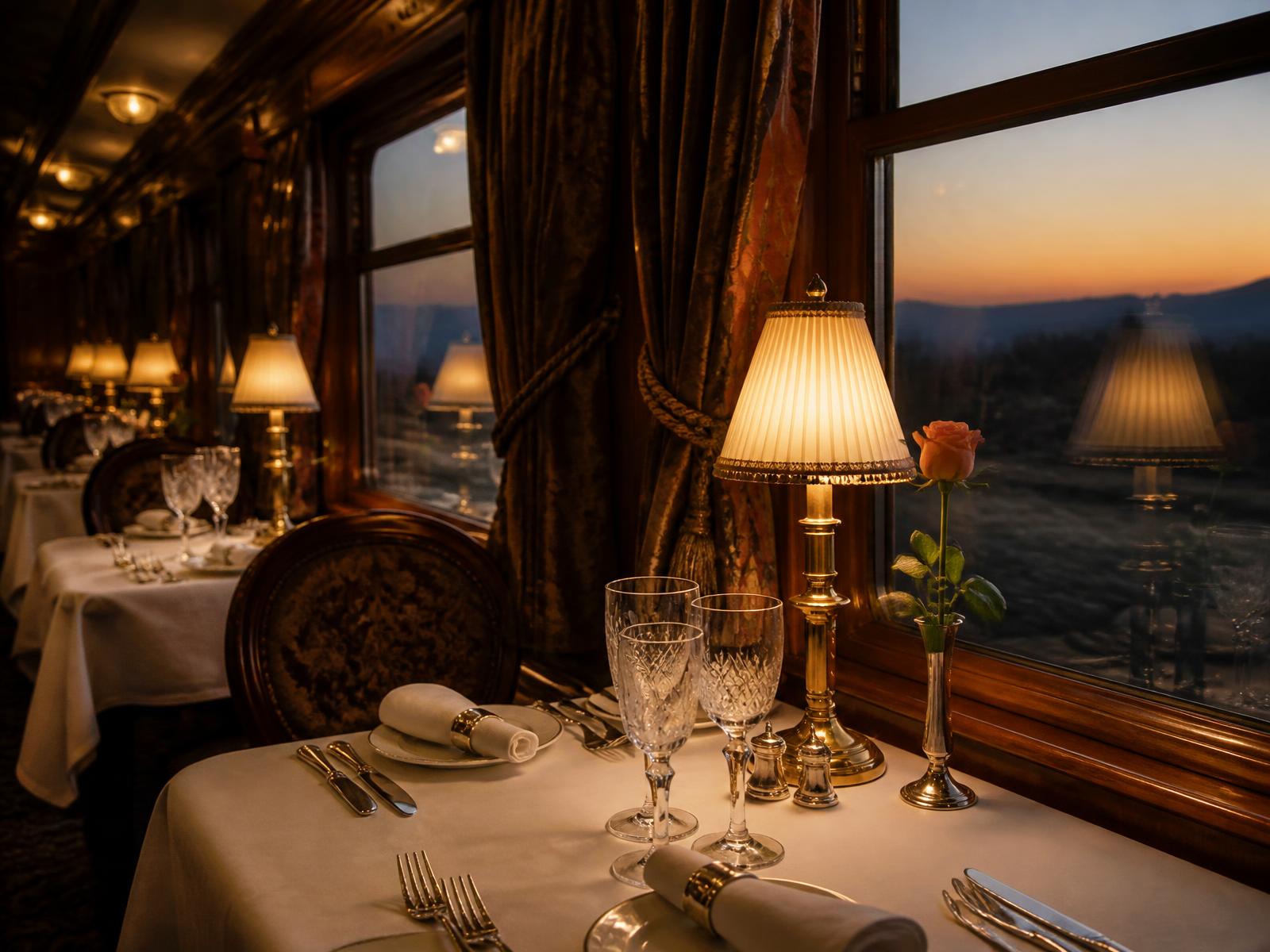
Gestärkte weiße Tücher, schweres Silber, Kristall, das klingt, wenn der Waggon eine Kurve nimmt. Eine kleine Lampe auf jedem Tisch und eine einzelne Rose daneben. Man zieht sich dafür fein an, was bis zum ersten Abend absurd klingt, wenn dann jeder durch den Gang kommt, besser aussehend als noch am Bahnhof und sichtlich zufrieden damit.
Die Küche ist in ihrem Wesen französisch und in ihrem Einkauf europäisch: was die Saison hergibt, entlang der Route besorgt, zubereitet in einer Kombüse von der Breite eines Gangs — das Detail, das anschließend jeder wiederholt. Mehrere Gänge, ungehetzt, eine Weinkarte mit echter Tiefe, und die Landschaft draußen wird dunkelblau, während der Raum golden bleibt.
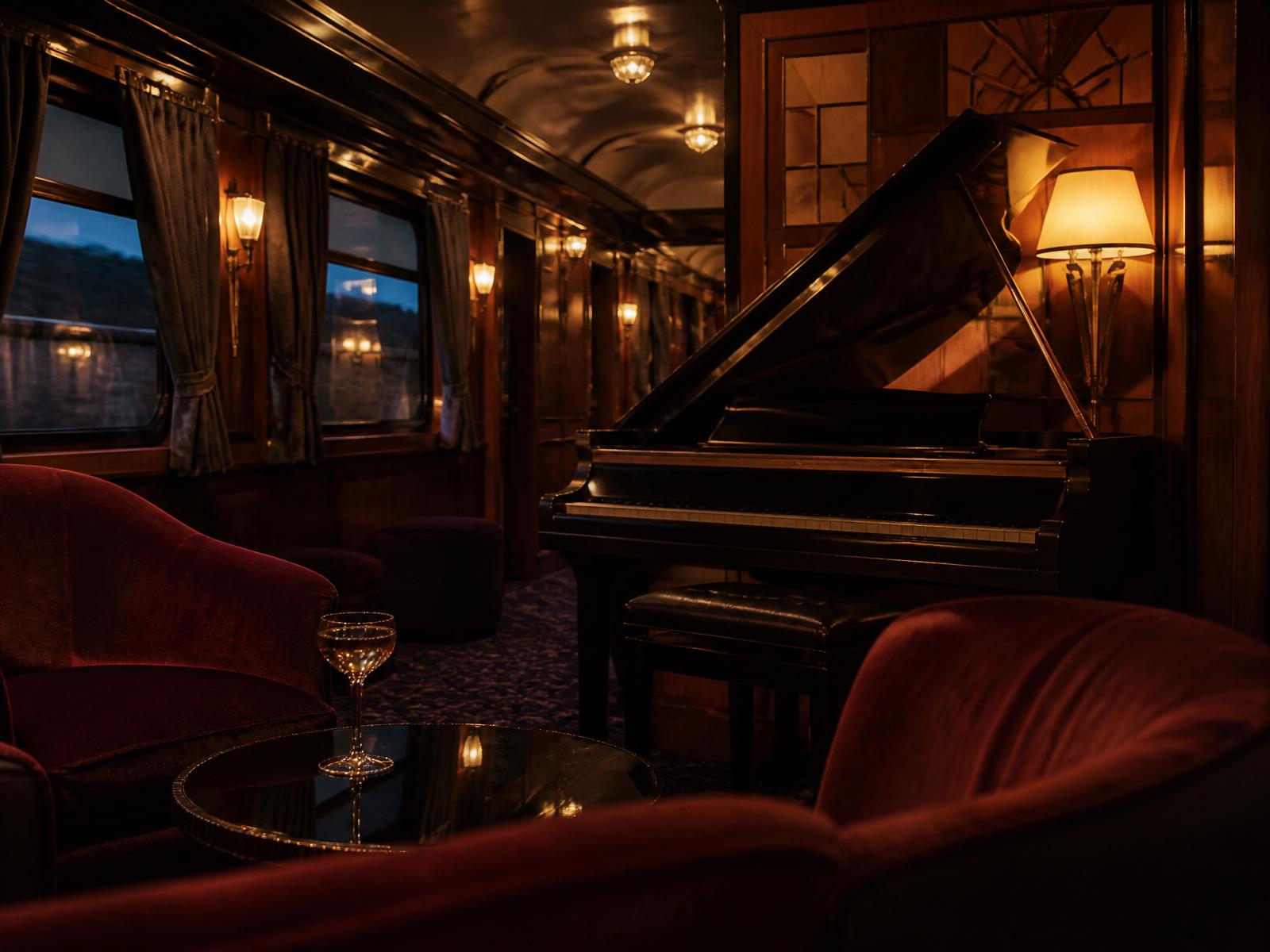
Der Rest des Tages ordnet sich darum. Das Frühstück wird mit den Feldern noch unter Nebel auf Silber in die Kabine gebracht. Der Tee kommt am Nachmittag, langsam genossen und größtenteils als Vorwand, um weiter aus dem Fenster zu schauen. Und nach dem Dinner die Bar, ein Klavier, ein Cocktail, und Gespräche mit Fremden, die weit länger dauern, als irgendjemand beabsichtigt hatte.
Leben an Bord
Die Zeit verhält sich hier anders
Es gibt nichts zu tun, was einige Stunden braucht, um akzeptiert zu werden, und dann zum Einprägsamsten daran wird. Man liest vier Seiten und schaut zwanzig Minuten lang hoch. Man geht ohne Grund den ganzen Gang entlang. Man betrachtet ein Tal, dessen Namen man nie erfahren wird, und verspürt kein Bedürfnis, es herauszufinden.
Das Gespräch kehrt zurück, weil nichts damit konkurriert. Menschen sprechen im Barwagen mit Fremden, wie sie es seit ihrer Jugend nicht mehr getan haben. Jemand spielt gut Klavier, und niemand applaudiert, was richtig ist. Irgendwann am Abend wird das Licht im Waggon wärmer als das Licht draußen, und das Fenster wird halb zum Spiegel, sodass man den Raum und die Berge zugleich sieht.
Slow Travel ist eine Formulierung, die inzwischen etwas abgenutzt ist, aber hier ist sie wörtlich gemeint: ein Kontinent, durchquert im Tempo, für das er gebaut wurde, mit der Distanz, die man spürt, statt sie zu überspringen. Man kommt an und weiß genau, wie weit man gekommen ist — etwas, das ein Flug noch nie vermittelt hat.
Charakteristische Reisen
Sechs Wege, einen Kontinent langsam zu durchqueren
Weniger Reisepläne als Geschichten mit Abfahrtszeit. Jede zeigt ein anderes Europa, im selben ungehetzten Tempo betrachtet.
No. 01
Paris nach Venedig, der klassische Satz
Sie verlassen den Gare de l'Est am späten Nachmittag, während die Stadt noch ihrem Alltag nachgeht, und sind, wenn die Teller abgeräumt sind, längst irgendwo in Burgund im Dunkeln. Der Schlaf geschieht in der Schweiz. Sie erwachen an den Alpen, und der ganze zweite Vormittag wird an einem Fenster verbracht, während das Licht durch Kiefern und Fels nach Italien hinabsinkt. Am Nachmittag erreicht man die Lagune, leise, als sei sie die ganze Zeit erwartet worden.
No. 02
Venedig nach Paris, was nicht dieselbe Reise ist
Alle nehmen an, es sei einfach die erste Route rückwärts. Das ist es nicht. Man steigt im flachen Goldlicht der Lagune ein, eine Woche Venedig hinter sich, und die Berge kommen einem entgegen, statt einen zu entlassen. Das Abendessen an diesem Tag ist lauter und später. In Paris kommt man am frühen Abend an, mit dem Appetit von jemandem, der einen Tisch auf einem Bürgersteig sucht — und man sollte der Stadt drei Tage geben.
No. 03
Die Alpenüberquerung, der Grund, warum man wiederkommt
Es gibt eine Passage, irgendwo zwischen dem Arlberg und dem Brenner, in der der Waggon still wird, ohne dass jemand es beschließt. Schnee bis zur Fensterlinie, schwarze Kiefern, eine Kapelle auf einem Felsen, ein Tal mit einem Fluss, das sich darunter öffnet. Der Kaffee wird kalt in der Hand. Niemand fotografiert es gut, und alle versuchen es. Es dauert etwa neunzig Minuten, und man erinnert sich dreißig Jahre daran.
No. 04
Die Reise nach Istanbul, einmal im Jahr
Sechs Tage, fünf Länder, und die ursprüngliche Strecke: Paris, die Alpen, Budapest, Bukarest und schließlich der Bosporus. Sie verkehrt einmal pro Saison und ist weniger eine Route als ein langsames Plädoyer dafür, dass Europa ein einziges, zusammenhängendes Land ist. Man kommt an, während das Licht auf dem Wasser liegt und der Gebetsruf darüber klingt, nachdem man den gesamten Kontinent im Tempo eines Gesprächs durchquert hat.
No. 05
Die saisonalen Abfahrten
Wien in den kalten Monaten, wenn die Bahnhöfe nach Kaffee und nasser Wolle riechen. Prag im zeitigen Frühjahr. Florenz und Rom, wenn sich die Reben verfärben. Der Zug ändert seinen Charakter mit dem Licht draußen: heller und langsamer im Sommer, vertrauter und kerzenlicht-nah, je kürzer die Tage werden. Fragen Sie uns, welche Jahreszeit zu der Reise passt, die Sie sich vorstellen.
No. 06
Die historische Strecke, um ihrer selbst willen
Die Waggons selbst tragen Geschichten — einer trug eine Regierung ins Exil, ein anderer stand vierzig Jahre auf einem Feld bei Limoges, ein dritter tauchte in einem Film auf, den jeder kennt. Die alte Route in den originalen Wagons-lits zu bereisen, ist keine Nostalgie; es ist das seltenere Vergnügen, etwas Schönes noch für den Zweck zu nutzen, für den es gebaut wurde, fast ein Jahrhundert später.
Galerie
Eine Überfahrt, in vier Bildern
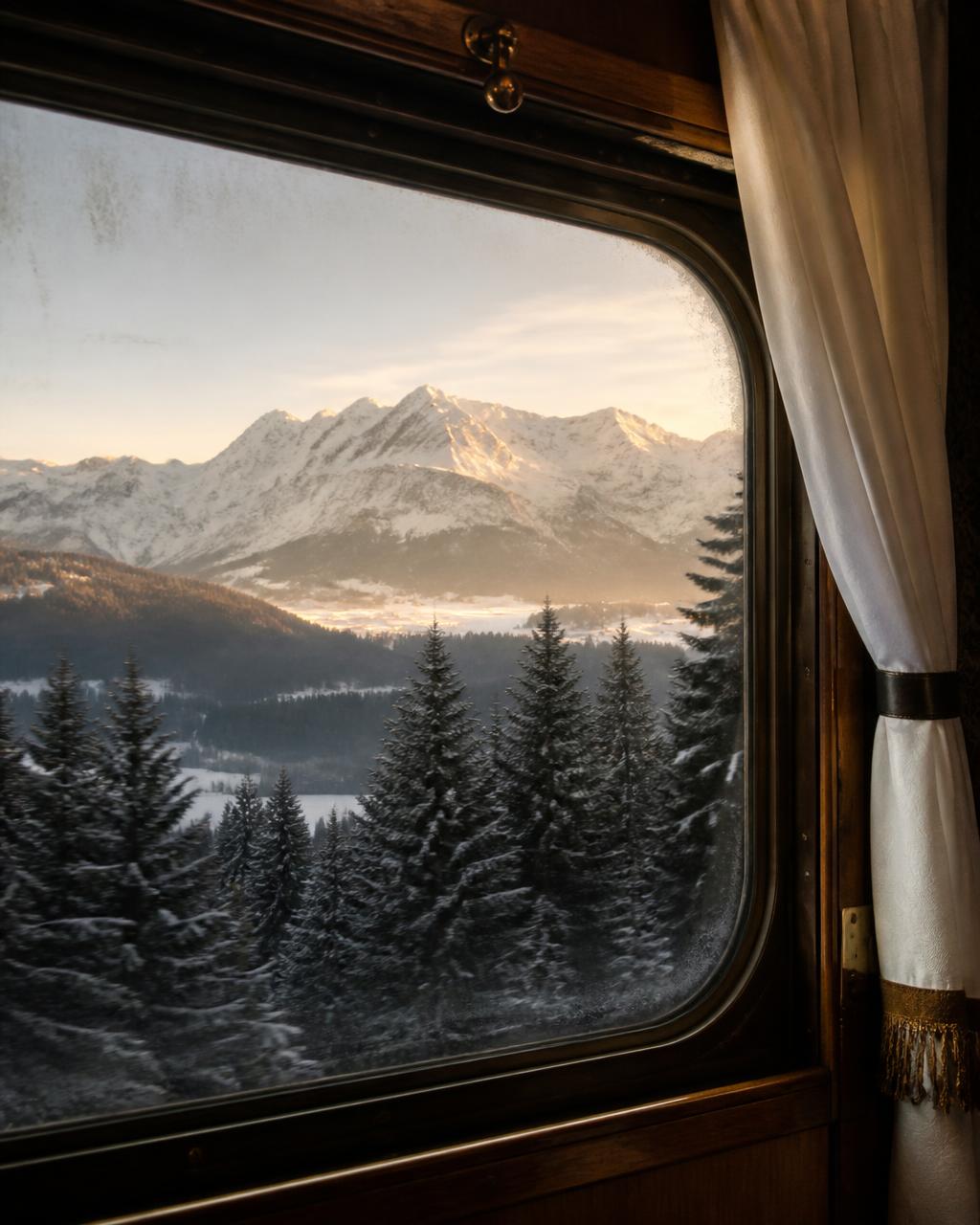
Die Alpen, aus einem warmen Abteil 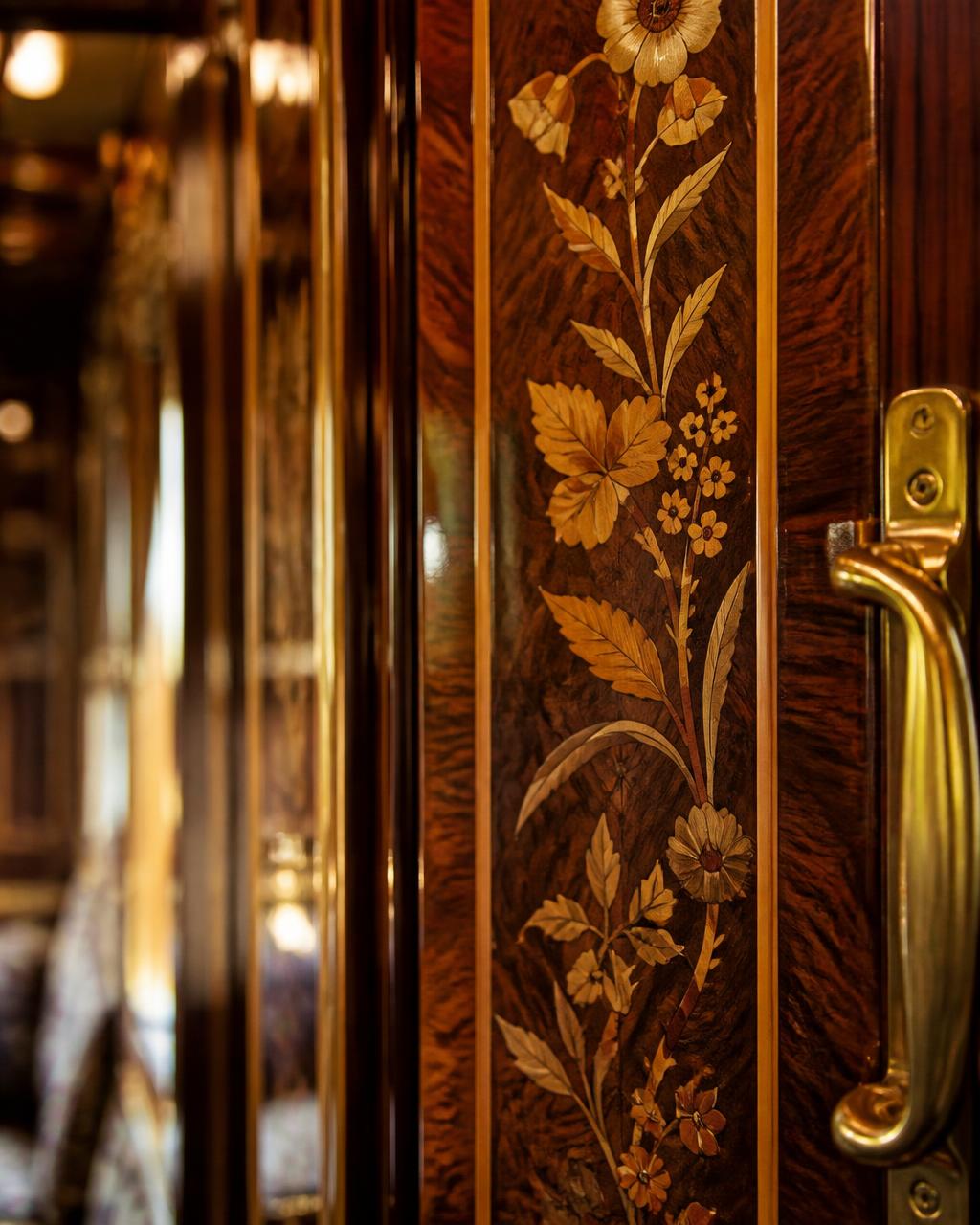
Intarsien, 1929 von Hand geschnitten 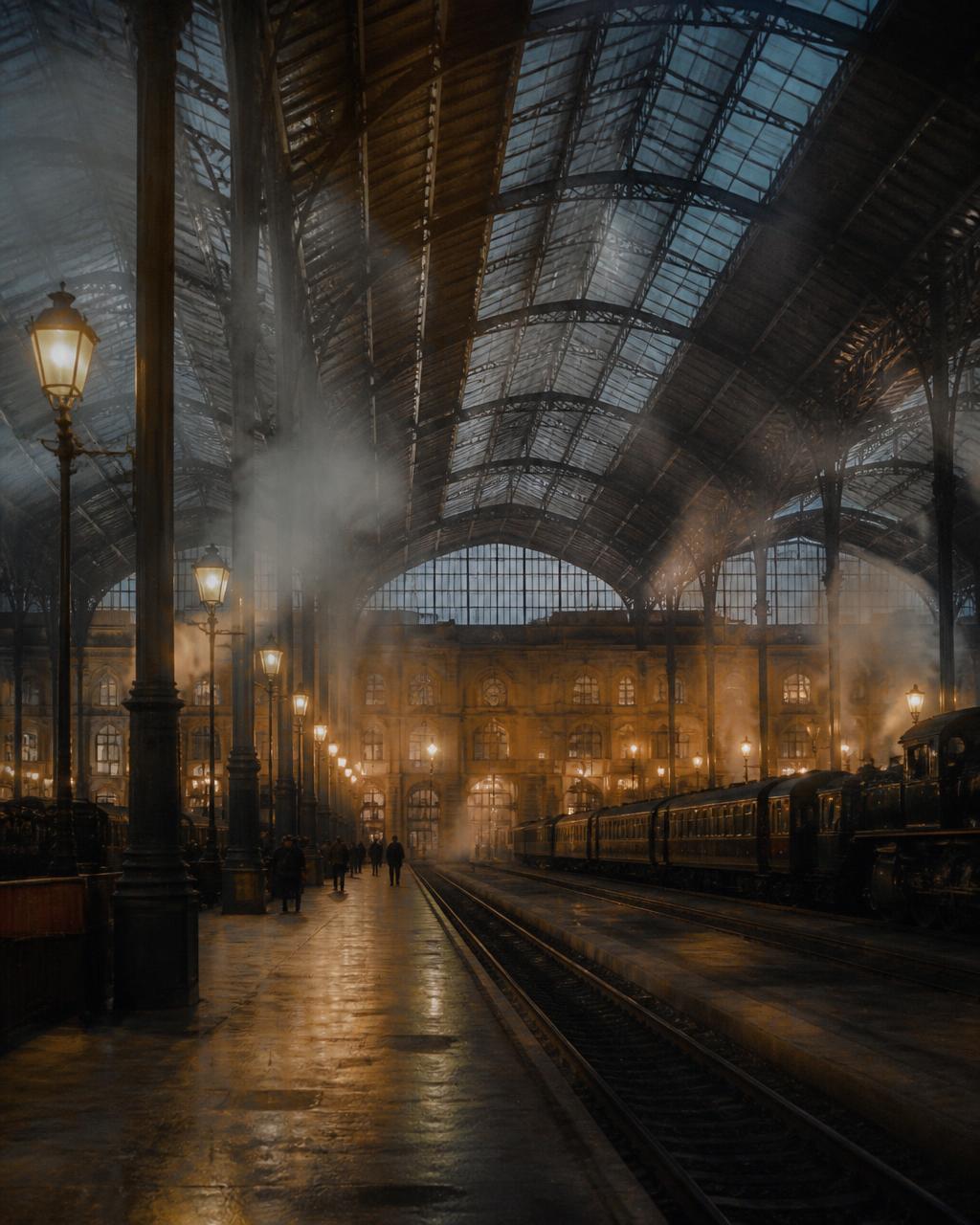
Die Stunde vor der Abfahrt
Jenseits der Reise
Was wir an beiden Enden voranstellen würden
Eine einzelne Nacht im Zug ist für sich genommen schon wunderbar. Zwischen die richtigen zwei Städte gesetzt, wird sie zu etwas, das Sie noch Jahre später erzählen.
No. 01
Paris, drei Tage davor
Kommen Sie früh genug an, damit die Abfahrt nicht das Erste ist, was Sie tun. Ein ruhiges Zimmer am linken Ufer, ein langes Mittagessen, eine Ausstellung, und abends ein Spaziergang am Fluss ohne jeden Plan. Der Zug fühlt sich völlig anders an, wenn man ausgeruht einsteigt.
No. 02
Venedig, und die Disziplin des Stillstehens
Füllen Sie es nicht. Vier Nächte, ein Palazzo mit Wassertor, Frühstück auf einer Terrasse über dem Kanal, und die zwei Kirchen, für die niemand ansteht. Venedig belohnt jene, die ohne Ziel gehen und sich schon am ersten Morgen früh verlaufen.
No. 03
Istanbul, am fernen Ende der Strecke
Der passende Abschluss der langen Route: der Bosporus in der Dämmerung, ein Hamam am Nachmittag, und das besondere Vergnügen, auf einem Kontinent zu stehen, den man über Land erreicht hat. Geben Sie ihm eine Woche, wenn der Kalender es zulässt.
No. 04
Florenz, davor oder danach
Neunzig Minuten von Venedig mit dem Zug und ein völlig anderes Temperament — Stein, Schatten, ein Innenhof, und eine Küche, die dem Norden widerspricht. Wir würden das mit zwei Nächten in den Hügeln kombinieren, wo das späte Nachmittagslicht der eigentliche Grund ist, warum man in die Toskana zieht.
No. 05
Die Dolomiten, für die Luft
Wenn die Alpenüberquerung etwas mit Ihnen gemacht hat — und meist tut sie das — nehmen Sie die Berge richtig. Kalksteintürme, Wiesen im Juni, und ein Holzhaus in der Höhe, wo um sieben zu Abend gegessen wird und die Stille danach vollständig ist.
No. 06
Der Comer See, am ruhigen Ende
Ein Fährfahrplan, ein Garten, kaltes Wasser und ein langes Mittagessen. Der Comer See ist in der Nebensaison am einprägsamsten, wenn das Licht flach über den See fällt und die Dörfer zu sich selbst zurückfinden.
No. 07
Das Ganze, gehalten von den richtigen Adressen
Aus der Überfahrt wird erst dann eine Reise statt einer Nacht unterwegs, wenn an beiden Enden das Richtige steht. Wir planen diese Hotels so, wie wir den Zug planen: weniger Stopps, längere Aufenthalte und Zimmer, ausgewählt für ihre Fenster statt für ihre Kategorie.
Pure Voyage liebt
Sechs kleine Dinge
- Den ersten Kaffee des Morgens, mit beiden Händen umfasst, während der Zug einen Bahnhof verlässt, dessen Namen man gar nicht mitbekommen hat.
- Der Moment, in dem die Alpen im Fenster erscheinen — nicht allmählich, sondern auf einmal, um eine Kurve, während der gesamte Waggon still wird.
- Lesen neben dem Glas, während sich das Licht über die Seite bewegt, und viermal hintereinander den Faden des Satzes verlieren.
- Sich für das Dinner umziehen, während der Himmel von Gold zu Blau wechselt, und der Gang sich mit Menschen füllt, die sich Mühe gegeben haben.
- Der Klang der Schienen nach Mitternacht — gleichmäßig, ungehetzt, das älteste Schlaflied Europas.
- Der erste Blick auf die Lagune: helles Wasser, ein Campanile, und der kleine Schreck, festzustellen, dass man diese ganze Strecke zurückgelegt hat, ohne je den Boden zu verlassen.
Für wen diese Reise ideal ist
Reisende, für die die Mitte der Reise der entscheidende Teil ist.
Sie passt zu Menschen, die Geschichte lieben und sie an einem Gegenstand spüren können: den Intarsien, dem Glas, dem Gewicht eines Türgriffs aus dem Jahr 1929. Sie passt zu jenen, denen Design und Handwerkskunst wichtig sind und die lieber einen Abend in einem schönen Raum verbringen als eine Woche in einem großen. Sie passt zu allen, die das Dinner ernst nehmen.
Sie passt zu Romantikern und zu besonderen Anlässen — dem Jahrestag, dem runden Geburtstag, der Reise, die unternommen wird, weil ein Jahr eine Feier verdient hat. Sie passt zu Schriftstellern und Fotografen, die feststellen werden, dass ein Fenster im Gehtempo der einprägsamste Schreibtisch Europas ist. Und sie passt zu Slow-Travel-Reisenden, die bereits ahnen, dass das Ankommen der uninteressanteste Teil einer Reise ist.
Seien Sie ehrlich zu sich selbst, was den Rest betrifft. Dies ist eine Nacht in einem fahrenden Zug: Die Kabinen sind klein, die Gänge sind schmal, und alles dauert absichtlich länger, als es müsste. Wer vor allem an Geschwindigkeit und Effizienz interessiert ist, sollte fliegen und wird bis zum Mittagessen in Venedig sein. Er wird lediglich die Alpen bei Sonnenaufgang verpasst haben — und den eigentlichen Sinn der Sache.
Eine Notiz des Redakteurs
„Ich erinnere mich an fast nichts von der Ankunft, und an alles vom Abend davor."
Und das ist, denke ich, das ganze Argument dafür. Die meiste Zeit unseres reisenden Lebens verbringen wir damit, die Distanz zwischen zwei Orten zu verkürzen. Ab und zu lohnt es sich, das Gegenteil zu tun — den langen Weg zu nehmen, im schönen Waggon, mit dem Fenster hinunter zu den Bergen und dem Dinner um acht. Man kommt nicht mit Fotografien eines Zuges zurück. Man kommt mit einem Abend zurück.
Das Pure Voyage Team
Aus dem Journal
Weiterlesen
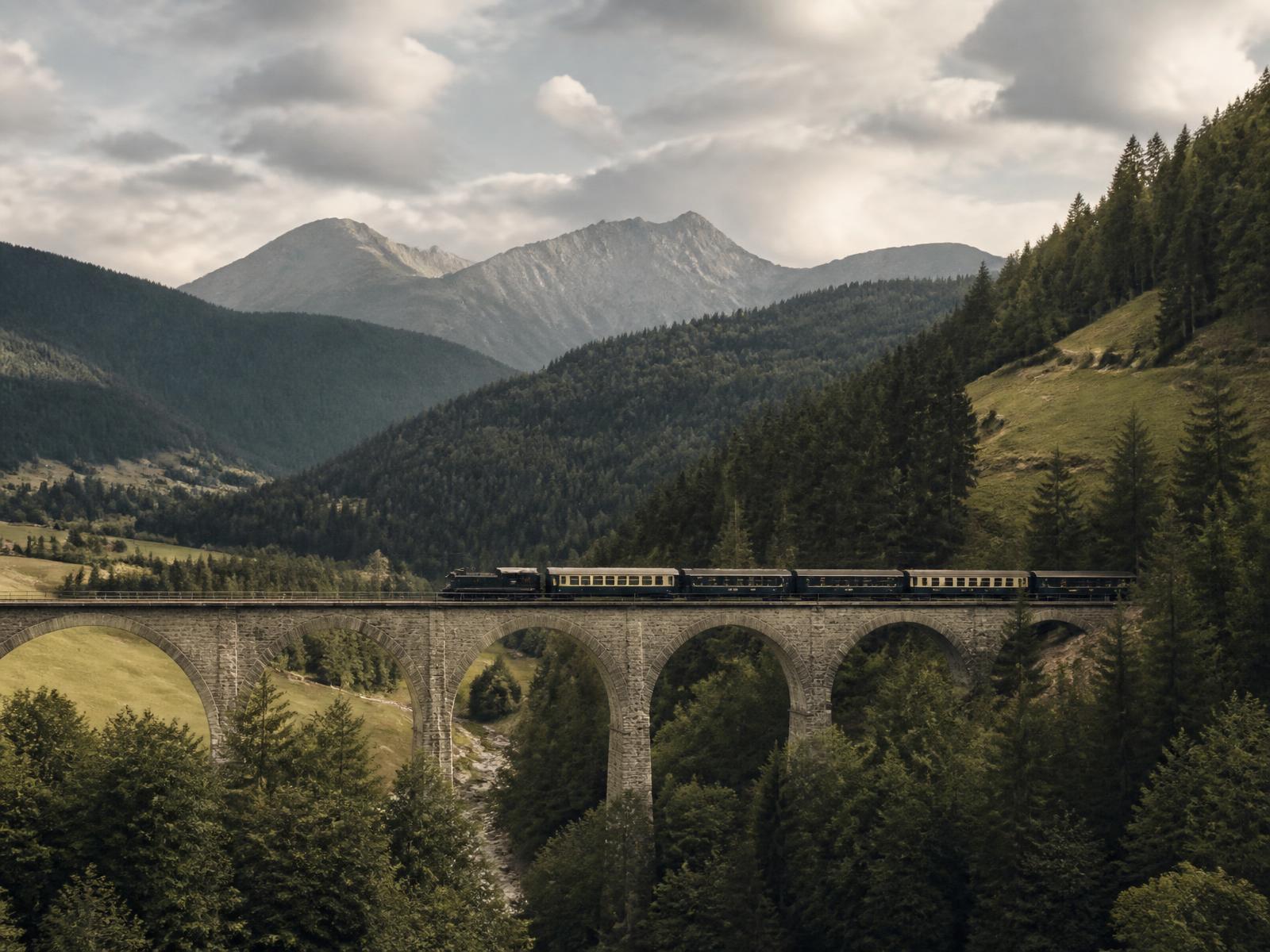
Erbe — August 2026
Das goldene Zeitalter des Reisens auf Schienen
Über Wagons-lits, handgeschnittene Intarsien und die kurzen Jahrzehnte, in denen die Durchquerung Europas das Eleganteste war, was man tun konnte.
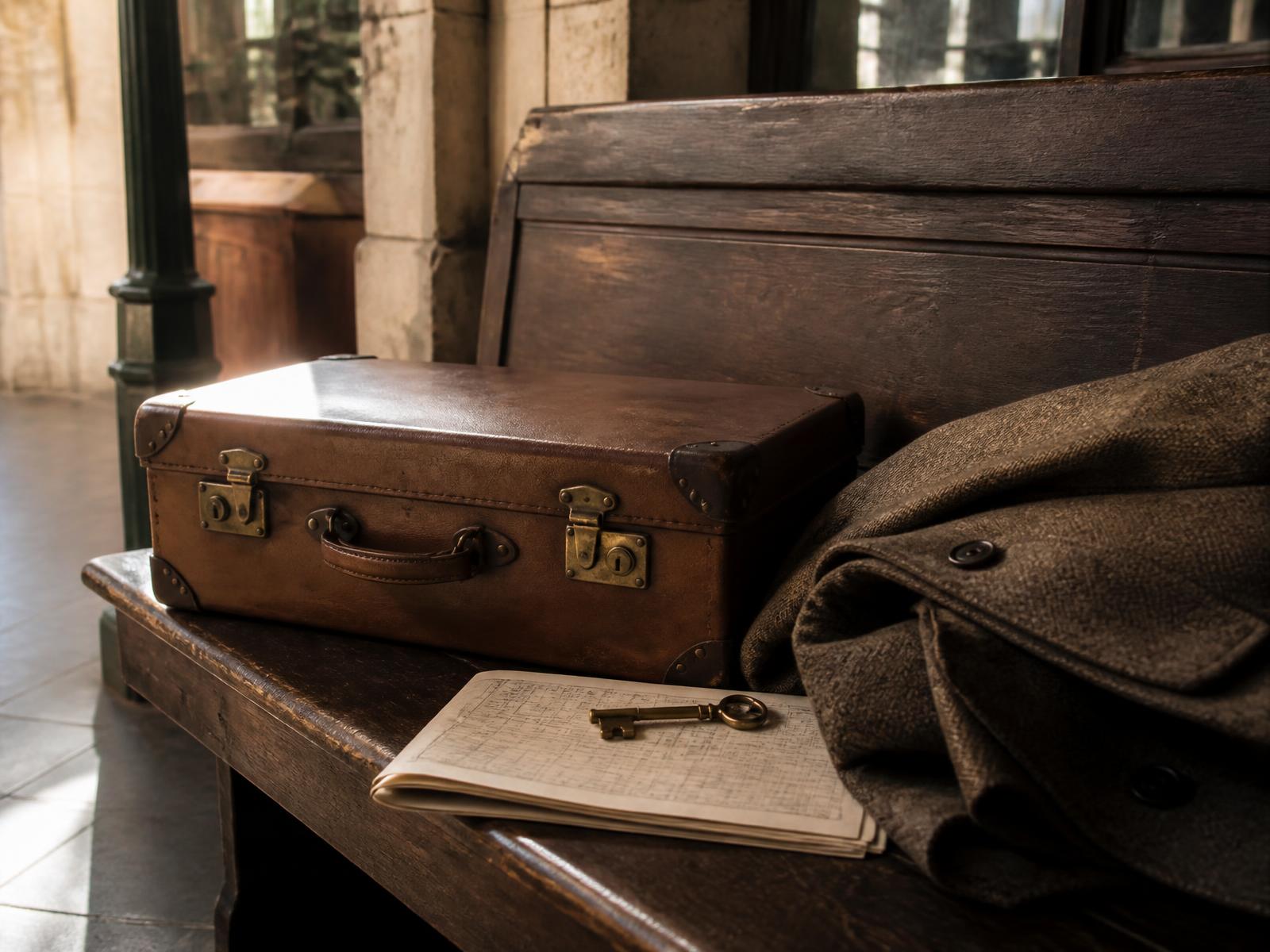
Slow Travel — Juli 2026
Warum Slow Travel zählt
Zwei Stunden mit dem Flugzeug, oder vierundzwanzig auf Schienen. Notizen darüber, was bei der Ersparnis verloren geht — und warum die längere Version die ist, an die man sich erinnert.
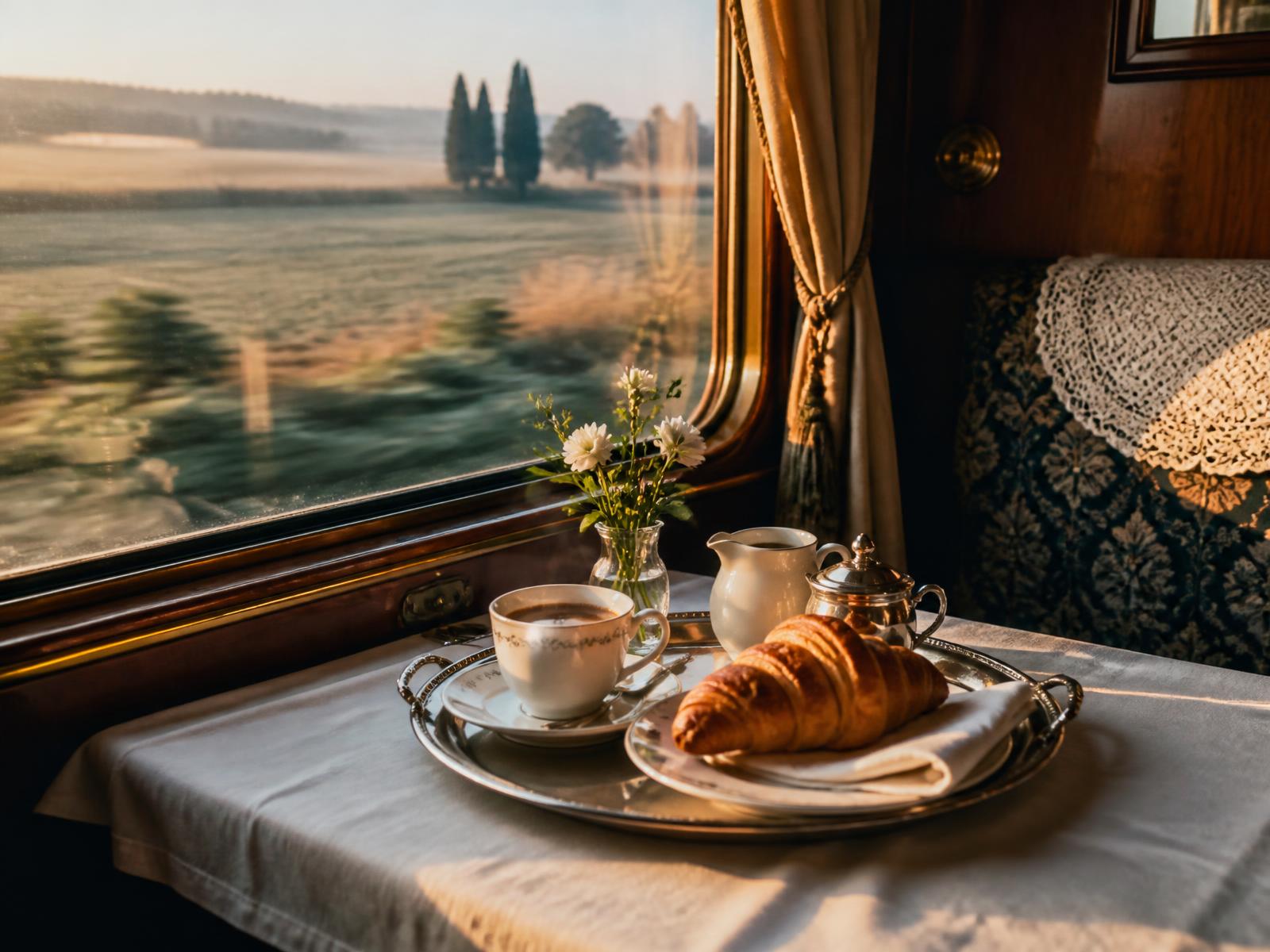
Europa — Juni 2026
Die Romantik des Reisens auf Schienen
Kaffee an einem sich bewegenden Fenster irgendwo südlich der Alpen — und Europas schönste Zugreisen, ausgewählt für ihre Landschaften statt für ihre Länge.
Unsere Einschätzung
Warum wir sie empfehlen
Es gibt komfortablere Züge, aber keinen, der so vollständig aus seiner eigenen Zeit stammt. Wer hier einsteigt, kauft keine Strecke, sondern eine Nacht, die anders verläuft als alle anderen Nächte einer Reise.
- Beste Reisezeit
- März bis November. Die Alpenabschnitte sind im Mai und Anfang Oktober am schönsten; im Hochsommer wird es in den historischen Wagen warm.
- Empfohlene Dauer
- Eine Nacht an Bord, eingebettet in acht bis zehn Tage zwischen Paris und Venedig.
- Für wen sie sich eignet
- Paare, Jubiläen und Reisende, die Sinn für Atmosphäre haben. Weniger geeignet für alle, die viel Platz und eigenes Bad im Standardabteil erwarten — die Grand Suites lösen das, die Cabins nicht.
Pure Voyage Notiz
Buchen Sie die Hinfahrt von Paris nach Venedig, nicht umgekehrt. Der Zug endet dann in einer Stadt, in der man bleiben möchte — und nicht auf einem Bahnsteig, von dem aus man nach Hause fliegt.
Unterwegs
Hotels entlang des Weges
Die Adressen, die wir für diese Reise am häufigsten vorschlagen — als Ausgangspunkt, nicht als feste Route.
Aman Venice
Venedig
Der ruhigste Ankunftsort der Stadt, wenige Minuten von Santa Lucia entfernt.
Zur BeschreibungBelmond Hotel Cipriani
Giudecca, Venedig
Wenn Venedig nach der Zugnacht noch etwas Garten und Wasser braucht.
Zur BeschreibungCheval Blanc Paris
Paris
Zwei Nächte vor der Abfahrt, damit der Zug nicht der Anfang, sondern der Höhepunkt ist.
Zur Beschreibung
Danach
Reisen, die dazu passen
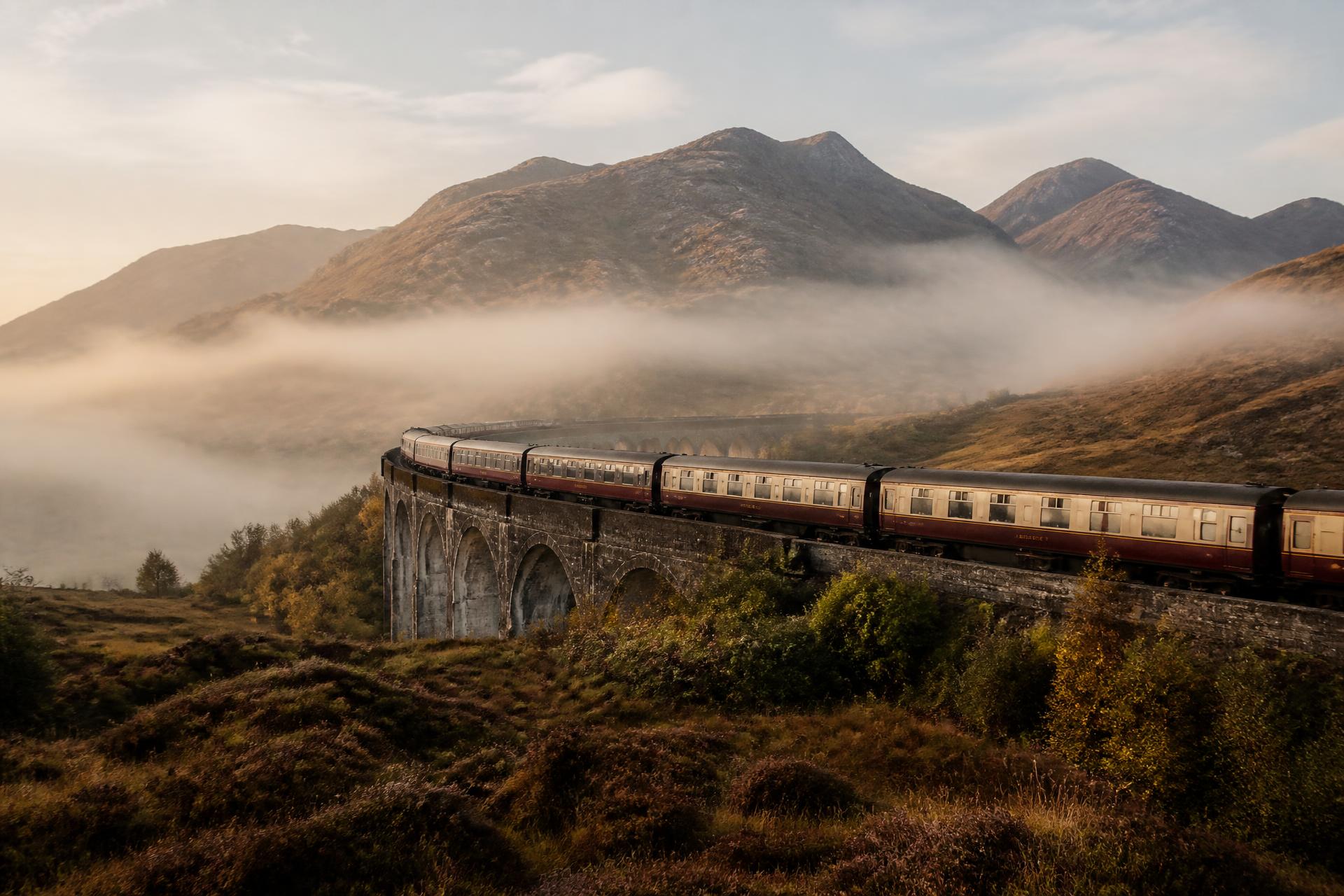
The Royal Scotsman
Ein kleines Landhaus, das durch die Highlands fährt.
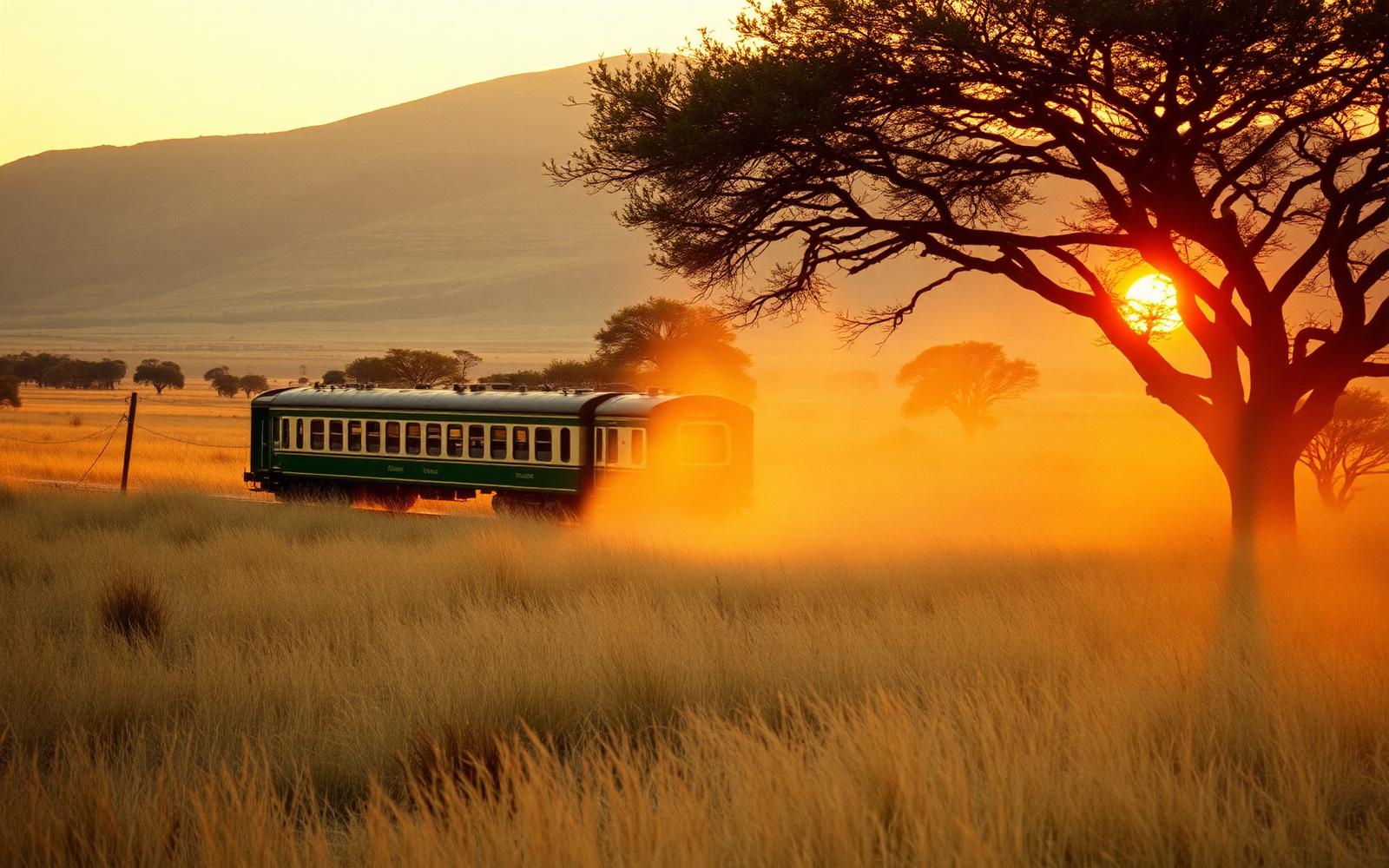
Rovos Rail
Das südliche Afrika in der Breite — aus einem Zug, der niemanden drängt.
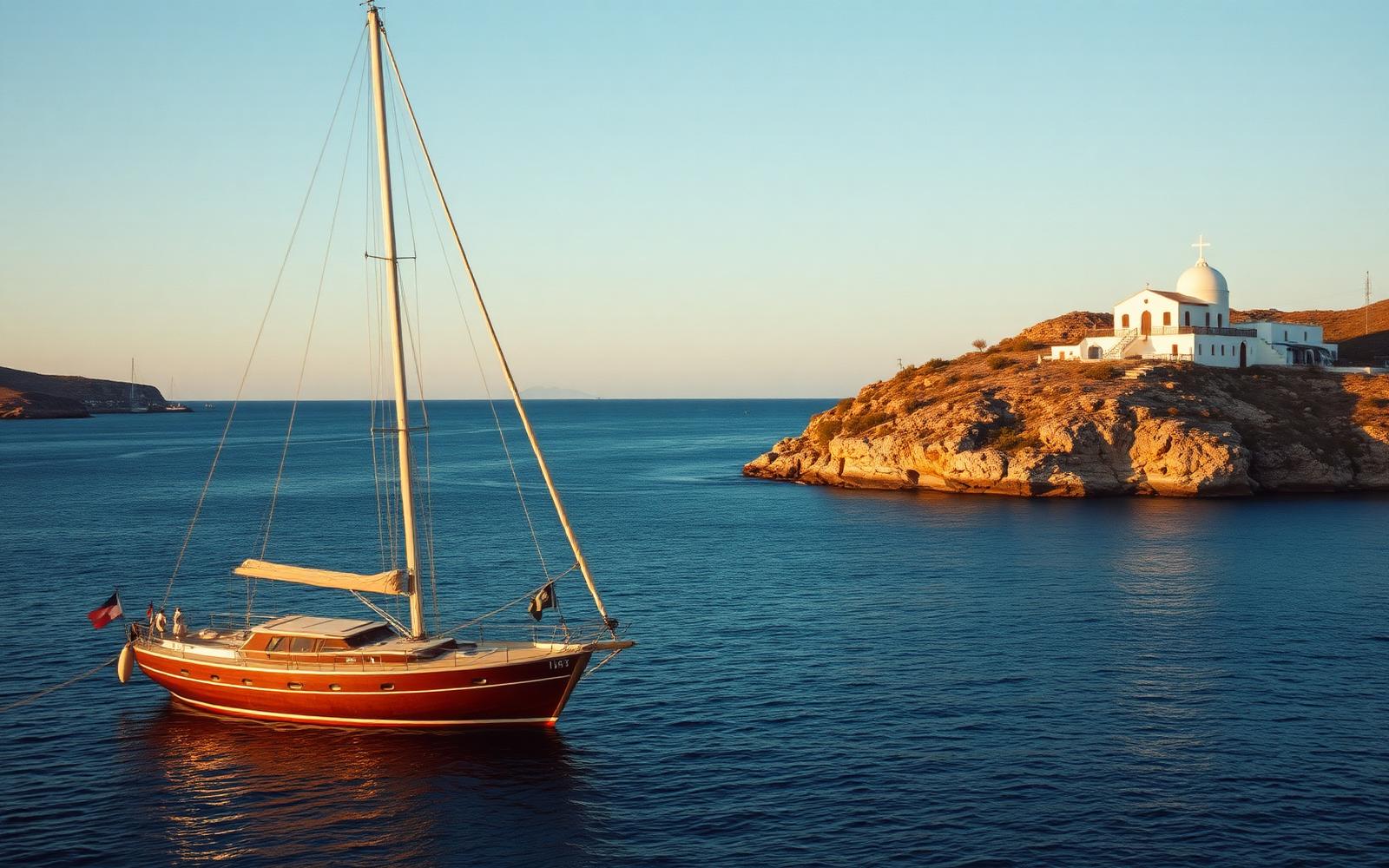
Griechische Inseln unter Segeln
Buchten, die man nur vom Wasser aus erreicht — und Häfen, die abends leer werden.
Ob diese Reise zu Ihnen passt, klärt sich am schnellsten im Gespräch.
Reisezeit, Dauer und die Hotels davor und danach entscheiden mehr über das Ergebnis als die Route selbst.
Gespräch mit dem ConciergeEine persönliche Anfrage
Lassen Sie uns Ihre Zugreise gestalten
Wenn Sie der Gedanke reizt, Europa langsam zu durchqueren, arrangieren wir das gerne persönlich — die richtige Abfahrt, die richtige Richtung und die richtige Kabine im richtigen Waggon.
Paris davor und Venedig danach, oder die lange Strecke ostwärts nach Istanbul; die Alpenüberquerung im Schnee oder im Frühsommer; und beide Enden gehalten von Hotels, ausgewählt wie alles andere auch. Nennen Sie uns die Jahreszeit und den Anlass, und wir gestalten den Rest darum herum.
Warum über Pure Voyage buchen?
- Persönliche Luxusreiseberatung
- Sorgfältig gewählte Hotelempfehlungen
- Ein Reiseplan, der zu Ihnen passt
- Partnervorteile, wo sie verfügbar sind
- Persönlicher Ansprechpartner von Anfang bis Ende

Eine Einladung
Einmal im Monat: Hotels, Neueröffnungen und Reiseideen
Ein Hotel, das uns überzeugt hat. Eine Neueröffnung, die wir im Blick haben. Und eine Reiseidee zur richtigen Jahreszeit. Sorgfältig ausgewählt und auf das Wesentliche reduziert.