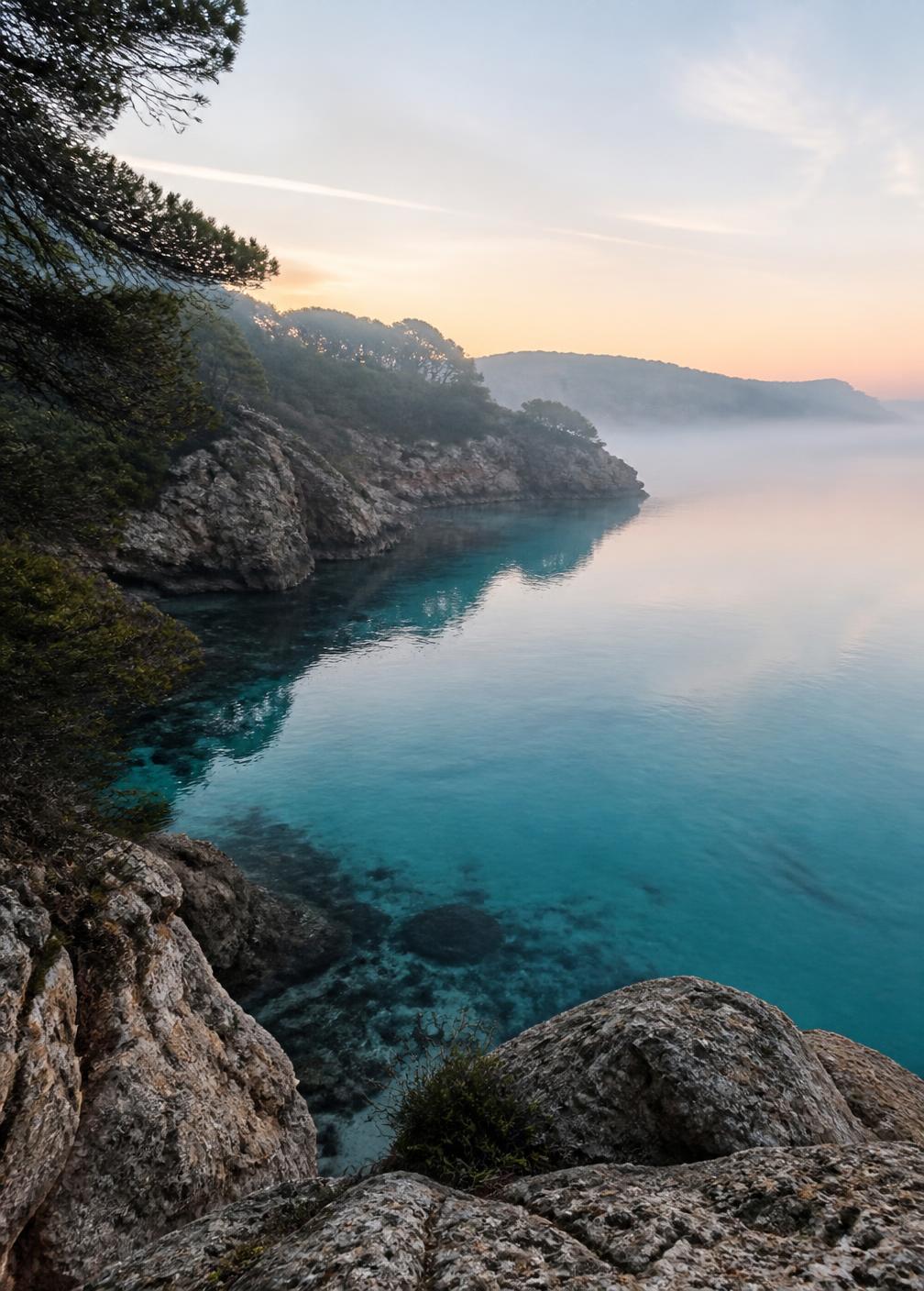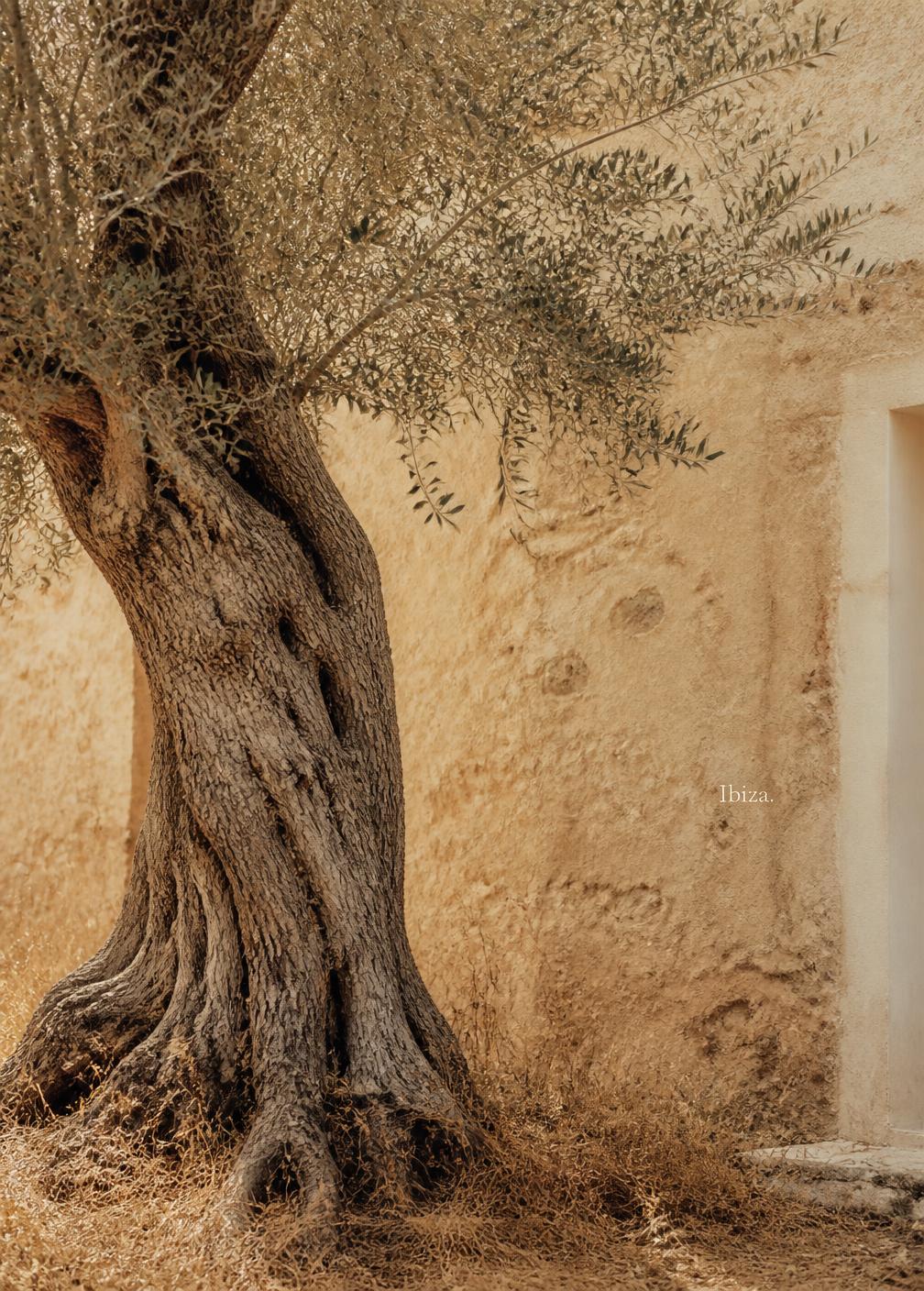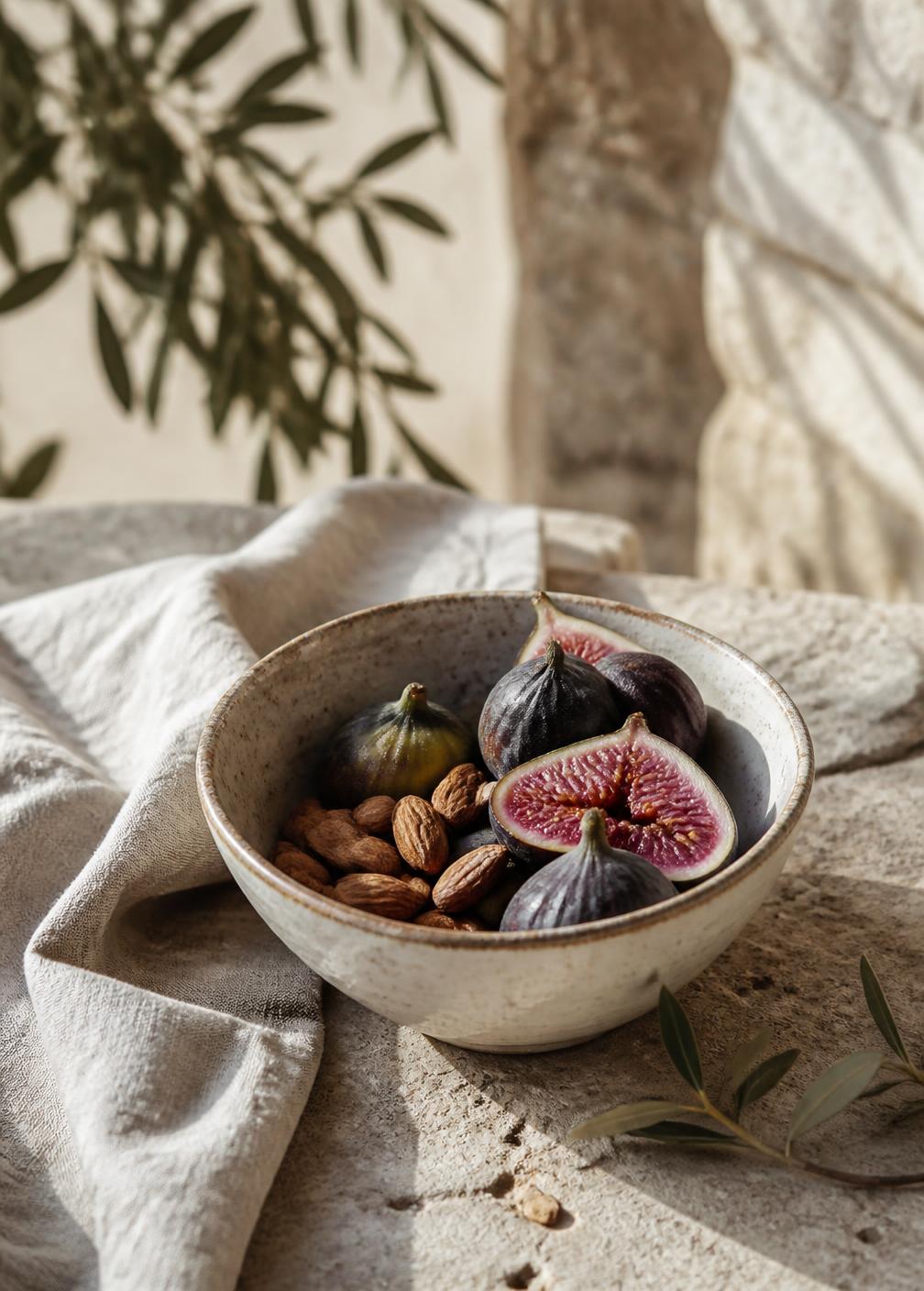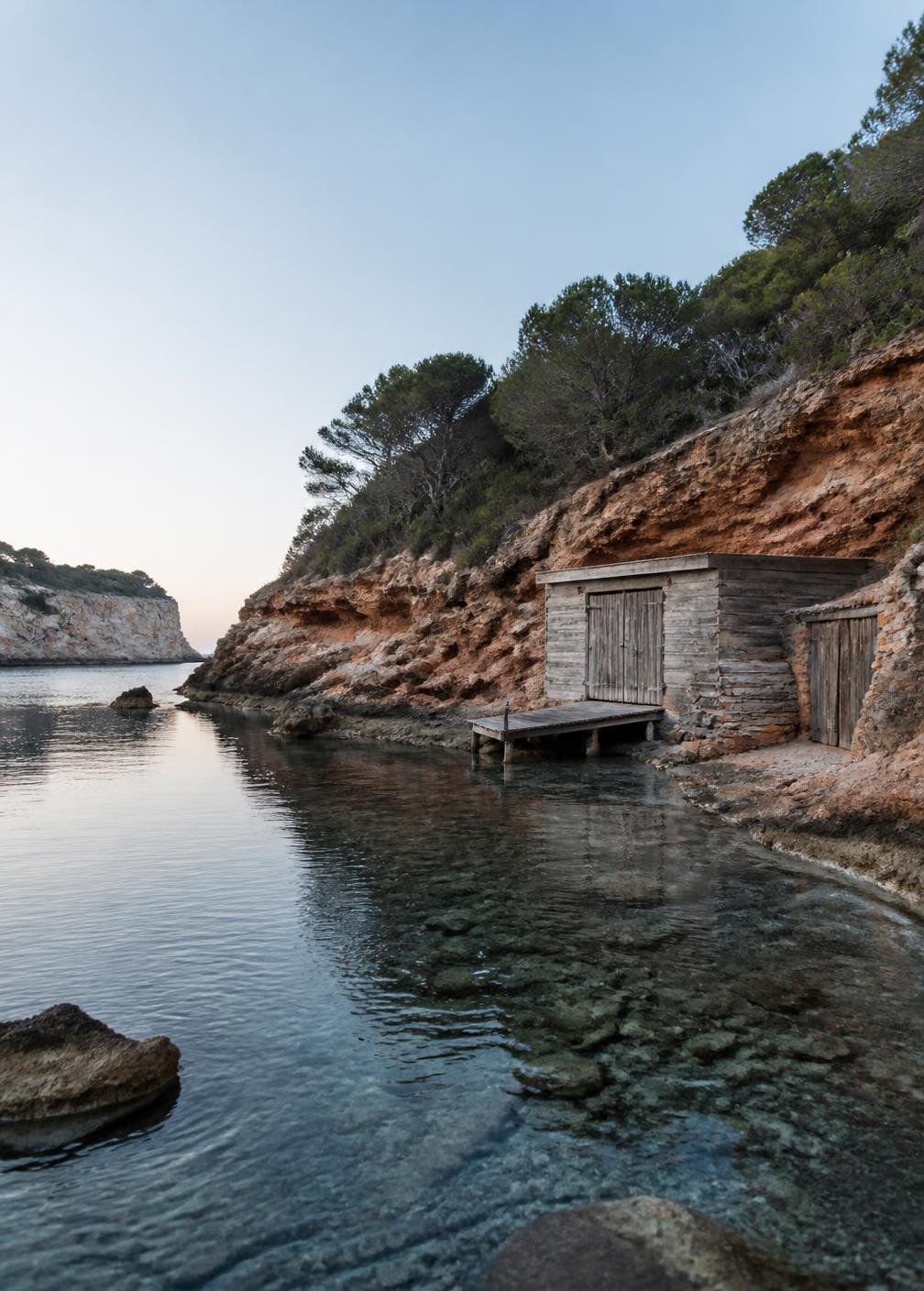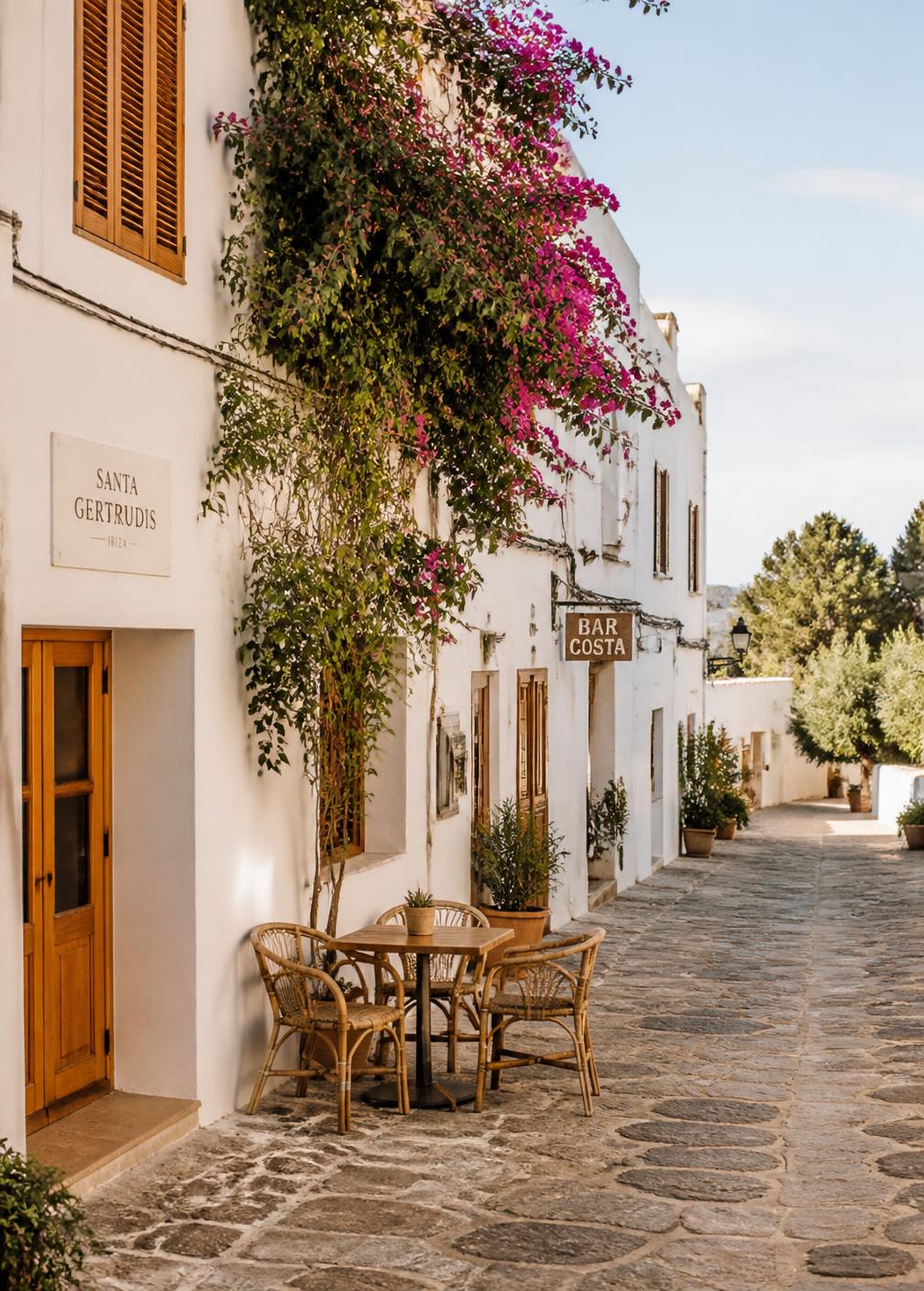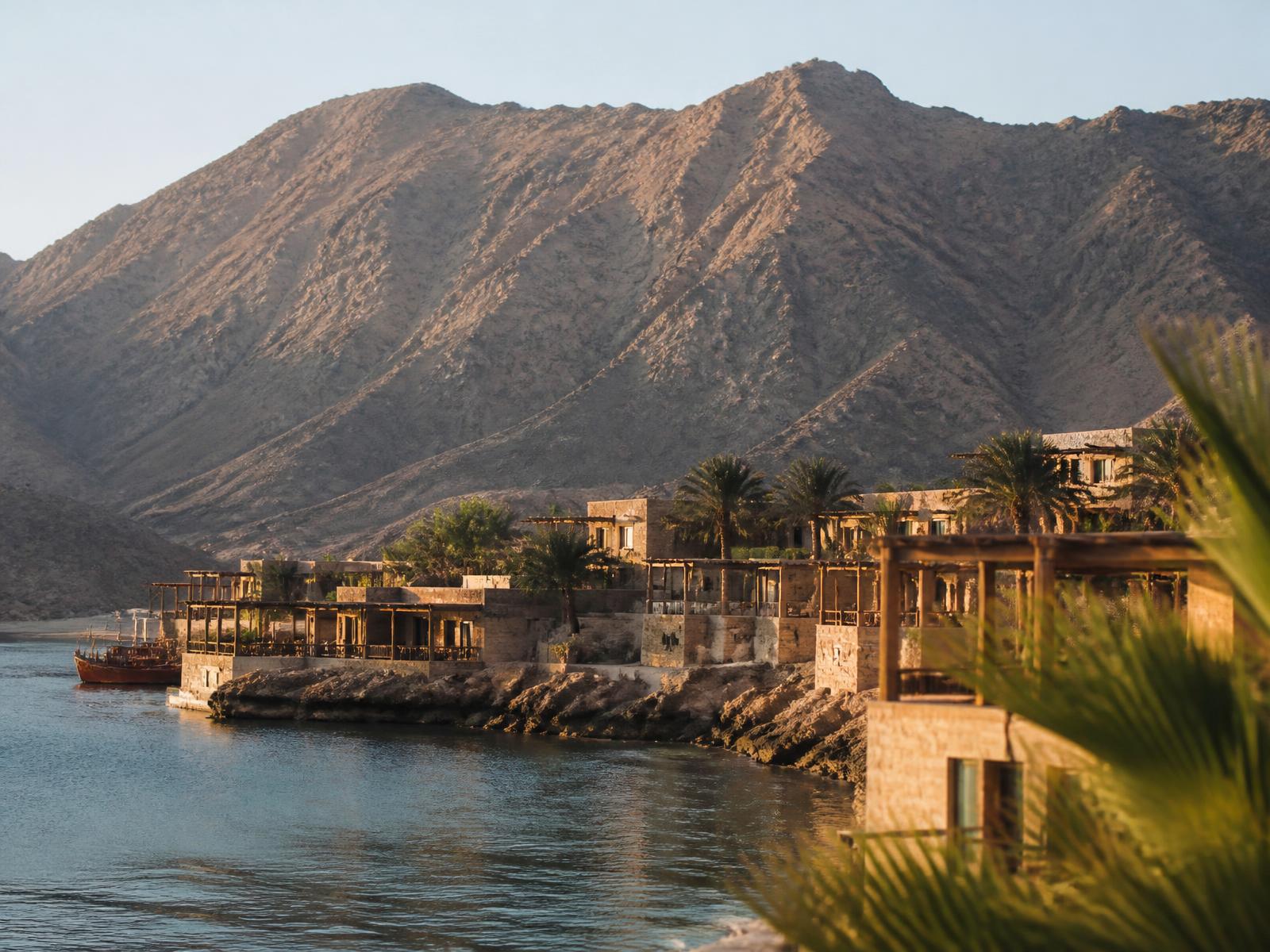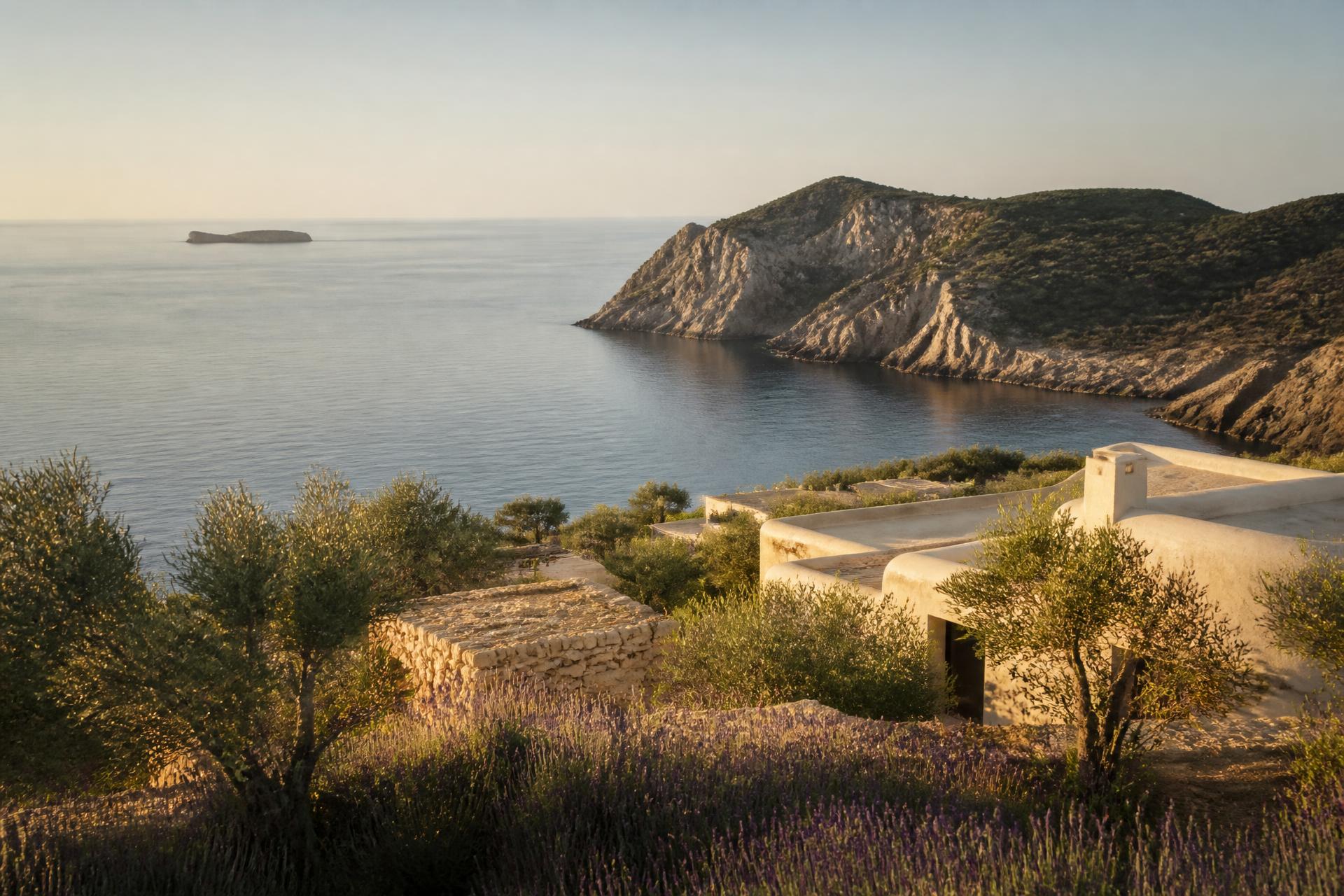
Sunrise over the limestone cliffs of Cala Xarraca in northern Ibiza with low sandstone architecture, olive trees and lavender above a calm Mediterranean

Six Senses — Cala Xarraca, Ibiza

Where Ibiza Breathes Again

Perched above the crystal-clear waters of Cala Xarraca, Six Senses Ibiza redefines the island through sustainability, wellbeing and understated luxury, inviting guests to reconnect with nature, themselves and the Mediterranean.

An Introduction

The island the postcards never got around to: pine, rosemary, red rock and a very long silence.

At half past six in the morning Ibiza smells of rosemary and warm dust, and the only sound on the north coast is water moving against stone. The light is still grey-gold and low. A dog somewhere inland. A fisherman going out, small against a headland the colour of terracotta. Nothing on the island suggests, at that hour, that anyone has ever come here to dance.

This half of Ibiza has always existed. It is the half of pine forests and hand-built fincas with walls a metre thick, of almond and carob and fig, of coves reached down goat paths and lunches that begin at three and finish when they finish. The other Ibiza — the loud one, which everyone can name — is forty minutes and an entire century away.

Six Senses arrived on this side, above Cala Xarraca, and built low. What it offers is not an alternative to the island but a way back into it: sleep taken seriously, food grown twenty minutes inland, buildings made from stone that came out of the ground nearby. You come for a week expecting a wellness hotel in Ibiza and leave having spent most of your time in the sea, barefoot, talking to people over a long table. The island does the rest.

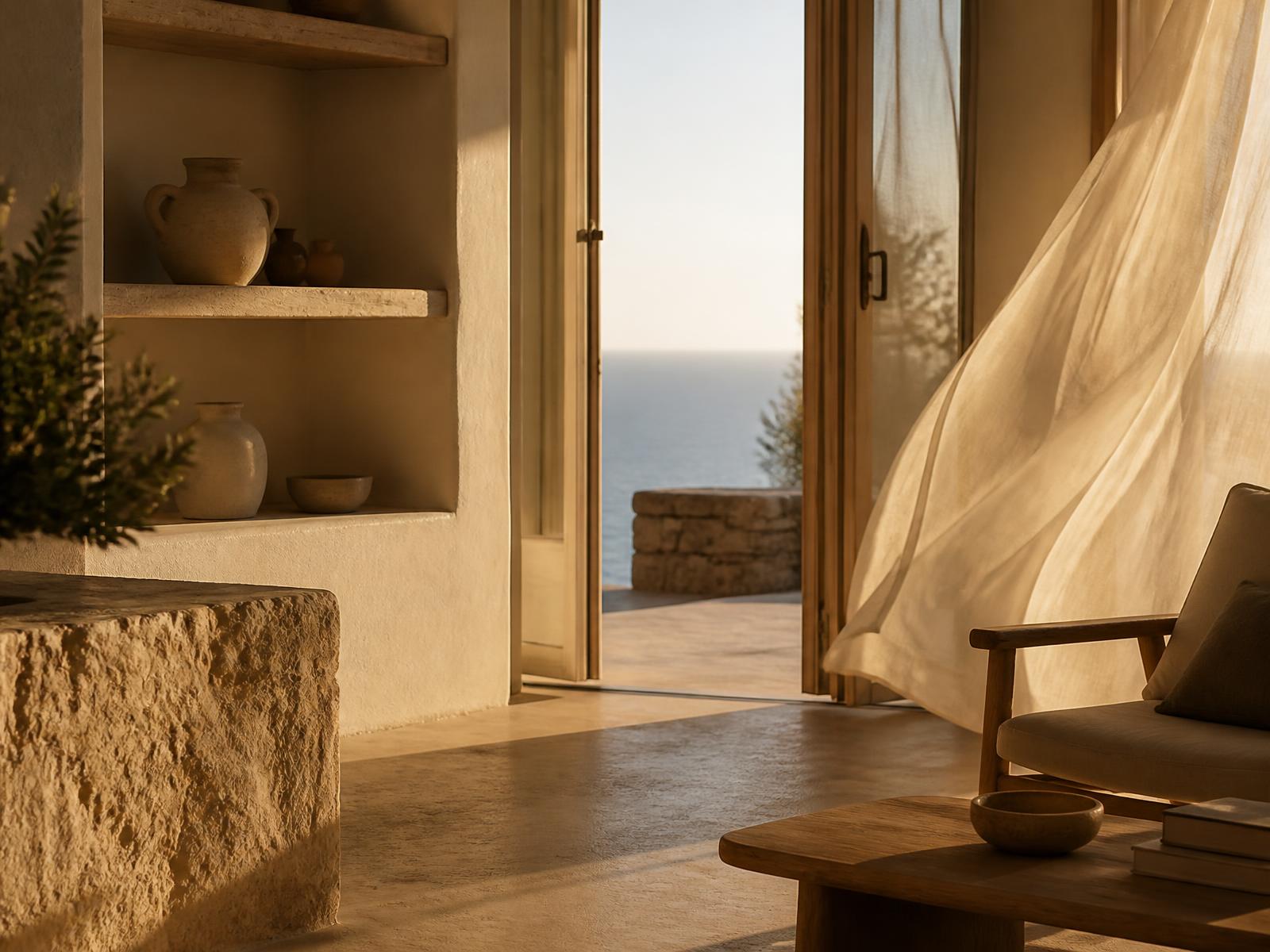
Mediterranean interior in natural limestone and warm oak with handmade ceramics, linen curtains and open doors onto a terrace above the sea

Architecture & Design

Buildings that agree to be quieter than the landscape

Nothing here rises above the pines. The volumes are low, thick-walled and broken up so that from the water they read as a hamlet rather than a hotel — limestone the colour of the cliffs behind them, lime-washed plaster, sabina beams, flat roofs holding shade.

Inside, warm oak, cool stone floors, handmade ceramics from workshops inland, linen at the windows that lifts all afternoon. The palette is whatever the island already is: sand, chalk, olive, the faded green of a shutter. Doors are kept open so the distinction between a room and a terrace quietly collapses.

The craftsmanship is local and visible — a joint, a hand-thrown glaze, a wall that is not quite flat. Luxury of this kind is a matter of subtraction. The building's best trick is that after two days you stop noticing it, and notice the sea instead.

Rooms & Suites

Private sanctuaries facing the sea

There is no category worth reciting. What matters is where the terrace faces, and how quickly the room lets you stop performing.

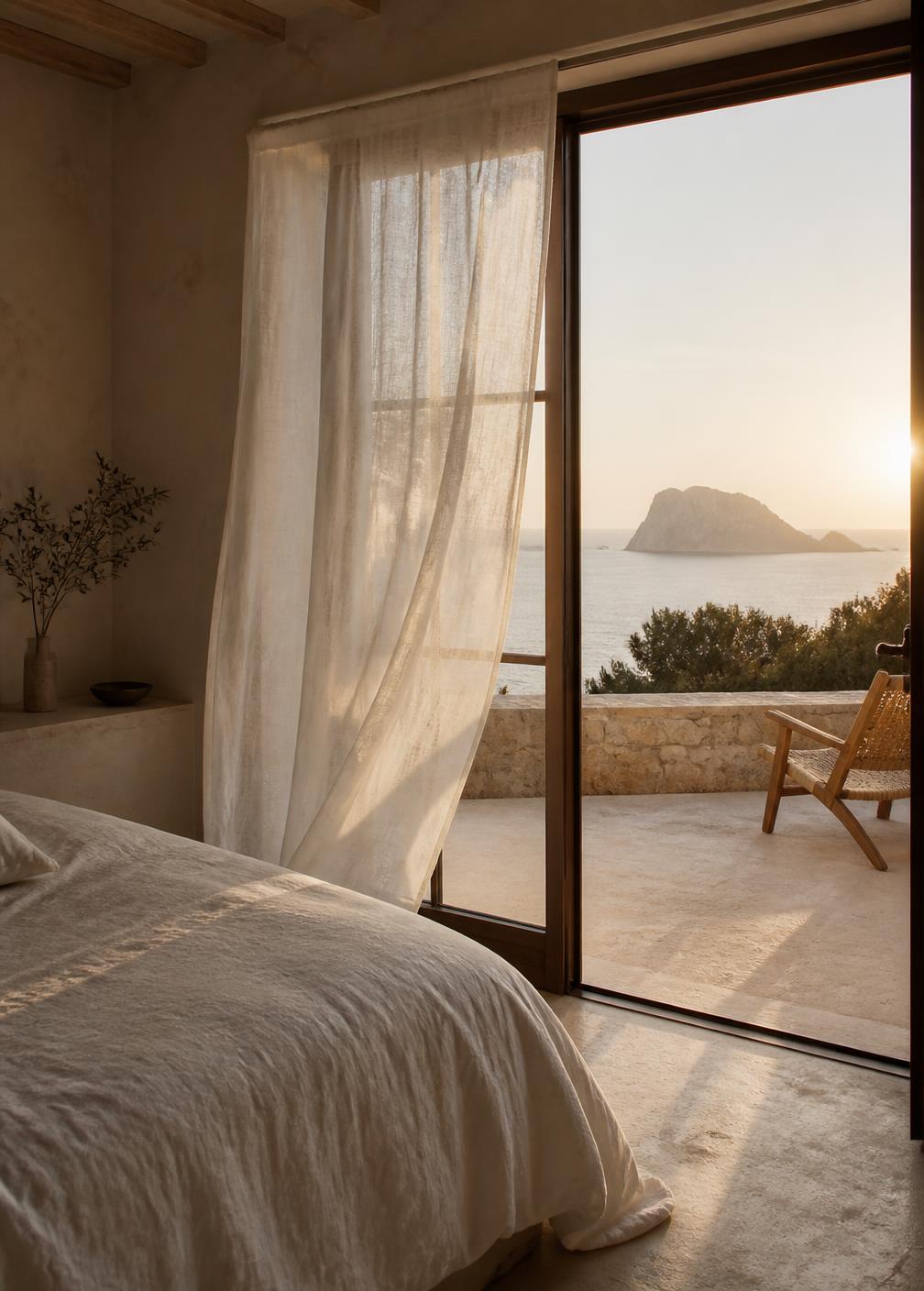
Minimal Mediterranean bedroom at sunrise with white linen bedding, limestone walls and open doors onto a private terrace above the Ibiza sea

No. 01

The Hour Before Anyone Speaks

You wake early here without deciding to. The light comes in low off the water and lands on the wall opposite the bed, and the doors have been open all night because there was no reason to close them. Salt on the terrace stone. Rosemary somewhere below. You stand outside with a cup of something hot in whatever you slept in, and the sea does what it has done since long before the island had a reputation.

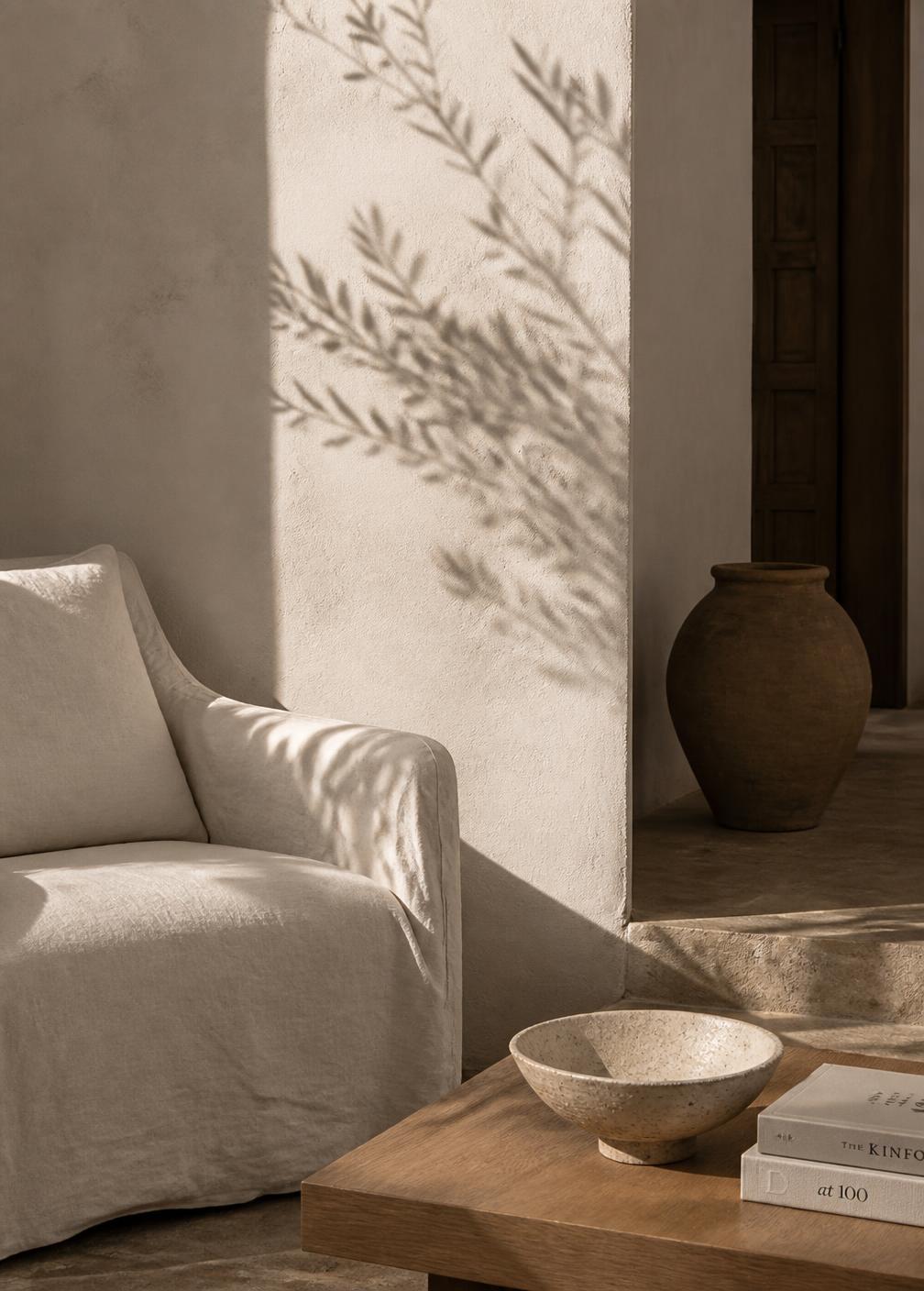
Corner of a Mediterranean suite with linen armchair, handmade ceramic bowl, plaster wall and the shadow of an olive branch in afternoon light

No. 02

Rooms That Have Nothing to Prove

Lime plaster, cool stone underfoot, oak that has been oiled rather than lacquered, linen washed until it gives. A ceramic bowl made twenty minutes inland. Nothing here shines, and nothing asks to be photographed. By four in the afternoon the shadow of an olive branch has crossed the whole wall, and the honest answer to what you did today is that you watched it.

Dining

Everything arrives from somewhere you could walk to

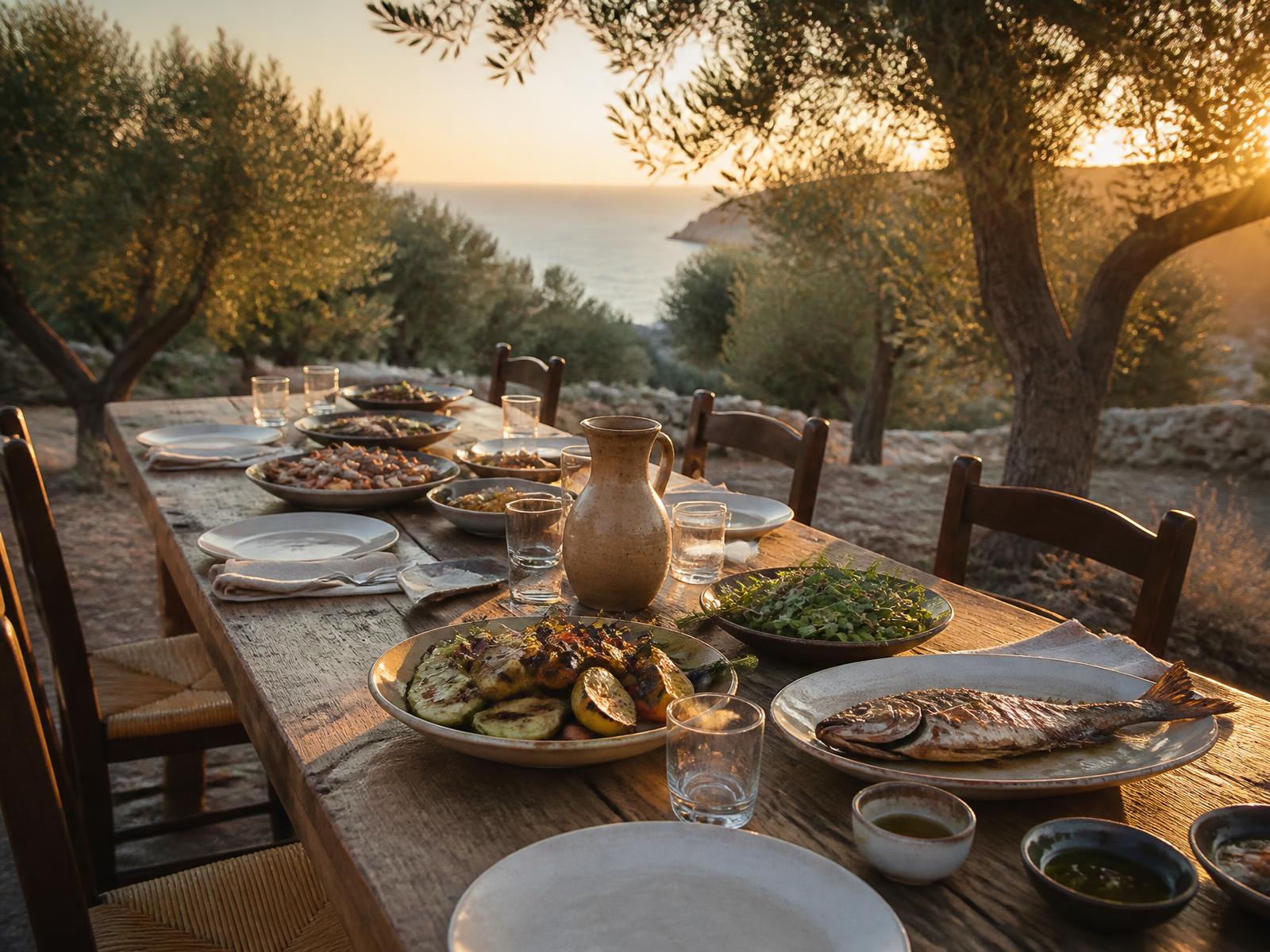
The farm comes first and the menu follows it, which is the correct order and still an unusual one. Tomatoes picked that morning, herbs cut on the way in, fish landed on the north coast, olive oil pressed by a family who will tell you about the season if you ask.

Most of it meets fire. Wood-fired vegetables with their skins split, whole fish over embers, bread that tastes of smoke at the edge. Nothing is complicated for the sake of it, because the ingredients would not thank you.

Dinner runs long and outdoors, at shared tables under olive trees, as the sky goes from copper to violet behind the headland. Plates are passed. Wine is Balearic and lightly chilled. By the second night you know the names of the people beside you, and nobody suggests moving on anywhere.

Long shared wooden table under olive trees at sunset with wood-fired vegetables, whole fish, ceramic plates and a clay jug of olive oil
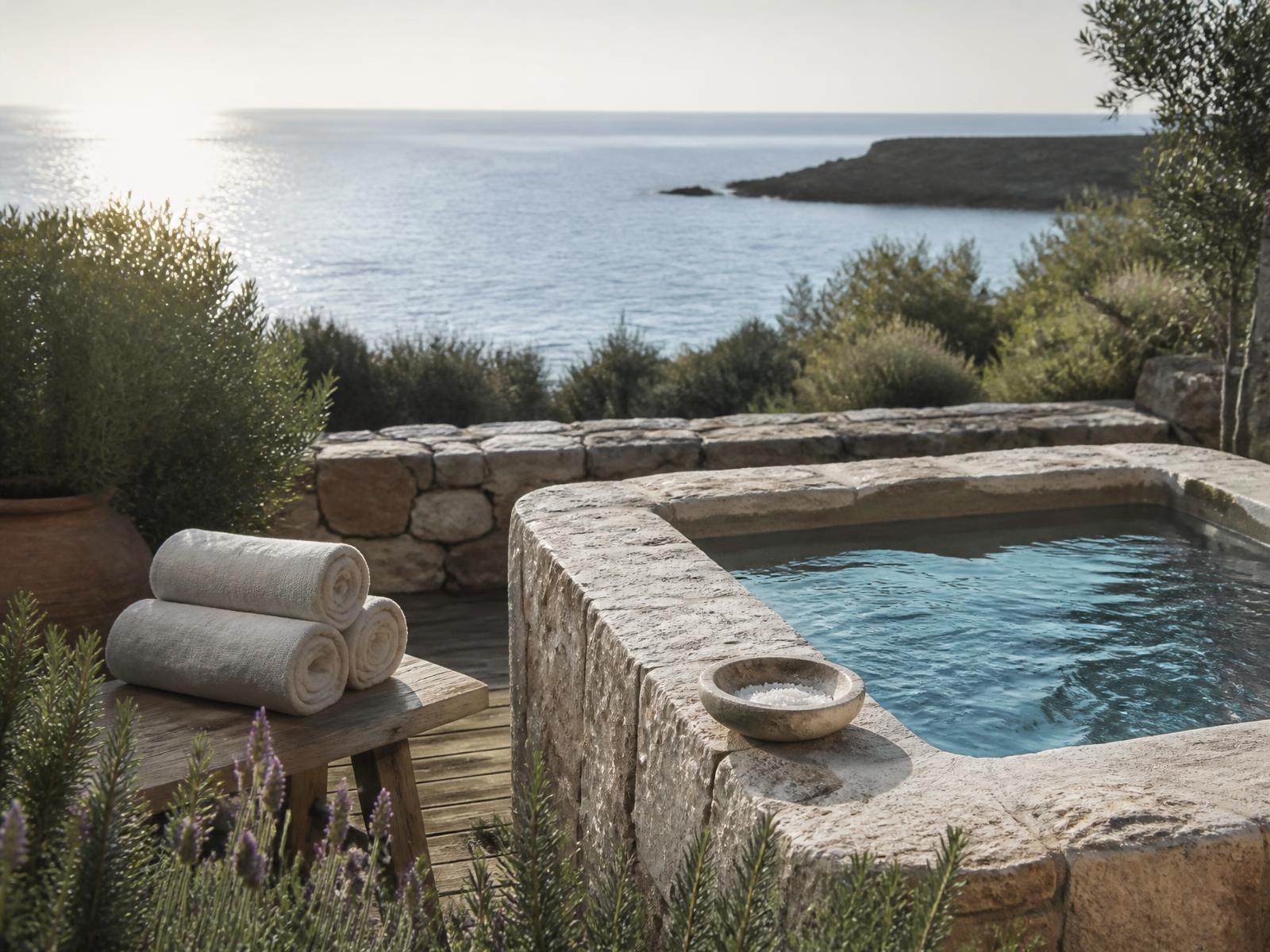
Minimal Mediterranean spa terrace with a stone cold plunge pool, rolled linen towels, rosemary and lavender above the sea at morning

Wellness

Not a week away from your life. A rehearsal for a slower one.

The spa here is unusual in that it is genuinely a practice rather than a menu. Sleep is measured if you want it measured. Longevity work — bloods, breath, movement, the unglamorous markers — is run by people qualified to interpret it, and delivered without theatre or moral pressure.

Around that sits the older material: hands and warm oil, sound held in a stone room until your jaw lets go, meditation before the light comes up, yoga on the cliff terrace, cold water taken standing up and regretted for four seconds. The gym is serious. So is the silence afterwards.

What makes it work is that none of it is sealed off. You walk back with wet hair past the rosemary, eat something grown up the hill, swim before dinner because the sea is right there. Within three days wellbeing has stopped being an appointment and become the shape of the day.

Signature Experiences

Eight mornings worth waking for

Most of them belong to the island rather than the hotel, which is the point. One a day is plenty; none at all is also an answer.

  • No. 01

    A board on flat water, before six

    The bay is glass at that hour and the only sound is your own paddle. You go out past the rocks, stop, and let the island come awake behind you. Nobody talks about this afterwards, which is how you know it mattered.

  • No. 02

    A small boat, and a cove with no name

    North of here the coast folds in on itself and hides water the colour of glass. A skipper who grew up on this shore, a cool box, no schedule. You swim from the boat and eat with salt still drying on your arms.

  • No. 03

    Yoga on the cliff terrace

    Held outside, facing the sea, early enough that the stone is still cold. It is unhurried and entirely unperformed, and the wind does most of the instructing.

  • No. 04

    Sound, held in a stone room

    Bowls, gongs, a long silence at the end that no one hurries. Sceptics tend to arrive folded up and leave loose in the shoulders, unable to explain why.

  • No. 05

    A morning on the farm

    Twenty minutes inland, in dirt, with the person who grows what you ate last night. Tomatoes warm from the row. It resets your sense of what the kitchen here is actually doing.

  • No. 06

    Cooking with a chef who is from here

    Fish bought that morning, olive oil from a neighbour, a wood fire, and no recipe written down. You will cook it badly at home for years and still be glad.

  • No. 07

    Sailing out to meet the sunset

    West towards Es Vedrà, sails up, engine off. The rock turns violet, then charcoal. On the way back the island is a low dark line and you are in no rush to reach it.

  • No. 08

    Walking the coast path, then lying down under stars

    A guided hike along the cliffs in the cool of the morning, and later — much later — flat on your back on warm stone, with almost no light between here and the horizon.

Maison Voyage Loves

Six small things

  • Sunrise from the cliff, taken standing up, with a blanket and no phone.
  • Fresh figs after breakfast, split with a thumb, still cool from the shade.
  • Swimming before the island is awake, when the cove belongs to two people and a cormorant.
  • Reading beneath an olive tree in the middle of the day, with the book face-down on your chest for most of it.
  • The scent of lavender and warm stone that arrives ten minutes after the sun has gone.
  • Barefoot evenings on a terrace above the water, salt still on your arms, no plan for tomorrow.

Who This House Is For

Travellers who came for the island itself, and are willing to let it set the pace.

It suits people who care about materials and light, who would rather eat well than eat famously, and whose idea of a good morning involves cold water. Couples find it quietly romantic without any of the staging that word usually implies. Families do unexpectedly well here — the farm, the boats and the coves give children something real to do. Designers, cooks, writers and anyone recovering from a demanding year tend to stay longer than they planned.

Come for a week if you can. Sustainability, on this side of the island, is not a claim on a card in the bathroom; it is the reason the food tastes the way it does and the buildings sit where they sit. Slow travellers will need no persuading at all.

It will not suit everyone, and it does not try to. There is no nightlife on this coast, no shopping street, and the nearest beach club is a deliberate drive away. If your Ibiza is a day bed, a DJ and a bottle in an ice bucket, the south and west of the island do that superbly — and you should go there instead. Here, the loudest thing at midnight is the sea.

Nearby Discoveries

What we would tell a friend

Northern Ibiza rewards early risers and slow afternoons. None of this is a checklist; half of it is better reached by boat.

  • No. 01

    Cala Xarraca, at seven in the morning

    The cove below the house, red rock and clear water, empty for another three hours. Swim out to where the bottom drops away and turn around to look at the cliffs. There is a shack that fries fish by lunchtime and does nothing else.

  • No. 02

    Benirràs, out of season

    Famous for its drummers, better without them. Come in May or October, mid-morning, and it is a wide pine-backed bay with a rock in the middle of it and almost nobody on the sand.

  • No. 03

    Santa Gertrudis, on foot

    The village at the centre of the island: whitewash, one square, bougainvillea, and a handful of galleries and old bars where people actually live. Go for lunch, stay for the afternoon, buy nothing.

  • No. 04

    Es Vedrà, from above and from the water

    The rock is best met twice — once from the cliff road at sunset, and once from a boat that cuts its engine beneath it. It is one of the few landscapes that survives every photograph taken of it.

  • No. 05

    Small vineyards and older fincas

    Wine has been made here quietly for centuries and is only now being taken seriously again. A few families will open a cellar if you ask properly. The fincas around them are the island's real architecture: thick walls, tiny windows, sabina beams.

  • No. 06

    Markets, workshops, and the coast in between

    Ceramicists and weavers working inland, a Saturday market worth arriving early for, and a road along the north coast where the right thing to do is stop three times and swim.

A Note from the Editor

Come in late May or the first half of October, and take a room facing the water.

Swim before breakfast on the first morning, even if you resent the alarm. Give one morning to the farm and one evening to a boat. Then leave a whole day entirely unplanned — that is the day you will describe to people afterwards, and you will struggle to explain why.

Ben Trousil, Founding Editor

From the Journal

Continue reading

All stories
  • Hidden cove in northern Ibiza with red rocks, clear water and a small wooden fishing hut in early morning light

    Travel GuidesAugust 2026

    The Quiet Side of Ibiza

    North of the roundabouts the island turns to pine, red rock and fishermen's huts. A week spent looking for the Ibiza that never left.

  • Whitewashed village street in Santa Gertrudis with bougainvillea, wooden shutters and empty cafe chairs in morning light

    Travel GuidesJuly 2026

    48 Hours in Northern Ibiza

    Two days, one hire car, and a rule against planning more than two things a day. Written for travellers who would rather see less, properly.

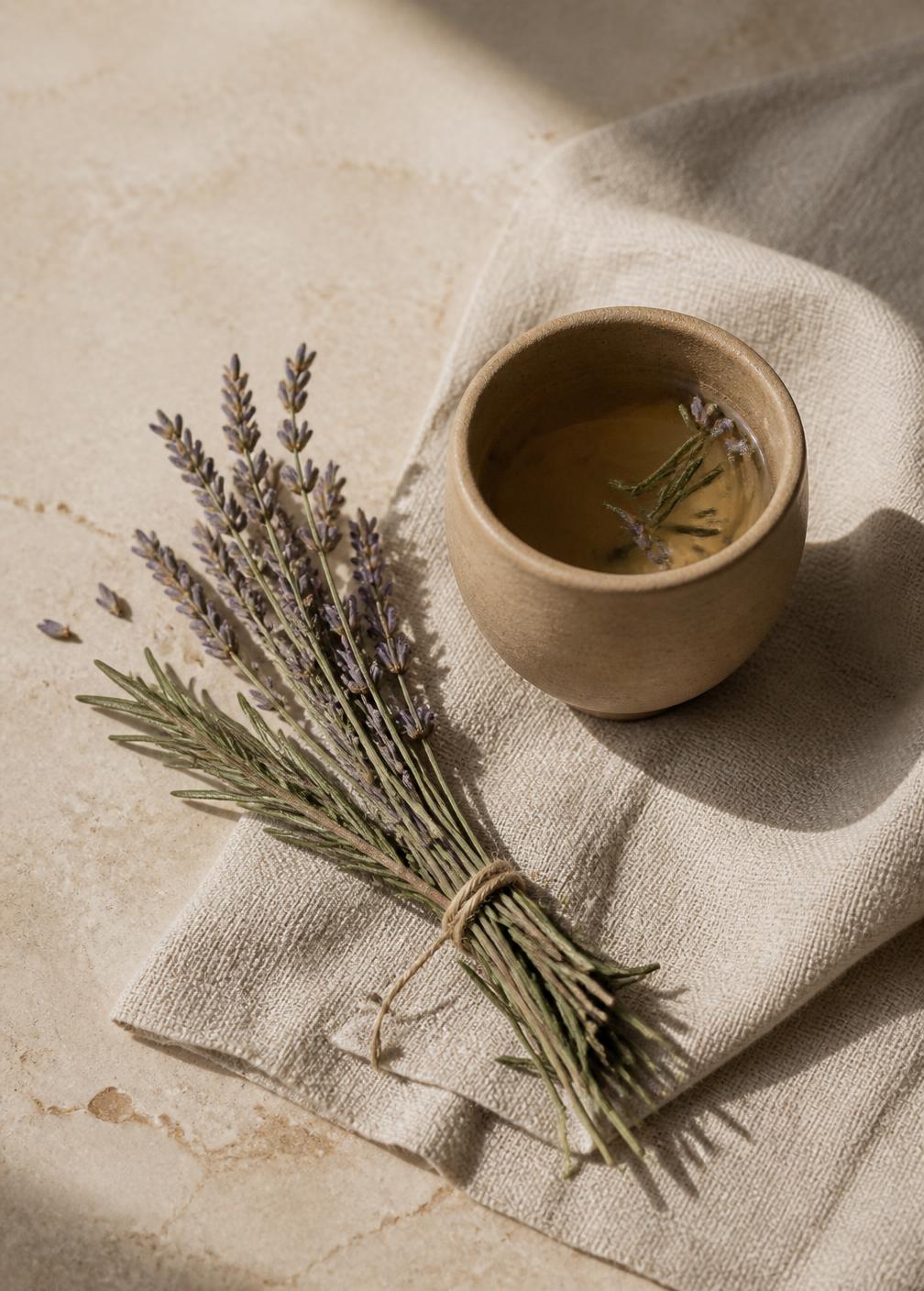
  • Dried lavender and rosemary bundle beside a clay cup of herbal tea on linen cloth over warm stone

    Slow TravelJune 2026

    Why Slow Travel Begins on an Island

    On Mediterranean wellness escapes, sustainable hotels that mean it, and what happens to a week when the ferry decides your pace.

A Personal Enquiry

Let's Curate Your Ibiza Journey

If the quiet north of the island has begun to sound like your next journey, we would be glad to arrange it personally — Cala Xarraca itself, and everything around it.

A boat to coves without names, a table worth the drive inland, wellness days shaped around how you actually want to feel, a cellar or a workshop opened for an afternoon, and a few nights elsewhere in the Balearics chosen to fit the way you travel.

Why book through Maison Voyage?

  • Personal luxury travel advice
  • Carefully curated hotel recommendations
  • Tailor-made itineraries
  • Exclusive partner benefits whenever available
  • Direct personal contact from start to finish

No booking is made and nothing is charged. We simply begin a conversation.

An Invitation

Continue the Journey

One letter each month: a place worth the detour, an object worth keeping, a page worth reading slowly. Nothing more.