Formentor — Mallorca
Das älteste Hotel der Insel, noch einmal von vorn
Eine Pinienhalbinsel im Norden Mallorcas, ein Haus von 1929, ein privater Strand in einer geschützten Bucht — und eine Renovierung, die den Ort erkennbar gelassen hat.
Warum wir es empfehlen
Warum wir hier gern eine Woche verbringen
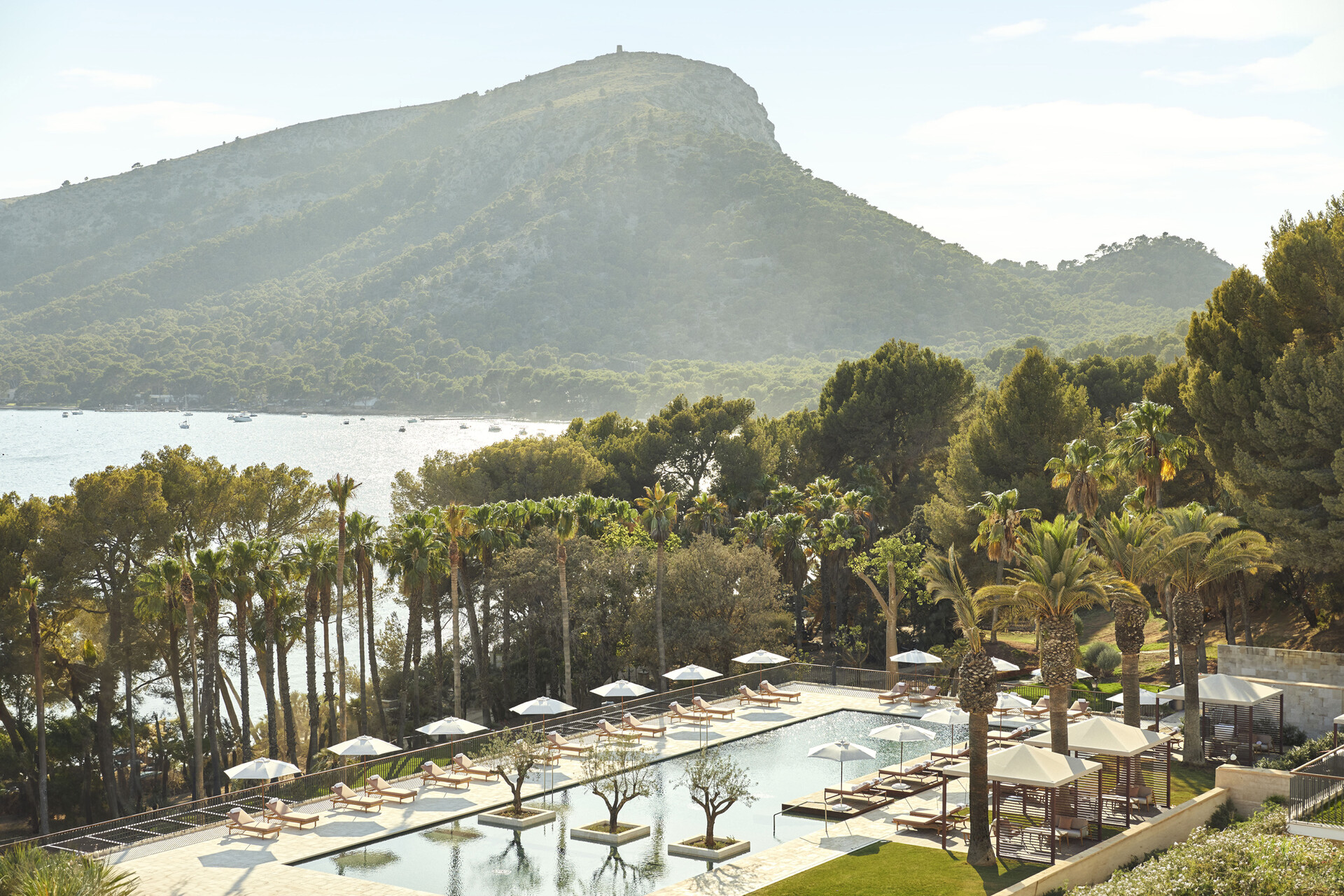
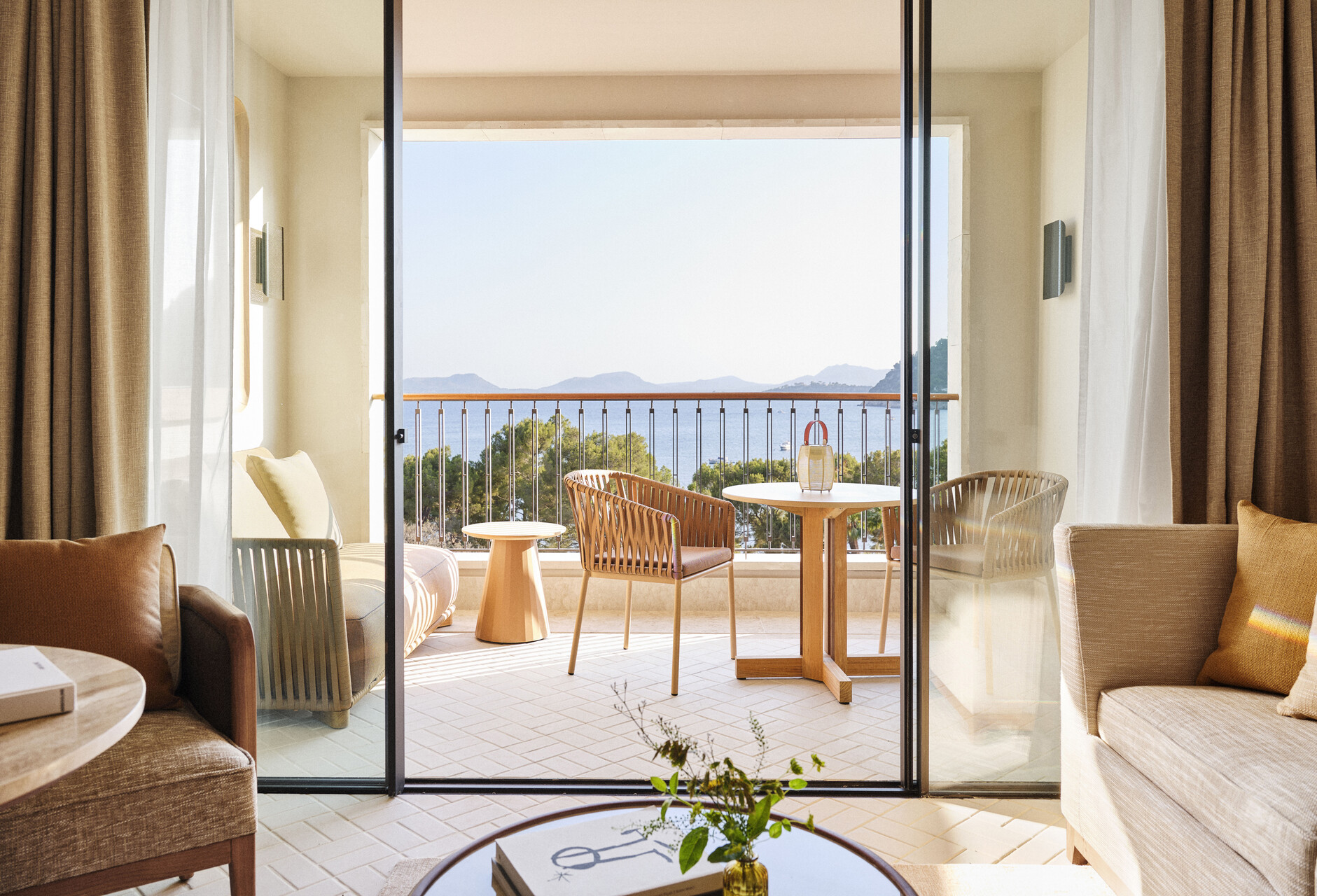
Das Formentor war fast ein Jahrhundert lang die Adresse im Norden der Insel. Nach vier Jahren Umbau ist geblieben, was den Reiz ausmacht: die Lage in einem alten Pinienwald, der eigene Strand in einer flachen, windgeschützten Bucht und der Blick über das Wasser auf die Berge der Serra de Tramuntana.
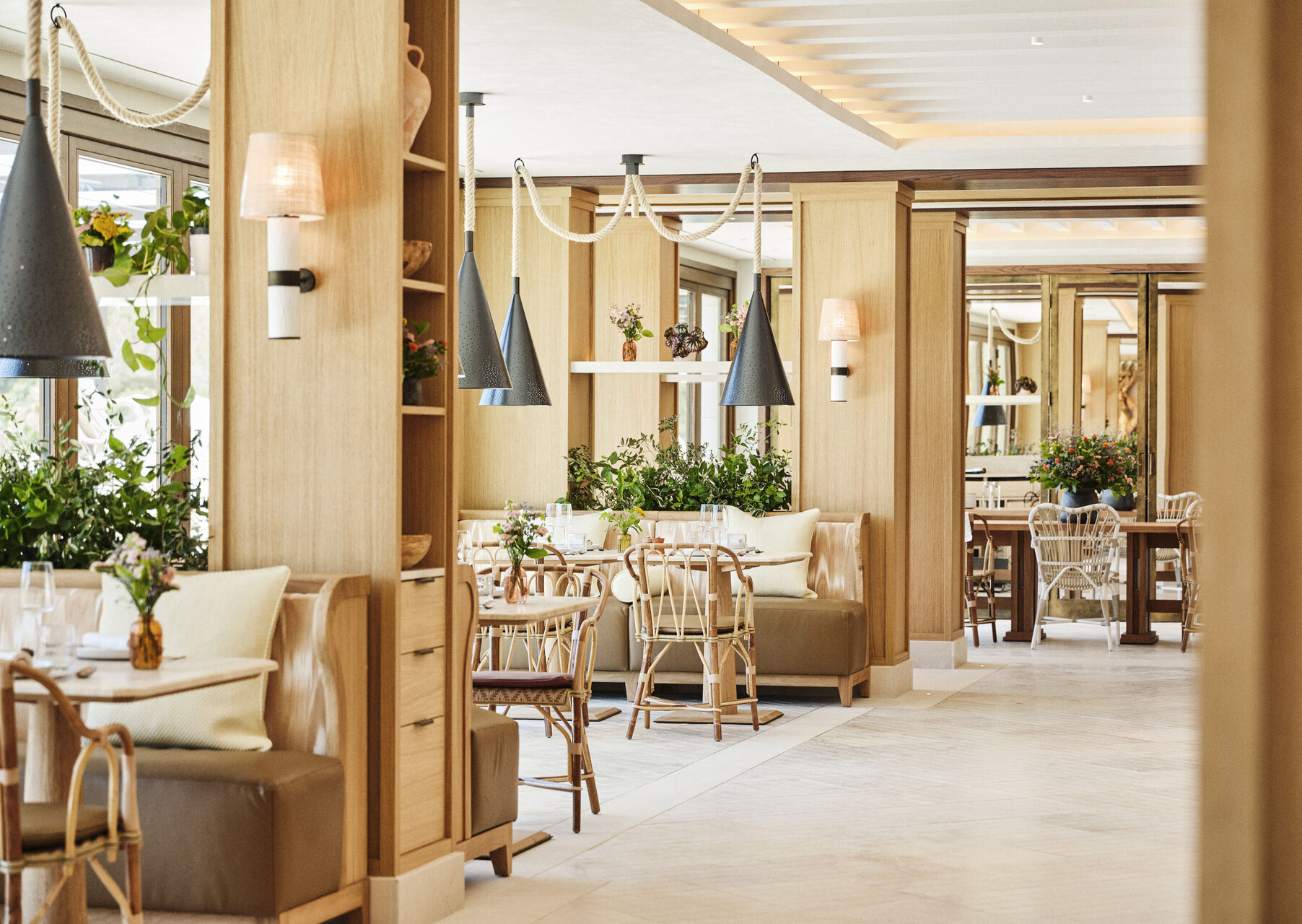
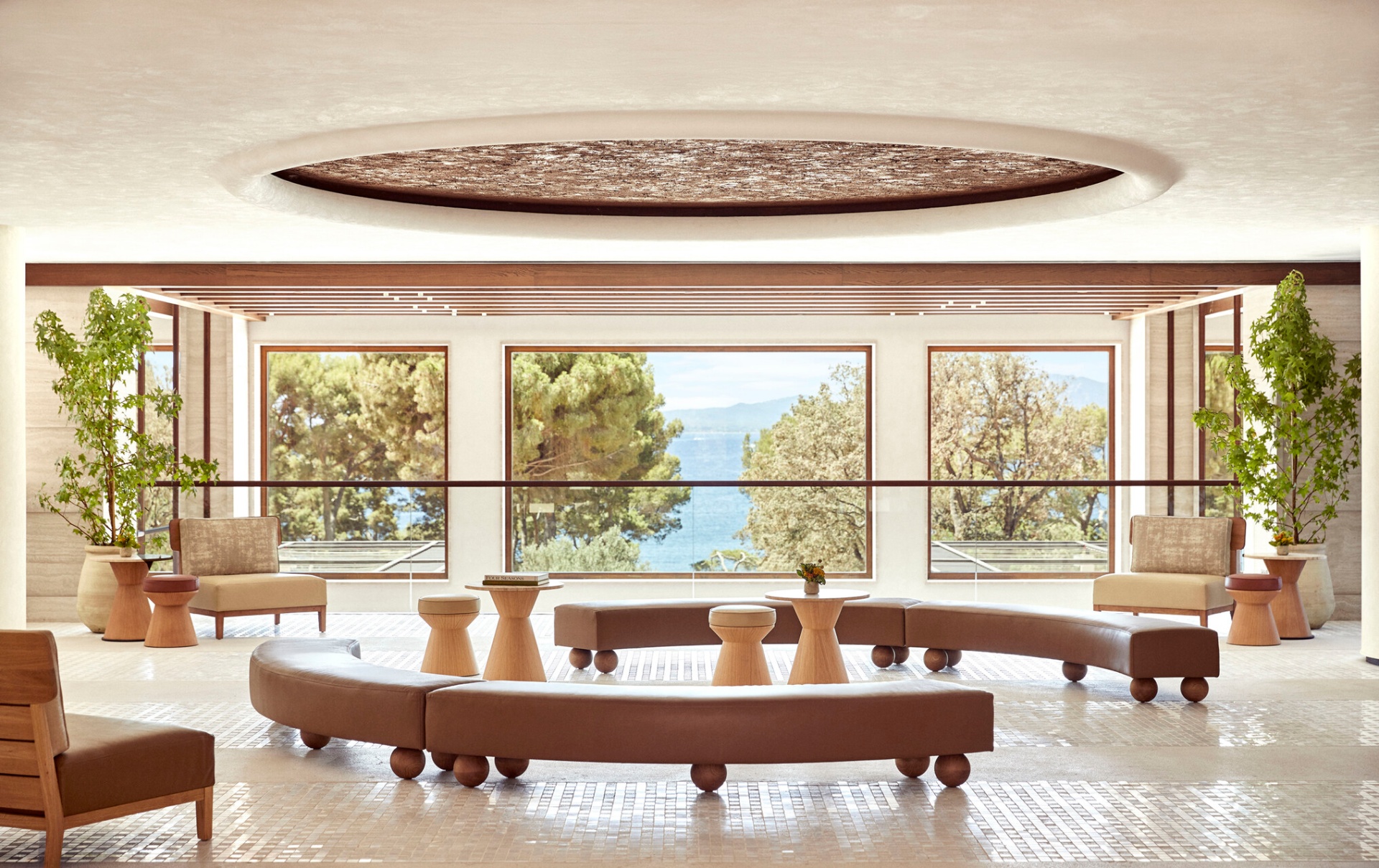
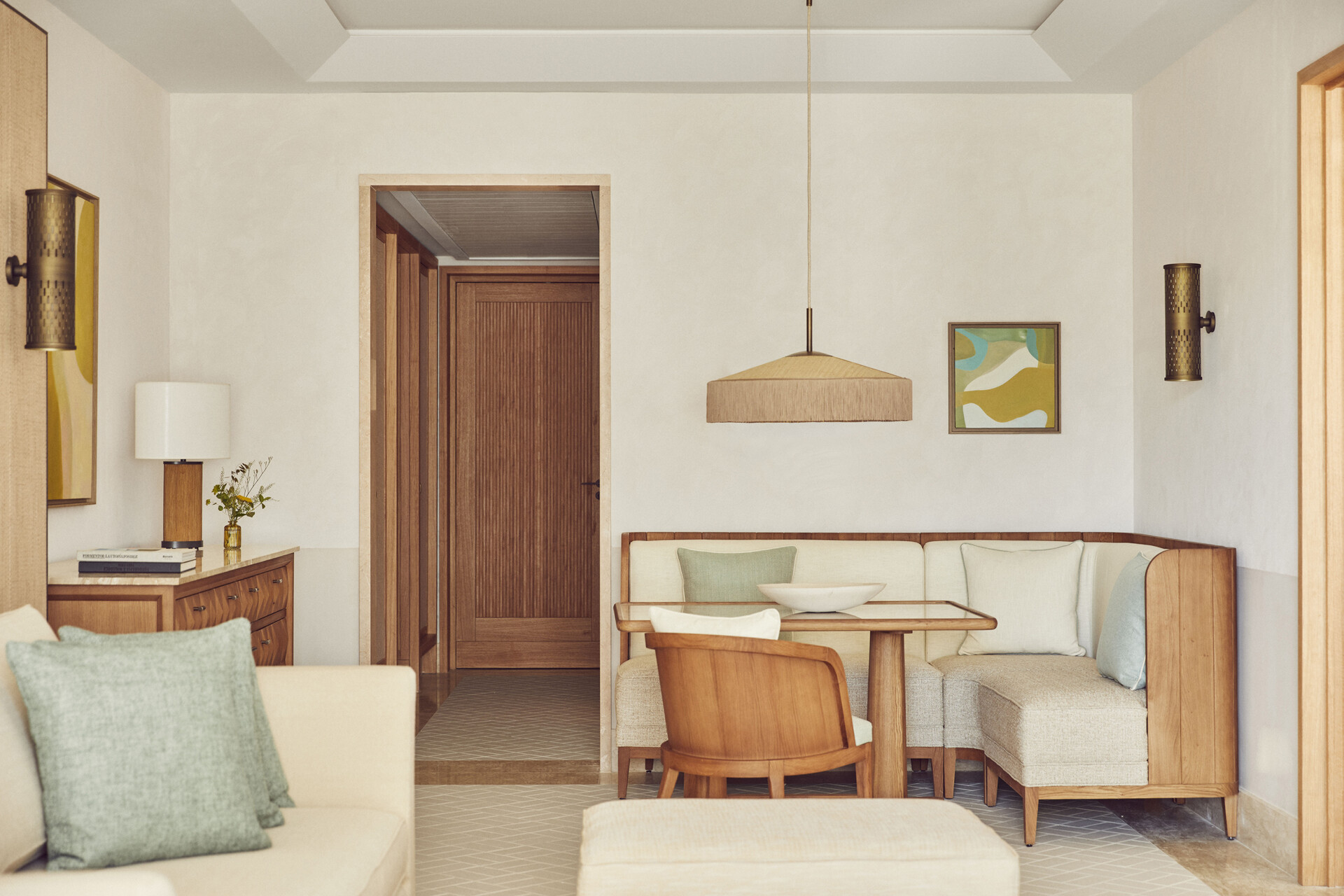
Neu ist die Ruhe im Innern. Helles Eichenholz, Kalkstein, Rattan, viel Tageslicht — nichts, was sich vordrängt. Wo früher Betrieb war, sitzt man heute auf großzügigen Terrassen und hört die Zikaden.
Das Haus ist groß genug für einen entspannten Betrieb und klein genug, dass man nach zwei Tagen erkannt wird. Für Familien ist es eine der wenigen Adressen im Mittelmeer, an denen Kinder und Erwachsene gleichermaßen zur Ruhe kommen.
Bucht und Pool
Ein Strand, den man nur über das Haus erreicht
Der Strand von Formentor liegt geschützt und fällt flach ab — angenehm für Kinder, angenehm für lange Vormittage. Kein Durchgangsverkehr, keine Strandbars in Reihe.
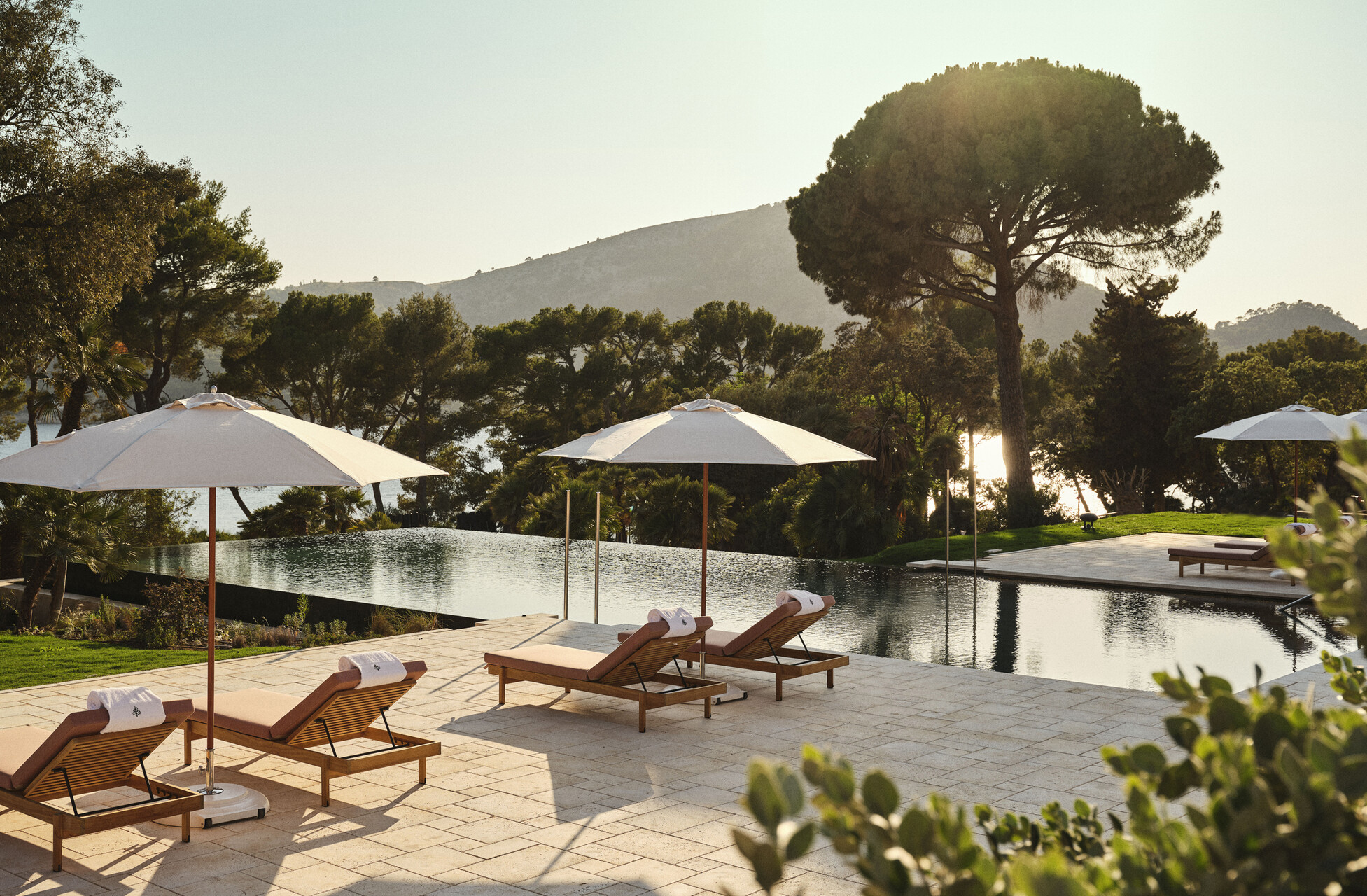
Der lange Pool liegt eine Terrasse höher zwischen Palmen; abends, wenn die Sonne hinter dem Bergrücken steht, ist er der schönste Platz des Hauses.
Tisch
Mallorquinische Küche, ohne Aufwand inszeniert
Gegessen wird hell und unkompliziert: Fisch aus Port de Pollença, Gemüse aus der Ebene, Öl von der Insel. Frühstück zieht sich hier gern bis in den späten Vormittag.
Abends beginnt der Tag noch einmal an der runden Bar in der Lobby — der Ort, an dem man im Haus tatsächlich ins Gespräch kommt.
Ruhe
Spa, Pinienwald und die eigene Terrasse
Der Spa arbeitet mit Kräutern der Insel und ist bewusst zurückhaltend gehalten. Wer lieber draußen ist, findet zwischen den Pinien Wege bis zum Leuchtturm von Formentor.
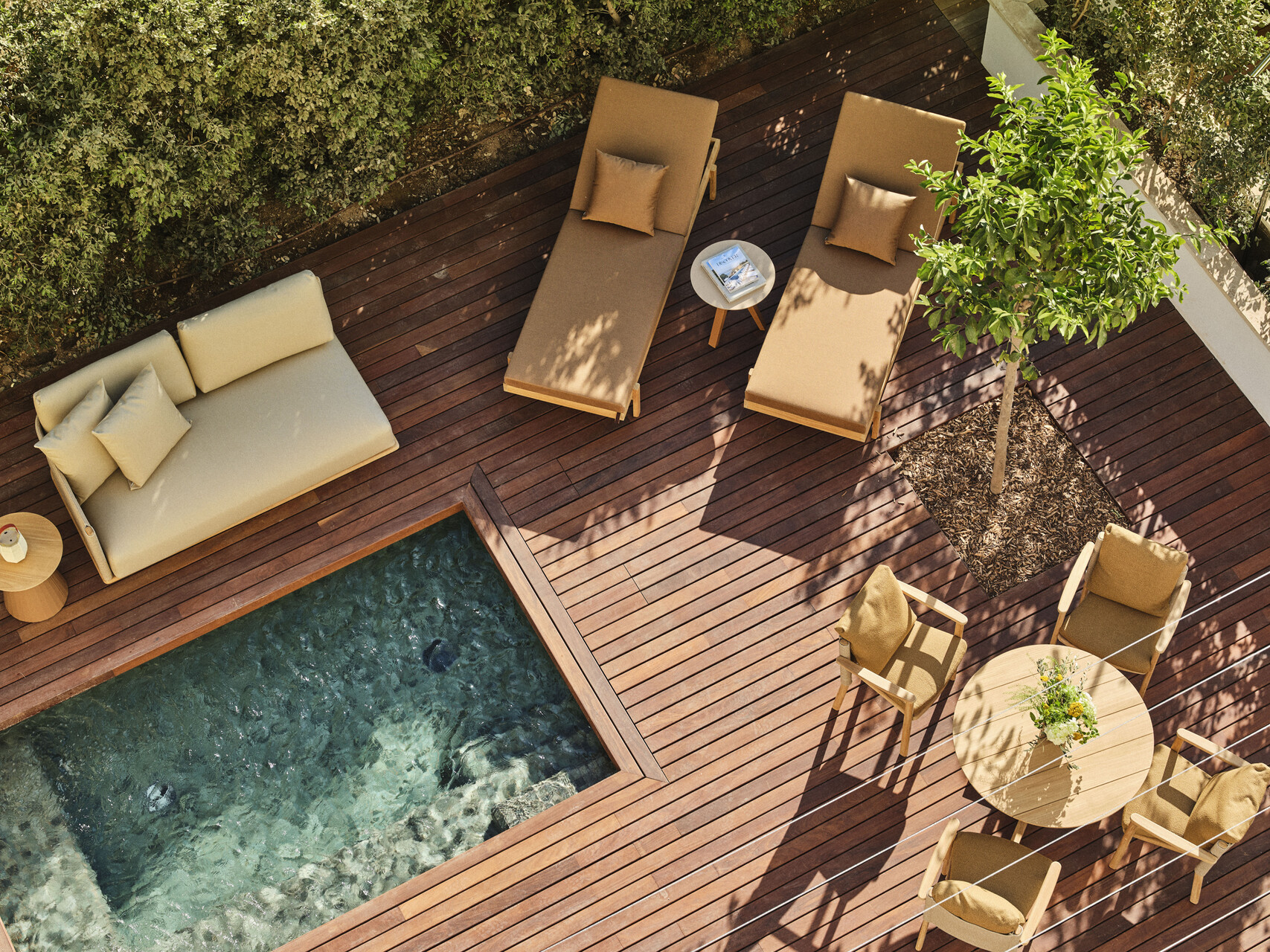
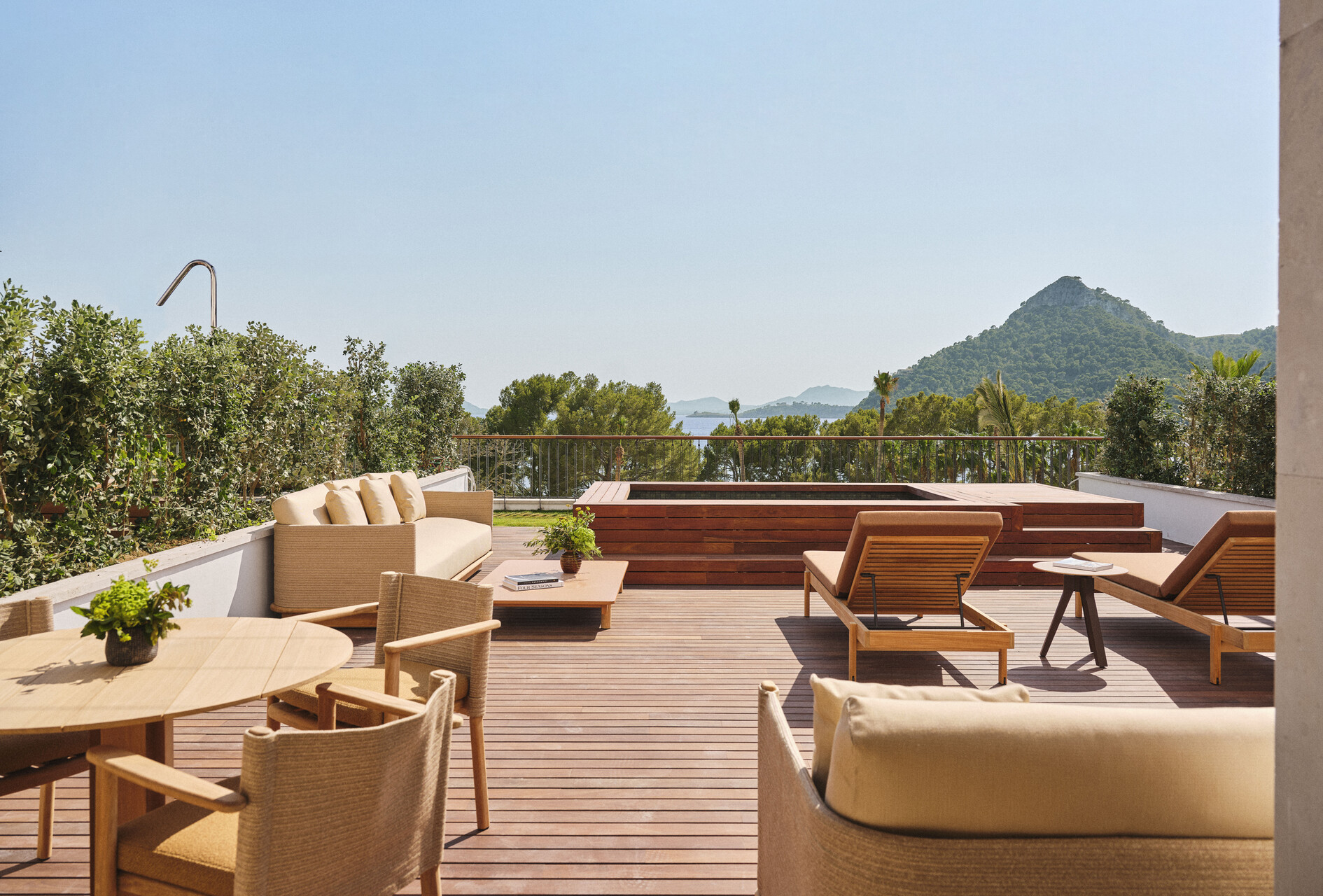
Die schönsten Rückzugsorte gehören ohnehin zu den Zimmern: private Tauchpools auf Holzdecks, Dachterrassen über den Baumkronen.
Wohnen
Unsere Empfehlung: ein Zimmer zur Bucht, nicht zum Garten.
Die Zimmer zum Meer blicken über die Pinien auf das Wasser und die Berge — dieser Blick trägt die ganze Woche. Gartenzimmer mit eigener Terrasse und Tauchpool sind die richtige Wahl für Familien, die tagsüber viel draußen sind. Die Suiten mit Dachterrasse lohnen sich, wenn Sie abends gern für sich bleiben.
Impressionen
Drei Bilder aus dem Haus
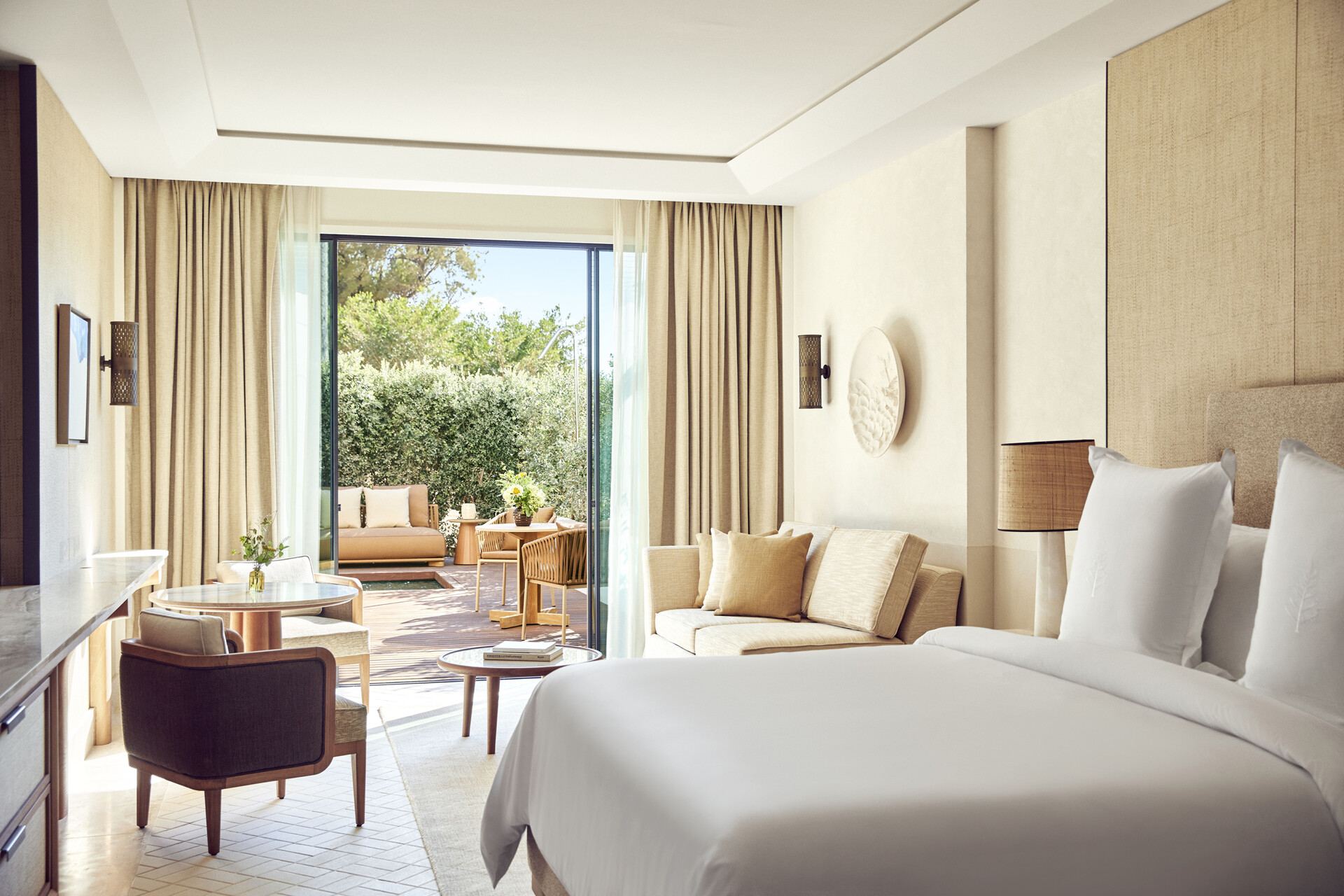
Fotografie: Four Seasons Resort Mallorca at Formentor
Unsere Einschätzung
Für wen — und wann
- Passt zu Familien und Paaren, die eine Woche an einem Ort bleiben möchten.
- Passt gut, wenn Strand, Pool und kurze Ausflüge in die Tramuntana zusammenkommen sollen.
- Passt weniger, wenn Sie abends Stadtleben und wechselnde Restaurants suchen — Palma liegt eine Stunde entfernt.
- Beste Zeit: Mai, Juni und September; im Hochsommer ist die Bucht voller, das Haus selbst bleibt ruhig.
- Fünf bis sieben Nächte; ein Mietwagen lohnt sich für Pollença, Alcúdia und die Küstenstraße nach Sóller.
Lage
Wo das Haus liegt
Das Haus liegt auf der Halbinsel Formentor im Nordosten Mallorcas, am Ende einer kurvigen Straße durch den Pinienwald.
- Nächster Flughafen
- Palma de Mallorca (PMI), rund eine Stunde mit dem Wagen.
- Anreise
- Transfer organisieren wir; für Ausflüge empfehlen wir zusätzlich einen Mietwagen.
- In Reichweite
- Pollença und Alcúdia in 20 bis 30 Minuten, Cap de Formentor in 20 Minuten.
Kartendaten: Google Maps
Eine persönliche Anfrage
Lassen Sie uns Ihre Tage in Formentor planen
Wir wählen Zimmerkategorie und Lage nach Ihrem Reiseanlass und kümmern uns um Transfer und Tische.
Häufig verbinden wir Formentor mit ein paar Nächten in Palma oder der Tramuntana.
Warum über Pure Voyage buchen?
- Persönliche Luxusreiseberatung
- Sorgfältig gewählte Hotelempfehlungen
- Ein Reiseplan, der zu Ihnen passt
- Partnervorteile, wo sie verfügbar sind
- Persönlicher Ansprechpartner von Anfang bis Ende
Unsere Einschätzung
Was wir über dieses Resort sagen würden
Four Seasons Mallorca at Formentor — Formentor, Mallorca
Passt besonders für
- Familien mit Bedarf an Strand und Pool
- Reisende, die Mallorca abseits des Südens kennen wollen
- Frühjahr und Herbst statt Hochsommer
Unser Lieblingsraum
Zimmer im Pinienflügel zur Bucht
Meerblick durch die Pinien statt frontal — schattiger, kühler und morgens deutlich leiser.
Wann hinreisen
Mai bis Juni und September bis Oktober. Juli und August bringen Verkehr auf der Landzunge.
Verwandte Erlebnisse
- Bootsfahrt entlang der Serra de Tramuntana
- Wanderung zum Leuchtturm vor dem Frühstück
- Ein Nachmittag in Pollença ohne Auto
Pure Voyage Atlas
Wohin dieser Ort führt
Der Atlas verbindet, was zusammengehört: die Region, die Kollektionen, die passende Reisezeit und die Hotels, die in derselben Erzählung stehen.
Die Region
In diesen Kollektionen
Passende Reisezeiten
Im Journal
Verwandte Hotels
Weiter in der Kollektion
Ebenfalls empfohlen
Adressen, die Gäste dieses Hotels erfahrungsgemäss ebenfalls schätzen — als Fortsetzung derselben Reise oder als Gegenstück dazu.
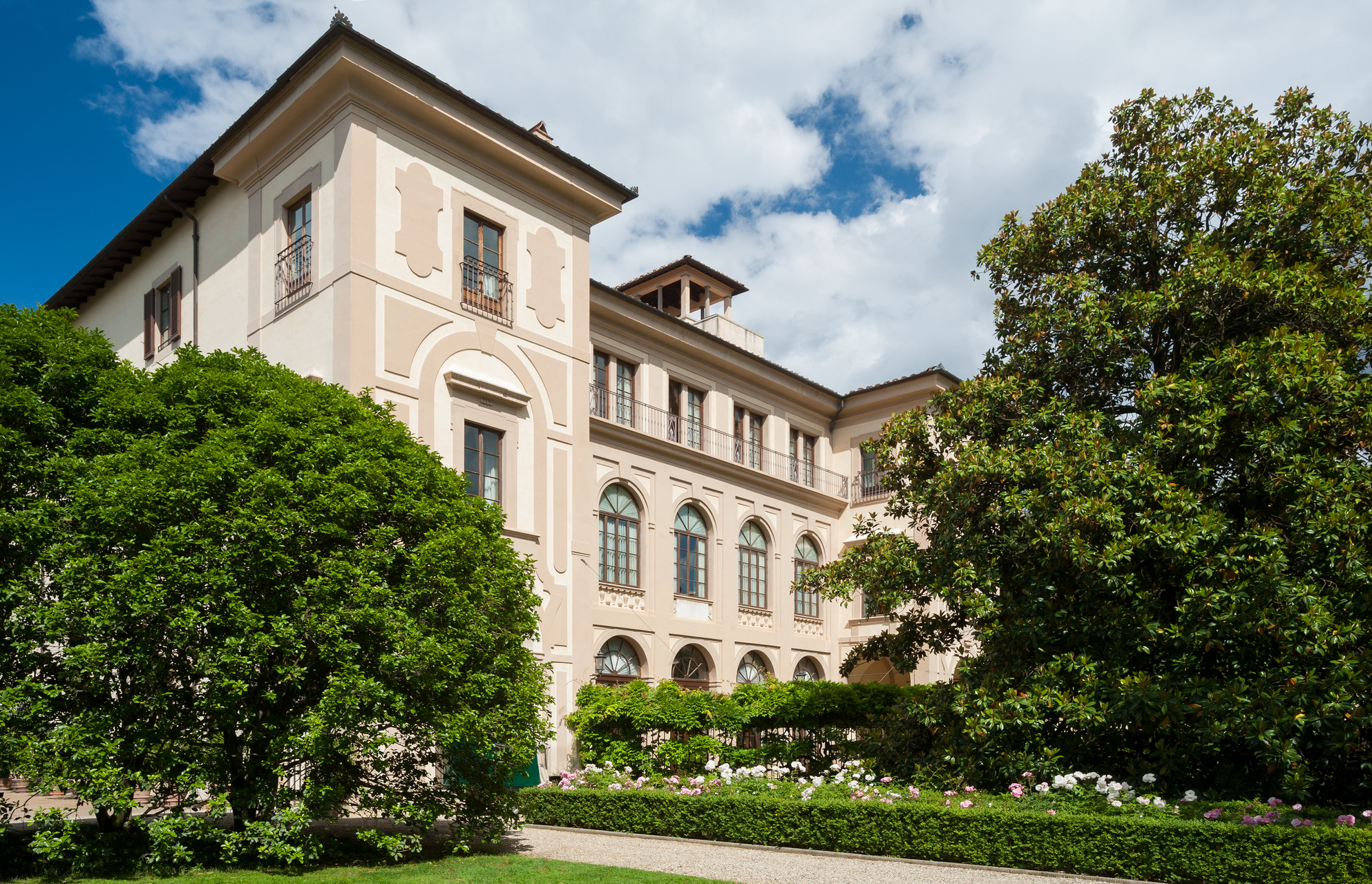
Florenz, Toskana
Four Seasons Firenze
Ein Renaissance-Palazzo mit elf Hektar Garten dahinter — Florenz zu Fuss, Stille beim Frühstück.
Empfohlene Dauer: Drei bis vier Nächte
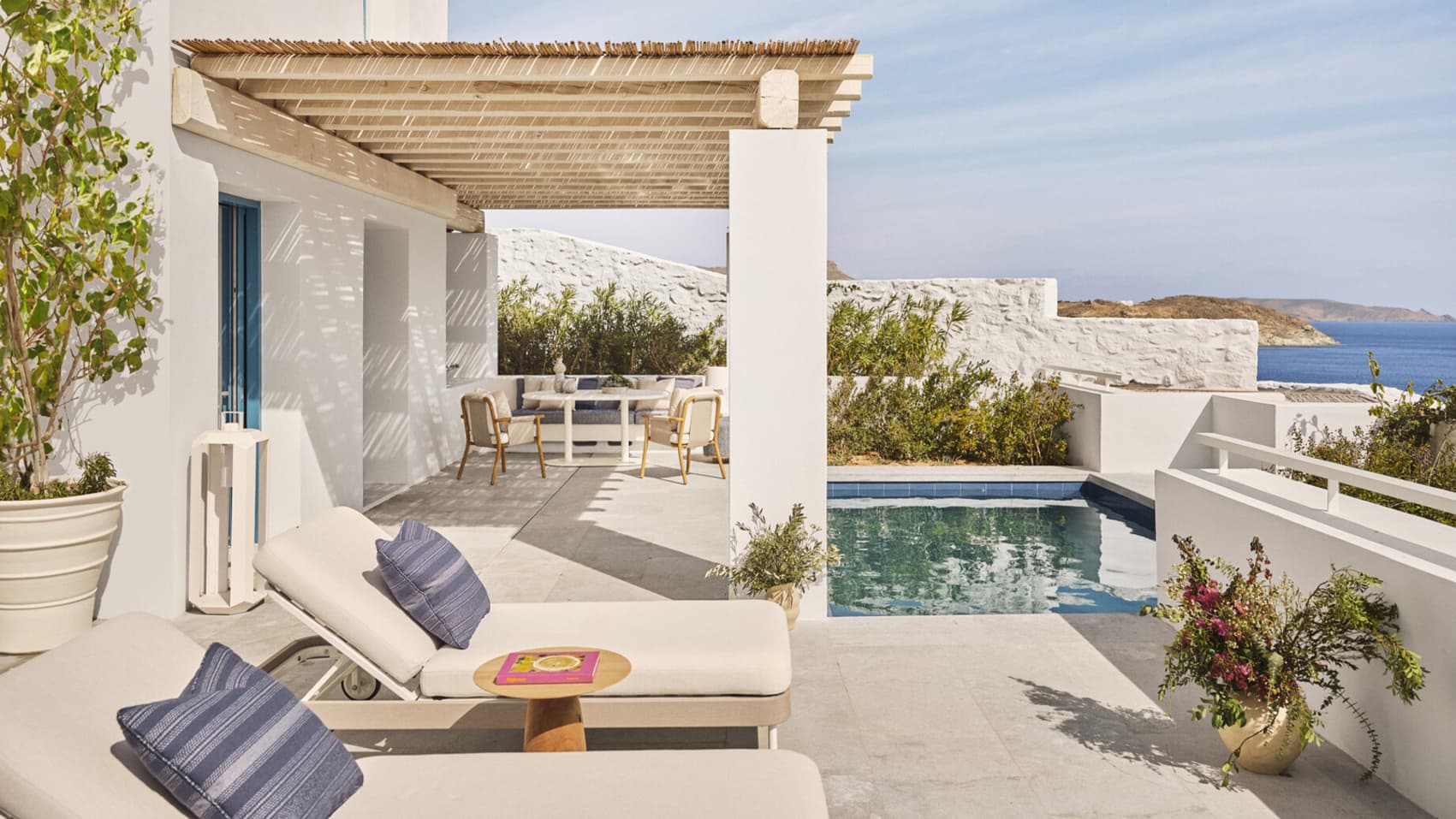
Mykonos, Kykladen
Four Seasons Mykonos
Mykonos an einer ruhigen Südbucht: kykladische Bauweise, weite Terrassen, kurze Wege zum Wasser.
Empfohlene Dauer: Vier bis fünf Nächte
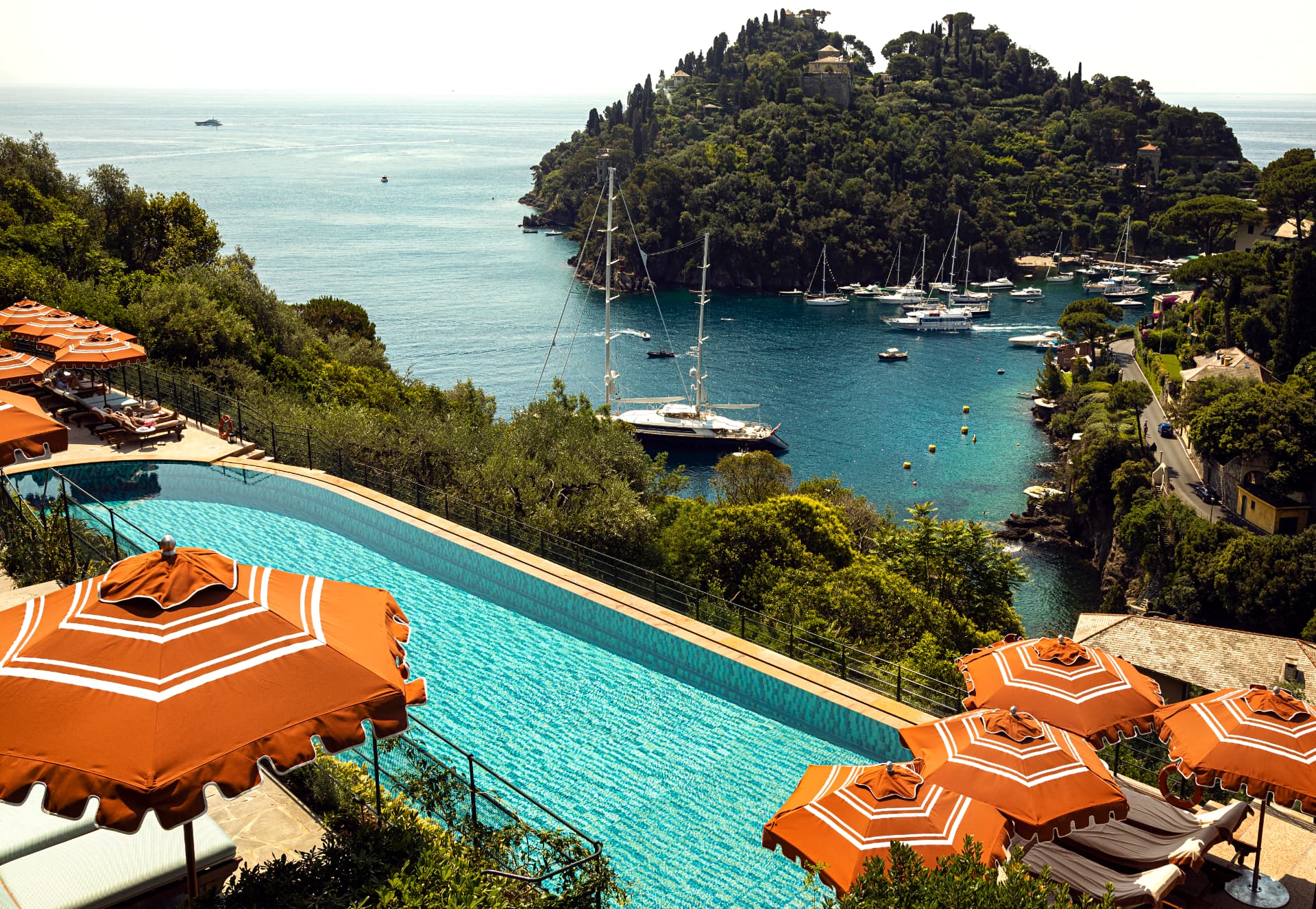
Portofino, Ligurien
Belmond Splendido
Ein ehemaliges Kloster über der Bucht von Portofino, seit den Dreissigern von denselben Familien wiederbesucht.
Empfohlene Dauer: Vier Nächte
In ähnlichem Geist
Was dieselbe Haltung teilt
Nicht das Ähnlichste, sondern das Naheliegendste: Orte, Wege und Texte, die zu dieser Art zu reisen gehören.
- HotelCap RocatMallorcaEin Resort, das wir im selben Gespräch nennen würden.
- JourneyAndalusien über LandSevilla, Ronda, Sierra de Grazalema, CádizEin Weg, der zu dieser Art zu reisen passt.
- DestinationSpanienEin Land, das im Frühjahr eine andere Reise ist als im August.Das Land dahinter — wie sich alles verbinden lässt.
- EmpfehlungQuiet LuxuryHotels, die nichts beweisen müssen.Unsere Auswahl für Reisende mit dieser Haltung.
- JournalWelches Aman passt zu Ihnen?9 MinutenEin Text, der diesen Gedanken weiterführt.
Häufige Fragen
Was Gäste uns dazu fragen
- Wie wählt Pure Voyage die Resorts aus?
- Wir empfehlen nur Hotels, die wir aus eigener Erfahrung, aus der Recherche und aus dem Rückblick unserer Gäste einschätzen können. Entscheidend sind Lage, Haltung und Verlässlichkeit im Alltag — nicht Sterne und nicht Ausstattungslisten.
- Kostet die Buchung über Pure Voyage mehr?
- Nein. Sie zahlen die Rate des Hauses. Über unsere Partnerprogramme kommen in vielen Adressen Leistungen hinzu — Frühstück, ein Guthaben, ein späterer Check-out oder ein besseres Zimmer, wenn verfügbar.
- Welches Zimmer sollte man buchen?
- Fast überall gibt es eine Kategorie, die deutlich mehr bringt als ihr Aufpreis — und eine, die sich nicht lohnt. Auf jeder Hausseite steht unter „Unser Lieblingszimmer“, welche wir nehmen würden.
Weiter im Pure Voyage Universum
Was als Nächstes passt
Kein Katalog, sondern der nächste Schritt: die Hotels, Wege, Länder und Texte, die wir im Gespräch an dieser Stelle nennen würden.
Journeys
Wege, die diese Region erschliessen.
Destinationen
Das Land im Überblick.
Empfehlungen
Was wir für diesen Anlass vorschlagen.
Journal
Weiterlesen, bevor Sie entscheiden.

Eine Einladung
Einmal im Monat: Hotels, Neueröffnungen und Reiseideen
Ein Hotel, das uns überzeugt hat. Eine Neueröffnung, die wir im Blick haben. Und eine Reiseidee zur richtigen Jahreszeit. Sorgfältig ausgewählt und auf das Wesentliche reduziert.