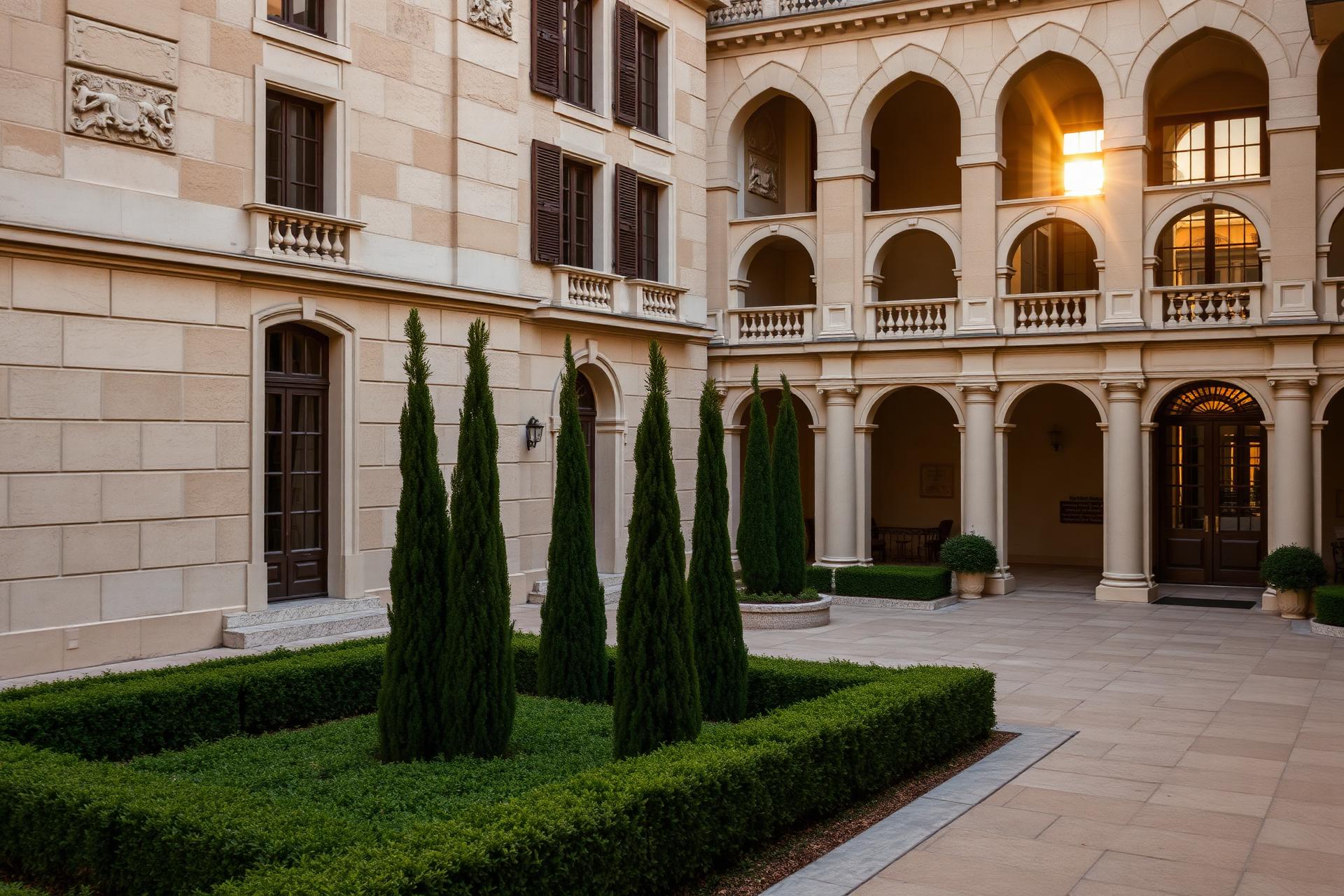

Limestone arcaded hotel courtyard with clipped hedges and cypresses in golden hour light

Luxury Hotels — House No. 04

Four Seasons

The reassurance of a thing done properly, in every hour of the day — a standard carried across continents by people rather than by design.

An Introduction

A house that built its reputation on the least photogenic thing in hospitality: consistency.

It began with a small motor hotel in Toronto and an unfashionable conviction — that the thing guests remember is not the marble but the manner. Six decades later the buildings could hardly be less alike: a Renaissance palazzo in Florence, a rainforest bay in Malaysia, an apartment building on the rue Pierre Charron with a courtyard that stays warm in November.

What connects them is not an aesthetic. It is a way of being received. Someone remembers that you take your coffee before you speak, and that you asked about the market on Tuesday. The room is quiet, the bed is right, and nothing arrives with a flourish.

The Philosophy

Craftsmanship, worn lightly

Luxury here is a matter of execution rather than announcement. A door that closes without sound, a corridor lit so that nobody has to squint at four in the morning, linen pressed by someone who has done it for twenty years and would notice if it were not right.

The restorations follow the same instinct. In Florence the frescoes took seven years and are left, in places, unfinished where the plaster had gone. In Formentor the 1929 proportions were kept and the additions made quiet enough to disappear. Nothing is improved for the sake of improvement.

And the service, which is the real architecture of the group, is trained rather than scripted. Staff are given the latitude to act, which is why the gestures feel like personal judgement instead of policy — and why they are so difficult to imitate.

The finest work in a great house is the work you never see being done.

Featured Houses

Six houses, one standard

A Renaissance palazzo, a rainforest bay, a Parisian palace, a Pacific motu, a Mediterranean grand hotel and a corner of old Madrid.

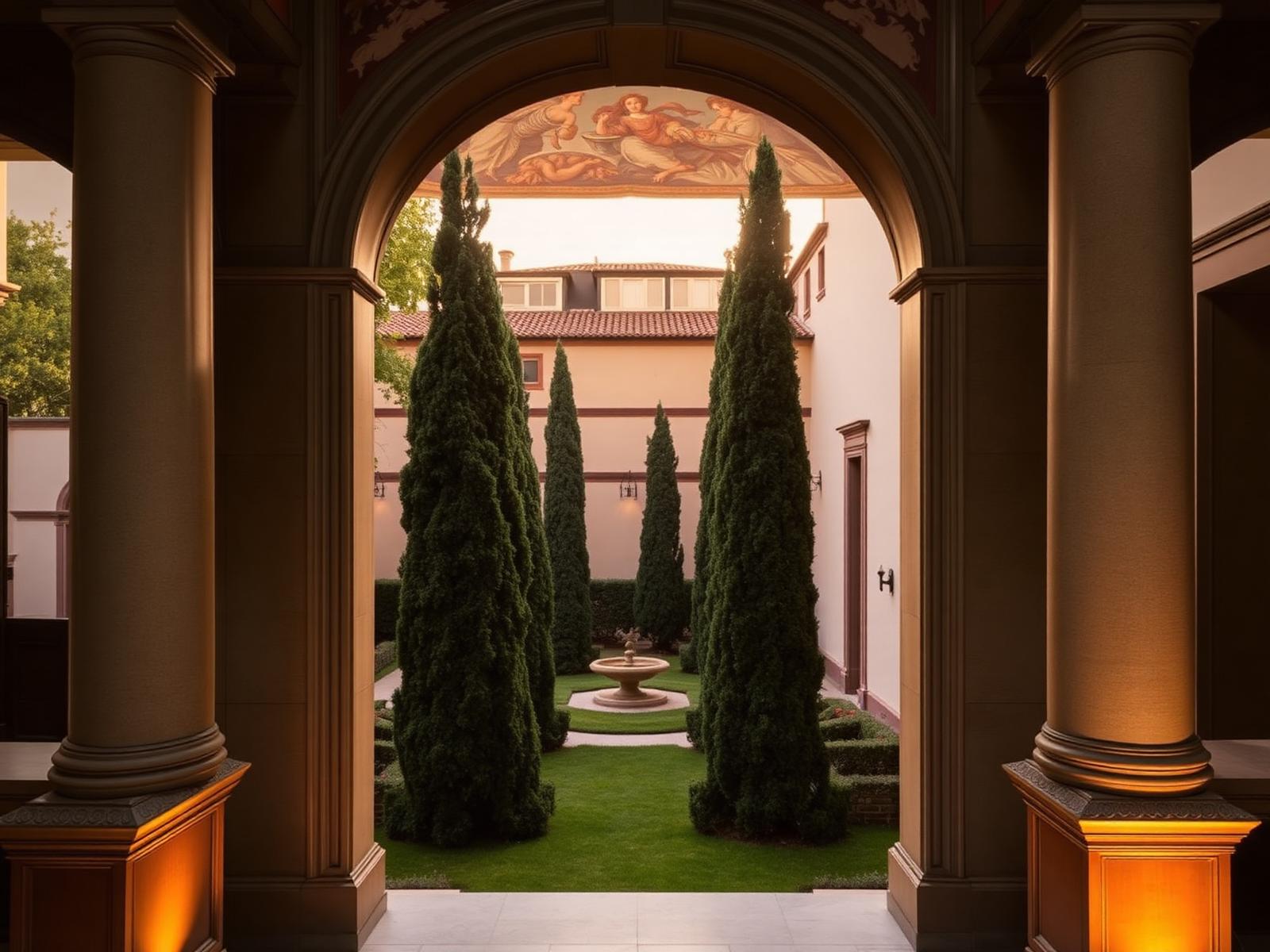
Frescoed loggia of a Renaissance palazzo opening onto a private walled garden with cypresses at dusk

No. 01Florence, Italy

Four Seasons Firenze

A fifteenth-century palazzo and the largest private garden in the city, kept behind a wall most Florentines walk past without noticing. Restorers spent seven years on the frescoes and stucco; the result is a house that wears its scholarship lightly. In the evening the garden empties and the city noise stops at the gate.

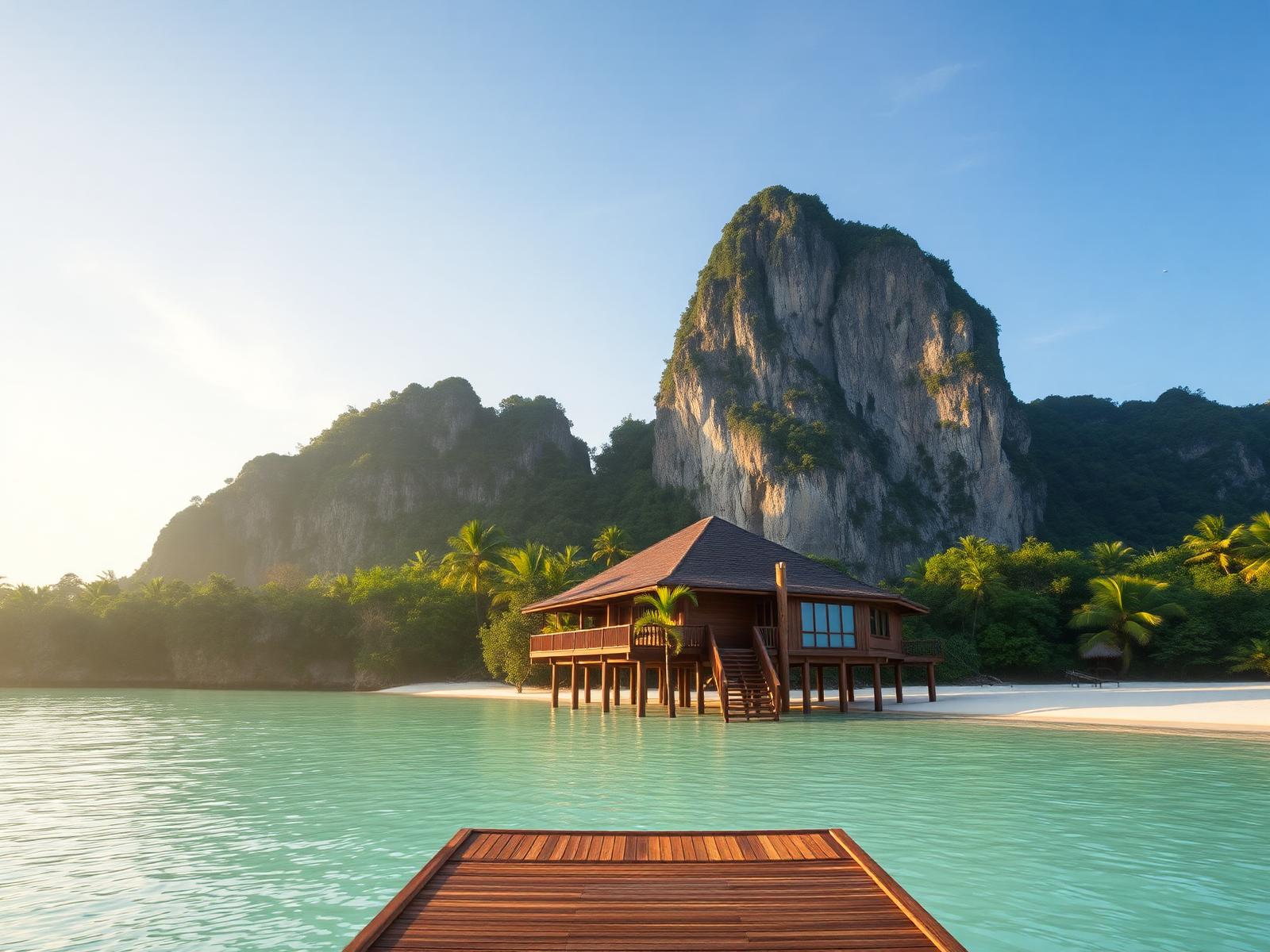
Timber villa on stilts beside a white sand bay with limestone karst cliffs behind in morning light

No. 02Andaman Sea, Malaysia

Four Seasons Langkawi

Built into a strip of rainforest between limestone cliffs and a bay the colour of green glass. The pavilions are Moorish in plan and tropical in temperament, and the naturalists who work here can tell you which hornbill is which before it has finished crossing the water.

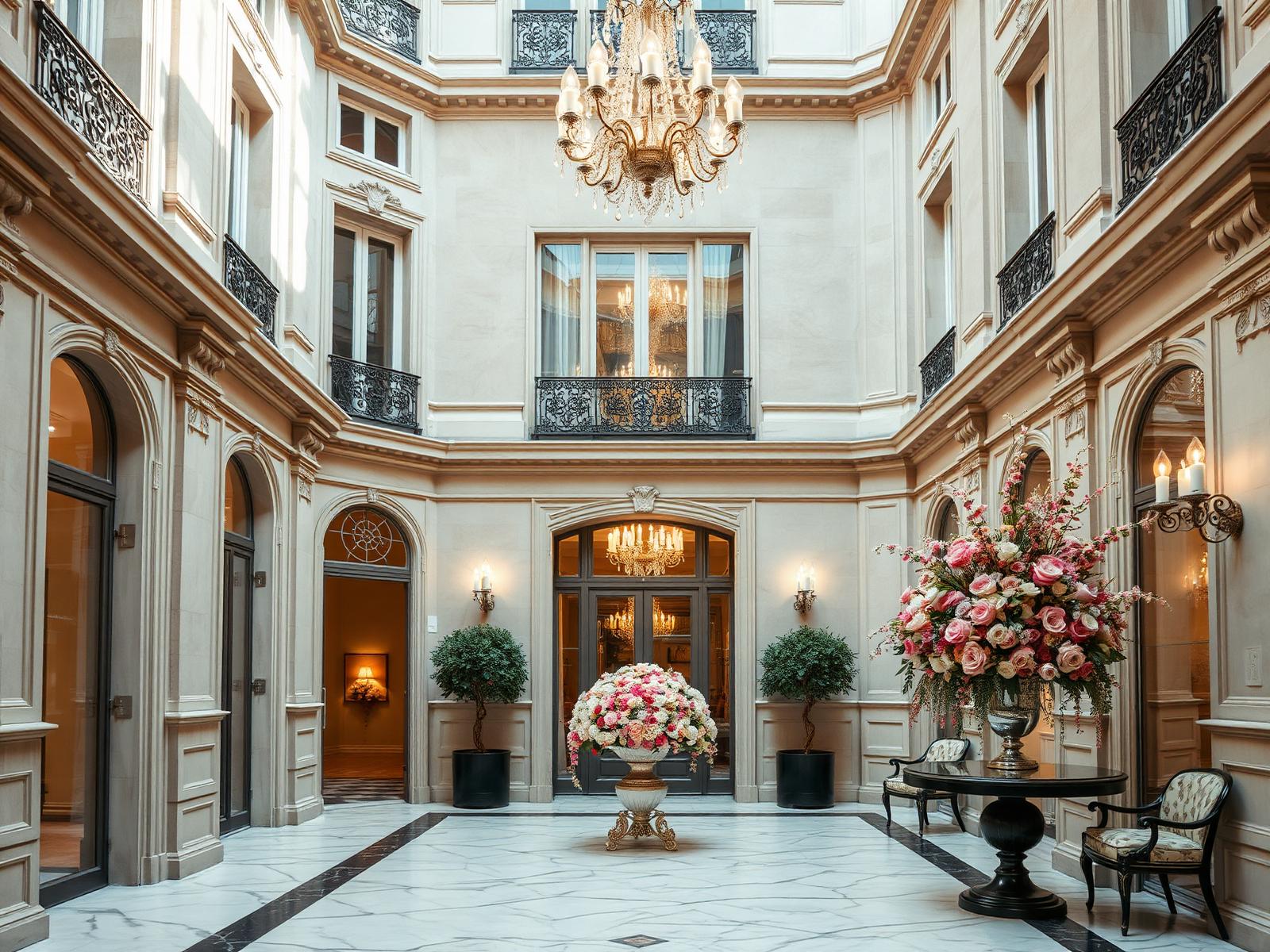
Marble courtyard of a Parisian palace hotel with limestone facades, chandelier and large floral arrangement

No. 03Paris, France

Four Seasons George V

An address that has been receiving people since 1928, and still keeps the manners of that decade. Flowers are rebuilt from scratch each week, the courtyard is warm in November, and the staff have an old Parisian gift for knowing your name without ever appearing to have learned it.

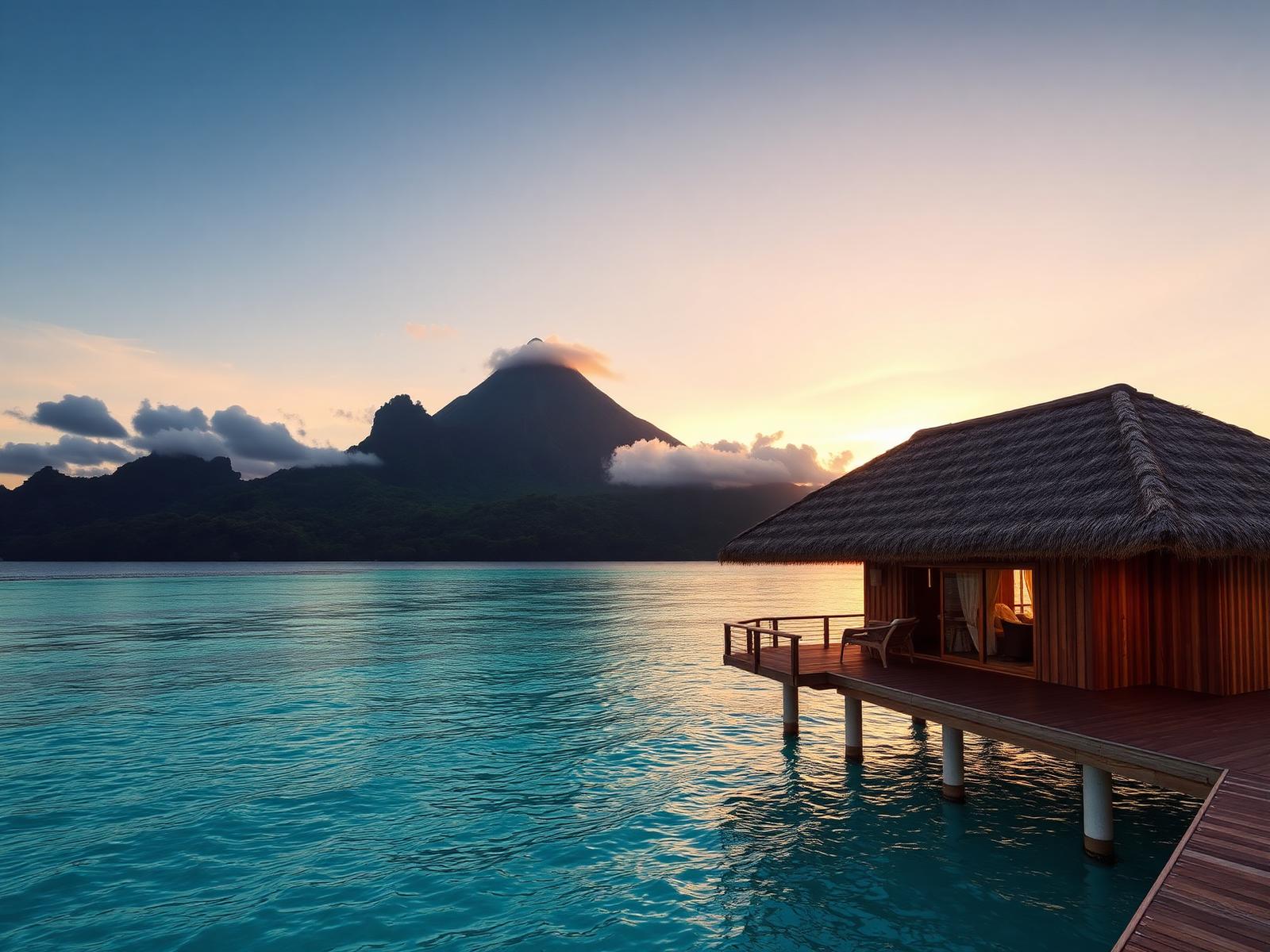
Thatched overwater bungalow on a turquoise lagoon with a volcanic peak silhouetted at sunset

No. 04Motu Tehotu, French Polynesia

Four Seasons Bora Bora

A private motu facing the great volcanic cone across a lagoon that changes character hourly. Thatch, timber, water underfoot through a glass panel in the floor. It is the most photographed view in the Pacific, and yet by the second morning you stop looking at it and simply live beside it.

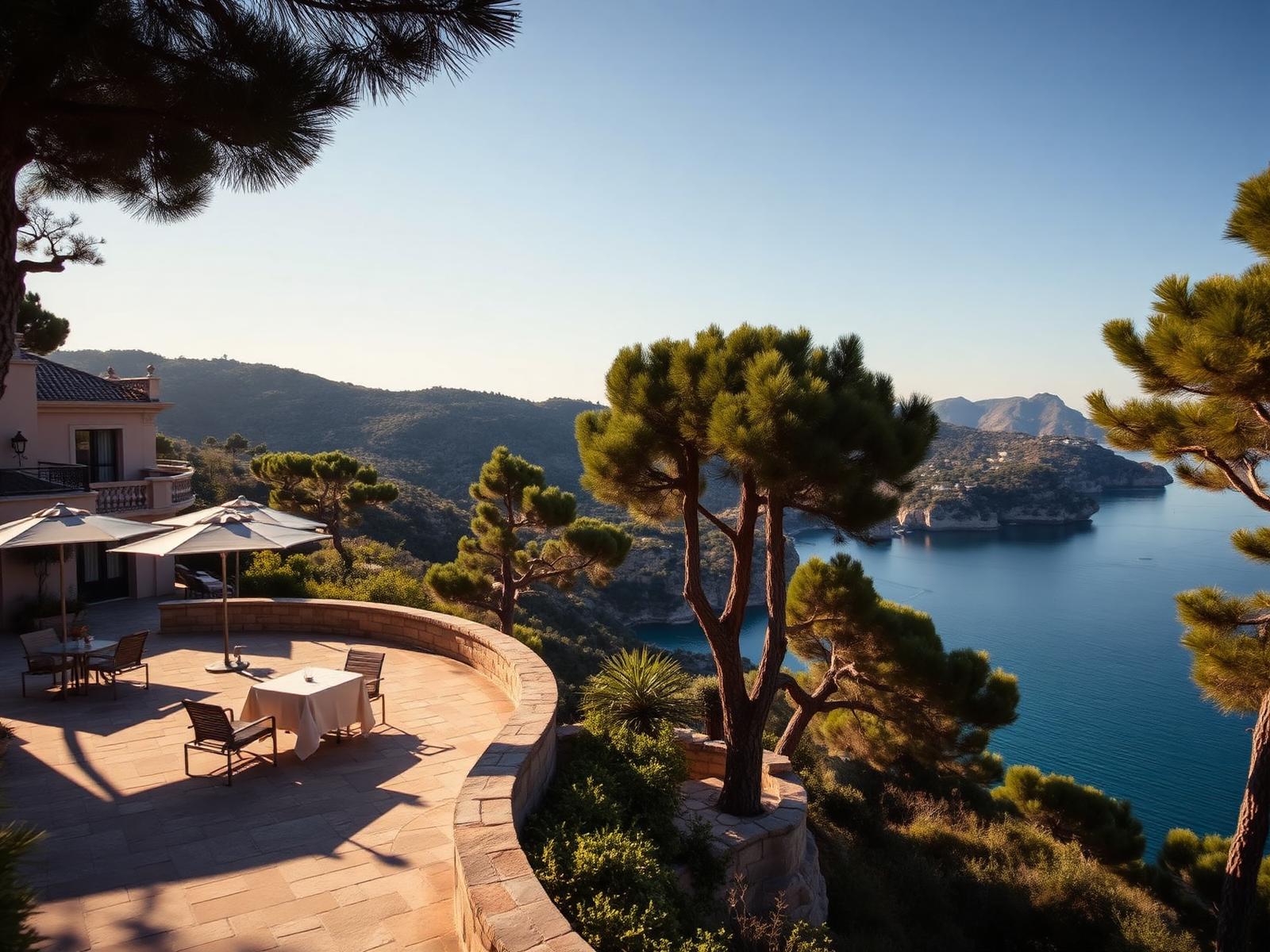
Stone terrace of a Mediterranean grand hotel among umbrella pines above a crescent bay

No. 05Formentor, Spain

Four Seasons Mallorca at Formentor

The 1929 grand hotel of the peninsula, returned to itself after a long and careful restoration. Umbrella pines, a crescent of sand below, and the pale limestone light that brought writers here in the first place. The terrace at seven is the whole argument for the place.

Read the House
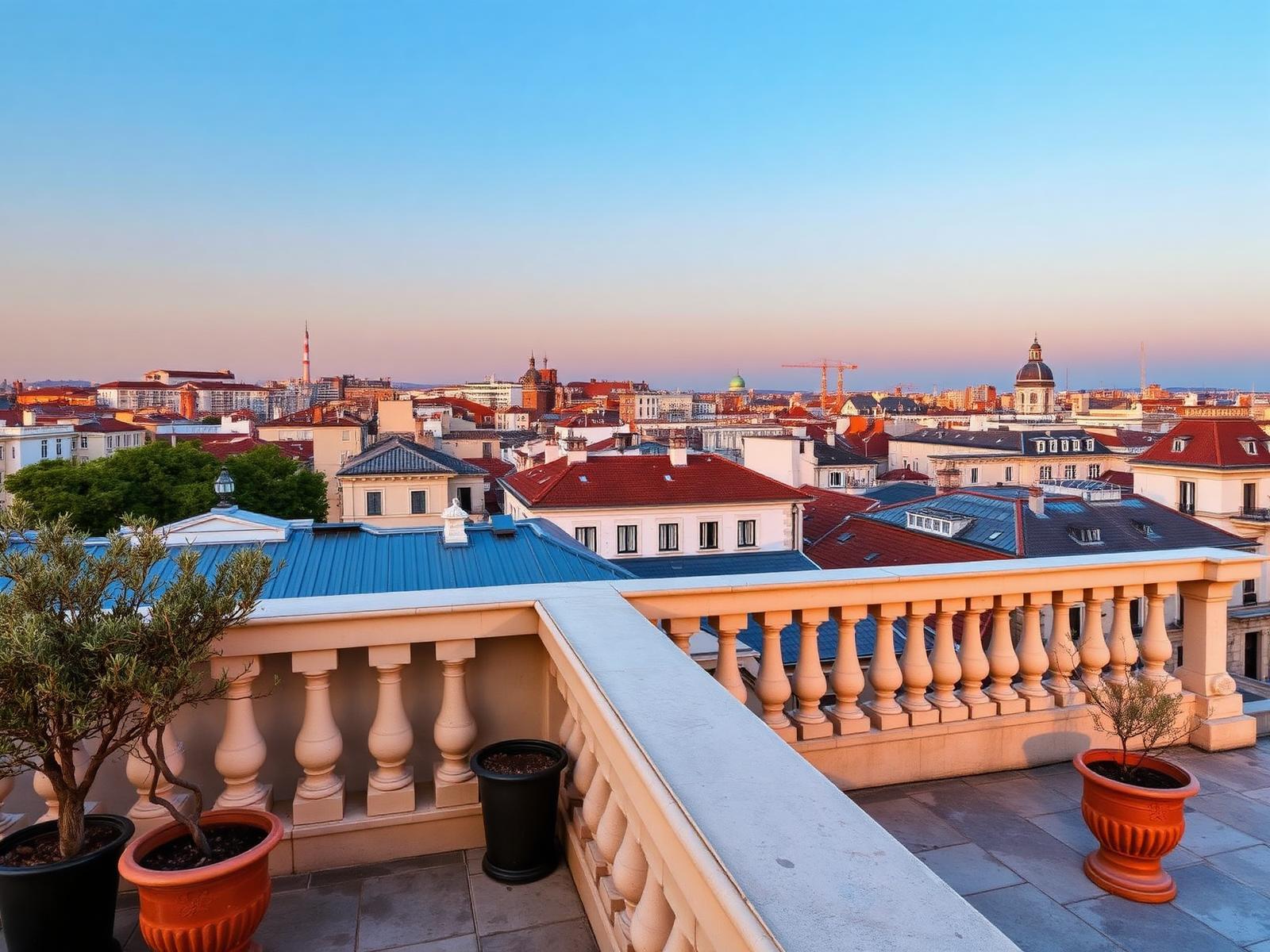
Rooftop terrace with limestone balustrade and potted olive trees above Madrid rooftops at golden hour

No. 06Madrid, Spain

Four Seasons Madrid

Seven historic buildings drawn into one house at the corner of Sevilla and Alcalá, with the original ironwork and cornices kept where they stood. The roof looks over tiled rooftops towards the Prado, and the city's habit of dining late suits it perfectly.

Where They Are

A wide map, evenly kept

The houses below are the ones we know well. What travels between them is not a look but a standard — the same care in a rainforest as on the rue Pierre Charron.

  • Europe

    • Florence
    • Paris
    • Madrid
    • Formentor
    • Lisbon
    • Milan
  • Asia

    • Langkawi
    • Kyoto
    • Bangkok
    • Bali at Sayan
  • The Americas

    • New York
    • Napa Valley
    • Punta Mita
    • Costa Rica
  • Elsewhere

    • Bora Bora
    • Marrakech
    • Serengeti
    • Maldives

From the Journal

Written along the way

All stories
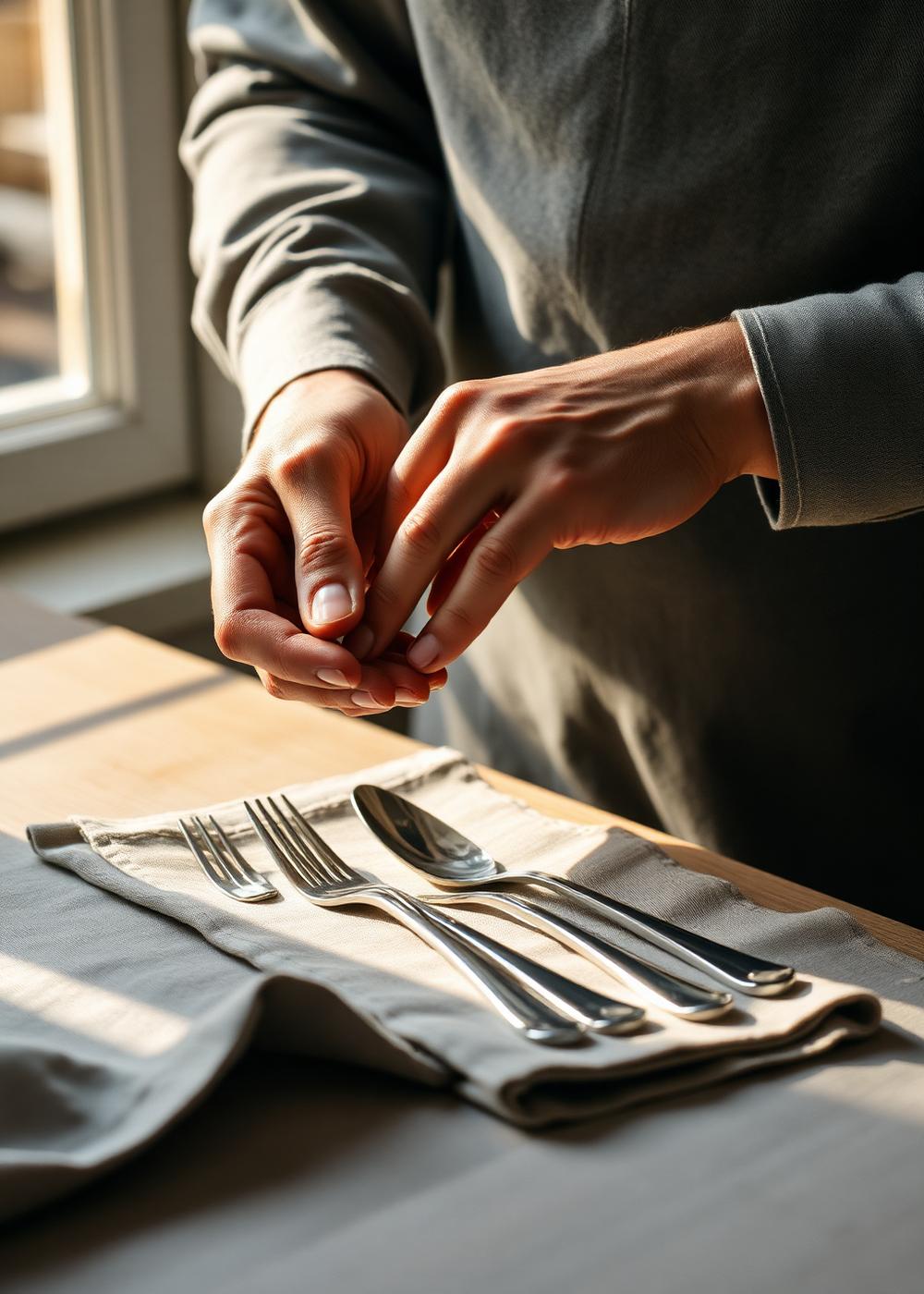
  • Hands polishing silver cutlery laid on grey linen in warm window light

    The Craft Behind the Calm

    ServiceJuly 2026

    On the rehearsed, invisible work that makes a dining room feel effortless — and why the best of it is never noticed.

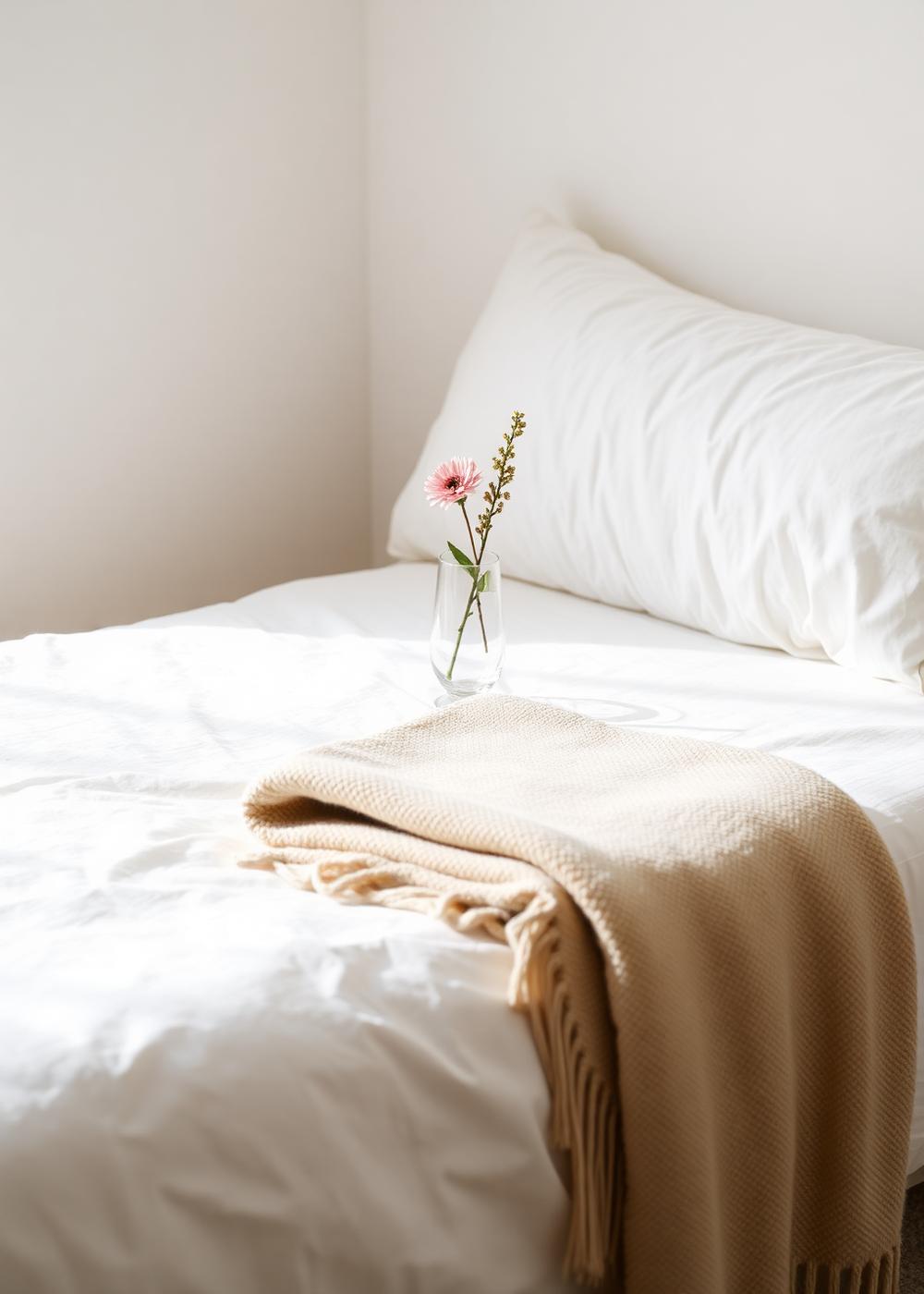
  • Turned-down bed corner in white linen with a folded wool throw and a single stem in a glass

    What a Room Should Remember

    RoomsJune 2026

    Turndown, temperature, the height of a bedside lamp: the small decisions that decide how you sleep on the first night.

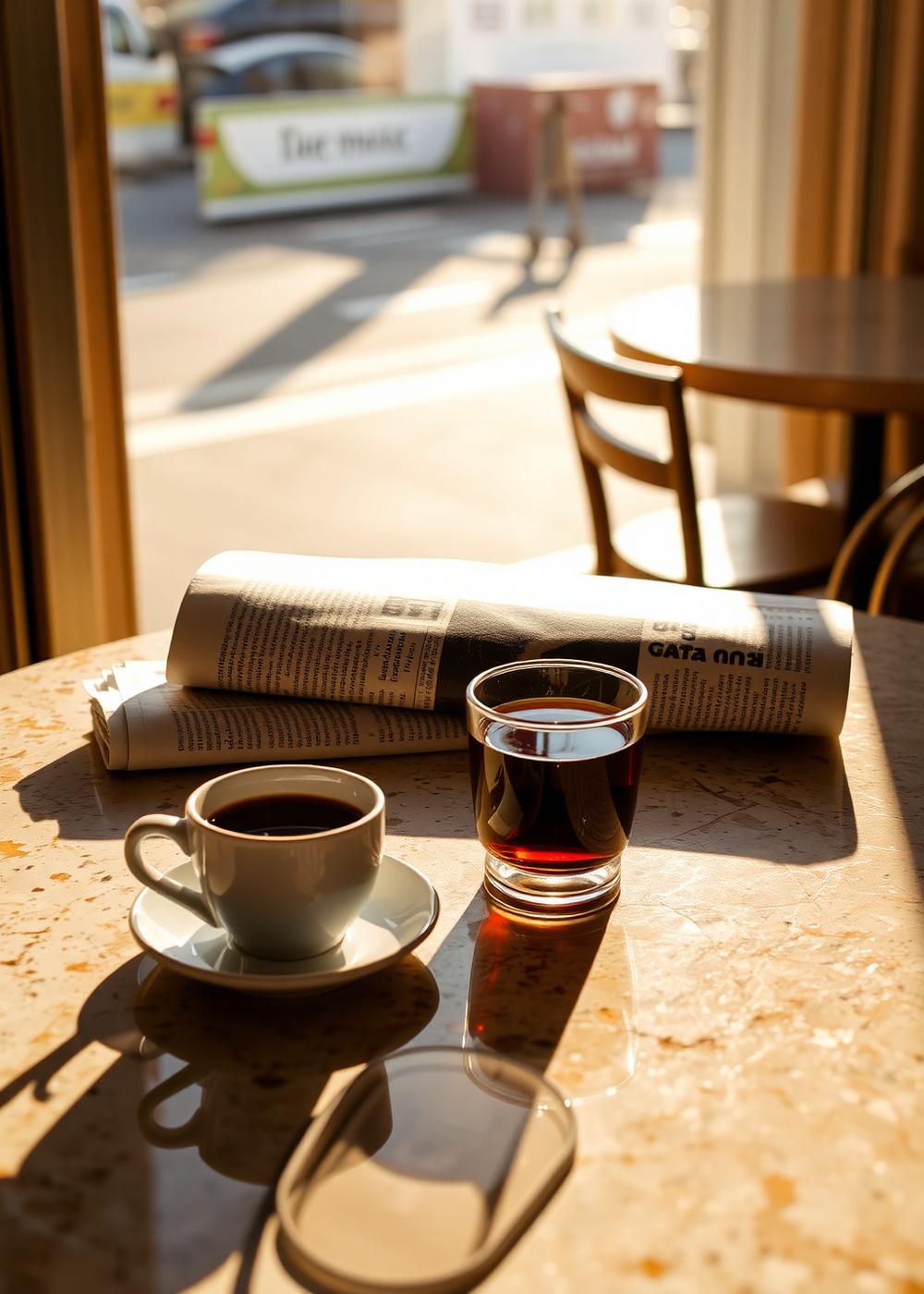
  • Espresso cup and folded newspaper on a travertine café table in early morning sun

    A City, Before Nine

    TravelMay 2026

    Madrid, Florence and Paris in the hour when the streets still belong to the people who work in them.

Maison Voyage Recommends

If you go once, go to Firenze in the last week of October.

The crowds have thinned, the garden turns and the city returns to its own scale. Ask for a room facing the giardino, walk to the Brancacci before it opens, and keep the evening free. Dinner on the loggia, with the wall doing its old work of keeping Florence outside, is the part you will describe to people afterwards.

Ben Trousil, Founding Editor

Questions

The things readers ask us most

What separates one Four Seasons house from another?
The building and the city, almost entirely. The service standard travels; the architecture does not. A palazzo in Florence and a motu in the Pacific share a temperament rather than a look.
Which house would you suggest for a first stay?
Firenze, if you want to understand the idea in one weekend — a great house, a great garden, and a city that rewards walking. George V if you would rather see the service at its most practised.
Is the formality heavy?
Less than the photographs suggest. Even at the most classical addresses the tone is warm rather than starched, and nobody minds if you come back from the market with your arms full.
When is the light at its best?
Florence in the last week of October, Mallorca in early June before the coast fills, Paris in the grey blue of late January, Bora Bora in the dry months from May onwards.
Does Maison Voyage take a commission?
No. We are an editorial house, not an agency. Nothing on this page has been paid for, and every house here has been stayed in by one of our editors.

An Invitation

Continue the Journey

One letter each month: a place worth the detour, an object worth keeping, a page worth reading slowly. Nothing more.