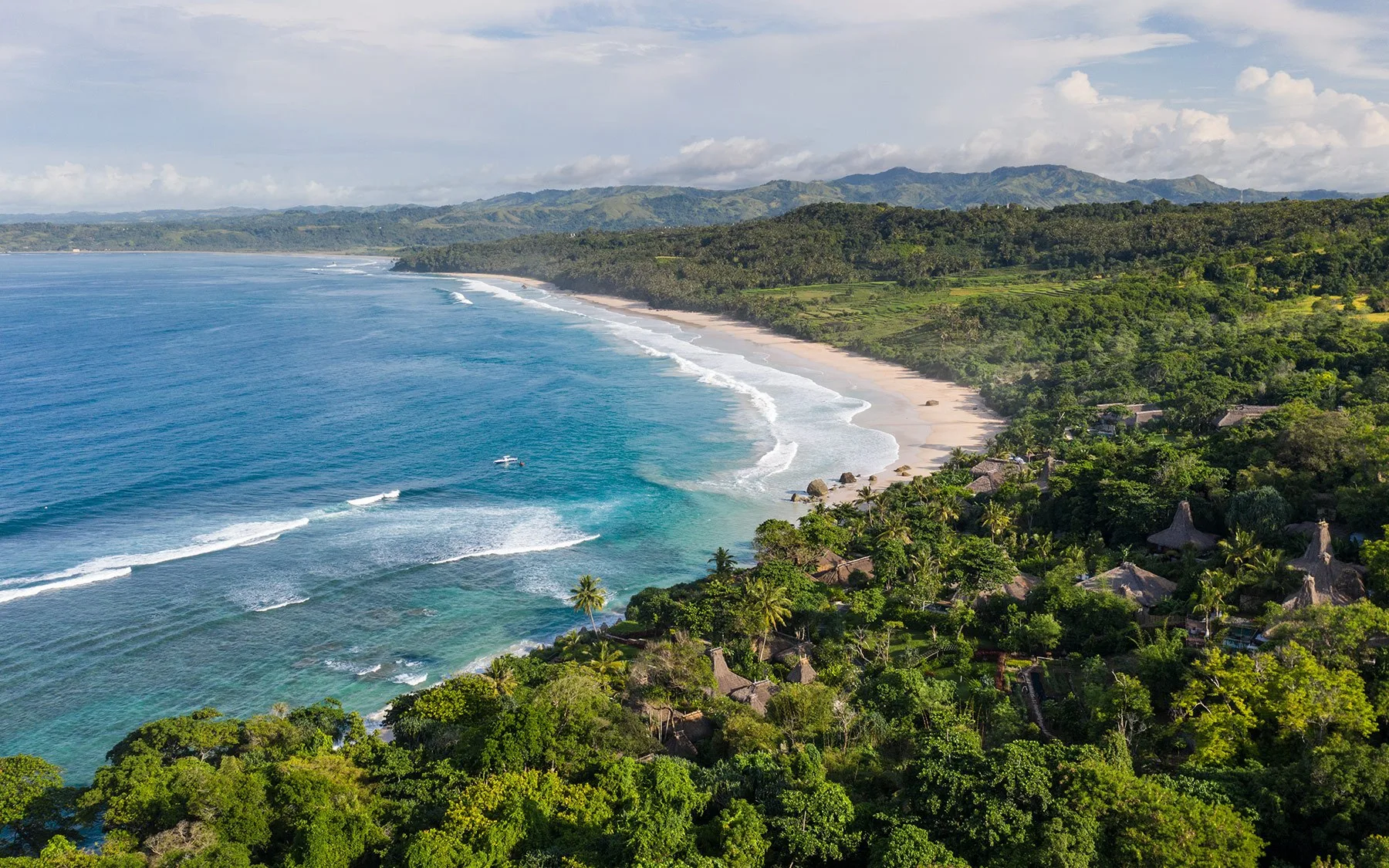
Sumba — Nusa Tenggara Timur, Indonesien
Wo Die Wildnis Noch Wild Ist
Auf einer der abgelegensten Inseln Indonesiens lädt NIHI Sumba auf seltene Weise dazu ein, langsamer zu werden, sich mit der Natur zu verbinden und einen Ort zu entdecken, an dem Kultur, Gemeinschaft und bemerkenswerte Landschaften auf wunderbare Weise unberührt geblieben sind.
Warum wir es gewählt haben
Weil es sich weigert, ein Resort zu sein — und das ohne Pose durchhält.
Sumba ist keine leichte Insel: Reisfelder, Pferde am Strand, Dörfer mit eigenen Regeln. Nihi hat sich darauf eingelassen, statt sich davor zu schützen. Die Villen sind aus Holz und Palmblatt, es gibt keinen Marmor und keinen Empfangstresen im üblichen Sinn.
Was Gäste zurückbringt, ist die Beziehung zum Ort: die Stiftung, die Schulen und Kliniken trägt, die Mitarbeitenden aus den umliegenden Dörfern, der Ritt am Morgen. Wer hier war, spricht selten über das Zimmer.
Was den Unterschied macht
- Pferde am Strand, morgens vor dem Frühstück
- Eine Stiftung, die den Ort tatsächlich verändert
- Villen aus Holz und Palmblatt statt Resortbau
Eignung
Für wen es sich eignet
Besonders geeignet für
- Reisende, die Abgeschiedenheit suchen
- Surfen, Reiten, Wandern
- Aufenthalte ab sieben Nächten
- Paare und Familien mit älteren Kindern
Weniger geeignet für
- Gäste, die ein poliertes Resort erwarten
- Reisende mit knapper Zeit
- Wer lange Transfers vermeiden möchte
Was oft unterschätzt wird
Sumba liegt weit ab von Bali — Flug plus Fahrt. Der Weg ist Teil des Hotels; wer ihn als Hürde sieht, wählt besser anders.
Wenn das nicht das Richtige ist
Was Sie ebenfalls in Betracht ziehen können
Wenn das Rohe und Weite gefällt, Sumba aber zu weit ist:
01 · Mosambik
Kisawa Sanctuary
Ähnlich ursprünglich am Meer, ruhiger und weniger sportlich geprägt.
02 · Riviera Maya
Hotel Esencia
Deutlich kürzere Anreise aus Europa, entspannter und familienfreundlicher.
03 · Chile
Explora Patagonia
Wenn Aktivität und Landschaft wichtiger sind als Strand und Wellen.
AnsehenKeine Steigerung, keine Rangfolge — nur andere Wege, die zu anderen Reisenden passen.
Eine Einführung
Das Flugzeug dreht ab, das Gras kommt einem entgegen, und Bali hört auf, eine Rolle zu spielen.
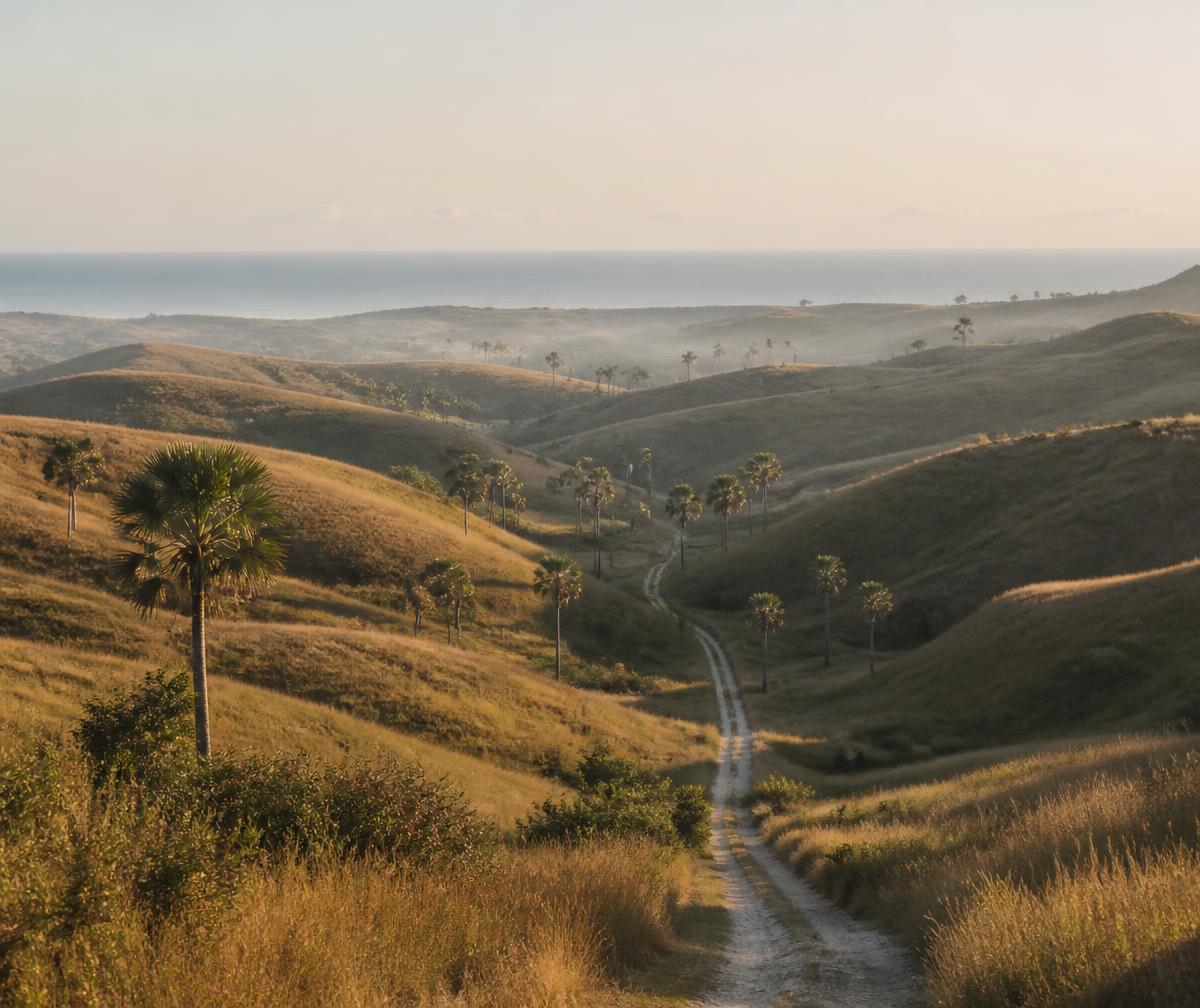
Sumba kündigt sich als trockenes Gold an. Nicht das Grün des Indonesiens, das die meisten im Kopf haben, sondern Grasland – lange, blasse, sanft hügelige Landschaft, die bis zu den Klippen reicht und dann aufhört. Lontarpalmen stehen darin in Abständen, ungehetzt. Aus der Luft wirkt die Insel weniger tropisch als vielmehr wie ein Ort auf der Südhalbkugel, den noch niemand eingezäunt hat.
Die Fahrt von der Landebahn dauert anderthalb Stunden und ist der einprägsamste Teil der Anreise. Büffel auf einem schlammigen Feld. Ein Junge auf einem Pferd, ungesattelt, im Galopp, unterwegs zu einem bestimmten Ziel. Strohgedeckte Dächer auf dem Kamm, unglaublich steil aufragend, jedes einzelne mit den Ahnen eines Clans im dunklen Oberraum. Kinder kommen an den Rand des Weges und winken mit beiden Armen, und winken lange weiter, nachdem der Wagen vorbeigefahren ist, was etwas mit einem macht, das sich hinterher nur schwer beschreiben lässt.
Dann dreht der Wind, und es liegt Salz darin. Man sieht den Ozean noch nicht, aber er ist da – der Indische Ozean, ununterbrochen bis in die Antarktis, und man kann ihn ganze zehn Minuten riechen, bevor die Straße über den letzten Hügel kippt und ihn zeigt.
Das hier ist nicht Bali. Es ist nichts wie Bali. Es gibt keine Boutiquen, keinen Rollerverkehr, keine Strandclubs, niemanden, der etwas verkauft. Sumba ist ärmer, trockener, härter und deutlich mehr sich selbst. Der Marapu-Glaube wird hier noch praktiziert. Ikat wird noch immer über den Großteil eines Jahres von Hand gewebt. Pferde sind noch Währung, noch Zeremonie, noch das Maß, an dem ein Mann gemessen wird. Die Insel wurde nicht poliert, weil niemand früh genug ankam, um sie zu polieren.
NIHI liegt an einer Bucht der Südwestküste, tief unter den Palmen, Stroh und Holz und offene Seiten. Auch dieses Haus kündigt sich nicht an. Was es tut, ist, einen Zugang zu geben – zu den Pferden, zur Welle, zu den Dörfern, zur Stiftung, die seit drei Jahrzehnten Brunnen und Kliniken in diesen Distrikt bringt. Das Haus ist die Tür. Sumba ist der Raum.
Wer hierherkommt, wird sich an die Insel erinnern. Der leere Strand um sechs Uhr abends, der Klang der Brandung nachts durch eine offene Wand, die Weberin am Webstuhl, die nicht aufblickte. Der Rest ist einfach, wo man geschlafen hat.
Architektur & Design
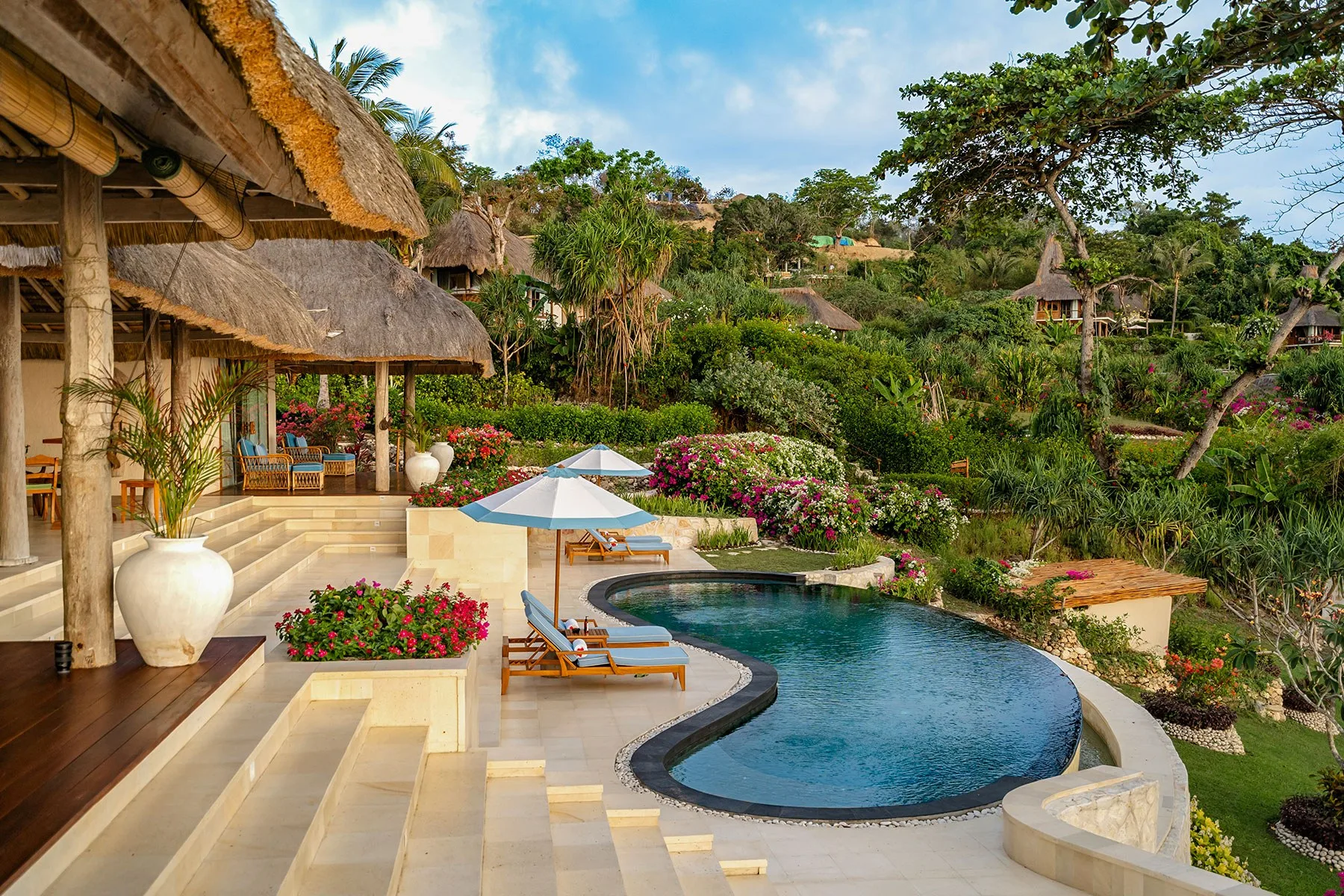
Gebaut, wie die Insel baut
Alang-Alang-Stroh, von Hand geschnitten, gebündelt und verlegt. Wiederverwendetes Eisenholz und Teak, dunkel vom Alter, gefügt statt geschraubt. Korallenstein, Flusssteine, Kalkputz. Böden, die um sieben Uhr morgens bereits warm unter den Füßen sind. Nichts hier wurde importiert, was man auch innerhalb eines Tagesausflugs finden könnte, und nichts wurde geglättet, was besser blieb, wie es kam.
Die Pavillons sind mindestens auf zwei Seiten offen, was keine gestalterische Geste ist, sondern eine klimatische Entscheidung, die zugleich das Einprägsamste an ihnen ist. Die Meeresbrise zieht direkt durch die Räume. Regen kommt laut auf dem Stroh an und zieht wieder weiter. Geckos wohnen im Dach und werden nicht gebeten, umzuziehen.
Farbe kommt von der Insel: Indigo und Morinda-Rot im Ikat, das Ocker des Grases, das Graugrün des Pandanus, das gebleichte Knochenweiß des Treibholzes. Die Handwerkskunst ist sumbanesisch und unverhohlen sichtbar – die Spuren des Dechsels, die leichte Unregelmäßigkeit einer gewebten Wand. Luxus ist hier kein Finish. Es ist das Fehlen von allem, was hätte eingeschifft werden müssen, um zu beeindrucken.
The Villas
Stroh, Teak, Leinen, und der Ozean als Herr im Hotel
Es gibt keine Liste, die sich lohnt. Was zählt, ist die Meeresbrise durchs Zimmer, und wie lange man danach auf der Terrasse bleibt.
No. 01
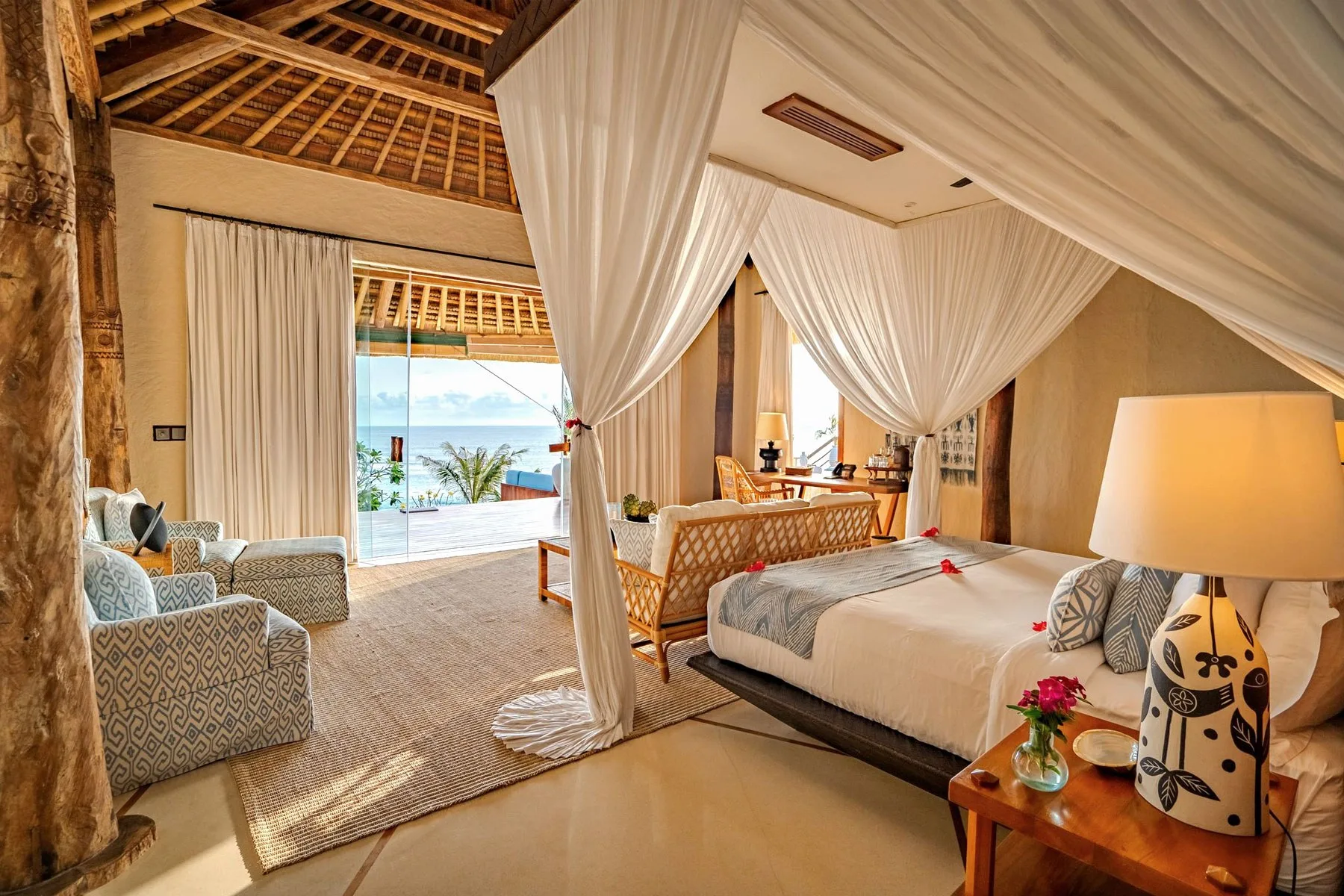
Aufwachen ohne vierte Wand
Es gibt kein Fenster zum Öffnen, weil es kein Fenster gibt. Der Raum endet einfach dort, wo die Terrasse beginnt, und der Ozean setzt sich fort. Man wacht früh auf, ohne es zu wollen — das Licht kommt tief und golden unter dem Strohdach herein, irgendwo landeinwärts krähen Hähne, die Brandung hält denselben Rhythmus wie die ganze Nacht. Die Bettwäsche ist kühl. Der Teakboden ist schon warm. Nichts hier verlangt etwas von einem, bevor man bereit ist, und die erste Stunde des Tages gehört ganz dem Aufrechtsitzen im Bett und dem Beobachten, wie sich die Farbe des Wassers verändert.
No. 02
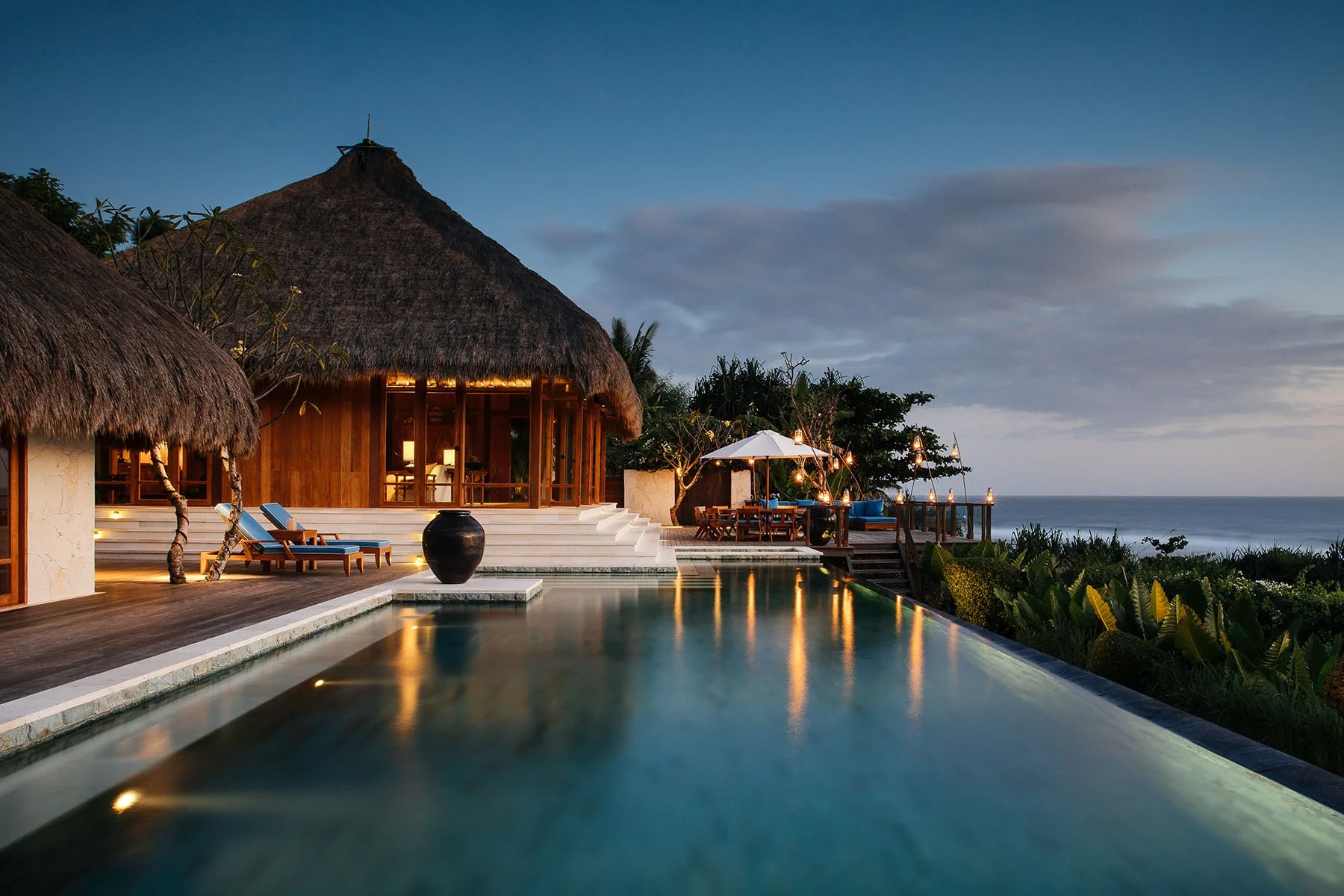
Die Terrasse, wenn die Sonne endlich sinkt
Gegen fünf Uhr lässt die Hitze nach, und die Terrasse wird zum einzigen Ort, an dem man sein möchte. Salz auf der Haut vom Morgen, Sand noch in der Maserung des Holzes, ein kleiner Pool, der das letzte Licht hält. Unten tut die Bucht, was sie immer getan hat. Niemand geht vorbei. Keine Musik, kein Zeitplan, kein Grund, sich zu bewegen. Man sitzt mit den Füßen im Wasser und sieht der Sonne beim Untergehen über dem Indischen Ozean zu und merkt, dass man zwanzig Minuten lang nichts gesagt hat, ohne es zu bemerken.
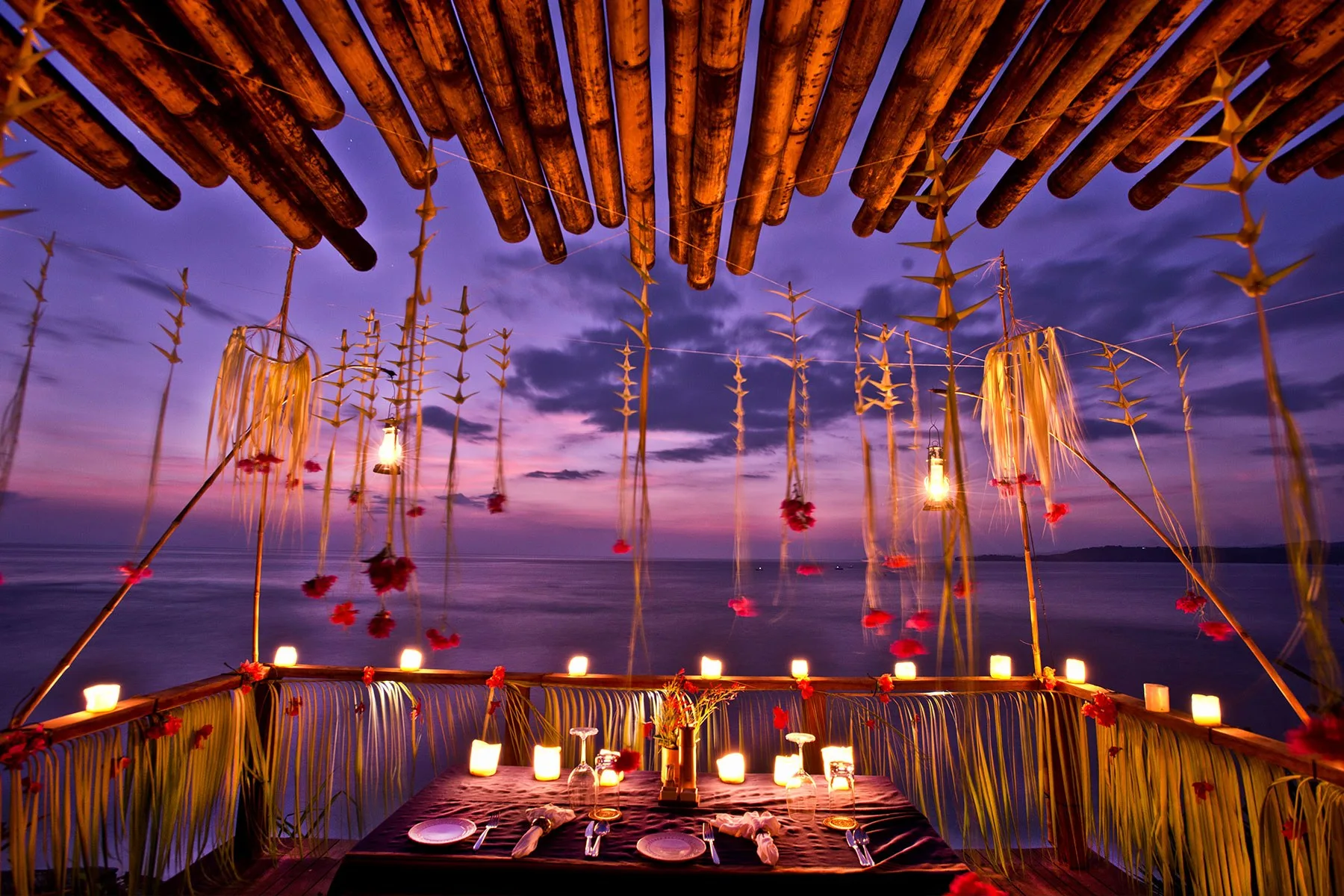
Kulinarik
Gewürz, Rauch und was die Boote gebracht haben
Das Frühstück findet mit Blick aufs Wasser statt und dauert so lange, wie man es zulässt. Kalt geschnittene Papaya und Passionsfrucht, schwarzer Reis mit Kokosnuss, Eier, Sambal, das schärfer ist, als es aussieht, Kaffee aus dem Hochland von Flores, mehrfach nachgeschenkt. Unter der Terrasse arbeitet sich die Brandung durch ihren Rhythmus. Niemand räumt zu früh ab.
Was zum Abendessen kommt, wurde an diesem Nachmittag angelandet: Riff-Fisch, Garnelen, Tintenfisch, gegrillt über Kokosnussschalen mit Limette, Chili und kaum etwas sonst. Der Rest kommt aus dem Garten und von der Insel – Kangkung, lange Bohnen, junge Kokosnuss, Zitronengras, Kurkumawurzel, Tamarinde. Das ist indonesische Küche im sumbanesischen Register: direkt, unaufgeregt, auf Gewürz und Feuer statt auf Technik gebaut.
Essen Sie draußen, immer. Der Sonnenuntergang hier ist schnell und gewaltig, und der ganze Tisch verstummt für die letzten drei Minuten. Danach wird der Himmel tiefblau und dann schwarz, die Laternen gehen an, und der Klang des Ozeans wird lauter, weil alles andere still geworden ist.
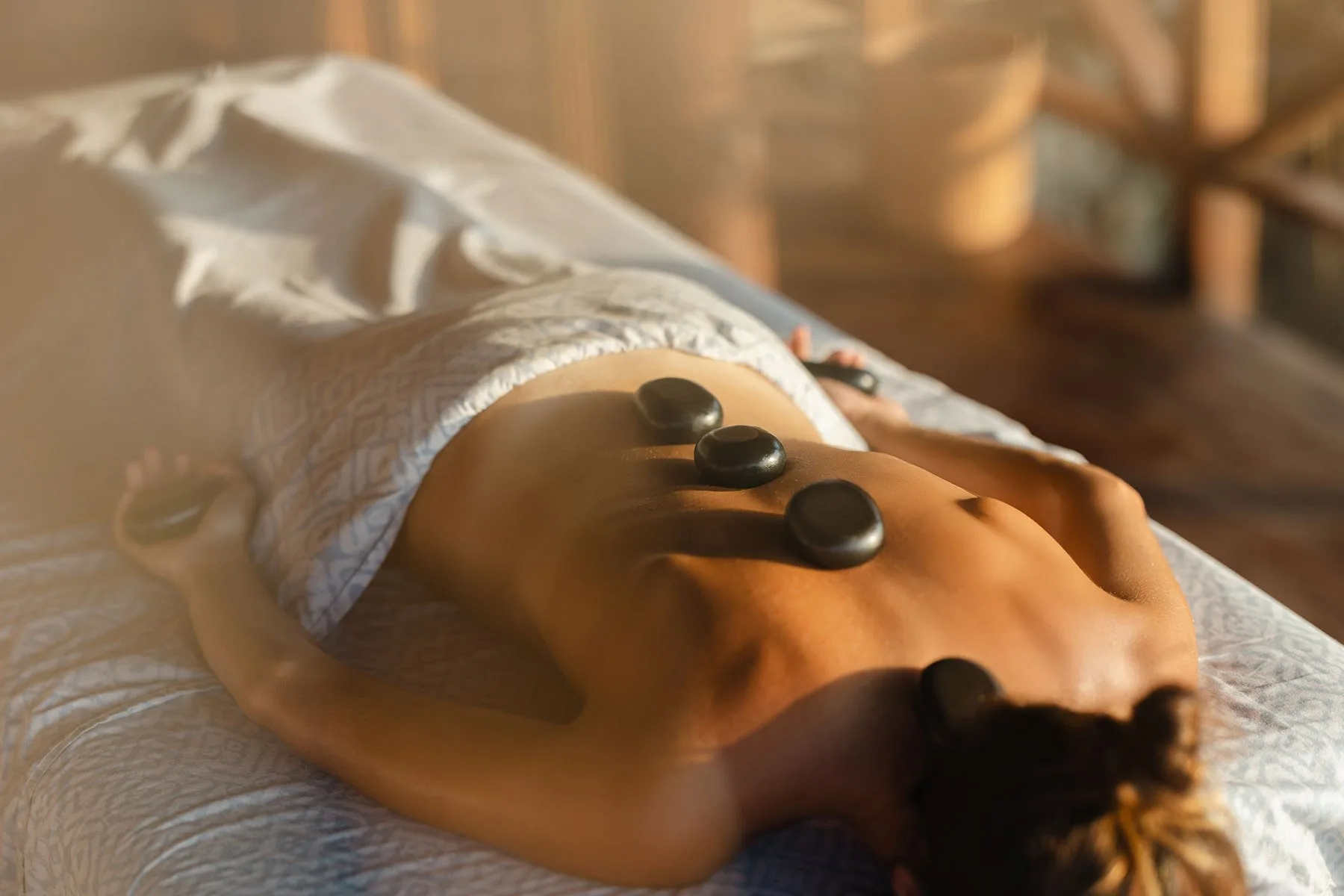
Wellness
Ein Spaziergang, eine Klippe, und der Klang, der den größten Teil der Arbeit tut
Die Spa-Safari beginnt vor der Hitze: eineinhalb Stunden zu Fuß durch Reisfelder, Grasland und einen seichten Fluss, endend auf einer Klippe, auf der es nichts gibt als einen strohgedeckten Pavillon, ein Bett, im Wind bewegte Leinenwäsche und den gesamten Indischen Ozean sechzig Meter weiter unten. Was folgt, dauert den größten Teil des Tages. Es ist der Hinweg, der es ausmacht.
Andernorts gibt es Yoga auf einer Terrasse im ersten Licht, Meditation unter den Palmen, Kokosöl und warme Steine und Hände, denen dies beigebracht statt antrainiert wurde. Sumbanesische Heiltraditionen liegen all dem zugrunde – Kräuter, Atem, Berührung und eine Ungehetztheit, die sich nicht herstellen lässt.
Doch die ehrliche Antwort ist, dass die Landschaft die Erholung übernimmt. Salzwasser zweimal täglich, Sonne auf dem Rücken, kein Signal, dem es sich nachzujagen lohnt, um neun Uhr im Bett, weil die Dunkelheit hier vollständig ist. Am dritten Morgen hat der Körper aufgehört zu verhandeln und geht einfach mit der Insel mit.
Signature Experiences
Acht Wege, die Insel kennenzulernen
Nichts davon wurde für Gäste erfunden. Sumba tat all das schon lange, bevor jemand auf die Idee kam, hinzukommen und zuzusehen.
No. 01
Die Pferde, zur Stunde, in der sich das Licht wendet
Sumbanesische Pferde sind klein, uralt und völlig unbeeindruckt von Menschen. Man reitet sie am späten Nachmittag durch das Gras hinunter zum Strand und dann entlang der Wasserlinie, den Indischen Ozean zur Rechten und nichts als Weite vor sich. Die meisten verstummen schon nach den ersten hundert Metern. Danach gehen die Pferde direkt in die Brandung und stehen dort, brusttief, lassen die Dünung gegen sich brechen, und man sitzt im nassen Sand, schaut zu und versteht, warum niemand hier davon in Prospekten spricht.
No. 02
Occy's Left, vom Sand aus betrachtet
Eine der markanten Left-Hand-Wellen des Indischen Ozeans bricht in der Bucht darunter, lang, sauber und bekannt dafür, kaum Menschen anzuziehen. Wer surft, kennt sie bereits. Wer nicht, sollte trotzdem früh mit einem Kaffee hinuntergehen und eine Stunde im Sand sitzen. Die Welle kommt mit einem Geräusch, das man durch den Boden spürt, und der ablandige Wind trägt die Gischt rückwärts in die Sonne.
No. 03
Ein Vormittag im Dorf, eingeladen, nicht arrangiert
Spitze Strohdächer, steinerne Gräber im Hof, Betelnuss vor dem Gespräch. Die sumbanesische Kultur wird nicht für Besucher aufgeführt — sie wird einfach noch gelebt, was seltener ist, als man denkt. Gehen Sie mit jemandem von der Insel, lassen Sie sich Zeit, nehmen Sie an, was angeboten wird, und brechen Sie auf, wenn das Gespräch endet, nicht wenn der Zeitplan es verlangt.
No. 04
Der lange Weg zum Wasserfall
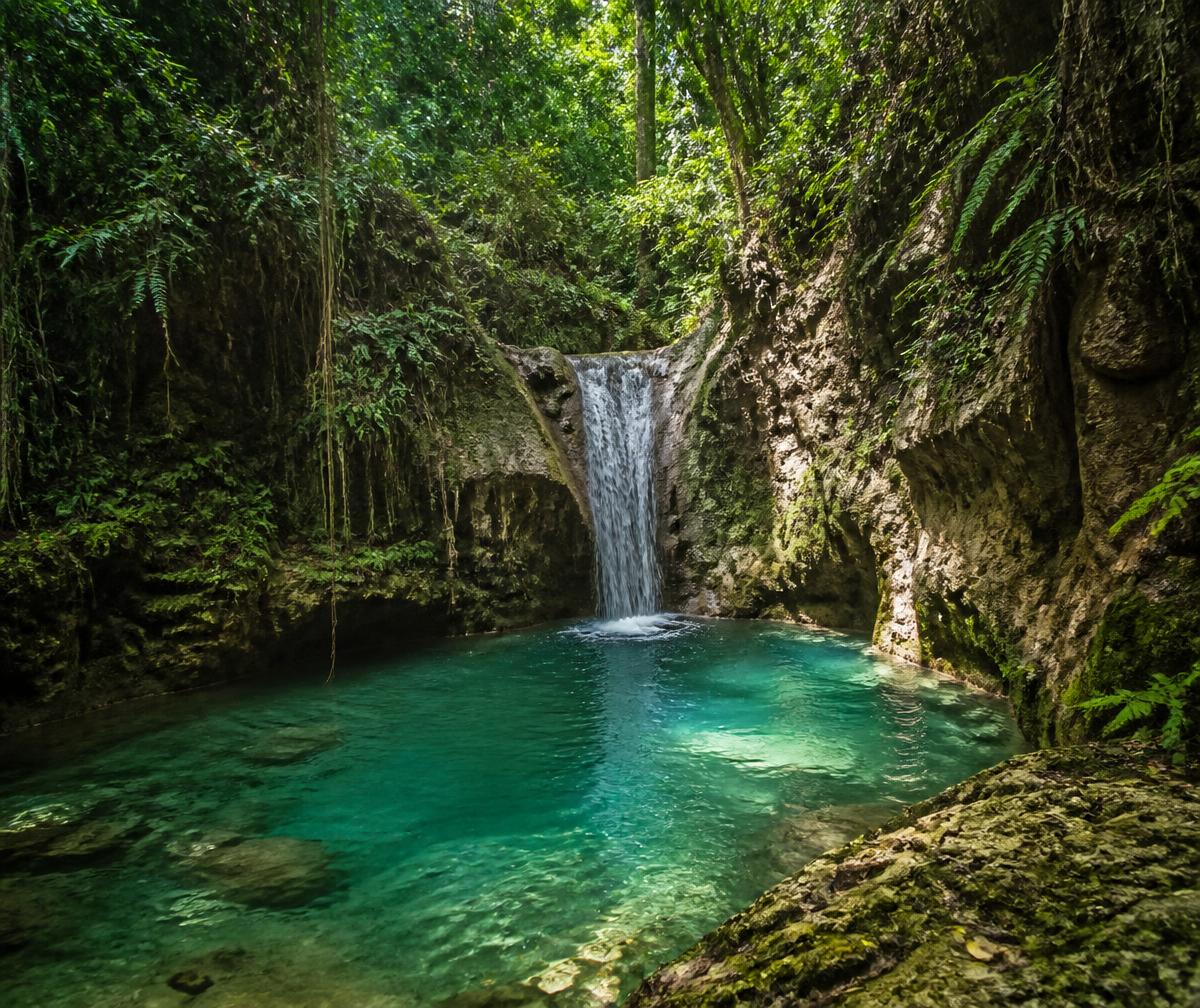
Reisterrassen, ein Fluss, Wasserbüffel, und dann eine Kalksteinschlucht im Dschungel mit kaltem, türkisfarbenem Wasser am Grund. Der Hinweg zählt so viel wie das Bad selbst: trockenes Grasland weicht dem Grün, Kinder tauchen aus dem Nichts auf und begleiten einen ein Stück, die Temperatur fällt unter dem Blätterdach um zehn Grad.
No. 05
Der Markt von Waikabubak, in der Frühe
Körbe voller Chili, Trockenfisch, handgedrehtem Tabak, Betel, lebenden Hühnern, Ikat, nach Gewicht verkauft und ausgiebig verhandelt. Es ist laut, unromantisch und ganz und gar echt. Kaufen Sie nichts, wenn Sie möchten. Stehen Sie eine Stunde am Rand, und Sie lernen mehr über Sumba als bei einer Woche Herumfahren.
No. 06
Segeln zum Sonnenuntergang
Ein Holzboot, keine Musik, die Küstenlinie wird golden und dann rosa hinter einem, fliegende Fische kreuzen den Bug. Der Indische Ozean ist hier tief, unbeleuchtet und gewaltig. Auf dem Rückweg liegen die Klippen schon im Dunkel, und die ersten Sterne stehen über dem Grasland.
No. 07
Ein Tag mit der Sumba Foundation
Brunnen, Kliniken, Schulküchen, die Zurückdrängung der Malaria in einem Bezirk, der davon vor einer Generation kaum verschont war. Das ist kein Ausflug; es ist der Grund, warum der Ort in seiner heutigen Form besteht. Bitten Sie darum, mitzukommen, verhalten Sie sich still, und lassen Sie diejenigen sprechen, die die Arbeit leisten.
No. 08
Die Insel fotografieren, nicht das Hotel
Vor sechs Uhr beginnen. Grasland im Nebel, Palmen als Silhouette, Pferde auf dem Grat, der Rauch der Kochfeuer in einem Dorf um sieben. Das Licht auf Sumba ist tief, warm und nur kurz zu beiden Tagesrandzeiten, und alles, was sich zu bewahren lohnt, geschieht in diesen zwei Stunden.
Gallery
Ein Tag auf der Insel, in vier Bildern
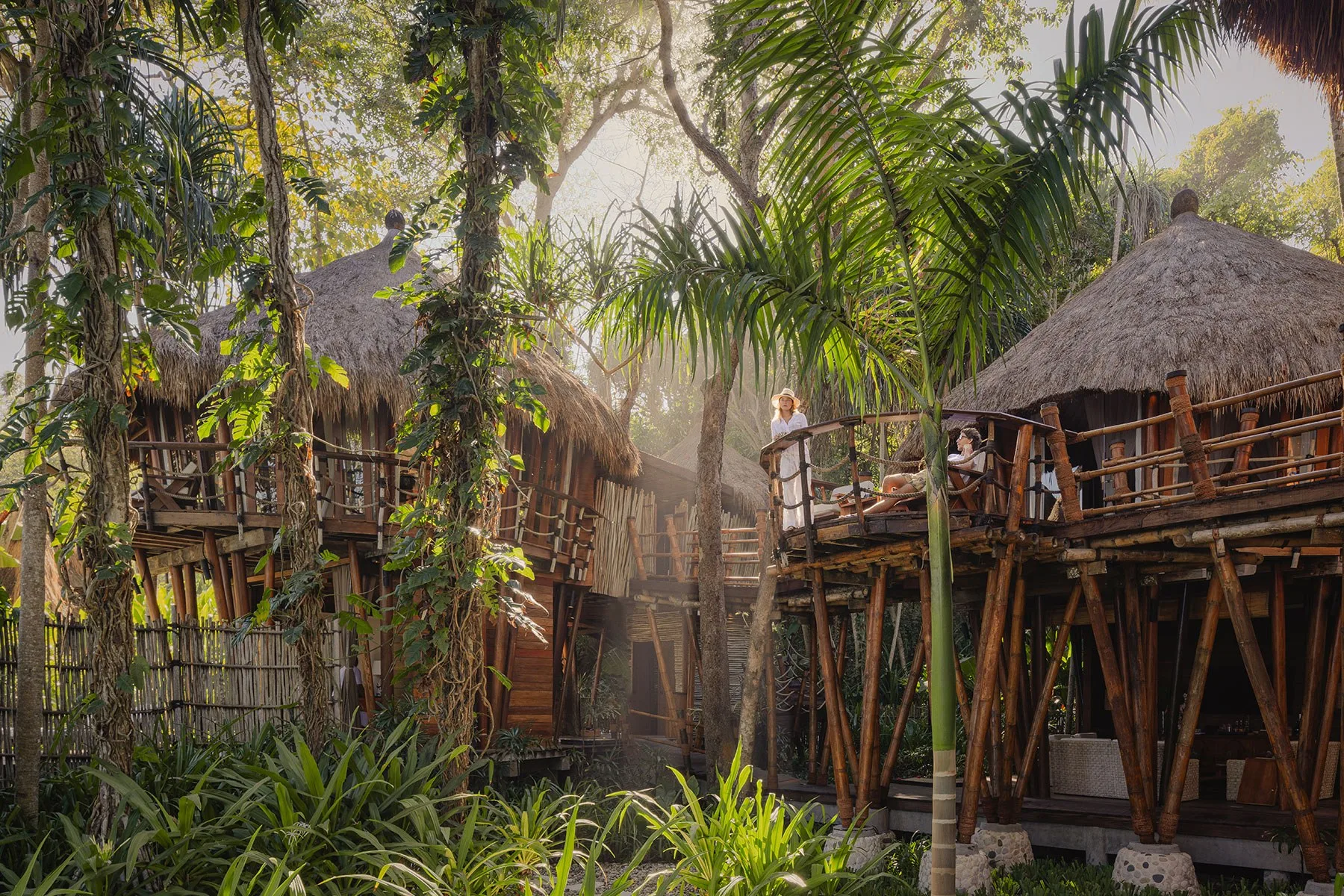
Über den Baumkronen, am frühen Morgen 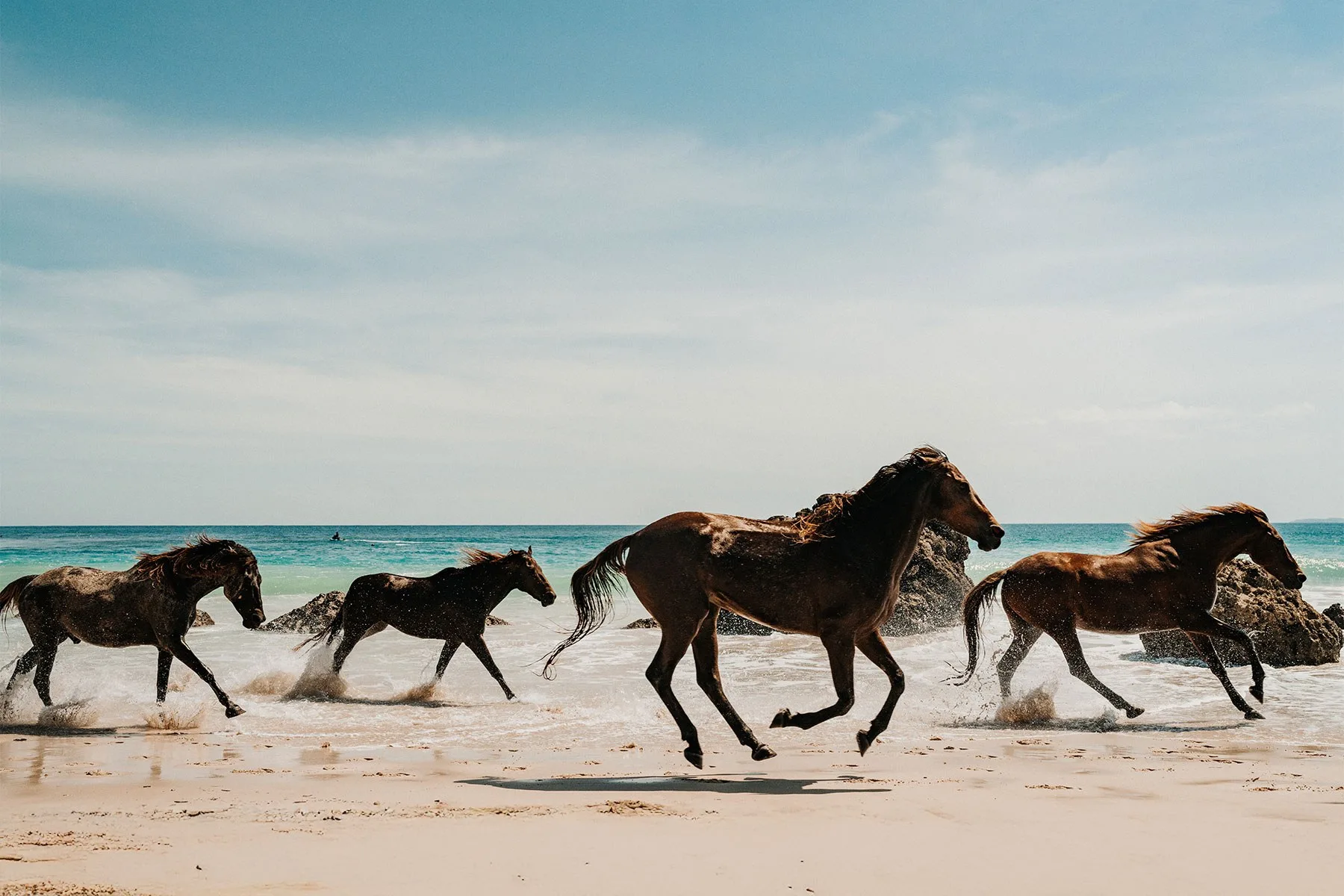
Die Wasserlinie, kurz vor sechs 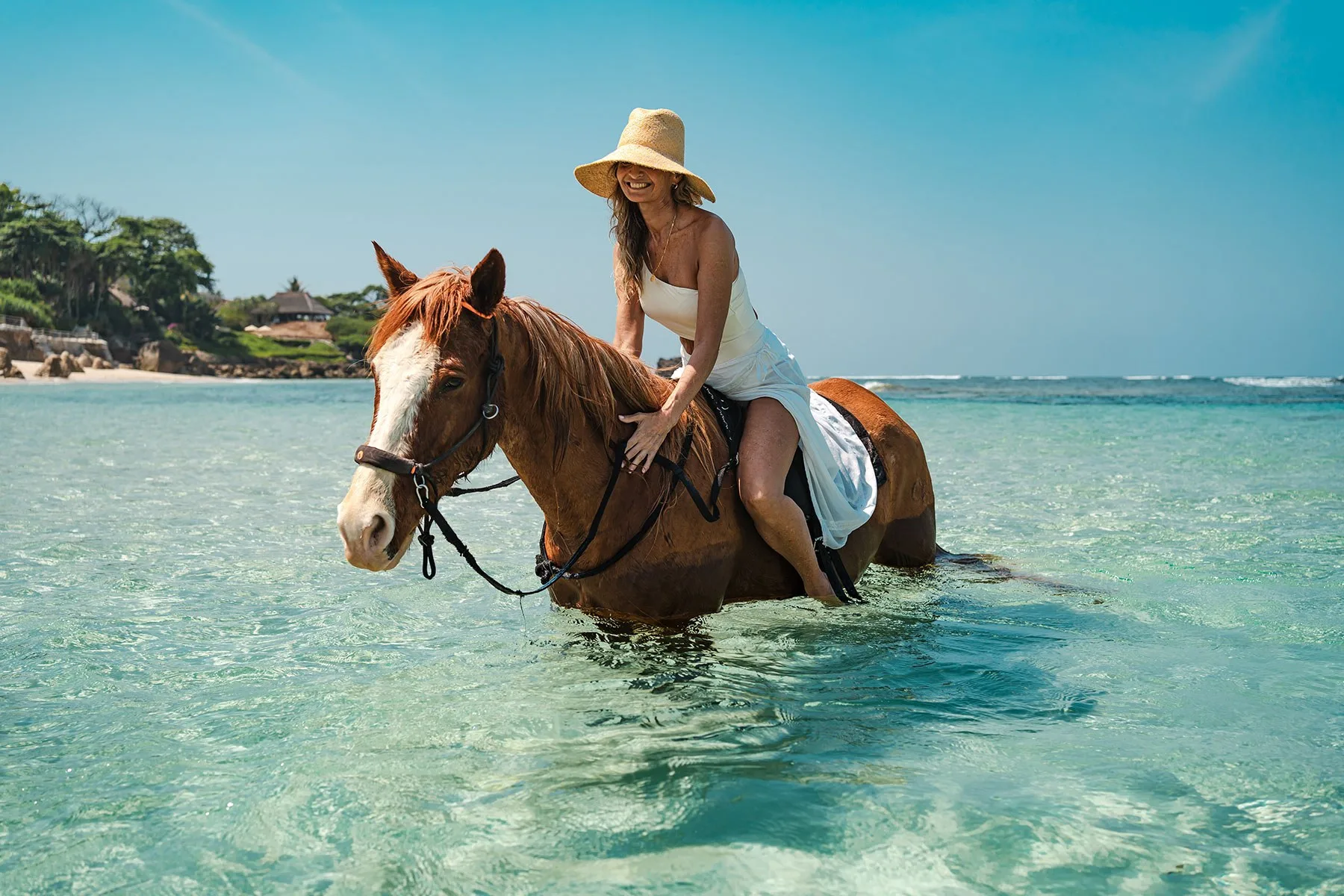
Die Lagune, kurz nach dem Ritt
Nearby Discoveries
Was wir einem Freund raten würden
Sumba belohnt frühe Aufbrüche, Feldwege und unentschlossene Nachmittage. Fast nichts davon muss fotografiert werden.
No. 01
Die Dörfer West-Sumbas
Tarung, Ratenggaro, Praijing — auf Hügeln errichtete Siedlungen aus spitzem Stroh und Megalithsteinen, noch immer nach Clan, Ahnen und Ernte geordnet. Gehen Sie mit jemandem von hier, kommen Sie ohne Kamera in der Hand an, und bleiben Sie lange genug, um etwas angeboten zu bekommen.
No. 02
Wasserfälle im Landesinneren
Lapopu, Matayangu, und jene ganz ohne Namen. Das Innere der Insel ist grün, steil und beinahe unbesucht; das Wasser ist kalt, klar und nach der Hitze des Graslands überraschend.
No. 03
Strände ohne jemanden darauf
Watu Maladong, Mandorak, Pero. Lange weiße Buchten zwischen Kalksteinklippen, über Feldwege erreichbar, leer an einem Dienstag wie an einem Sonntag. Wasser mitnehmen, Erwartungen zu Hause lassen.
No. 04
Die Surfspots, die niemand benennt
Die Südwestküste bekommt fast das ganze Jahr über Dünung aus dem tiefen Indischen Ozean. Jenseits der bekannten Left gibt es Riffe und Points, die wochenlang unberitten bleiben. Leise fragen; die Antworten kommen ebenso leise.
No. 05
Weberinnen, und das Jahr, das ein Ikat braucht
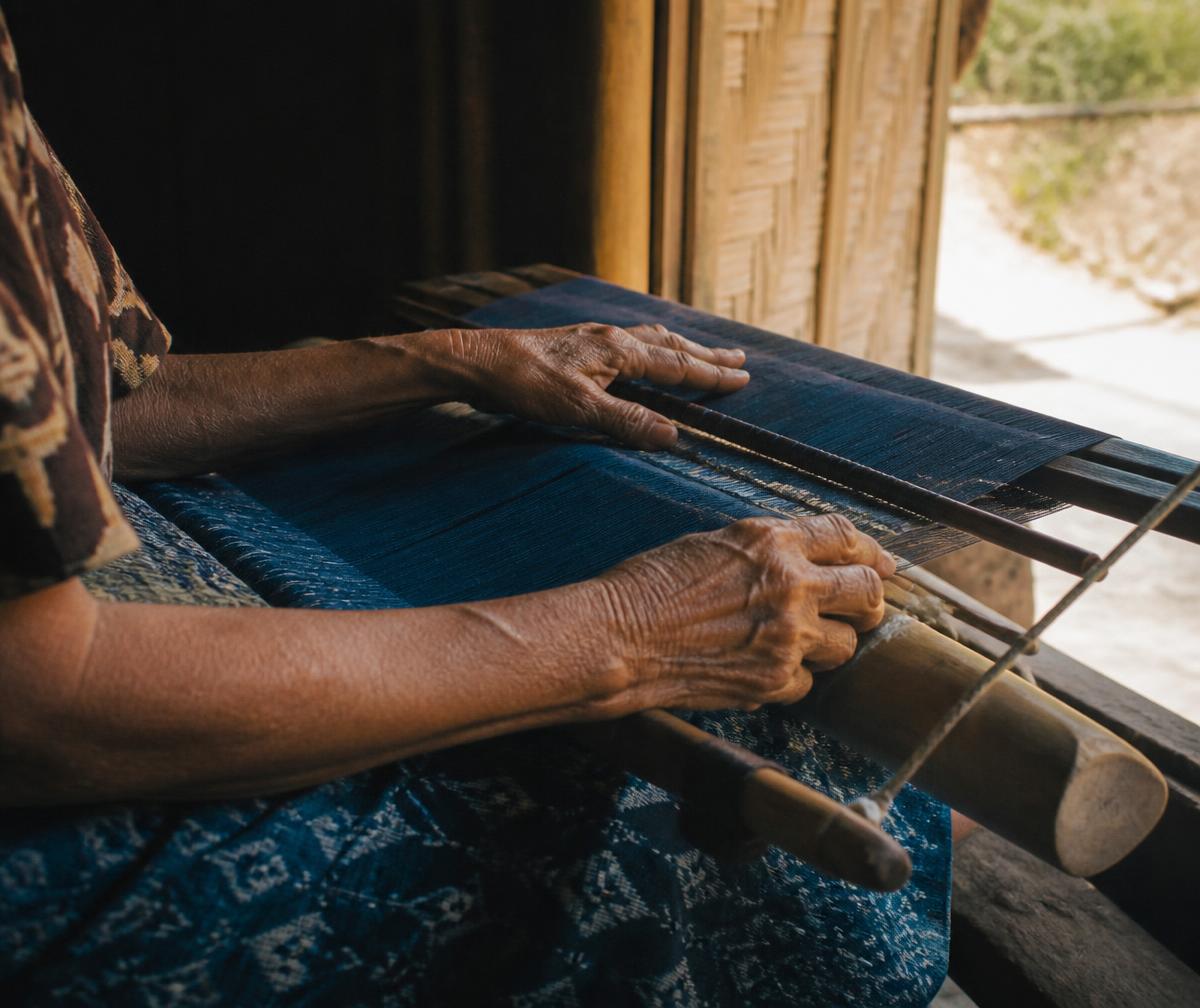
Handgesponnene Baumwolle, Indigo und Morindawurzel, über Monate gebunden, gefärbt, gelöst und wieder gebunden. Setzen Sie sich in Kaliuda oder Prailiu zu einer Weberin und schauen Sie zehn Minuten zu; es verändert für immer, was man einem Stoff an Wert zuschreibt.
No. 06
Pferdeland im Landesinneren
Das Sandelholzpony wird über diese Graslandschaften gezüchtet und geritten, und Pferdekunde wird hier vererbt, nicht gelehrt. Ein Vormittag auf einem Hof im Landesinneren — ohne Sattel, ohne Zeremonie — ist das Sumbanesischste, was einem Besucher offensteht.
No. 07
Pasola, wenn die Saison es zulässt
Im Februar und März, nachdem die Seewürmer erschienen sind, treffen sich zwei Reihen berittener Männer auf offenem Feld mit stumpfen Speeren. Es ist Ritual, kein Schauspiel, und wird für niemanden inszeniert. Wenn Sie deswegen hier sind, begegnen Sie ihm entsprechend.
No. 08
Die heiligen Orte, als solche behandelt
Der Marapu-Glaube ist auf dieser Insel lebendig — in Steinen, in Bäumen, in der Lage eines Hotels. Manche Orte sind zugänglich, andere nicht. Der richtige Weg ist, zuerst zu fragen und ein Nein zu akzeptieren.
Pure Voyage Liebt
Sechs kleine Dinge
- Kaffee, der vor Sonnenaufgang auf die Terrasse gebracht wird, wenn der Ozean noch grau ist und das erste Licht nur eine Ahnung über den Hügeln ist.
- Pferde, die sich am späten Nachmittag selbst zum Wasser hinunterbewegen, und die Art, wie sie brusttief in der Brandung stehen, dem Meer zugewandt.
- Im Dunkeln liegen bei offener Wand, den Wellensätzen lauschen und die Pausen zwischen ihnen zählen, bis man den Überblick verliert.
- Die Hände einer Weberin am Indigofaden, und der Moment, in dem man versteht, wie viele Monate vor einem liegen.
- Die fünf Minuten, in denen die Klippen von Gold zu Rosa zu nichts mehr werden, und alle am Strand aufhören zu sprechen, ohne es abgesprochen zu haben.
- Barfuß vom Sand zurückgehen, mit trocknendem Salz auf der Haut, in aller Ruhe.
Für wen dieser Ort ist
Reisende, die sich lieber verändern als umsorgen lassen.
Es passt zu Menschen, die reiten oder es möchten; die surfen oder sich damit zufriedengeben, eine gute Welle eine Stunde lang zu beobachten. Es passt zu Fotografinnen, die das Licht hier fast unfair gut finden werden. Es passt zu jedem, der sich zu einer lebendigen statt einer bewahrten Kultur hingezogen fühlt, und zu jedem, der eine Reise eher an dem misst, was sie verlangt hat, als an dem, was sie geboten hat.
Es passt zu Familien mit Kindern, die alt genug für Pferde und lange Schotterwege sind, und zu Flitterwöchnern, die lieber einen Strand mit niemandem teilen als eine Terrasse mit allen. Es passt zu Menschen, denen es wichtig ist, wo ihr Geld landet – die Stiftung hier ist keine Randnotiz –, und zu Menschen, die langsam genug reisen, um zu merken, dass die zweite Woche besser ist als die erste.
Es wird alle enttäuschen, die auf Stadtleben, Einkaufen, Nachtleben oder ein Resort im herkömmlichen Sinn hoffen. Nichts davon gibt es auf dieser Insel, in keine Richtung. Wer Poliertes sucht, findet es eine Flugstunde westlich auf Bali, und dort wunderbar. Was es hier stattdessen gibt, ist Wind, Gras, Pferde, Wellen, Handwerk, Stille nach Einbruch der Dunkelheit – und eine Insel, die nie für die Bequemlichkeit von irgendjemandem eingerichtet wurde.
Eine Notiz von uns
Kommen Sie in den trockenen Monaten. Bleiben Sie eine Woche. Reiten Sie mindestens einmal.
Von Mai bis Oktober wird das Gras golden und die Dünung zuverlässig; Juli und August sind am einprägsamsten und am geschäftigsten, was auf Sumba noch immer fast niemanden bedeutet. Geben Sie einen ganzen Tag dem Landesinneren und einen ganzen Tag völligem Nichtstun. Und am letzten Abend gehen Sie ohne Kamera zum Strand hinunter, lassen Sie die Pferde vorbeiziehen und bleiben Sie, bis die Klippen dunkel werden. Die Insel ist der Grund, warum Sie gekommen sind.
Das Pure-Voyage-Team
From The Journal
Weiterlesen
Slow Travel — August 2026
Indonesien jenseits von Bali
Siebzehntausend Inseln, und die meisten Reisenden sehen eine einzige. Über Sumba, Flores und den langen Weg nach Osten — und warum der Weg mehr zählt als die Ankunft.
Inseln — Juli 2026
Warum Sumba zu den stillen Schätzen Indonesiens zählt
Trockenes Grasland auf der einen Seite, Regenwald auf der anderen, und eine Kultur, die sich nie verändert hat. Eine Insel, die sich dagegen gewehrt hat, zum Reiseziel zu werden.
Lebensart — Juni 2026
Die Kunst der zurückhaltenden Eleganz
Sand auf dem Boden, Salz in der Bettwäsche, und Handwerk in Gehweite. Über eine Form von Luxus, die nichts beweisen muss.
Eine persönliche Anfrage
Lassen Sie Uns Ihre Indonesische Reise Planen
Wenn Sumba angefangen hat, wie Ihre nächste Reise zu klingen, planen wir sie gerne persönlich für Sie – zuerst die Insel, und alles andere darum herum gestaltet.
Eine Woche auf Sumba mit den Pferden und der Welle, ein paar ruhige Tage vorab in den Hügeln über Ubud, Komodo und die Floressee anschließend per privater Yacht, oder ein stiller Küstenabschnitt zum Ausklang – geplant um die Dünung, die Jahreszeiten und die Art, wie Sie tatsächlich reisen.
Warum über Pure Voyage buchen?
- Persönliche Luxusreiseberatung
- Sorgfältig gewählte Hotelempfehlungen
- Ein Reiseplan, der zu Ihnen passt
- Partnervorteile, wo sie verfügbar sind
- Persönlicher Ansprechpartner von Anfang bis Ende
Preisrahmen
Was ein Aufenthalt hier ungefähr kostet
- ab etwa 700 € pro Person und Nacht
- 1.000 bis 1.800 € mit Villa und Verpflegung
Die Anreise über Bali kostet einen zusätzlichen Tag, den man einplanen sollte.
Richtwerte pro Person und Nacht im Doppelzimmer, ohne Flüge. Kein Angebot — eine Orientierung vor dem ersten Gespräch.
Unsere Einschätzung
Was wir über dieses Resort sagen würden
NIHI Sumba — Sumba, Indonesien
Passt besonders für
- Reisende, die Abgeschiedenheit wirklich meinen
- Reiter und Surfer
- Aufenthalte ab sieben Nächten
Unser Lieblingsraum
Villa mit eigenem Pool über dem Strand
Die Adressen am Hang sind kühler und privater als die direkt am Wasser.
Wann hinreisen
Mai bis Oktober für trockene Tage. Die Anreise über Bali braucht einen Puffertag.
Verwandte Erlebnisse
- Reiten im Wasser am frühen Morgen
- Der Fussmarsch zum Wasserfall mit Picknick
- Ein Besuch in einem der traditionellen Dörfer Sumbas
Wie lange sollte man bleiben?
Mindestens fünf Nächte. Die Anreise über Bali kostet einen halben Tag, und diese Adresse belohnt erst, wenn man sich auf seinen Rhythmus einlässt: früh am Strand, mittags Ruhe, nachmittags ins Landesinnere. Kürzere Aufenthalte fühlen sich wie ein Transit an. Wer reiten oder surfen möchte, plant zusätzlich einen Tag ein.
Notiert von Pure Voyage
Aus der Suite Collection
Die Räume, die wir hier empfehlen
Innerhalb eines Hotels entscheidet oft ein einzelner Raum darüber, wie ein Aufenthalt in Erinnerung bleibt. Diese Suiten haben uns überzeugt.
Pure Voyage Atlas
Wohin dieser Ort führt
Der Atlas verbindet, was zusammengehört: die Region, die Kollektionen, die passende Reisezeit und die Hotels, die in derselben Erzählung stehen.
In diesen Kollektionen
- Beach EscapesStrände, die sich nicht gleichen — vom Atoll bis zur Andamanensee.
- Safari & WildernessWildnis mit Haltung — Naturschutz, Ruhe und weite Landschaft.
- The Editor's SelectionSechs Adressen, die wir besonders häufig empfehlen — und warum.
- Summer By The SeaKüstenhäuser für die Monate, in denen man draussen lebt.
Passende Reisezeiten
Im Journal
Weiter in der Kollektion
Ebenfalls empfohlen
Adressen, die Gäste dieses Hotels erfahrungsgemäss ebenfalls schätzen — als Fortsetzung derselben Reise oder als Gegenstück dazu.
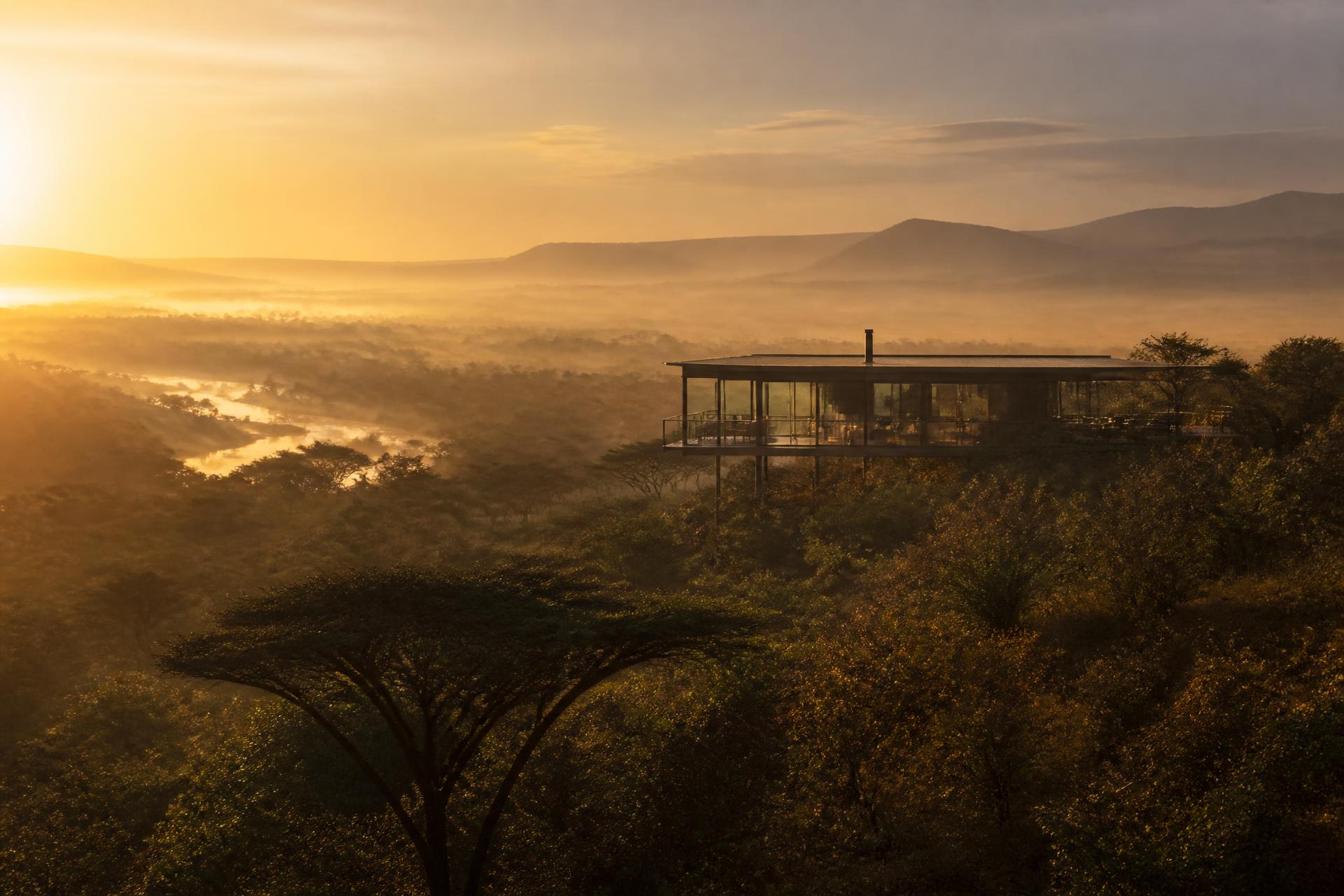
Krüger-Nationalpark, Südafrika
Singita Lebombo Lodge
Glas-Suiten über dem N'wanetsi-Fluss, Wildbeobachtung auf 130.000 Hektar privatem Konzessionsgebiet.
Empfohlene Dauer: Vier Nächte
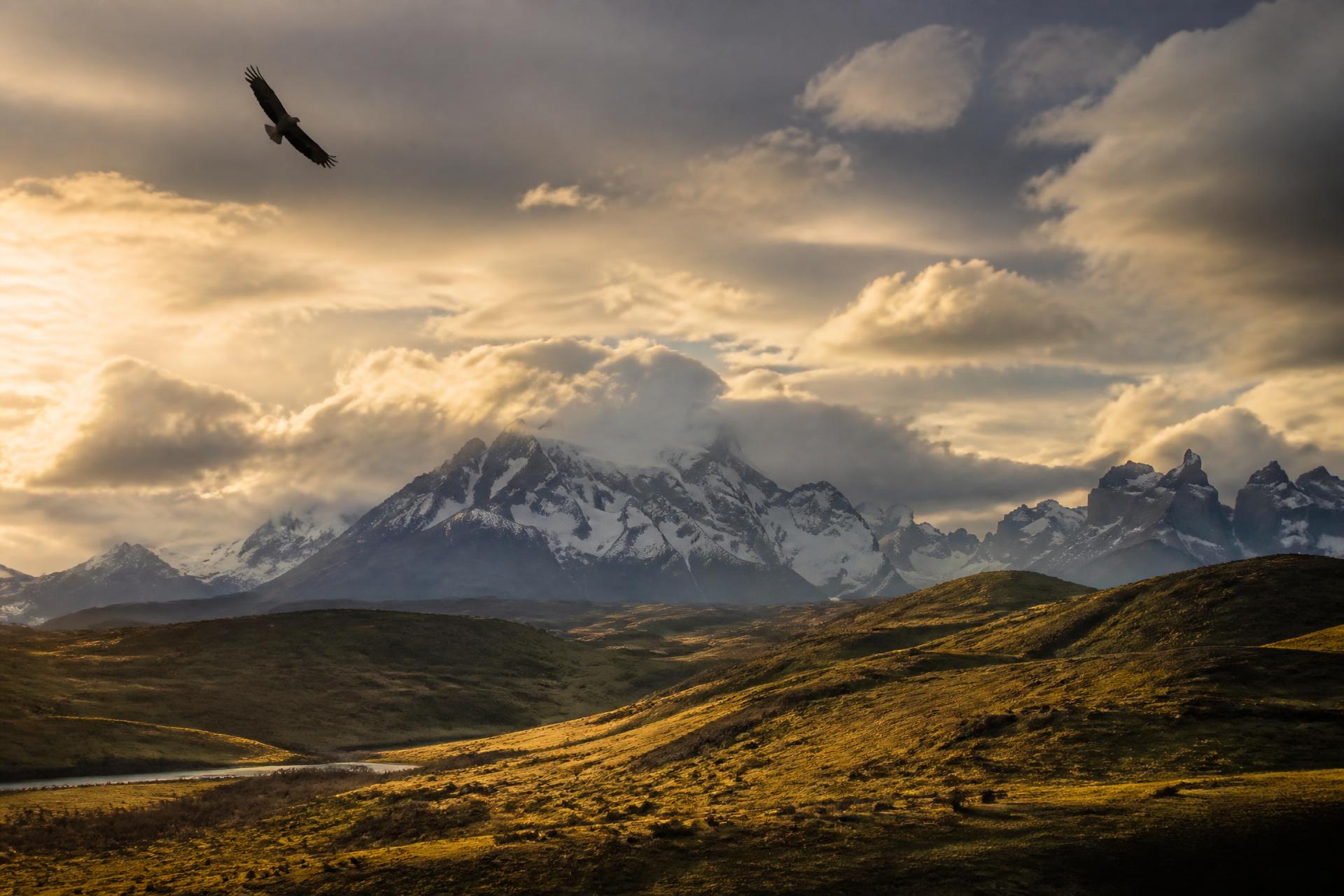
Torres del Paine, Chile
Explora Patagonia
Eine Adresse am Salto Chico mit Blick auf die Türme — Wanderungen mit Guides statt Programmpunkten.
Empfohlene Dauer: Fünf Nächte
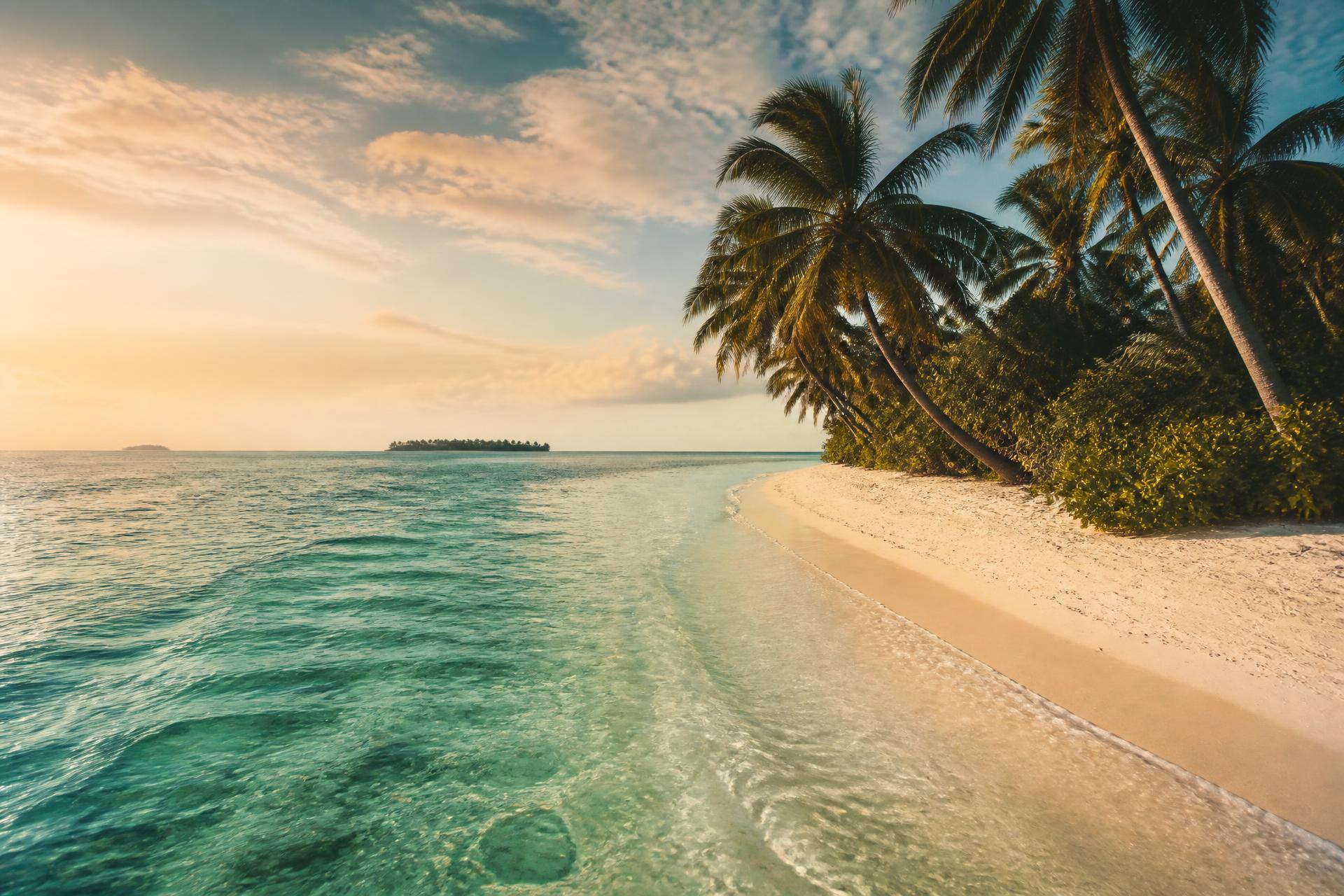
Tetiaroa, Französisch-Polynesien
The Brando
Ein privates Atoll, das sich weitgehend selbst versorgt — dreiunddreissig Villen, sonst Vogelinseln.
Empfohlene Dauer: Fünf bis sieben Nächte
Pure Voyage Signaturen
Themen, die sich durch unsere Arbeit ziehen
Wiederkehrende Gedanken, keine Kategorien. Sie tauchen dort auf, wo sie etwas erklären.
In ähnlichem Geist
Was dieselbe Haltung teilt
Nicht das Ähnlichste, sondern das Naheliegendste: Orte, Wege und Texte, die zu dieser Art zu reisen gehören.
- HotelAman VeniceCanal Grande, VenedigEin Resort, das wir im selben Gespräch nennen würden.
- JourneyVenice Simplon-Orient-ExpressLondon, Paris, die Alpen, VenedigEin Weg, der zu dieser Art zu reisen passt.
- DestinationItalienDas Land, das am häufigsten falsch geplant wird — und am dankbarsten, wenn es stimmt.Das Land dahinter — wie sich alles verbinden lässt.
- EmpfehlungFirst Time ItalyFür die erste Italienreise, die den Ton für alle weiteren setzt.Unsere Auswahl für Reisende mit dieser Haltung.
- JournalWelches Aman passt zu Ihnen?9 MinutenEin Text, der diesen Gedanken weiterführt.
Häufige Fragen
Was Gäste uns dazu fragen
- Wie wählt Pure Voyage die Resorts aus?
- Wir empfehlen nur Hotels, die wir aus eigener Erfahrung, aus der Recherche und aus dem Rückblick unserer Gäste einschätzen können. Entscheidend sind Lage, Haltung und Verlässlichkeit im Alltag — nicht Sterne und nicht Ausstattungslisten.
- Kostet die Buchung über Pure Voyage mehr?
- Nein. Sie zahlen die Rate des Hauses. Über unsere Partnerprogramme kommen in vielen Adressen Leistungen hinzu — Frühstück, ein Guthaben, ein späterer Check-out oder ein besseres Zimmer, wenn verfügbar.
- Welches Zimmer sollte man buchen?
- Fast überall gibt es eine Kategorie, die deutlich mehr bringt als ihr Aufpreis — und eine, die sich nicht lohnt. Auf jeder Hausseite steht unter „Unser Lieblingszimmer“, welche wir nehmen würden.
Weiter im Pure Voyage Universum
Was als Nächstes passt
Kein Katalog, sondern der nächste Schritt: die Hotels, Wege, Länder und Texte, die wir im Gespräch an dieser Stelle nennen würden.
Journeys
Wege, die diese Region erschliessen.
Destinationen
Das Land im Überblick.
Empfehlungen
Was wir für diesen Anlass vorschlagen.
Journal
Weiterlesen, bevor Sie entscheiden.

Eine Einladung
Einmal im Monat: Hotels, Neueröffnungen und Reiseideen
Ein Hotel, das uns überzeugt hat. Eine Neueröffnung, die wir im Blick haben. Und eine Reiseidee zur richtigen Jahreszeit. Sorgfältig ausgewählt und auf das Wesentliche reduziert.