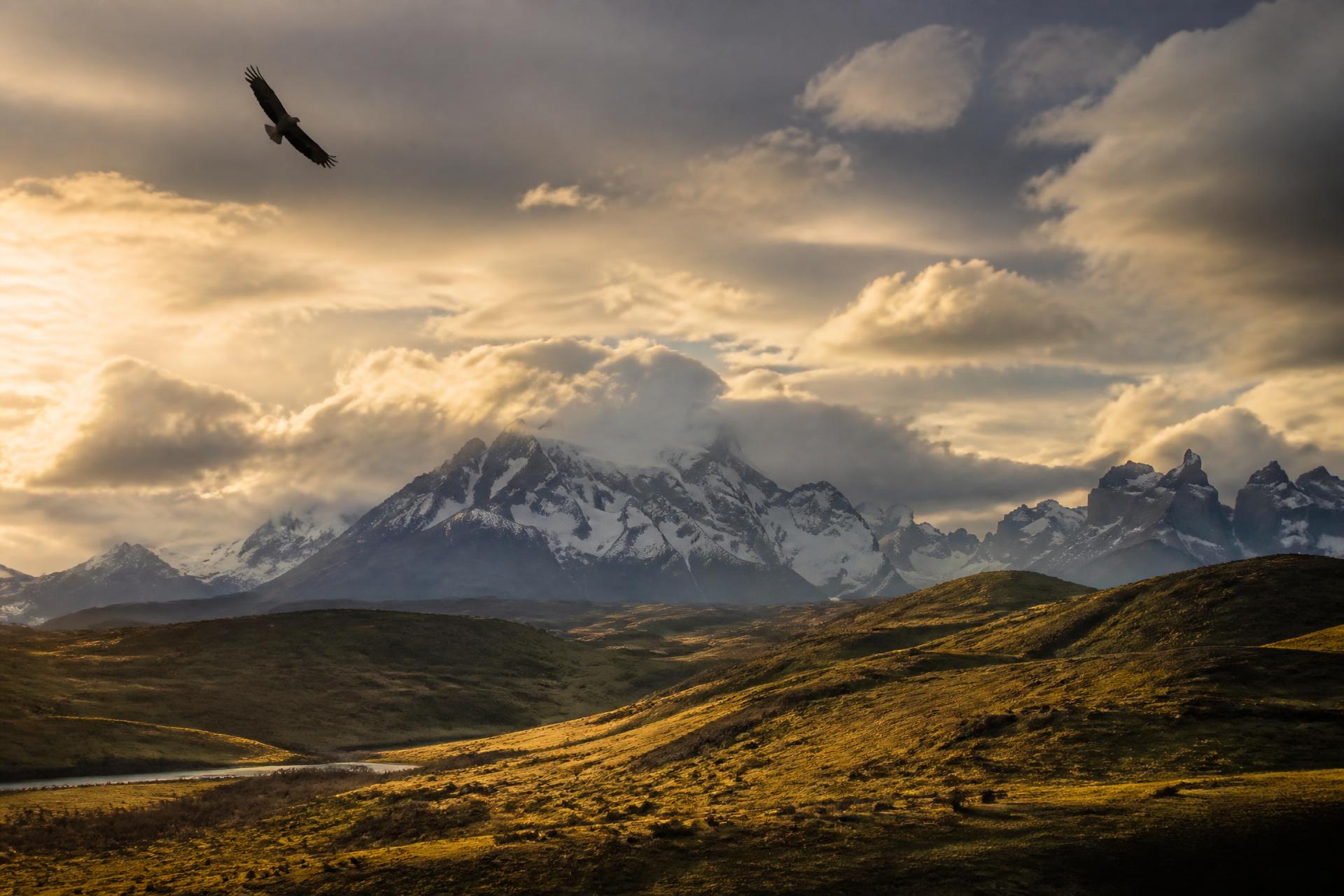
Patagonia National Park — Aysén, Chile
Wo Die Erde Endlos Wirkt
In den entlegenen Landschaften Chilenisch-Patagoniens lädt Explora Reisende ein, eine der letzten großen Wildnisse der Erde zu erleben, in der Berge, Wind und Stille den Begriff Luxus neu definieren.
Warum wir es gewählt haben
Weil das Hotel ausschliesslich dafür gebaut wurde, jeden Tag hinauszugehen.
Ein weisses Gebäude am Salto Chico, mit Blick auf die Torres. Innen ist alles auf einen Ablauf ausgerichtet: früh los, spät zurück, warm essen, schlafen. Kein Programm, das ablenkt, keine Ausstattung, die Zeit kostet.
Bemerkenswert sind die Guides — meist junge Chilenen, die die Wege seit Jahren gehen und den Tag nach Wetter statt nach Katalog planen. Nach fünf Nächten kennt man Patagonien nicht, aber man hat es erlebt. Genau dafür steht dieses Resort.
Was den Unterschied macht
- Über vierzig geführte Touren, täglich neu entschieden
- Guides, die nach Wetter planen statt nach Katalog
- Blick auf die Torres aus fast jedem Zimmer
Eignung
Für wen es sich eignet
Besonders geeignet für
- Reisende, die täglich wandern möchten
- Paare mit Freude an Wetter und Weite
- Vier bis fünf Nächte im Torres del Paine
- Kombination mit Atacama
Weniger geeignet für
- Gäste, die Wellness und Ruhe suchen
- Familien mit sehr kleinen Kindern
- Wer Komfort über Landschaft stellt
Was oft unterschätzt wird
Der Wind in Patagonien ist eine eigene Größe. Wer richtige Kleidung mitbringt, erlebt ihn als Teil der Landschaft statt als Störung.
Wenn das nicht das Richtige ist
Was Sie ebenfalls in Betracht ziehen können
Wenn Landschaft der Grund ist, Patagonien aber zu weit oder zu rau:
01 · Utah
Amangiri
Ebenso landschaftsgetrieben, aber wärmer, stiller und weniger geführt.
Ansehen02 · Schottische Highlands
The Fife Arms
Weite und Wanderungen in Europa, mit deutlich kürzerer Anreise.
03 · Island
Deplar Farm
Aktive Tage in nordischer Landschaft, komfortabler bei schlechtem Wetter.
Keine Steigerung, keine Rangfolge — nur andere Wege, die zu anderen Reisenden passen.
Eine Einführung
Man erwartet einen Ort. Man findet ein Ausmaß.
Das letzte Stück der Straße ist Schotter und zieht sich über Stunden. Die Karte verliert irgendwo nach der zweiten Flussfurt ihre Bedeutung. Es gibt keine Ortschaften, keine Leitungen, keine Werbung – und dann für lange Zeit gar nichts außer Steppe: blass golden, vom Wind gekämmt, die sich in alle Richtungen erstreckt bis zu einer Linie weißer Gipfel, die nie näher zu kommen scheinen.
Was einem zuerst auffällt, ist der Himmel. Er nimmt mehr Raum ein, als man gewohnt ist, vier Fünftel von allem, und er steht nie still: Wolkenschatten ziehen rasch über das Gras, ein Sturm ist zwanzig Kilometer entfernt sichtbar und trifft elf Minuten später ein, Sonnenlicht bricht in einzelnen Säulen durch. Man hält den Wagen an, nur um darin zu stehen, und der Wind reißt einem die Tür aus der Hand.
Dann die Stille, die keine Stille ist. Es ist Wind im Gras, ein Fluss irgendwo unten – und, sehr selten, gar nichts, für vielleicht zehn Sekunden, lange genug, um zu irritieren. Man bemerkt, dass man seit einer Stunde keinen Motor mehr gehört hat. Die Zivilisation wurde nicht hinter sich gelassen, sondern still vergessen.
Patagonien ist eigentlich kein Reiseziel. Es hat kein Zentrum, kein Denkmal, nichts abzuhaken. Es ist eine Erfahrung von Maßstab, und Maßstab betrachtet man nicht – er geschieht einem, langsam, über etwa drei Tage, bis man merkt, dass man langsamer geht, weniger spricht und deutlich häufiger nach oben schaut als zu Hause.
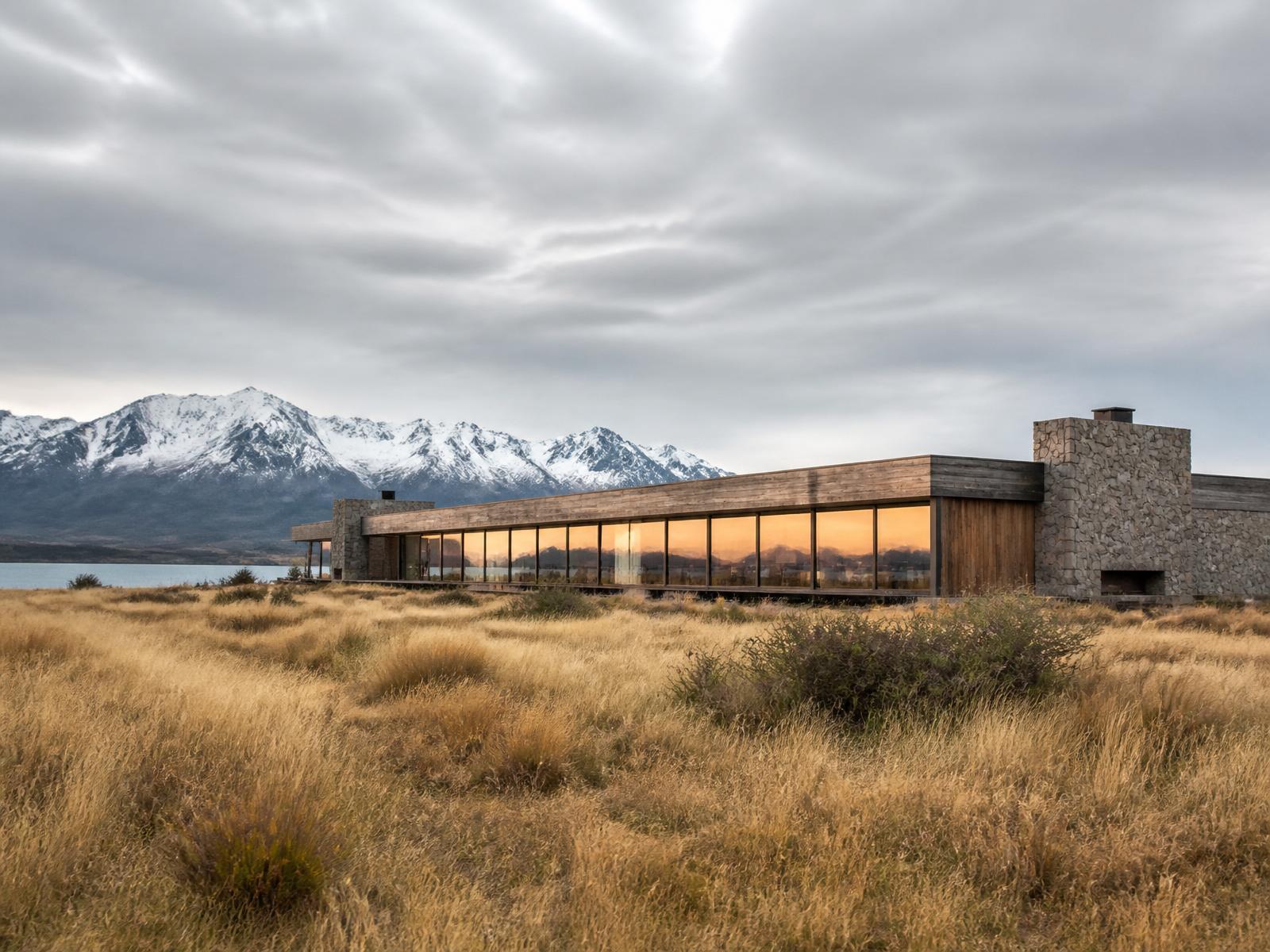
Explora liegt flach in all dem: eine lange, horizontale Linie aus Holz und Stein am Rand eines restaurierten, tausende Hektar großen Parks, mit den Bergen im Rücken und der Steppe davor. Es existiert, um einen morgens um sieben in die Landschaft zu bringen und abends um sieben, müde, wieder herauszuholen. Das ist der ganze Gedanke. Die Lodge ist die Tür. Patagonien ist der Raum.
Wer herkommt, wird sich an das Tal erinnern. An die Wolken über den Gipfeln, die Guanakos auf dem Grat, den Kondor, der über einem kreist, ohne ein einziges Mal mit den Flügeln zu schlagen. Der Rest ist einfach der Ort, an dem man geschlafen hat.
Architektur & Design
Ein Bau, der sich für Zurückhaltung entschied
Lokaler Stein, Lenga- und Zypressenholz, ein langer horizontaler Dachfirst, der nie versucht, mit dem zu konkurrieren, was hinter ihm liegt. Aus einem Kilometer Entfernung findet man ihn im Gras kaum. Das ist keine Bescheidenheit um ihrer selbst willen; es ist die einzig ehrliche Antwort auf eine Skyline dieses Ranges.
Im Inneren tut die Architektur eine Sache mit völliger Überzeugung: Sie rahmt. Glas reicht vom Boden bis zur Decke entlang der Talseite, und die Berge werden einfach in jeden Raum hineingelassen, den ganzen Tag, sich ständig verändernd. Wände sind aus hellem Holz. Böden aus Stein und Wolle. Die Möbel sind chilenisch, schlicht gefertigt, gebaut, um von Menschen bewohnt zu werden, die seit dem Frühstück unterwegs waren.
Alles ist erdfarben, weil alles draußen es ist: Ocker, Beige, Schiefer, Flechtengrün. Am Nachmittag werden Feuer entfacht. Nichts glänzt. Luxus bedeutet hier Wärme nach Wind – und der gute Instinkt, den schönsten Sessel dorthin zu stellen, wo die Aussicht beginnt, und dann mit dem Gestalten aufzuhören.
The Rooms
Ruhige Aussichtspunkte, dem Wetter zugewandt
Es gibt keine Liste, die sich lohnt. Was zählt, ist das Glas, das Feuer, und wie lange man dem Berg schweigend gegenübersitzt.
No. 01
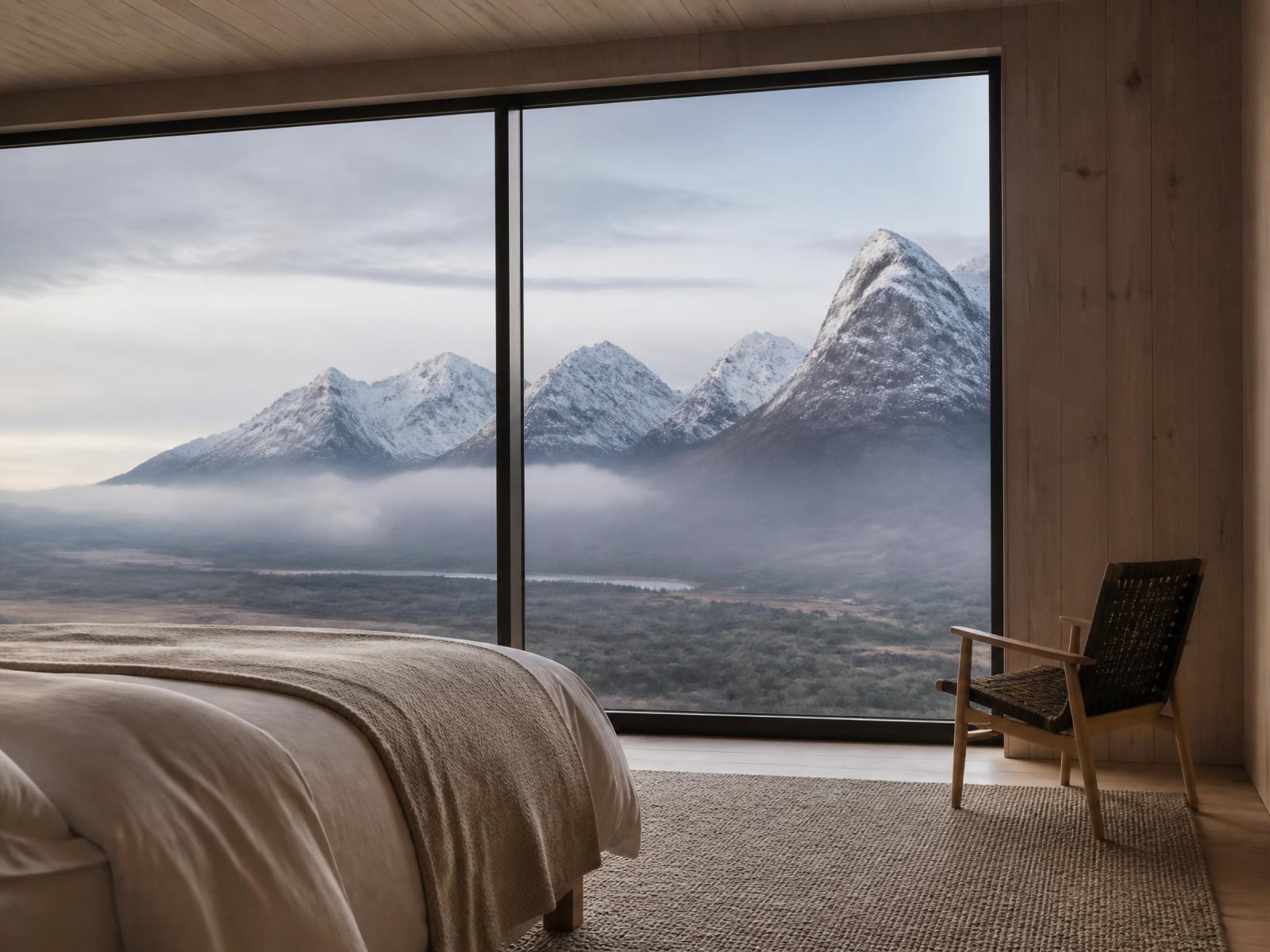
Ein Fenster, und was der Berg gerade tut
Die Wand ist vom Boden bis zur Decke aus Glas, und dahinter liegt nichts als Tal, Nebel und ein Berg, der schon deutlich länger da ist als wir alle. Man wacht auf, weil sich das Licht verändert, nicht weil etwas danach verlangt. Das Bett ist Leinen und Wolle und kühl an den Rändern. Ein Stuhl ist zum Fenster gedreht, und er ist das meistgenutzte Möbelstück im Raum. Eine halbe Stunde vergeht. Die Wolke hebt sich vom Grat, legt sich wieder, hebt sich erneut. Man hat nach nichts gegriffen, und es kommt einem auch nicht in den Sinn.
No. 02
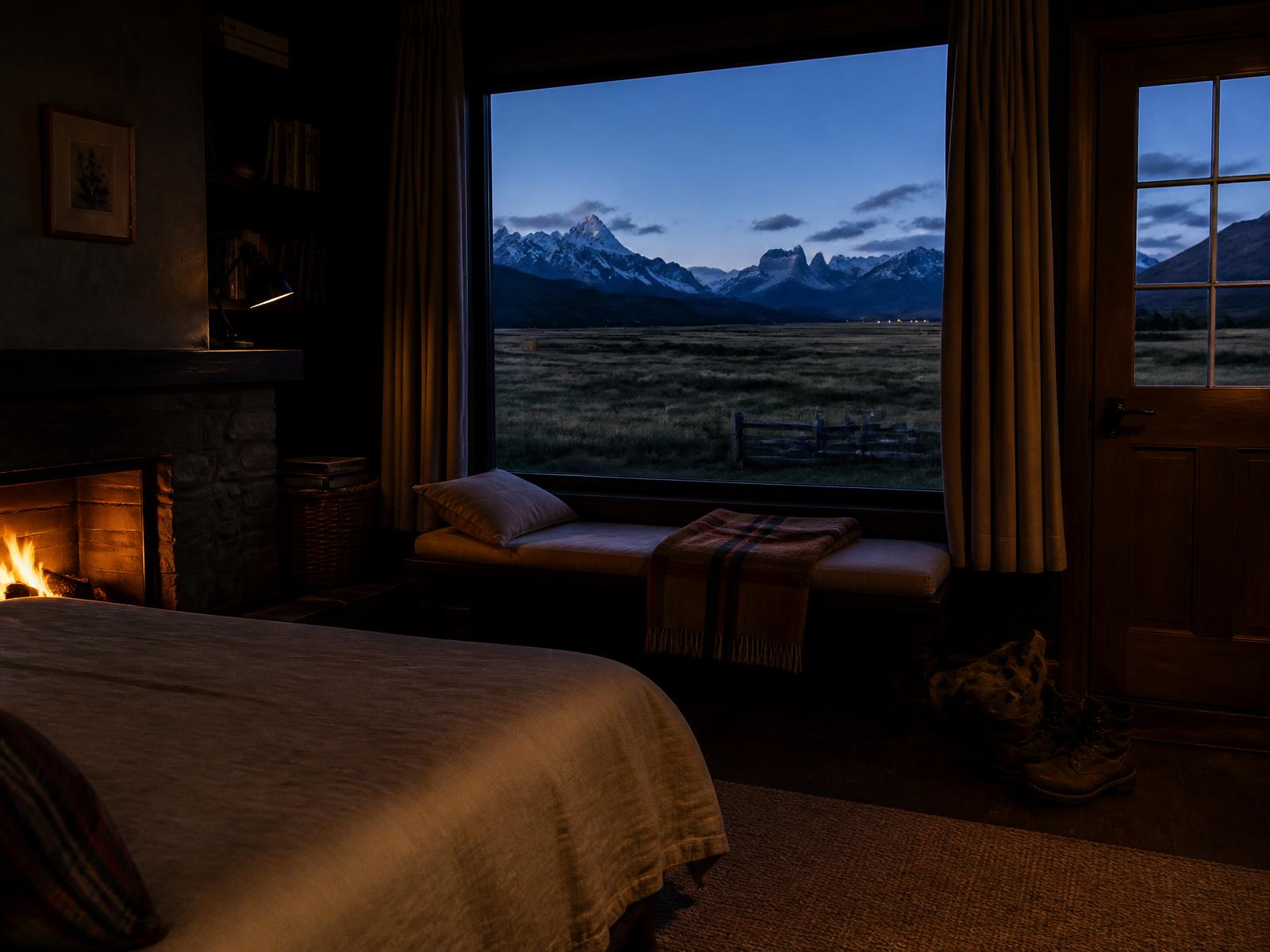
Die Stunde nach dem Wind
Schuhe an der Tür, das Tal noch daran. Beine, die vierzehn Kilometer hinter sich haben und es wissen. Das Feuer brennt schon, und der Raum riecht schwach nach Lenga-Rauch. Draußen hält sich das letzte blaue Licht auf den Gipfeln, und der Wind arbeitet am Glas, und der Unterschied zwischen draußen und drinnen ist genau der Sinn dieses Gebäudes. Man sitzt mit einer Wolldecke und einem Glas Rotwein und spricht nicht viel. So fühlte sich Schutz an, bevor er zu einer Kategorie wurde.
Kulinarik
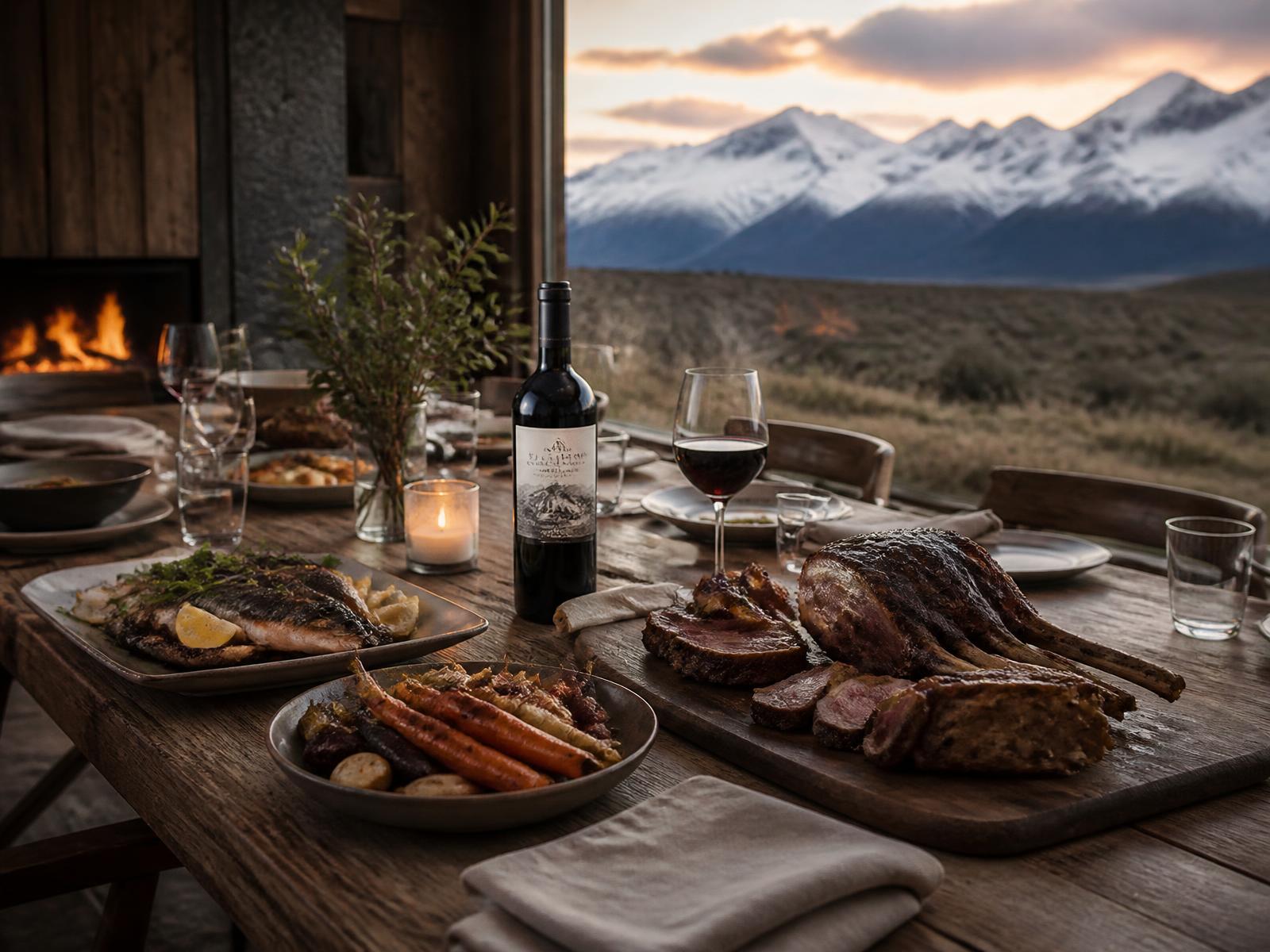
Lamm, Feuer und ein langer Tisch dem Wetter zugewandt
Patagonisches Lamm, auf dieser Steppe aufgezogen und so langsam gegart, dass niemand um Effekthascherei bemüht sein muss. Forelle aus kalten Flüssen. Wurzelgemüse, Kürbis, Bohnen, Kräuter, die dem Wind standhalten. Brot, das um acht Uhr morgens noch warm ist, weil man um neun schon unterwegs sein wird.
Der Wein ist chilenisch und unprätentiös: Carmenère und Landweine aus tausend Kilometern nördlicher Entfernung, großzügig in schwere Gläser gegossen. Das Abendessen zieht sich, denn jeder am Tisch hat den Tag draußen verbracht und hat Geschichten zu erzählen, die aus der falschen Reihenfolge kommen. Das Feuer brennt. Das Fenster ist schwarz, bis auf den letzten silbernen Schimmer auf den Gipfeln.
Nichts kommt mit der Pinzette auf den Tisch. Dies ist regionale Küche auf hohem Niveau, dann in Ruhe gelassen – das Essen eines Ortes mit harten Wintern, an dem eine Mahlzeit eher verdient als bloß bestellt wird.
Wellness
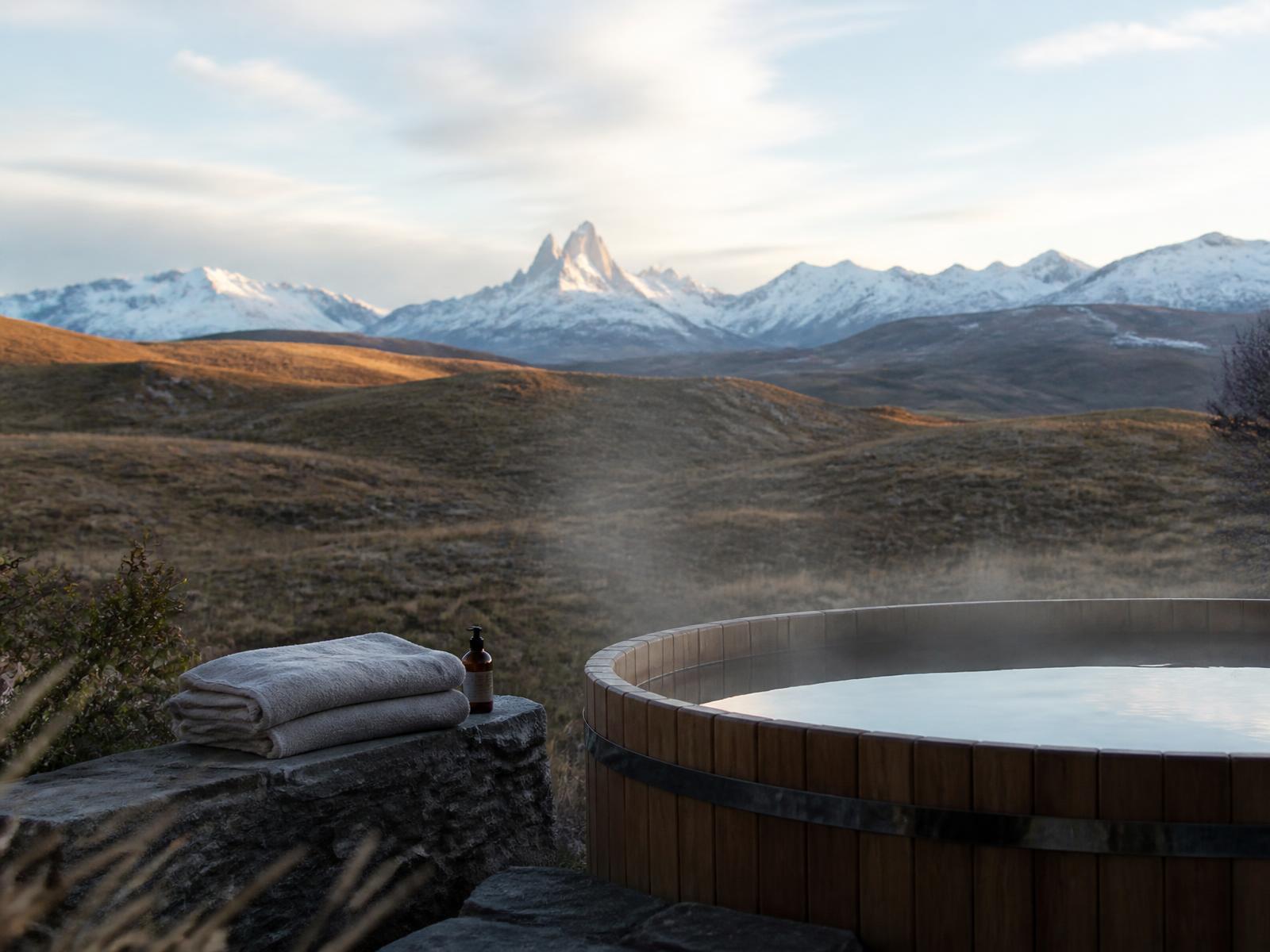
Es beginnt draußen, der Rest ist Erholung
Zwanzig Kilometer Tal, vierhundert Höhenmeter, sechs Stunden Wind im Gesicht und kalte Luft in den Lungen. Wenn man zurückkehrt, ist die Arbeit getan. Alles, was folgt, ist schlicht die Fürsorge für einen Körper, der richtig beansprucht wurde.
Heißes Wasser im Freien, während das Licht schwindet, aufsteigender Dampf in wirklich kalter Luft, die Berge, die erst rosa, dann grau werden. Hände, die wissen, wo sich ein Tag des Wanderns festsetzt. Langer Schlaf in einem dunklen Zimmer mit dem Wind draußen. Sehr wenig wird verordnet, nichts geplant.
Ehrlich gesagt ist es die Landschaft, die einen wiederherstellt. Kein Empfang, dem man nachjagen müsste, kein Grund, auf einen Bildschirm zu schauen, um zehn schon im Schlaf, weil die Dunkelheit hier vollkommen ist und man sie sich verdient hat. Am dritten Tag hat sich der Atem verändert, ohne dass man es bemerkt hätte.
Signature Experiences
Acht Wege, die Landschaft kennenzulernen
Nichts davon wurde für Gäste erfunden. Patagonien tat all das schon lange, bevor jemand auf die Idee kam, hinzukommen und zuzusehen.
No. 01
Losgehen, bevor der Wind aufkommt
Die Pfade beginnen direkt vor der Tür und führen weiter, bis man selbst entscheidet, umzukehren. Erst Grasland, dann Geröll, dann Lenga-Wald, durch den das Licht seitlich einfällt. Am späten Vormittag kommt der Wind und lehnt sich den ganzen Rückweg über gegen einen, und irgendwo ab dem vierten Kilometer hört man auf, ihm zu grollen. Auf dem Rückweg spricht kaum jemand. Es gibt nichts zu sagen, was das Tal nicht schon besser gesagt hätte.
No. 02
Reiten durchs Land, so wie es schon immer durchquert wurde
Criollo-Pferde, hier gezüchtet, vom Wetter unbeeindruckt und deutlich kompetenter als man selbst. Man reitet mit einem Baqueano durch offenes Tal, der diesen Boden seit seinem siebten Lebensjahr kennt und keine Erklärung dazu für nötig hält. Flüsse werden durchquert statt umgangen. Irgendwann in der zweiten Stunde hört das Ausmaß dieses Ortes auf, beunruhigend zu wirken, und wird einfach zur Größe des Tages.
No. 03
Stillsitzen, bis die Guanakos einen vergessen
Sie sehen einen lange, bevor man sie selbst sieht, dann beobachten sie, und irgendwann senken sie den Kopf wieder. Das ist die ganze Übung: zwanzig Minuten auf kaltem Boden, keine Kamera gehoben, ein Wildtier entscheiden lassen, dass man keine Mühe wert ist. Es ist eine kleine Sache, und sie verändert den Rest des Tages.
No. 04
Der Kondor, von unten betrachtet
Am späten Vormittag reiten sie die Thermik über den Felswänden, drei Meter Spannweite und fast kein Flügelschlag. Man liegt auf einem Felsen und beobachtet, wie einer schweigend über einem kreist, solange er bleibt. Nichts in Patagonien lässt den Himmel so genau vermessen erscheinen.
No. 05
Das Licht fotografieren, statt ihm hinterherzujagen
Das patagonische Wetter ändert sich im Fünfzehn-Minuten-Takt: Wolkenschatten jagt über das Grasland, ein Gipfel klart neunzig Sekunden lang auf, Regen zieht sichtbar das Tal hinauf. Die Disziplin liegt darin, es nicht zu verfolgen. Einen Vordergrund wählen, sich hinsetzen, und vier verschiedene Aufnahmen kommen von selbst.
No. 06
Mittagessen, irgendwo ohne Namen
Eine Decke im Windschatten eines Felsens, kaltes Lamm, Brot, Käse, eine Thermoskanne, ein Apfel. Wind auf drei Seiten und die Berge auf der vierten. Es ist die einprägsamste Mahlzeit der Woche, dauert zwanzig Minuten und kostet fast nichts — ein Gedanke, der hinterher noch bleibt.
No. 07
Ganz nah am Eis stehen
Gletschertäler, Moräne, Schmelzwasser in einer Farbe, die es sonst nicht gibt, und Eis, blau verdichtet und älter als der Ackerbau. Es knackt gelegentlich, weit entfernt, und der Klang kommt verspätet an. Auf dem Rückweg wird man stiller, als man hingegangen ist.
No. 08
Warten, bis die Dunkelheit fertig hereinbricht
Hier gibt es in keiner Richtung nennenswerte Lichtverschmutzung. Nach dem Abendessen hinaustreten, die Augen sich anpassen lassen, und die Milchstraße steigt als geschlossenes Band über dem Grat auf. Das Kreuz des Südens, die Magellanschen Wolken, und eine Kälte, die einen irgendwann wieder hineintreibt. Zweimal hinausgehen.
Gallery
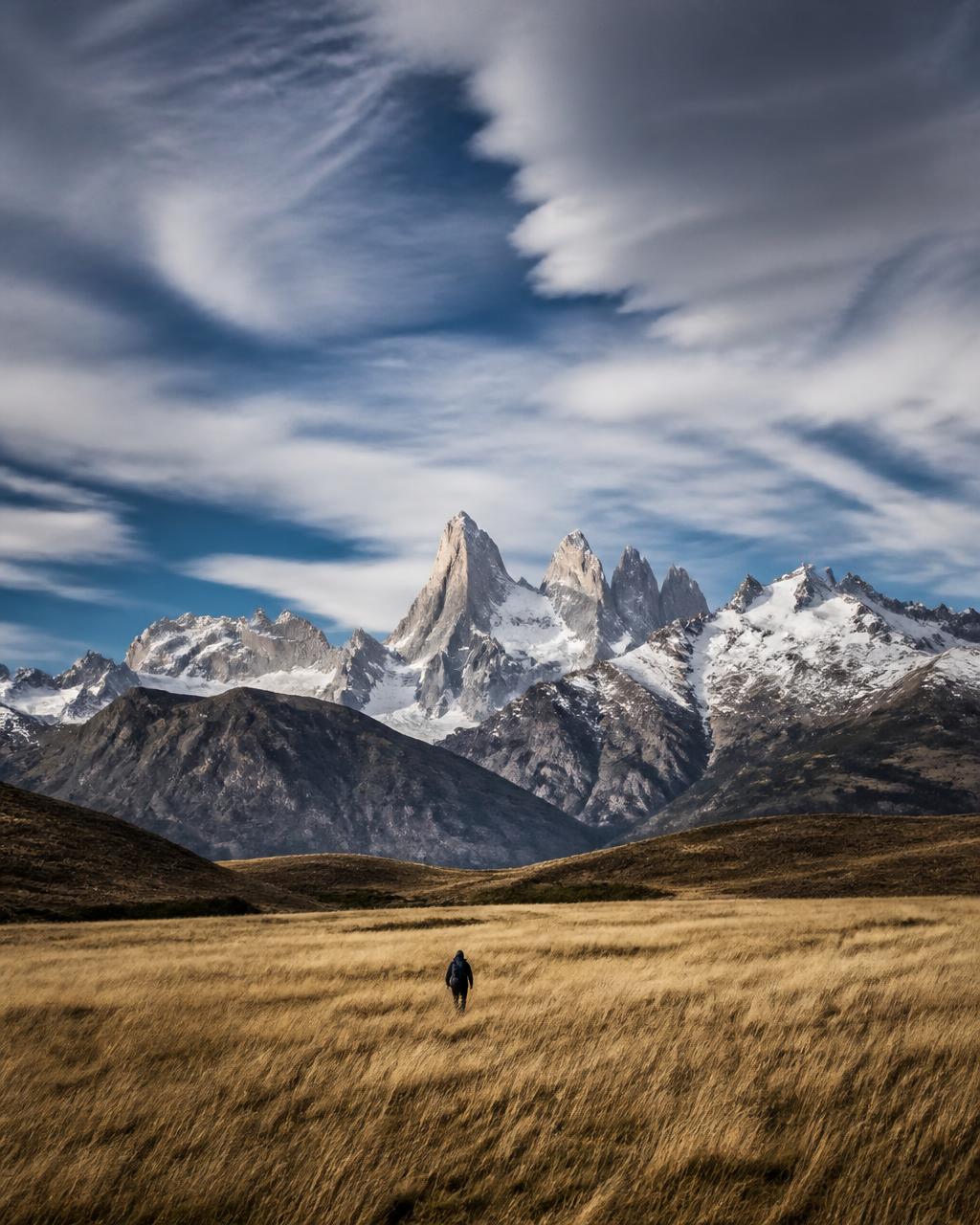
Ein Tag im Park, in vier Bildern
Der Maßstab, ganz einfach gesagt 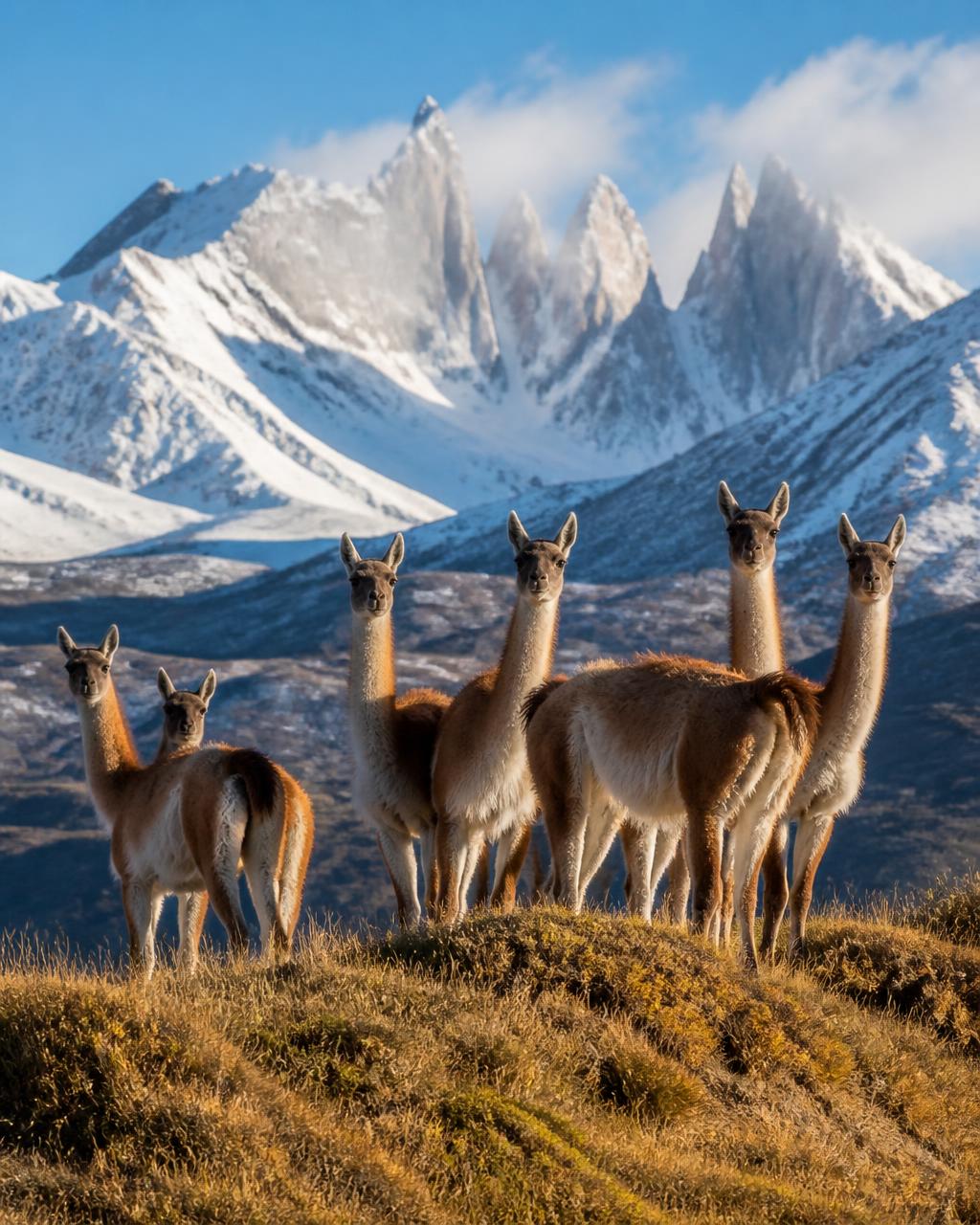
Guanakos, die sich ein Urteil bilden 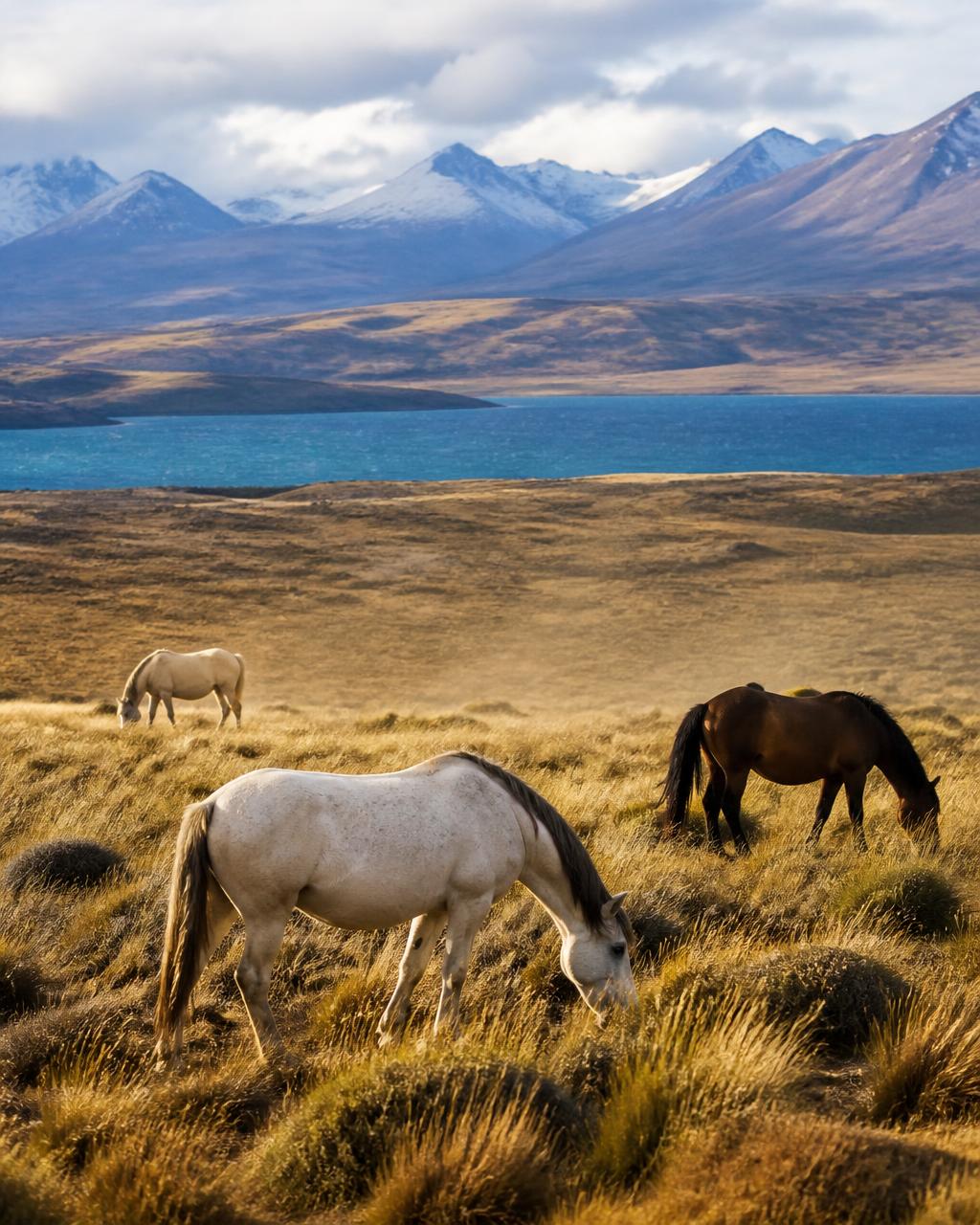
Pferdeland, später Nachmittag
Nearby Discoveries
Was wir einem Freund raten würden
Patagonien belohnt frühe Aufbrüche, zusätzliche Schichten und unentschlossene Nachmittage. Kaum etwas davon muss fotografiert werden.
No. 01
Der Patagonia-Nationalpark, zu Fuß
Eine Million Hektar restaurierte Steppe, Tal und Gebirge, zurückgegeben nach zwei Jahrzehnten Zaunentfernung und Weideerholung. Wandern Sie die Lagunas Altas oder das Aviles-Tal, und Sie durchqueren eines der ehrgeizigsten Naturschutzprojekte überhaupt. Fast niemand ist dort.
No. 02
Die Gletschertäler
U-förmig, mit Moränenboden, blau vom Schmelzwasser, und still auf eine Art, die nach einer Stunde spürbar wird. Früh aufbrechen, mehr Schichten mitnehmen, als man denkt, und dem Rückweg mehr Zeit geben als dem Hinweg.
No. 03
Wo die Tierwelt tatsächlich lebt
Guanakos auf offenem Gelände, Hirsche am Waldrand, wenn man geduldig und ein wenig glücklich ist, Pumaspuren im Morgenstaub und gelegentlich ein Puma selbst. Gehen Sie mit jemandem, der Spuren liest statt Zeitpläne. Die einprägsamsten Begegnungen sind jene, die niemand versprochen hat.
No. 04
Bergrücken, für den ganzen Horizont
Jeder Aufstieg hier belohnt oben mit zweihundert Kilometern Sicht: Seen, Steppe, das Rückgrat der Anden, Wettersysteme, die aus Chile heranziehen. Nehmen Sie den langen Weg hinauf und gönnen Sie sich eine Stunde Nichtstun am Gipfel.
No. 05
Estancias, und die Menschen, die geblieben sind
Schafland, Wollschuppen, Mate ohne Zeremonie eingeschenkt, Hunde, die mehr arbeiten als jeder Mensch. Das patagonische Landleben ist schlicht, unsentimental und großzügig. Nehmen Sie die Einladung an, sich zu setzen; lehnen Sie nichts ab, was man Ihnen anbietet.
No. 06
Abgelegene Seen
Cochrane, Jeinimeni, und die kleineren, nur über Feldwege erreichbar und auf den meisten Karten namenlos. Das Wasser ist gletscherblau, der Wind zeichnet den ganzen Nachmittag darauf, und selten kommt ein weiteres Fahrzeug vorbei. Mittagessen mitbringen. Zu lange bleiben.
No. 07
Kondorklippen
Entlang der Basaltwände liegen bekannte Schlafplätze, und die Vögel steigen am späten Vormittag mit der Thermik auf. Die richtige Ausrüstung ist ein Stein zum Sitzen und keine Eile. Ein Fernglas hilft; es in der Tasche zu lassen hilft noch mehr.
No. 08
Zu Pferd auf die andere Seite
Zwei Tage im Sattel mit einer Nacht unter Zeltplane bringen einen dorthin, wo keine Straße hinreicht. Das ist die älteste Art, sich durch Patagonien zu bewegen, und noch immer die wahrhaftigste. Man schläft fest und wacht mit Reif auf dem Zelt auf.
Pure Voyage Liebt
Sechs kleine Dinge
- Das erste Licht auf den Gipfeln, während das Tal noch im Schatten liegt, betrachtet aus einem Bett, das man noch nicht verlassen möchte.
- Kaffee, mit beiden Händen an einem Fenster gehalten, und die zwanzig Minuten, die verschwinden, während eine Wolke über einen Berg zieht.
- Der Klang des Windes, der über ein ganzes Grastal zieht – von weit her kommend, hindurchziehend, weiterziehend.
- Guanakos auf einem Grat in der Ferne, vollkommen reglos, die einen bereits vor einem selbst gesehen haben.
- Die Rückkehr in der Dämmerung mit kalten Händen und Schlamm bis zum Knie – und das Feuer, das schon brennt.
- Nach dem Abendessen nach draußen treten, den Augen vier volle Minuten Zeit geben, und die Milchstraße dicht über sich finden.
Für wen dieser Ort geeignet ist
Reisende, die sich lieber klein fühlen als umsorgt werden wollen.
Es passt zu Wanderern und Reitern und all jenen, die einen Tag für gut gelungen halten, wenn er mit müden Beinen endet. Es passt zu Fotografen, die das patagonische Licht sowohl großzügig als auch unmöglich finden werden. Es passt zu Menschen, die Wildtiere zu deren eigenen Bedingungen erleben möchten statt nach Zeitplan, und zu Architektur, die weiß, wann sie aufhören muss.
Es passt zu langsamen Reisenden und zu jenen, denen Naturschutz ebenso wichtig ist wie die Landschaft – dies ist wiederhergestelltes Land, nach zwei Jahrzehnten Arbeit zurückgegeben, und dieses Wissen verändert, wie man das Tal liest. Es passt zu jedem, der schon länger etwas gründlich durchdenken wollte und dafür keinen Raum fand.
Es wird jeden enttäuschen, der auf Nachtleben, Einkaufsmöglichkeiten oder ein Resort im herkömmlichen Sinn hofft. Nichts davon existiert im Umkreis mehrerer hundert Kilometer, in keine Richtung. Was es stattdessen gibt, ist Wind, Stein, Gras, Eis, Stille nach Einbruch der Dunkelheit – und eine Landschaft, die sich niemals nach jemandes Bequemlichkeit gerichtet hat.
Eine Anmerkung des Teams
Kommen Sie im langen Licht. Bleiben Sie eine Woche. Schenken Sie einen Tag dem Nichtstun.
Von November bis März dauern die Tage sechzehn Stunden, und die Pässe sind offen; die Nebenwochen sind ruhiger und das Licht ist besser. Wandern Sie am ersten Tag, reiten Sie am zweiten, und verlassen Sie an einem Tag das Tal überhaupt nicht. Und gehen Sie am letzten Abend ohne Kamera hinter die letzten Gebäude, stehen Sie den Bergen zugewandt, bis die Kälte Sie zurücktreibt, und lassen Sie dem Wind das letzte Wort. Die Landschaft ist der Grund, weshalb Sie gekommen sind.
Das Pure Voyage Team
From The Journal
Weiterlesen
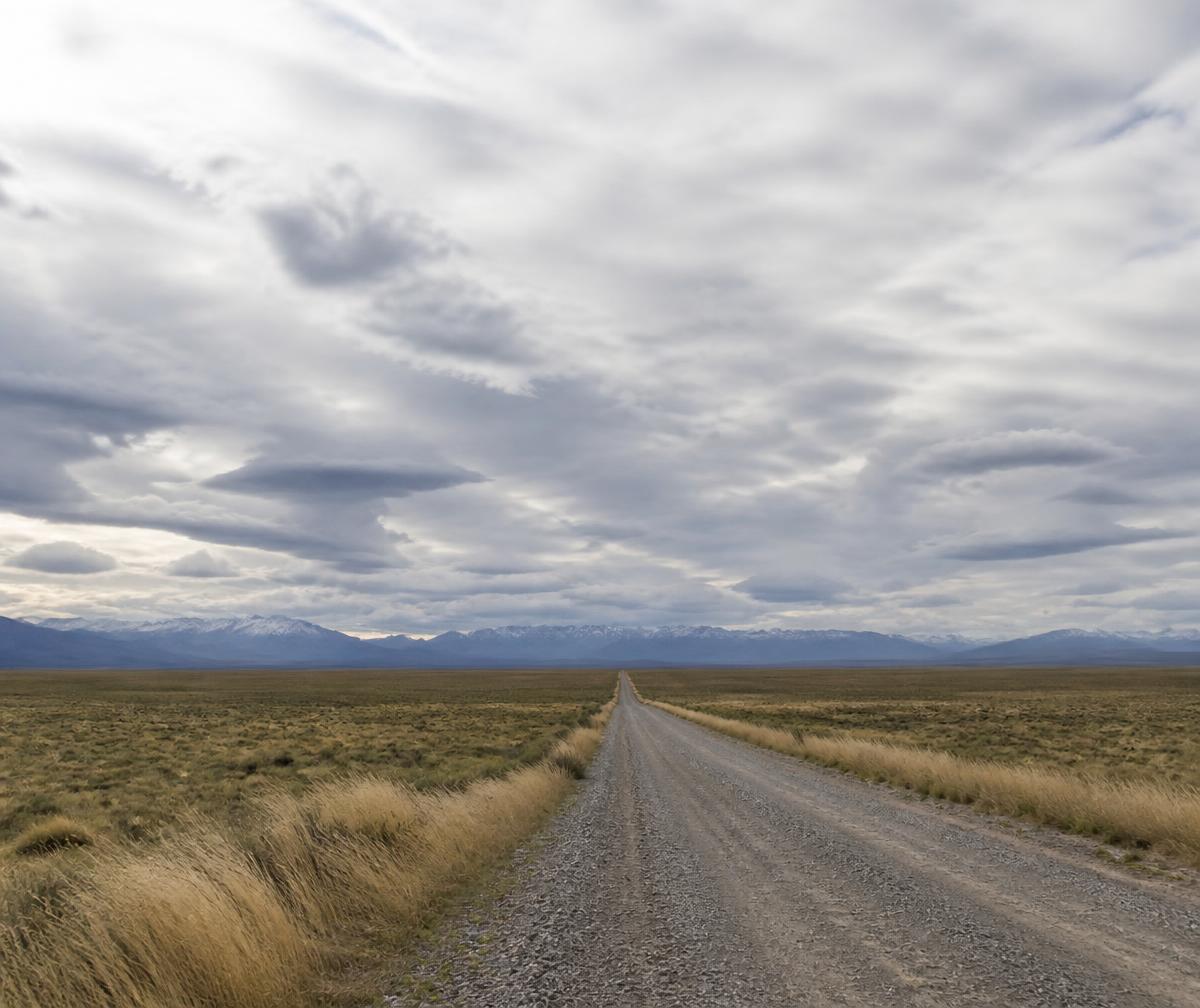
Wildnis — August 2026
Patagonien: Die letzte große Wildnis
Über die langen Straßen des tiefen Südens, und was mit einem Menschen nach drei Tagen ununterbrochenem Horizont geschieht.
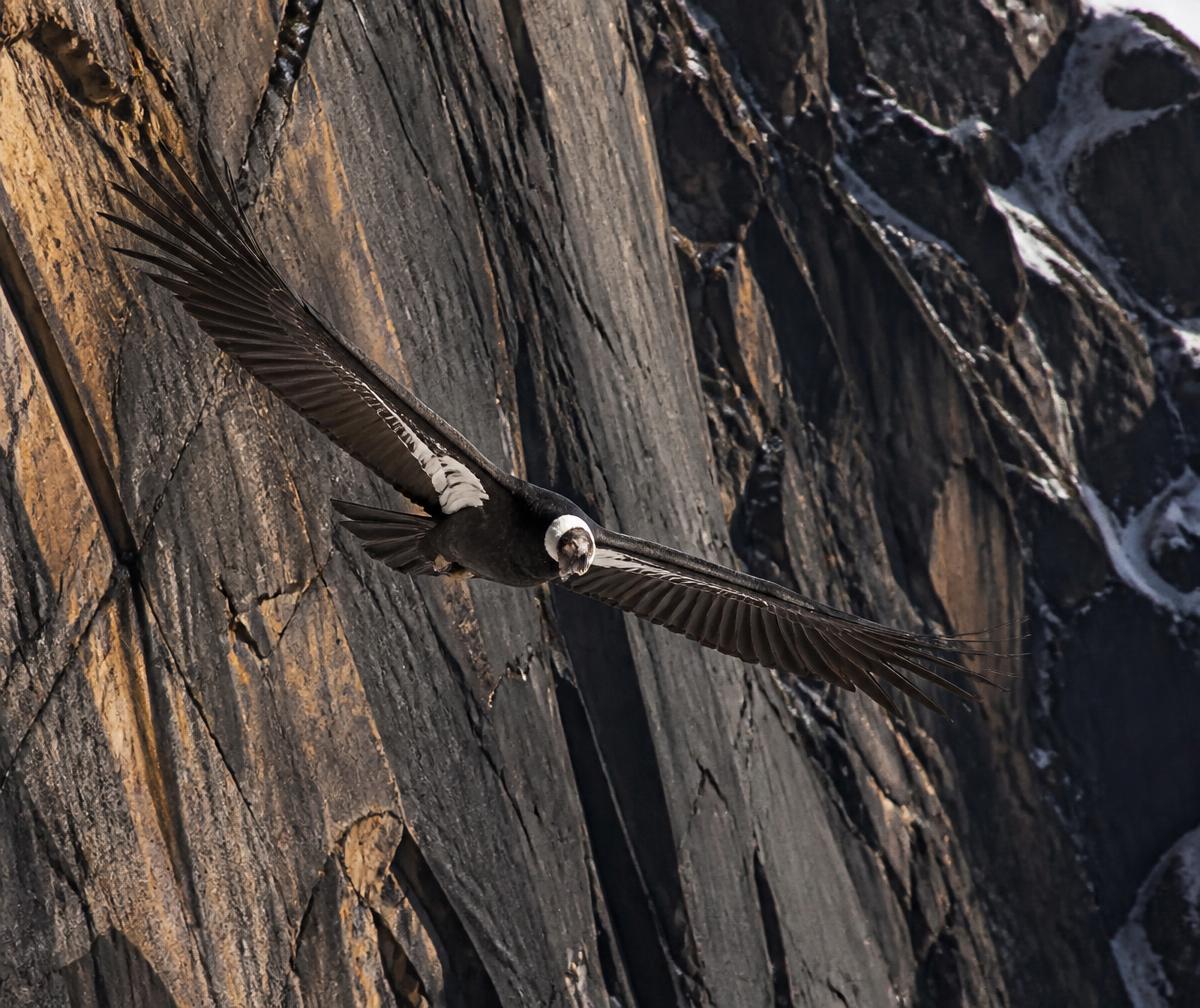
Slow Adventure — Juli 2026
Warum Patagonien einen verändert
Wind, Weite und ein Vogel mit drei Metern Spannweite. Notizen über die besondere Demut, an einem Ort zu stehen, der um ein Vielfaches größer ist als man selbst.
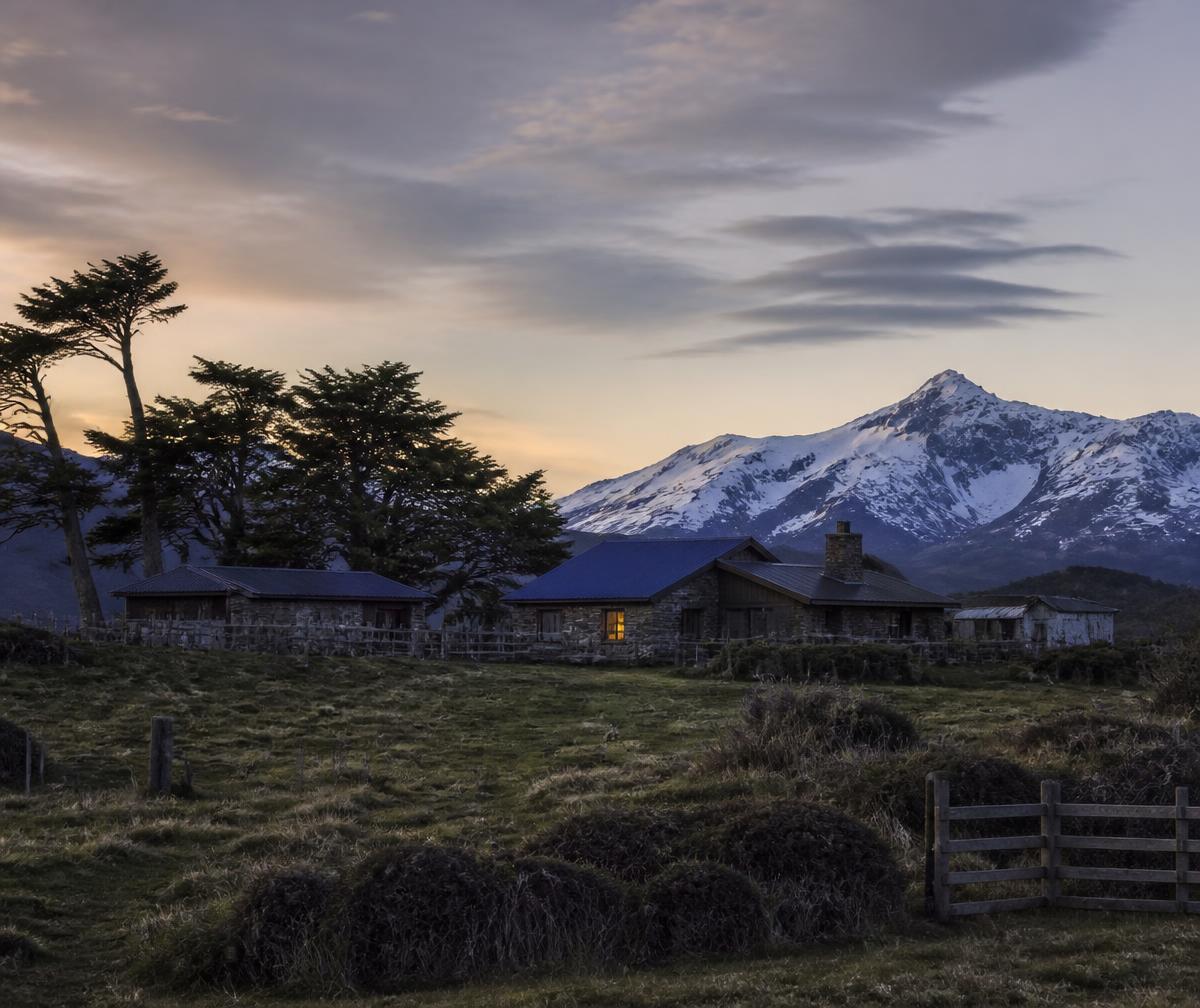
Chile — Juni 2026
Chiles bemerkenswerteste Landschaften
Von der Atacama bis zu den Eisfeldern — ein Land von viertausend Kilometern Länge, und die wenigen Orte, für die sich die Durchquerung lohnt.
Eine persönliche Anfrage
Lassen Sie uns Ihre Patagonien-Reise planen
Wenn Patagonien beginnt, sich wie Ihre nächste Reise anzuhören, planen wir sie gerne persönlich für Sie – zuerst die Landschaft, alles andere darum herum gestaltet.
Eine Woche im Park mit Wanderwegen und Pferden, davor die Höhenwüste und der klare Himmel der Atacama, ein paar Tage zwischen den Reben von Colchagua oder Casablanca und Buenos Aires an beiden Enden – geplant nach den Jahreszeiten, dem Licht und der Art, wie Sie tatsächlich reisen.
Warum über Pure Voyage buchen?
- Persönliche Luxusreiseberatung
- Sorgfältig gewählte Hotelempfehlungen
- Ein Reiseplan, der zu Ihnen passt
- Partnervorteile, wo sie verfügbar sind
- Persönlicher Ansprechpartner von Anfang bis Ende
Preisrahmen
Was eine Reise in Weiter entfernt ungefähr kostet
- ab etwa 500 € pro Person und Nacht
- 800 bis 1.800 € je nach Haus und Saison
Bei Fernzielen entscheidet die Streckenführung oft mehr über den Preis als das Hotel.
Richtwerte pro Person und Nacht im Doppelzimmer, ohne Flüge. Kein Angebot — eine Orientierung vor dem ersten Gespräch.
Unsere Einschätzung
Was wir über dieses Resort sagen würden
Explora Patagonia — Torres del Paine, Chile
Passt besonders für
- Wanderer mit mehreren Tagen Zeit
- Reisende, die geführte Touren schätzen
- Kombination mit der Atacama
Unser Lieblingsraum
Zimmer mit Blick auf die Cuernos
Alle Zimmer sind schlicht; entscheidend ist die Ausrichtung zum Massiv über dem See.
Wann hinreisen
November bis März. Der Wind gehört dazu — Kleidung nach Schichten planen.
Verwandte Erlebnisse
- Wanderung zum Mirador Base Torres mit Guide
- Reiten mit Baqueanos durch die Pampa
- Bootsfahrt zum Grey-Gletscher
Was wird bei der Planung unterschätzt?
Das Wetter innerhalb eines Tages. In Patagonien folgen Sonne, Wind und Regen häufig innerhalb weniger Stunden aufeinander; Wanderungen werden deshalb morgens neu entschieden. Wer feste Pläne mitbringt, wird enttäuscht — wer vier bis fünf Nächte einplant, bekommt fast sicher die zwei klaren Tage, für die man kommt. Windfeste Kleidung ist wichtiger als warme.
Notiert von Pure Voyage
Pure Voyage Atlas
Wohin dieser Ort führt
Der Atlas verbindet, was zusammengehört: die Region, die Kollektionen, die passende Reisezeit und die Hotels, die in derselben Erzählung stehen.
In diesen Kollektionen
Im Journal
Verwandte Hotels
Entdeckungswege
Weiter in der Kollektion
Ebenfalls empfohlen
Adressen, die Gäste dieses Hotels erfahrungsgemäss ebenfalls schätzen — als Fortsetzung derselben Reise oder als Gegenstück dazu.
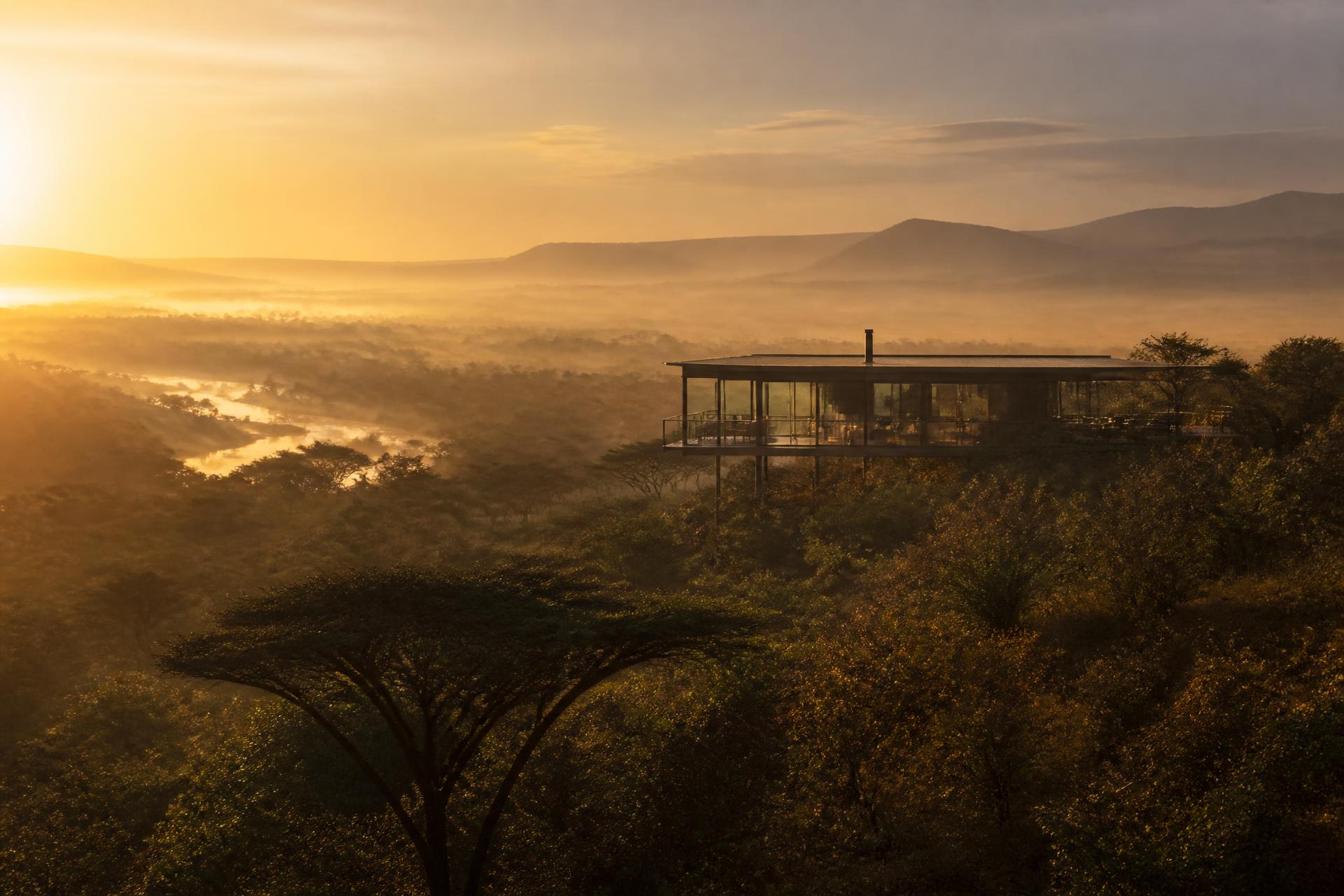
Krüger-Nationalpark, Südafrika
Singita Lebombo Lodge
Glas-Suiten über dem N'wanetsi-Fluss, Wildbeobachtung auf 130.000 Hektar privatem Konzessionsgebiet.
Empfohlene Dauer: Vier Nächte
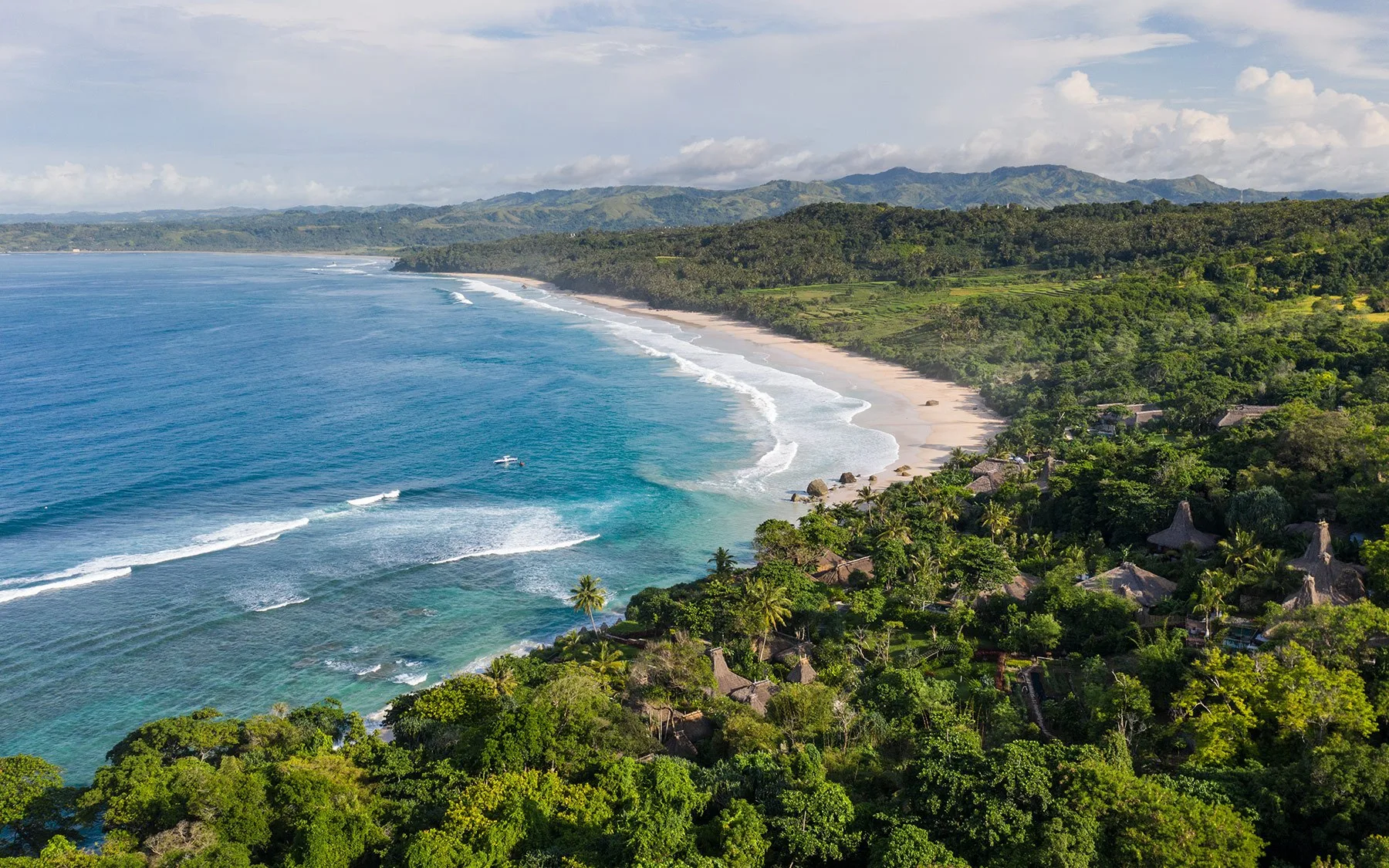
Sumba, Indonesien
NIHI Sumba
Pferde am Strand, eine bekannte Welle und eine Insel, die kaum touristisch erschlossen ist.
Empfohlene Dauer: Sieben Nächte, Anreise über Bali
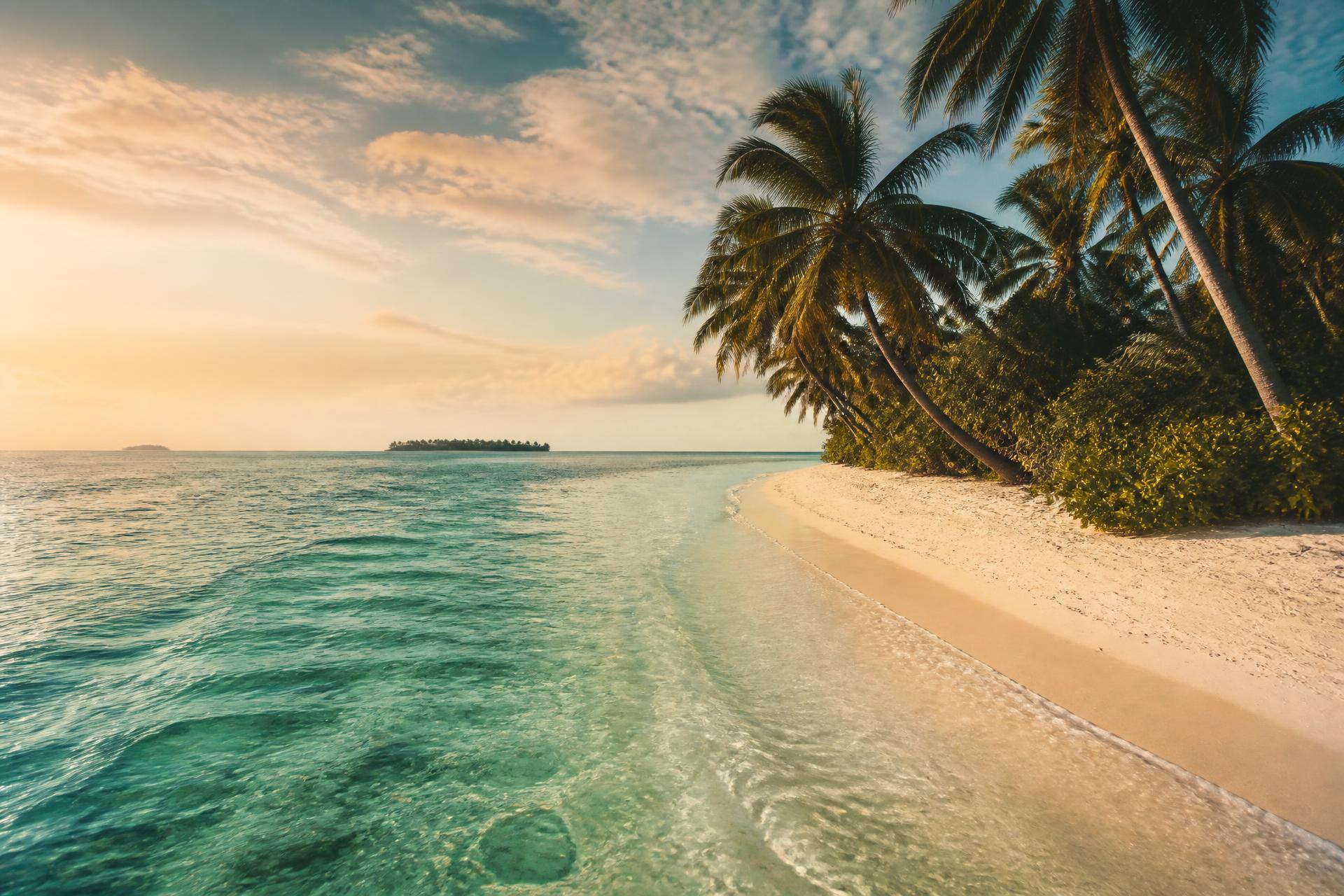
Tetiaroa, Französisch-Polynesien
The Brando
Ein privates Atoll, das sich weitgehend selbst versorgt — dreiunddreissig Villen, sonst Vogelinseln.
Empfohlene Dauer: Fünf bis sieben Nächte
Pure Voyage Signaturen
Themen, die sich durch unsere Arbeit ziehen
Wiederkehrende Gedanken, keine Kategorien. Sie tauchen dort auf, wo sie etwas erklären.
Das könnte Ihnen ebenfalls gefallen
Wohin wir Sie sonst schicken würden
Nicht das Ähnlichste, sondern das Naheliegendste: Orte, Wege und Texte, die zu dieser Art zu reisen gehören.
- HotelAman VeniceCanal Grande, VenedigEin Resort, das wir im selben Gespräch nennen würden.
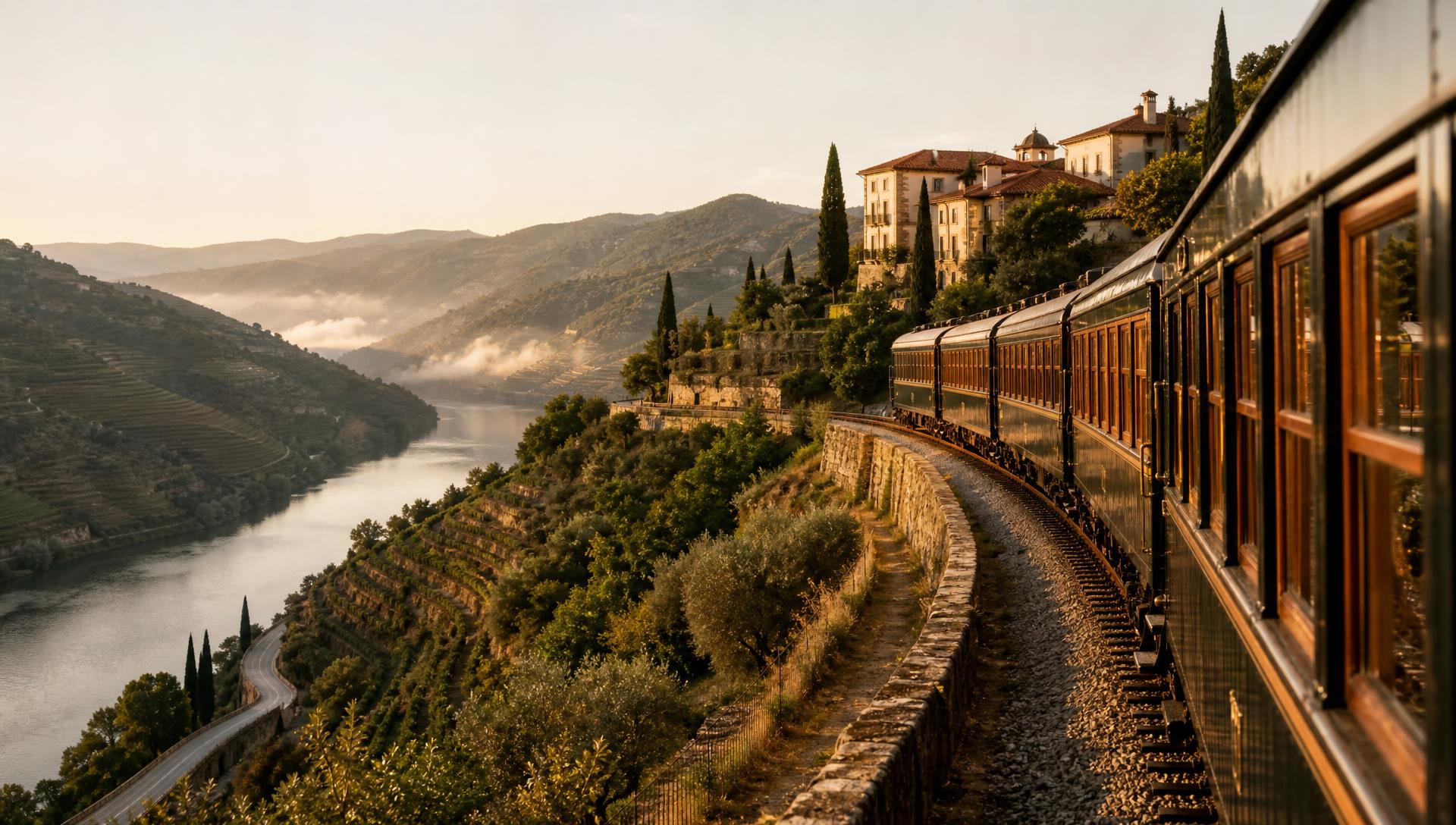
- JourneyVenice Simplon-Orient-ExpressLondon, Paris, die Alpen, VenedigEin Weg, der zu dieser Art zu reisen passt.
- DestinationItalienDas Land, das am häufigsten falsch geplant wird — und am dankbarsten, wenn es stimmt.Das Land dahinter — wie sich alles verbinden lässt.
- EmpfehlungFirst Time ItalyFür die erste Italienreise, die den Ton für alle weiteren setzt.Unsere Auswahl für Reisende mit dieser Haltung.
- JournalWelches Aman passt zu Ihnen?9 MinutenEin Text, der diesen Gedanken weiterführt.
Häufige Fragen
Was Gäste uns dazu fragen
- Wie wählt Pure Voyage die Resorts aus?
- Wir empfehlen nur Hotels, die wir aus eigener Erfahrung, aus der Recherche und aus dem Rückblick unserer Gäste einschätzen können. Entscheidend sind Lage, Haltung und Verlässlichkeit im Alltag — nicht Sterne und nicht Ausstattungslisten.
- Kostet die Buchung über Pure Voyage mehr?
- Nein. Sie zahlen die Rate des Hauses. Über unsere Partnerprogramme kommen in vielen Adressen Leistungen hinzu — Frühstück, ein Guthaben, ein späterer Check-out oder ein besseres Zimmer, wenn verfügbar.
- Welches Zimmer sollte man buchen?
- Fast überall gibt es eine Kategorie, die deutlich mehr bringt als ihr Aufpreis — und eine, die sich nicht lohnt. Auf jeder Hausseite steht unter „Unser Lieblingszimmer“, welche wir nehmen würden.
Weiter im Pure Voyage Universum
Was als Nächstes passt
Kein Katalog, sondern der nächste Schritt: die Hotels, Wege, Länder und Texte, die wir im Gespräch an dieser Stelle nennen würden.
Journeys
Wege, die diese Region erschliessen.
Destinationen
Das Land im Überblick.
Empfehlungen
Was wir für diesen Anlass vorschlagen.
Journal
Weiterlesen, bevor Sie entscheiden.

Eine Einladung
Einmal im Monat: Hotels, Neueröffnungen und Reiseideen
Ein Hotel, das uns überzeugt hat. Eine Neueröffnung, die wir im Blick haben. Und eine Reiseidee zur richtigen Jahreszeit. Sorgfältig ausgewählt und auf das Wesentliche reduziert.