Maharajas' Express — Delhi · Rajasthan · Der Ganges
Durch die Königreiche Indiens
Auf der Fahrt durch eines der faszinierendsten Länder der Welt lädt der Maharajas' Express Reisende ein, Indiens bemerkenswertes Erbe, seine bemerkenswerte Gastfreundschaft und seine lebendige Kultur auf eine Weise zu erleben, die sich zugleich zeitlos und sehr gegenwärtig anfühlt.
Eine Einführung
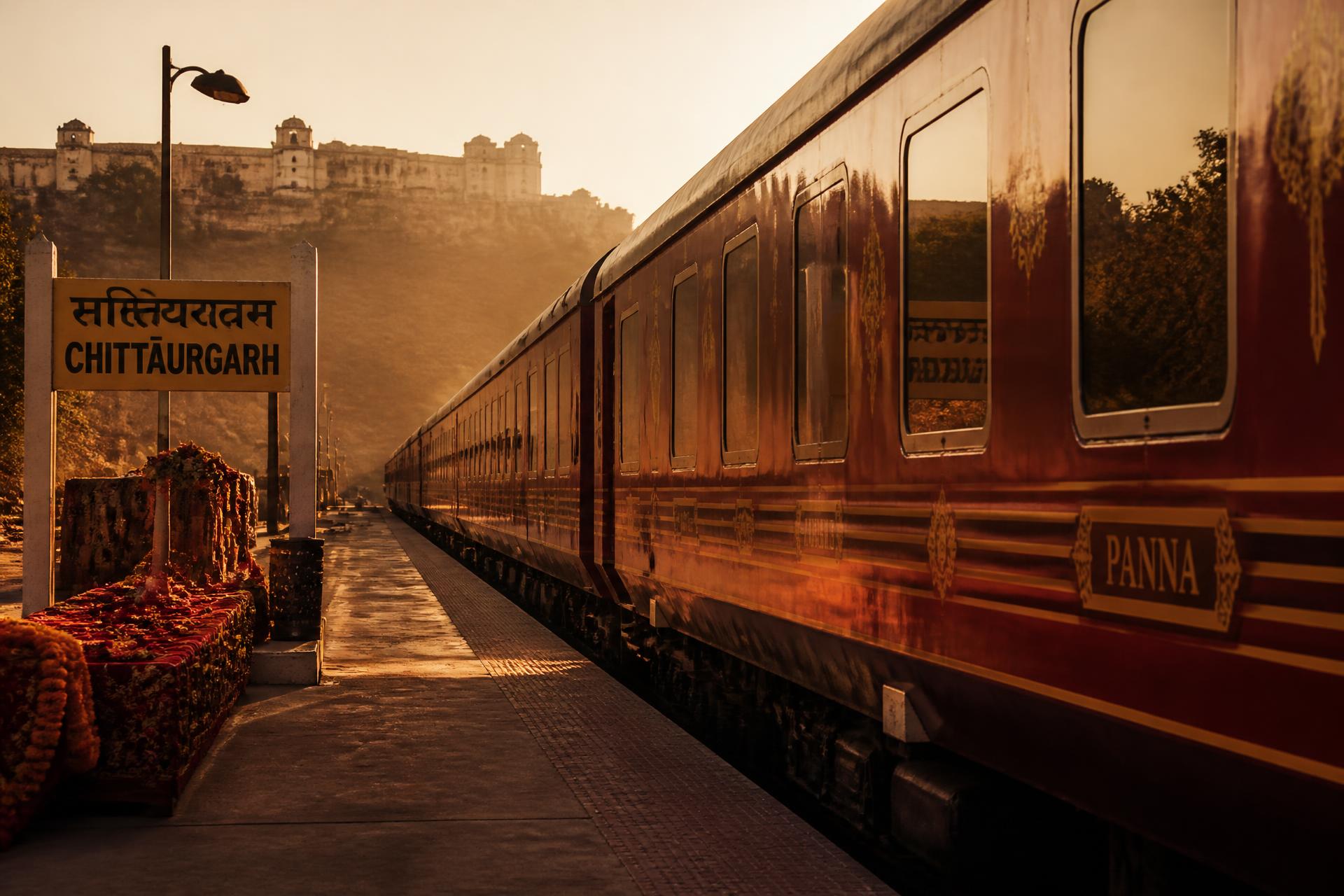
Es beginnt auf einem Bahnsteig, mit Ringelblumen und dem Geruch von Kardamom in heißer Milch.
Indien kommt auf einen zu, alles auf einmal, und nie in der erwarteten Reihenfolge. Jemand spielt am anderen Ende des Bahnsteigs schlecht und wunderschön auf einer Shehnai. Ringelblumen sind überall — in Girlanden, in Körben, unter den Füßen zerdrückt zu einem Geruch wie warmer Pfeffer — und ein Mann gießt Chai aus großer Höhe von einem Stahlbecher in den nächsten, aus keinem anderen Grund, als dass es so gemacht wird.
Ringsum weigern sich die Farben, sich zu fügen: ein Sari in Bougainvillea-Pink vor einer Wand in Kurkumagelb, ein Stapel blockbedruckter Stoffe in Indigo und Krapprot, ein Junge in einem Schulhemd, so weiß, dass es blendet. Die Hitze hält den Duft von Staub, Diesel, Jasmin und etwas Gebratenem fest. Und dann die Waggons: tiefrot, golden gesäumt, mitten in all dem völlig ruhig.
Man wird am Trittbrett bekränzt, was für vier Sekunden peinlich ist und dann einfach schön. Ein Steward lernt den Namen des Gastes und fragt nicht ein zweites Mal danach. Innen geschnitztes Holz, Jali-Gitter, die Muster aus Licht und Schatten über den Boden werfen, und Lampenlicht, das gegen einen Nachmittag brennt, der noch nicht zu verblassen begonnen hat. Ein Pfiff. Und der Bahnsteig, mit all seinem Lärm, beginnt sich zu verschieben.
Die Stadt braucht eine Stunde, um loszulassen. Wohnsiedlungen, dann Kleingärten, dann ein Kanal mit Büffeln darin, dann Felder — blühender Senf, Weizen, eine Frau, die auf einem Damm mit einem Messingtopf auf dem Kopf geht, scheinbar ohne jede Anstrengung. Dörfer ziehen im Tempo eines Fahrrads vorbei: eine Tempelglocke, ein Cricketspiel auf einer Dreschtenne, eine erhobene Hand in einer Tür. Niemand inszeniert etwas. Indien geht einfach seinem Abend nach, während man gerade vorbeikommt.
Am Morgen hat sich das Grün zu Gold gelichtet. Dornbäume, Sand, ein Kamel auf einer Straße ohne weiteren Verkehr, und ein Licht, so flach und weit, als wäre es ausgegossen worden. Dann, gegen Ende eines Nachmittags, eine Form auf einem Bergrücken, die sich nicht als Hügel erweist: eine gewaltige Festung, älter als die meisten Länder, die letzte Sonne auf ihrer Westmauer haltend. So zeigt sich Indien aus einem Zugfenster — langsam, ungeordnet, und stets ein wenig früher, als man bereit ist.
Das ist der ganze Gedanke, und er ist bescheiden: dass ein so altes, so lebendiges Land es verdient, auf Fensterhöhe durchquert zu werden, mit einer Tasse Chai und nichts, was drängt. Alles andere an Bord — das Holz, die Seide, die Küche, die Stille — dient nur dazu, einen ein wenig länger an diesem Fenster zu halten.
Heritage & Design
Königlich als Referenz, nie als Kostüm
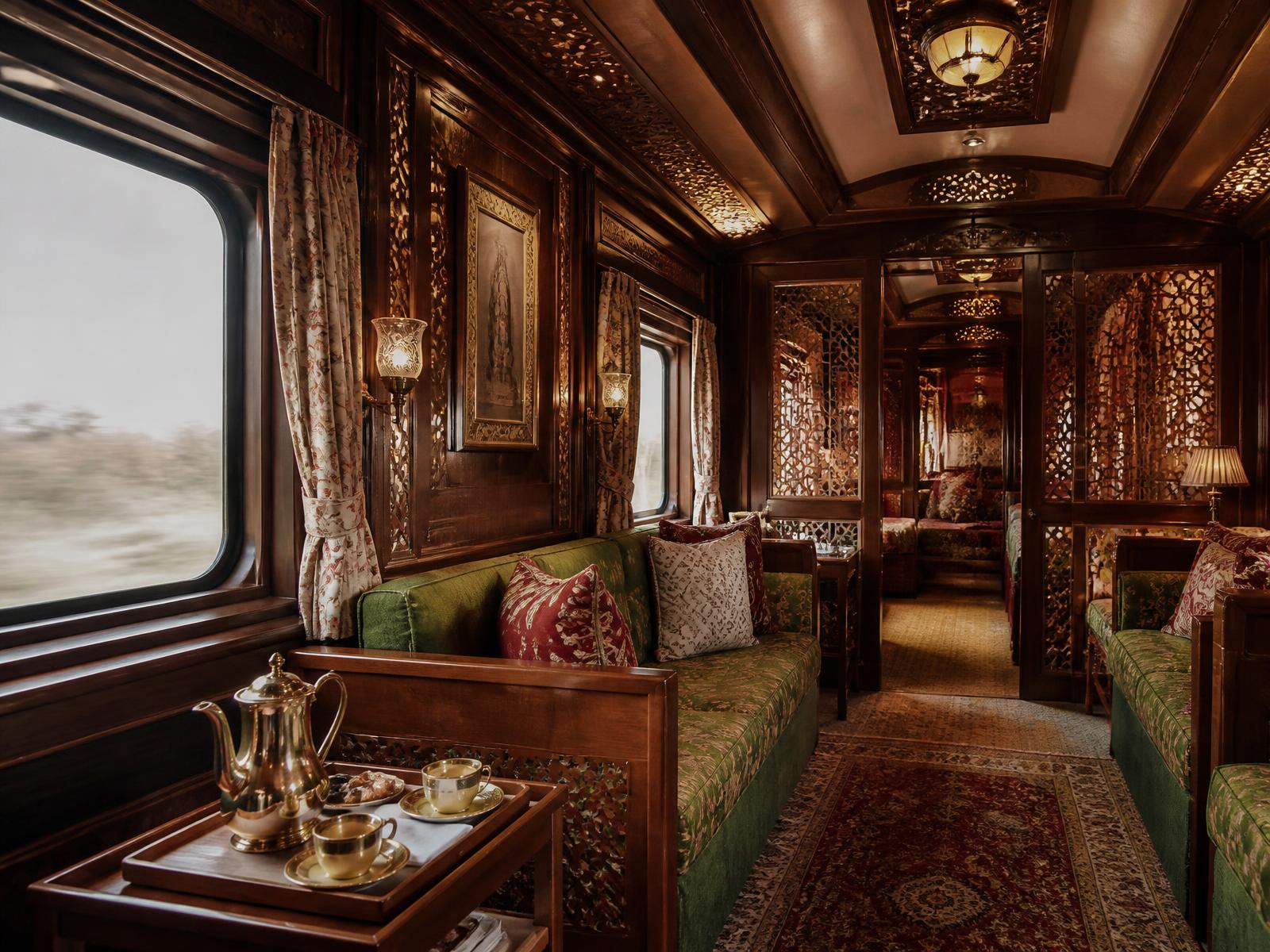
Die Referenz ist der fürstliche Waggon des vergangenen Jahrhunderts, die Hand dahinter ist ganz gegenwärtig und ganz indisch. Rosen- und Teakholz, so lange poliert, bis sich die Lampen darin spiegeln. Jali-Gitter, so fein geschnitten, dass das Licht durch sie um vier Uhr nachmittags achtzackige Sterne auf den Teppich wirft.
Im Detail spricht das Land: Einlegearbeiten aus Agra, Spiegelarbeiten aus Kutch, Seide aus Varanasi in Farben, die der Wüste entlehnt sind — Safran, Indigo, das Grün eines Sittichrückens. Messingbeschläge, an den Kanten blass geworden. Ein Pichhwai-Gemälde auf einem Paneel, klein genug, um übersehen zu werden. Jede Fläche wurde von Hand gefertigt, von jemandem, der damit rechnete, dass sie ihn überdauern würde.
Was es nie wird, ist Theater. Es gibt keine Turbane, die für ein Foto getragen werden, keine nachgeahmten Throne. Der Luxus hier ist kultureller, nicht extravaganter Natur: Handwerkskunst als Form der Erinnerung, still ausgeführt, und alles dem Fenster untergeordnet.
Suiten
Ein kleiner Palastraum, an dem ein Land vorbeizieht
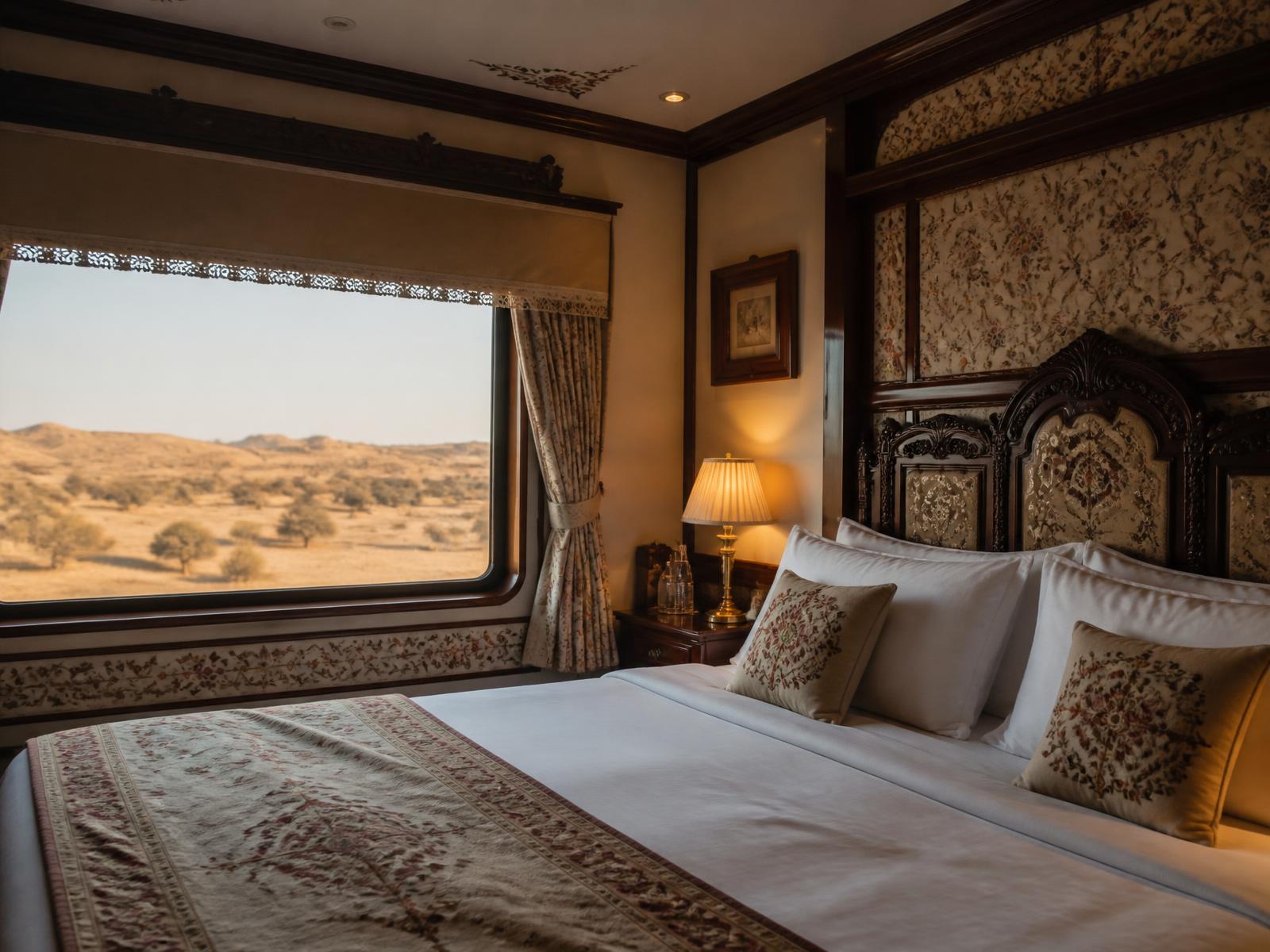
Es ist eher eine private Residenz als eine Koje: warmes Holz auf jeder Fläche, feine Stickerei über kühlem Leinen, ein geschnitztes Kopfteil, an dem jemand einen ganzen Winter gearbeitet hat, und eine Lampe, die einen Lichtkreis wirft, genau groß genug für ein aufgeschlagenes Buch. Jemand kümmert sich darum, während man beim Abendessen ist, und man sieht es nie.
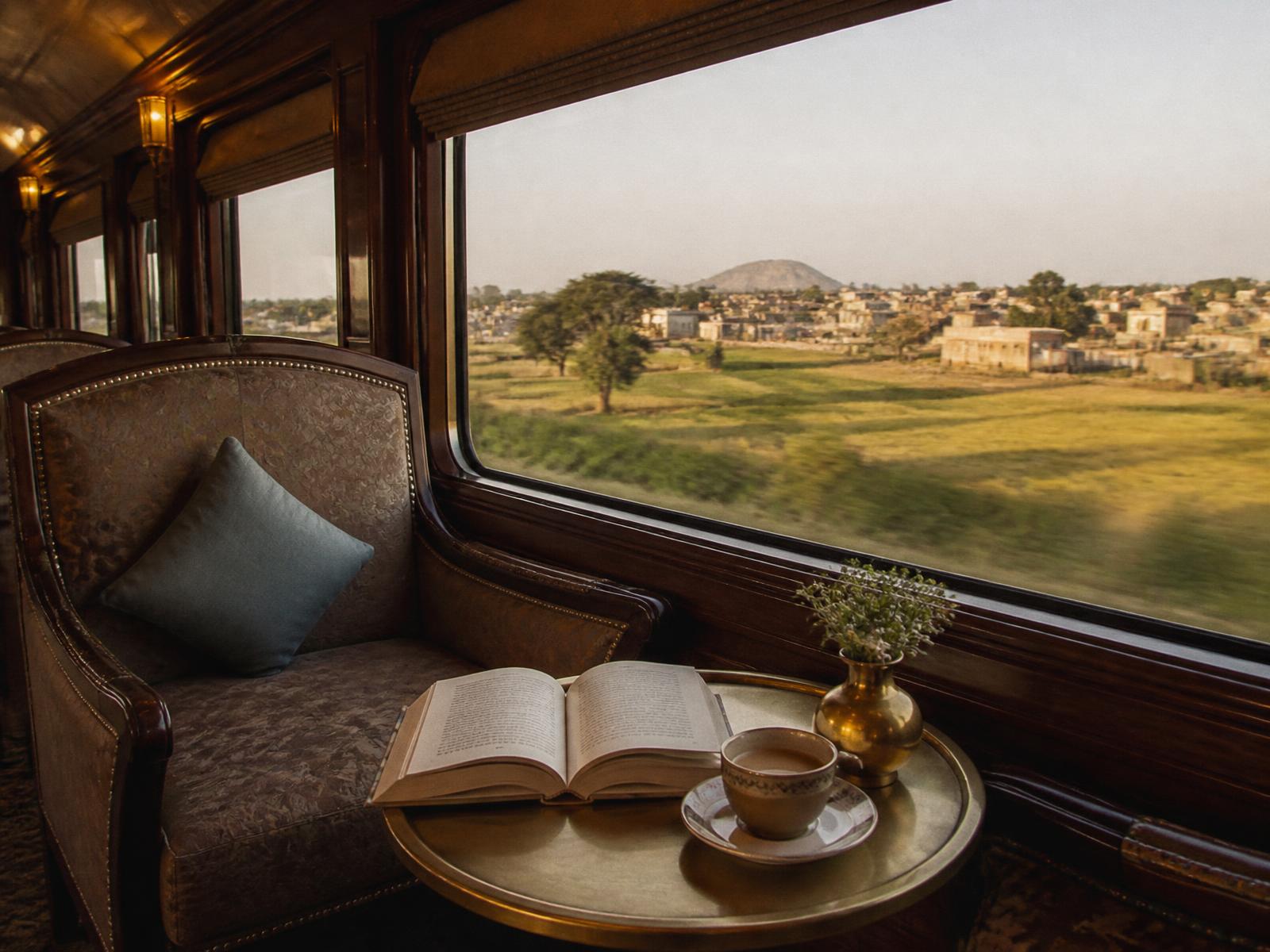
Das Fenster ist der Grund für all das. Man sitzt, die Schulter gegen die Vertäfelung gelehnt, und beobachtet ein Land, das man nicht benennen kann, an sich vorbeiziehen — ein Stufenbrunnen, eine Ziegenherde, ein Tempel mit safranfarbener Flagge, eine Frau in Zinnoberrot, die ein ganz beiges Feld durchquert. Lesen wird unmöglich. Alle geben irgendwann auf und schauen nur noch.
Nachts finden die Schienen unter dem Boden ihren Rhythmus, und die Wüste nimmt unter einem sehr großen Mond die Farbe von Asche an. Man lässt die Jalousie bewusst offen, damit beim ersten Aprikosenton des Himmels über den Dornbäumen nichts mehr dazwischen steht.
Kulinarik
Ein Subkontinent, gekocht in einer Galley von der Breite eines Korridors
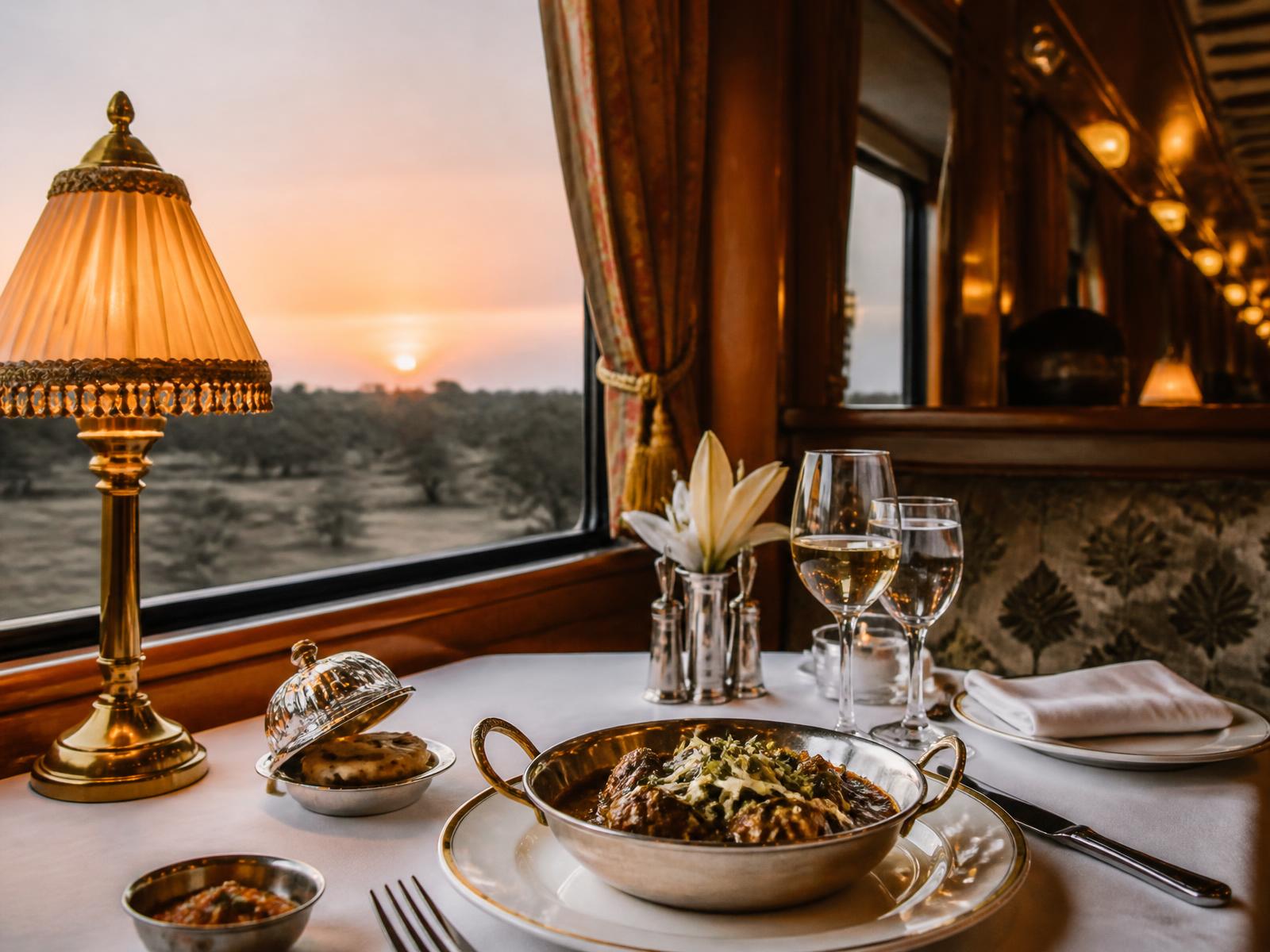
Indien ist keine einzelne Küche, und die Küche an Bord weiß das. Rajasthan kommt zuerst — Laal Maas mit der Schärfe der Mathania-Chilis, Ker Sangri aus dem Wüstenbusch, Bajra-Roti mit Ghee bestrichen — und dann verändert sich das Land, wie es die Karte tut. Awadhi-Kebabs über der Glut gegart. Ein bengalischer Fisch in Senf. Kokos und Curryblatt aus dem Süden.
Das Mittagessen zieht sich, denn es gibt keinen Grund, es nicht zu tun. Gewürze, die am Morgen gemahlen wurden statt fertig gekauft; Gemüse von einem Markt, an dem der Zug bei Sonnenaufgang vorbeikam; ein Dal, das schon köchelt, seit die ersten Gäste erwacht sind. Brot kommt heiß an den Tisch, in ein Tuch gewickelt, mitten in einen Satz hinein.
Das Abendessen ist ruhiger und etwas formeller. Kristall, Silber, die Lampen gedimmt, und draußen vor der Scheibe eine Wüste, die binnen zwanzig Minuten von Kupfer über Violett ins völlige Dunkel übergeht. Jemand bringt einen Trinkspruch aus. Jenseits des Fensters markiert ein einzelnes Licht ein Dorf, und dann bleibt nur noch das Dunkel und der Klang der Schienen.
Leben an Bord
Hier verhält sich die Zeit anders
Es gibt nichts zu tun, was einen halben Tag braucht, um akzeptiert zu werden, und danach zum einprägsamsten Teil der Reise wird. Man liest vier Seiten und blickt zwanzig Minuten lang auf. Der Nachmittagstee erscheint — Chai, etwas Frittiertes, etwas Süßes mit Kardamom — und ist eine Stunde später noch nicht aufgegessen, weil sich das Licht über den Feldern verändert hat und niemand sich rühren mag.
Gespräche kehren zurück, weil nichts mit ihnen konkurriert. Man spricht mit Fremden, wie man es seit der Jugend nicht mehr getan hat: über die Festung um vier Uhr, über ein Hindi-Wort, das jemand den ganzen Tag zu üben versucht, darüber, wo es in Jodhpur die einprägsamste Kachori gibt und ob man sich in dieser Frage überhaupt auf irgendjemanden verlassen kann.
Slow Travel ist ein abgenutzter Begriff, doch hier ist er wörtlich zu nehmen: ein Subkontinent im Tempo durchquert, in dem er durchquert werden sollte, die Distanz gefühlt statt übersprungen. Man kommt an und weiß genau, wie weit man gekommen ist — und wie viel davon Wüste, Dämmerung und der ganz gewöhnliche Abend anderer Menschen war.
Signature Journeys
Acht Königreiche, in der Reihenfolge, in der sie das Licht erreicht
Weniger Stationen als vielmehr Kapitel — jede Stadt wird in den frühen Morgenstunden übergeben, wenn sie noch jenen gehört, die dort leben.
No. 01
Delhi, und der lange Weg hinaus
Zuerst die Altstadt — eine Gasse voller Kupfer und Kardamom, eine Moschee zu der Stunde, in der alle Tauben gleichzeitig aufsteigen — und dann, am Abend, der Bahnsteig. Delhi lässt einen nur langsam los: Wohnsiedlungen, dann Kleingärten, dann die flache, unbeleuchtete Ebene des Ganges-Beckens, und der letzte Lärm der Stadt fällt hinter der Scheibe zurück wie etwas, das man endlich ablegt.
No. 02
Agra, bevor die Menschenmengen erwachen
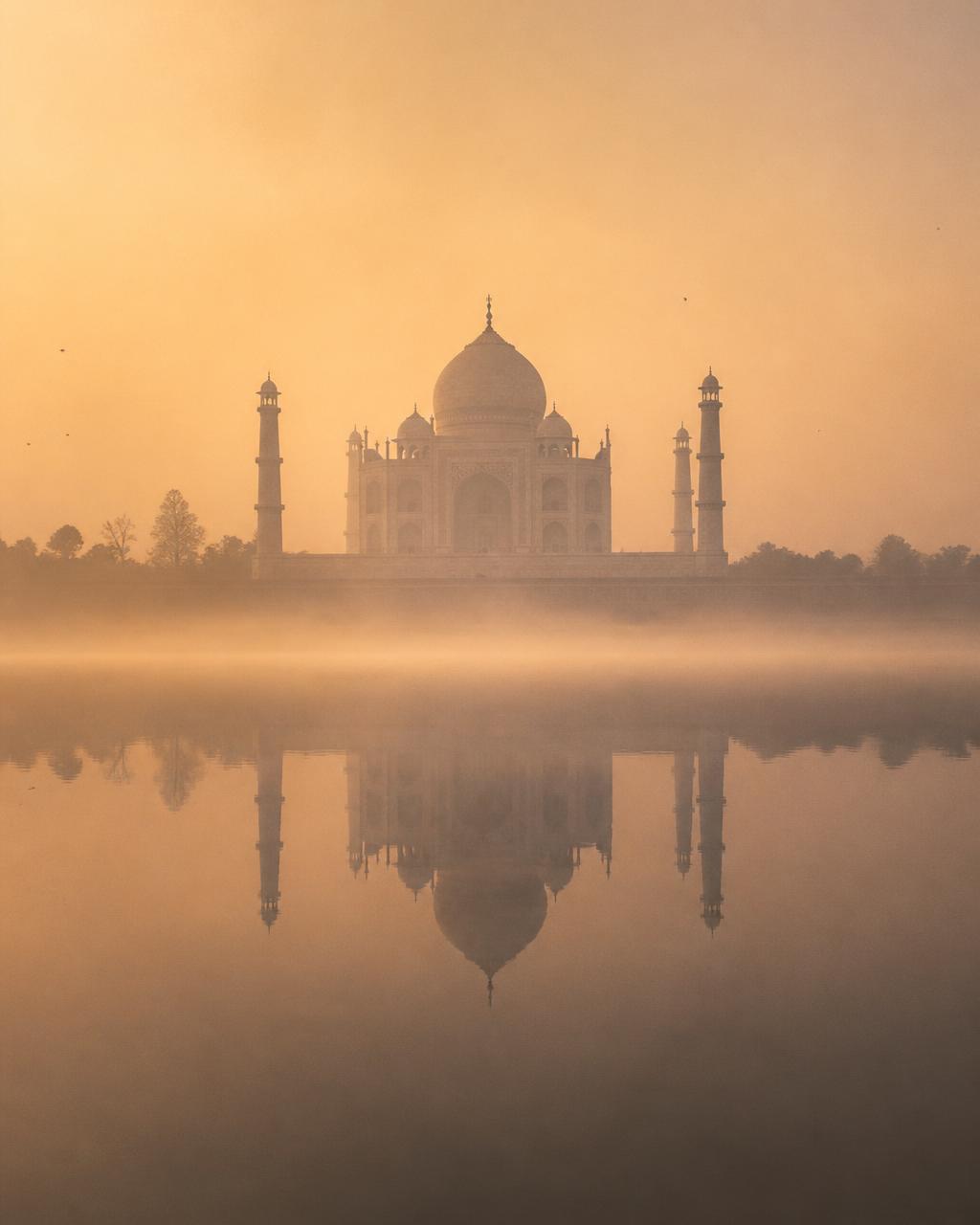
Man fährt um sechs Uhr, wenn der Fluss noch im Nebel liegt und der Marmor sich noch nicht entschieden hat, welche Farbe er annehmen wird. Das Taj Mahal ist nicht, was man erwartet hat, denn nichts bereitet auf diese Zurückhaltung vor. Später Fatehpur Sikri: eine Stadt aus rotem Sandstein, vollkommen und verlassen, deren Innenhöfe nichts als Wind bewahren.
No. 03
Jaipur, in Rosa und Ocker
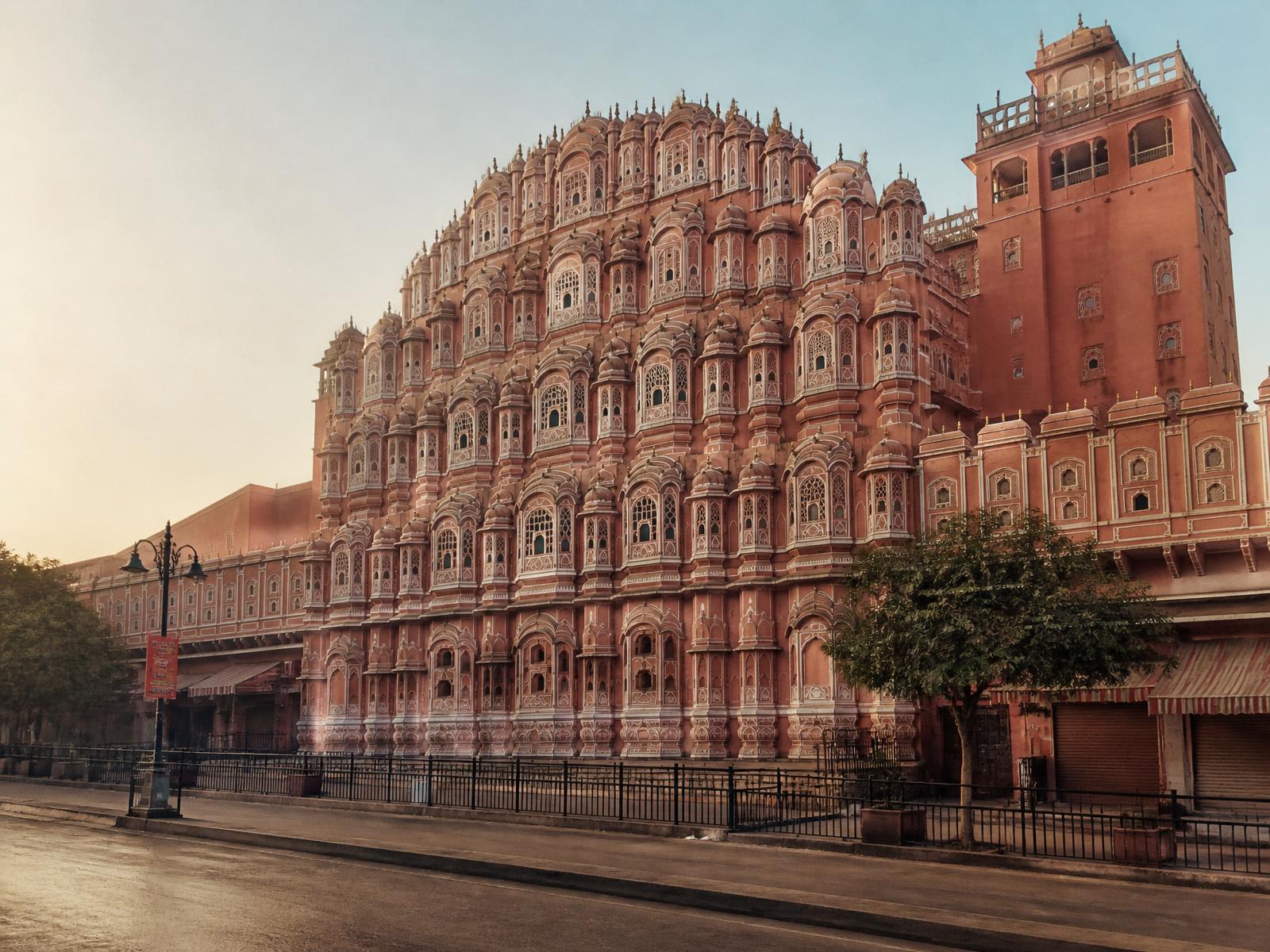
Eine Stadt, die 1876 für die Ankunft eines Prinzen gestrichen wurde und seither nie mehr. Elefanten auf dem Weg nach Amber, ein Observatorium aus gewaltigen steinernen Instrumenten, die nichts als den Himmel vermessen, und ein Basar voller Blockdrucker, deren Hände schneller arbeiten, als man folgen kann. Hier ist die Farbe das Argument — und sie gewinnt.
No. 04
Udaipur und sein See
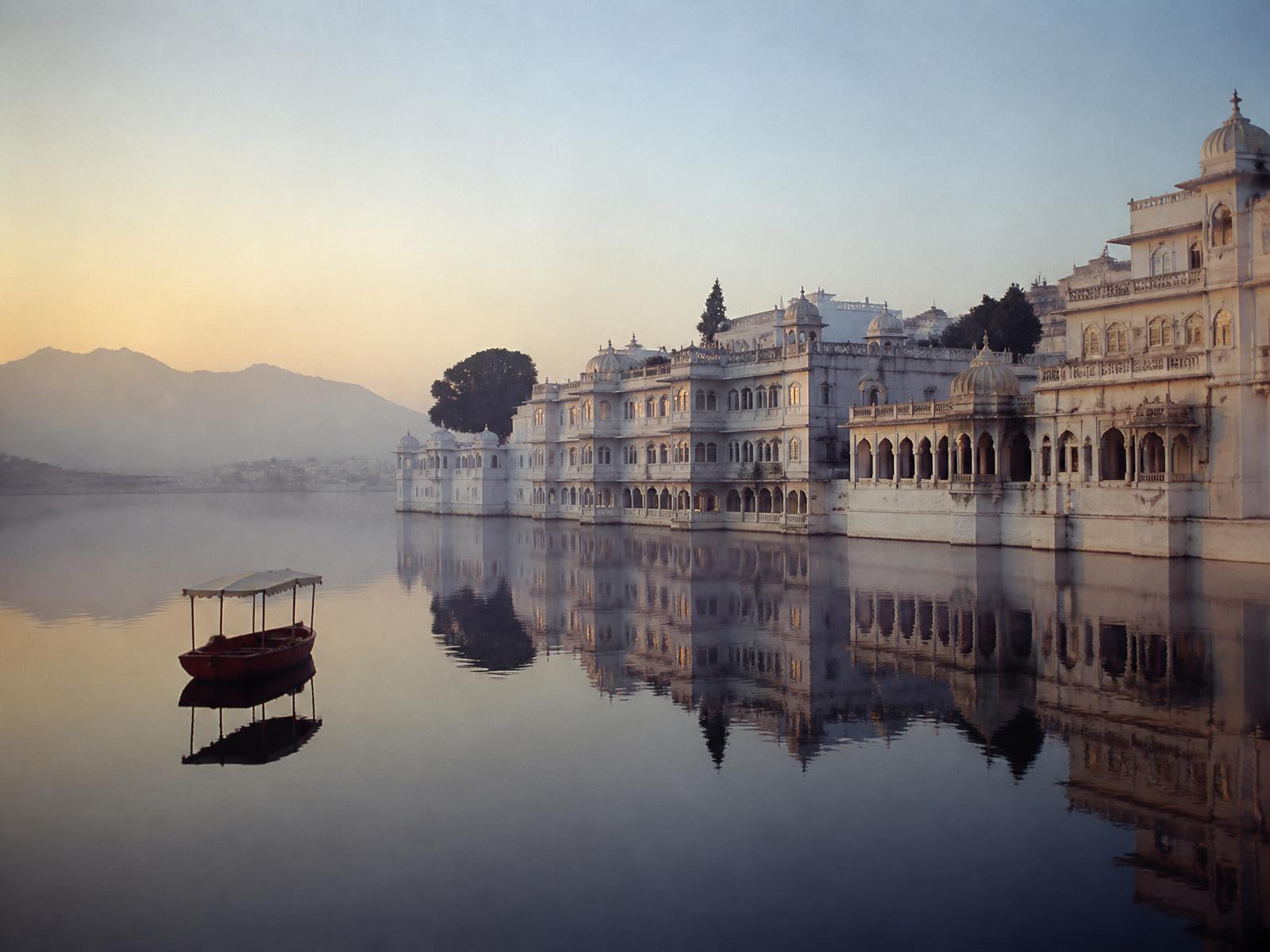
Wasser, wo man Wüste erwartet hatte. Weiße Paläste stehen darin, die Hügel dahinter werden zur Dämmerung lavendelfarben, ein Boot überquert das Wasser ohne Eile. Udaipur war unter Rajasthans Städten immer die zärtlichste — sanfteres Licht, ruhigere Innenhöfe, Miniaturmaler, die noch dieselben sechs Pigmente verwenden, die schon ihre Großväter gerieben haben.
No. 05
Jodhpur, blau unter einer Festung
Mehrangarh erhebt sich aus dem Fels, als hätte der Fels selbst sich dafür entschieden, und darunter liegt die Altstadt in tausend Schattierungen von Indigo. Früh hinaufsteigen. Von den Wehrmauern aus reicht das Blau bis zum Horizont, Drachen kreisen darüber, und der Lärm der Stadt erreicht einen erst mit leichter Verzögerung, wie ein Donner.
No. 06
Bikaner, am Rand der Thar
Hier lichtet sich das Land zu Sand und Dornbusch, und das Licht tut etwas, das es sonst nirgends tut — ein flaches Gold, das alles einebnet und in der letzten halben Stunde die ganze Wüste zum Leuchten bringt. Kamele auf dem Weg in der Dämmerung. Eine Haveli mit einer geschnitzten Fassade wie Spitze aus Stein.
No. 07
Ranthambore, in der ersten Stunde
Trockener Wald, verfallene Pavillons im Gras, ein See mit Hirschen darin, und jene besondere Stille, die über einen Dschungel fällt, wenn irgendwo ein Tiger unterwegs ist. Man sieht ihn vielleicht. Vielleicht nicht. Der Morgen lohnt sich so oder so — das sagt jeder, der einmal dort war.
No. 08
Varanasi, und der Fluss bei Sonnenaufgang
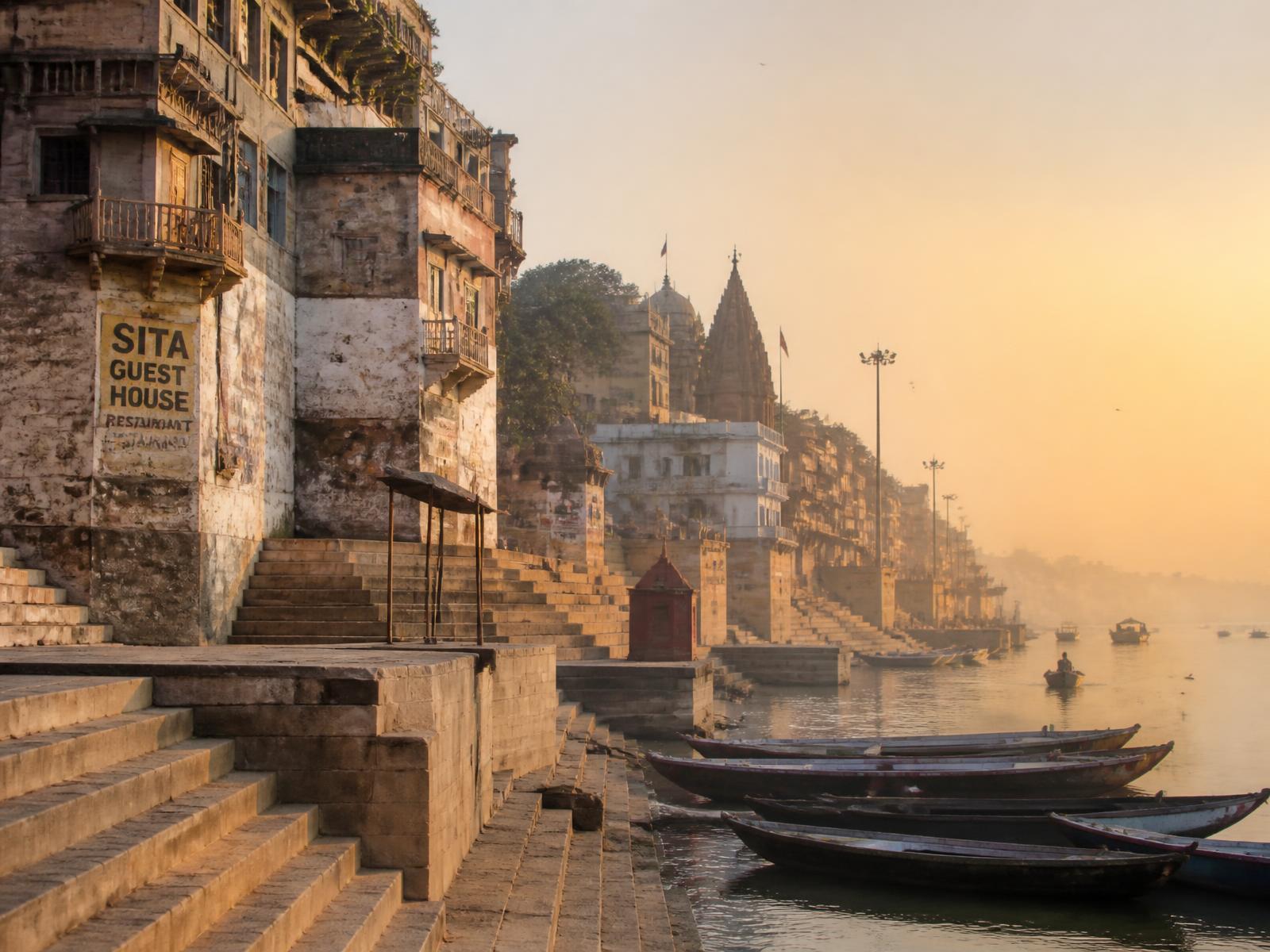
Die älteste durchgehend bewohnte Stadt der Erde geht ihrem Morgen nach, wie sie es seit dreitausend Jahren tut. Ein Boot auf dem Ganges vor Sonnenaufgang, Lampen auf dem Wasser, Glocken, Rauch, Ringelblumen, ein Mann beim Schwimmen. Indien versucht hier nicht, sich zu erklären. Man sitzt einfach im Boot und lässt es geschehen.
Galerie
Indien, in vier Bildern
Agra, vor sechs Uhr 
Indigo, Krapp, Ringelblume 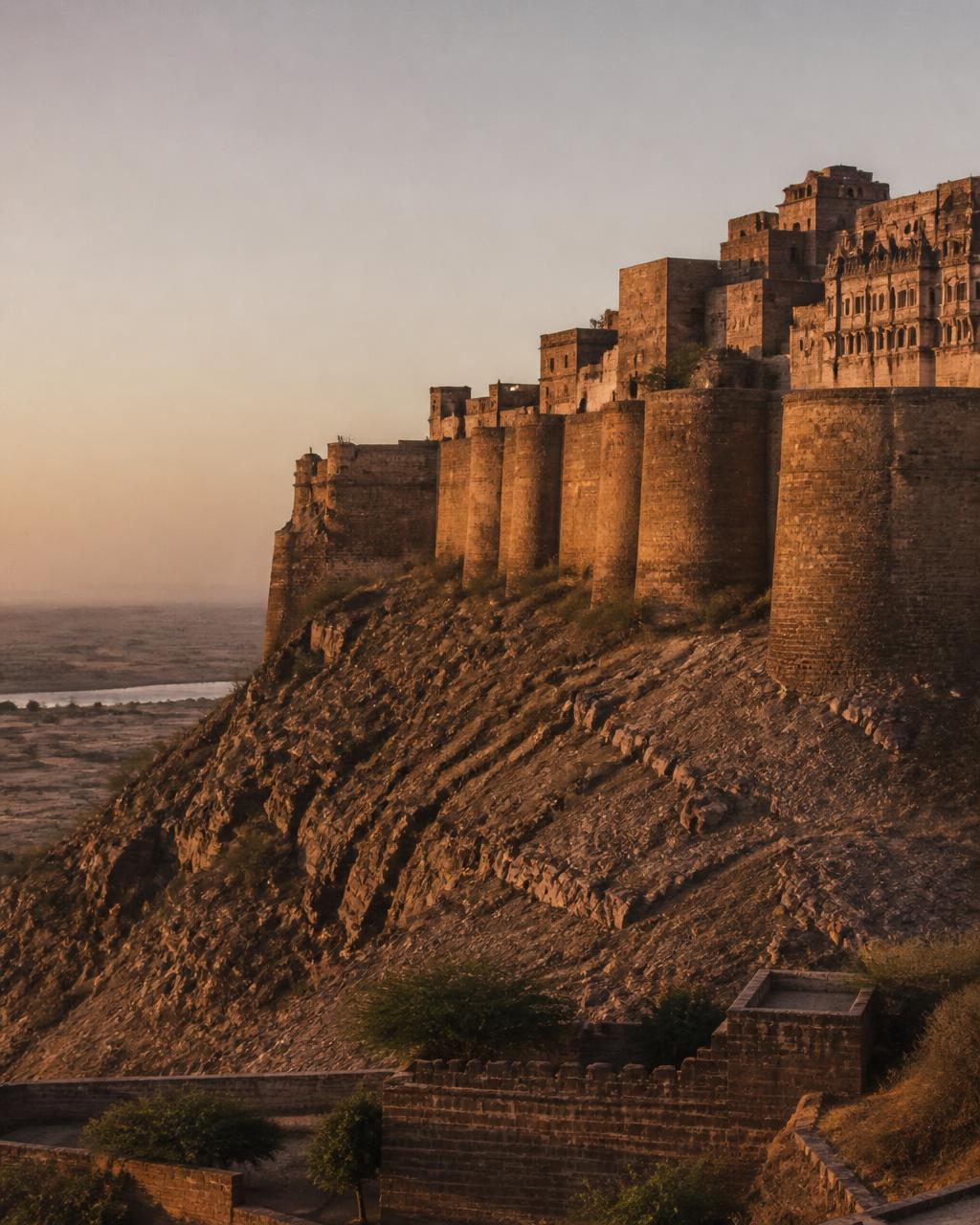
Die Thar, am Ende des Tages
Jenseits der Reise
Was wir an beiden Enden voranstellen würden
Eine Woche auf Schienen ist für sich genommen schon schön. Zwischen den richtigen Innenhöfen, dem richtigen Wald und dem richtigen Fluss eingebettet, werden daraus Wochen, von denen Sie noch lange erzählen werden.
No. 01
Amanbagh, in den Aravalli-Bergen
Eine Stunde von Jaipur entfernt und ein Jahrhundert von allem anderen: Kuppelpavillons in einem ummauerten Garten aus Eukalyptus- und Obstbäumen, grüne Sittiche in den Zweigen und ein Tal aus Stufenbrunnen und verlassenen Tempeln jenseits des Tores. Mindestens drei Nächte, und keine Pläne über das Frühstück hinaus.
No. 02
Aman-i-Khás, am Rand von Ranthambore
Zehn Zelte unter Sal-Bäumen, Leinwand in Milchweiß, ein Feuer, das in der Dämmerung auf einer Lichtung entzündet wird. Morgen im Park, bevor das Licht hart wird; Nachmittage, an denen gar nichts geschieht. Der Tiger ist der Grund, weshalb man kommt, und selten das, worüber man danach spricht.
No. 03
The Oberoi Udaivilās, über dem See
Kuppeln, Innenhöfe und Wasserbecken entlang des westlichen Ufers, mit Udaipurs Palästen, die gegenüber auf dem Wasser zu schweben scheinen. Bitten Sie um ein Zimmer mit Blick zur Stadt und lassen Sie die Fensterläden offen — der See wechselt vom Aufwachen bis zum Frühstück vier Mal die Farbe.
No. 04
Rambagh Palace und The Leela, in Jaipur
Zwei Arten, in der rosa Stadt zu wohnen. Die eine ist eine ehemalige königliche Residenz mit Marmorkorridoren, Pfauen und einem Rasen, der sich seit den 1930er-Jahren nicht verändert hat; die andere ist ruhiger, neuer und mit großer Sorgfalt gestaltet. Wir wählen je nach Jahreszeit und Stimmung der Reisenden zwischen beiden.
No. 05
Varanasi, mit drei unbeschwerten Tagen
Der Fluss bei Sonnenaufgang gleich zweimal — einmal reicht nie —, ein Vormittag in den Weberviertel, ein Abend mit Lampen und Glockenklang von einem Boot mitten im Strom, und Sarnath am Nachmittag, wo der Lärm der Welt vollständig verstummt. Gehen Sie den ersten Tag mit offenem Blick und ohne Kamera.
No. 06
Der Himalaya, im Anschluss
Der natürliche Gegenpol zur Ebene: Zedernwälder oberhalb von Shimla, Teegärten und Wolken unterhalb von Darjeeling, oder das hohe, kühle Licht Ladakhs im September. Nach der Hitze und Farbenpracht Rajasthans ordnet eine Woche Bergstille die ganze Reise in der Erinnerung neu.
No. 07
Das Ganze, sorgfältig zusammengehalten
Ob eine indische Reise zu einer Geschichte wird und nicht nur zu einem Reiseplan, entscheidet sich an dem, was an beiden Enden der Schienen steht. Wir planen diese Tage genauso sorgfältig wie die Zugfahrt selbst: weniger Orte, längere Aufenthalte, frühe Starts, und Hotels, die wegen ihrer Innenhöfe gewählt wurden, nicht wegen ihres Namens.
Pure Voyage Loves
Sechs kleine Dinge
- Der erste Chai des Morgens, mit beiden Händen am Fenster gehalten, während Rajasthan grau erwacht und dann, mit einem Mal, golden.
- Die Farbe der Wüste, die sich Stunde um Stunde wandelt — Knochenweiß, dann Bronze, dann ein Rosa, das etwa elf Minuten anhält und sich nicht fotografieren lässt.
- Der Moment, in dem eine Festung auf einem Bergrücken erscheint, die letzte Sonne auf ihrer Westmauer, und der ganze Waggon ohne Absprache verstummt.
- Dörfer, die so langsam vorbeiziehen, dass man eine Küche, ein Fahrrad, ein Cricketspiel, eine erhobene Hand in einer Türöffnung erkennt.
- Der ruhige Rhythmus der Schienen nach dem Abendessen, wenn die Lampen gedimmt sind und die Wüste draußen völlig dunkel geworden ist.
- Der erste Blick auf das Taj Mahal um sechs Uhr morgens, aus dem Nebel auftauchend, kleiner und weit bewegender, als man es sich vorgestellt hatte.
Für wen diese Reise ist
Reisende, die ein Land verstehen wollen, nicht nur dort gewesen sein.
Sie eignet sich für Menschen, die neugierig auf Indien sind statt nervös davor: die sich vor der Reise über einen Ort informieren, die eine Stadt lieber verstehen als bloß abhaken möchten, und die Architektur, Handwerk und Geschichte interessanter finden als einen Swimmingpool. Sie eignet sich für alle, die Essen ernst nehmen — denn das tut der Subkontinent auch, und eine Woche regionaler Küche ordnet neu, was man bisher unter indischem Essen verstanden hat.
Sie eignet sich für Fotografen, die ein Fenster im Gehtempo als den einprägsamsten Schreibtisch Asiens entdecken werden, und für Schriftsteller und Maler, denen es ebenso ergeht. Sie eignet sich für Romantiker und für Anlässe — den Hochzeitstag, den runden Geburtstag, das Jahr, das eine Markierung verdient hat. Und sie eignet sich für langsame Reisende, die längst ahnen, dass die Ankunft der am wenigsten interessante Teil einer Reise ist.
Seien Sie ehrlich mit sich, was den Rest betrifft. Indien ist laut, heiß, dicht besiedelt und kümmert sich um keinen Zeitplan; die Tage beginnen früh, Festungen verlangen gute Beine, und das Land wird sich für niemanden zurücknehmen. Wer einen Strand und eine Liege sucht, sollte anderswo hinreisen und wird dort glücklich sein. Er wird dabei lediglich die Wüste im Morgengrauen verpasst haben — und den eigentlichen Sinn der Sache.
Eine Notiz des Redakteurs
„Ich erinnere mich kaum an den Zug — und an alles, was die Morgen betraf."
Das ist, glaube ich, das ganze Argument dafür. Indien ist zu groß und zu alt, um es aus der Luft zu erfassen; es muss auf Bodenhöhe durchquert werden, im Tempo eines Ochsenkarrens, mit offener Jalousie und Chai um sechs. Man kommt nicht mit Fotografien eines Waggons zurück. Man kommt mit einem Land zurück — seiner Farbe, seinem Lärm, seiner bemerkenswerten Höflichkeit — und mit der seltsamen Gewissheit, gerade erst begonnen zu haben.
Das Pure Voyage Team
Aus dem Journal
Weiterlesen
Rajasthan — September 2026
Die Farben Jaipurs
Über eine Stadt, die für die Ankunft eines einzigen Fürsten gestrichen wurde und seither nie mehr — und über die Blockdrucker, Färber und Steinmetze, die ihre Farbpalette bis heute lebendig halten.
Indien — August 2026
Die zeitlose Magie Udaipurs
Wasser, wo eigentlich Wüste sein sollte, Miniaturmaler, die dieselben sechs Pigmente reiben wie ihre Vorfahren, und die Stunde vor dem Frühstück, in der der See niemandem gehört.
Slow Travel — Juli 2026
Warum langsames Reisen das wahre Indien zeigt
Ein Lob des Umwegs: was eine luxuriöse Zugreise durch Indien schenkt, die kein Flug zwischen ihren Städten je vermitteln könnte.
Unsere Einschätzung
Warum wir sie empfehlen
Für eine erste Indienreise ist es die geschützteste Form, das Land in seiner Fülle zu sehen. Der Zug nimmt die Logistik heraus und lässt das übrig, wofür man gekommen ist.
- Beste Reisezeit
- Oktober bis März. Dezember und Januar sind kühl und klar; ab März wird Rajasthan tagsüber sehr heiß.
- Empfohlene Dauer
- Vier bis sieben Nächte, davor oder danach drei Nächte in Delhi oder Udaipur.
- Für wen sie sich eignet
- Erste Indienreisen, Familien mit erwachsenen Kindern, Reisende mit wenig Zeit und viel Neugier. Wer Indien bereits kennt, findet in einer privat geführten Rundreise mehr Tiefe.
Pure Voyage Notiz
Planen Sie nach dem Zug zwei ruhige Nächte an einem Ort. Sieben Tage Rajasthan wirken erst nach, wenn man einmal nicht weiterfährt.
Unterwegs
Hotels entlang des Weges
Die Adressen, die wir für diese Reise am häufigsten vorschlagen — als Ausgangspunkt, nicht als feste Route.
The Oberoi Udaivilas
Udaipur
Drei Nächte am See, bevor der Zug beginnt.
Amanbagh
Alwar, Rajasthan
Stille zwischen zwei Städten, in einem Tal aus Palmen und Fels.
The Oberoi Amarvilas
Agra
Für alle, die das Taj Mahal zweimal sehen wollen: bei Sonnenaufgang und am Abend.
Danach
Reisen, die dazu passen
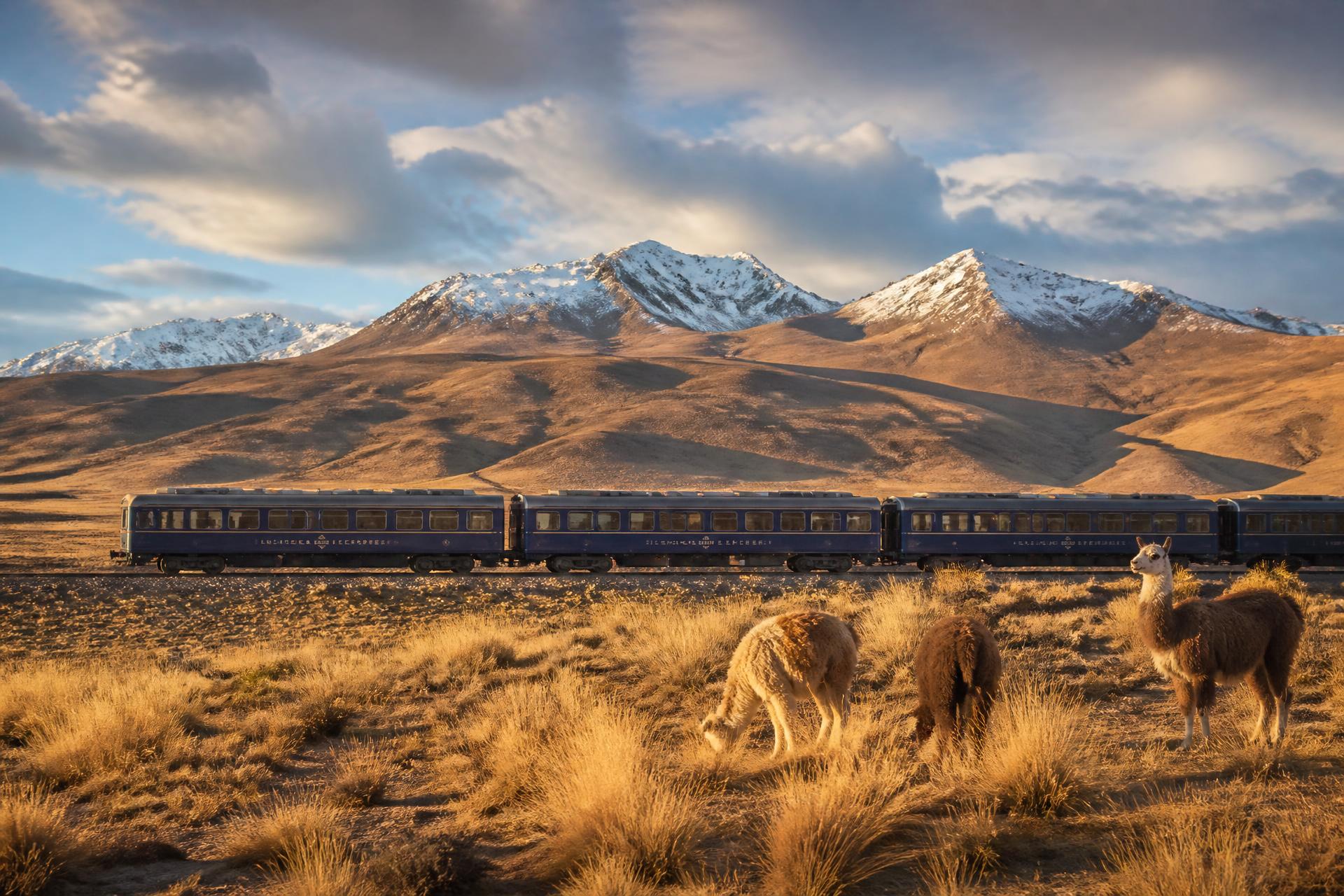
Belmond Andean Explorer
Südamerikas höchste Zugreise, in aller Ruhe.
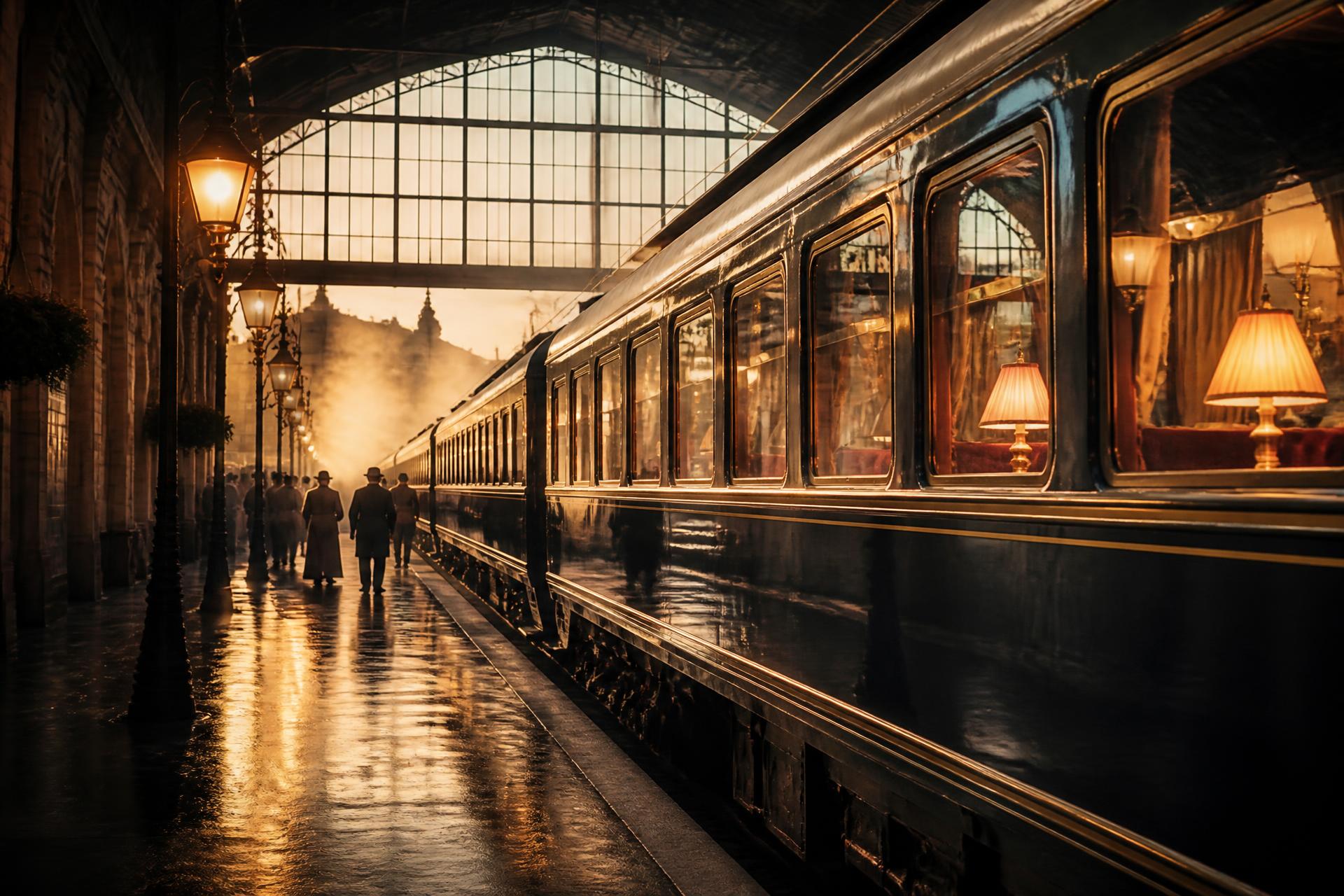
Venice Simplon-Orient-Express
Europa in der Geschwindigkeit der zwanziger Jahre gelesen.
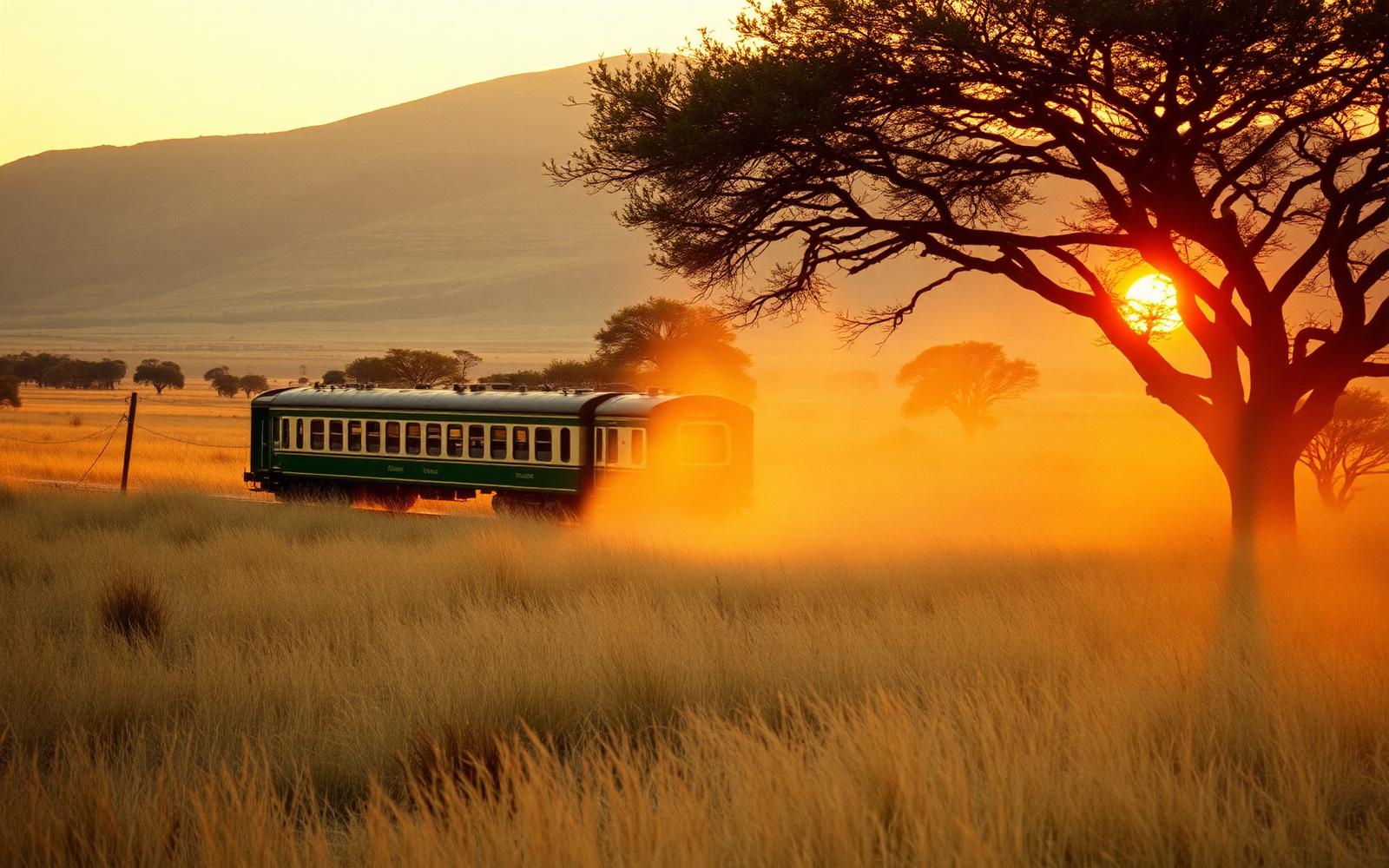
Rovos Rail
Das südliche Afrika in der Breite — aus einem Zug, der niemanden drängt.
Ob diese Reise zu Ihnen passt, klärt sich am schnellsten im Gespräch.
Reisezeit, Dauer und die Hotels davor und danach entscheiden mehr über das Ergebnis als die Route selbst.
Gespräch mit dem ConciergeEine persönliche Anfrage
Lassen Sie uns Ihre indische Reise gestalten
Wenn der Gedanke, Indien langsam zu durchqueren, Sie reizt, arrangieren wir das gerne persönlich — die richtige Abfahrt, die richtige Richtung und die richtige Suite im richtigen Waggon.
Delhi und Agra zuvor; Udaipur, Ranthambore, Varanasi oder der Himalaya danach; Paläste, Zeltlager und Morgen mit Wildtieren, ausgewählt mit derselben Sorgfalt wie alles andere. Nennen Sie uns die Jahreszeit und den Anlass, wir gestalten den Rest darum herum.
Warum über Pure Voyage buchen?
- Persönliche Luxusreiseberatung
- Sorgfältig gewählte Hotelempfehlungen
- Ein Reiseplan, der zu Ihnen passt
- Partnervorteile, wo sie verfügbar sind
- Persönlicher Ansprechpartner von Anfang bis Ende

Eine Einladung
Einmal im Monat: Hotels, Neueröffnungen und Reiseideen
Ein Hotel, das uns überzeugt hat. Eine Neueröffnung, die wir im Blick haben. Und eine Reiseidee zur richtigen Jahreszeit. Sorgfältig ausgewählt und auf das Wesentliche reduziert.