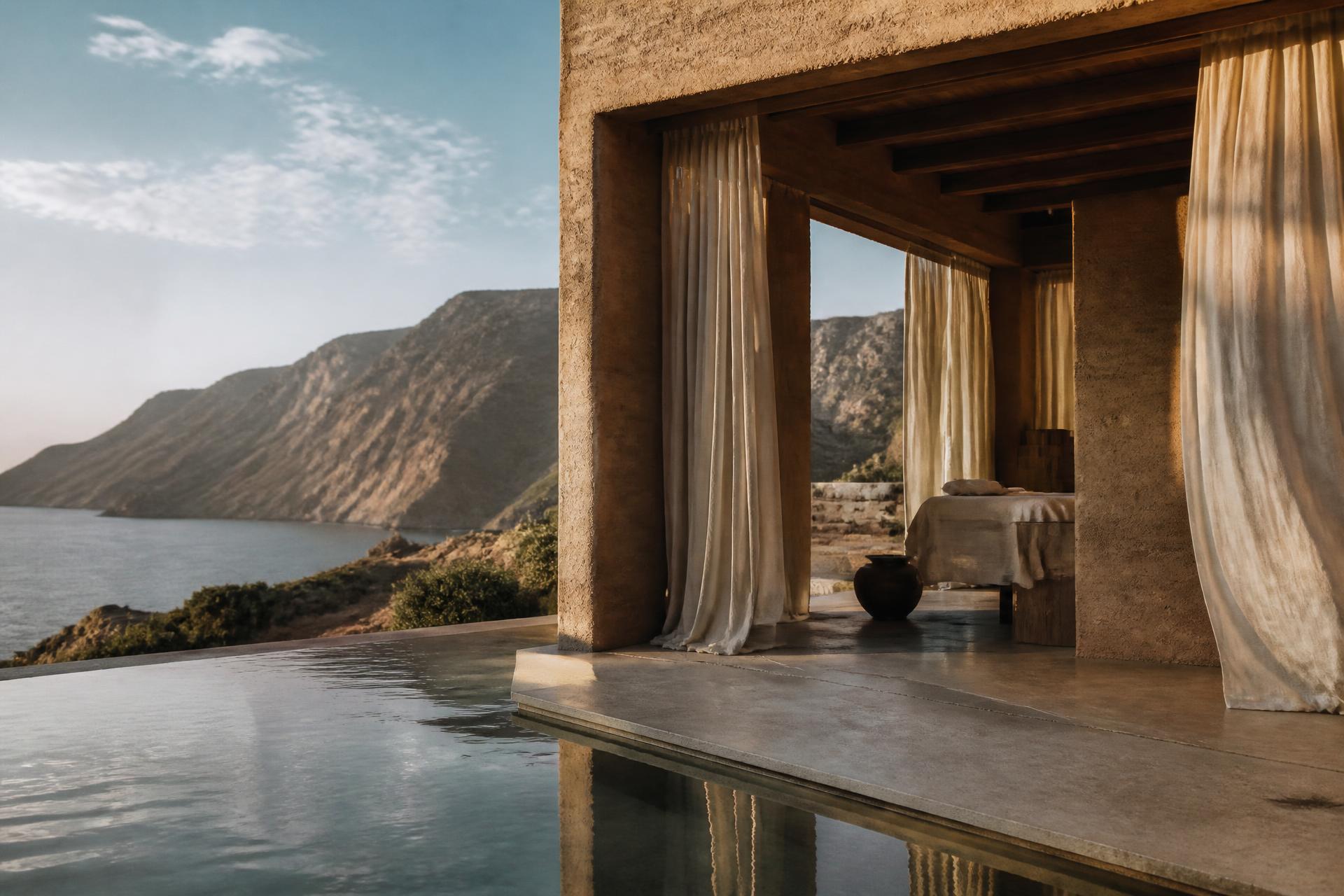

Rammed-earth treatment pavilion with linen curtains opening onto a still pool and a mountain coastline at golden hour

Luxury Hotels — House No. 06

Six Senses

Buildings made from what is already there, and a definition of luxury that has more to do with sleep, silence and soil than with marble.

An Introduction

A group that decided, early and quietly, that comfort and consequence were the same subject.

When the first properties opened in the Indian Ocean, the idea of a resort bottling its own water, growing its own vegetables and refusing imported timber was regarded as eccentric. Three decades later it reads as obvious, which is the fate of most good ideas — and the reason this collection is worth looking at closely rather than assuming you already understand it.

What has held is the tone. There is no marble lobby, no orchestral arrival, no performance of service. There is instead a rigour about materials, an obsession with sleep, and an unfashionable willingness to show guests the composting. Barefoot, here, is a discipline rather than a mood.

The Philosophy

Wellness, sustainability and architecture as one argument

The wellness is measured. Sleep is tracked if you want it tracked, movement is prescribed by people qualified to prescribe it, and the programmes are long enough to change something. Equally, nobody will mind if you decline all of it — the least commercial thing about the group is how little it insists.

The sustainability is structural rather than decorative. Water is bottled on site in glass, waste is separated in rooms guests are welcome to walk into, and the gardens supply the kitchens rather than the photographs. Where a building already existed, it was reused; where it did not, it was built from the ground it stands on.

The architecture follows from both. Rammed earth in Oman, thatch and reclaimed hardwood in Laamu, larch in the Valais, lime plaster and travertine in Rome. Rooms are low, open and quiet, and the landscape is never asked to compete with the interior.

The most luxurious thing a building can offer is a full night's sleep.

Featured Resorts

Six houses built lightly

Local stone, reclaimed timber and buildings sized to their landscape — from the Musandam to a palazzo near the Trevi.

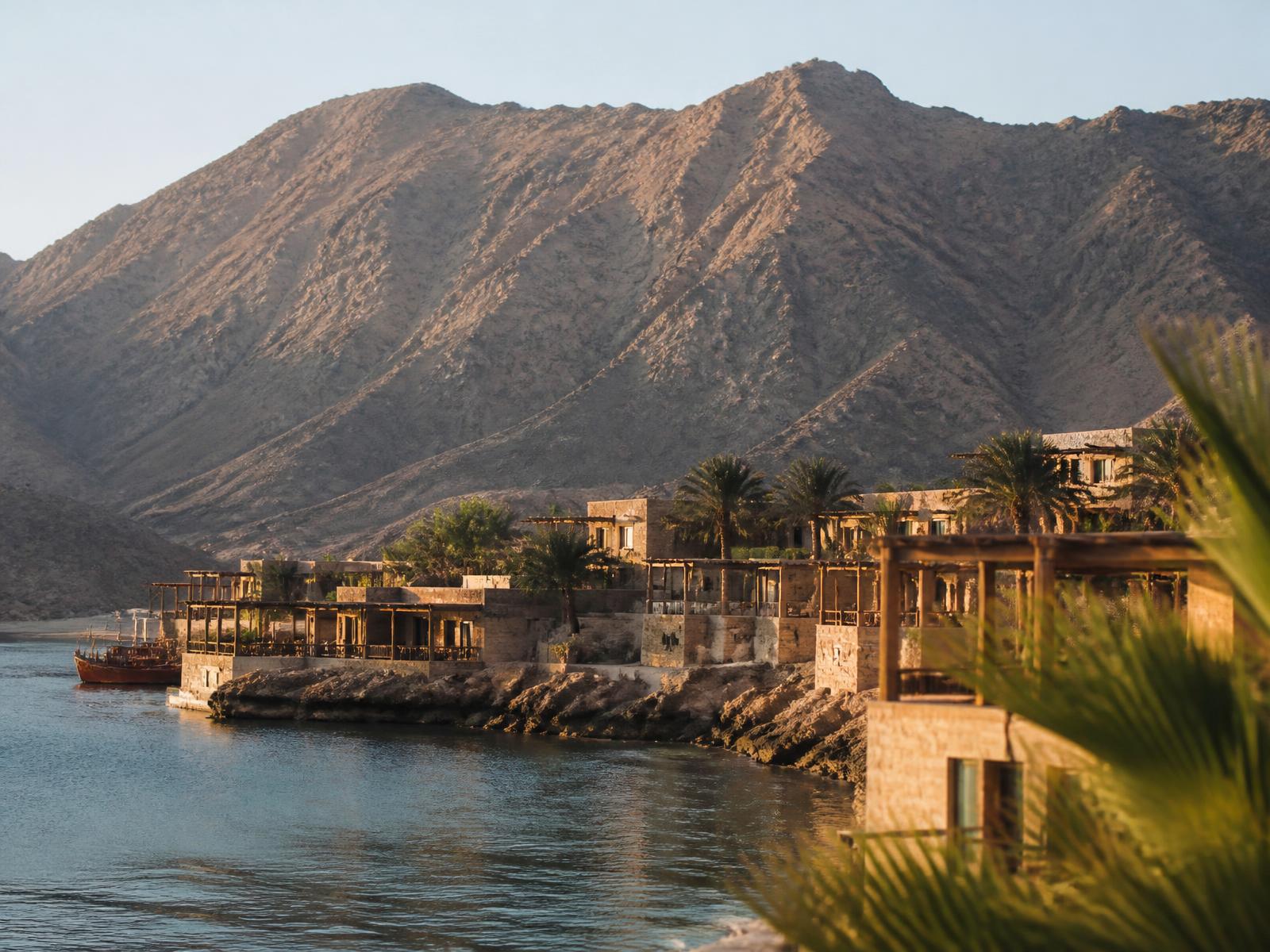
Stone flat-roofed villas in the style of an Omani fishing village at the foot of bare mountains beside a calm bay

No. 01Musandam Peninsula, Oman

Six Senses Zighy Bay

Built as a village rather than a resort, in local stone, at the point where the Hajar mountains fall into the Gulf. The road in crosses a pass; some guests arrive by paraglider, which sounds like theatre and is in fact the calmest way down. Nothing here is taller than the palms.

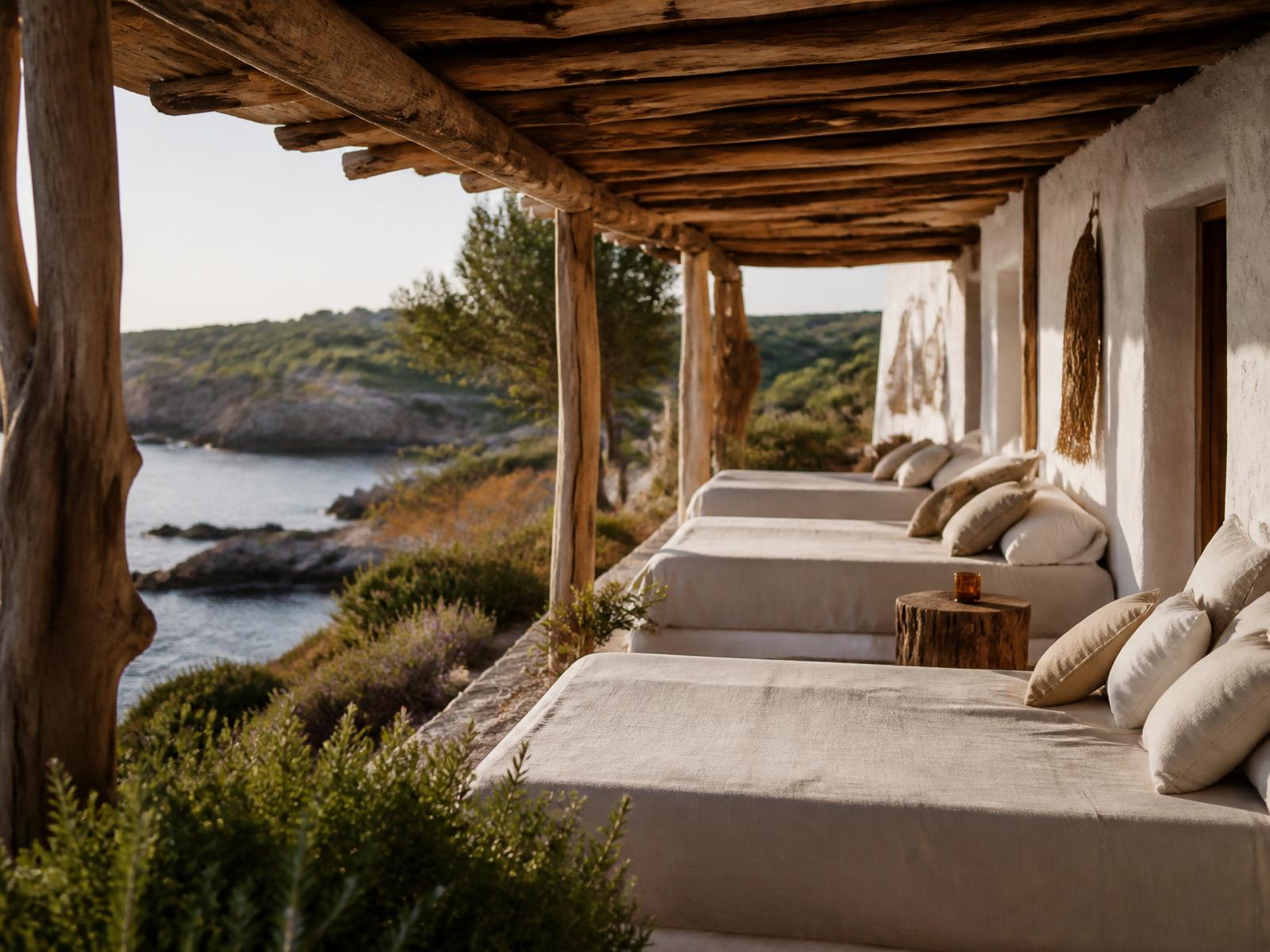
Whitewashed Ibizan terrace with rustic timber beams and linen daybeds above a red-rock cove

No. 02Cala Xarraca, Spain

Six Senses Ibiza

On the wild north coast, an hour and a world away from the island's other reputation. Reclaimed timber, lime-washed walls, and a bay that faces the sunset squarely. The wellness programme is serious; so, in a different way, is the long table at dinner.

Read the Guide
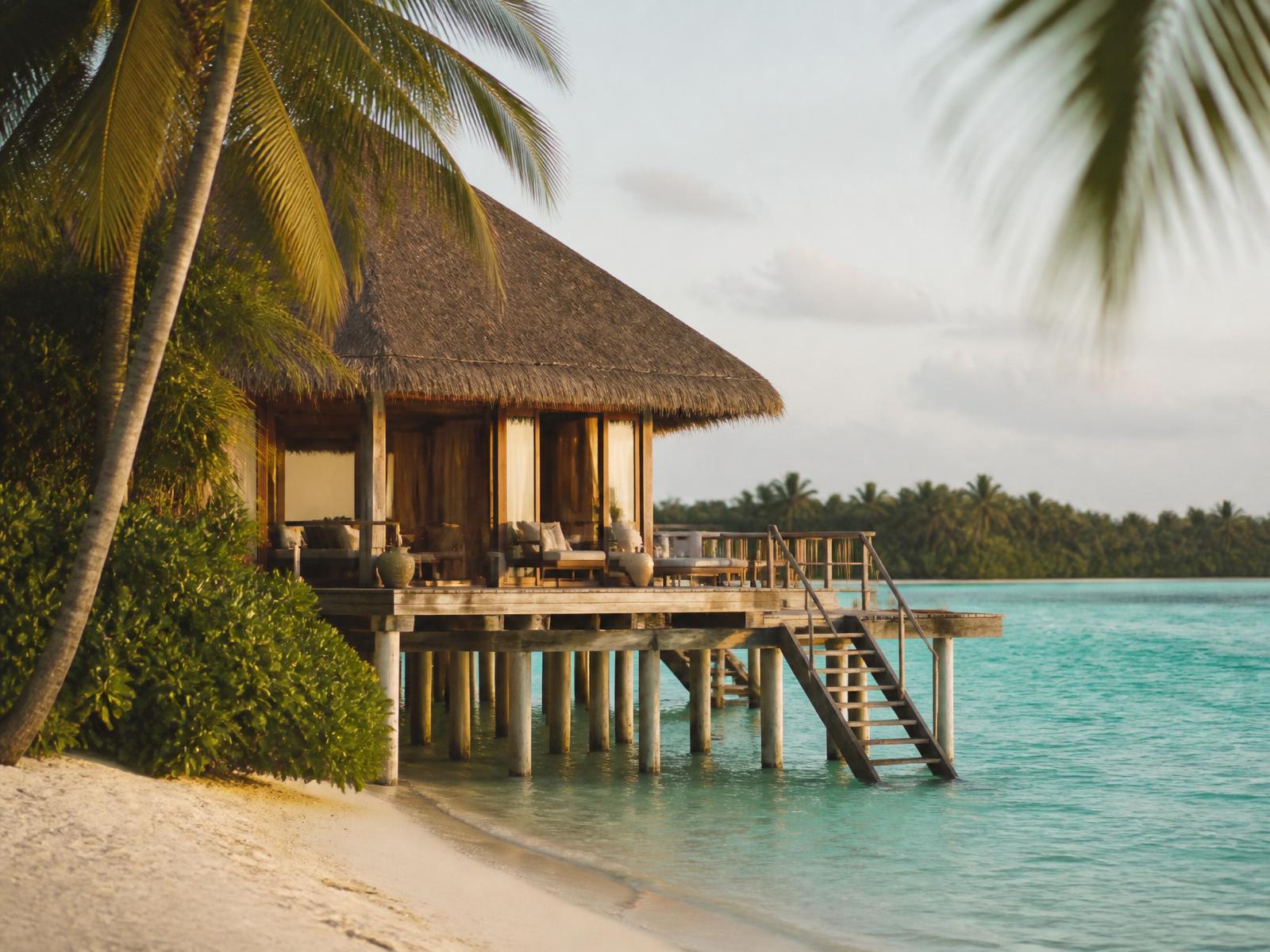
Thatched timber overwater villa on stilts above a turquoise Maldivian lagoon at golden hour

No. 03Laamu Atoll, Maldives

Six Senses Laamu

The only resort in an atoll far south of the crowded ones, built almost entirely of reclaimed and sustainable timber. Marine biologists work here rather than visit; the reef restoration is measurable. You can walk the whole island barefoot in twenty minutes, and most people do, daily.

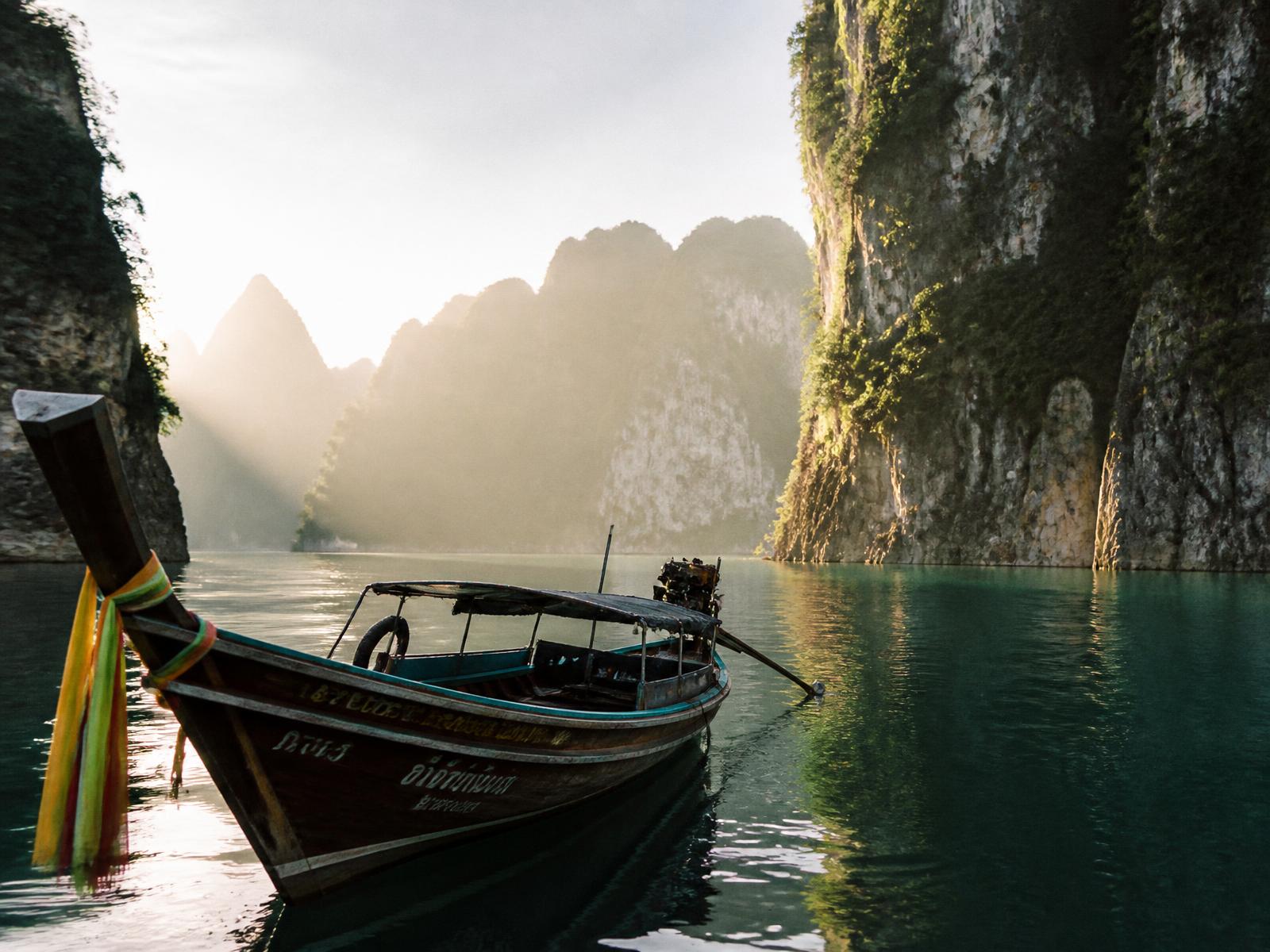
Limestone karst islands rising from a still emerald bay with a wooden longtail boat in morning mist

No. 04Phang Nga Bay, Thailand

Six Senses Yao Noi

Hillside villas looking out at the limestone karsts that made this bay famous, on an island that has stayed agricultural. Rice, rubber and fishing carry on next door. The kitchen garden supplies most of what arrives at the table, and the composting is explained to anyone who asks.

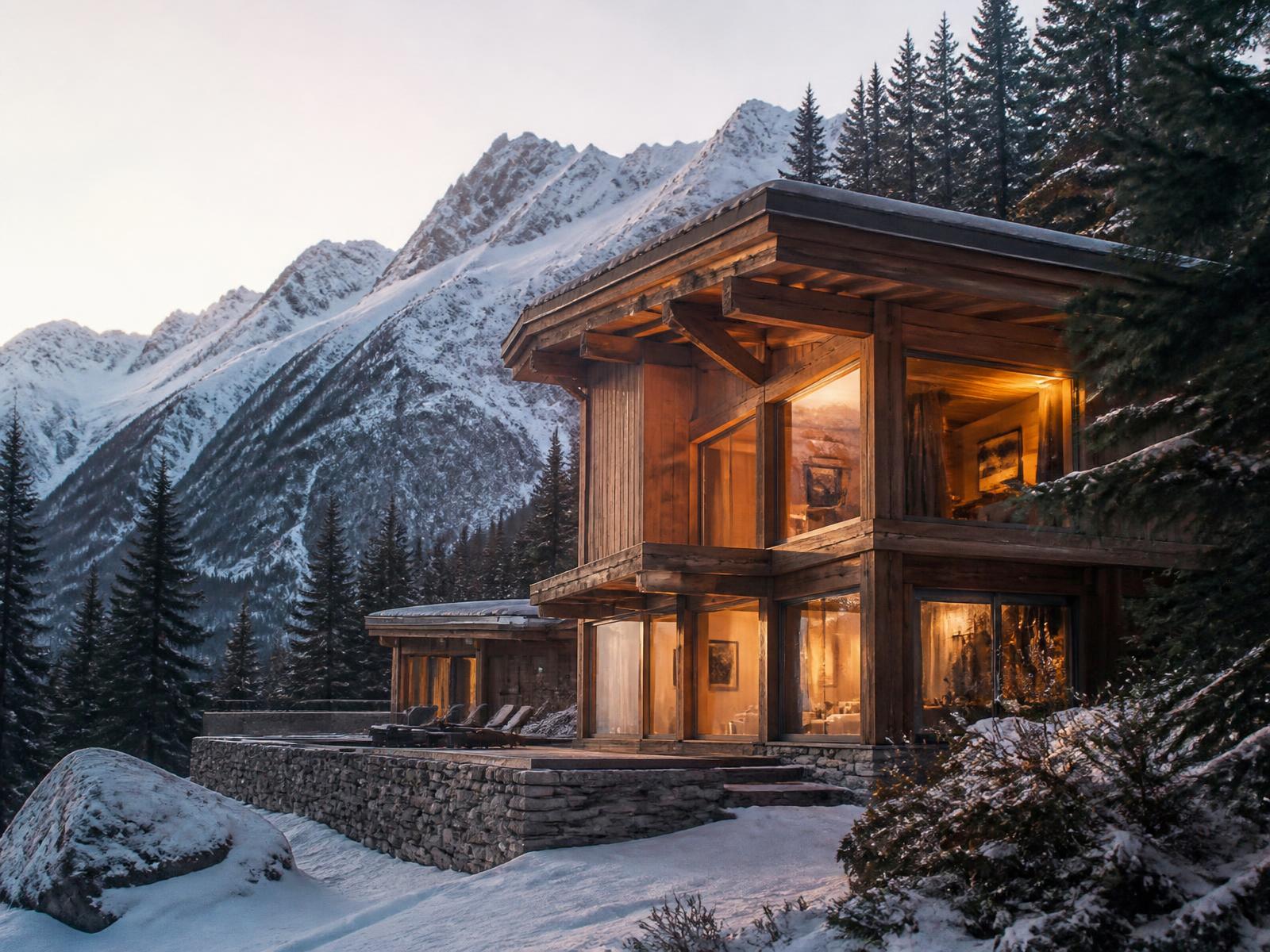
Contemporary alpine chalet of larch timber and stone with warm interior light against snowy peaks

No. 05Valais, Switzerland

Six Senses Crans-Montana

Larch, stone and glass on a sunny terrace above the Rhône valley, facing the Matterhorn across the way. The alpine version of the same thinking: long thermal circuits, deep quiet, and skiing treated as one thing you might do rather than the only reason to be there.

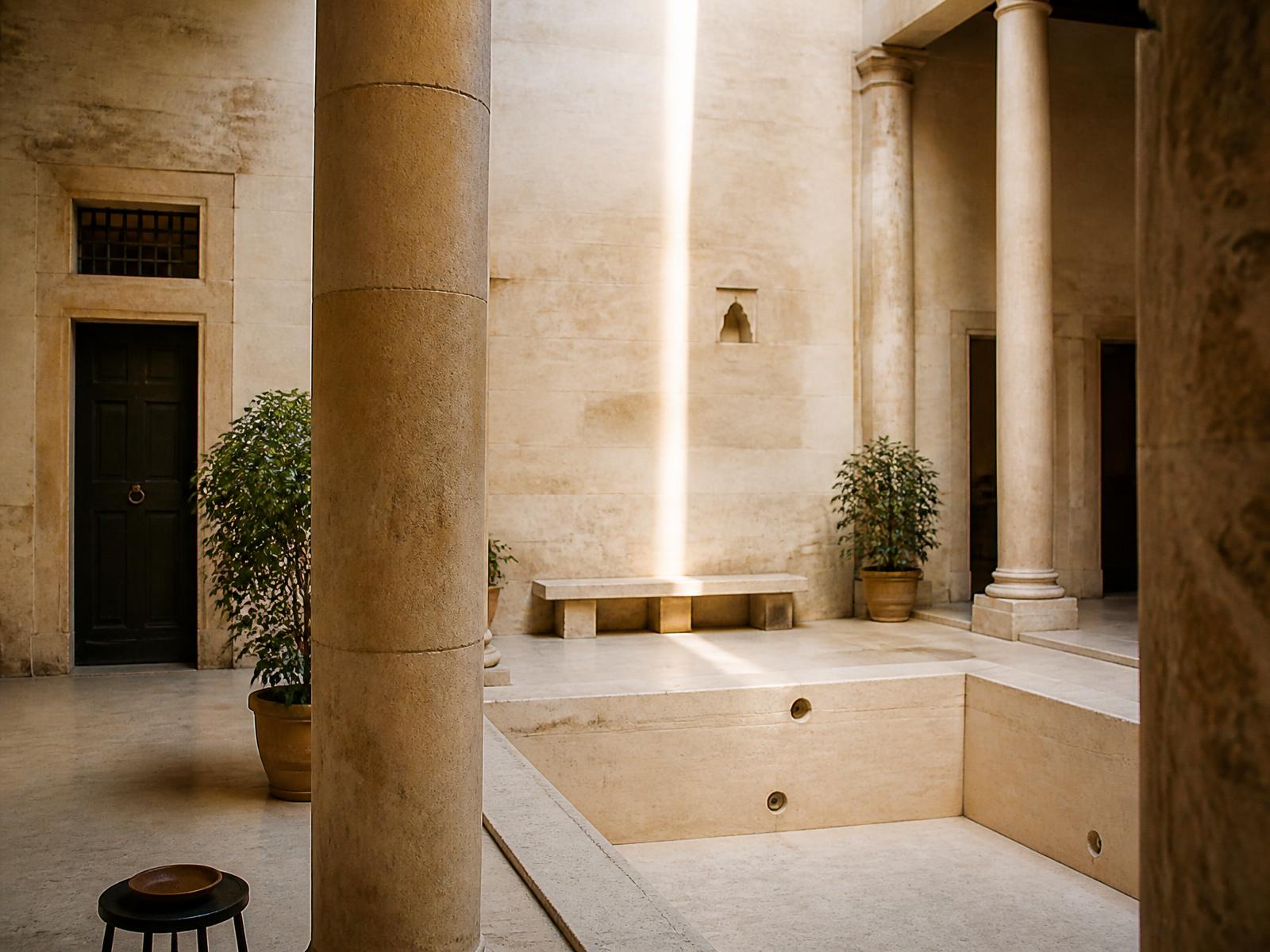
Restored Roman palazzo courtyard in travertine with a bare stone bath pool and a shaft of daylight

No. 06Piazza di San Marcello, Italy

Six Senses Rome

A fifteenth-century palazzo near the Trevi, restored with lime plaster, travertine and reclaimed brick, and a Roman bath circuit in the basement that reads as archaeology rather than spa. The rooftop looks over the domes. The building was reused, not replaced — a quieter kind of sustainability.

Where They Are

A map of quiet coordinates

Remote atolls, working valleys and one Roman piazza — chosen for what surrounds them rather than what is nearby.

  • Europe

    • Ibiza
    • Rome
    • Crans-Montana
    • Douro Valley
    • Kaplankaya
  • Asia

    • Yao Noi
    • Samui
    • Ninh Van Bay
    • Con Dao
    • Bhutan
    • Uluwatu
  • Indian Ocean

    • Laamu
    • Kanuhura
    • Zil Pasyon
    • Fort Barwara
  • Elsewhere

    • Zighy Bay
    • Southern Dunes
    • Botanique
    • New York

From the Journal

Notes on living well

All stories
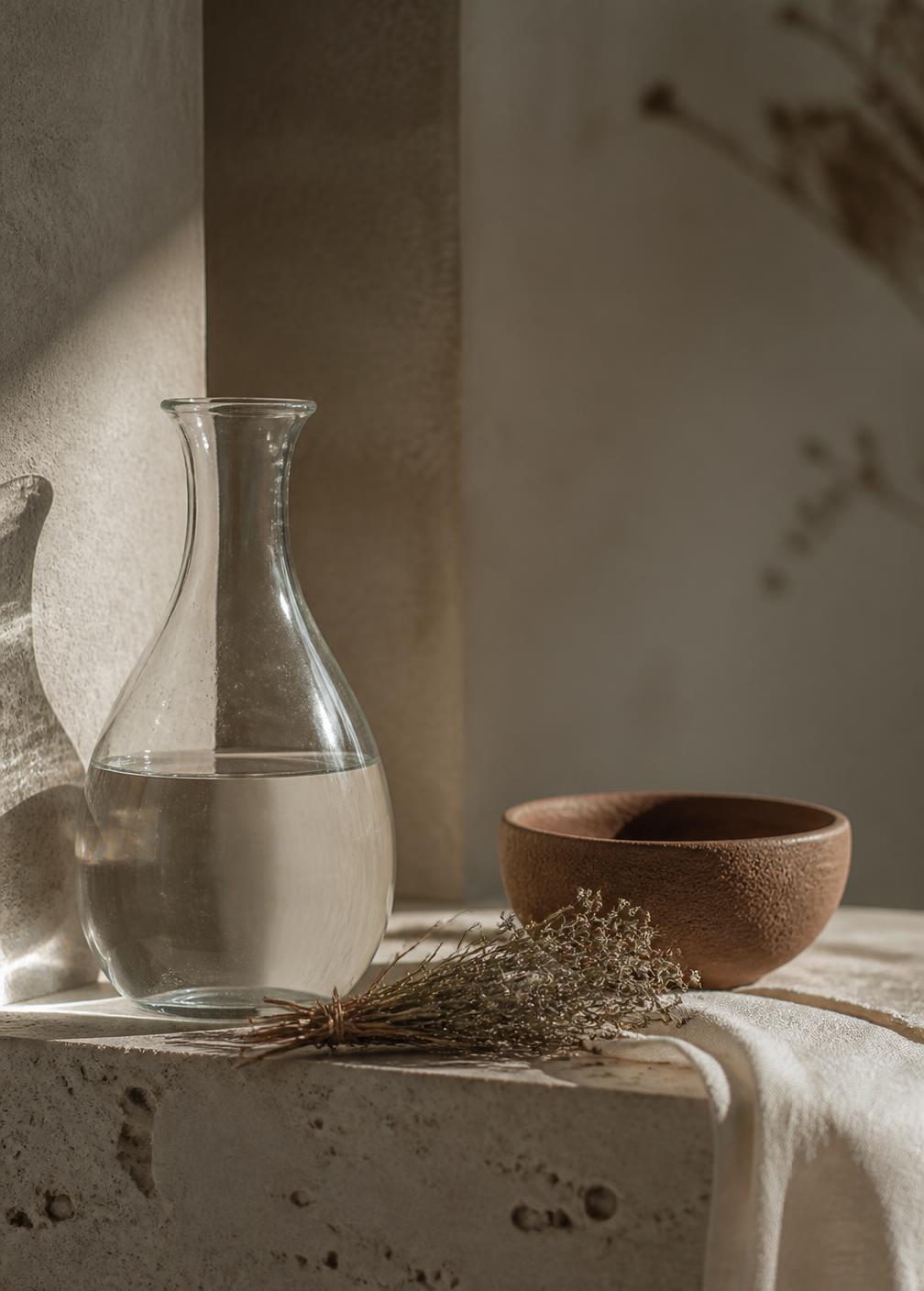
  • Glass water carafe, dried herbs and a clay bowl on a rough travertine ledge in soft morning light

    What Wellness Means When Nobody Says the Word

    WellnessJuly 2026

    Sleep measured rather than promised, and a programme that mostly asks you to do less. On the difference between a spa and a practice.

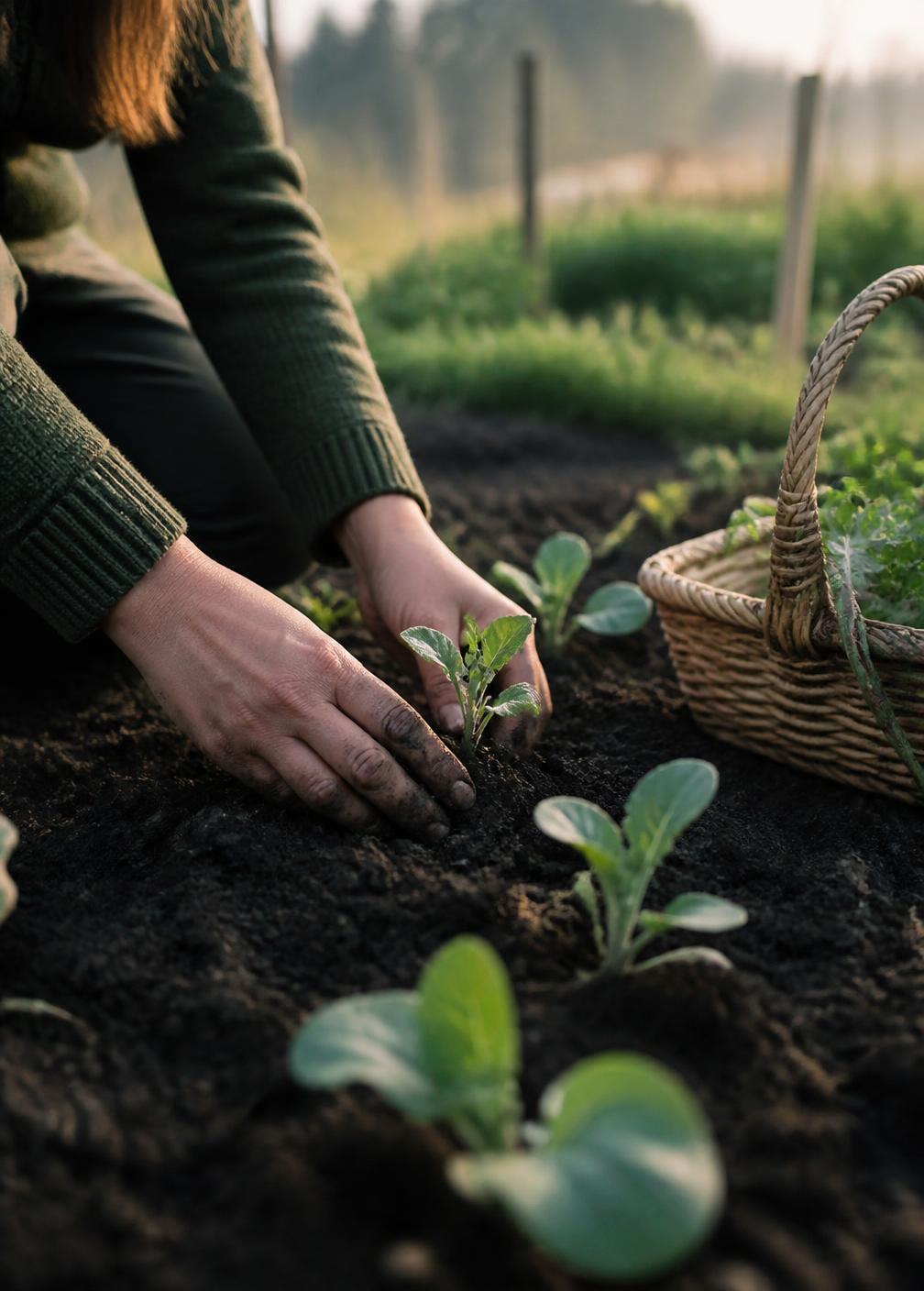
  • Hands planting young vegetable seedlings in dark soil in an organic garden at dawn

    The Garden Comes First

    SustainabilityJune 2026

    Earth labs, composting, and the unglamorous work of growing what the kitchen needs. A visit to the beds behind the buildings.

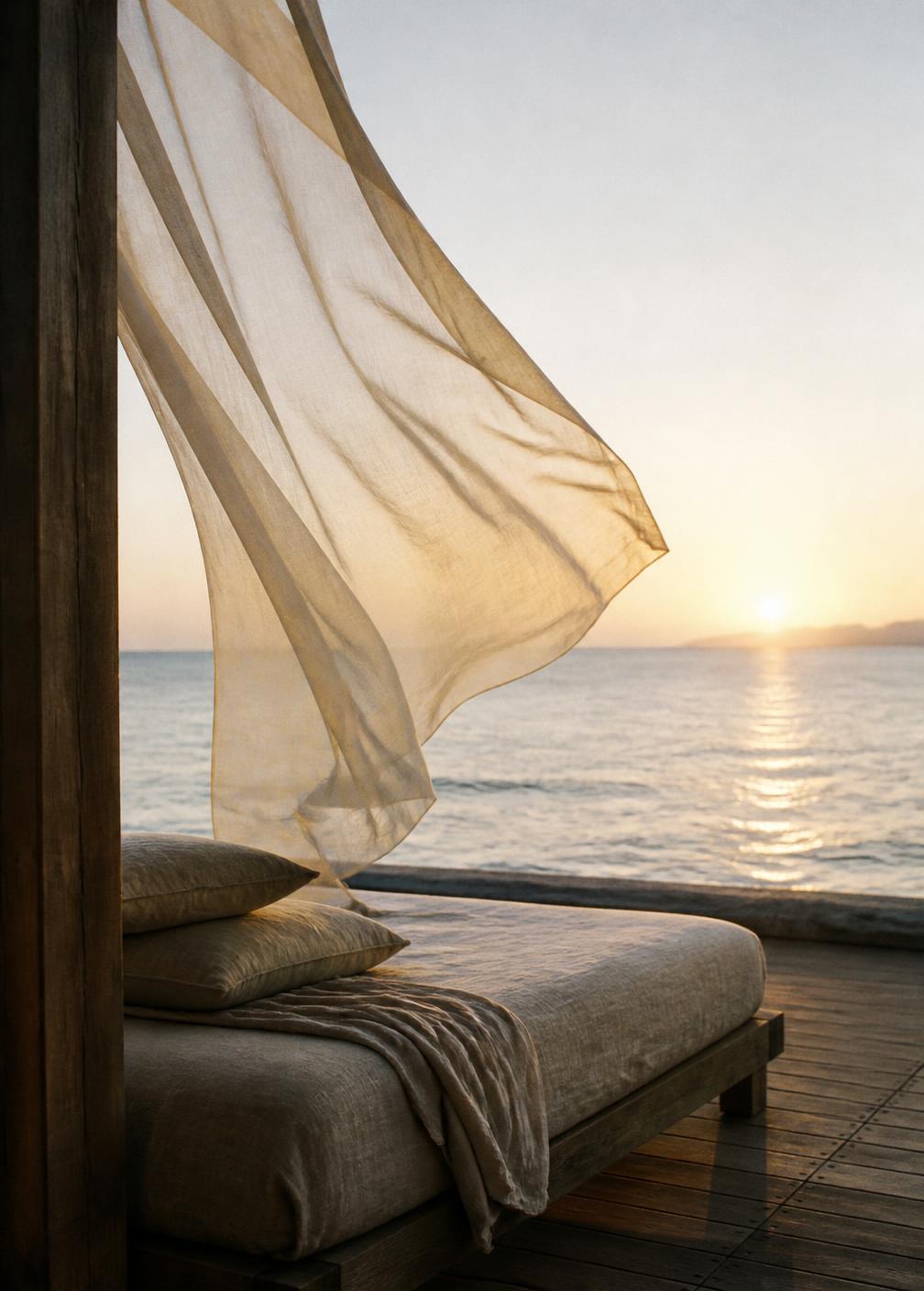
  • Empty linen daybed on a timber deck facing a calm sea at sunrise with a sheer curtain lifting

    Building With What Is There

    ArchitectureMay 2026

    Reclaimed timber in the Maldives, lime plaster in Rome, local stone in Oman. An architecture defined by what it declines to import.

Maison Voyage Recommends

Ten nights at Laamu, and give the reef your mornings.

A week is not enough to slow down and a fortnight is more than most people can take. Choose a beach villa over the water, swim before breakfast while the light is still flat, and spend one morning with the marine team rather than on a lounger. It reframes everything that follows.

Ben Trousil, Founding Editor

Questions

The things readers ask us most

Is this a wellness retreat or a hotel?
Both, and the balance is left to you. The programmes — sleep, longevity, movement — are properly staffed and evidence-led, but nobody minds if you spend the week reading. The absence of pressure is the point.
How seriously should one take the sustainability claims?
Seriously enough to go and look. The gardens, water bottling, waste rooms and composting are open to guests at most properties, which is unusual and tends to settle the question quickly.
Which resort would you begin with?
Zighy Bay if you want the architecture at its clearest, Laamu if you want the marine work, Rome if you want to see the same thinking applied to a five-hundred-year-old building in a city.
Is it suitable for a first trip with children?
Yes, and unusually so. The gardens, kitchens and reef work all give children something real to do, which is worth more than a club room.
Does Maison Voyage take a commission?
No. We are an editorial house, not an agency. Nothing on this page has been paid for, and every resort here has been stayed in by one of our editors.

An Invitation

Continue the Journey

One letter each month: a place worth the detour, an object worth keeping, a page worth reading slowly. Nothing more.