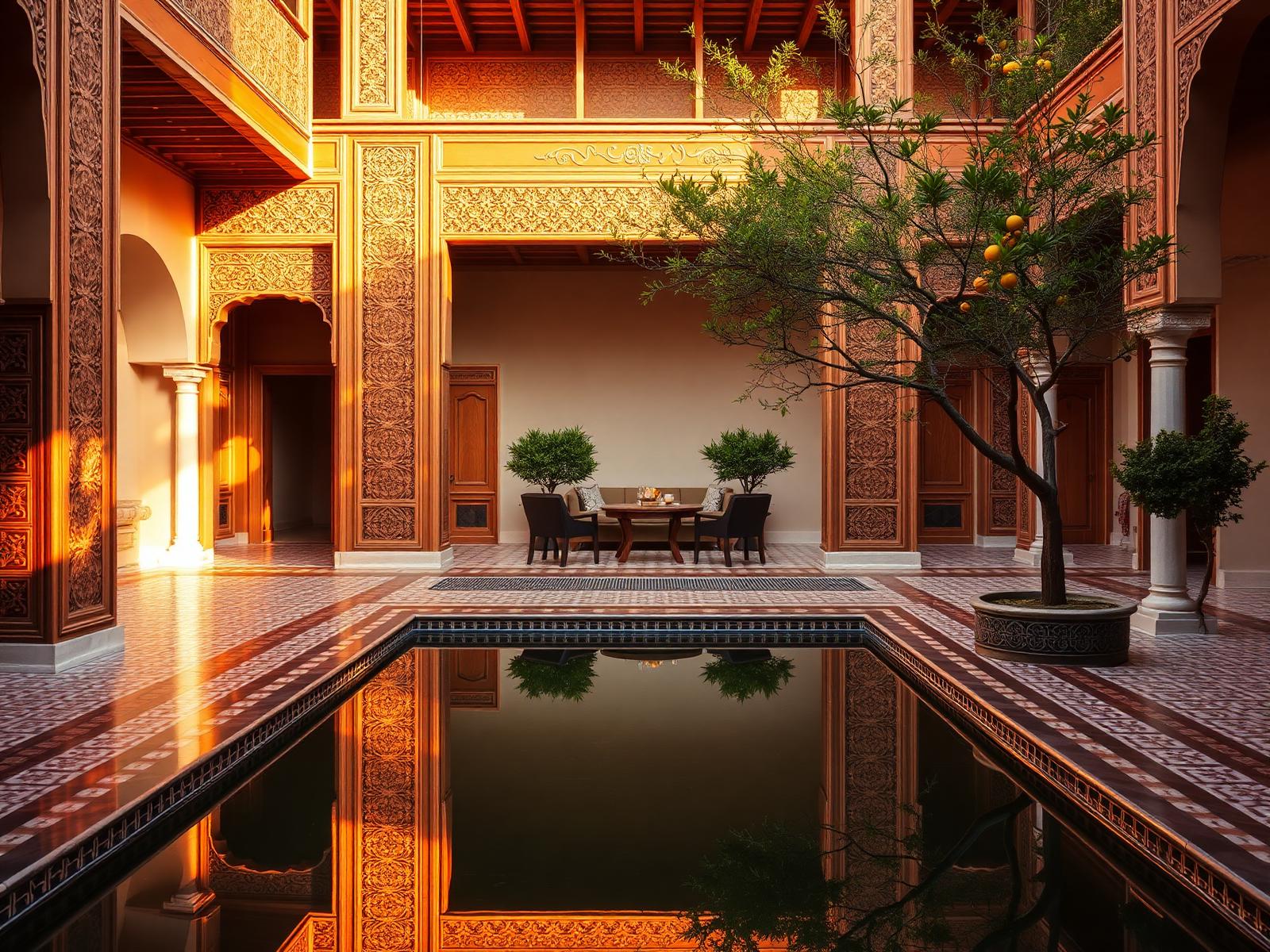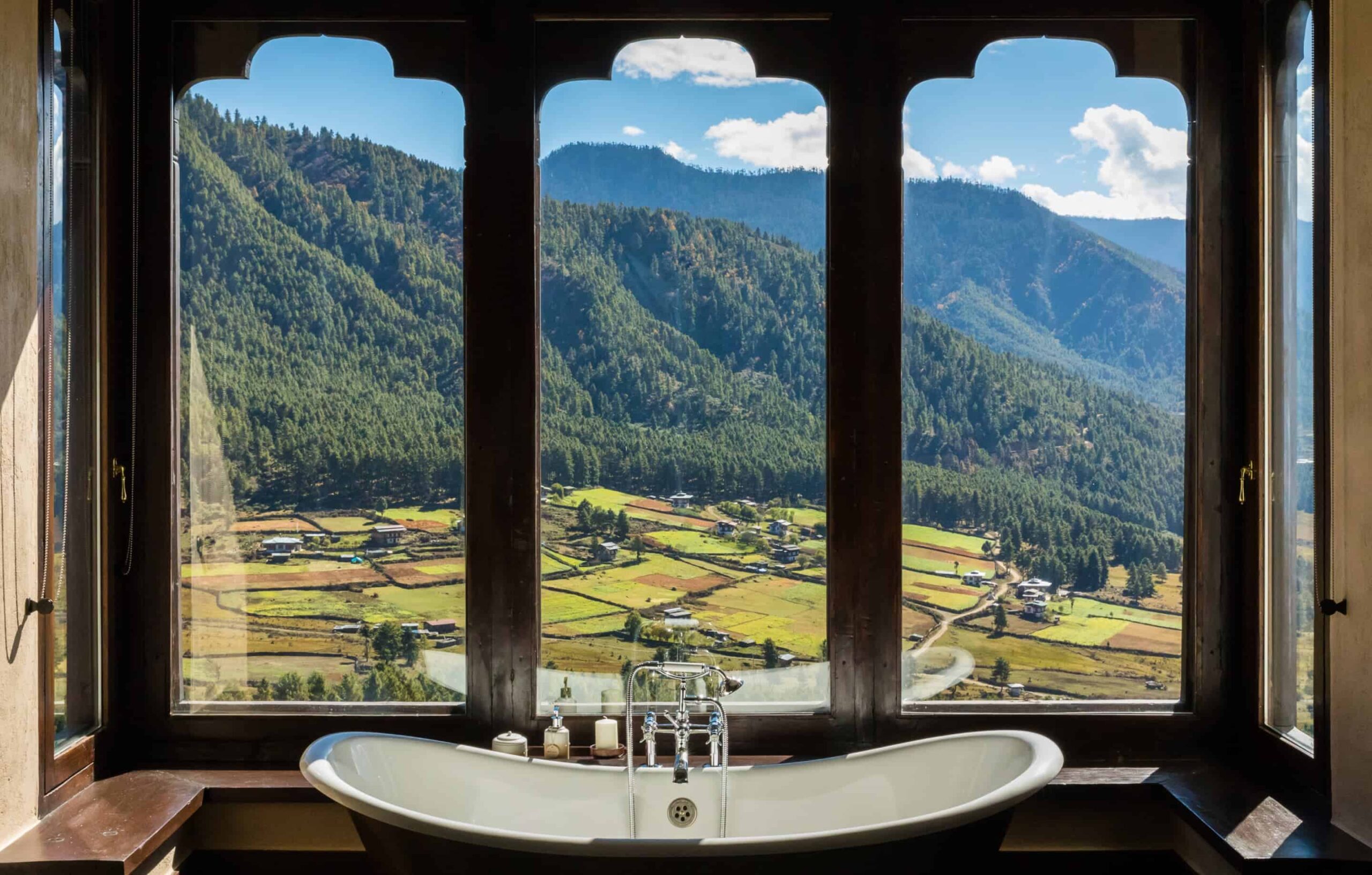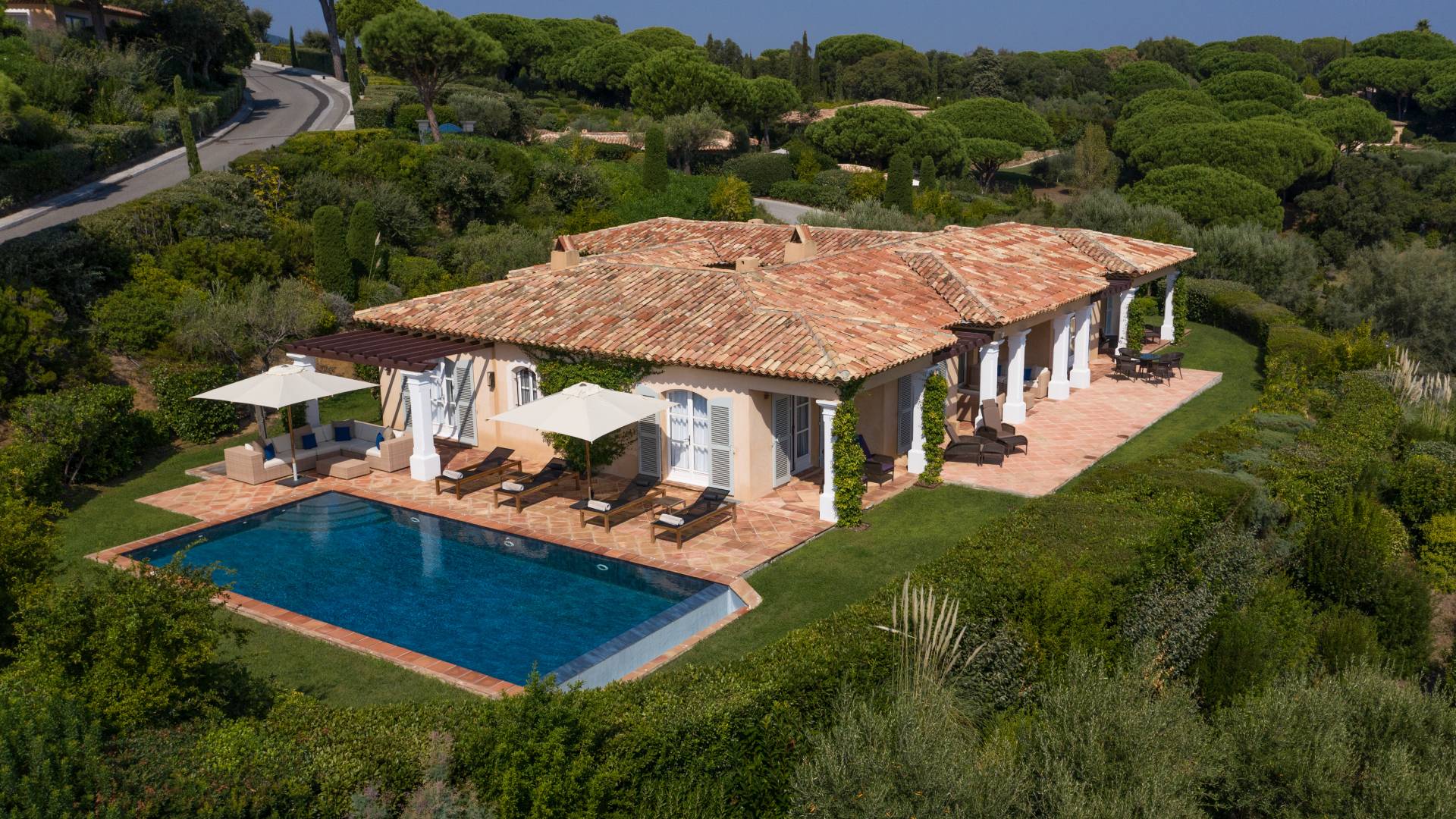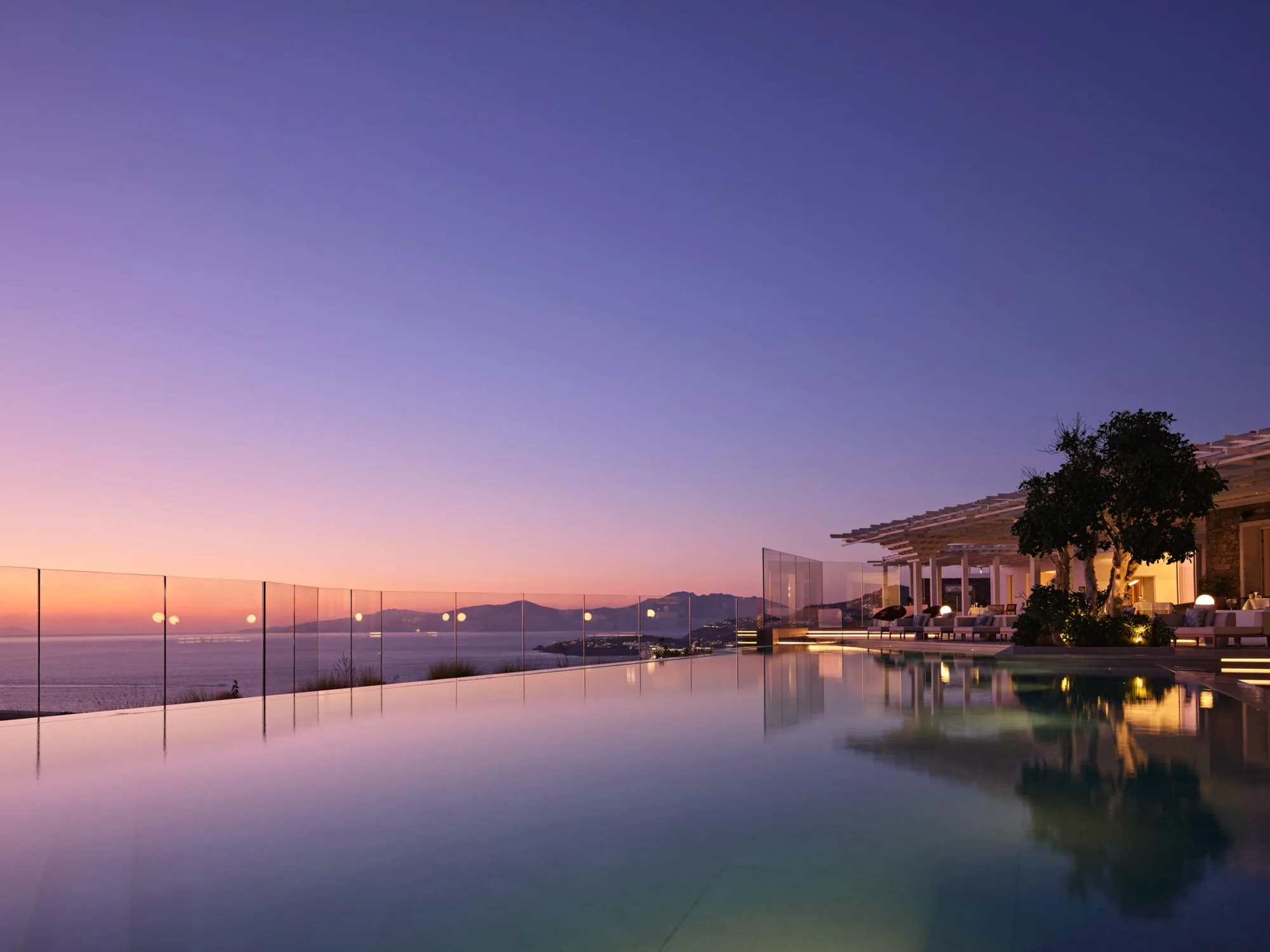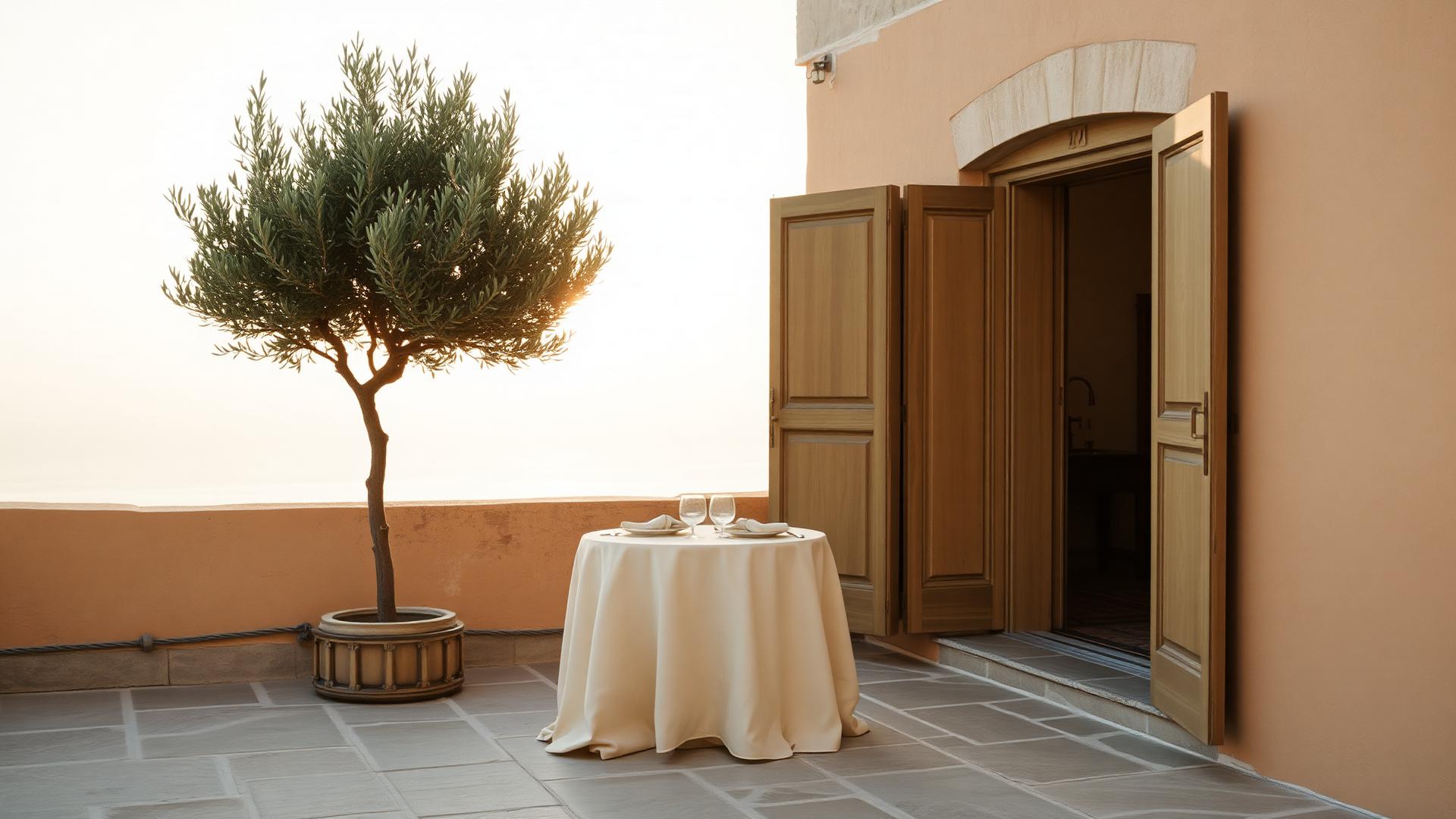
Stone terrace of an independent hotel in evening light with an olive tree, a laid table and the sea horizon

A selected group

Independent Icons

Some of the world's most remarkable hotels belong to no collection at all. What connects them is individuality, character, craftsmanship and a strong sense of place.

The selection principle

Chosen because they are exceptional. Not because they belong to a brand.

Large hotel groups have their place: a recognisable signature, dependable operation, a standard you can rely on after a long journey. We continue to recommend them wherever they run the best house in town.

Yet a number of the addresses that stay with us longest stand entirely on their own. They were brought back by a family, developed by one person, or held for decades without ever joining a group. Their scale is small, their decisions personal, and both are felt during a stay.

These houses are not listed here as alternatives to Aman, Rosewood or Belmond. They stand alongside them as equals — described with the same care and the same guidance we would give any guest before travelling.

The selection

Ten independent houses

From a villa on Lake Como to a Mallorcan fortress and an island in the Indian Ocean — what defines each house, and what is worth knowing beforehand.

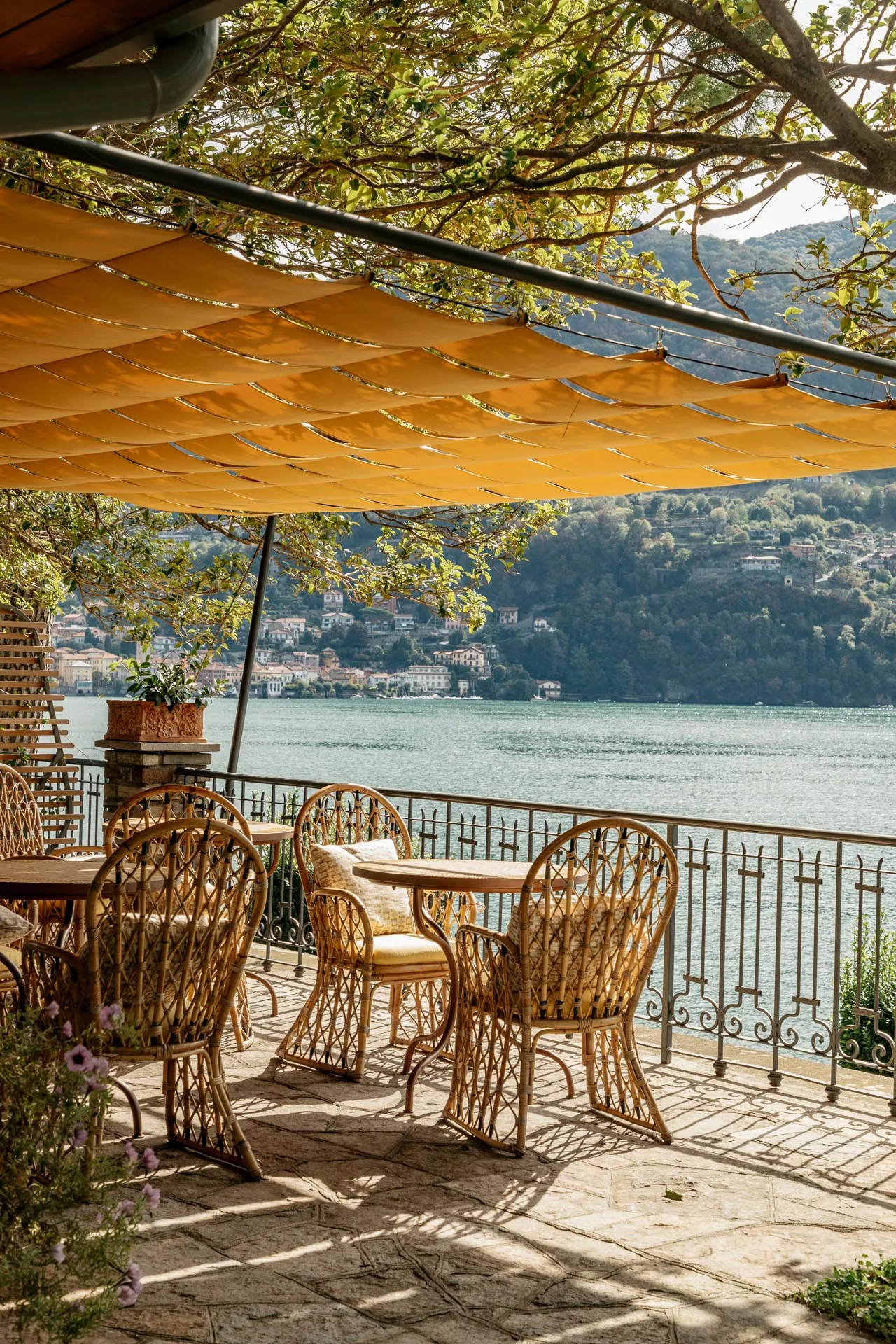
Villa aus dem 18. Jahrhundert über dem Comer See mit Glyzinien und Steinbalustrade

01Moltrasio, Comer See

Passalacqua

An eighteenth-century villa of twenty-four rooms, terraced gardens and the lake as a front garden.

Why this house

Passalacqua is run by the family who restored it themselves over many years — frescoes, fabrics and furniture were kept rather than quoted. You stay in rooms that were living rooms first and hotel rooms second.

Signature
Restored by the De Santis family, original frescoes, gardens to a historic plan.
Suits
Couples and small parties who prefer to inhabit a house rather than use it
Suggested length
Three to four nights
Best season
May to June, September

Note

To see the gardens properly, be out early — before the first boat.
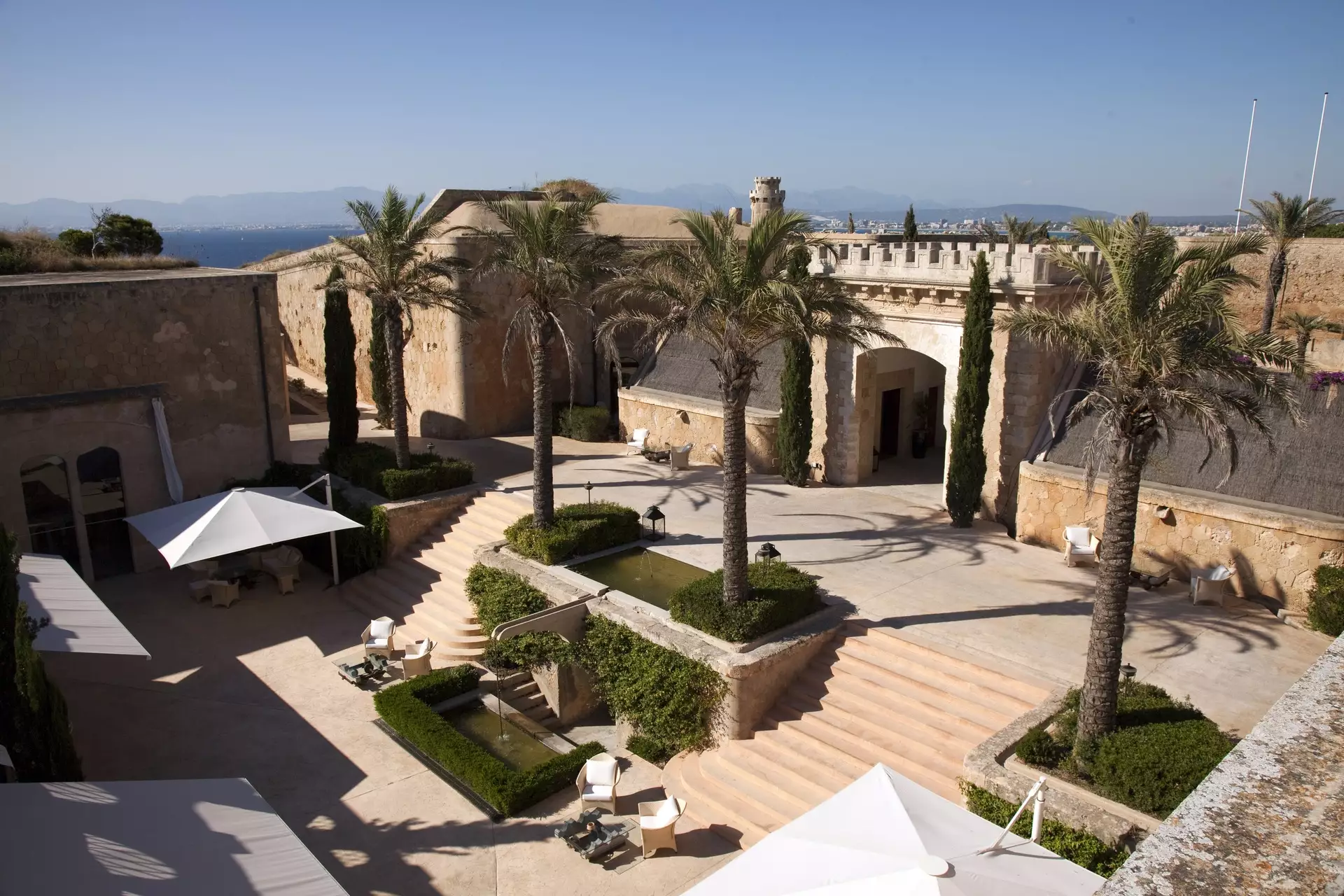
Ehemalige Festung aus Sandstein über dem Mittelmeer mit schmalem Pool und Zypressen

02Bucht von Palma, Mallorca

Cap Rocat

A nineteenth-century fortress above the bay of Palma, cut into the rock rather than placed on it.

Why this house

The conversion took nothing away: rooms sit in former gun emplacements, paths run through tunnels, and the sea stays fifteen minutes from the city yet entirely private. Architecturally, it could not be repeated.

Signature
Converted by Antonio Obrador, Marés sandstone, interventions kept almost invisible.
Suits
Travellers who know Mallorca and want its quietest corner
Suggested length
Three nights
Best season
May, June, September to October

Note

Rooms along the upper rampart are quieter than the suites at the water.

Terrasse an der Amalfiküste mit handbemalten Majolikafliesen, Zitronenbaum und Meerblick

03Amalfiküste, Kampanien

Borgo Santandrea

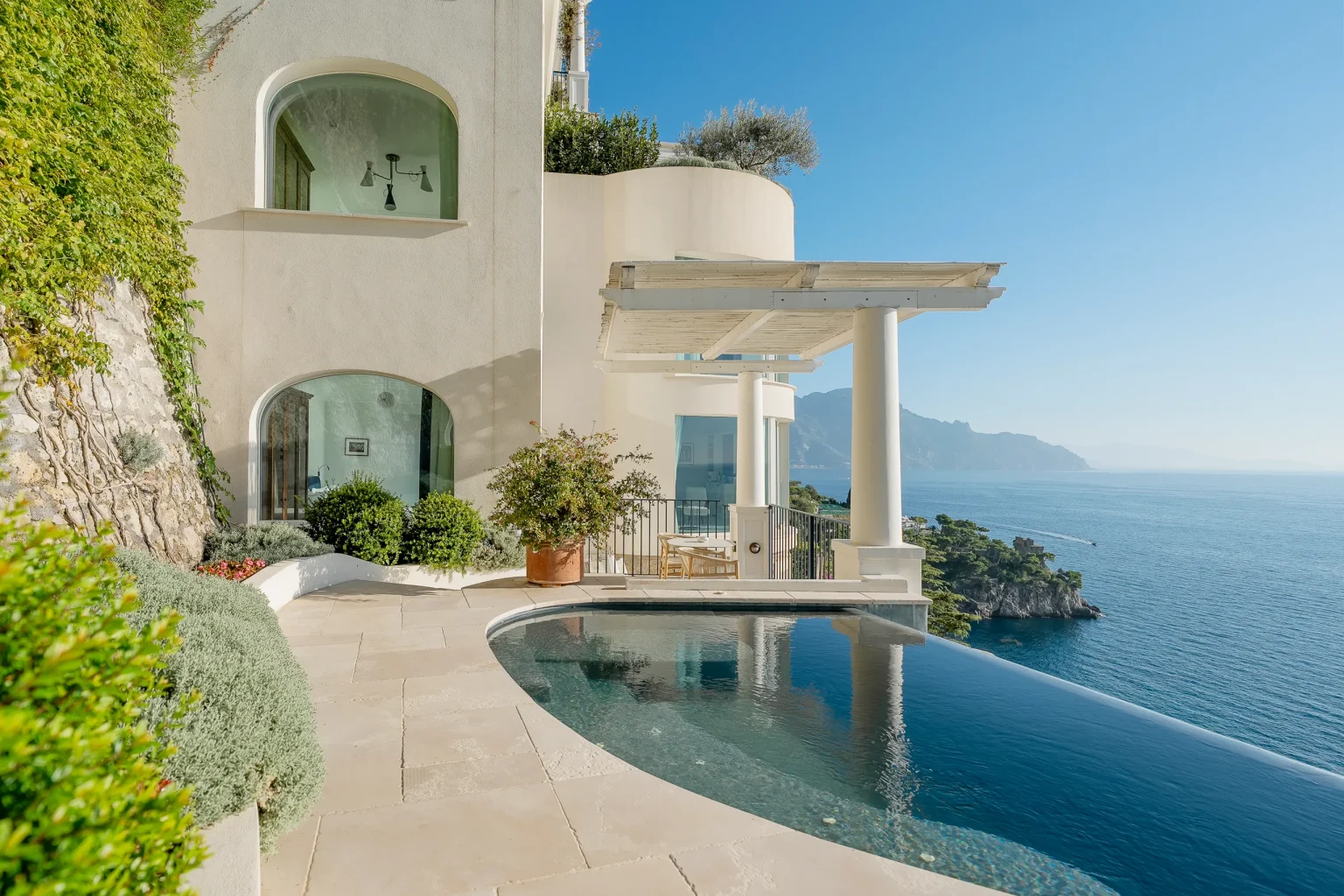
A 1960s house on the cliff, brought back by the family who own it — with a private beach at the foot of the lift.

Why this house

Rather than staging the Amalfi Coast, the Vespoli family took the region's vocabulary seriously: more than two hundred hand-painted tile patterns, terrazzo, rattan, no ornament without provenance. A private beach is rare on this coast and noticeably changes the rhythm of a stay.

Signature
Hand-painted Vietri majolica, interiors by the Vespoli family, private bathing beach.
Suits
Couples and families who want the coast without daily boat logistics
Suggested length
Four to five nights
Best season
May to June, September

Note

Rooms on the lower floors sit closer to the water and are quieter than those above.

Andalusischer Innenhof mit hohen Arkaden, langem Wasserbecken und Olivenbäumen

04Casares, Andalusien

Finca Cortesín

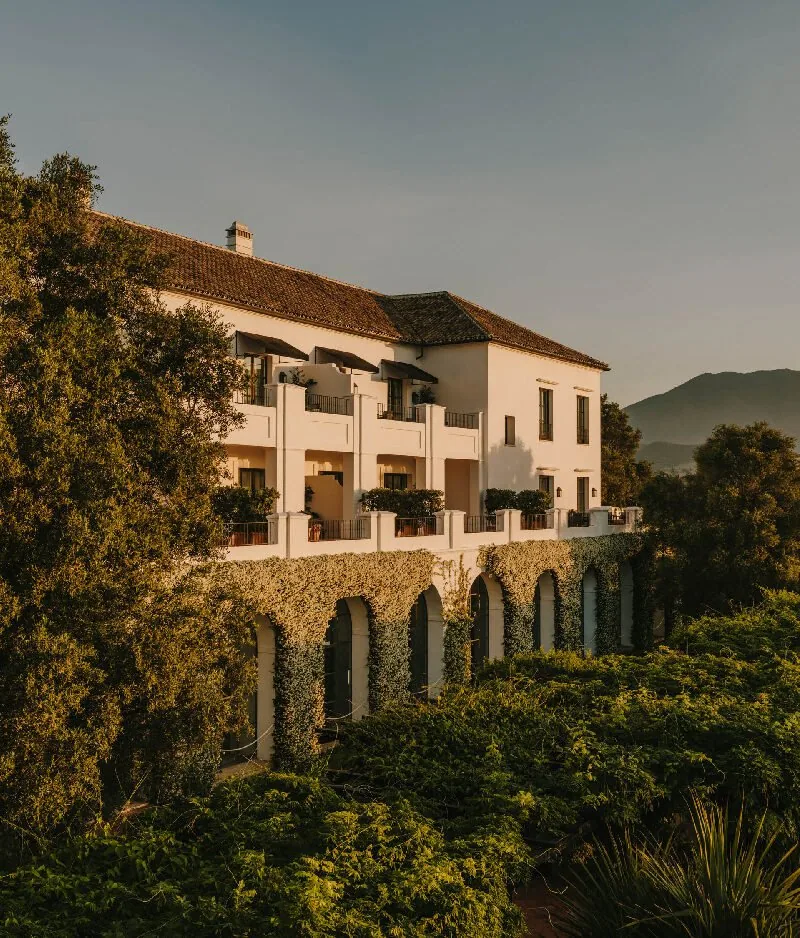
An Andalusian estate between Marbella and Gibraltar: tall arcades, cool courtyards, a great deal of space.

Why this house

The estate was designed in one piece rather than extended over decades, which explains the unusually calm plan of sixty-seven suites across generous grounds. Golf, kitchen and beach club are all present without any one of them setting the tone.

Signature
Andalusian construction in lime plaster and chestnut, gardens by Gerald Huggan.
Suits
Families and golf travellers who value space and a quiet house
Suggested length
Five nights
Best season
April to June, September to October

Note

The beach club is a few minutes away; the shuttle runs regularly, though a car remains useful.

Innenhof eines mallorquinischen Stadthauses mit Feigenbaum, Rattanstühlen und Sandsteinmauern

05Santanyí, Mallorca

Can Ferrereta

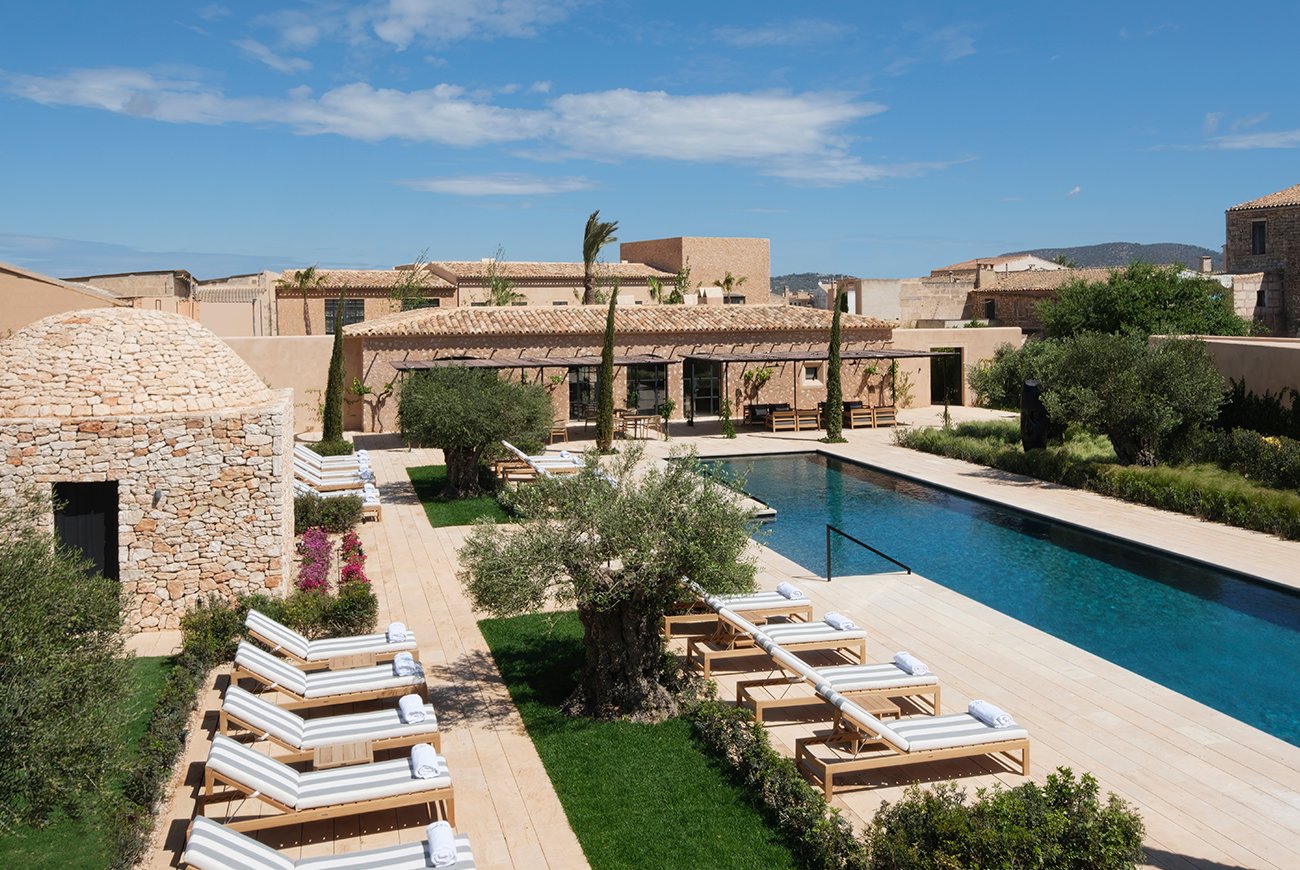
A seventeenth-century townhouse in southern Mallorca, thirty-two rooms around two courtyards.

Why this house

The appeal here is scale: a village at the door, a garden behind the wall, materials from nearby — Marés stone, lime, olive wood. Anyone wanting to know Mallorca away from the coast roads is well placed here.

Signature
Restoration of a seventeenth-century manor, interiors by Miguel Conde.
Suits
Couples who prefer to stay in a town rather than a resort
Suggested length
Three to four nights
Best season
April to June, September to October

Note

The south-eastern coves are twenty minutes away and empty early in the morning.

Weisse Arkaden einer Hacienda mit Palmen, Rasen und Blick auf die Karibik

06Riviera Maya, Mexiko

Hotel Esencia

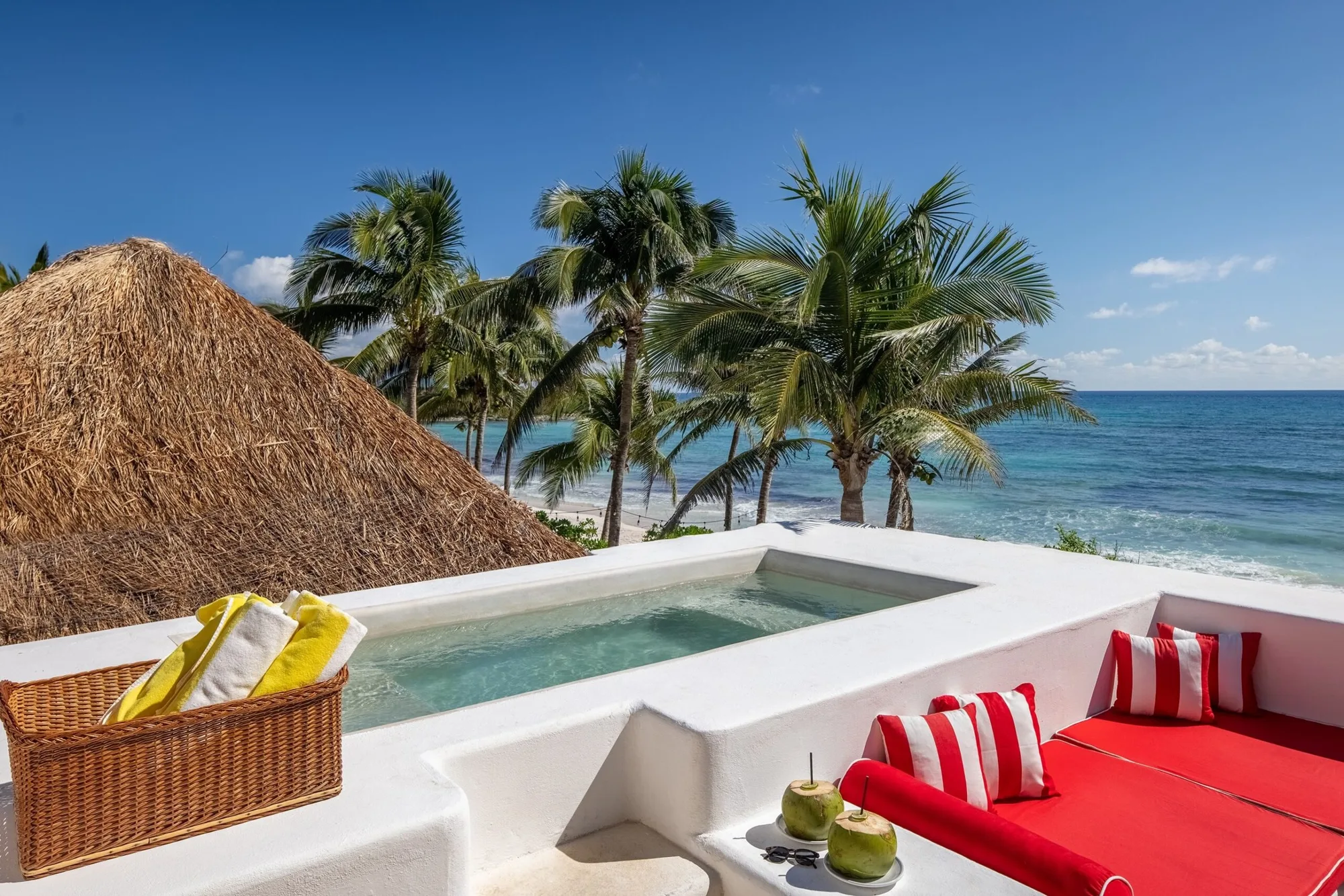
A former private estate on Xpu-Ha beach — twenty-nine rooms, a great deal of lawn, very little programme.

Why this house

The house belonged to an Italian duchess and still feels like private property in which you are a guest. On a coastline of large resorts that is a rare arrangement: a Caribbean beach without resort machinery.

Signature
A 1970s private residence, colonial arcades, palm garden onto the sand.
Suits
Couples and families who want the Yucatán with calm
Suggested length
Four to five nights
Best season
November to April

Note

The ruins at Cobá are closer than Tulum and nearly empty in the morning.

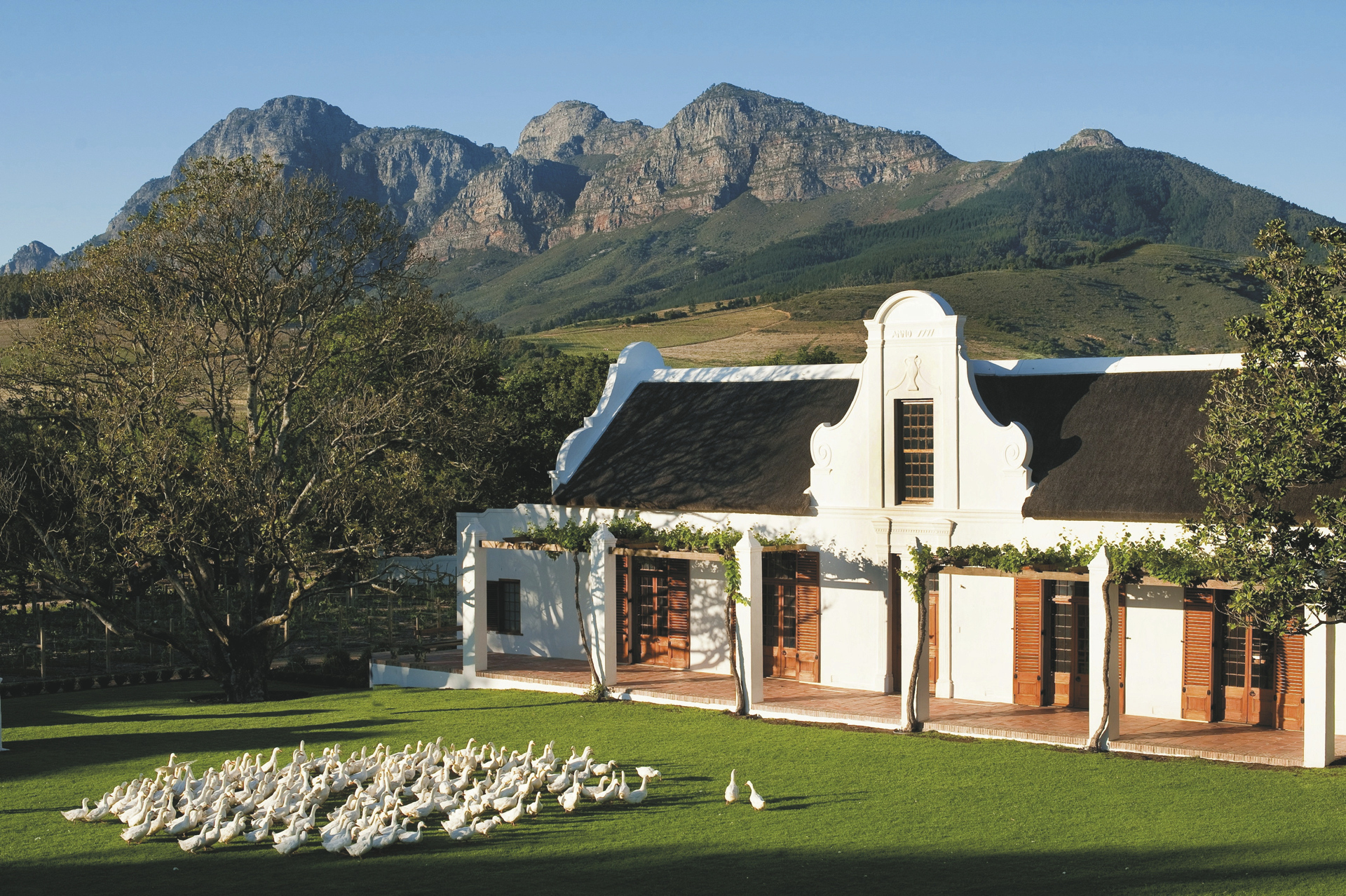
Kapholländisches Weingut mit weissen Giebeln, Nutzgarten in langen Reihen und Bergen dahinter

07Franschhoek, Südafrika

Babylonstoren

A Cape Dutch wine farm with a three-hectare kitchen garden that governs everything else.

Why this house

The garden is not scenery but the foundation: kitchen, spa and walks follow whatever is ripe. After two days it becomes clear why the Cape winelands are more than an extension of Cape Town.

Signature
A 1692 farmstead, garden plan by Patrice Taravella, own cellar and bakery.
Suits
Travellers before or after a safari, guests drawn to gardens and cooking
Suggested length
Three nights
Best season
October to April

Note

Two nights rarely suffice — the early-morning garden walk is worth an extra day.

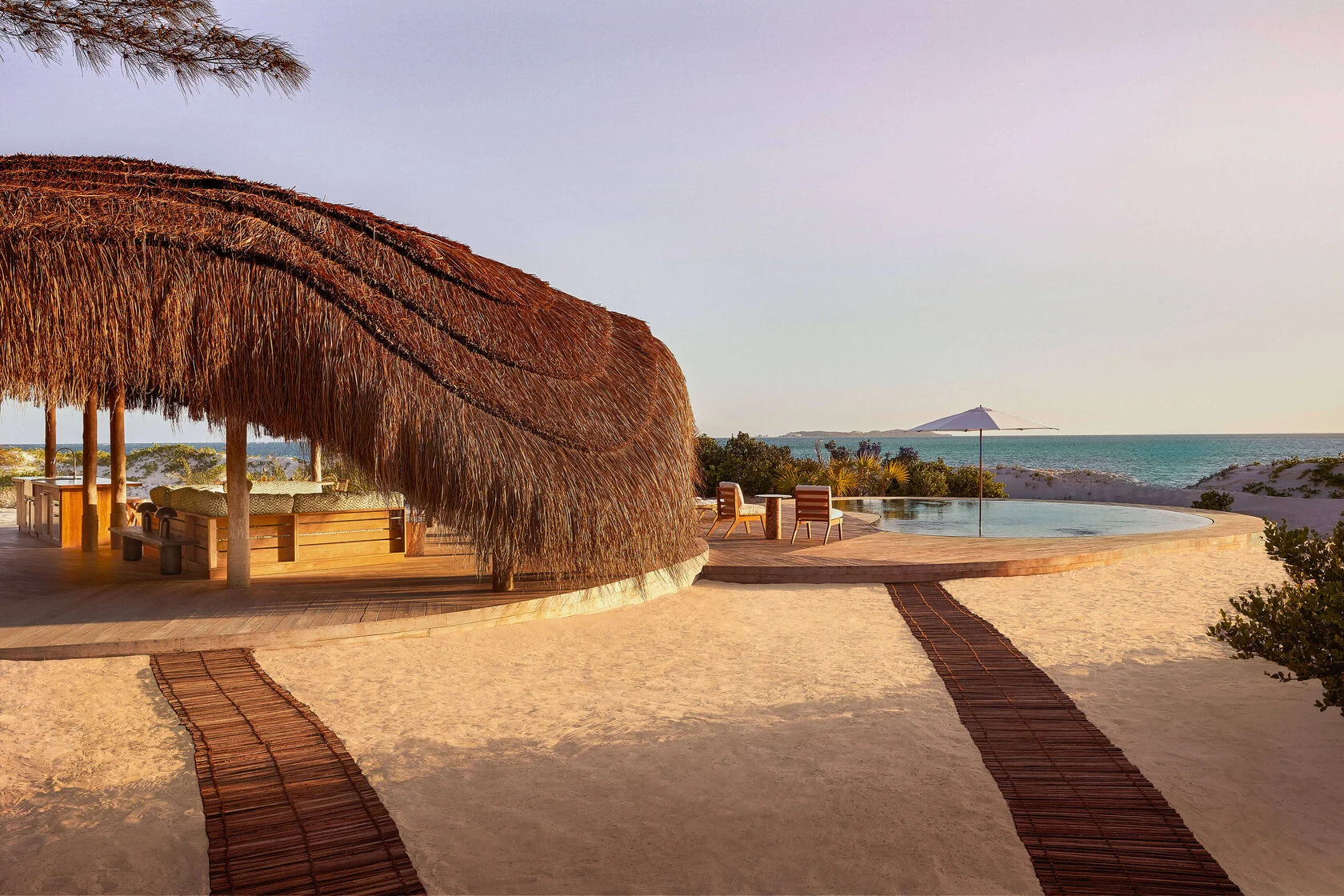
Freistehende Villa aus Sand und Reet in den Dünen einer weissen Bucht am Indischen Ozean

08Benguerra Island, Mosambik

Kisawa Sanctuary

Twelve free-standing residences across three hundred hectares of island, each with its own stretch of sand.

Why this house

Kisawa was developed by one person and partly printed on site from island sand and seawater — a method with no second example. Alongside it runs a marine research station operated as part of the house rather than as marketing.

Signature
3D printing from island sand and seawater, founded by Nina Flohr, own research centre.
Suits
Travellers who prefer complete seclusion to resort facilities
Suggested length
Five to seven nights
Best season
May to October

Note

Arrival runs via Johannesburg and Vilanculos; a buffer day beforehand is wise.

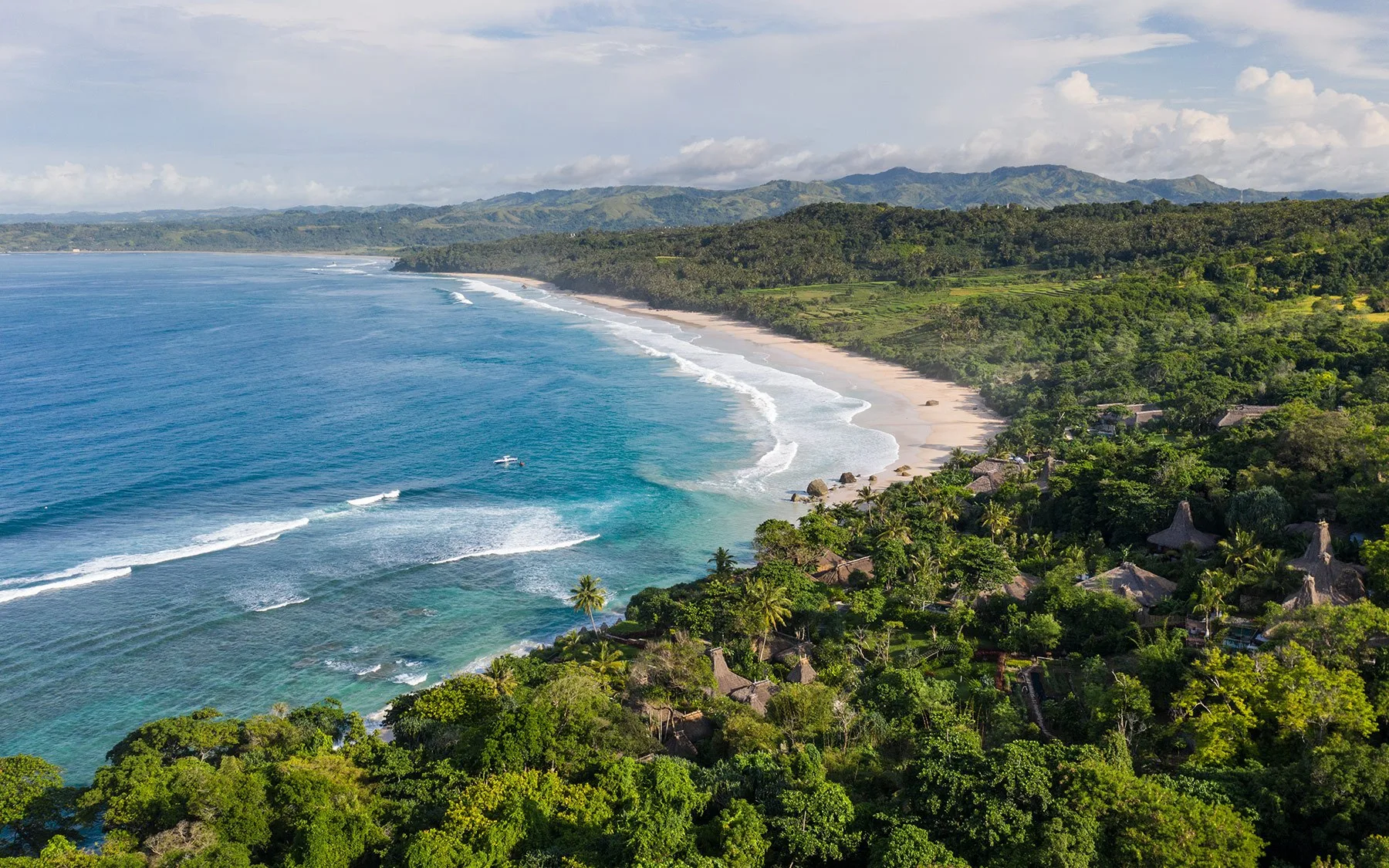
Strandvillen aus Holz und Alang-Alang-Gras über einer Brandungsbucht

09Sumba, Indonesien

NIHI Sumba

Horses on the sand, a well-known wave and an island barely developed for tourism.

Why this house

NIHI is tied to Sumba rather than placed on it: a foundation working across the island, craft from the villages, staff from the neighbourhood. The house asks for a long journey and returns something more convenient places lack.

Signature
Alang-alang thatch, local teak, the Sumba Foundation as part of the operation.
Suits
Active travellers and families with older children
Suggested length
Seven nights, arriving via Bali
Best season
April to October

Note

The sunrise ride on the beach must be booked ahead — places are limited.

Read the full description
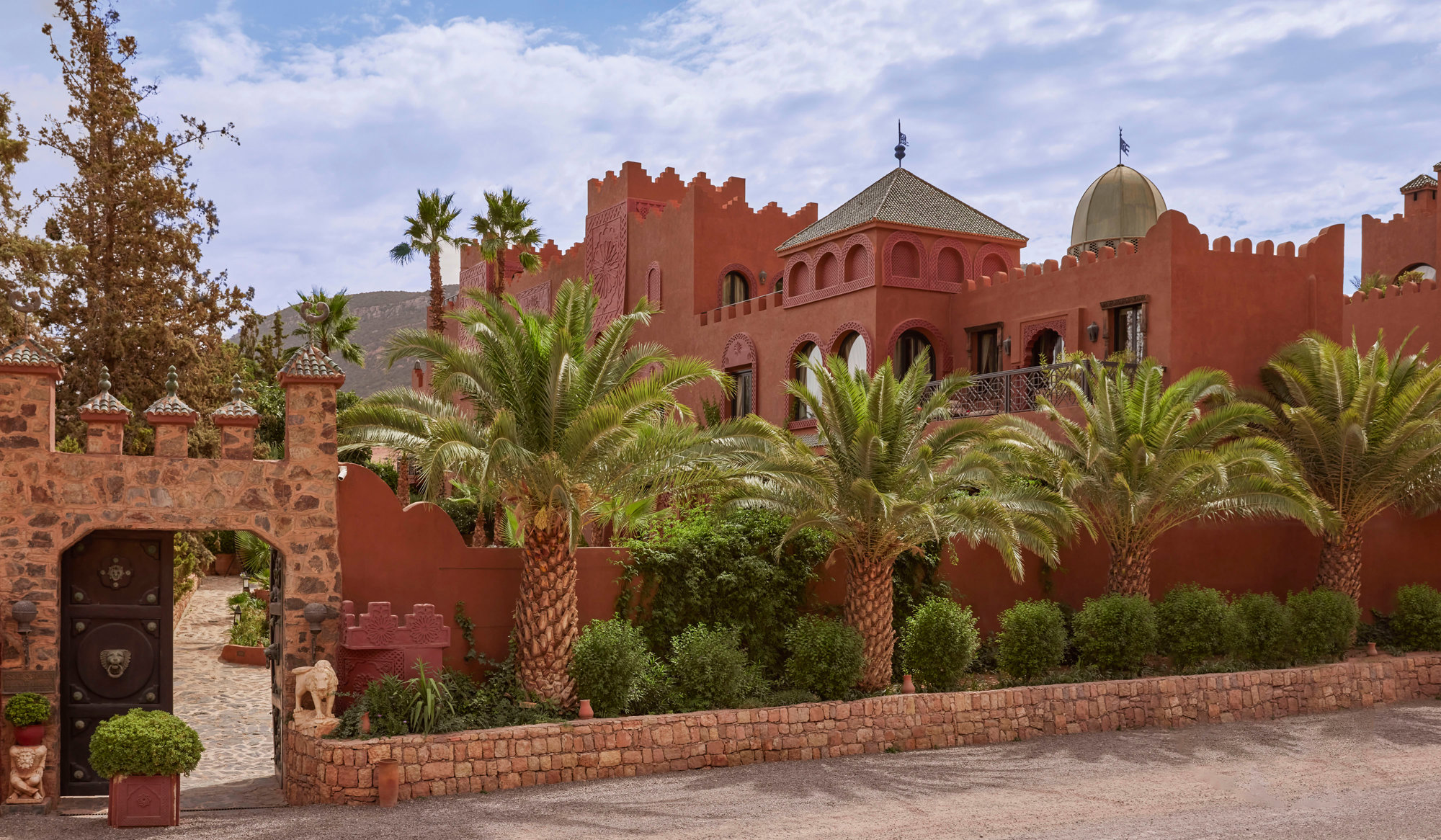
Terrakottafarbene Kasbah im Hohen Atlas mit Rosengarten und schneebedeckten Gipfeln

10Hoher Atlas, Marokko

Kasbah Tamadot

A kasbah in the Atlas mountains, an hour from Marrakech and in another world entirely.

Why this house

The house was an antique dealer's private collection before it took guests — doors, rugs and tiles date from that time. Much of the team comes from the villages in the valley, which makes the stay sound less like a hotel and more like a region.

Signature
Former residence of collector Luciano Tempo, Berber tents, craft from the Asni valley.
Suits
Travellers combining Marrakech with mountains and walking
Suggested length
Two to three nights, ideally after the city
Best season
March to May, September to November

Note

The Berber tents are heated in winter, but the kasbah rooms are more comfortable then.

And afterwards

If you would like to know which of these houses suits your journey.

The choice rarely rests on the house alone, but on season, length of stay and what comes before and after. That is precisely the conversation we prefer to have before anything is fixed.

An Invitation

Once a month: hotels, new openings and travel ideas

One hotel that convinced us, with our advice on suite and season. The openings that actually matter. And a destination at its best right now. No offers, no advertising.