
The Method
The Pure Voyage Method
This page does not explain how a booking works. It explains how we think about travel — and why we recommend certain properties, places and routes.
Understanding
Pure Voyage is not a hotel directory.Pure Voyage is not a booking platform.Pure Voyage is advice you can trust.
Everything we recommend is a decision, and every decision has a reason. Sometimes it is the setting, sometimes the tone of a retreat, sometimes the season in which a place becomes most itself.
What follows are seven thoughts. They stand behind every recommendation on this site, whether we say them out loud or not.
01 — Listen before we recommend
The first step is a question, not a suggestion.
Before we name a destination, a hotel or a date, we try to understand what the journey means to you. What was genuinely restorative before? What felt worthwhile? Where was there a sense of imbalance?
Often the real question is not the first one. Someone says Japan and means a particular stillness. Someone says safari and means space, light and a different pace.
Only once that is clear does a recommendation have any ground beneath it. Anything before that would be guesswork.
- Travel experience
- Expectation
- Mood
- Pace
- Occasion

02 — Fewer options, better decisions
Two considered suggestions are worth more than twenty possible ones.
A long list looks generous but hands the real work back to the traveller. Comparing twenty addresses ends in a decision made on photographs rather than on fit.
So we name few possibilities and write, for each, why it is in question — and where its limits lie.
Omission is part of the advice. What we do not mention, we have considered.
- Shortlisting
- Reasoning
- Comparability
- Clarity
- Omission
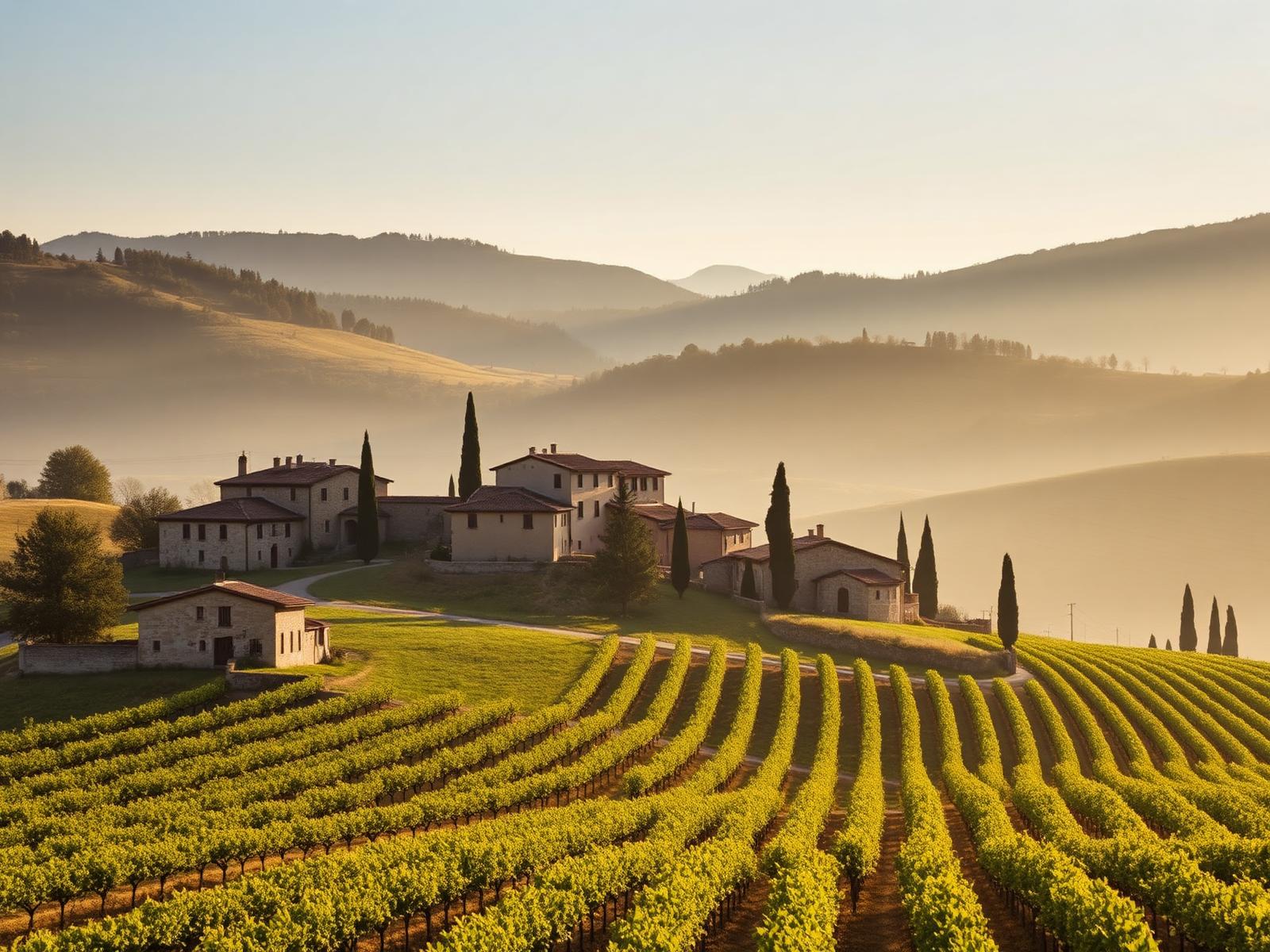
03 — Travel is personal
There is no generally best journey. There is yours.
Two people can visit the same place and experience opposites. One needs movement, the other quiet. One loves a house with life in it, the other a hotel where nothing has to happen.
We treat those differences not as a footnote of taste but as the starting point.
Which is why we ask about your pace before we talk about programme.
- Pace
- Sociability
- Need for quiet
- Curiosity
- Habits
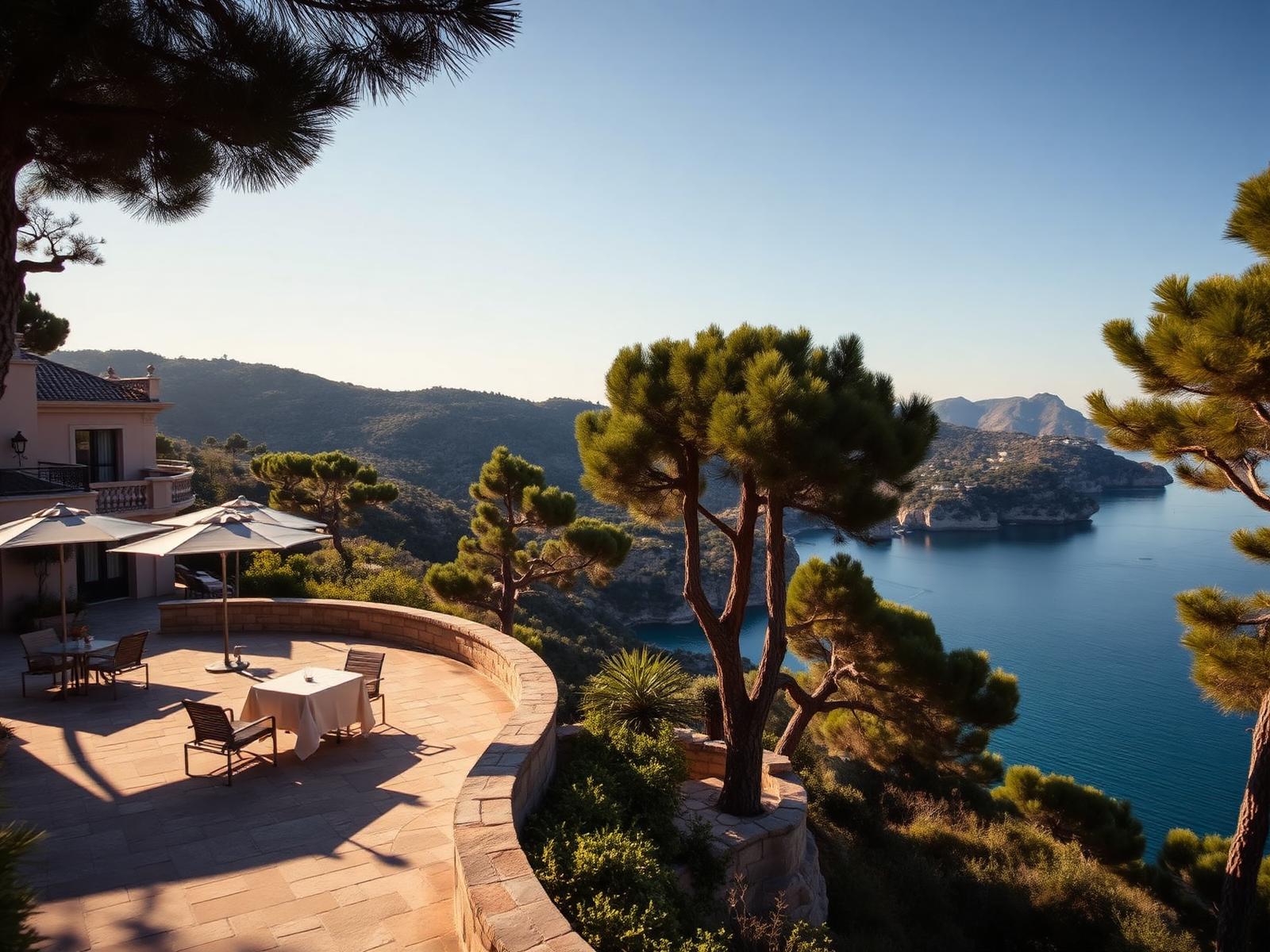
04 — The right hotel is not the same for everyone
Not every fine hotel is the right hotel.
Fame is not a measure. A widely praised address can be the wrong place for a particular journey, while a smaller, quieter one is exactly right.
We look at atmosphere, setting, rhythm and service culture — at what a property is actually like on an ordinary Tuesday in October.
And we say just as openly who it suits less well. That belongs to the recommendation.
- Atmosphere
- Setting
- Rhythm
- Service
- Character
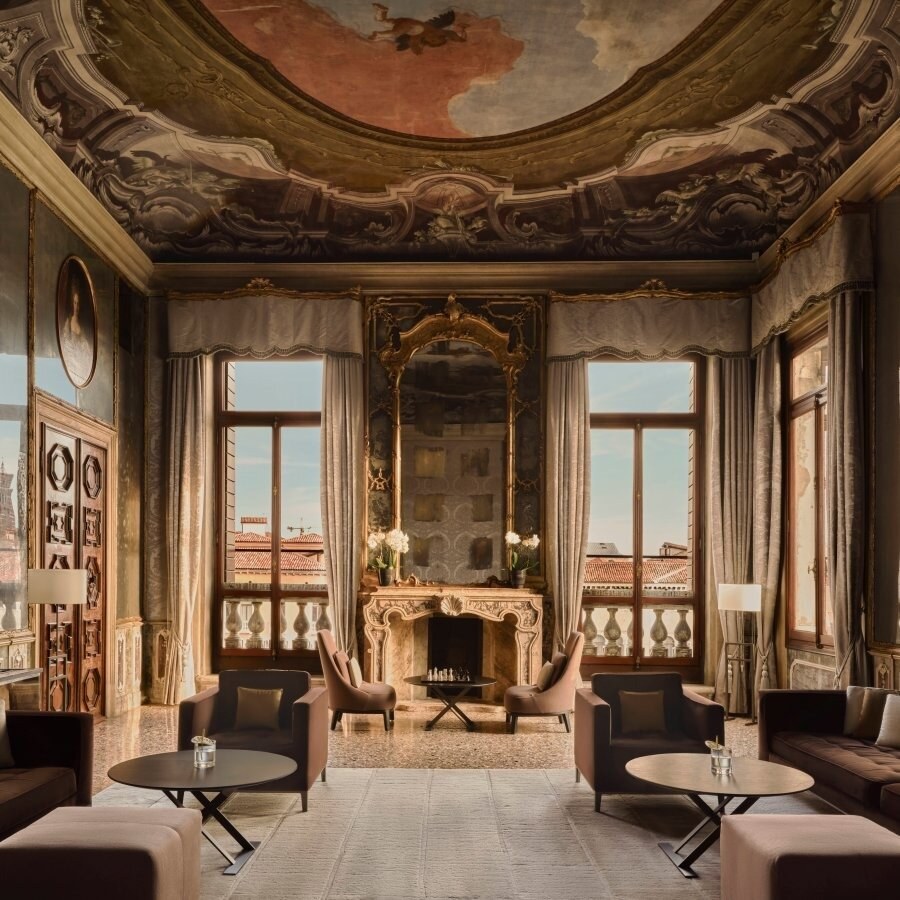
05 — Experience matters
Judgement is formed over years, not through ratings.
Twenty years in international luxury travel produce not an archive but an instinct: for when a retreat loses form after a change of management, when a refurbishment changes more than the rooms, when a destination tips in a particular month.
Some of it we know first hand, some through partners and colleagues, alongside careful research. We do not claim to have been everywhere.
But we only recommend what we can judge.
- First-hand knowledge
- Industry network
- Research
- Currency
- Judgement

06 — Relationships matter
A name at reception changes the journey.
Where we have worked with a hotel for years, your arrival is not an anonymous one. It rarely shows in grand gestures and almost always in small ones: the room with the better aspect, an earlier check-in, a table that would otherwise be gone.
These relationships cannot be bought or guaranteed. They exist because both sides work carefully.
So we promise no upgrades. We make sure they know who is coming.
- Trust
- Continuity
- Attention
- Reliability
- Discretion
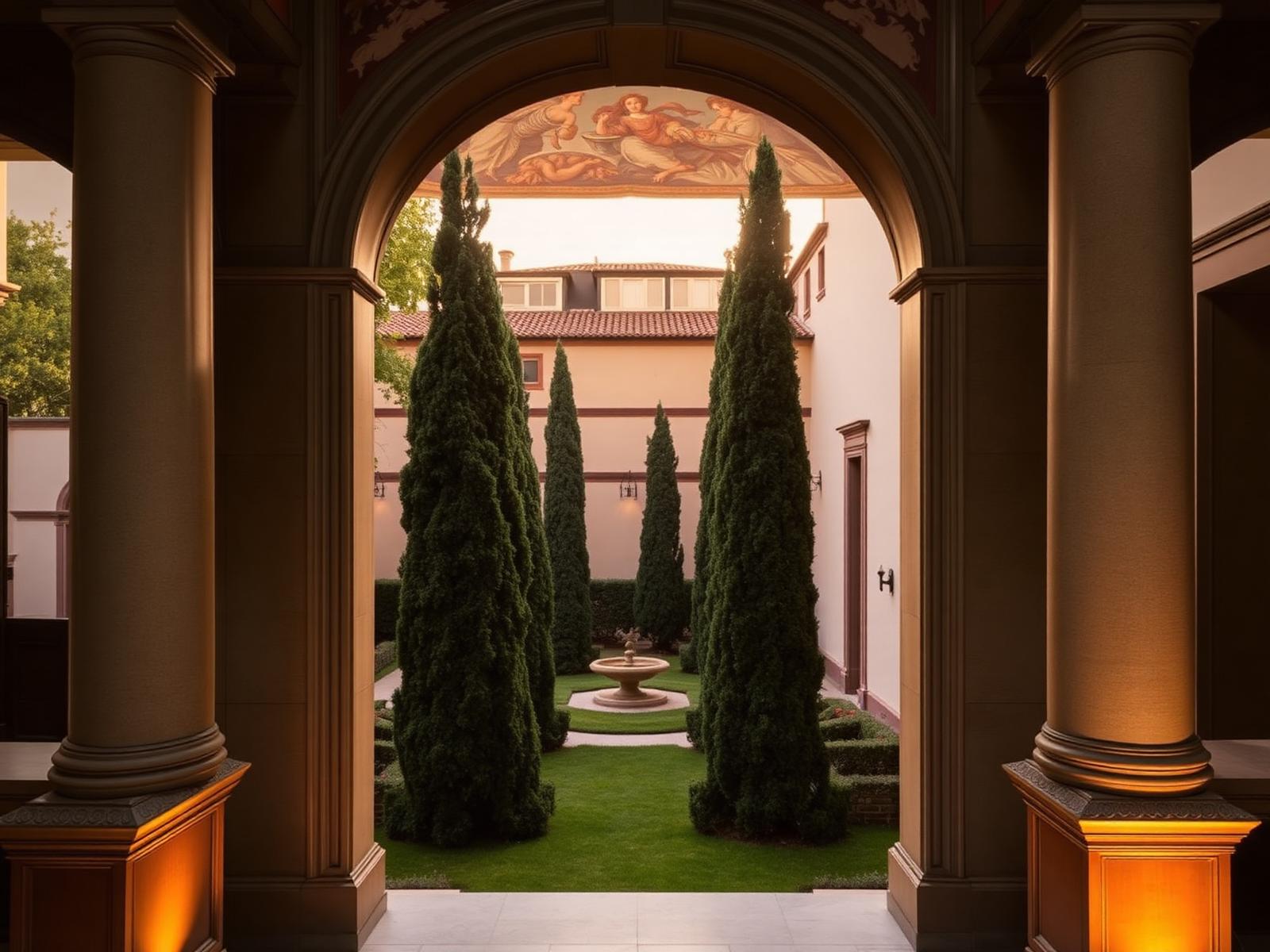
07 — A journey is more than a booking
What remains at the end is a feeling, not an itinerary.
When a journey was good, you remember a particular light, an unexpected moment, a silence. Rarely the list of what you saw.
So we plan for gaps. The best journeys are not booked end to end; they leave room for something to happen.
That is the real measure: a journey you do not describe, but remember.
- Space
- Rhythm
- Impressions
- Memory
- Meaning
What we hold to
Six principles
- We recommend places we understand.
- We value personality over perfection.
- Atmosphere lasts longer than a trend.
- Honest advice makes better journeys.
- Travel should feel personal.
- Not every fine hotel is right for every traveller.
From thinking to journey
What does this mean for you?
These thoughts are not a model we apply occasionally. They stand behind every recommendation on this site — and behind every conversation.
Read
On the site
On the hotel, journey and country pages you will find, for every recommendation, why we make it and who it suits less well.
Talk
Plan a journey
When you like, we begin where this page begins: with the question of where you actually want to be.
Nothing needs preparing. A few lines about what you have in mind are enough to start.
Begin a conversation