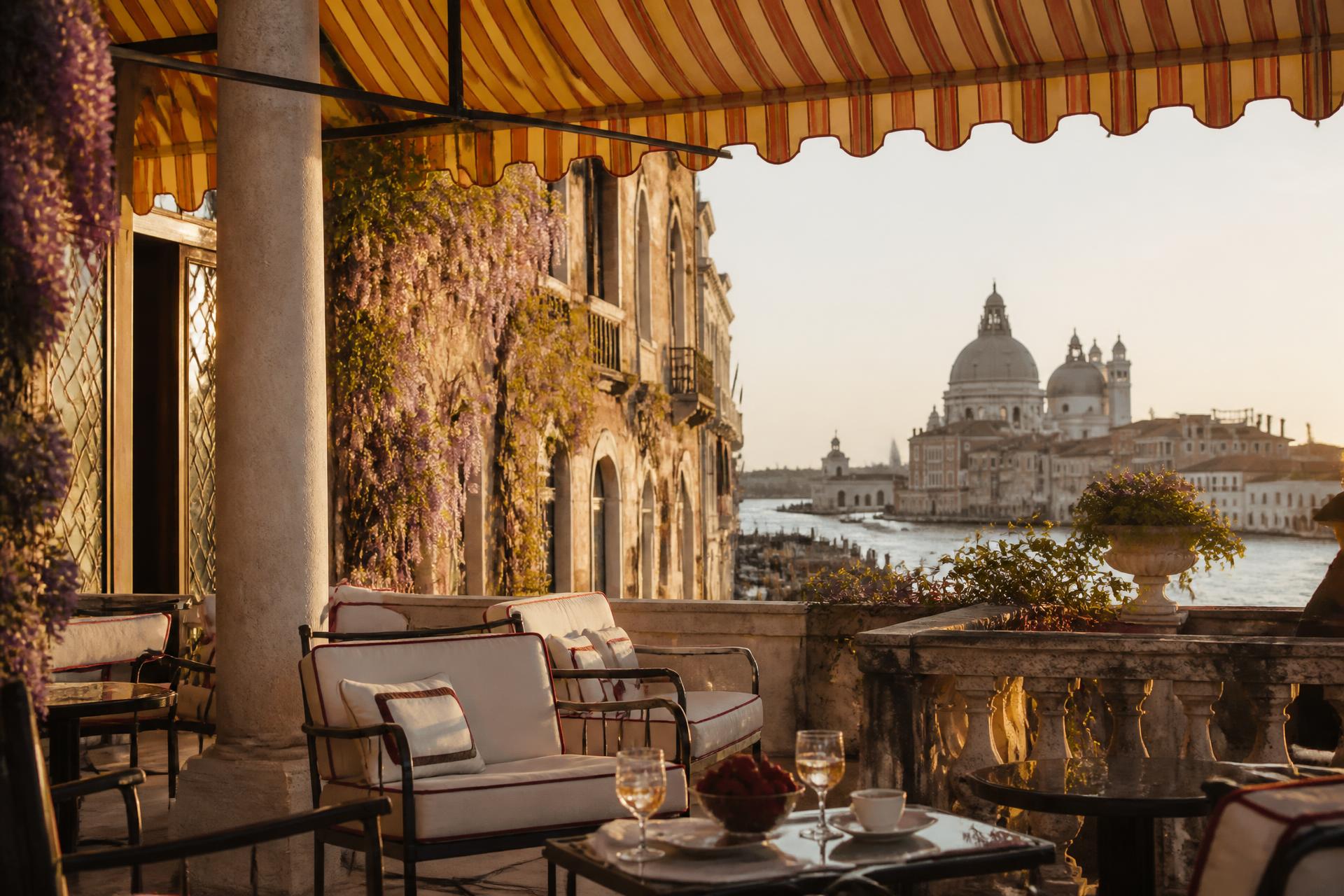
Venetian palazzo terrace under a striped awning with wisteria and a view across the lagoon to a domed basilica at golden hour

Luxury Hotels — House No. 05

Belmond

Old buildings in improbable places, kept rather than corrected — and the trains and boats that were always part of the story.

An Introduction

A collection assembled the way a private library is: one irreplaceable thing at a time.

It began, improbably, with a hotel in Venice bought to save it, and then with a train bought to run again. Nothing about that is a strategy. What followed was half a century of acquiring buildings that already mattered — a monastery above Portofino, a palazzo on the Amalfi cliffs, a convent garden on the Giudecca — and resisting the urge to make them modern.

The result is a group with an unusual relationship to time. These houses have guest books rather than brand guidelines. They were places to arrive at long before the company existed, and the great achievement is that they still feel like themselves.

The Philosophy

Heritage as something to be inhabited

Restoration here is conservative in the best sense. Frescoes are uncovered rather than repainted. Cloisters stay cloisters. Where a room is small because a monk slept in it in 1450, the room remains small, and everyone involved understands that this is the reason to come.

The locations are the other half of the argument. A mile of Anguillan sand, a ledge above Ravello, the hill that looks down on Portofino's harbour — none of these could be bought again today, and the group knows it. The buildings are kept quiet so the geography can speak.

Romance is the word the company would use, and for once it is earned rather than claimed. It comes from continuity: the same terrace, the same crossing by launch, the same hour before dinner, repeated by different people for a hundred years.

Some places are not improved by being brought up to date.

Featured Properties

Six houses with long memories

Monasteries, palazzi and a beach on Anguilla — each one held onto rather than reinvented.

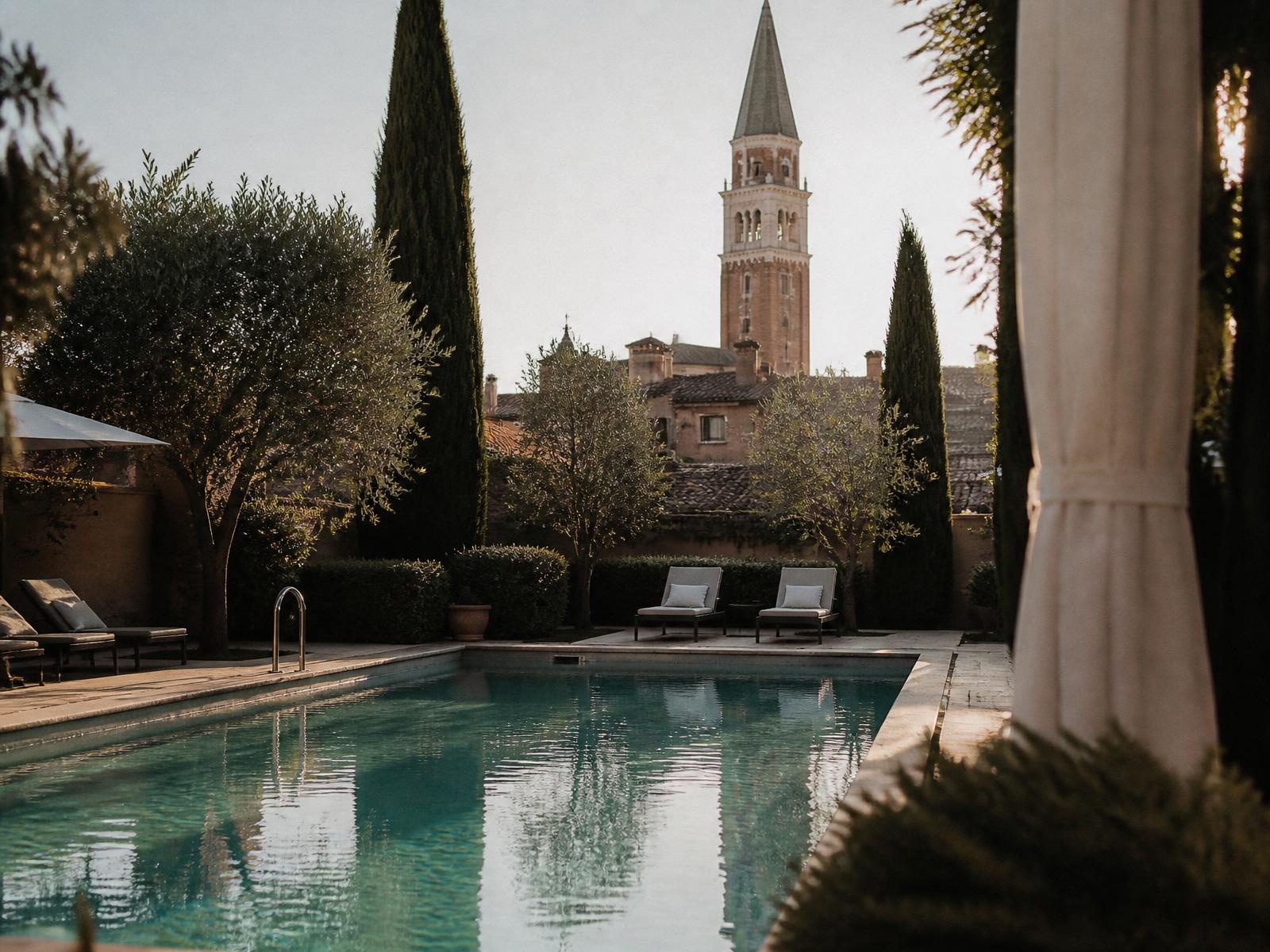
Garden swimming pool framed by cypress and olive trees with a Venetian brick campanile beyond at golden hour

No. 01Giudecca, Venice

Hotel Cipriani

Three minutes across the water from San Marco and an entirely different city. Gardens, a vineyard, and a pool laid out where a convent orchard once stood — the rare Venetian address with room to walk. Guests arrive by launch, which sets the tone before anyone has said a word.

Read the Guide
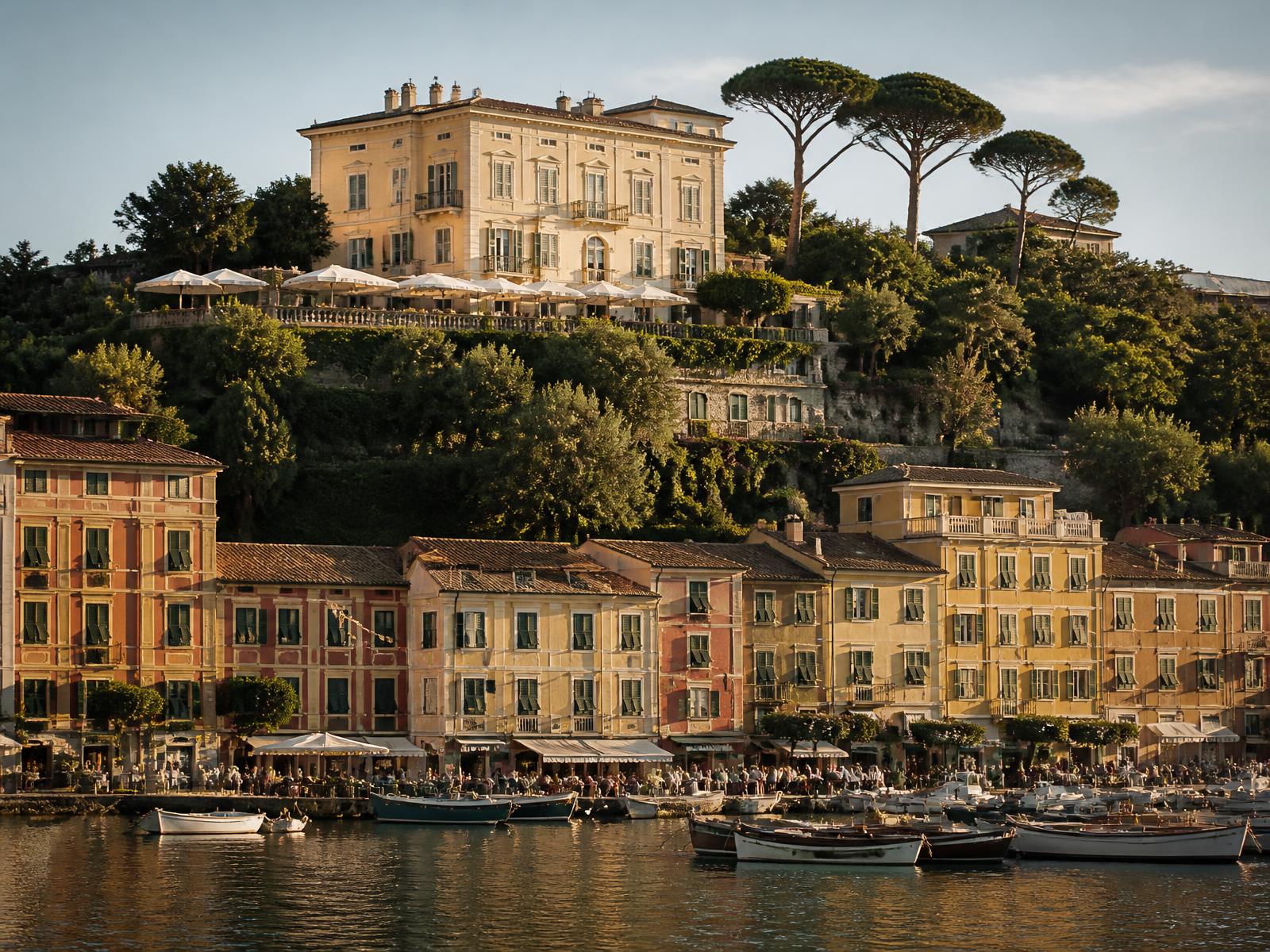
Pale yellow hillside villa hotel with white parasols above the pastel harbour of Portofino at golden hour

No. 02Portofino, Italy

Splendido

A sixteenth-century monastery on the hill above the harbour, turned hotel in 1901 and largely unchanged in intention since. The terrace looks down on the boats; the umbrella pines do most of the shading. Half of twentieth-century Europe has had lunch here and behaved discreetly about it.

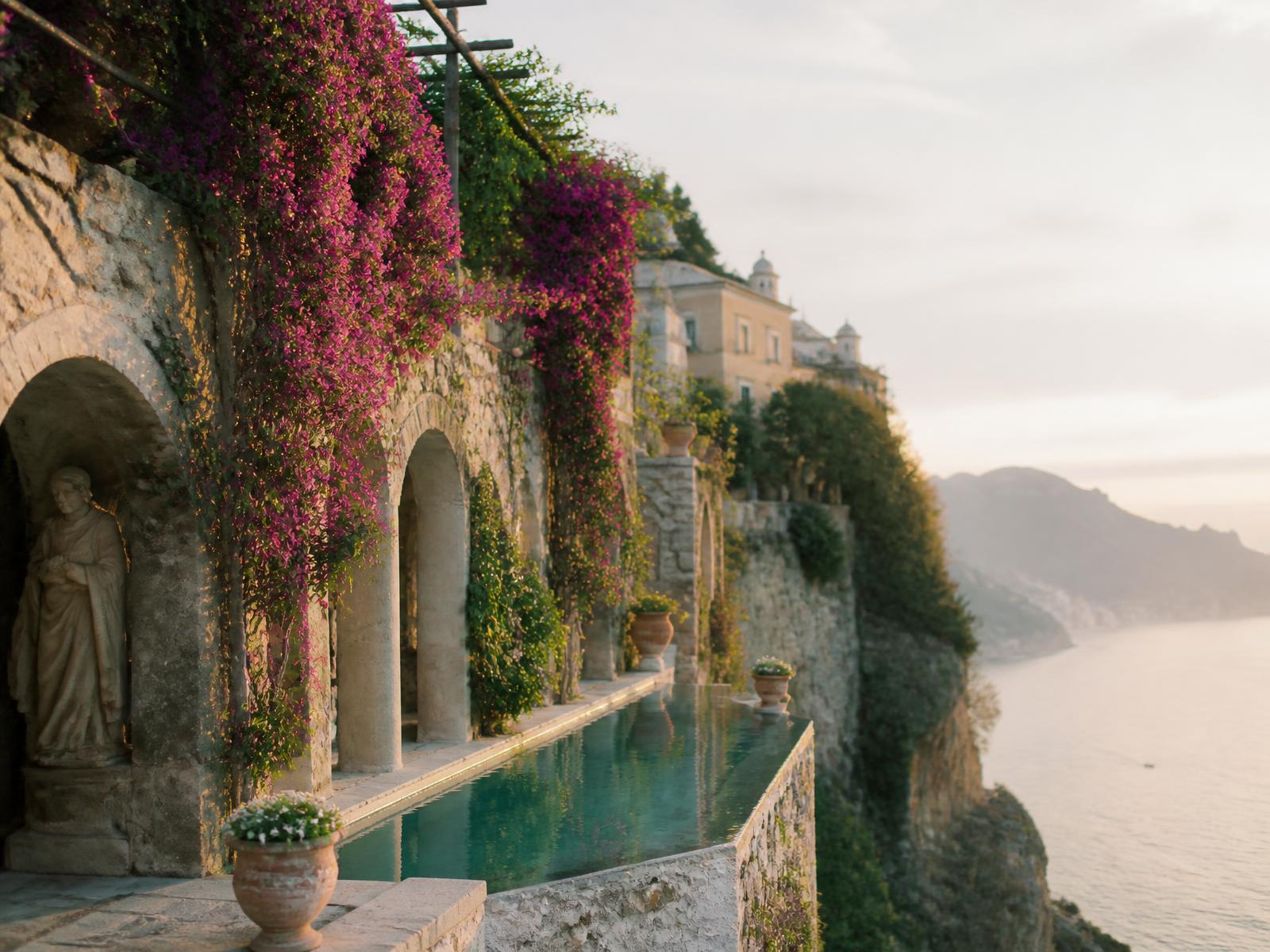
Ancient cliffside terrace with stone arches, bougainvillea and an infinity pool above the Amalfi coastline

No. 03Ravello, Amalfi Coast

Caruso

An eleventh-century palazzo a thousand feet above the sea, with frescoes that were found under plaster during the restoration and left visible. The infinity pool hangs over the coast road; below it the water goes from green to blue somewhere no one can quite point to.

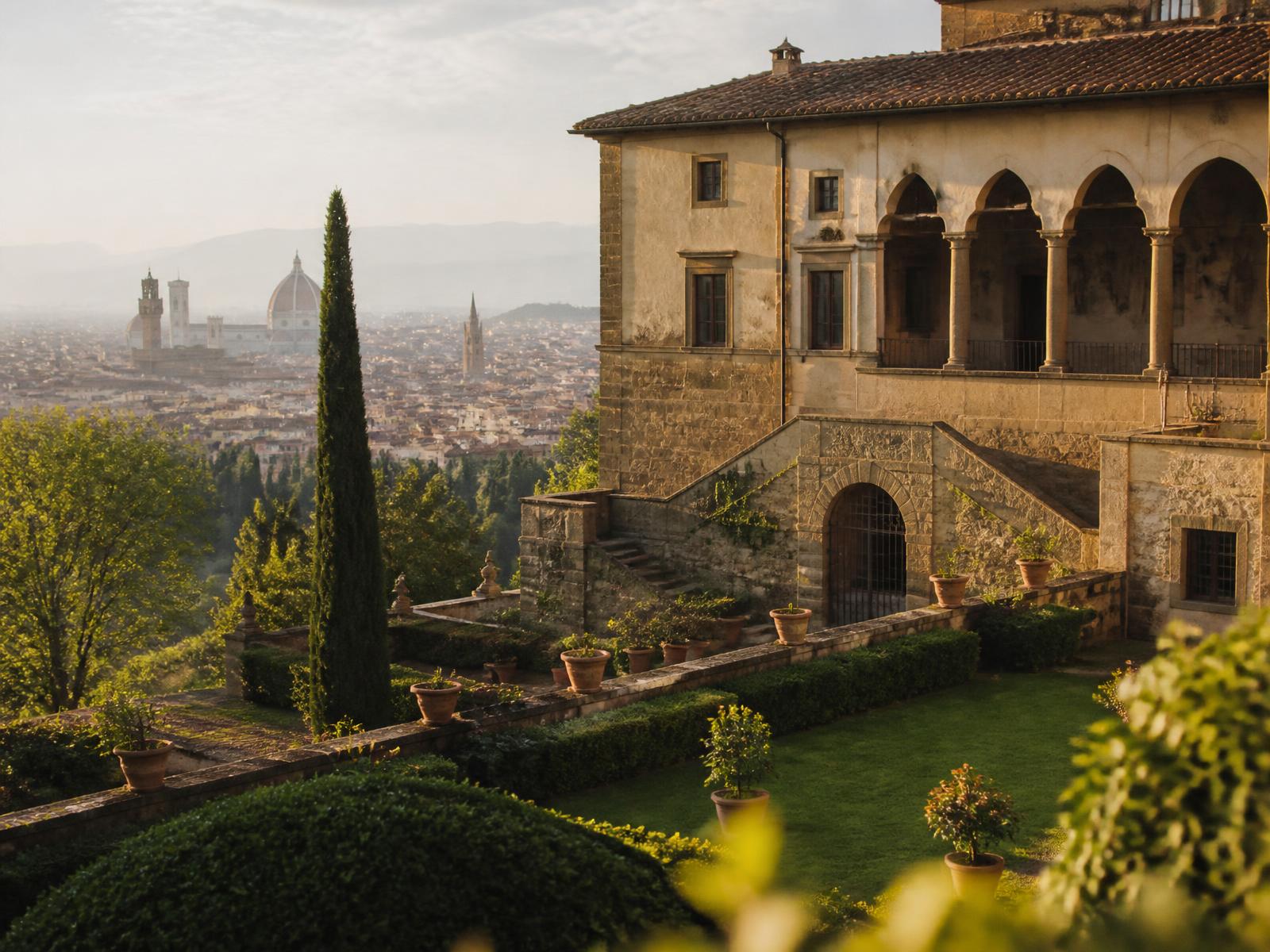
Renaissance monastery villa with arched loggia and formal garden overlooking hazy Florence rooftops

No. 04Fiesole, Florence

Villa San Michele

A fifteenth-century monastery in the hills at Fiesole, its façade attributed to Michelangelo and its cloister still doing quiet duty as a corridor. Florence lies below in the haze, close enough to reach in twenty minutes and far enough to leave behind entirely.

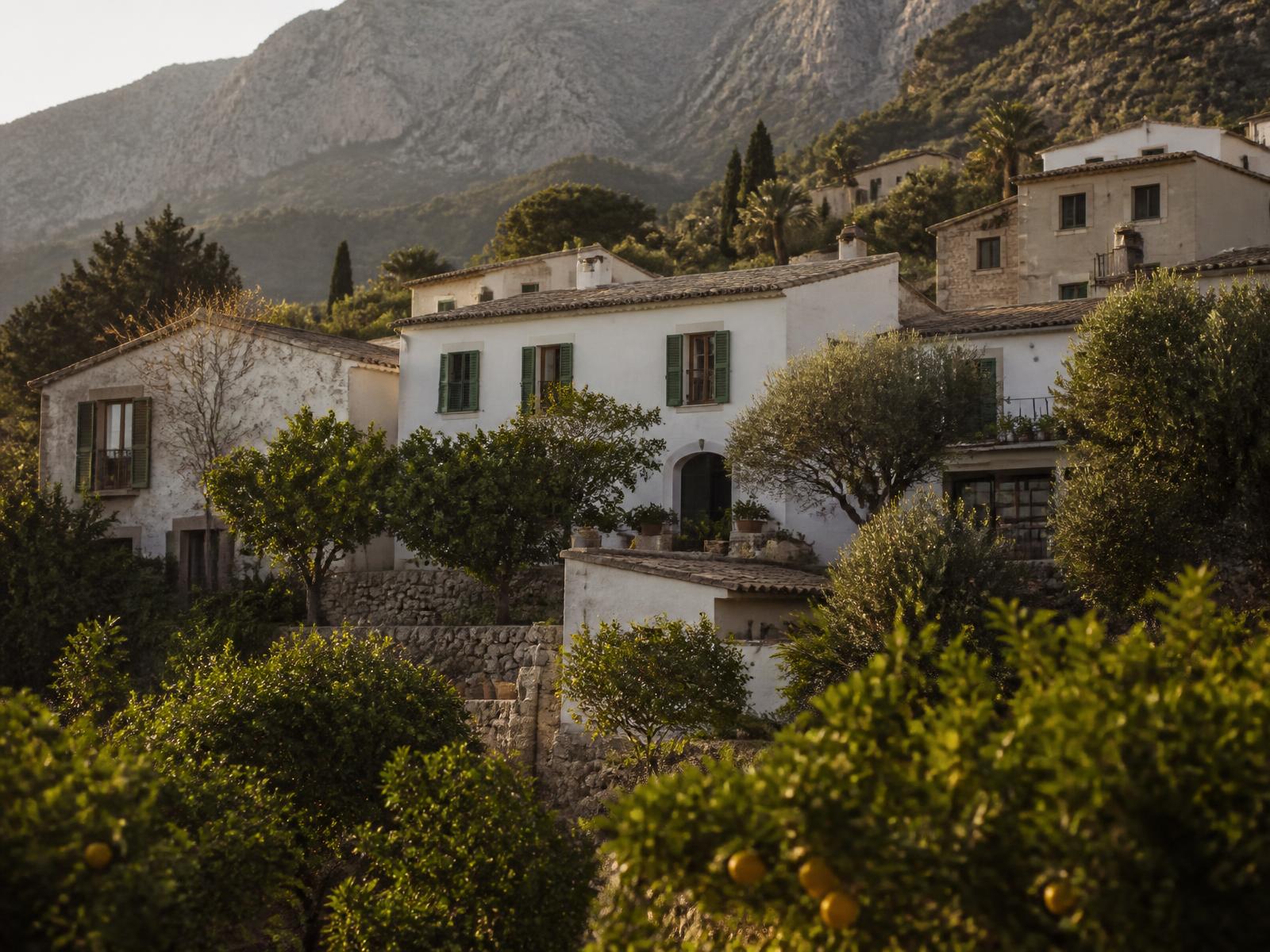
Whitewashed Mallorcan manor houses with green shutters among terraced citrus and olive groves below the Tramuntana

No. 05Deià, Mallorca

La Residencia

Two manor houses in the village that drew writers and painters to the Tramuntana long before anyone thought of hotels. Thirty acres of olive terrace, a donkey or two, and a working studio — the artistic life here is practised rather than decorated.

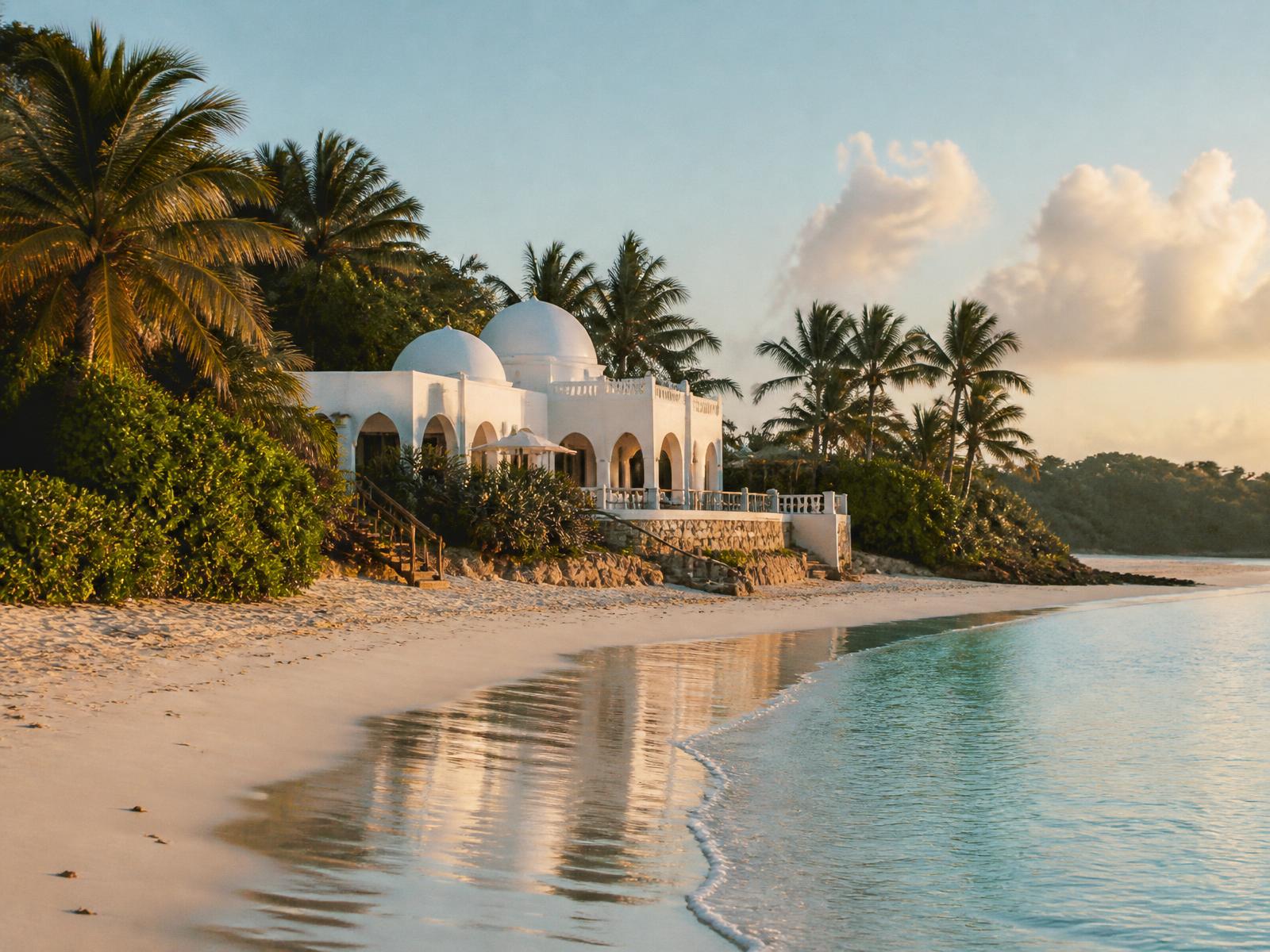
White domed Moorish beach villa on a crescent of pale sand beside turquoise Caribbean water at golden hour

No. 06Maundays Bay, Anguilla

Cap Juluca

White Moorish domes along a mile of pale sand on an island that never took to high-rise anything. The architecture is odd and wonderful, the water is absurdly clear, and the evenings are made of very little — which, on Anguilla, is the entire point.

Where They Are

A map made of arrivals

The collection has always included the getting there — trains and river boats counted among the houses long before it was fashionable.

  • Italy

    • Venice
    • Portofino
    • Ravello
    • Florence
    • Taormina
    • Sirmione
  • Europe

    • Mallorca
    • Madeira
    • London
    • Bruges
    • Provence
  • The Americas

    • Anguilla
    • Rio de Janeiro
    • Cusco
    • Sacred Valley
    • Mexico
  • Journeys

    • Venice Simplon-Orient-Express
    • British Pullman
    • Royal Scotsman
    • Andean Explorer

From the Journal

Notes from the coast

All stories
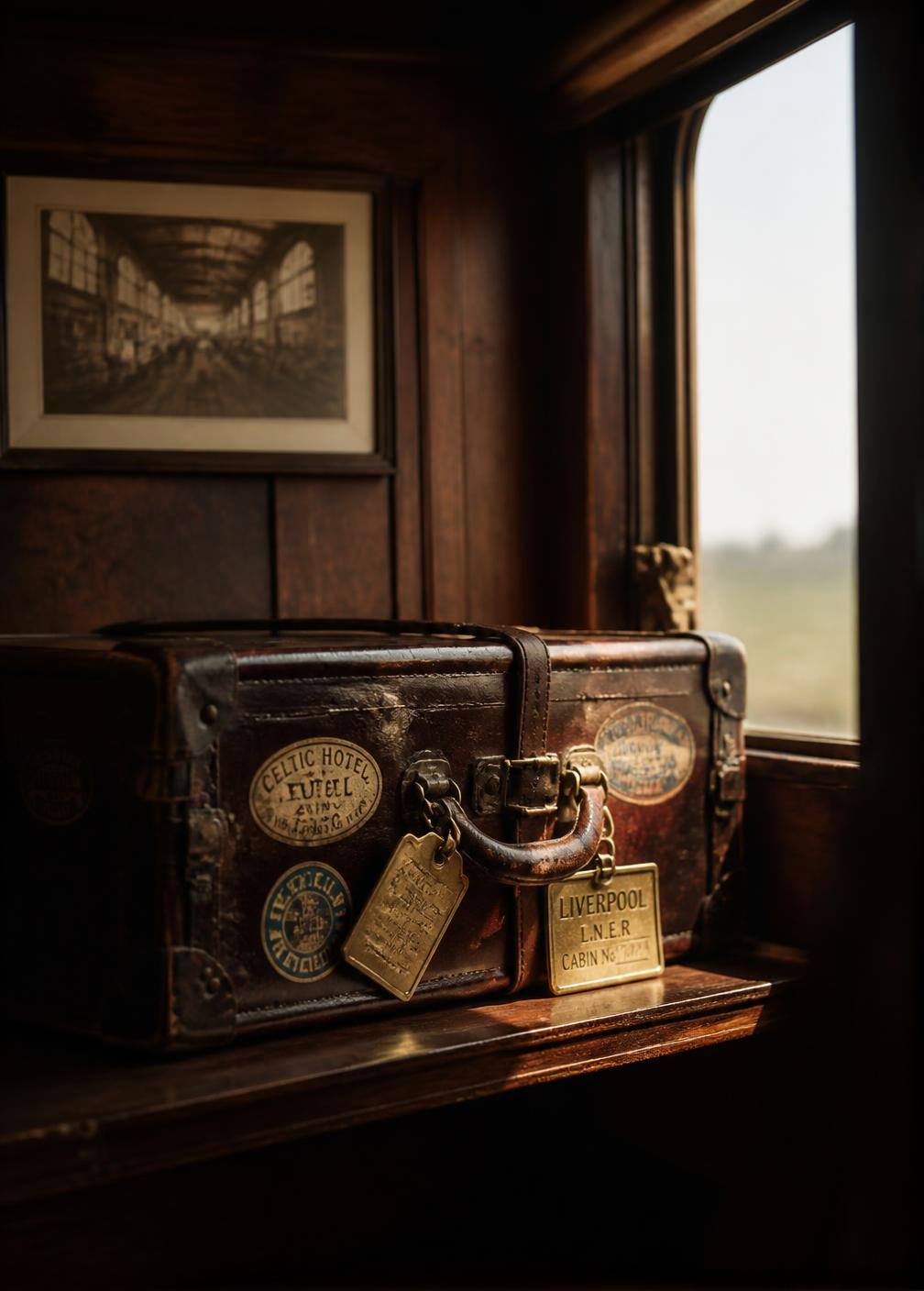
  • Vintage leather steamer trunk with brass luggage tags on a shelf in a wood-panelled train carriage

    The Case for the Slow Arrival

    TravelJuly 2026

    On wagon-lits, marquetry panelling and the almost forgotten idea that the journey deserves as much attention as the address at the end of it.

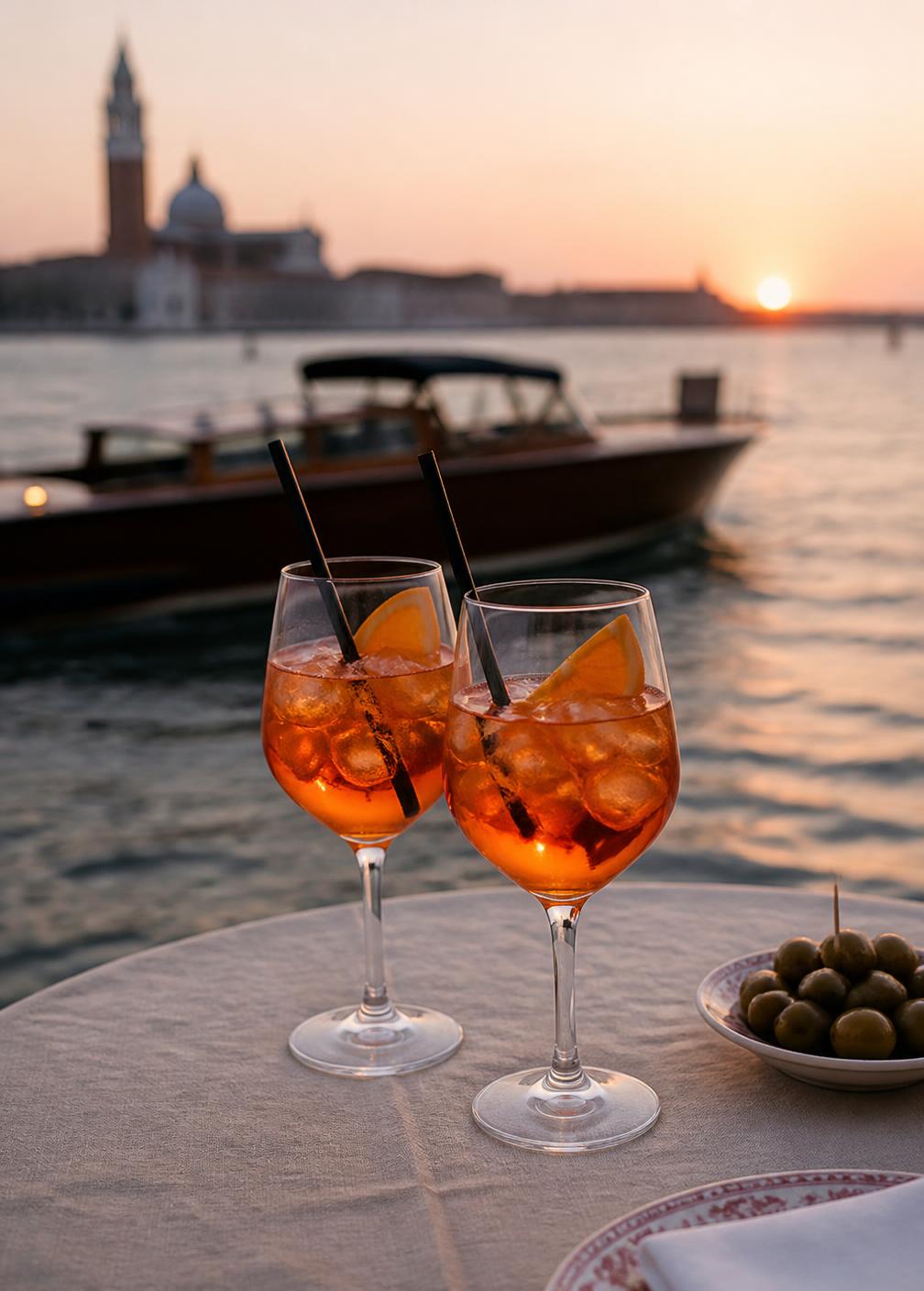
  • Two aperitivo glasses on a linen table beside the Venetian lagoon at dusk with a wooden boat behind

    An Hour Before Dinner in Venice

    TableJune 2026

    The lagoon turns pink, the boats go quiet, and the whole city agrees to stop working. A short defence of the aperitivo as an institution.

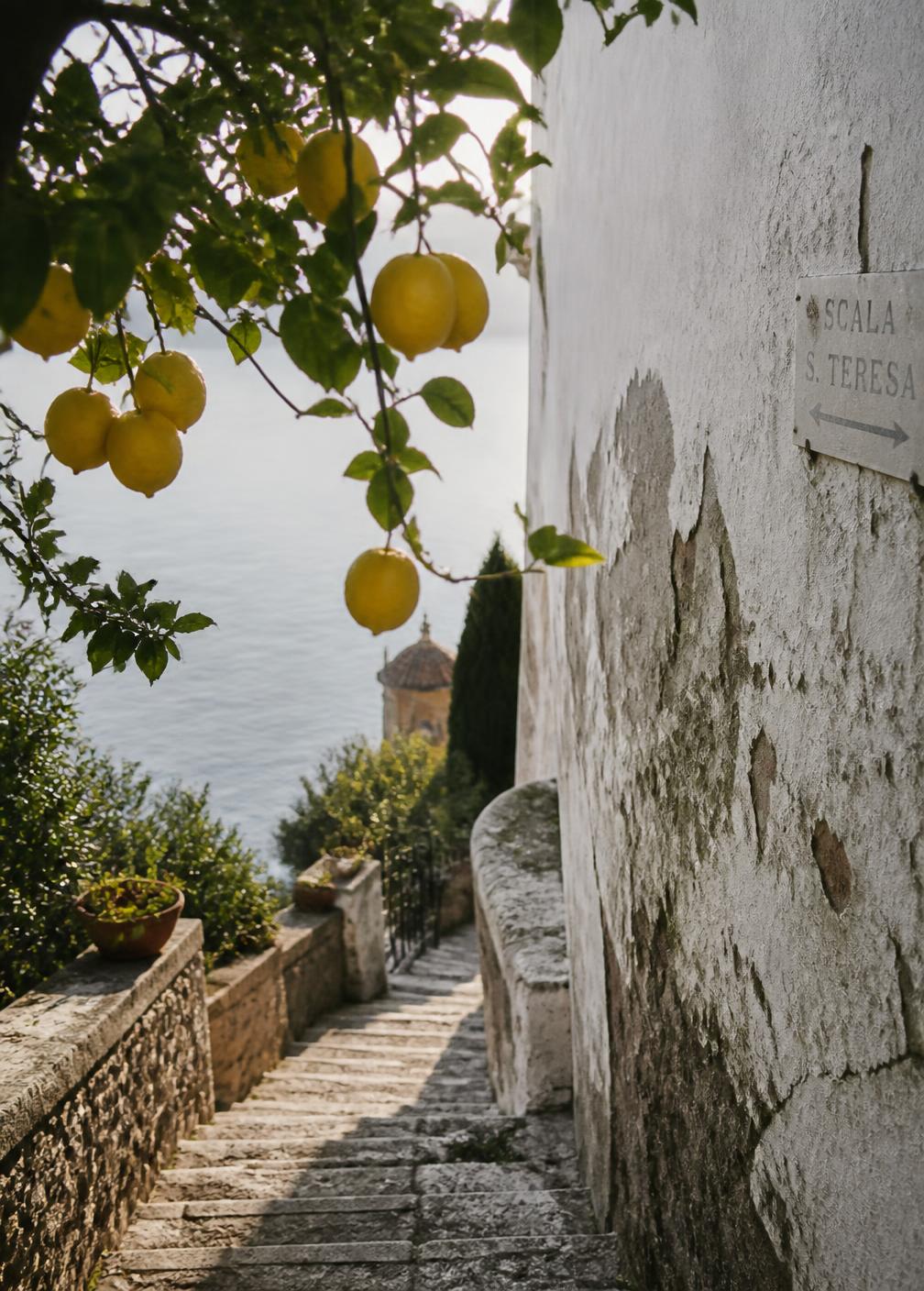
  • Stone steps under a lemon tree beside a whitewashed wall descending towards the sea in morning light

    Walking Down to the Sea

    Slow TravelMay 2026

    Ravello to Amalfi on foot, early, before the coast road wakes. Nine hundred steps, three chapels and one very good coffee at the bottom.

Maison Voyage Recommends

Cipriani in late September, and cross the water at dusk.

Take a room on the garden rather than the lagoon — the view you want is the one you walk into, not the one you look at. Swim before eight, when the pool belongs to nobody. Then take the launch across to San Marco at the hour the light goes and come back late, which is the only way to see Venice empty.

Ben Trousil, Founding Editor

Questions

The things readers ask us most

What holds this collection together?
Buildings that existed long before they were hotels, and locations that could not be replicated at any price. A monastery above Portofino, a palazzo in Ravello, a convent garden on the Giudecca — the house is always the second thing to arrive.
Which property would you begin with?
Cipriani, if you have never been. It gives you Venice and a garden in the same morning, which almost nowhere else in the city can offer. Caruso if you want the coast at its most theatrical.
Are the trains worth the detour?
Yes, and they should be treated as a destination rather than transport. One night between Venice and Paris is enough to understand why the marquetry, the wagon-lits and the dressing for dinner have all been kept.
When is the light at its best?
Venice in late September and again in February fog. Portofino and Ravello in June before the coast fills. Mallorca in October, when the olives come in. Anguilla from January onward.
Does Maison Voyage take a commission?
No. We are an editorial house, not an agency. Nothing on this page has been paid for, and every property here has been stayed in by one of our editors.

An Invitation

Continue the Journey

One letter each month: a place worth the detour, an object worth keeping, a page worth reading slowly. Nothing more.