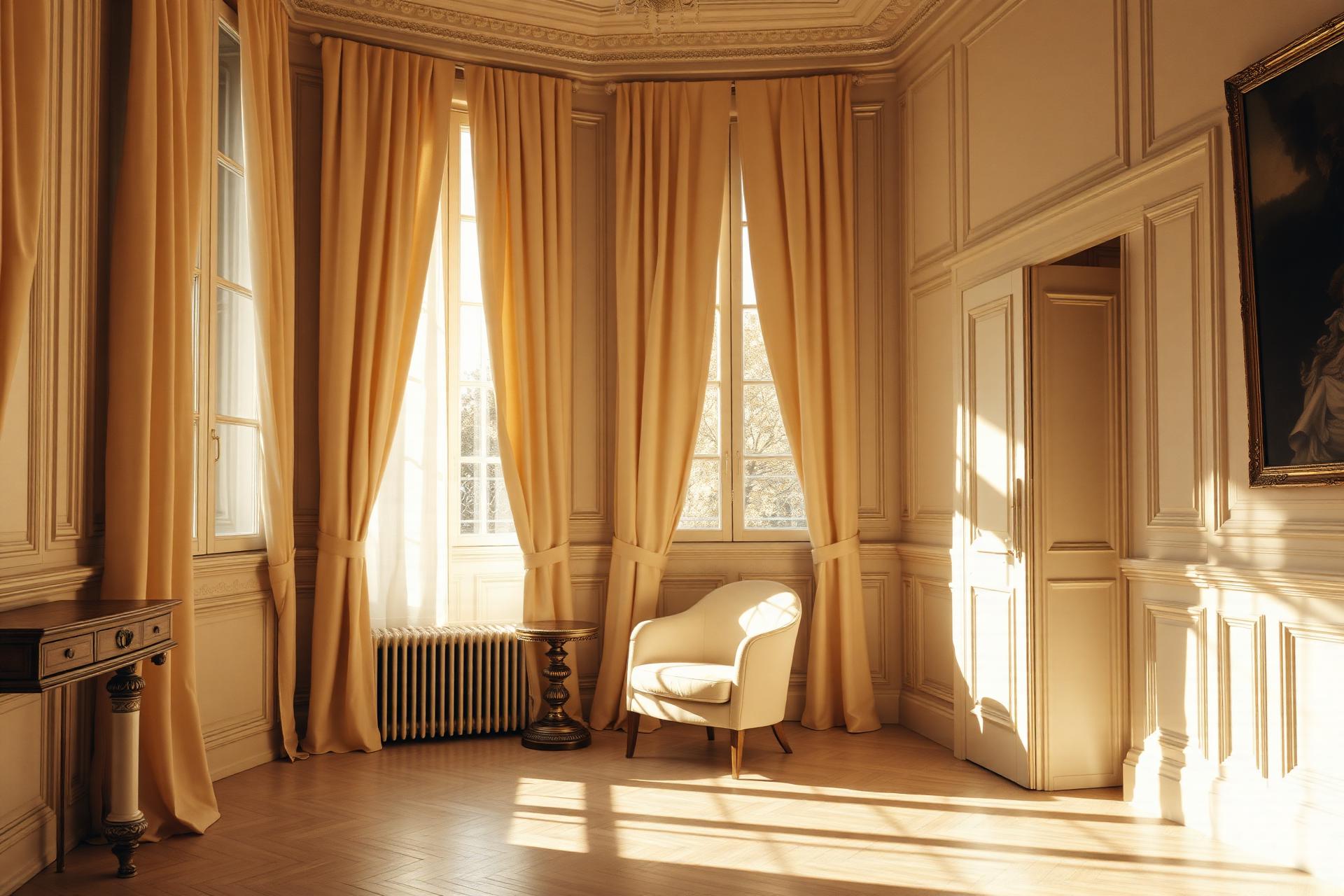
Panelled Parisian salon with tall windows, ivory curtains and a single pale armchair in golden afternoon light

Luxury Hotels — House No. 08

Cheval Blanc

Five maisons rather than a chain, and a French idea of hospitality kept at the scale of a private house.

An Introduction

A house that behaves as though the guest were expected, and always had been.

It began in Courchevel in 2006 with thirty-six rooms and no particular intention of becoming a collection. Twenty years later there are five houses, which is fewer than most groups open in a single year, and the restraint has done more for the name than any expansion could have. Each maison is small enough that the staff learn who you are by the second morning.

What the houses share is not a look. Courchevel is timber and firelight, Randheli is water and pale wood, Paris is stone and silk above the Seine. What they share is a manner: French, attentive, and entirely unhurried. The luxury is in the interval between wanting something and finding it already there.

The Philosophy

French elegance, practised rather than displayed

The first principle is the maison itself. These are houses, not hotels: few rooms, a great many people looking after them, and a preference for the word host over the word service. It is why the arrival feels like being let in rather than checked in.

The second is craft. Silk woven in Lyon, porcelain fired in Limoges, linen from the north, cabinetry from ateliers that have supplied the same families for a century. Nothing is signed and nothing is explained; you notice it in the weight of a door handle and the fall of a curtain.

The third is the art de vivre — the belief that a day is composed rather than filled. A long lunch, an hour on the terrace, dinner that takes the whole evening. The houses are arranged so that this happens naturally, which is the hardest thing in hospitality to design.

Elegance is what remains once nothing has been done for effect.

Featured Maisons

Five houses, one manner

A chalet, a Caribbean bay, a lagoon, a granite island and a building above the Seine — each small, each run as though it belonged to someone.

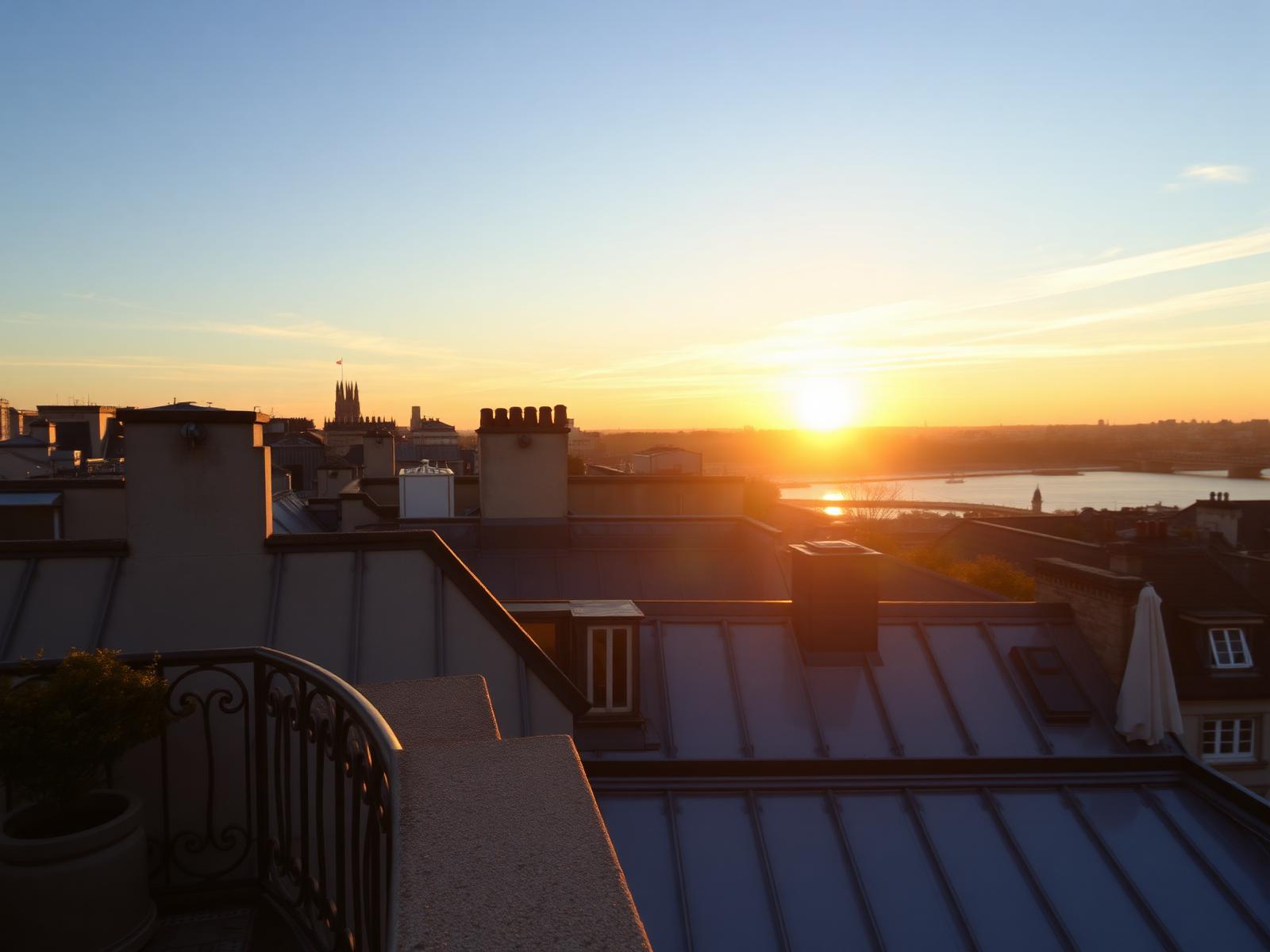
Parisian zinc rooftops and the Seine seen from a stone balcony with an iron railing at golden hour

No. 01Quai du Louvre, France

Cheval Blanc Paris

Behind the art deco façade of the old Samaritaine, above the Seine, with the Pont Neuf below the window. Peter Marino's rooms are pale and unfussy, the corridors are hung as a private collection would be, and the whole building keeps the volume low in a city that rarely does.

Read the Guide
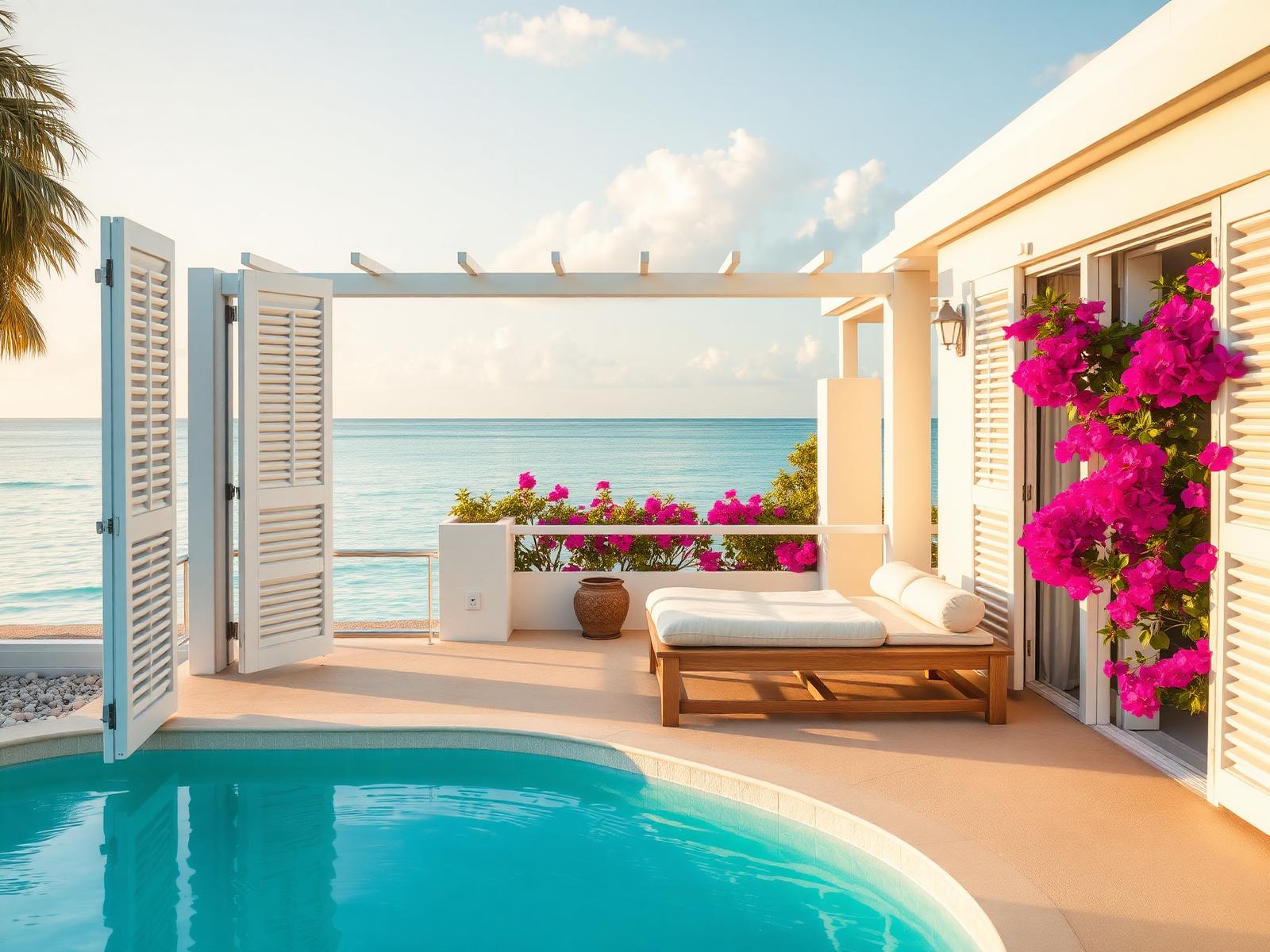
White timber shutters and a linen daybed on a Caribbean villa terrace with bougainvillea and turquoise water

No. 02Flamands Bay, Saint Barthélemy

Cheval Blanc St-Barth

The Isle de France, as the island still calls it, on the calmest bay in St-Barth. White shutters, sea grape trees, and a beach that stays quiet at noon. The French Caribbean at its least theatrical — which on this island counts as a considerable achievement.

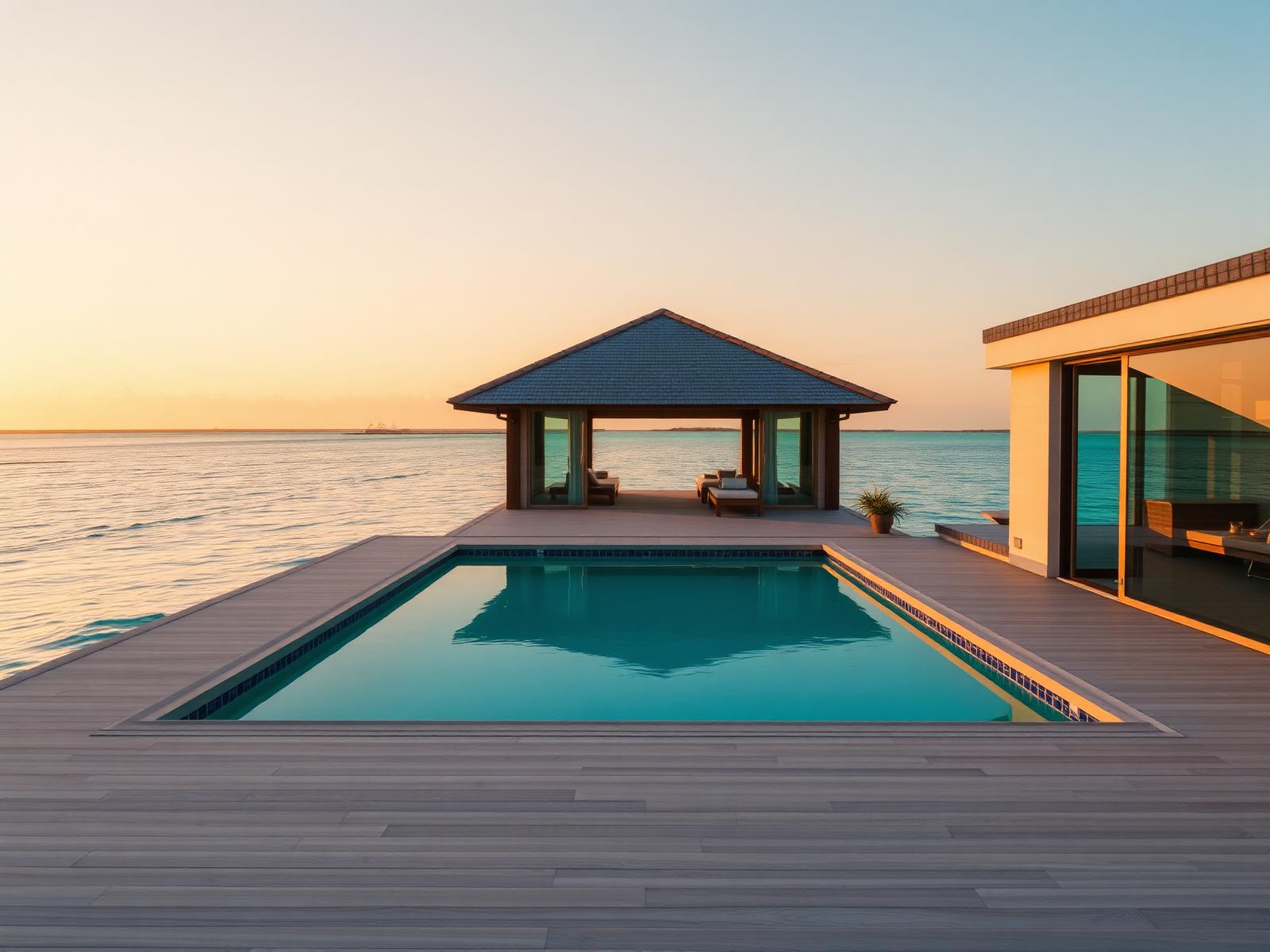
Pale timber deck and private pool of a Maldivian island villa facing a turquoise lagoon at golden hour

No. 03Noonu Atoll, Maldives

Cheval Blanc Randheli

Forty-five villas across a private lagoon, designed by Jean-Michel Gathy with a modernist's restraint rather than a decorator's. Seaplanes land on the water; the island keeps its own vegetable garden and a wine cellar that would be respectable in Bordeaux.

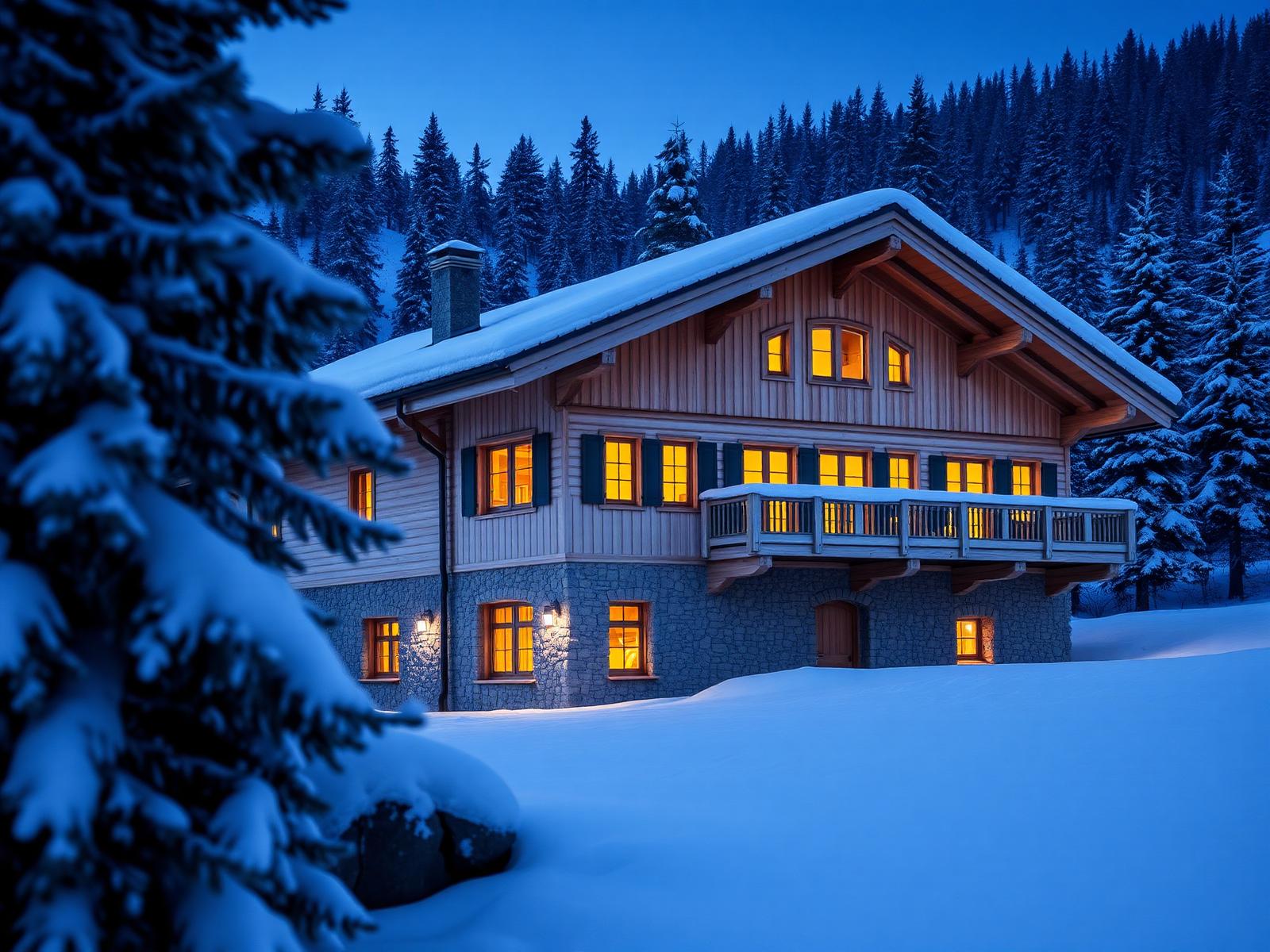
Pale timber and stone alpine chalet with warm lit windows in deep snow beside a pine forest at blue hour

No. 04Courchevel 1850, France

Cheval Blanc Courchevel

The first of the maisons, and still the family house of the collection. Thirty-six rooms at the foot of the piste, a fireplace that is genuinely used, and a kitchen that treats the mountain as a region rather than a backdrop. Boots are warmed; nothing is announced.

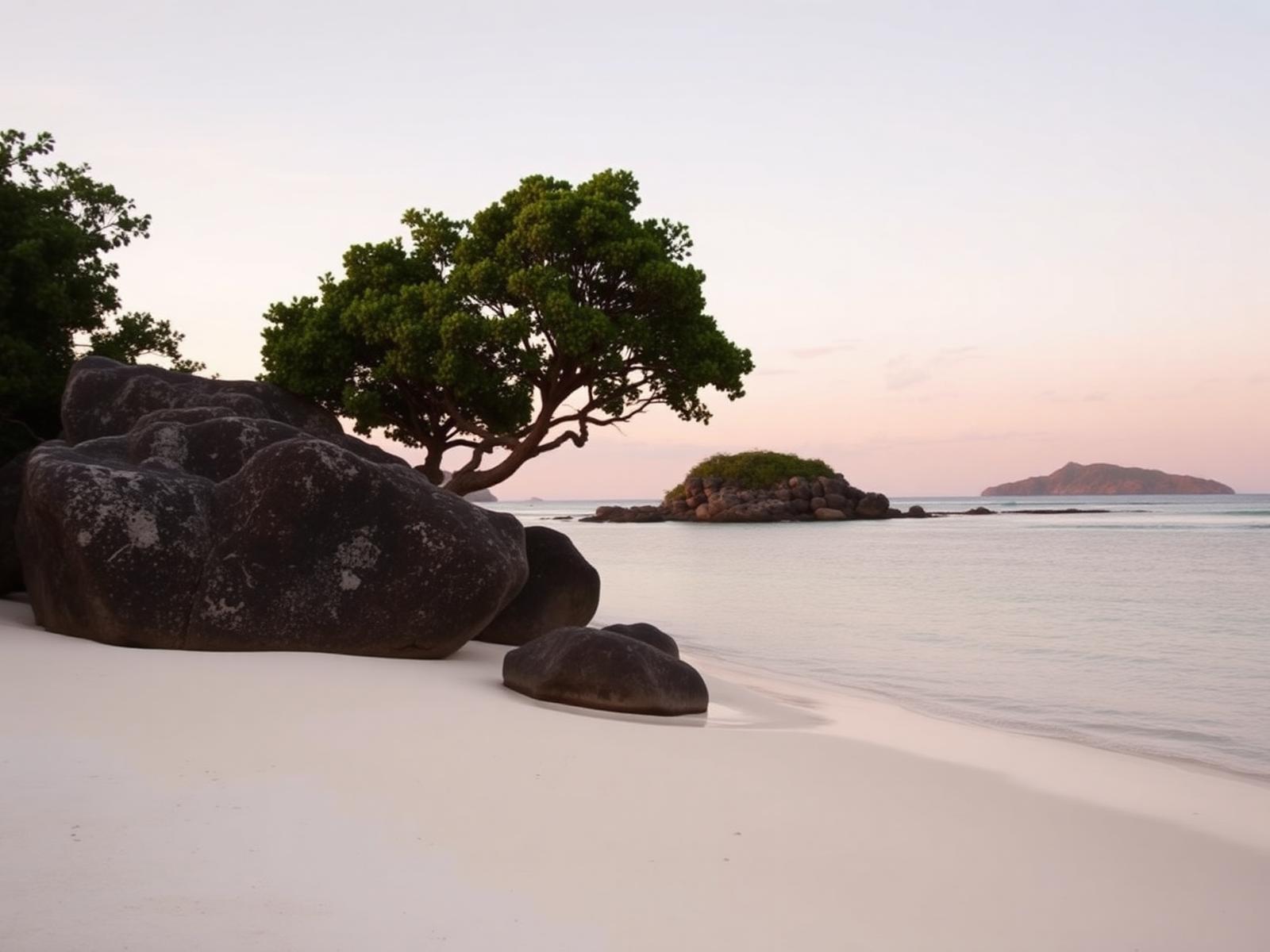
Granite boulders and takamaka trees on a pale Seychellois beach beside calm clear water at dusk

No. 05Isle Sainte Anne, Seychelles

Cheval Blanc Seychelles

A protected marine park twenty minutes by boat from Mahé, where granite boulders meet white sand and the water is glass by six in the morning. The newest maison, and the one that leans most towards the landscape it sits in.

Where They Are

A short and deliberate map

Fewer houses than any collection of comparable standing. The restraint is the point, and it shows in every one of them.

  • France

    • Paris, Quai du Louvre
    • Courchevel 1850
    • Saint-Tropez
  • The Caribbean

    • Flamands Bay, St-Barth
  • Indian Ocean

    • Randheli, Noonu Atoll
    • Isle Sainte Anne, Seychelles
  • In Time

    • Beverly Hills
    • Riyadh
    • The Maison at sea

From the Journal

Notes on the art de vivre

All stories
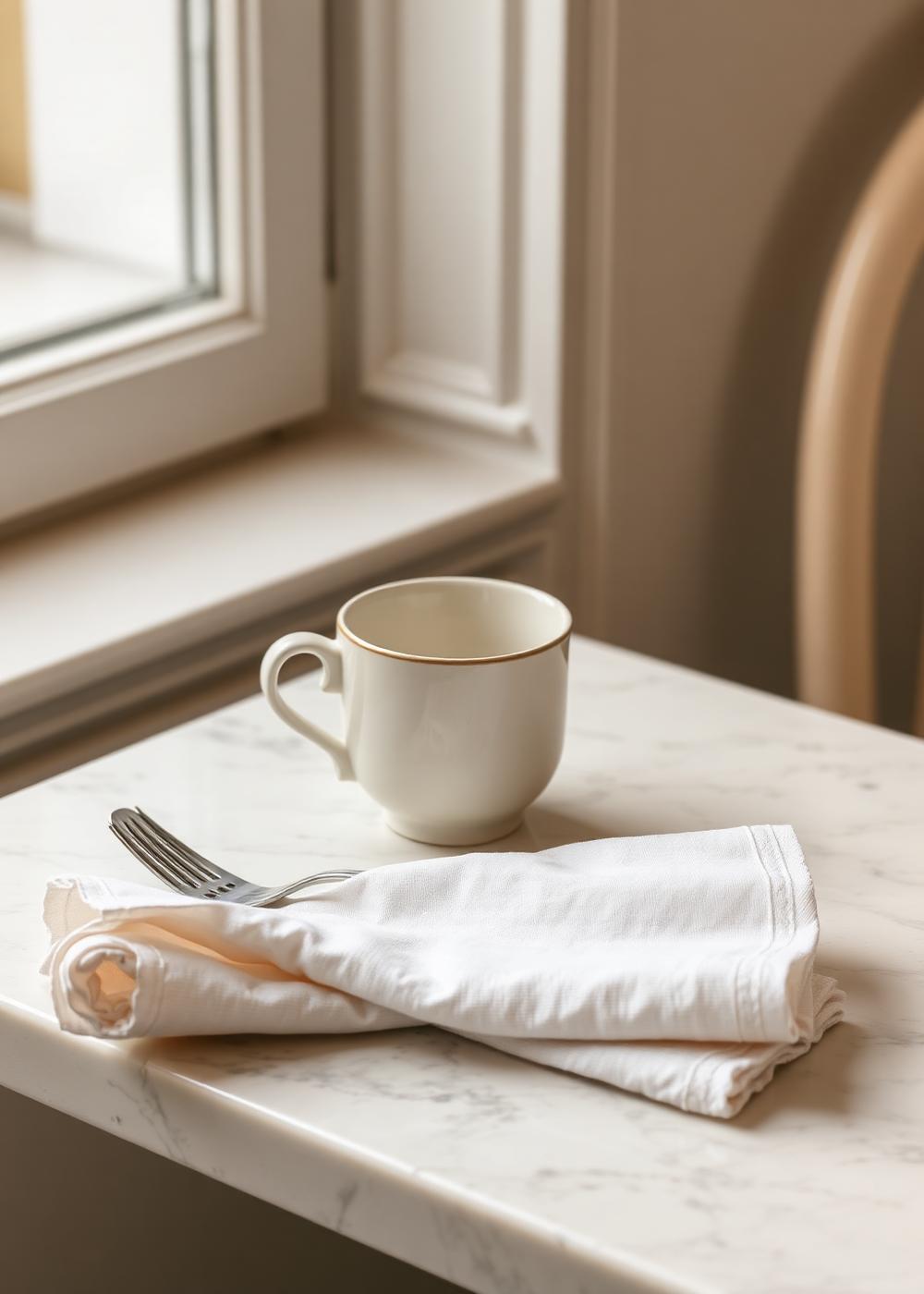
  • Porcelain cup, silver fork and folded white linen napkin on a pale marble table in soft morning light

    The Grammar of French Service

    LivingJuly 2026

    Anticipation without intrusion. On the small rituals — the second coffee, the drawn curtain — that a maison performs before you have thought to ask.

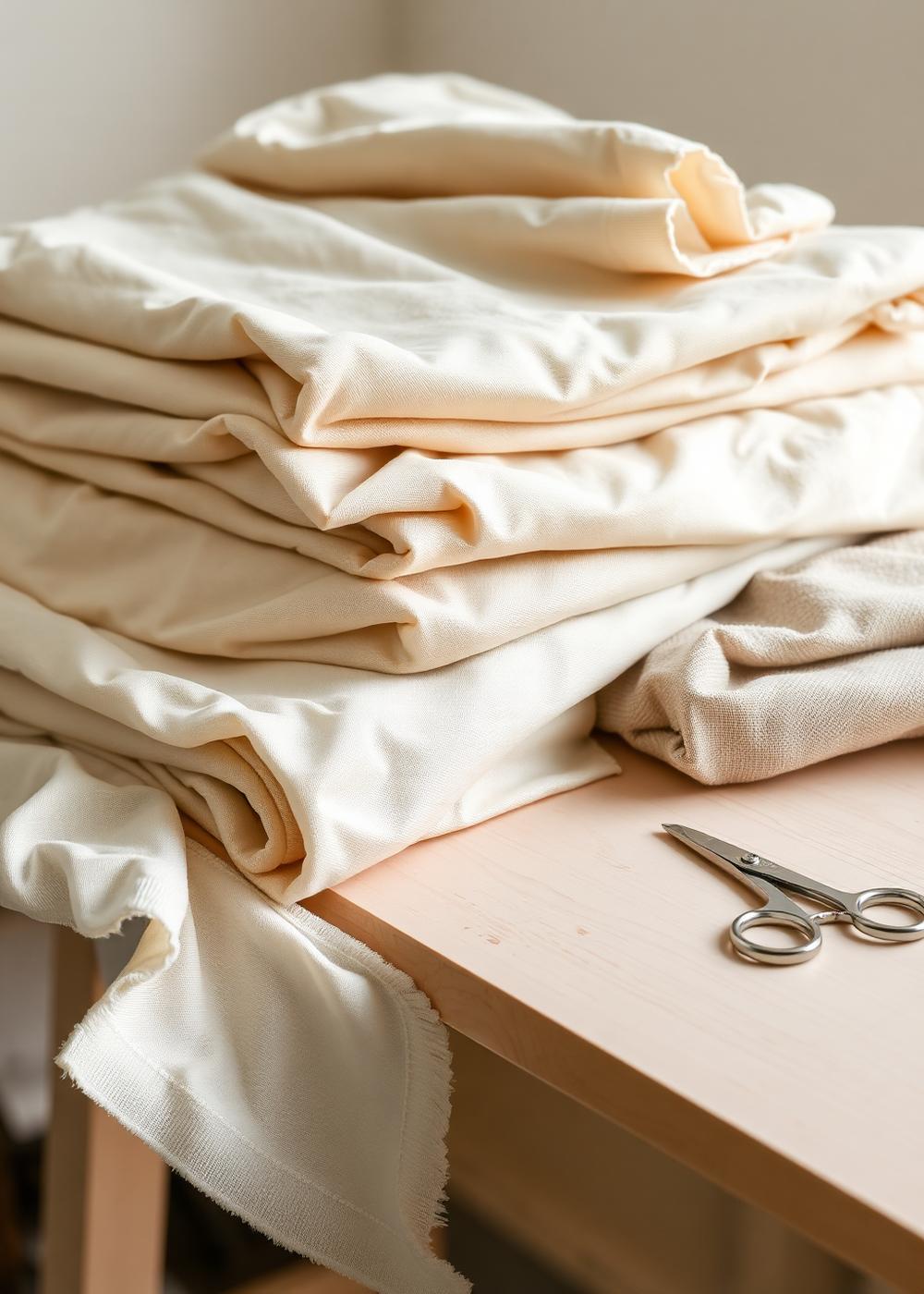
  • Folded ivory silk and linen fabrics stacked on a pale wooden atelier table beside tailor's scissors

    Made by Hand, Somewhere in France

    DesignJune 2026

    Silk from Lyon, porcelain from Limoges, linen woven in the north. A note on the ateliers whose work furnishes these rooms and is never named in them.

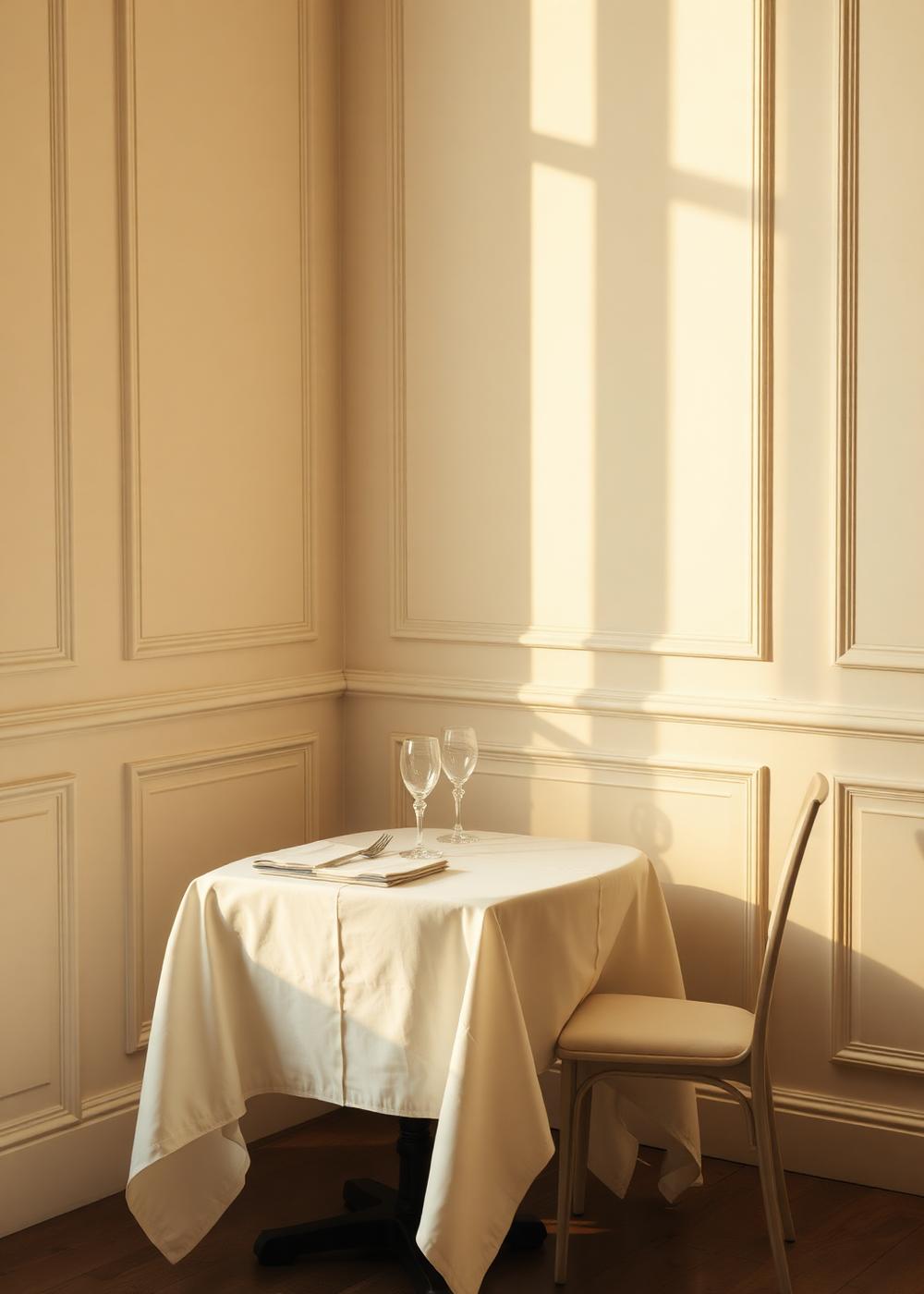
  • A single set table with white linen and crystal glasses in a panelled French dining room in afternoon light

    Dinner, and the Time It Takes

    Slow TravelMay 2026

    Three hours at a table in Courchevel, and an argument for treating the evening meal as the principal event of the day.

Maison Voyage Recommends

Two nights on the Quai du Louvre in January, then the train south.

Paris is at its best when nobody else wants it. Take a room facing the river, walk the Pont Neuf before breakfast while the city is still grey, and give one afternoon entirely to the Tuileries. Then take the morning train to the Alps and let Courchevel do the rest of the week slowly.

Ben Trousil, Founding Editor

Questions

The things readers ask us most

What distinguishes a maison from a hotel?
Scale, mostly. Each house has fewer rooms than its neighbours and more staff than its size suggests, which allows the service to be personal rather than procedural. The word is not decoration; it describes how the buildings are run.
Is the atmosphere formal?
Refined but unstarched. There is no dress code worth the name, and the tone in Courchevel after a day on the mountain is closer to a family house than a palace. Paris is the most composed of the five, as one would expect.
Which maison would you begin with?
Paris if you want to understand the collection in a single night, Courchevel if you want to understand where it came from, Randheli if you want to see French restraint applied to a lagoon.
How much of the French character survives outside France?
More than one expects. The bread, the wine list, the way a table is laid and cleared — these travel with the house. What changes is the light and the landscape, and each maison lets those speak for themselves.
Does Maison Voyage take a commission?
No. We are an editorial house, not an agency. Nothing on this page has been paid for, and every maison here has been stayed in by one of our editors.

An Invitation

Continue the Journey

One letter each month: a place worth the detour, an object worth keeping, a page worth reading slowly. Nothing more.