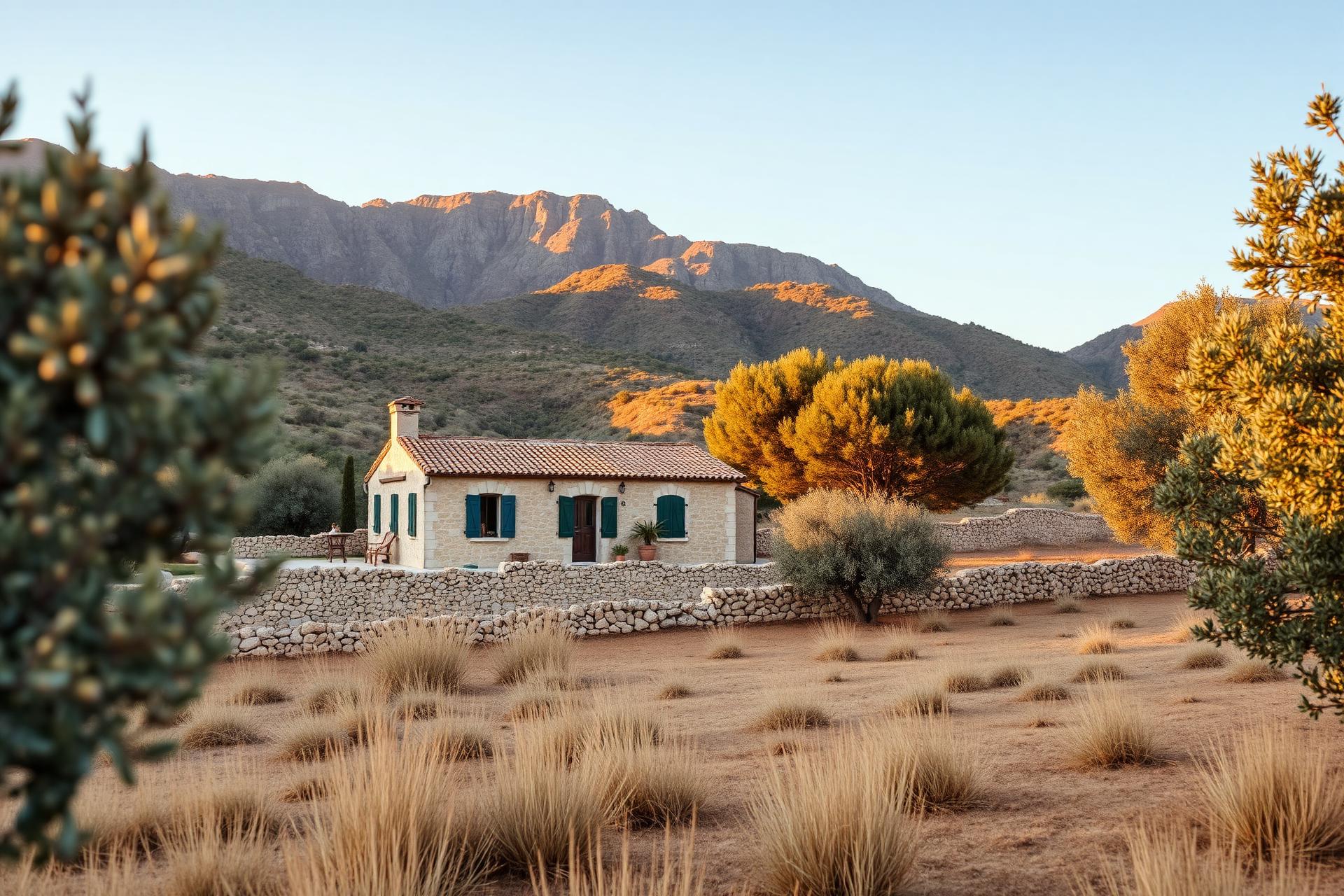
Destination No. 05 — Balearics, Spain
Mallorca
An island with a mountain range that makes summer bearable.
For travellers Mallorca divides into two islands. One is familiar to everybody. The other lies in the north-west: the Serra de Tramuntana, terraces of dry-stone wall, sandstone villages, coves reached on foot.
Stay there and you get mountain and sea within the same hour — a path between olive trees in the morning, a cove at midday, a village square in the evening. The east and south are flatter, warmer and quieter outside high season.
Why we like this place
Three reasons
01
Because the Tramuntana is a World Heritage landscape, and you can read that in every wall.
02
Because you can still swim here in October and walk through almond blossom in January.
03
Because Palma is a real city — market, cathedral, bookshops — not a holiday backdrop.
For planning
- Best time to visit
- May, June and September to early October
- May is green and good for walking; September has the warmest sea. July and August are hot and busy. Winter is its own very quiet season for walkers and cyclists.
- Suggested length
- Five to seven nights
- Five nights at one address in the north-west cover mountains, coves and a day in Palma. If you want to change sides of the island, split it three and three.
Which months do we recommend on Mallorca?
April to early June and late September into October. The Serra de Tramuntana is walkable, the coves are quiet and Palma is a walking city. High summer belongs to the water — pleasant with a boat, hot without one. One planning note: the north-west coast is markedly cooler and windier than the south.
Noted by Pure Voyage
Pure Voyage Atlas
Where this leads
The Atlas connects what belongs together: the region, the collections, the right season and the houses that sit within the same story.
Related Retreats
Within These Collections
Where we stay
Addresses in this region
One address on a northern bay, pine forest behind it and its own stretch of water in front.
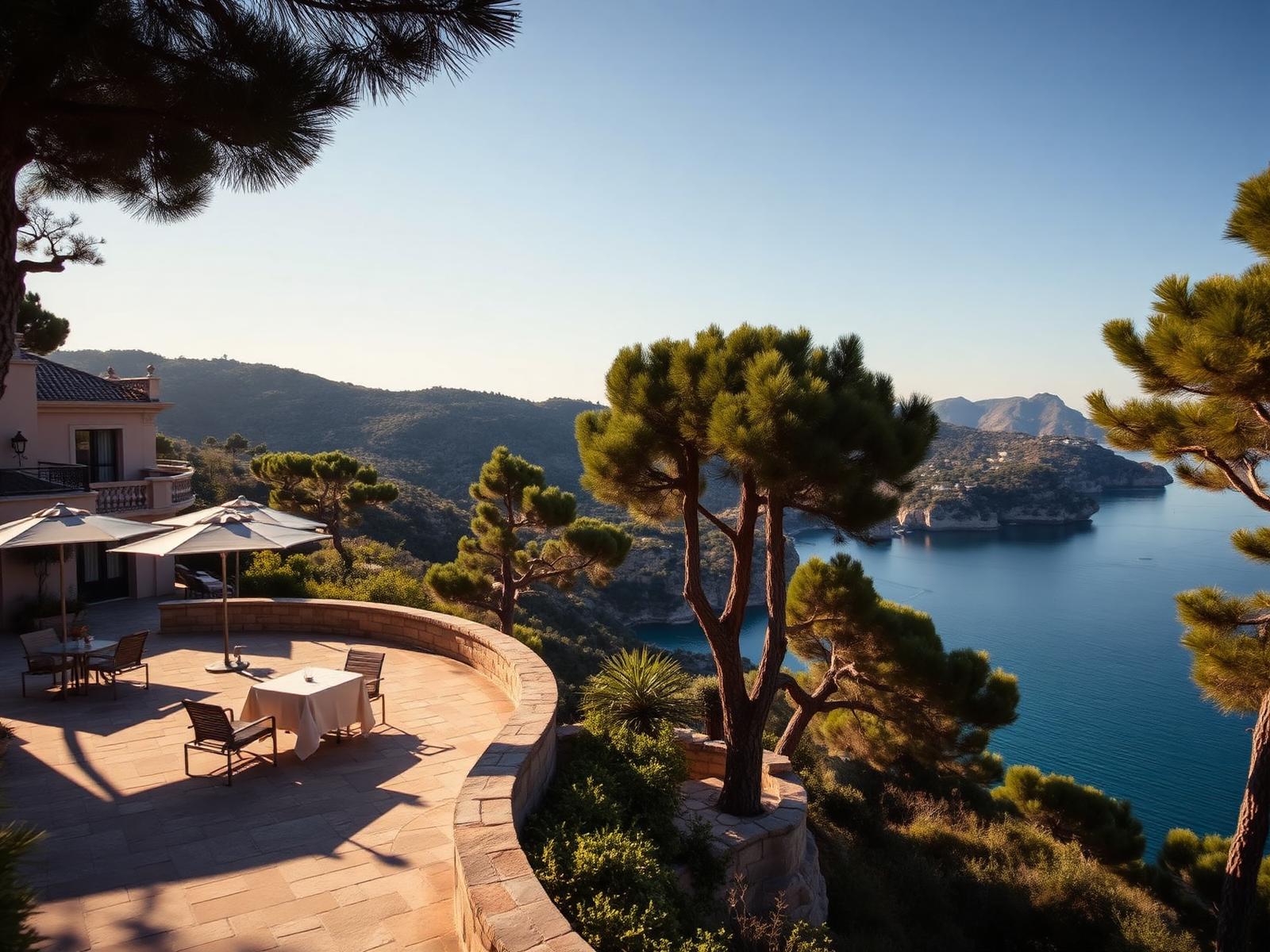
Formentor, Mallorca
Four Seasons Mallorca at Formentor
The 1929 grand hotel on Formentor bay, carefully brought back rather than reinvented.
- Suits:
- Families and couples who want the Mediterranean with history and pine forest
- Suggested length:
- Five nights
- Season:
- May to June, September
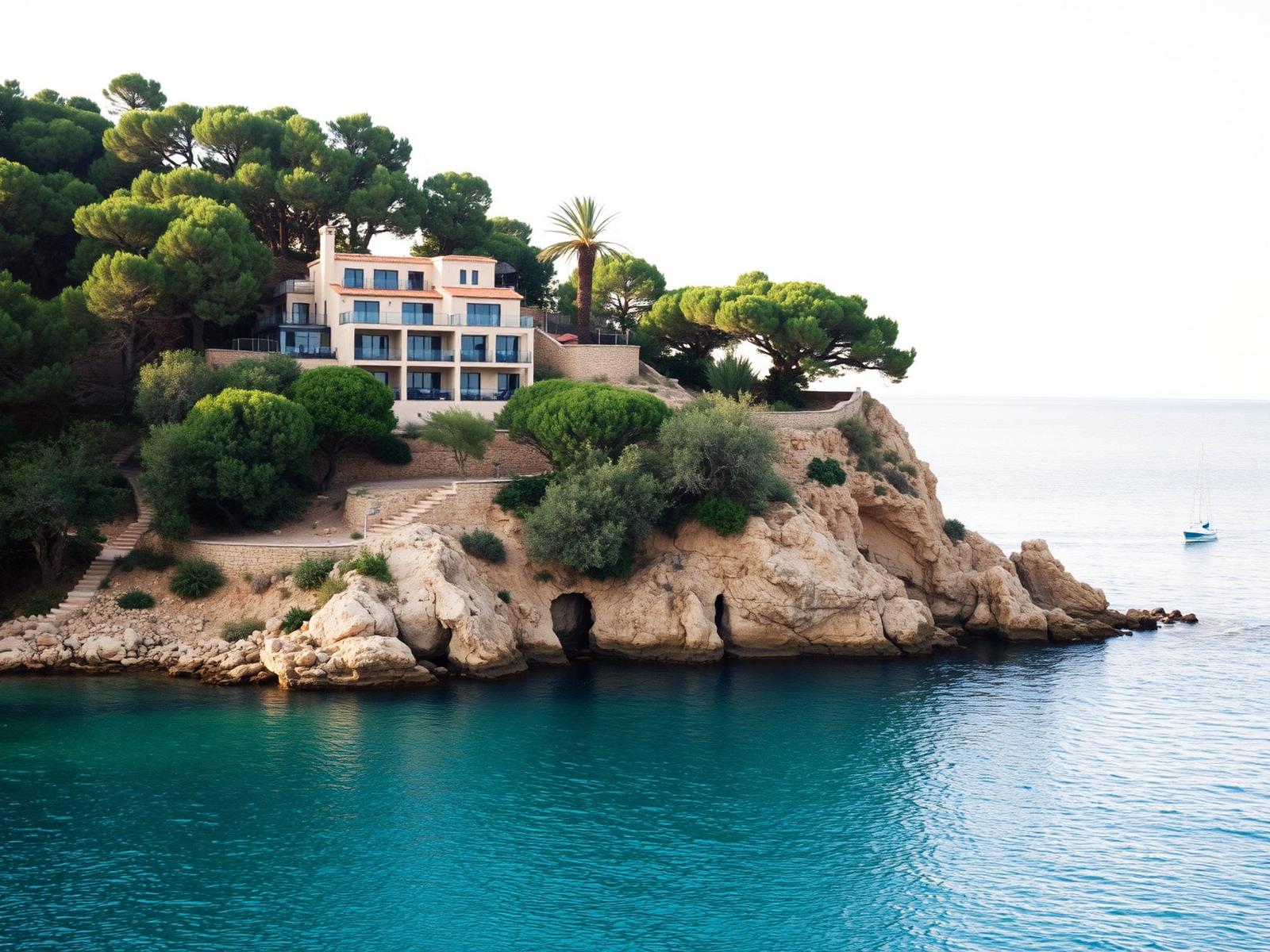
Costa d’en Blanes, Mallorca
Mandarin Oriental Punta Negra
A private headland between two coves, twenty minutes from Palma — sea on three sides.
- Suits:
- Couples and families who want the coast and the city in one stay
- Suggested length:
- Four to five nights
- Season:
- May to June, September to October
Related collections
From the Collection
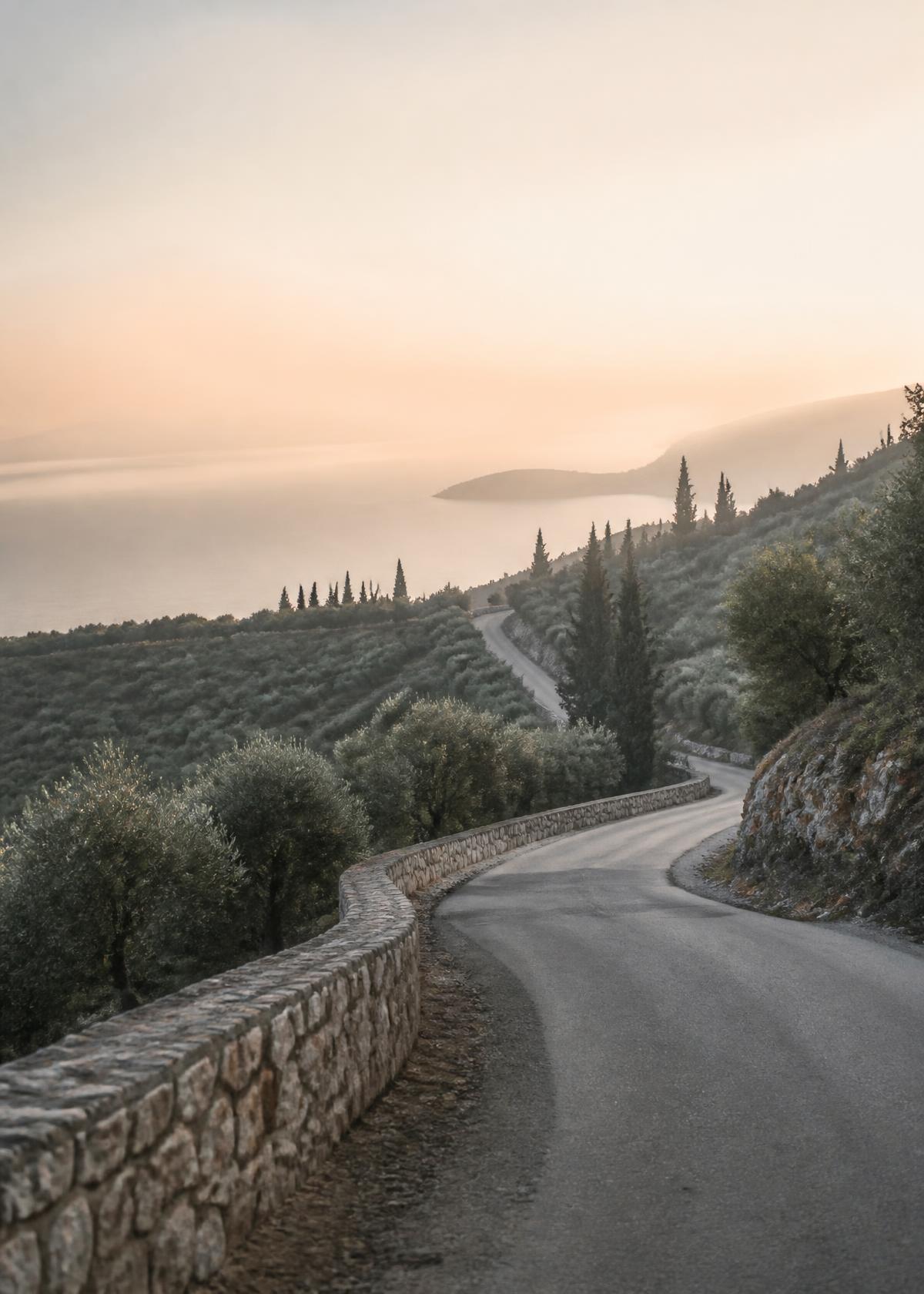
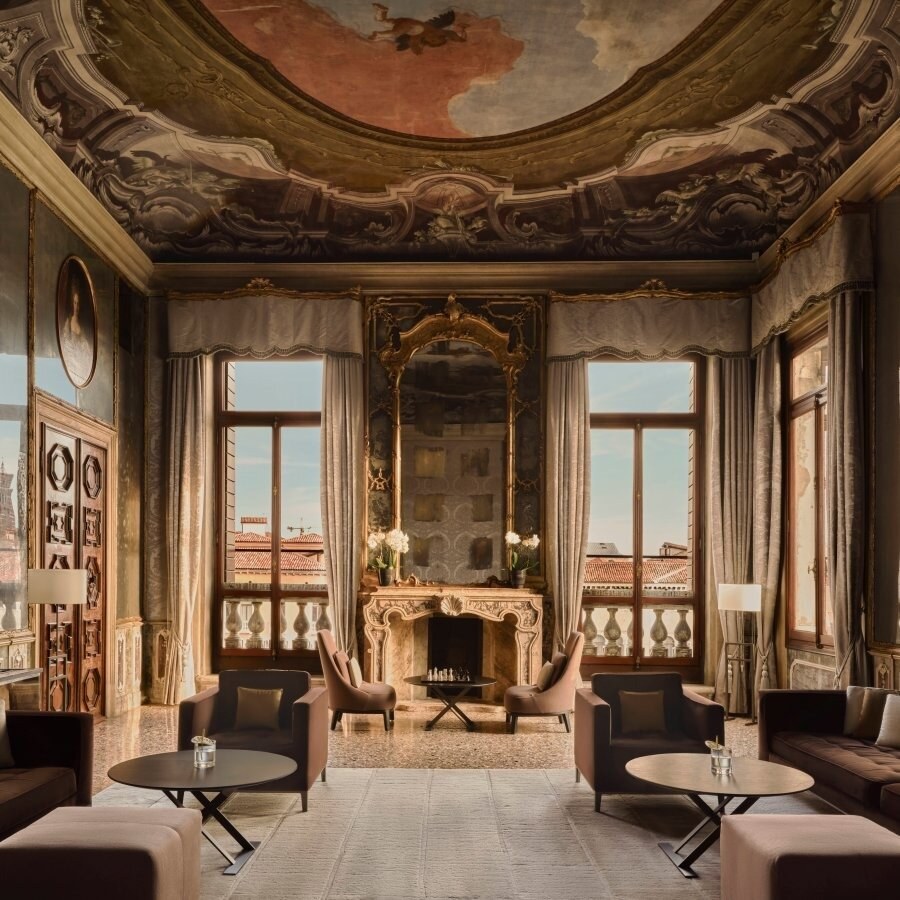
Pure Voyage Signatures
Themes that run through our work
Recurring thoughts rather than categories. They appear where they explain something.
You may also enjoy
Where else we would send you
Not the most similar, but the most natural next step: places, routes and essays that belong to this way of travelling.
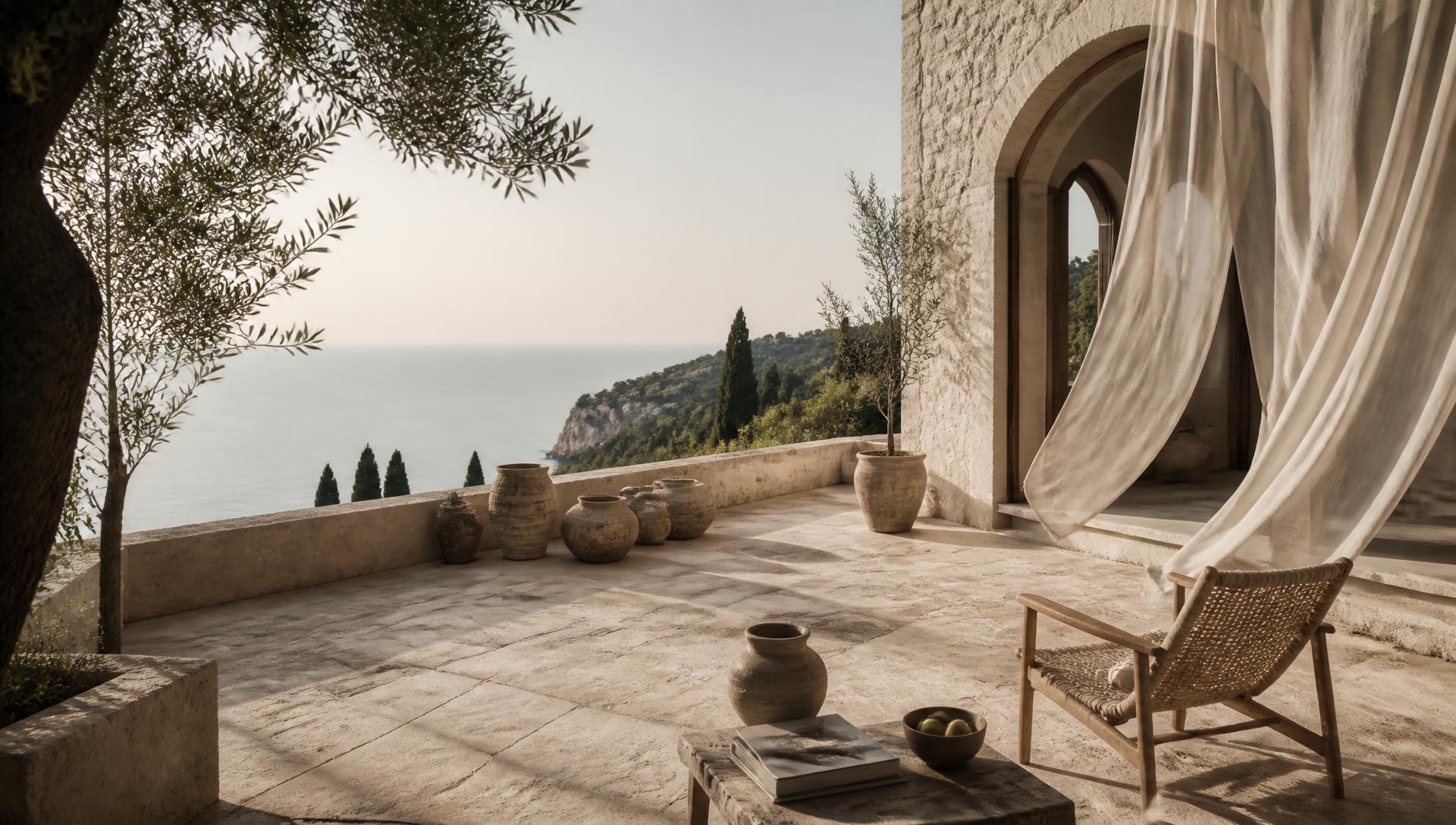
- HouseCap RocatMallorcaA house we would mention in the same conversation.
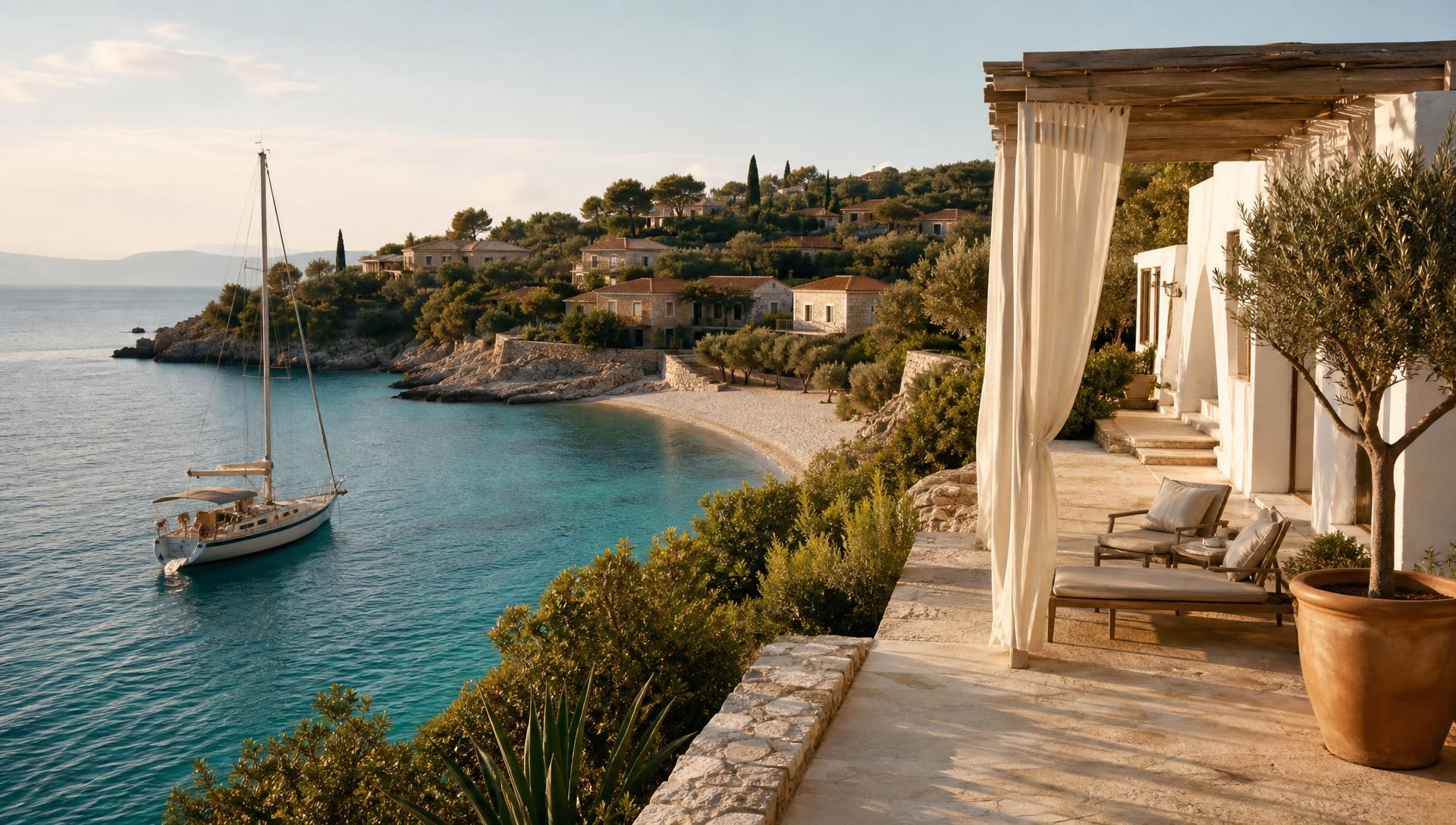
- JourneyAndalusia by RoadSeville, Ronda, Sierra de Grazalema, CádizA route that suits this way of travelling.
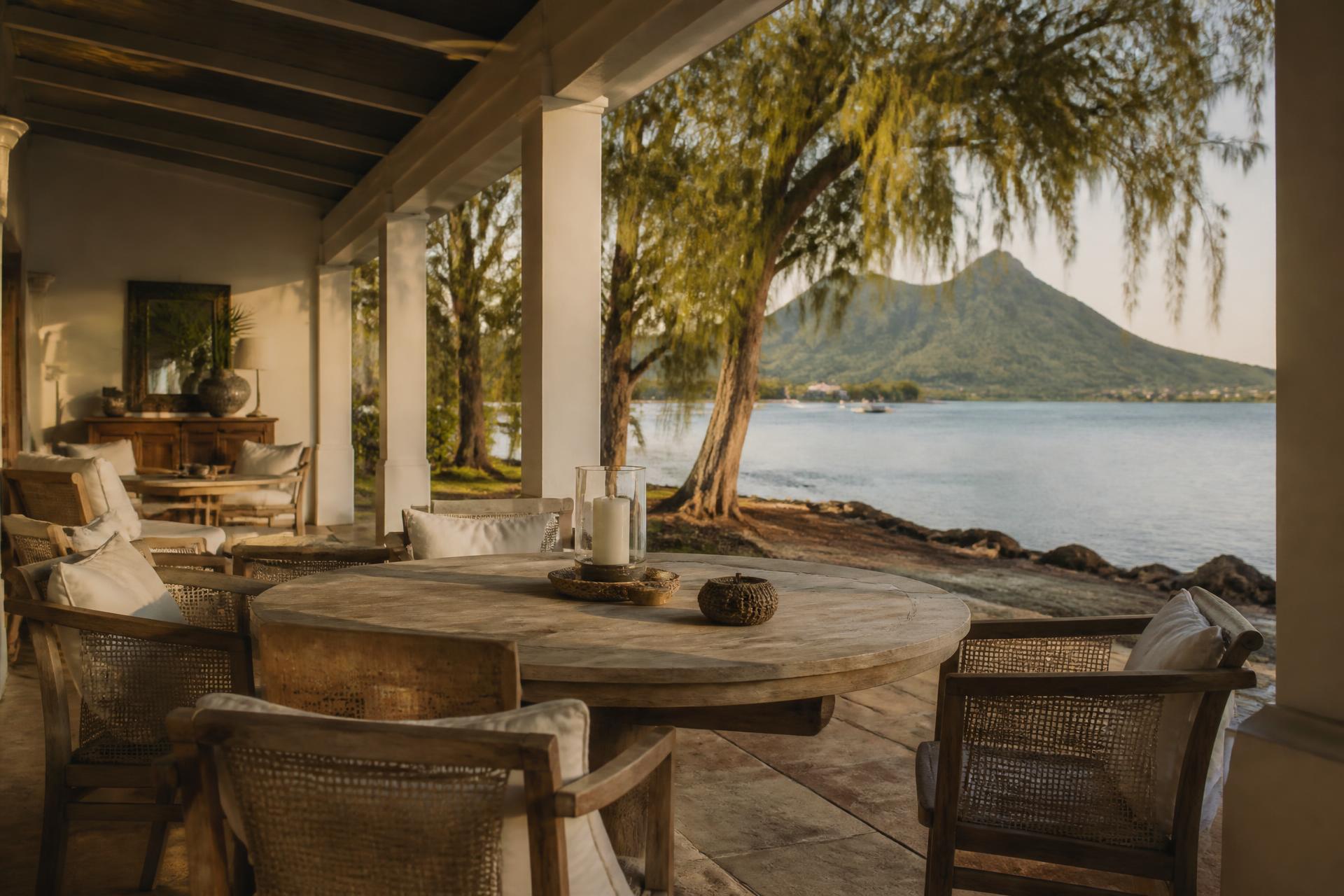
- RecommendationQuiet LuxuryProperties that have nothing to prove.Our selection for travellers with this outlook.
- JournalWhich Aman Is Right for You?9 minutesAn essay that carries this thought further.
Continue through Pure Voyage
Where to go from here
Not a catalogue, but a next step: the retreats, routes, countries and essays we would mention at this point in a conversation.
Hotels
Addresses that belong beside this page.
Journeys
Routes that open up this region.
Recommendations
What we suggest for this occasion.
Journal
Further reading before you decide.
A Personal Enquiry
Shall we plan Mallorca for you?
Tell us when you would like to travel and with whom — we suggest the houses that genuinely suit Mallorca in your period.
A first assessment is without obligation and free of charge.
Why book through Pure Voyage?
- Personal luxury travel advice
- Carefully chosen hotel recommendations
- Tailor-made itineraries
- Partner benefits wherever they apply
- Direct personal contact from start to finish
Price guidance
What a journey in Spain costs, roughly
- from around €350 per person per night
- €500 to €900 in Mallorca and Andalusia
Sea view and suite category move the price more than the season does.
Guide prices per person per night in a double room, excluding flights. Not a quote — an orientation before the first conversation.

An Invitation
Once a month: hotels, new openings and travel ideas
One hotel that convinced us. One new opening we are watching. And one travel idea for the right season. Carefully selected and reduced to the essentials.