Hotels — July 2026
Which Aman Is Right for You?
Aman is not a chain but a posture, and that posture expresses itself differently in every place. A guide to the first decision.
9 minutes
People booking their first Aman rarely choose between two hotels; they choose between two kinds of travel. The addresses share quiet, space and a certain restraint in service. Everything else differs more than the photographs suggest. We are often asked which one is right. The honest answer starts with a question in return: how should the second day feel?
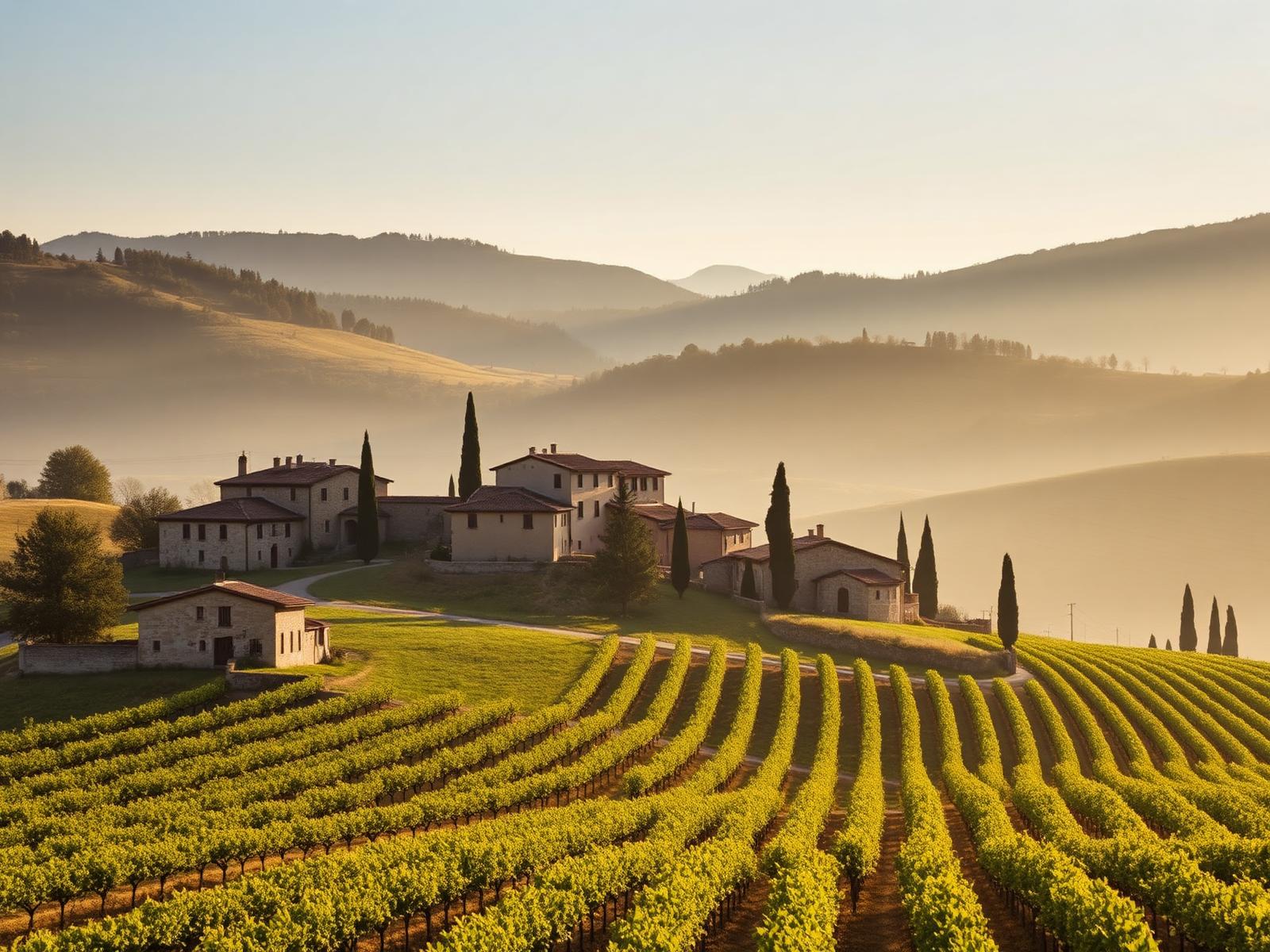
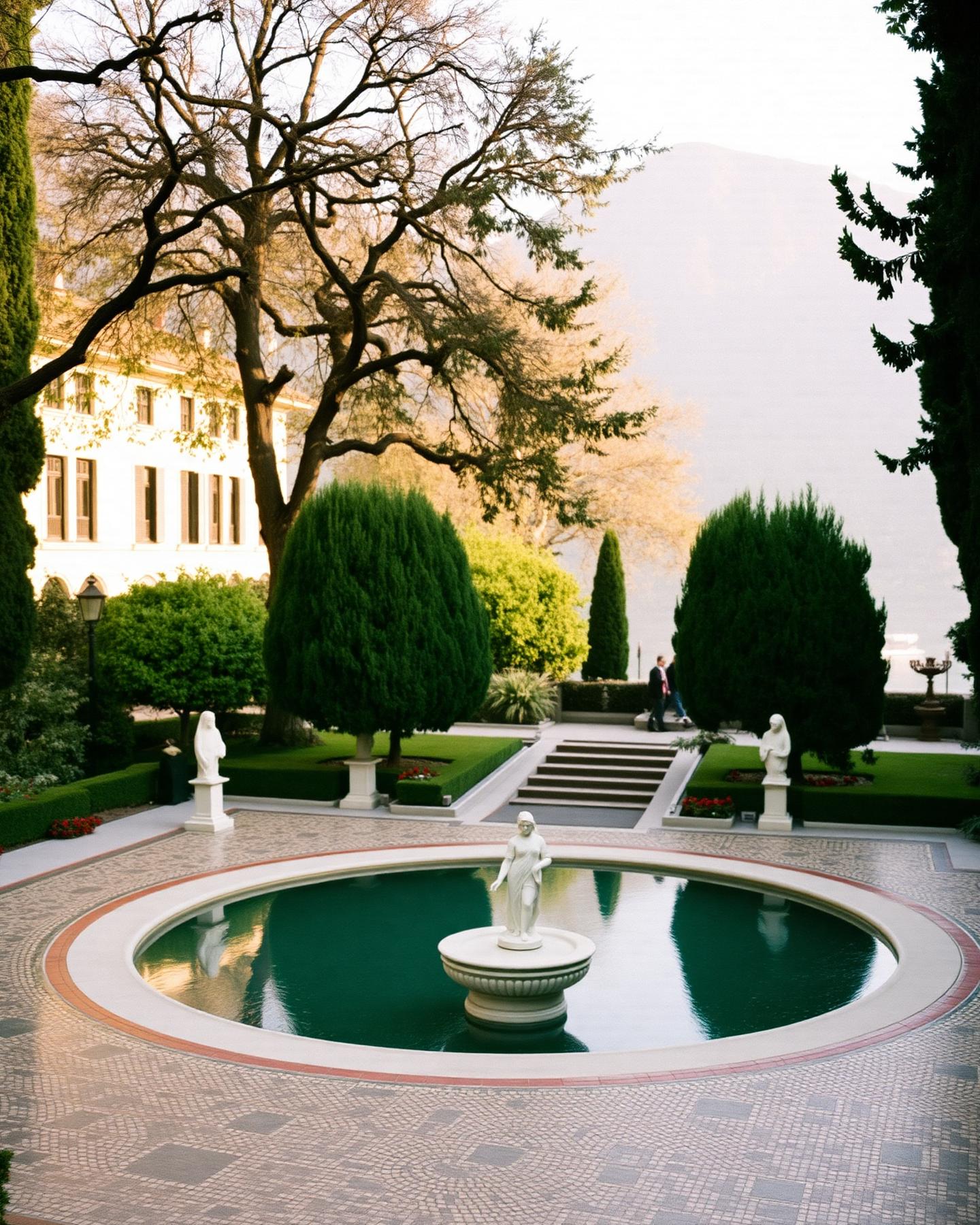
For a first encounter: Amanjena and Amanzoe
The classical properties, with gardens, water axes and clear routes, spare guests the work of orientation. You arrive, understand the retreat within an hour, and can turn your attention to the place itself. For a first Aman stay this is the most reliable choice.
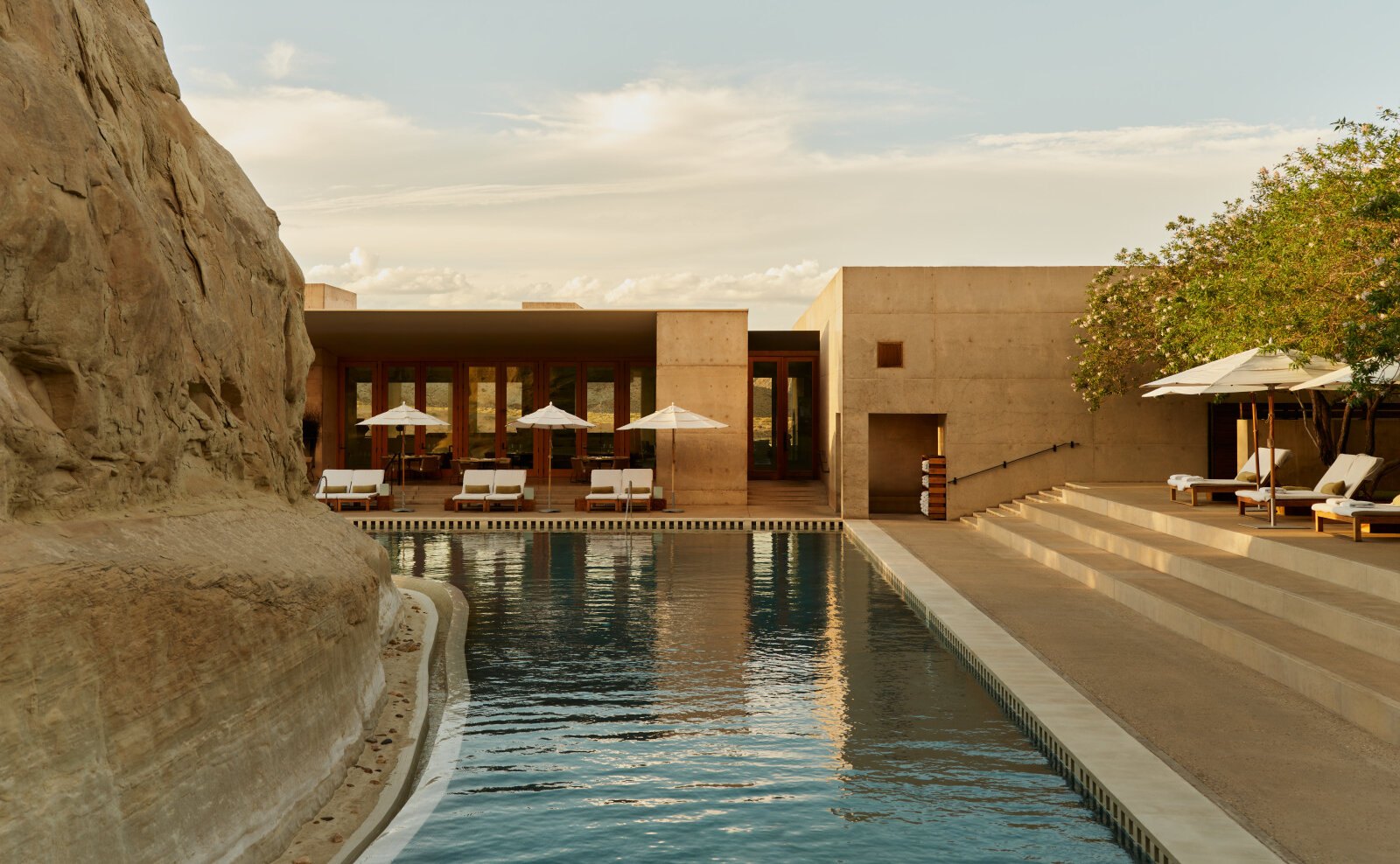
For landscape: Amangiri
Amangiri in Utah is booked for the horizon rather than the room. Concrete, desert, almost no sound. Anyone who needs movement — walking, riding, early mornings in the terrain — finds more here than anywhere else in the group. Anyone expecting a choice of restaurants in the evening finds less.
Three to four nights are enough. After that the landscape begins to repeat itself; better to pair it with a city.
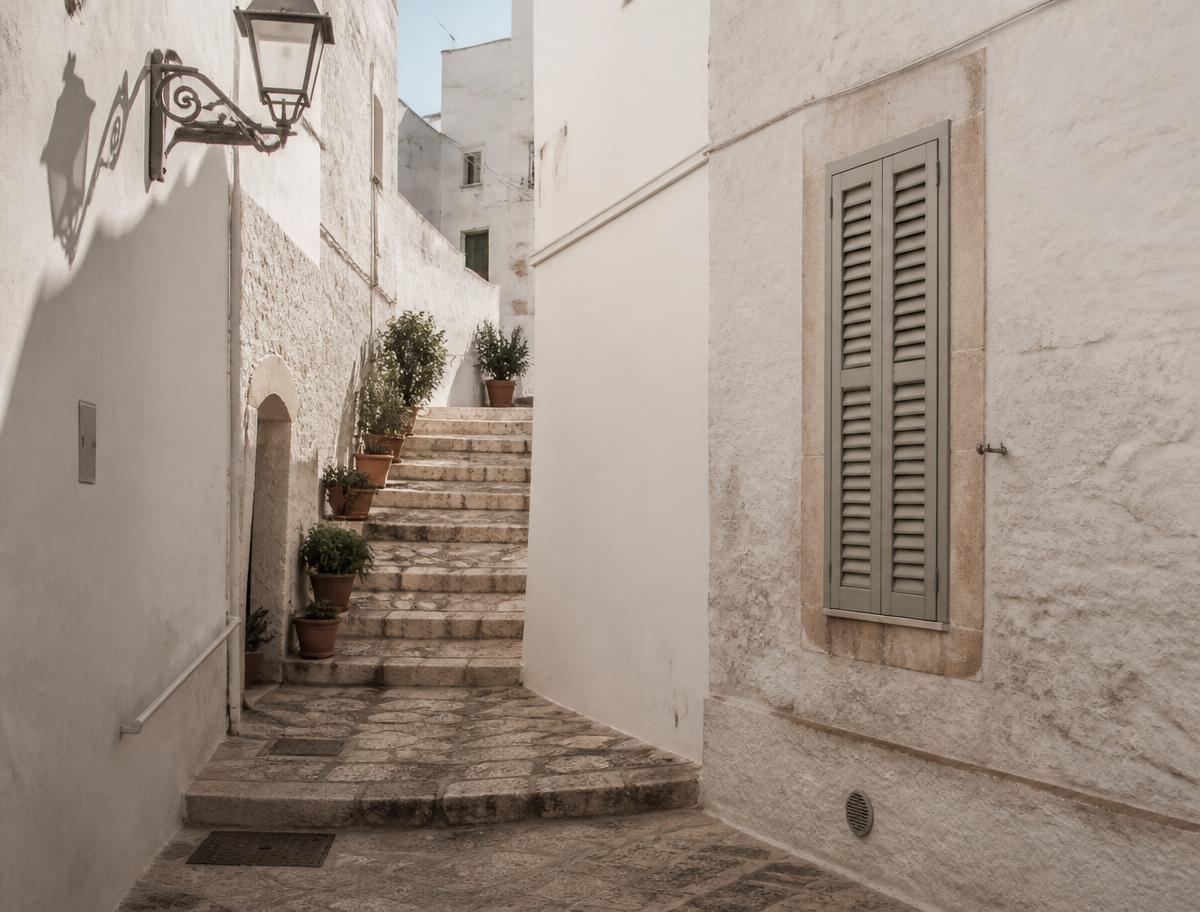
For cities: Aman Venice, Aman Tokyo, Aman New York
The city hotels follow a different logic. They are refuge, not programme. Aman Venice sits in a palazzo on the Grand Canal and is a different address in February than in May. Aman Tokyo works as a quiet chamber above a very awake city. Two or three nights usually suffice, because the city sets the rhythm.
One practical caveat
Aman is a decision for space and quiet, not for liveliness. Guests who enjoy bars, encounters and a certain background hum are happier elsewhere, and we say so before anything is booked.
If you are unsure, describe the day you have in mind. The address usually follows from that description on its own.