Safari
Zambia on Foot
South Luangwa, Lower Zambezi
The safari with nothing between you and the bush.
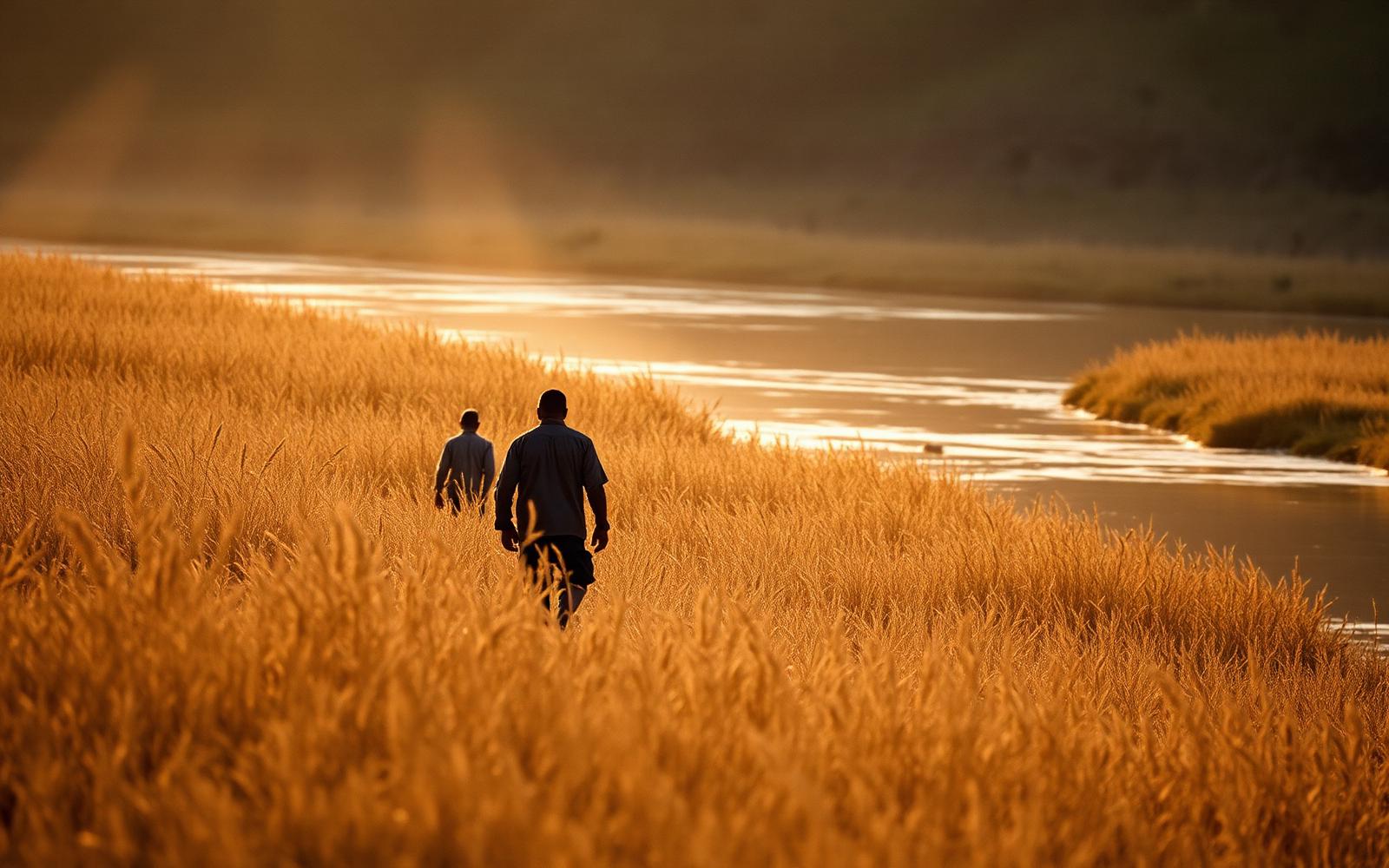
The walking safari was invented in the Luangwa Valley, and it is still guided best there. You set out early, four or five of you, with a guide and a scout, and learn more about how the bush fits together in three hours than in a week from a vehicle.
It is rarely about big animals. It is about tracks, bird calls, why a herd stands here and not there. And when an elephant does appear ahead of you, the difference from a vehicle is physical.
Zambia's camps are deliberately plain: canvas, open fronts, paraffin lamps. The luxury is in the guiding, not the fittings.
The Pure Voyage view
Why we recommend it
Because on foot the bush stops being scenery.
From a vehicle you see more animals. On foot you understand more: tracks, wind, distance, your own pace. Zambia invented this form of safari and still runs it with the best guides on the continent. We would not suggest it as a first safari but as a second or third — and then for at least six nights, ideally between two camps along the river. June to October, when the grass is low.
- Who it suits
- Experienced safari guests who want out of the vehicle
- What stays
- The moment the guide stops walking and says nothing
Suitability
Who it is for
Ideal for
- Experienced safari travellers
- Travellers who want detail rather than lists
- Small groups and couples
- June to October
Less suited for
- A first safari
- Families with children
- Guests who want to tick off many species
What travellers often underestimate
On foot you see less and understand more. Arrive with a wish list and you may be disappointed; arrive open and rarely.
If this is not the right fit
You may also want to consider
If closeness to nature stays but walking does not suit:
01 · Botswana
Botswana by Air
Boat, vehicle and light aircraft rather than walking in the heat.
See more02 · Südafrika
Singita Lebombo
More comfortable, with excellent guiding and short distances.
See more03 · Tansania
Great Migration
Scale and density, if event matters more than silence.
See moreNot better, not a step up — simply different, and right for different travellers.
Our view
Why we recommend it
Because it reverses the relationship: you are not looking down from a vehicle but moving at the same level. Afterwards a driving-only safari feels incomplete.
- Best time to travel
- June to October. From late October it turns very hot; many bush camps close November to April.
- Suggested duration
- Eight to ten days across two or three camps, ideally linked on foot.
- Who it is best for
- A second or third safari; travellers with stamina and patience. Minimum age usually twelve; not suitable with mobility limitations.
Pure Voyage note
Link two camps on foot rather than by transfer. The walk between them is often the best part of the day — and costs nothing extra.
Along the way
Retreats along the way
The addresses we suggest most often for this journey — as a starting point, not a fixed route.
Chinzombo
South Luangwa
Six villas on the river as a base for the bush camps upstream.
Mchenja Bush Camp
South Luangwa
Under ebony trees, small and deliberately simple.
Chiawa Camp
Lower Zambezi
Canoeing and tigerfish, as a counterweight to walking.
And then
Journeys that sit well beside it
Botswana by Air
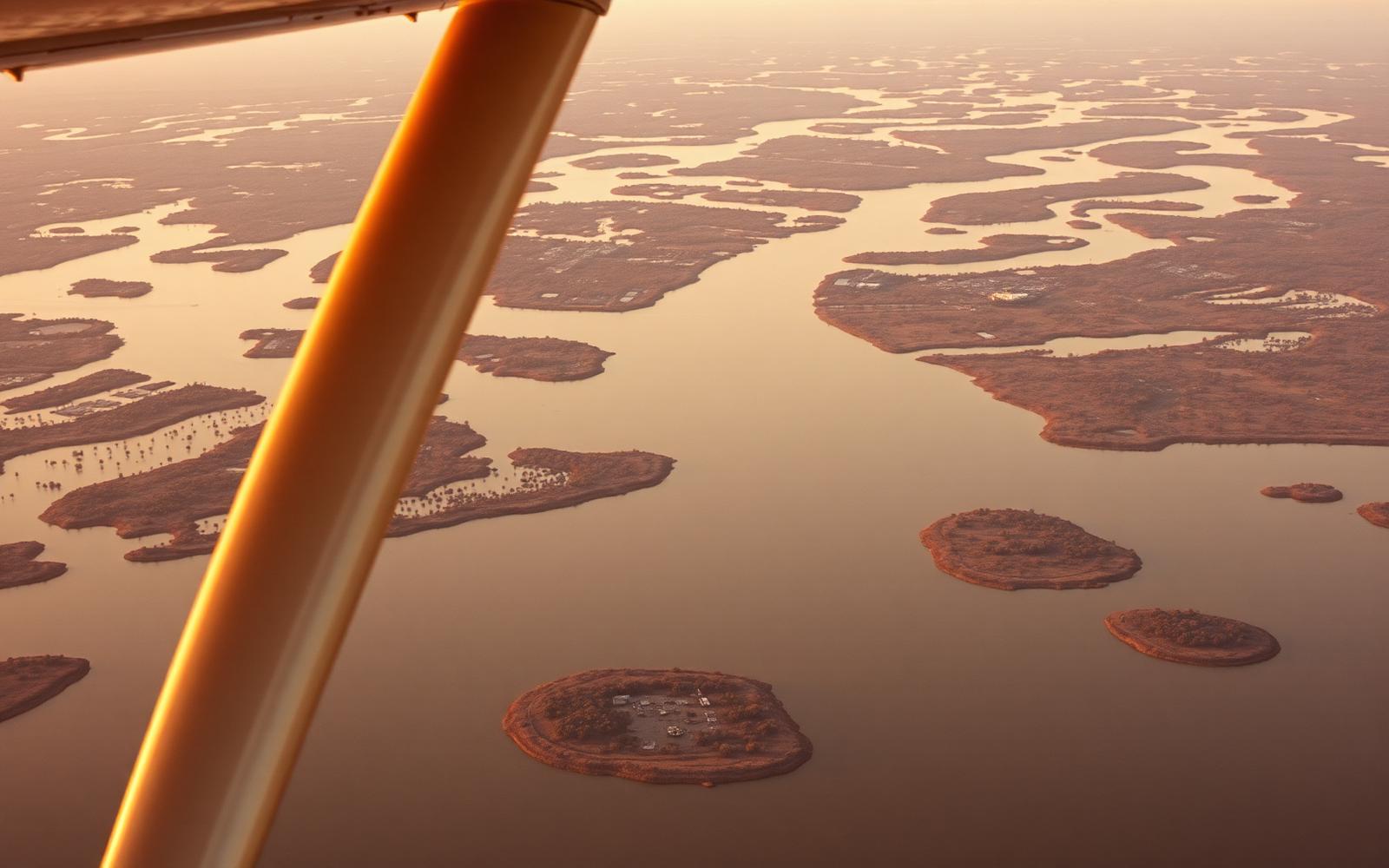
Three landscapes in one journey, linked by short flights in small aircraft.
Okavango & Victoria Falls
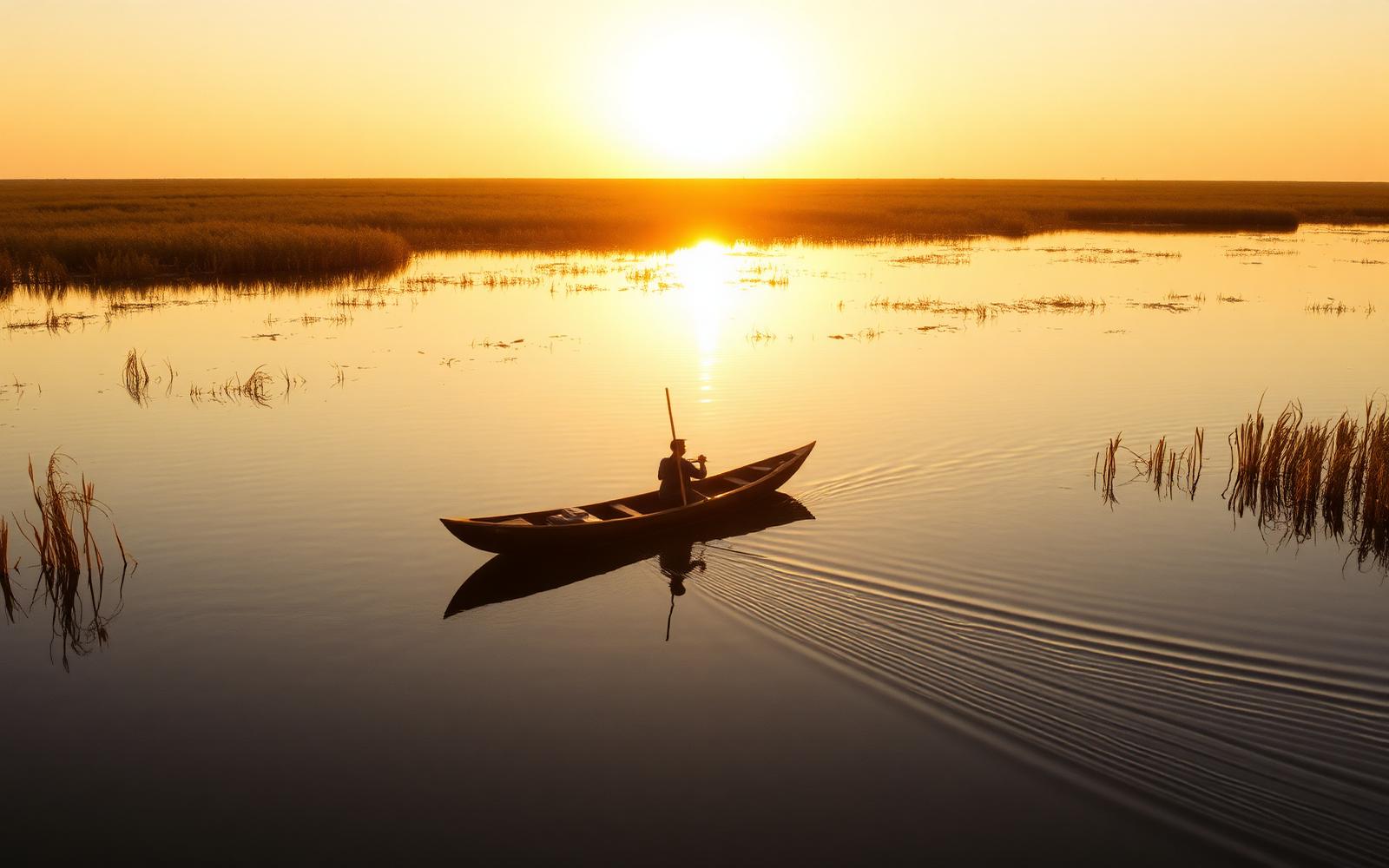
Water in two forms: still in the Delta, thunderous at the falls.
The Great Migration
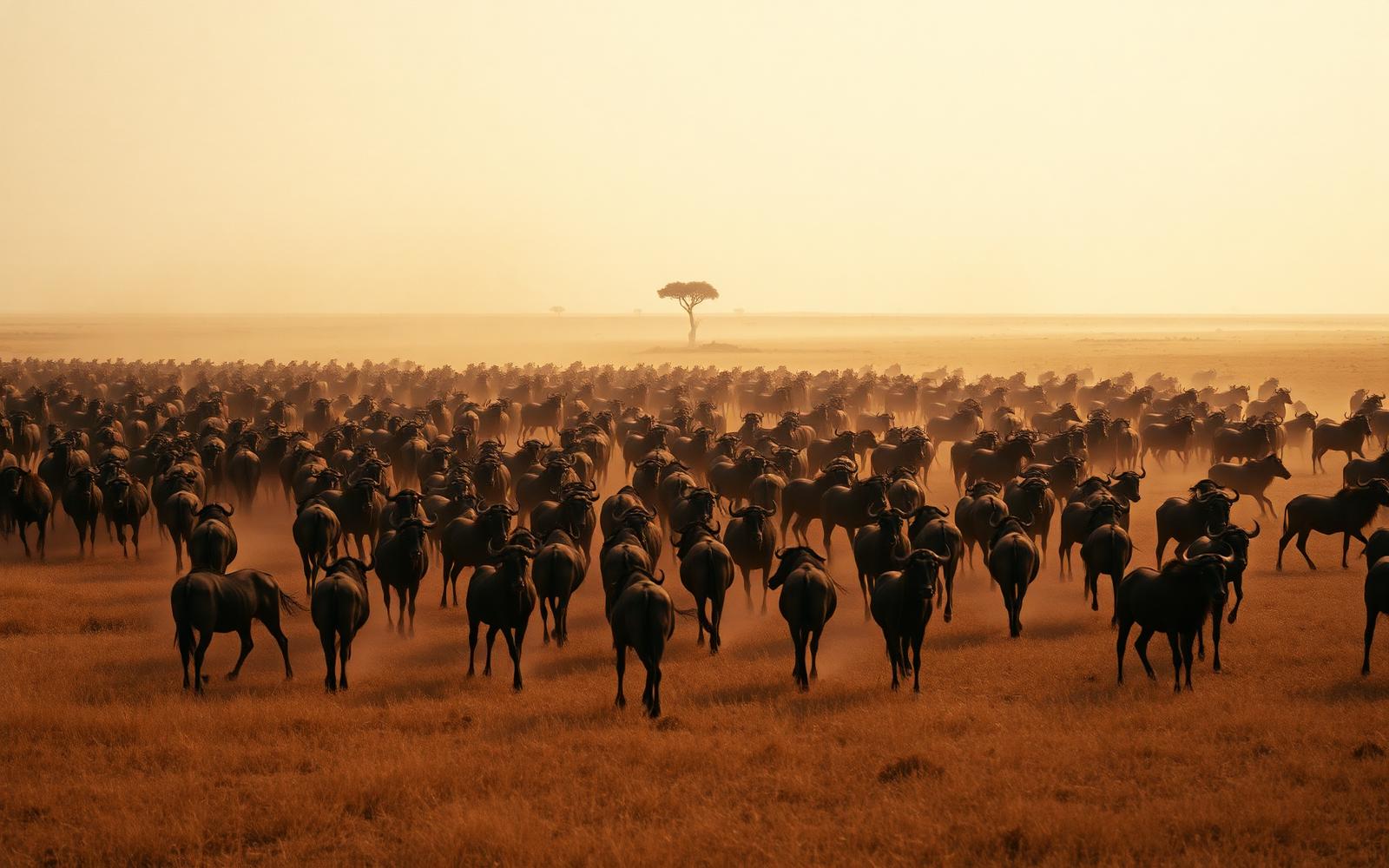
Not an event but a movement that lasts all year.
Whether this journey suits you is settled fastest in conversation.
Season, length and the hotels before and after shape the result more than the route ever does.
Speak with the conciergeWho is a walking safari right for?
Guests who have already travelled by vehicle. On foot you see fewer animals and understand more: tracks, sounds, distances. Walks run in the early morning, three to four hours, in muted colours. Children under twelve are usually not permitted. If big cats are the priority, add game drives.
Noted by Pure Voyage
Common questions
What guests ask us about this
- What does a safari day look like?
- Early start, a drive through the morning, rest through the heat, out again in the late afternoon. Little happens in between — which is exactly what makes the days long and restful.
- From what age does safari work for children?
- Many camps accept children from six, some from twelve, and family-minded retreats often at any age with a private vehicle. We check this before every recommendation.
Pure Voyage Signatures
Themes that run through our work
Recurring thoughts rather than categories. They appear where they explain something.
In a similar spirit
What shares the same spirit
Not the most similar, but the most natural next step: places, routes and essays that belong to this way of travelling.
- HouseRoyal MalewaneThornybush, SüdafrikaA house we would mention in the same conversation.
- DestinationSouth AfricaTwo journeys in one country — and the question of the order.The country behind it — how everything connects.
- RecommendationHotels Worth the JourneyHideaways, island resorts and lodges where the journey is part of the experience.Our selection for travellers with this outlook.
- JournalTrain Journeys Worth Remembering10 minutesAn essay that carries this thought further.
Continue through Pure Voyage
Where to go from here
Not a catalogue, but a next step: the retreats, routes, countries and essays we would mention at this point in a conversation.
Hotels
Addresses that belong beside this page.
Destinations
The country at a glance.
Recommendations
What we suggest for this occasion.
Journal
Further reading before you decide.
Further reading
What we have written on this
Journeys
Safari With Children: What Actually Works
From what age, which region, how long — and which camps genuinely welcome a family.
Journeys
Why Africa Is Best Travelled Slowly
Three camps in ten days is a common recommendation. We almost always suggest two.
Seasonal Travel
When to Travel to Botswana, Month by Month
Botswana has no bad season, only very different ones. Which month suits which kind of trip.
Guest Voices
What stays with you
Not stars or ratings — but what you remember afterwards.
We had two retreats in mind and booked a third in the end. The reasoning was so clear that the decision became easy.
M. K. — HamburgAmalfi Coast, May The advice on which weeks to avoid changed our journey. We went two weeks later — and had the river to ourselves.
Dr. A. S. — MünchenTanzania, family journey
Published with consent, shortened and anonymised.
A Personal Enquiry
Shall we plan Zambia on Foot for you?
Tell us when you would like to travel and with whom — we check availability, cabins or rooms and the right opening to the trip.
A first assessment is without obligation and free of charge.
Why book through Pure Voyage?
- Personal luxury travel advice
- Carefully chosen hotel recommendations
- Tailor-made itineraries
- Partner benefits wherever they apply
- Direct personal contact from start to finish

An Invitation
Once a month: hotels, new openings and travel ideas
One hotel that convinced us. One new opening we are watching. And one travel idea for the right season. Carefully selected and reduced to the essentials.