Safari
The Great Migration
Serengeti, Ngorongoro, Masai Mara
Not an event but a movement that lasts all year.
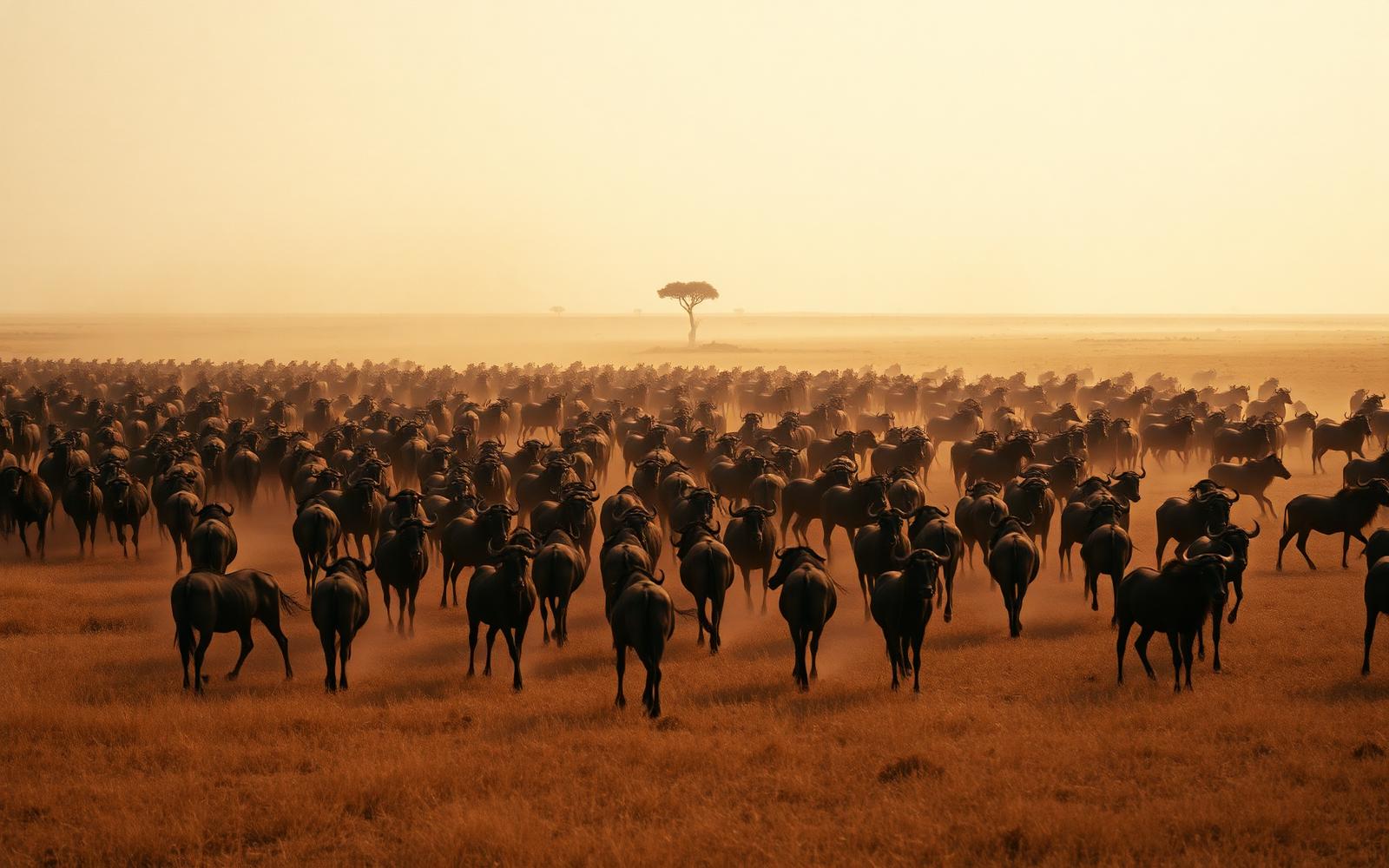
The migration is a cycle, not a season. From December to March the wildebeest calve on the southern Serengeti grasslands — hundreds of thousands of births within weeks, and predators in proportion. In June the herds move west; from July they reach the Mara River.
The crossings are the image everyone knows. They are remarkable and entirely unpredictable: you wait, sometimes for hours, sometimes for nothing. The quieter months show something less photographed — the sheer movement of animals across open country.
We work mostly with mobile camps that follow the herds. They are simpler than permanent lodges and stand exactly where something is happening that month.
The Pure Voyage view
Why we recommend it
Because the migration is a movement, not an appointment.
The herds follow the rain, not the calendar, and any booking that promises a river crossing promises too much. What can be planned is the right region at the right time and a camp that moves with the herds. We suggest at least four nights in one place and a willingness to wait a day. Bring that, and the odds are good you will see something no documentary prepares you for.
- Who it suits
- Travellers with patience and at least a week in the bush
- What stays
- The sound of ten thousand animals before you see them
Suitability
Who it is for
Ideal for
- Travellers tied to a specific window in the year
- Photographers
- Couples and families with older children
- Six to eight nights
Less suited for
- Guests who expect predictability
- Travellers who want to avoid crowds
- Very short stays
What travellers often underestimate
The migration follows no calendar. We plan two camps in different regions, which improves the odds considerably.
If this is not the right fit
You may also want to consider
If East Africa stays but peak season is difficult:
01 · Sambia
Zambia Walking Safari
Fewer vehicles, more quiet, safari on foot rather than in convoy.
See more02 · Botswana
Botswana by Air
Very low visitor density, water and plains in one journey.
See more03 · Namibia
Namibia mit privatem Guide
Landscape and desert rather than herds, and good year-round.
See moreNot better, not a step up — simply different, and right for different travellers.
Our view
Why we recommend it
Because nothing else in the natural world compares. The question is never whether to go but when and where — and that is where the advisory work actually lies.
- Best time to travel
- January to March for calving in the south; July to October for the river crossings in the north and the Mara. April and May are wet and quiet.
- Suggested duration
- Ten to fourteen days, across at least two Serengeti locations.
- Who it is best for
- A first major East Africa journey, photographers, families with children from eight. Anyone seeking solitude should avoid the Mara in August.
Pure Voyage note
Two bases beat one. The herds move; a single camp ties you to a stretch that may simply be empty during your week.
Along the way
Retreats along the way
The addresses we suggest most often for this journey — as a starting point, not a fixed route.
Singita Mara River Tented Camp
Northern Serengeti
Six tents on the river, where the crossings happen.
Sanctuary Kusini
Southern Serengeti
One of few permanent camps in the south during calving.
Angama Mara
Masai Mara, Kenya
Above the Rift Valley, with the view that defines East Africa.
And then
Journeys that sit well beside it
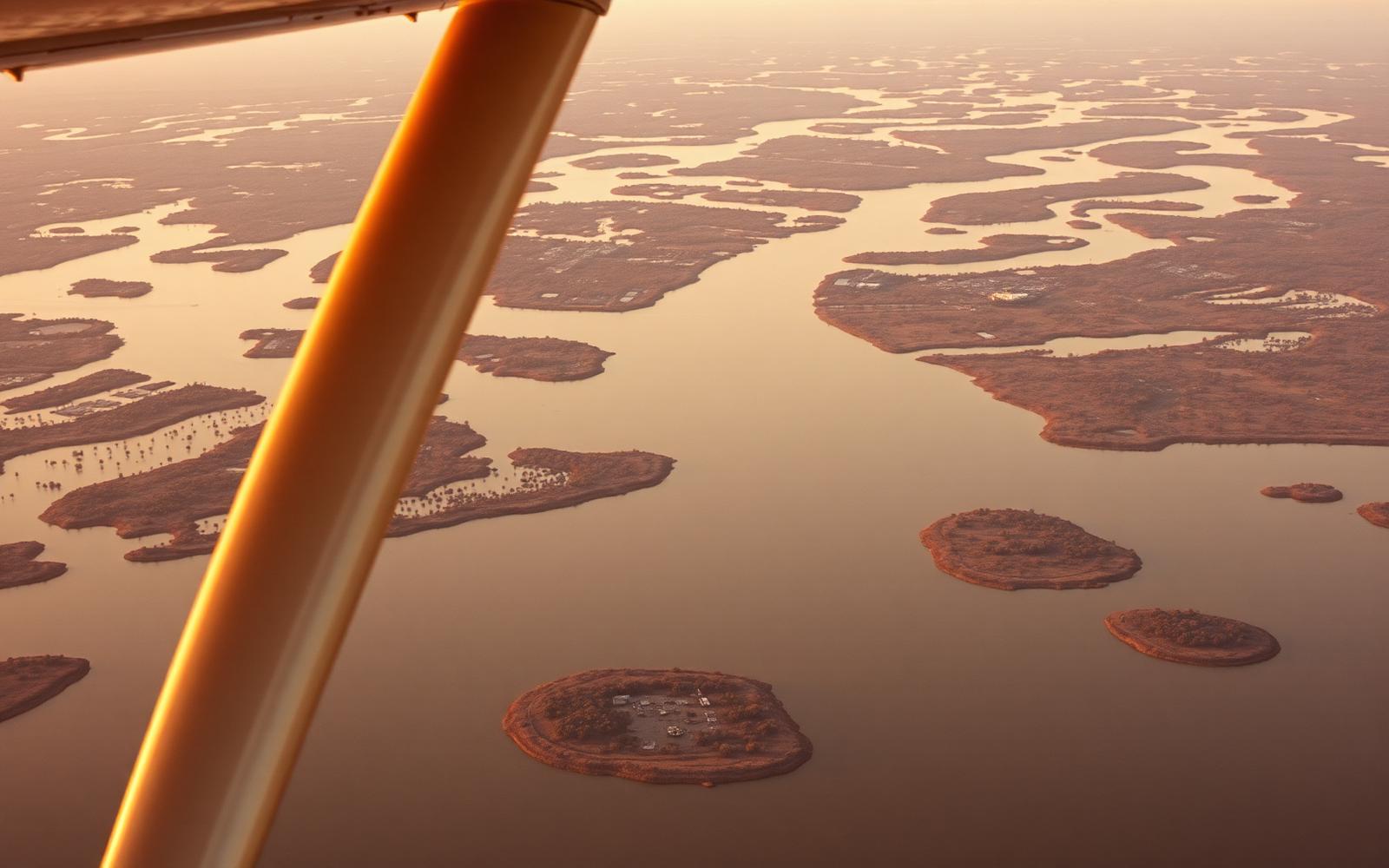
Botswana by Air
Three landscapes in one journey, linked by short flights in small aircraft.
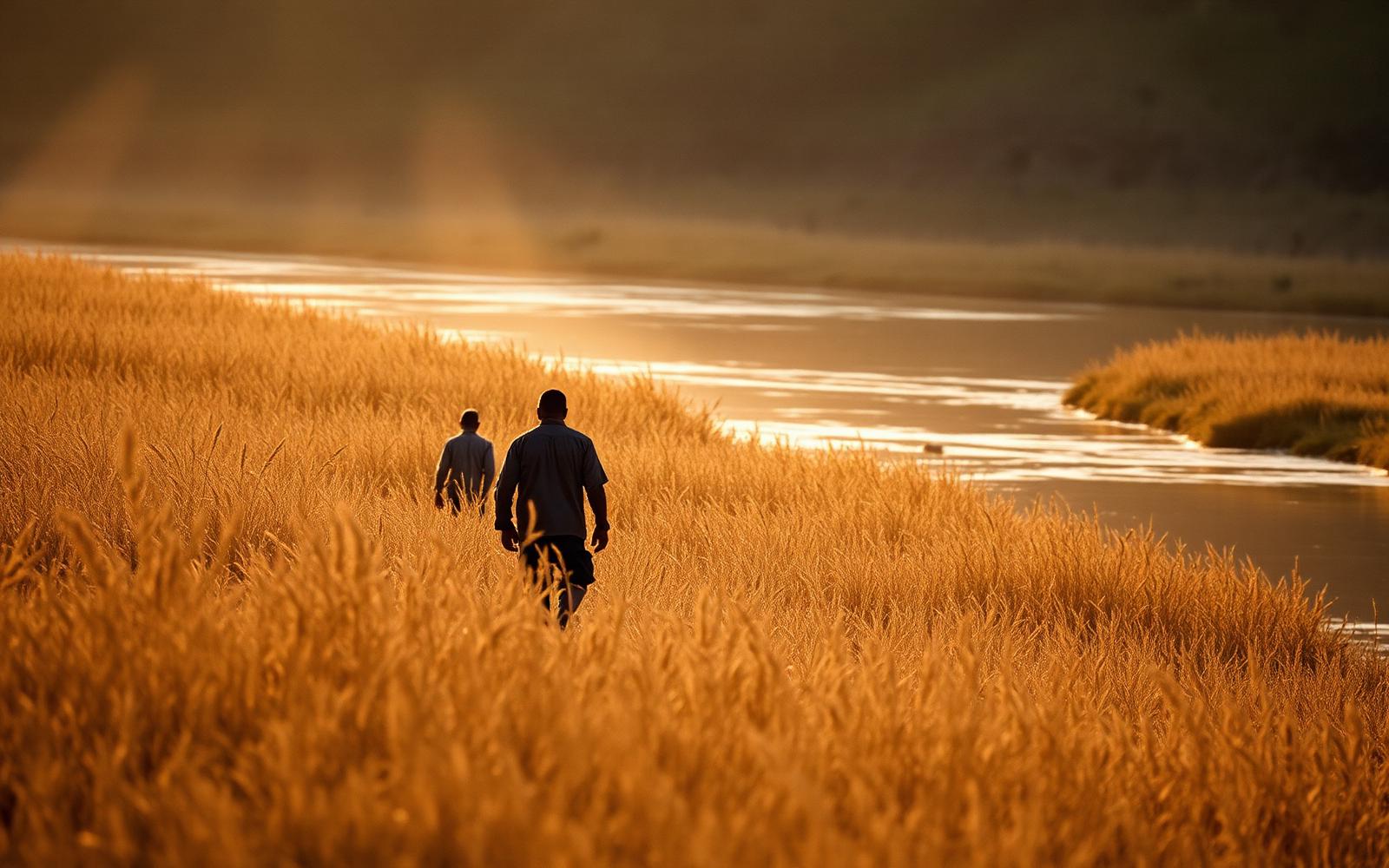
Zambia on Foot
The safari with nothing between you and the bush.
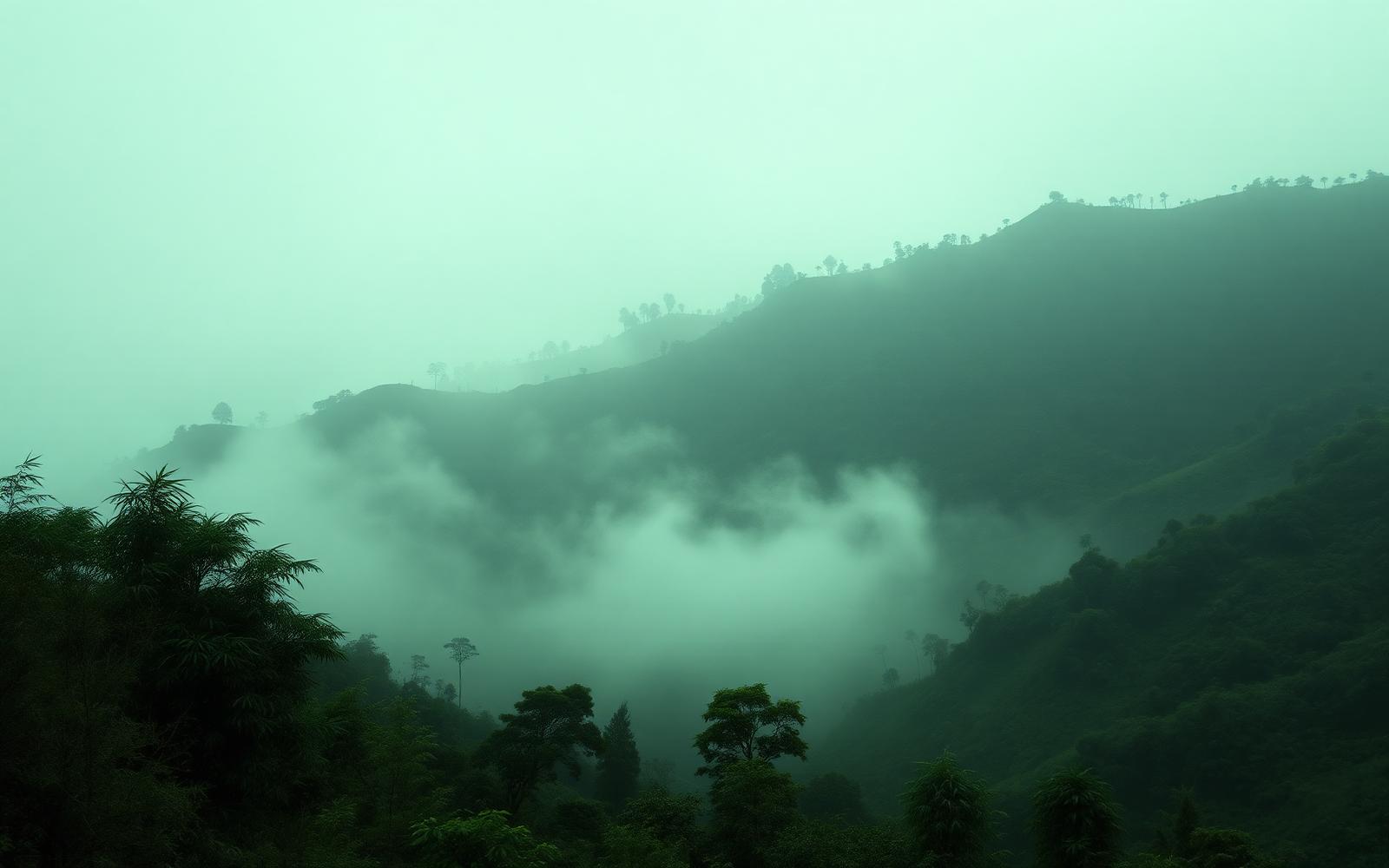
Rwanda — Gorillas in the Cloud Forest
One hour you will still recall precisely years later.
Whether this journey suits you is settled fastest in conversation.
Season, length and the hotels before and after shape the result more than the route ever does.
Speak with the conciergeWhat is most often misunderstood about the migration?
That it is an appointment. The herds follow the rain, not the calendar — river crossings can be narrowed to two or three weeks, never to a single day. Travelling for the crossing alone invites disappointment. Seven nights across two areas usually delivers more than expected.
Noted by Pure Voyage
Common questions
What guests ask us about this
- What does a safari day look like?
- Early start, a drive through the morning, rest through the heat, out again in the late afternoon. Little happens in between — which is exactly what makes the days long and restful.
- From what age does safari work for children?
- Many camps accept children from six, some from twelve, and family-minded retreats often at any age with a private vehicle. We check this before every recommendation.
Pure Voyage Signatures
Themes that run through our work
Recurring thoughts rather than categories. They appear where they explain something.
You may also enjoy
Where else we would send you
Not the most similar, but the most natural next step: places, routes and essays that belong to this way of travelling.
- HouseRoyal MalewaneThornybush, SüdafrikaA house we would mention in the same conversation.
- DestinationSouth AfricaTwo journeys in one country — and the question of the order.The country behind it — how everything connects.
- RecommendationHotels Worth the JourneyHideaways, island resorts and lodges where the journey is part of the experience.Our selection for travellers with this outlook.
- JournalTrain Journeys Worth Remembering10 minutesAn essay that carries this thought further.
Continue through Pure Voyage
Where to go from here
Not a catalogue, but a next step: the retreats, routes, countries and essays we would mention at this point in a conversation.
Hotels
Addresses that belong beside this page.
Destinations
The country at a glance.
Recommendations
What we suggest for this occasion.
Journal
Further reading before you decide.
Further reading
What we have written on this
Journeys
Safari With Children: What Actually Works
From what age, which region, how long — and which camps genuinely welcome a family.
Journeys
Why Africa Is Best Travelled Slowly
Three camps in ten days is a common recommendation. We almost always suggest two.
Seasonal Travel
When to Travel to Botswana, Month by Month
Botswana has no bad season, only very different ones. Which month suits which kind of trip.
Guest Voices
What stays with you
Not stars or ratings — but what you remember afterwards.
We had two retreats in mind and booked a third in the end. The reasoning was so clear that the decision became easy.
M. K. — HamburgAmalfi Coast, May The advice on which weeks to avoid changed our journey. We went two weeks later — and had the river to ourselves.
Dr. A. S. — MünchenTanzania, family journey
Published with consent, shortened and anonymised.
A Personal Enquiry
Shall we plan The Great Migration for you?
Tell us when you would like to travel and with whom — we check availability, cabins or rooms and the right opening to the trip.
A first assessment is without obligation and free of charge.
Why book through Pure Voyage?
- Personal luxury travel advice
- Carefully chosen hotel recommendations
- Tailor-made itineraries
- Partner benefits wherever they apply
- Direct personal contact from start to finish

An Invitation
Once a month: hotels, new openings and travel ideas
One hotel that convinced us. One new opening we are watching. And one travel idea for the right season. Carefully selected and reduced to the essentials.