Journeys — May 2026
Why Africa Is Best Travelled Slowly
Three camps in ten days is a common recommendation. We almost always suggest two.
7 minutes
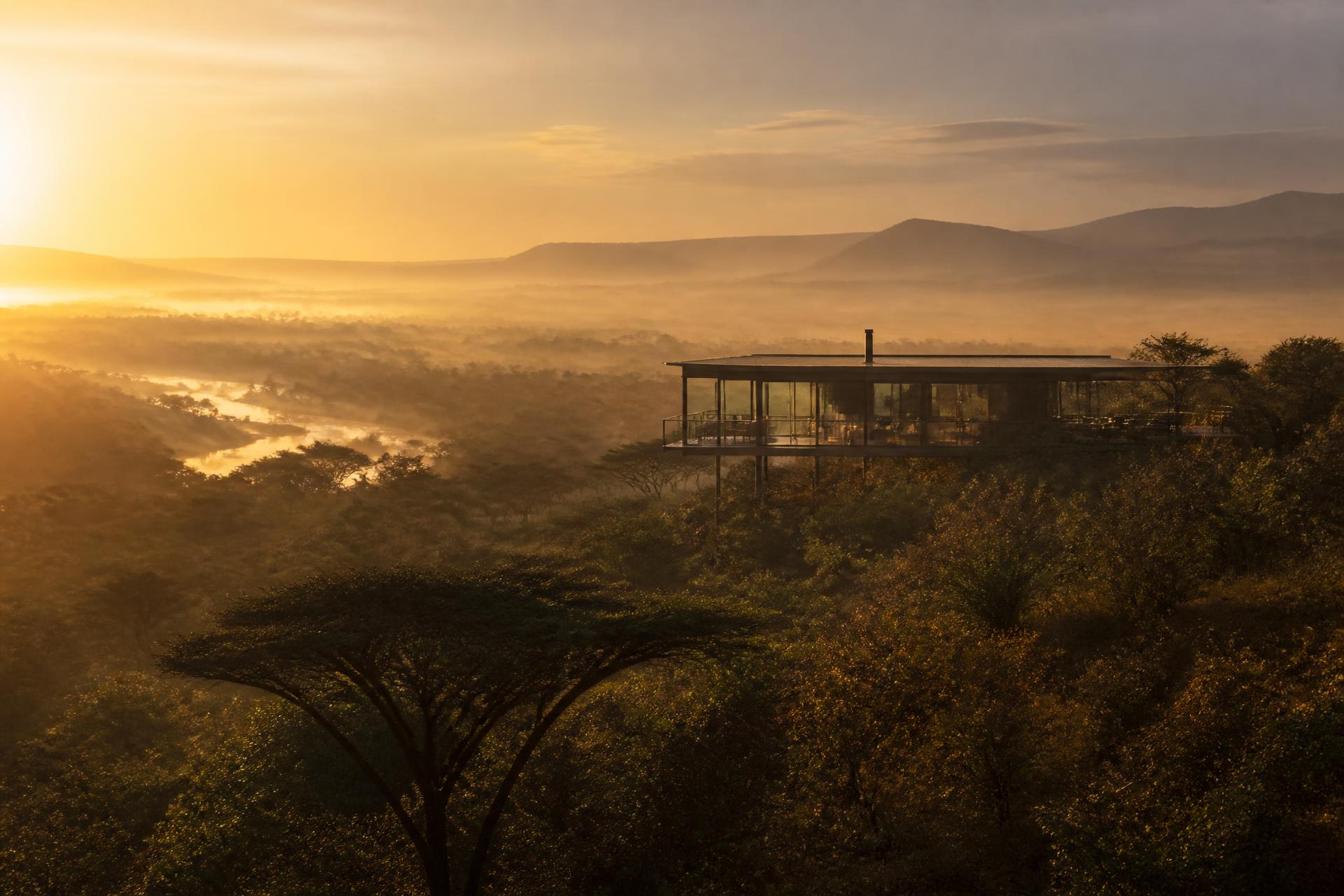
Most safaris fail not because of the camps but because of the schedule. Every move costs half a day, a flight, and the familiarity with a guide that only appears from the third drive onwards.
Why four nights per camp changes things
From the third night the journey shifts. You know the terrain, the guide knows your interests, and the drives become specific. Move on after two nights and you see a great deal while experiencing little.
Combinations that work
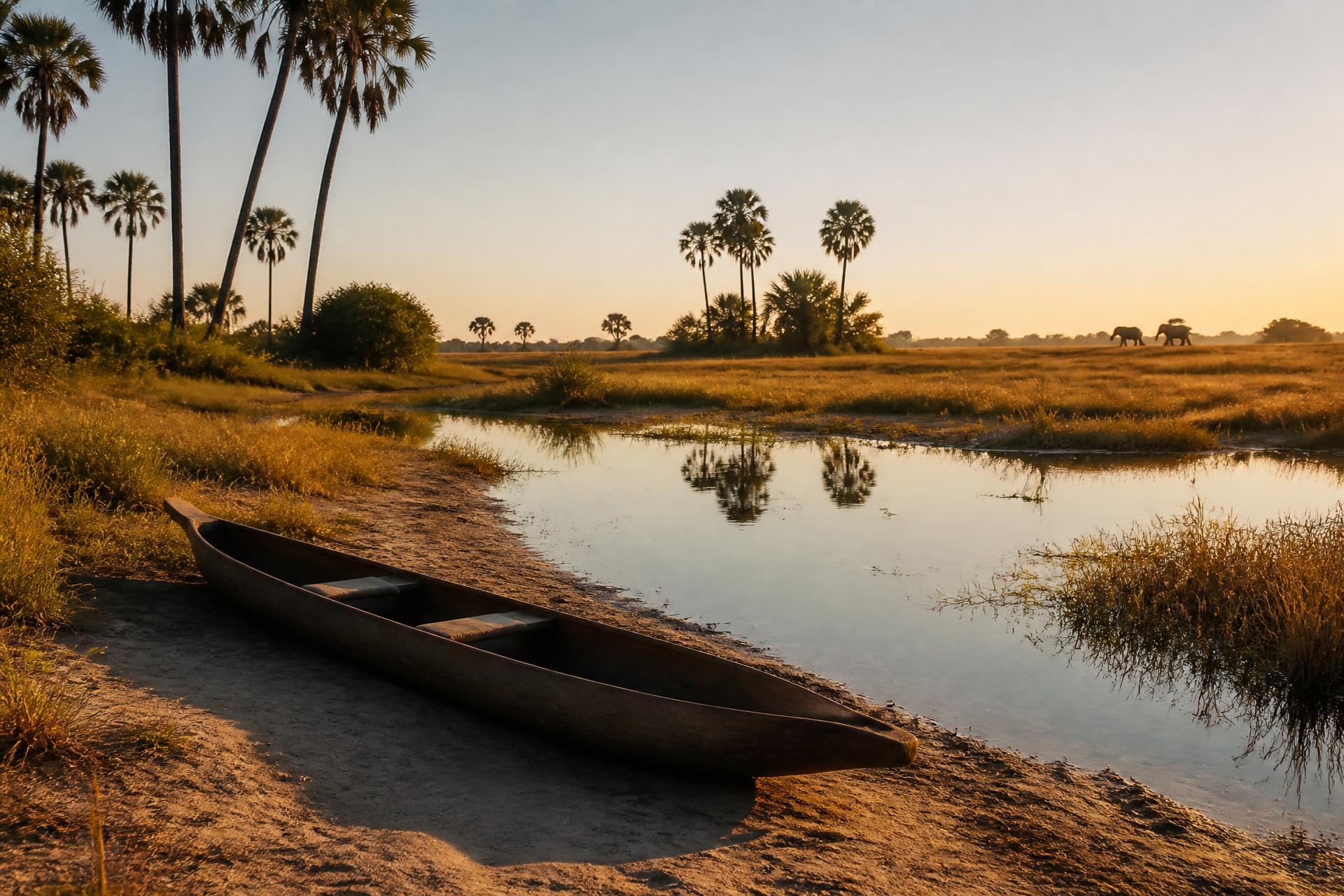
Sabi Sand or Kruger for game viewing, then a second landscape of a different character: Rwanda for the gorillas, Botswana for the water of the Okavango, or Cape Town as a quiet close.
Cape Town before and after a safari is the routing we recommend most often.
When to travel
The dry season from May to October remains the most reliable choice for game viewing. The green months photograph better and travel harder.
Fewer moves, longer stays, a good guide: that is the largest difference one can make to a safari.