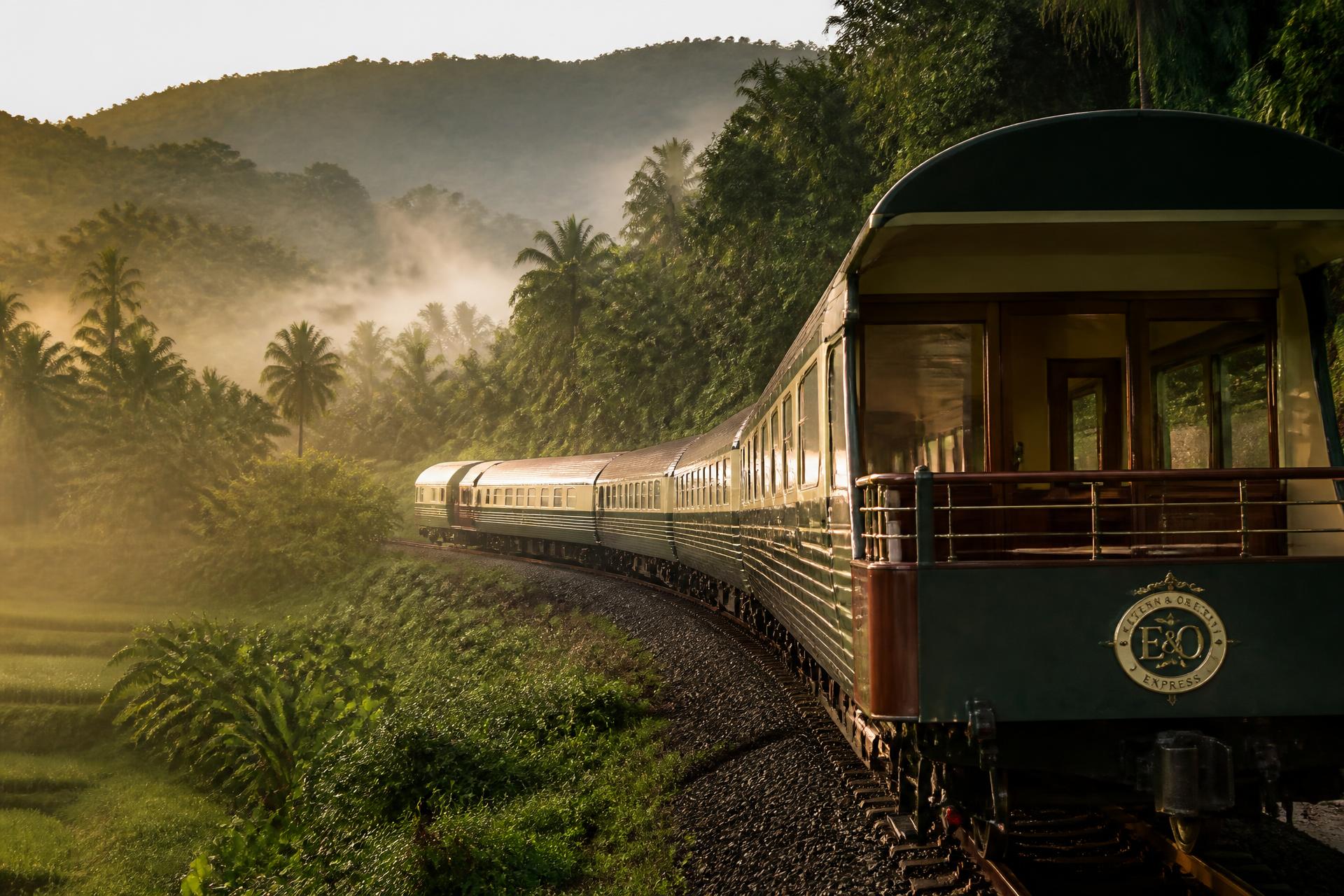
Eastern & Oriental Express — Singapur · Malaysia · Der Regenwald
Durch das Herz Südostasiens
Auf der Fahrt zwischen Singapur und Malaysia lädt der Eastern & Oriental Express Reisende ein, die Romantik des Bahnreisens neu zu entdecken und dabei einige der eindrucksvollsten Landschaften Asiens zu erleben.
Eine Einführung
Es beginnt mit warmer Luft und dem Geruch von Regen, der noch nicht gefallen ist.
Man tritt aus der Kühle des Terminals, und Singapur ergreift einen sofort — die Hitze legt sich wie ein Raum um einen, und mit ihr der Geruch von nassem Stein und Frangipani und etwas Grünem, Gewaltigem, irgendwo außer Sichtweite. Über einem hat sich der Himmel zinnfarben verfärbt. Es wird später regnen. Das weiß hier jeder, und niemand stört sich daran.
Auf dem Bahnsteig stehen grün-cremefarbene Waggons mit goldener Beschriftung, ganz still in der Schwüle. Ein Steward in Weiß kennt den Namen des Gastes, noch bevor dieser ihn nennt, nimmt den Koffer aus der Hand und verschwindet damit. Man steht mit leeren Händen da, und genau dann kommt das Gefühl auf: nicht ganz Aufregung, eher etwas Langsameres. Das Bewusstsein, am Anfang von Tagen zu stehen, nicht bloß von Stunden.
Dann die kühle Messingstange unter der Handfläche, der Schritt hinauf, ein Gang aus dunklem, poliertem Holz, Rattanpaneelen und kleinen Lampen, die schon gegen den Nachmittag leuchten. Bienenwachs, frisches Leinen, ein Hauch Zitronengras. Irgendwo im Waggon wird ein Glas abgestellt. Ein Pfiff, dünn in der feuchten Luft. Und der Bahnsteig beginnt sich, ganz sanft, zu verschieben.
Singapur lässt schneller los, als man denkt. Glastürme, dann Shophouses, dann ein Damm über braunem Wasser, und plötzlich wechselt das Land Name und Charakter zugleich. Reihen von Ölpalmen laufen in perfekten Diagonalen von der Strecke weg, öffnen und schließen sich beim Vorbeifahren. Das Licht wird lang und golden. Jemand stellt unaufgefordert ein Getränk hin.
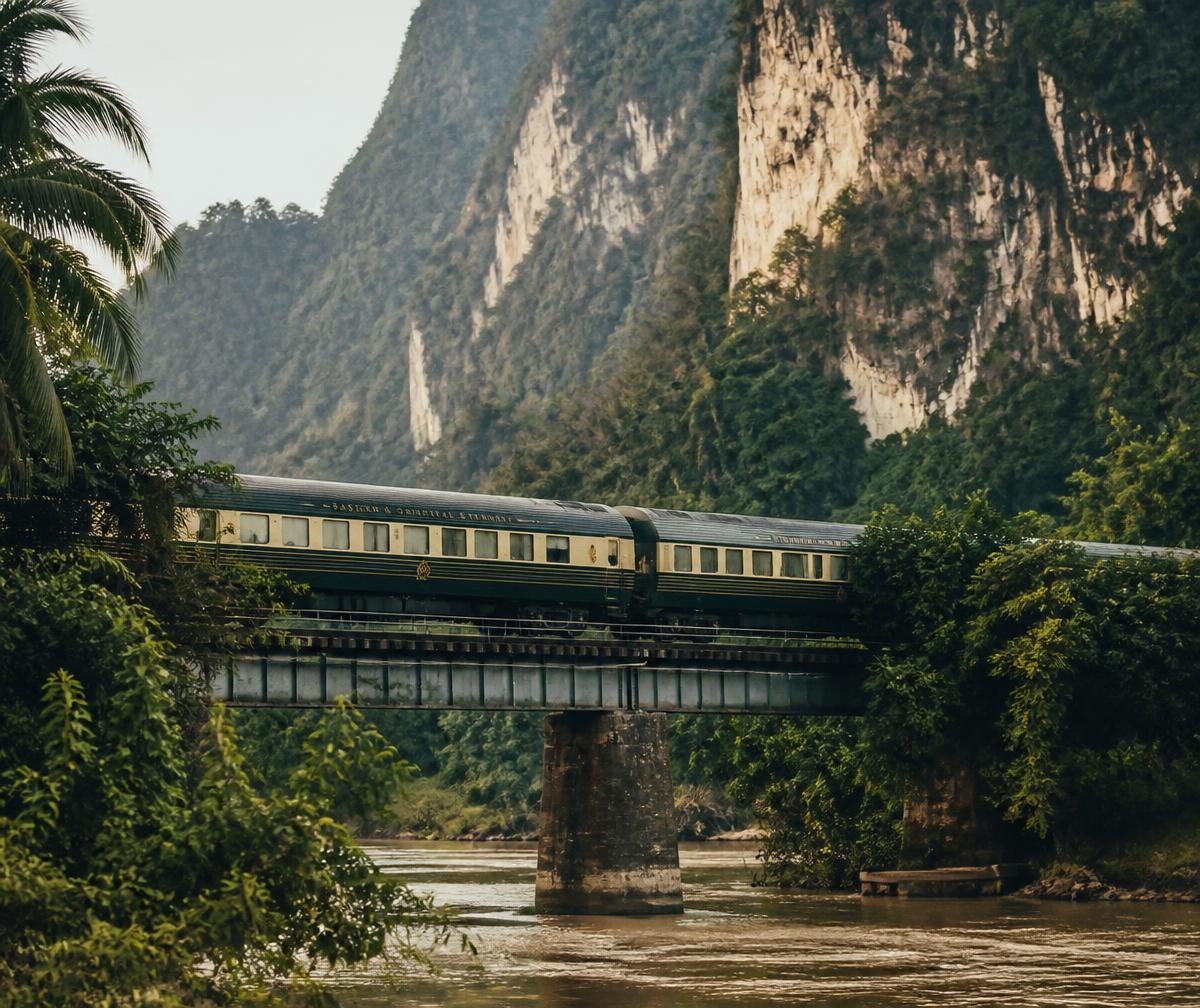
Und dann, ein bis zwei Stunden weiter nördlich, verlieren die Plantagen ihren Streit mit dem Wald. Grün schließt sich über den Gleisen. Farne an der Scheibe, darunter ein Fluss in der Farbe von milchigem Tee, Nebel liegt in den Falten der Hügel, als hätte man ihn dort vergessen. Ein Dorf aus Pfahlhäusern, dazwischen helle Wäsche, ein Kind auf einer Brücke, das winkt und weitergeht. Malaysia wird einem nicht vorgeführt. Es geht einfach seinem Abend nach, während man gerade vorbeikommt.
Das ist der ganze Gedanke, und er ist bescheiden: dass ein so schöner Kontinent es verdient, langsam durchquert zu werden, auf Fensterhöhe, mit einem kühlen Getränk und nichts, was drängt. Alles andere an Bord — das Holz, das Leinen, die Küche, das Eis — dient nur dazu, einen ein wenig länger an diesem Fenster zu halten.
Heritage & Design
Altweltliche Umgangsformen, ganz und gar südostasiatisch im Temperament
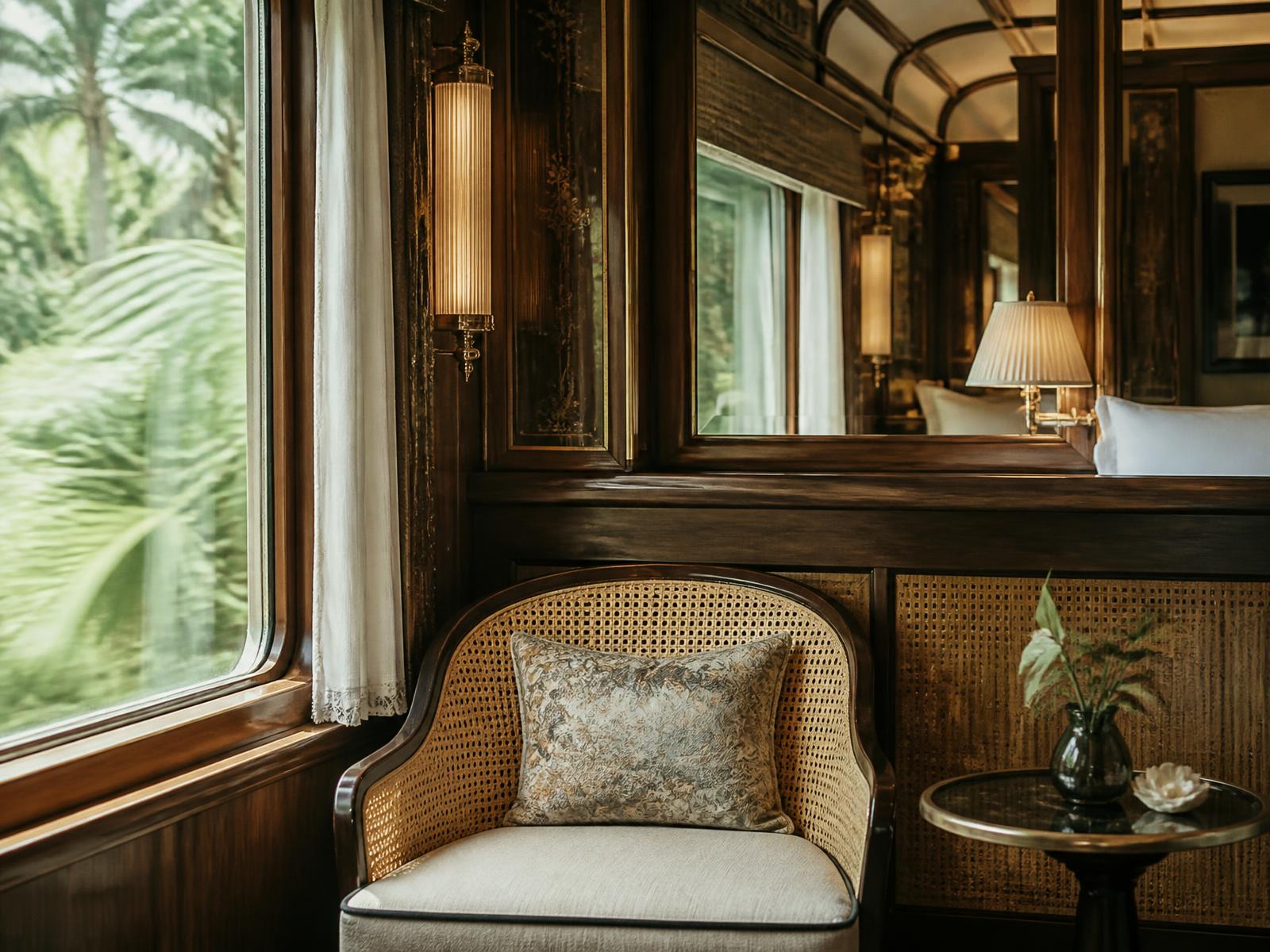
Ulme und Kirschholz, so lange poliert, bis sich die Lampen darin spiegeln. Rattan dort eingesetzt, wo ein europäischer Waggon einen Spiegel verwendet hätte. Seide in Farben, die der Region entlehnt sind — Seladon, Betelgrün, das tiefe Grün eines nassen Blattes — und Messingbeschläge, die von drei Jahrzehnten Handkontakt an den Kanten blass geworden sind.
Die Grundstruktur ist kolonial und leicht Art déco: die Geometrie der Intarsien, das Milchglas, die fächerförmige Einlegearbeit über einer Tür. Doch das Detail ist lokal. Songket-Weberei, Lack, eine geschnitzte Teakholzblende, Orchideen in einer kleinen Vase, die jeden Morgen wie selbstverständlich aufgefüllt wird. Nichts drängt sich auf. Alles wurde von Hand gefertigt, von jemandem, der damit rechnete, dass es Bestand haben würde.
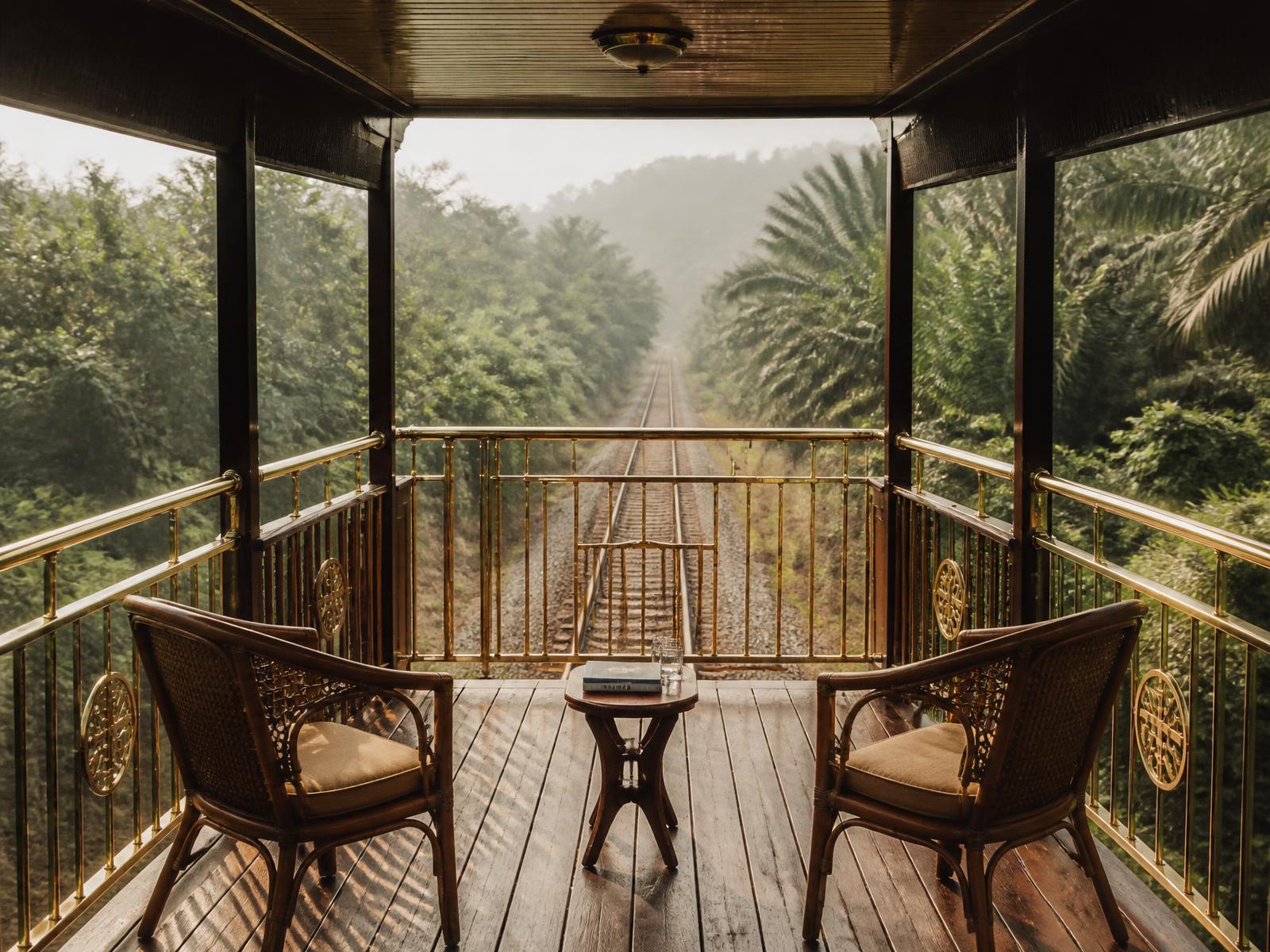
Und dann der Aussichtswagen am Zugende: offen zur Luft, Teakholz unter den Füßen, Messinggeländer, zwei Rattansessel und die Strecke, die sich hinter einem in den Bäumen abwickelt. Es ist der einprägsamste Raum jedes Zuges überhaupt — und er hat keine Wände.
Kabinen
Ein kleiner Holzraum, an dem ein Regenwald vorbeizieht
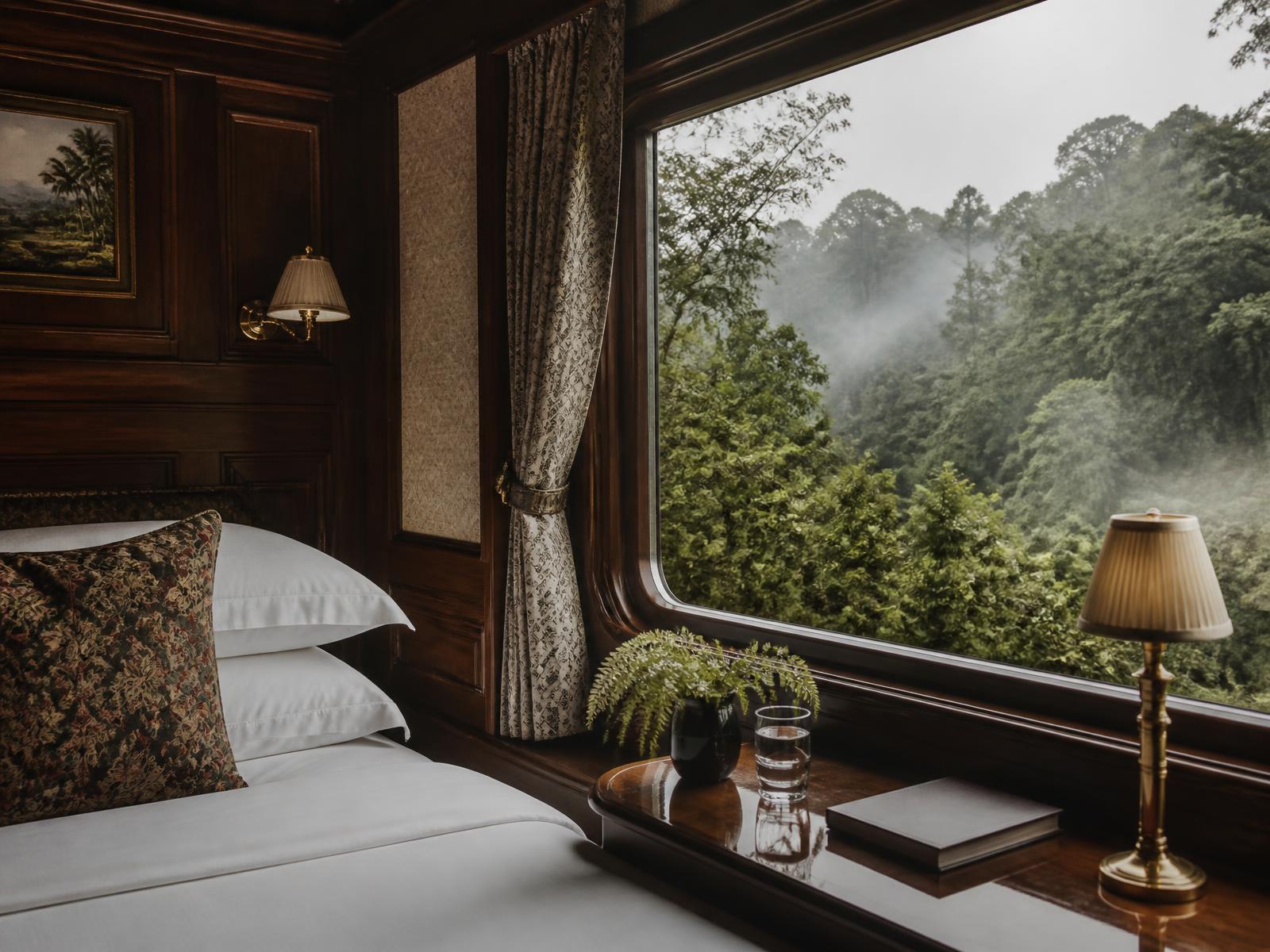
Es ist eher ein privater Rückzugsort als eine Koje: warmes Holz auf jeder Fläche, eine Sitzbank unter dem Fenster, eine Lampe mit plissiertem Schirm, die einen Lichtkreis wirft, genau groß genug für ein aufgeschlagenes Buch. Während man beim Abendessen ist, wird sie zum Schlafzimmer; noch bevor das Frühstück beendet ist, wieder zum Salon — und niemand scheint es je getan zu haben.
Das Fenster ist der Grund für all das. Man sitzt, die Schulter gegen die Vertäfelung gelehnt, und beobachtet ein Land, das man nicht benennen kann, an sich vorbeiziehen — eine Kautschukplantage, eine Moschee mit grünem Dach, ein Junge beim Angeln in einem Kanal, das Licht wird gelb und dann rosa. Lesen wird unmöglich. Alle geben irgendwann auf und schauen nur noch.
Nachts ist das Leinen kühl, der Ventilator dreht sich, und die Schienen finden unter dem Boden ihren Rhythmus. Um zwei Uhr morgens fällt Regen, hart und kurz auf das Dach, und hört wieder auf. Man lässt die Jalousie bewusst offen, damit beim ersten Blasswerden des Himmels über den Reisfeldern nichts mehr dazwischen steht.
Kulinarik
Die Region, gekocht in einer Galley von der Breite eines Korridors
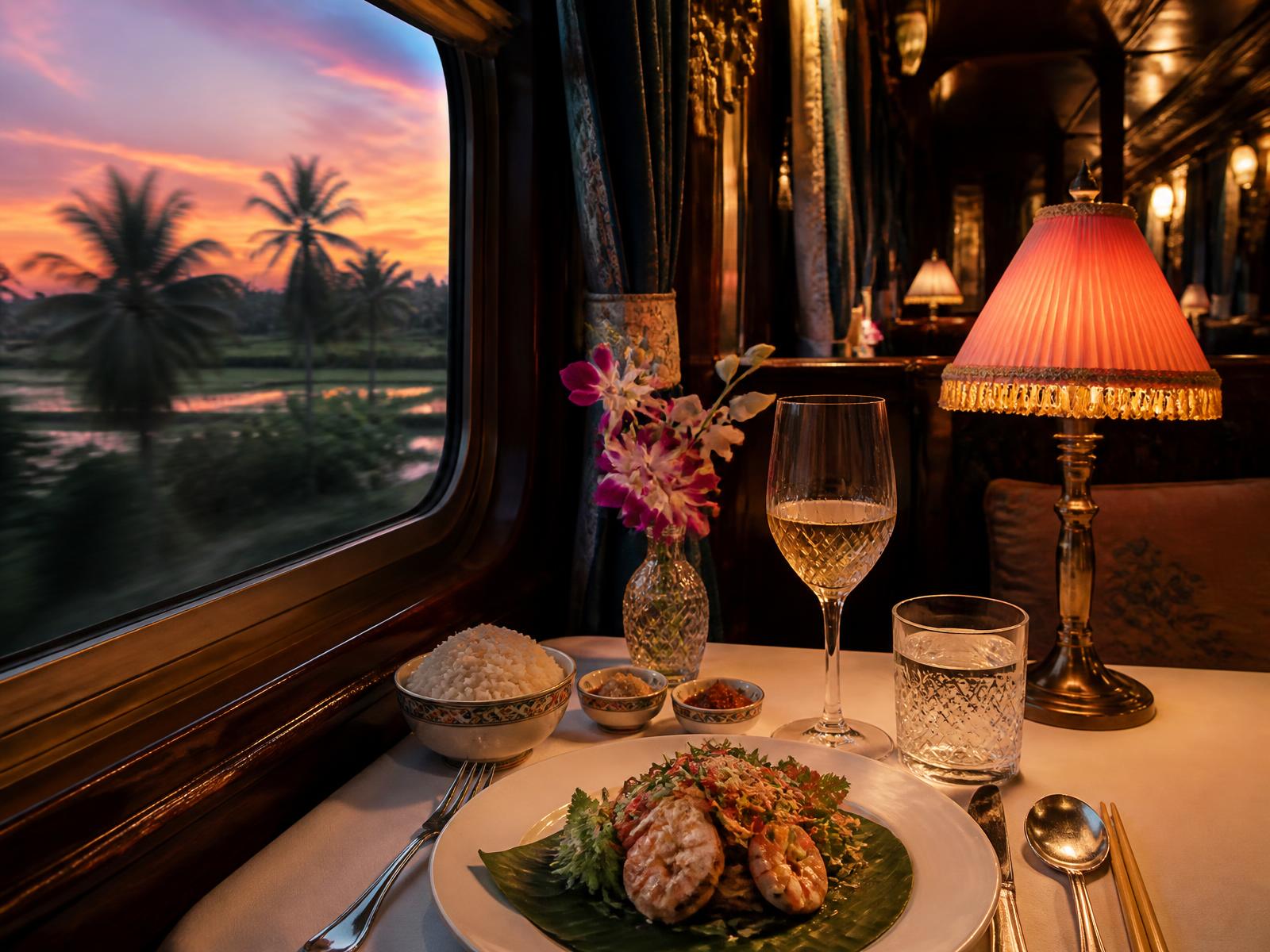
Das Mittagessen zieht sich, denn es gibt keinen Grund, es nicht zu tun. Kräuter, Minuten zuvor geschnitten — Koriander, Minze, Vietnamesischer Koriander, Kaffirlimette — und ihr scharfer, grüner Duft trifft ein, noch bevor der Teller kommt. Fisch, morgens von der Küste geholt. Reis, dessen Deckel am Tisch abgehoben wird. Sambal, das Widerworte gibt. Zum Abschluss Obst, das so schmeckt, wie Obst schmecken soll, und das nur selten tut.
Das Abendessen ist ruhiger und etwas formeller. Malaiische Grundlage mit thailändischen Nuancen, eine französische Hand bei der Technik, und was immer Jahreszeit und Märkte entlang der Strecke gerade hergeben. Kerzenlicht, ein guter Weißwein, das Fenster tiefschwarz bis auf eine gelegentliche Lampe in einem Dorf, und das Kristall klingt leise mit, sobald der Waggon eine Kurve nimmt.
Dazwischen: Afternoon Tea, langsam eingenommen und meist ein Vorwand, um weiter dem Dschungel zuzusehen, und danach ein Cocktail in der Bar — etwas Kaltes und Bitteres mit Limette —, während ein Pianist spielt und die tropische Dunkelheit draußen so plötzlich hereinbricht wie eine zufallende Tür.
Leben an Bord
Hier verhält sich die Zeit anders
Es gibt nichts zu tun, was einen halben Tag braucht, um akzeptiert zu werden, und danach zum einprägsamsten Teil der Reise wird. Man liest vier Seiten und blickt zwanzig Minuten lang auf. Man geht ohne jeden Grund den ganzen Gang entlang. Man steht hinten in der warmen Luft, die Hände am Messing, und schaut, wie die Strecke in den Bäumen verschwindet.
Gespräche kehren zurück, weil nichts mit ihnen konkurriert. Man spricht mit Fremden, wie man es seit der Jugend nicht mehr getan hat — über den Reiher im Reisfeld um sechs Uhr, über eine Brücke, darüber, wo man in Georgetown essen sollte. Jemand spielt gut Klavier, und niemand klatscht — was genau richtig ist.
Slow Travel ist ein abgenutzter Begriff, doch hier ist er wörtlich zu nehmen: eine Region im Tempo durchquert, in dem sie durchquert werden sollte, die Distanz gefühlt statt übersprungen. Man kommt an und weiß genau, wie weit man gekommen ist — und wie viel davon Wald war.
Signature Experiences
Sechs Stunden, die bleiben
Weniger Ausflüge als vielmehr Momente, die die Landschaft zu ihrer eigenen Zeit preisgibt — an jeden, der langsam genug unterwegs ist, um dabei zu sein.
No. 01
Die Abfahrt aus Singapur, in den letzten Stunden des Nachmittags
Zuerst verschwindet die Stadt — Glas, dann Shophouses, dann ihr langer grüner Saum — und binnen einer Stunde gibt es nur noch Plantagen, geordnet und endlos, deren Reihen sich beim Vorbeifahren öffnen und schließen. Jemand bringt ein Getränk, das Sie nicht bestellt haben und das genau richtig ist. Kaum jemand spricht. Das Fenster übernimmt die ganze Arbeit.
No. 02
Sonnenaufgang über den Reisfeldern
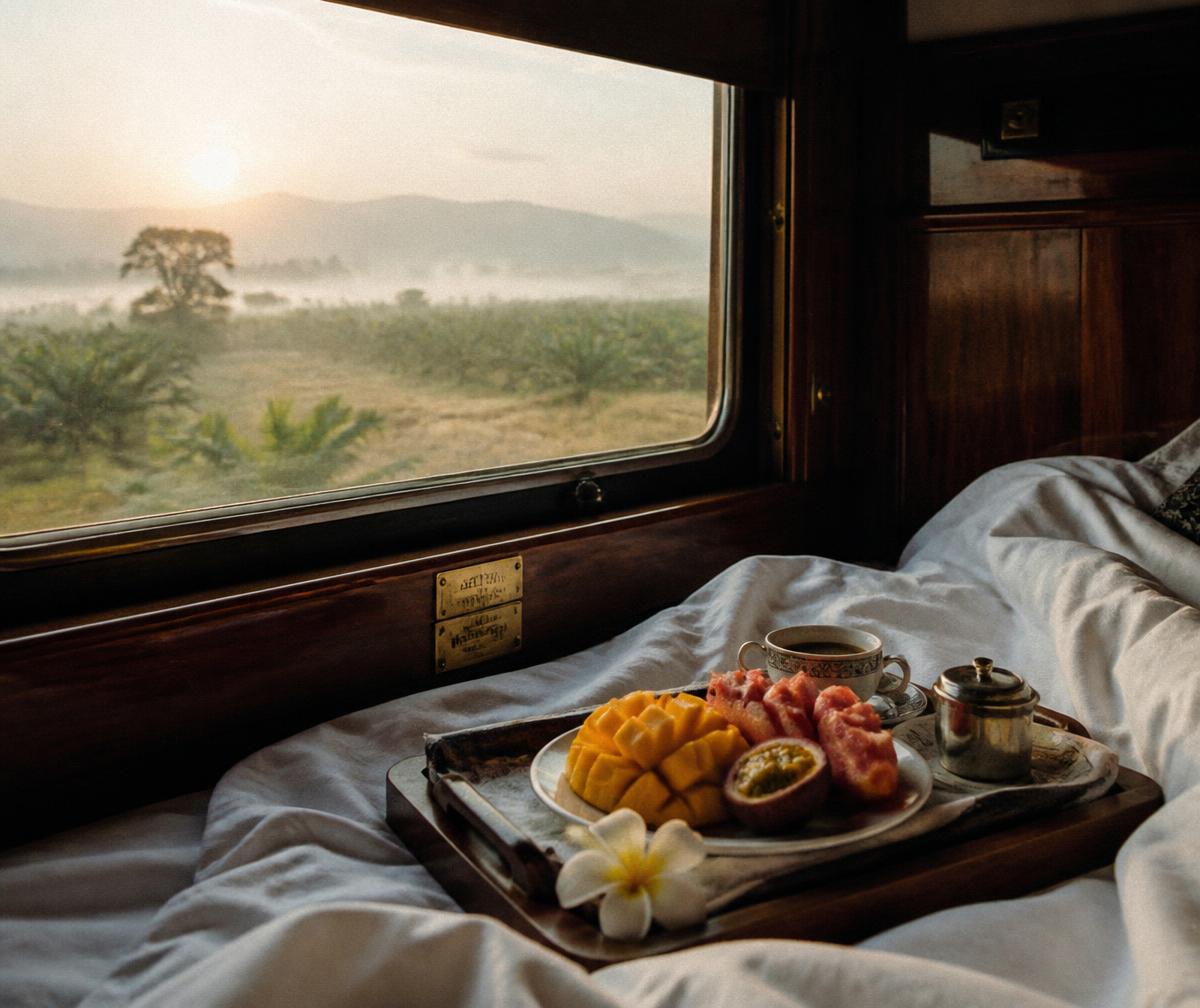
Sie wachen auf, weil sich das Licht verändert hat, nicht weil etwas Sie geweckt hätte. Die Jalousien öffnen sich über gefluteten Terrassen, die den ganzen Himmel in sich halten, Palmen stehen schwarz vor dem Rosa, ein Reiher hebt vom Wasser ab. Der Kaffee kommt. Sie trinken ihn im Bett sitzend, das Fenster einen Meter vor dem Gesicht — und das ist der Moment, von dem man Jahre später noch erzählt.
No. 03
Der Regenwald, der ohne Vorwarnung erscheint
Irgendwo im Norden geben die Plantagen auf, und der Dschungel übernimmt die Strecke. Grün schließt sich über den Gleisen, Farne streifen die Scheibe, Nebel liegt in den Falten der Hügel und bewegt sich nicht. Unten fließt ein Fluss in der Farbe von milchigem Tee. Der Waggon wird wieder still. Malaysia zeigt Ihnen den ältesten Regenwald der Erde im Tempo eines Fahrrads.
No. 04
Das Leben entlang der Bahnlinie
Kinder auf einer Brücke, die winken, ohne innezuhalten. Ein Mann, der ein Motorrad wäscht. Wäsche, bunt wie Fahnen, zwischen zwei Pfahlhäusern gespannt. Jemand steht mit einer Tasse in der Türe und beobachtet den Zug so, wie Sie ihn beobachten. Es ist das ehrlichste Reisen überhaupt: zwei Leben, die sich mit sechzehn Stundenkilometern begegnen, beide neugierig.
No. 05
Ein Nachmittag abseits des Zuges
Die Reise pausiert für eine Weile — ein Tempel in der Hitze, eine Dorfküche, eine Flussstadt mit ganz eigenem Rhythmus. Sie kehren mit dem Geruch von Holzrauch und Zitronengras in der Kleidung an Bord zurück, und der Zug setzt sich wieder in Bewegung, als hätte er lediglich höflich gewartet.
No. 06
Penang und die lange Geschichte der Straße von Malakka
Peranakan-Shophouses, gefliesten Böden, ein Clan-Steg auf Stelzen und das einprägsamste Frühstück der ganzen Region, im Stehen gegessen. Georgetown erklärt die gesamte Küste an einem einzigen Morgen: Malaiisch, Chinesisch, Indisch und Kolonial, seit zwei Jahrhunderten ineinander verwoben und noch immer in bester Laune über Nudeln uneins.
Galerie
Südostasien, in vier Bildern
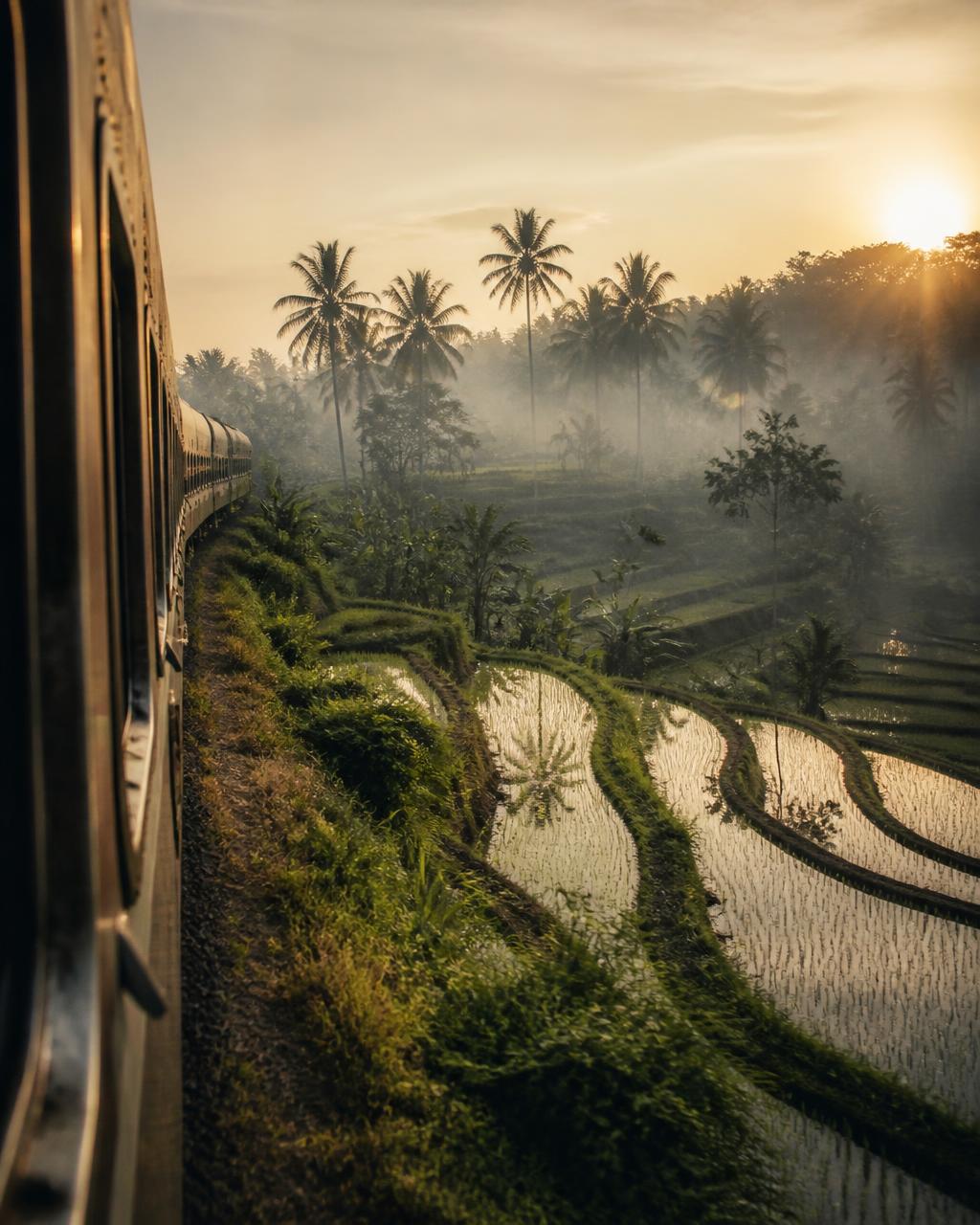
Erstes Licht, irgendwo in Kedah 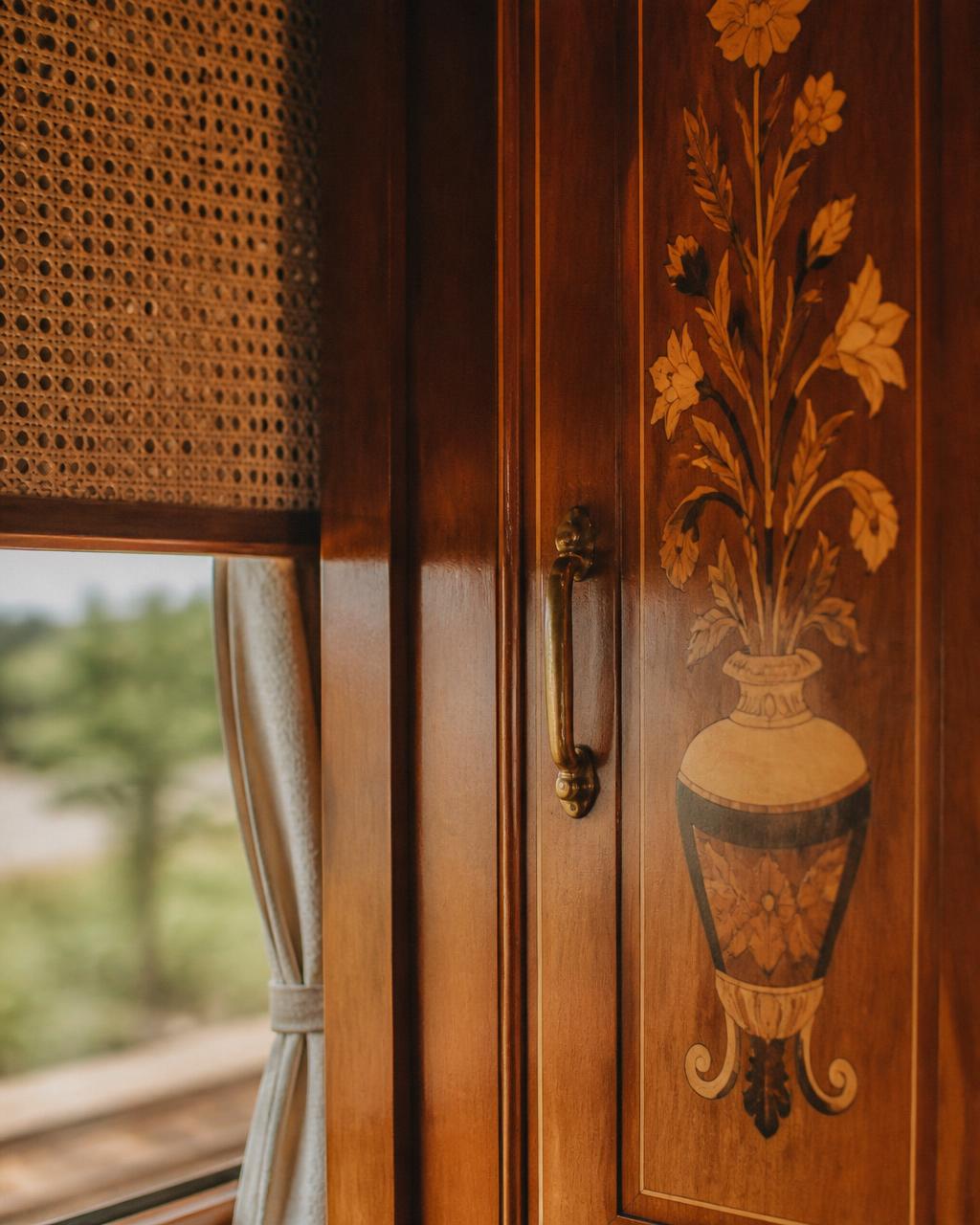
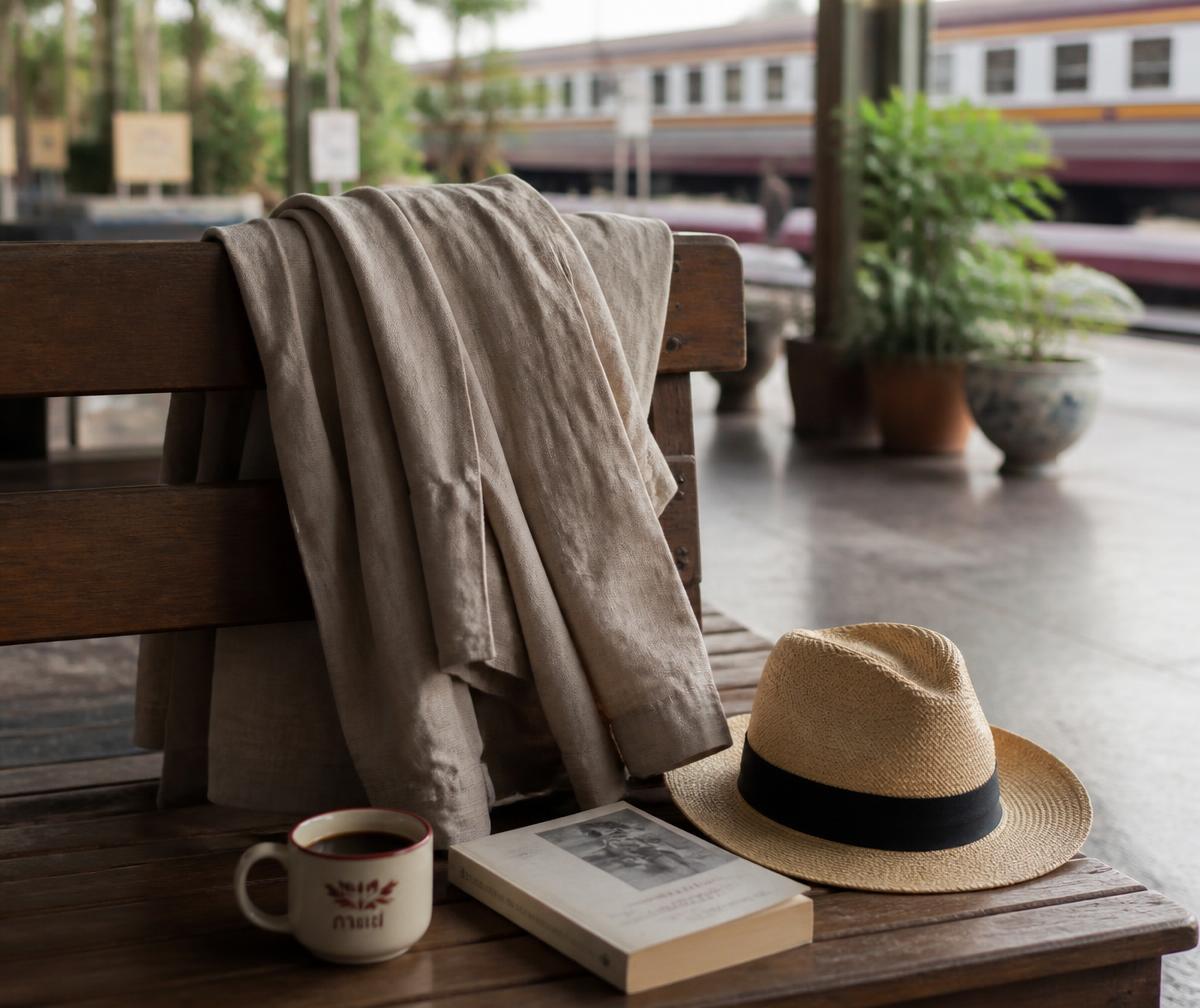
Holz, Rattan, Messing 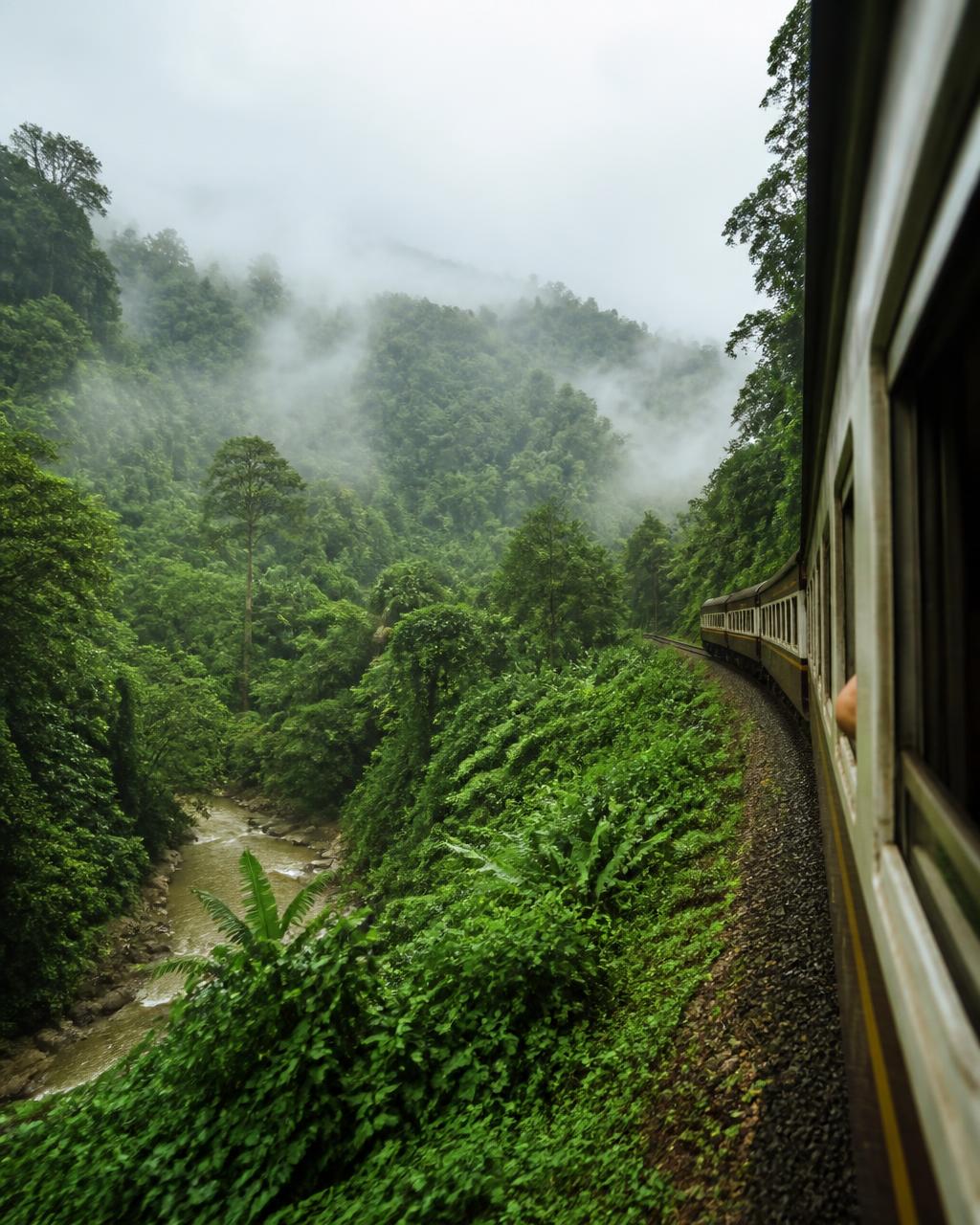
Der älteste Wald der Erde
Jenseits der Reise
Was wir an beiden Enden voranstellen würden
Ein paar Nächte auf Schienen sind für sich genommen schon schön. Zwischen den richtigen Städten und der richtigen Küste eingebettet, werden daraus Wochen, von denen Sie noch lange erzählen werden.
No. 01
Singapur, drei Tage vorab
Nicht die Skyline. Die andere Stadt: Frühstück in einem Hawker-Zentrum, bevor die Hitze kommt, ein Nachmittag im Botanischen Garten unter Regenbäumen, die Shophouse-Straßen von Tiong Bahru und ein langer Abend auf der Veranda mit einem Gin und einem Deckenventilator. Raffles ist die naheliegende Adresse und, ungewöhnlich genug, auch die richtige.
No. 02
Penang, für die Küche und die Fliesen
Mindestens zwei Nächte in Georgetown. Peranakan-Interieurs, ein Tempel im Morgengrauen, ein Hügel über der Straße von Malakka und ein Essen, das jeden anderen Ort danach blass wirken lässt. Mit Appetit hin und ohne Zeitplan, und dort essen, wo die Warteschlange einheimisch ist.
No. 03
Langkawi und The Datai
Der naheliegende Abschluss. Ein zehn Millionen Jahre alter Regenwald, der bis in die Andamanensee reicht, Nashornvögel über dem Blätterdach beim Frühstück, und ein Strand, den man durch die Bäume erreicht. Eine Woche einplanen — es ist der einzig sinnvolle Weg, nach einer solchen Reise wieder zur Ruhe zu kommen.
No. 04
Kuala Lumpur, kurz und richtig
Eine Stadt, die meist übersprungen wird, und das selten von jemandem, der eine Nacht dort verbracht hat. Koloniale Bahnhofsarchitektur, eine Kaffeekultur mit echter Überzeugung, Kalksteinhöhlen am Stadtrand und eine Restaurantszene, die ihren Ruf still hinter sich lässt.
No. 05
Bangkok, am nördlichen Ende
Zuerst der Fluss. Ein Hotel am Wasser, ein Longtail-Boot in der Dämmerung, ein altes Teakholzhaus am Morgen und ein Abendessen irgendwo ohne Schild an der Tür. Bangkok belohnt jene, die langsam ankommen — und nach mehreren Tagen auf Schienen wird genau das der Fall sein.
No. 06
Die Inseln, wenn die Jahreszeit es zulässt
Die Andamanenküste zwischen November und April: Kalksteinfelsen, die aus grünem Wasser ragen, ein Boot ohne Reiseplan, und die besondere Stille einer Bucht, bevor alle anderen wach sind. Wir wählen die Unterkünfte nach ihrer Lage aus, nicht nach ihrem Namen.
No. 07
Das Ganze, sorgfältig zusammengehalten
Ob eine Reise durch Südostasien zu einer Geschichte wird und nicht nur zu einer Route, entscheidet sich an dem, was an beiden Enden steht. Wir planen diese Tage genauso sorgfältig wie die Zugfahrt selbst: weniger Orte, längere Aufenthalte und Zimmer, die wegen ihrer Fenster gewählt wurden.
Pure Voyage Loves
Fünf kleine Dinge
- Der erste Kaffee des Morgens, mit beiden Händen gehalten, während sich der Nebel über dem Regenwald hebt und die Hügel Stück für Stück zurückkehren.
- Der Klang der Schienen nach Sonnenuntergang — gleichmäßig, unbeeilt, mit Regen irgendwo auf dem Dach und dem Ventilator, der über dem Bett dreht.
- Dörfer, die so langsam vorbeiziehen, dass man eine Küche, ein Fahrrad, eine erhobene Hand in einer Türöffnung erkennt.
- Ein kühles Getränk im Aussichtswagen, während sich die Strecke hinter einem in den Bäumen verliert und niemand etwas sagt.
- Das Abendessen, während die tropische Dunkelheit draußen mit einem Schlag hereinbricht, der Raum golden wird und das Fenster halb zum Spiegel.
Für wen diese Reise ist
Reisende, für die die Mitte der Reise der wichtigste Teil ist.
Sie eignet sich für Menschen, die neugierig auf Südostasien sind und nicht nur warmes Wetter suchen: die das Land zwischen den Flughäfen sehen wollen, die sich vor der Reise über einen Ort informieren, und die eine Küste lieber verstehen als bloß abhaken möchten. Sie eignet sich für alle, die Essen ernst nehmen — denn das tut die Region auch.
Sie eignet sich für Fotografen, die ein Fenster im Gehtempo als den einprägsamsten Schreibtisch Asiens entdecken werden, und für Schriftsteller, denen es ebenso ergeht. Sie eignet sich für Romantiker und für Anlässe — den Hochzeitstag, den runden Geburtstag, das Jahr, das eine Markierung verdient hat. Und sie eignet sich für langsame Reisende, die längst ahnen, dass die Ankunft der am wenigsten interessante Teil einer Reise ist.
Seien Sie ehrlich mit sich, was den Rest betrifft. Es sind mehrere Tage auf einem fahrenden Zug: Die Kabinen sind klein, die Gänge schmal, die Luftfeuchtigkeit real, und alles dauert absichtlich länger, als es müsste. Wer vor allem Effizienz sucht, sollte fliegen und wird zum Mittagessen bereits in Bangkok sein. Er wird dabei lediglich die Reisfelder im Morgengrauen verpasst haben — und den eigentlichen Sinn der Sache.
Eine Notiz des Redakteurs
„Ich erinnere mich kaum an die Ankunft — und an alles, was den Morgen davor betraf."
Das ist, glaube ich, das ganze Argument dafür. Die meiste Zeit unseres Reiselebens verbringen wir damit, die Distanz zwischen zwei Orten zu verkürzen. Ab und zu lohnt es sich, genau das Gegenteil zu tun — den langen Weg zu nehmen, durch den Wald, mit offener Jalousie und Kaffee um sechs. Man kommt nicht mit Fotografien eines Zuges zurück. Man kommt mit einem Land zurück.
Das Pure Voyage Team
Aus dem Journal
Weiterlesen
Bahnreisen — August 2026
Asiens schönste Zugreise
Über Plantagen, Regenwald und Flussüberquerungen — und warum die Strecke zwischen Singapur und Bangkok nach wie vor der schönste Weg ist, eine Landkarte zu lesen.
Malaysia — Juli 2026
Warum Malaysia mehr Aufmerksamkeit verdient
Alle fliegen darüber hinweg. Notizen über das Land dazwischen — seine Küsten, seine Küchen und das stille Vergnügen des weniger befahrenen Weges.
Slow Travel — Juni 2026
Die Romantik des langsamen Reisens
Zwei Stunden im Flugzeug oder zwei Tage auf Schienen. Über das, was bei der Ersparnis verloren geht, und warum die längere Variante diejenige ist, die im Gedächtnis bleibt.
Unsere Einschätzung
Warum wir sie empfehlen
Kein anderer Zug bringt diese Landschaften so nah, ohne sie zu durchqueren wie eine Aufgabe. Der Wagen ist Bühne, das Land spielt.
- Beste Reisezeit
- Februar bis September, außerhalb der stärksten Regenzeit.
- Empfohlene Dauer
- Zwei bis drei Nächte, kombiniert mit Inseln oder Bangkok.
- Für wen sie sich eignet
- Reisende, die Südostasien kennen und einen anderen Blick darauf suchen.
Pure Voyage Notiz
Legen Sie den Zug an den Anfang, die Insel ans Ende. Umgekehrt fühlt sich die Rückkehr in den Waggon nach einem Schritt zurück an.
Unterwegs
Hotels entlang des Weges
Die Adressen, die wir für diese Reise am häufigsten vorschlagen — als Ausgangspunkt, nicht als feste Route.
Mandarin Oriental Bangkok
Bangkok
Am Fluss, seit 1876 — der klassische Auftakt.
Zur BeschreibungThe Datai Langkawi
Langkawi
Regenwald am Meer, direkt danach.
Zur BeschreibungRaffles Singapore
Singapur
Ein Ende mit Geschichte.
Danach
Reisen, die dazu passen
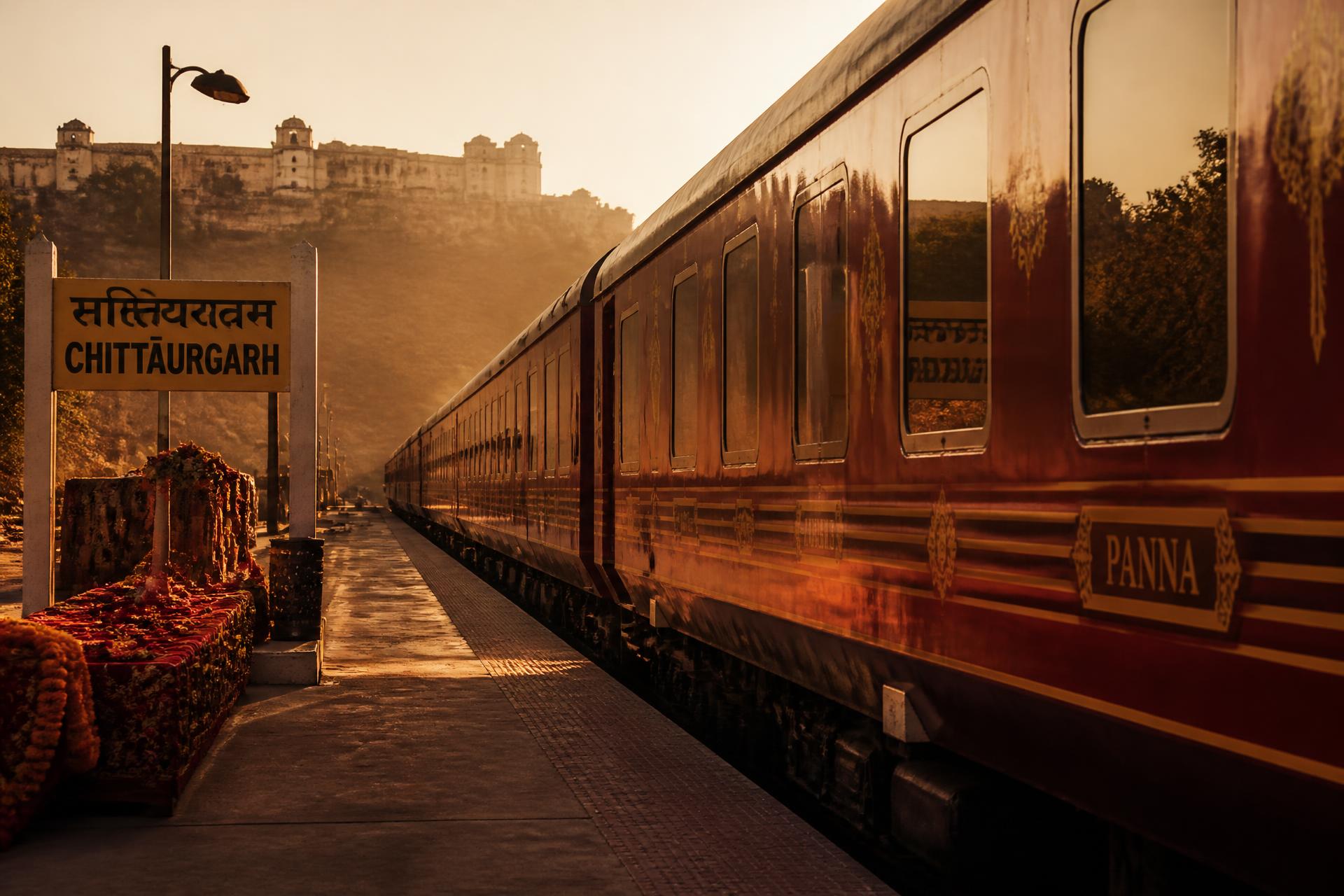
The Maharajas' Express
Indien mit Abstand, aber ohne Distanz.
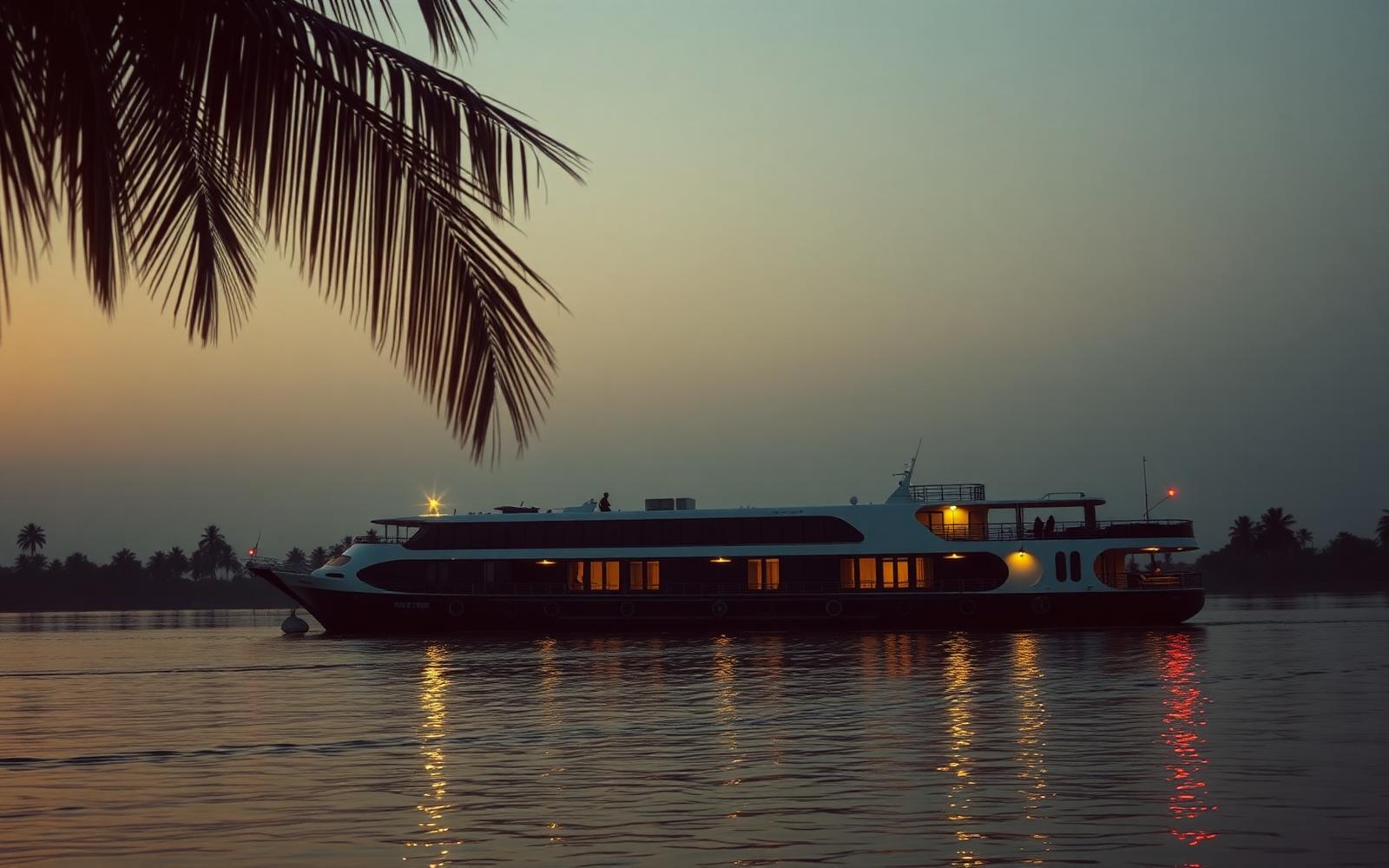
Aqua Mekong
Ein kleines Schiff auf einem Fluss, der das halbe Leben zweier Länder trägt.
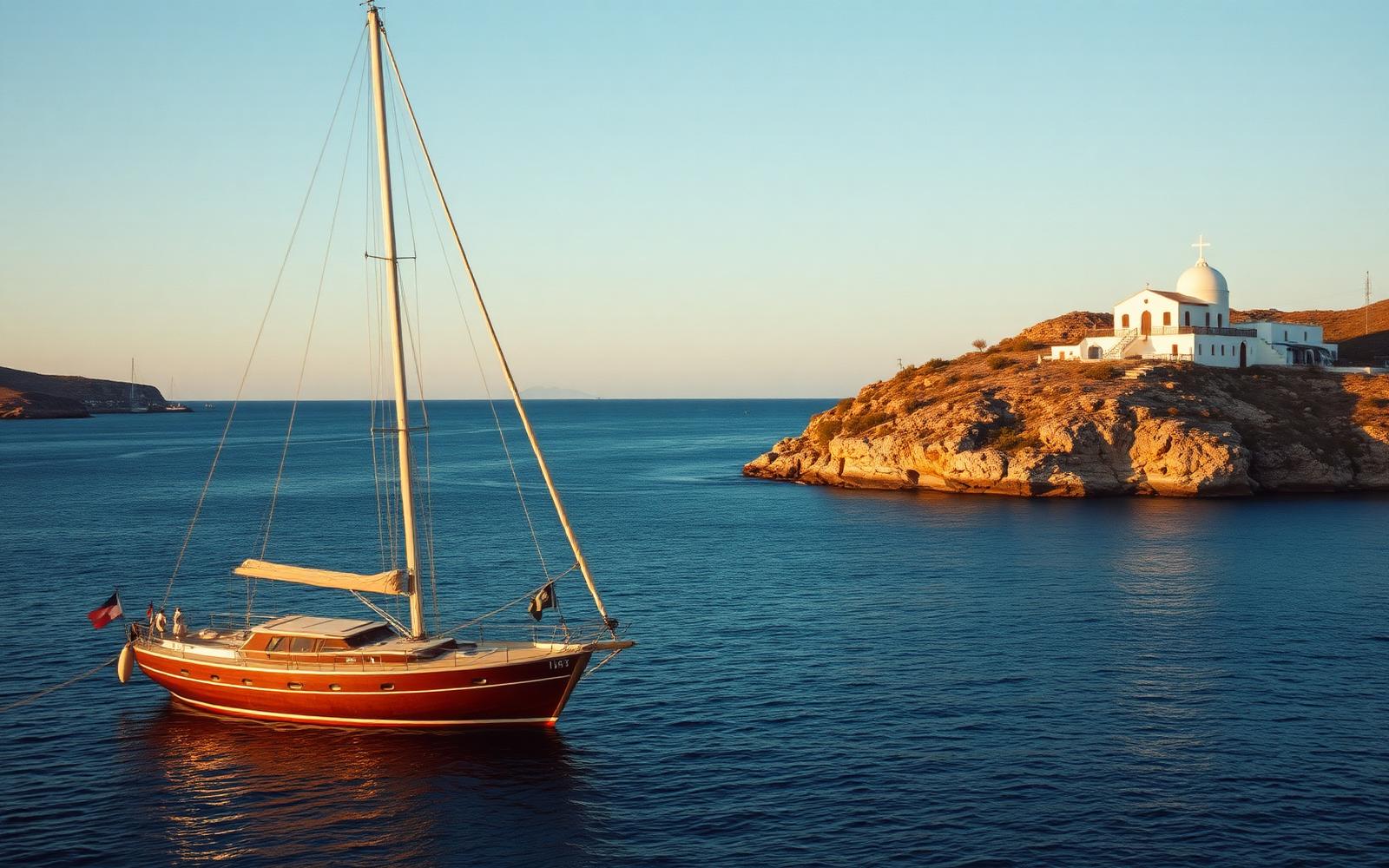
Griechische Inseln unter Segeln
Buchten, die man nur vom Wasser aus erreicht — und Häfen, die abends leer werden.
Ob diese Reise zu Ihnen passt, klärt sich am schnellsten im Gespräch.
Reisezeit, Dauer und die Hotels davor und danach entscheiden mehr über das Ergebnis als die Route selbst.
Gespräch mit dem ConciergeEine persönliche Anfrage
Lassen Sie uns Ihre südostasiatische Reise gestalten
Wenn der Gedanke, Malaysia langsam zu durchqueren, Sie reizt, arrangieren wir das gerne persönlich — die richtige Abfahrt, die richtige Richtung und die richtige Kabine im richtigen Waggon.
Singapur zuvor und Penang, Langkawi oder Bangkok danach; der Regenwald in der grünen Jahreszeit oder die Küste in der Trockenzeit; und jede Nacht an beiden Enden in Adressen, die wir mit derselben Sorgfalt auswählen wie alles andere. Nennen Sie uns die Jahreszeit und den Anlass, wir gestalten den Rest darum herum.
Warum über Pure Voyage buchen?
- Persönliche Luxusreiseberatung
- Sorgfältig gewählte Hotelempfehlungen
- Ein Reiseplan, der zu Ihnen passt
- Partnervorteile, wo sie verfügbar sind
- Persönlicher Ansprechpartner von Anfang bis Ende

Eine Einladung
Einmal im Monat: Hotels, Neueröffnungen und Reiseideen
Ein Hotel, das uns überzeugt hat. Eine Neueröffnung, die wir im Blick haben. Und eine Reiseidee zur richtigen Jahreszeit. Sorgfältig ausgewählt und auf das Wesentliche reduziert.