Yachtreisen
The Ritz-Carlton Yacht Collection
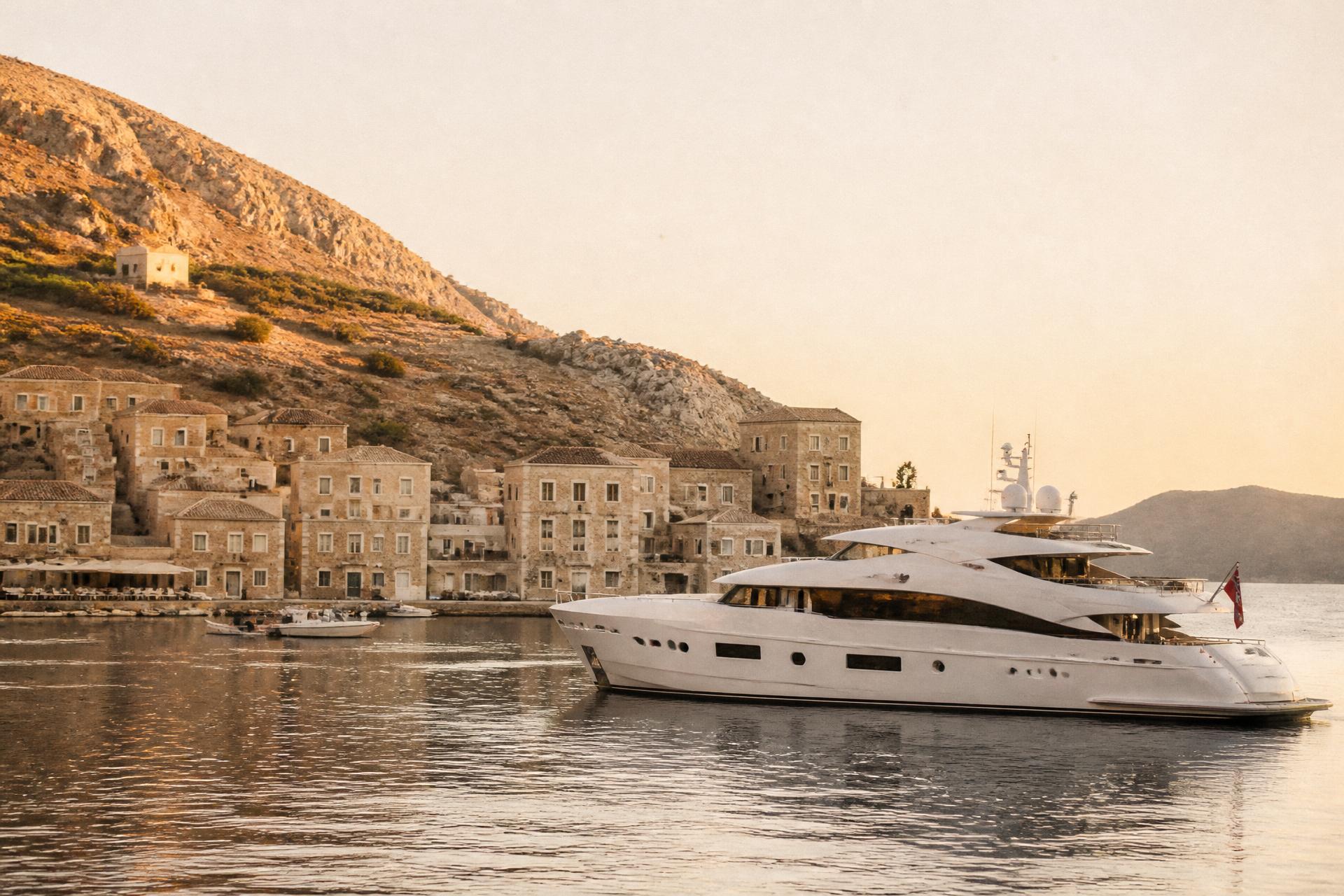
Eine kleine Yacht mit einer ernstzunehmenden Kunstsammlung, unterwegs zwischen Häfen, die für Grösseres zu bescheiden sind — und die dort über Nacht bleibt.
Eine Einführung
Es ist kein Schiff mit einem Hotel darauf. Es ist ein privates Hotel, das zufällig fährt.
An Bord sind weniger Gäste als in den meisten mediterranen Hotels, und die Yacht ist im Massstab der Küste gebaut, die sie befährt: niedrig, weiss, unaufgeregt, und klein genug, um in den alten Hafen zu gleiten statt in den Handelshafen. Man legt nicht ab. Man geht einfach an Land.
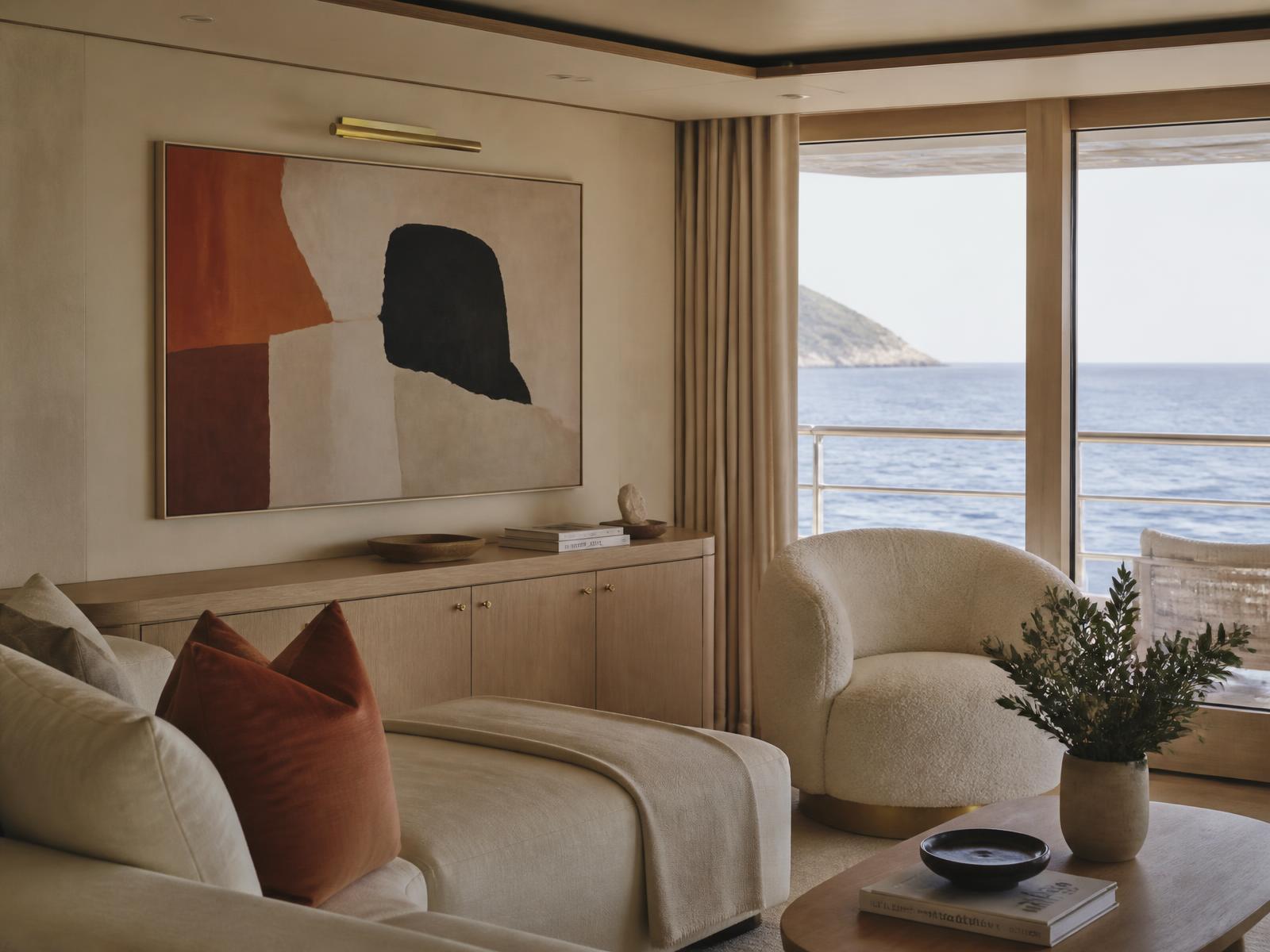
Innen erinnert die Stimmung eher an das Apartment eines Sammlers als an einen öffentlichen Raum. Ein Gemälde pro Wand, richtig beleuchtet. Kalkputz, helle Eiche, unlackiertes Messing, und Möbel, die gewählt wurden, weil sie jemandem gefielen, nicht weil sie einen Grundriss füllten.
Daraus ergibt sich eine besondere Art von Woche. Die Yacht bleibt zwei Nächte, wo andere vier Stunden bleiben. Das Abendessen endet spät, an Land, und der Rückweg am Kai entlang gehört zum Abend dazu. Nichts an der Reise kündigt sich laut an — das ist die ganze Idee.
Die Philosophie
Klein aus Absicht, langsam aus Überzeugung
Jede Entscheidung an Bord folgt einer einzigen Zurückhaltung: etwas zu bauen, das klein genug ist, um überall willkommen zu sein. Ein flacher Tiefgang und ein bescheidener Rumpf öffnen hundert Häfen, die der Industrie verschlossen bleiben — und genau diese Häfen sind es, ausnahmslos, in denen es sich lohnt aufzuwachen.
Langsamkeit ist die zweite Disziplin. Übernachtungen im Hafen statt Tagesbesuche, zwei Nächte statt einer, und lange Phasen vor Anker, in denen der einzige Termin das Licht ist, das um sieben vom Wasser weicht.
Der Service bleibt bewusst ausserhalb des Blickfelds. Es gibt mehr Crew als Gäste, und die Decks wirken leer; jemand merkt sich, wie Sie Ihren Kaffee trinken, und erwähnt es nie wieder. Nichts wird angekündigt. Die Dinge sind einfach schon so, wie man sie sich gewünscht hätte.
Die Kollektion
Drei Yachten, eine Haltung
Evrima, Ilma und Luminara sind Schwestern statt Kopien: dieselbe niedrige weisse Silhouette, dasselbe grosszügige Glas, und Innenräume, die sich zum Wasser hin abstufen, statt sich darüber aufzutürmen.
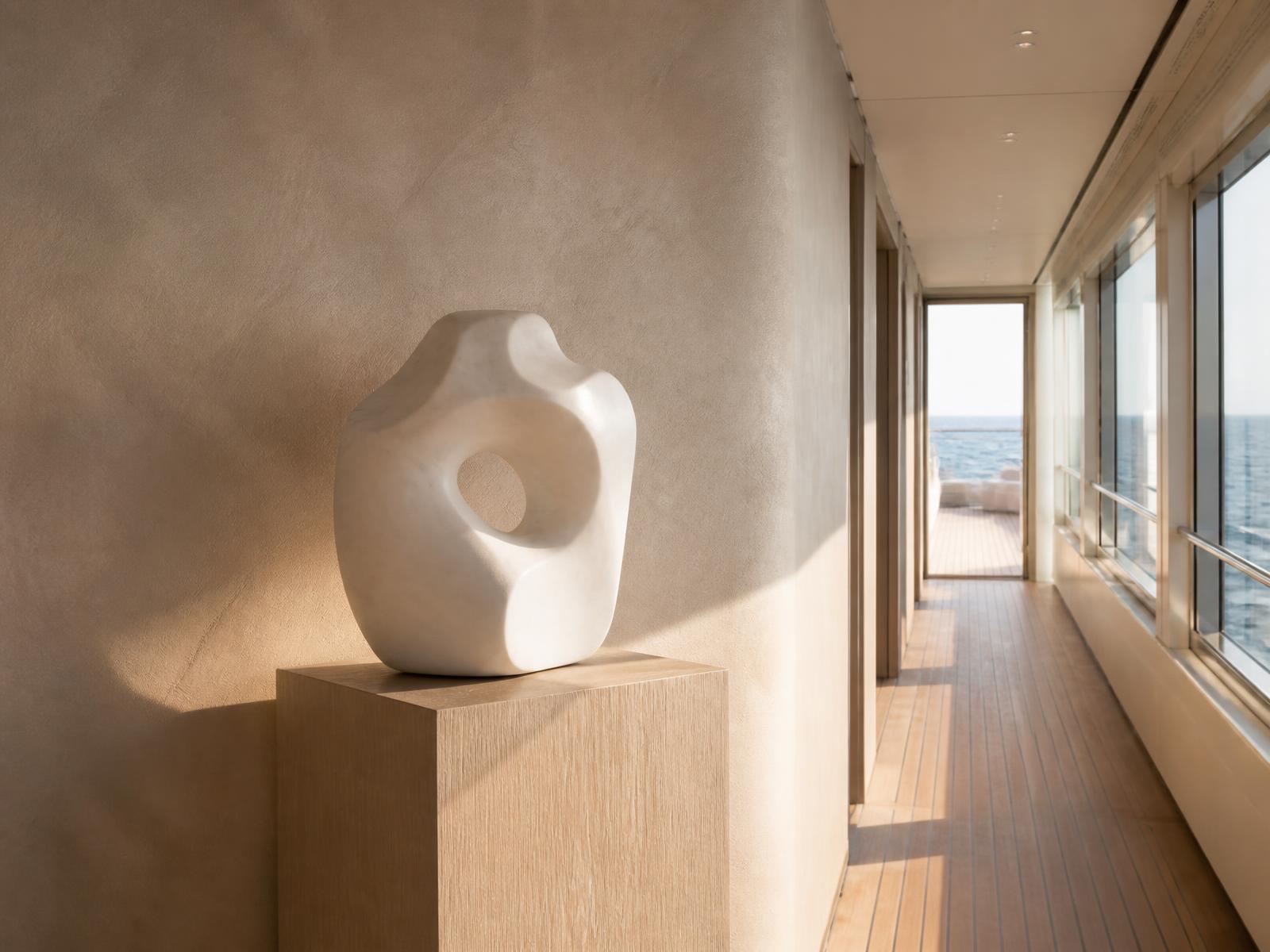
Jede trägt eine eigens in Auftrag gegebene Sammlung zeitgenössischer Kunst — Gemälde, Keramik, eine Skulptur am Ende eines Gangs — gehängt mit der Zurückhaltung eines Privathauses. Kunst ist hier keine Dekoration; sie ist der Grund, warum bestimmte Wände existieren.
Die Materialien gehören zur Küste: Travertin, Kalkputz, Eiche, Messing, cremefarbenes Leinen. Gewählt, damit die Yachten in zwanzig Jahren genauso aussehen wie am Morgen ihrer Ankunft.
Die Suiten
Jeder Raum blickt aufs Meer, und nur aufs Meer
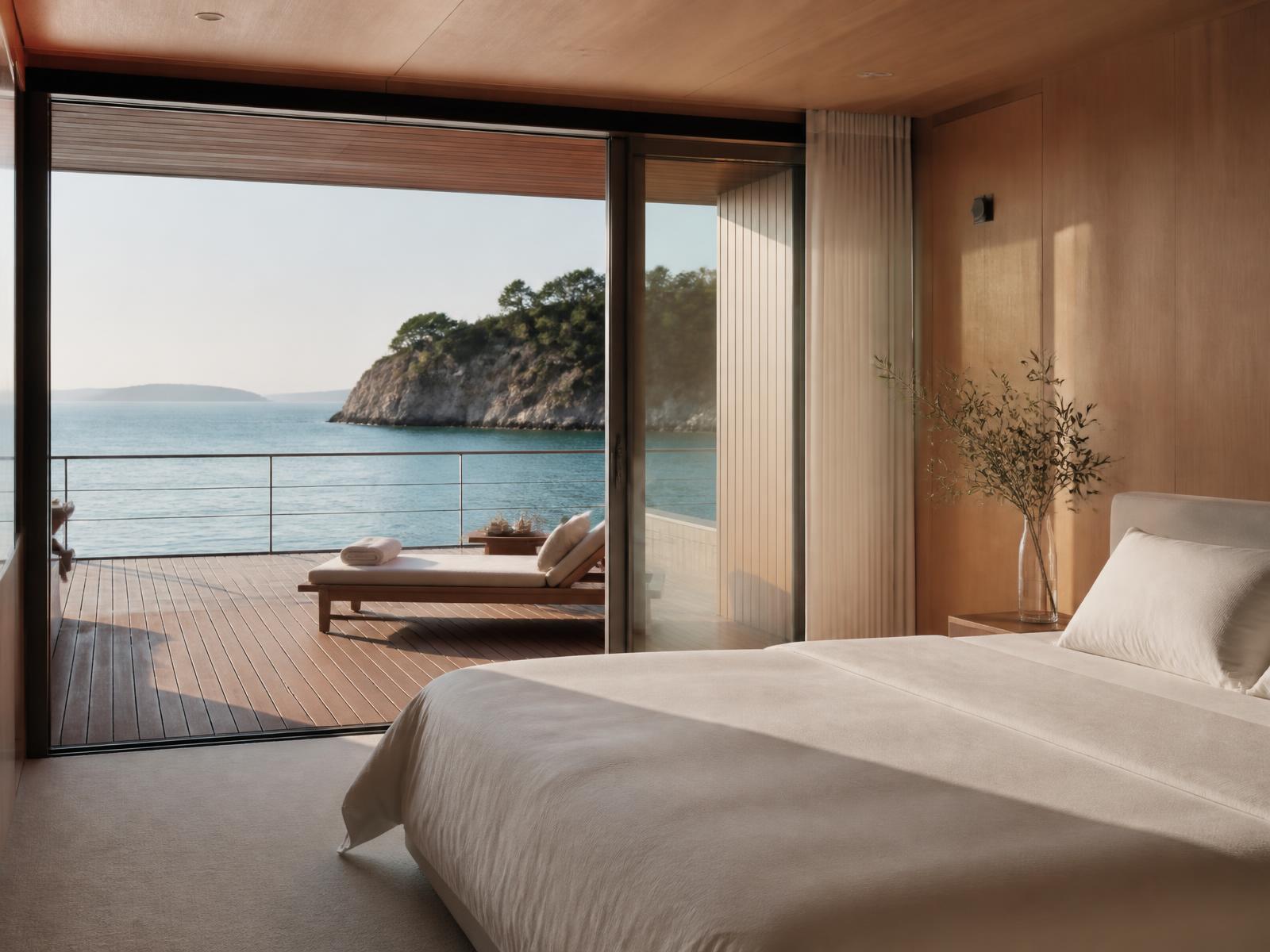
Es gibt weniger als hundertfünfzig davon, jede mit eigener Terrasse — breit genug zum Essen, tief genug zum Schlafen, privat genug, um den Rest des Schiffes zu vergessen.
Suite Nr. 01
The Terrace Suite
Ein Raum, dessen vierte Wand das Wetter ist. Die Türen lassen sich ganz zurückschieben, das Teakholz beginnt, wo der Boden endet, und spätestens am zweiten Morgen schliessen Sie nichts mehr.
Suite Nr. 02
The Loft Suite
Zwei Ebenen, verbunden durch eine helle Eichentreppe, ein mit Leinen ausgekleidetes Ankleidezimmer und ein Bad aus einem einzigen Travertinblock — die Proportionen eines Stadthauses, keiner Kabine.
Suite Nr. 03
The Owner's Suite
Die ruhigste Adresse an Bord: ein privater Tauchpool auf eigenem Deck, Glas auf drei Seiten, und ein Horizont, der für die Dauer der Reise niemand anderem gehört.
Kulinarik
Der Markt um acht, der Tisch um acht
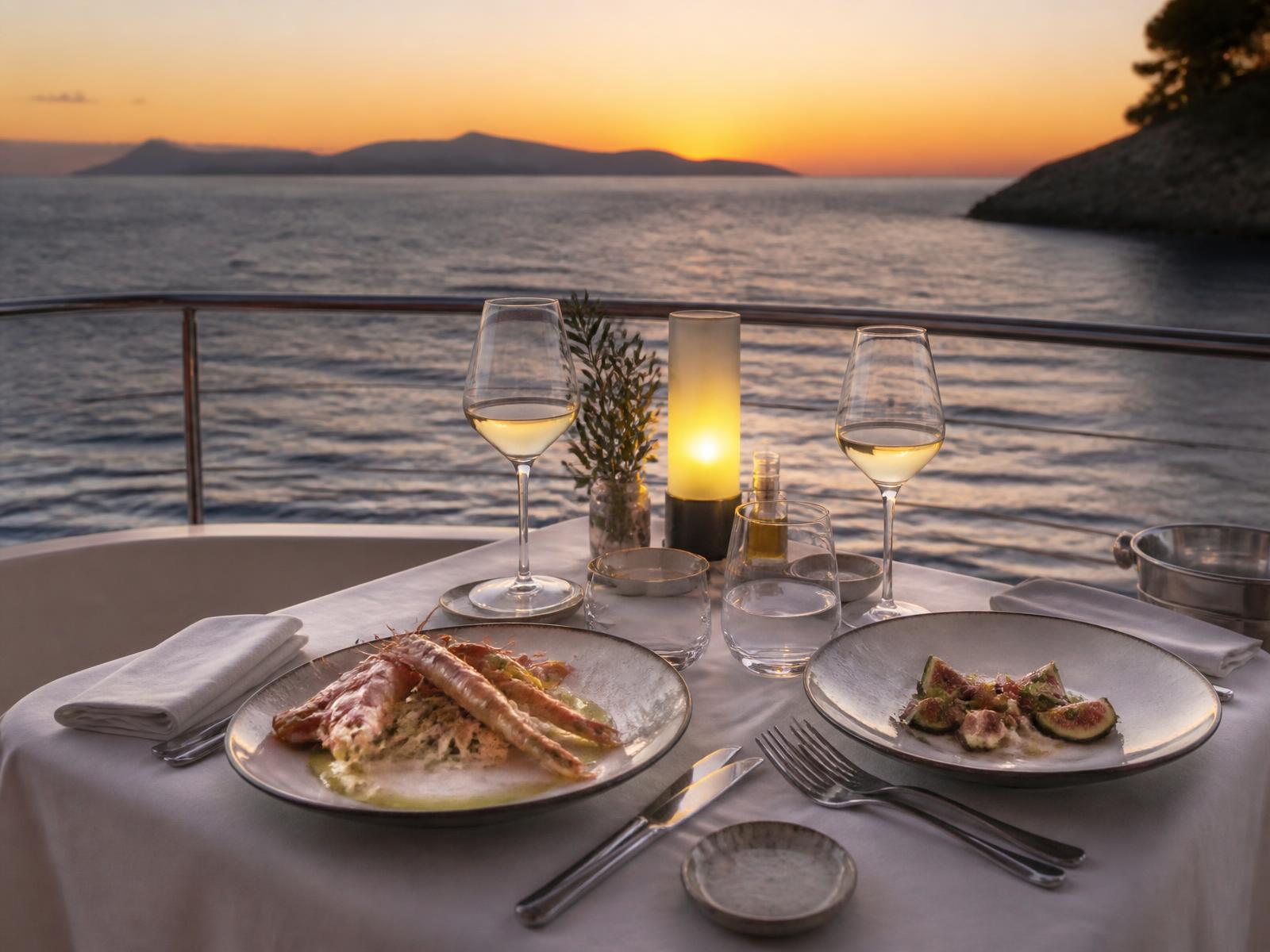
Die Beschaffung folgt der Route statt einer Liste: Langusten vom Morgenkai, noch warme Tomaten, Öl aus einem Tal im Landesinneren gepresst, und sehr wenig, das damit noch geschieht.
Es gibt eine ernstzunehmende Küche an Bord — einen Verkostungsraum mit vielleicht zwanzig Plätzen, dessen Kochkunst präzise und ganz unaufdringlich ist — und keinerlei Verpflichtung, sie zu nutzen. An den meisten Abenden ist der einprägsamste Tisch die eigene Terrasse.
Die Stunden gehören einem selbst. Frühstück um elf wird mit derselben Höflichkeit begegnet wie Frühstück um sieben — eine Kleinigkeit, die über eine Woche hinweg keineswegs klein ist.
Der Spa
Warmer Stein, kaltes Wasser, lange Stille
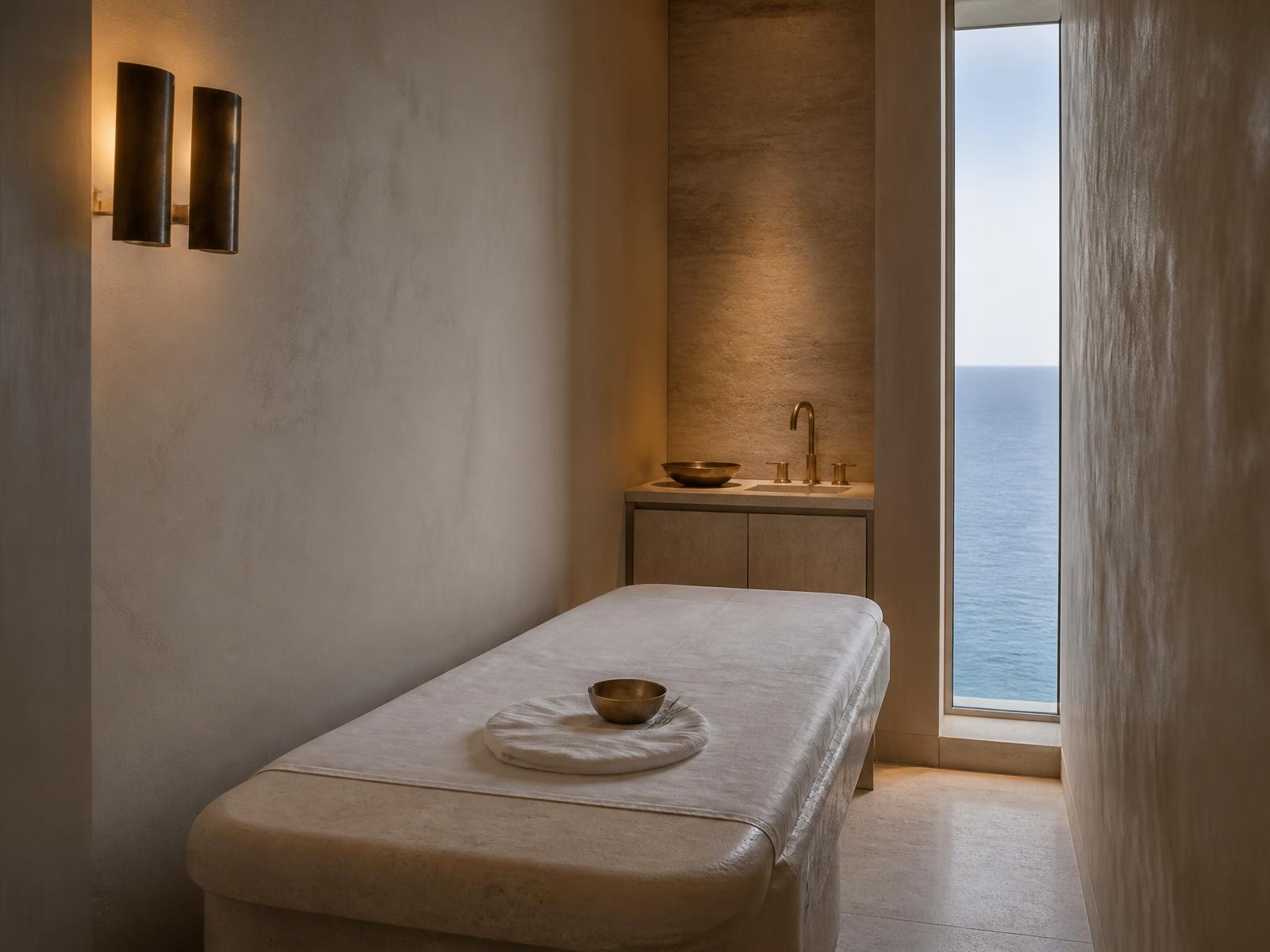
Heller Travertin, gedämpftes Licht und Räume, die ruhig genug sind, um den Rumpf sich bewegen zu hören. Das Programm baut auf Baden statt auf Listen: ein Dampfbad, ein kaltes Tauchbecken, und eine Stunde, für die danach nichts geplant ist.
Nehmen Sie die Stunde vor dem Abendessen, dann gehen Sie mit nassem Haar zum Deck hinauf, während das Licht schwindet. Es ist das überzeugendste Argument der Yacht, und es kostet nichts als den Nachmittag.
Die Reiseziele
Häfen, die die grossen Schiffe nicht erreichen
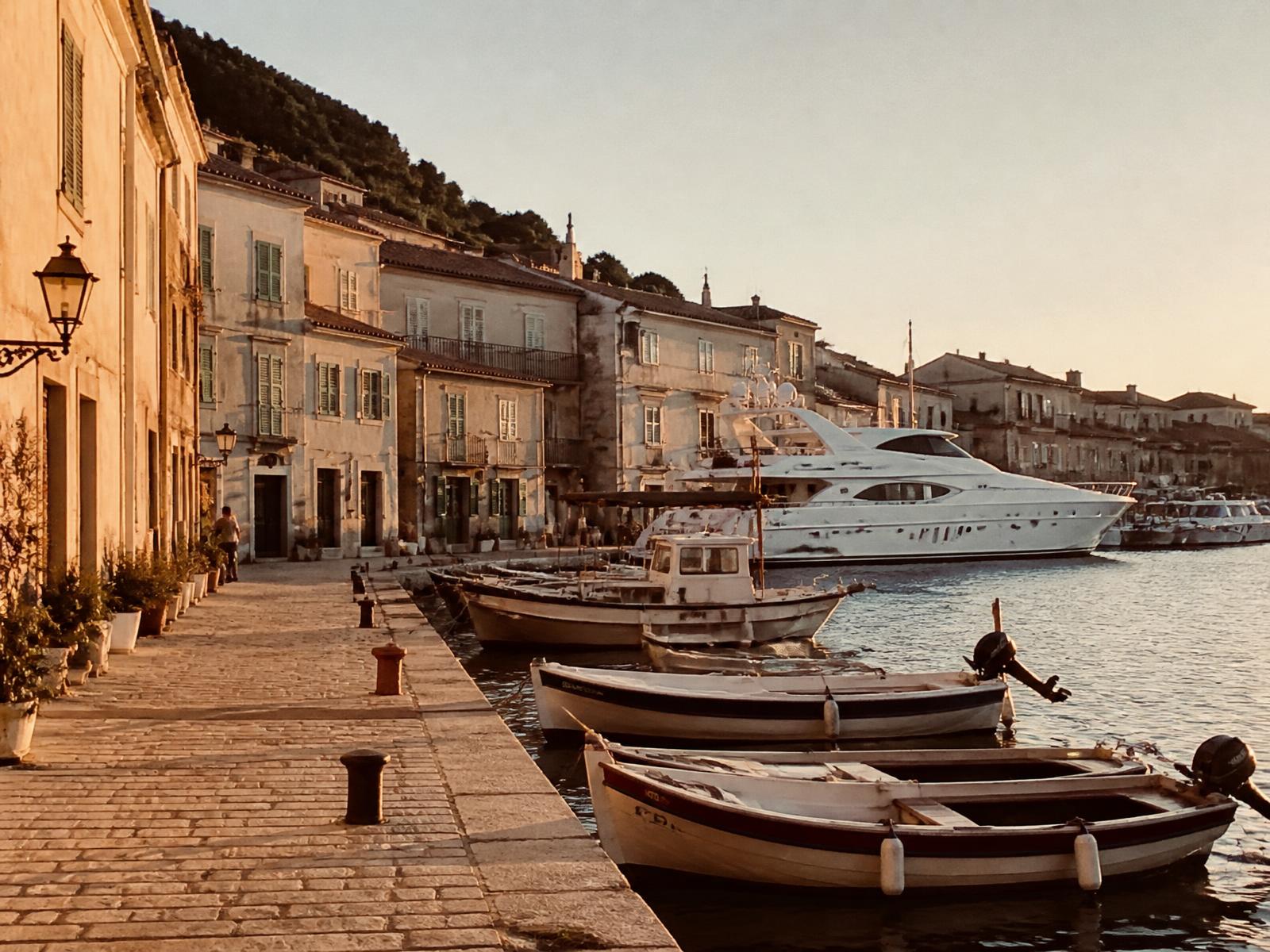
Die Yacht ist bewusst klein gehalten. Sie legt im alten Hafen an statt an einem Industriekai, und Sie treten von der Gangway direkt auf eine gepflasterte Uferpromenade.
Hafen Nr. 01
Portofino und die ligurische Küste
Ein Hafen, zu klein für alles Grosse — genau das ist der Punkt. Man legt an, wo die Fischerboote liegen, und geht an Land in ein Dorf, das noch beim Mittagessen sitzt.
Hafen Nr. 02
Die dalmatinischen Inseln
Istrischer Stein, Zypressenhügel, Renaissanceplätze ohne Menschen. Wasser in der Farbe von grünem Glas, und Abende, die weit länger dauern als geplant.
Hafen Nr. 03
Saint-Tropez und die Côte d'Azur
Das alte Provence unter dem Glamour: ein Dienstagsmarkt, eine verschlossene Gasse, eine Galerie über einem Schiffsausrüster, und Abendessen um zehn wieder an Bord.
Hafen Nr. 04
Die Kykladen in der Nebensaison
Von Athen durch die Inseln im Mai oder späten September, wenn das Licht am schönsten ist und die Dörfer ihre Plätze für sich zurückgewinnen.
Die Marina
Wenn sich das Heck zum Meer öffnet
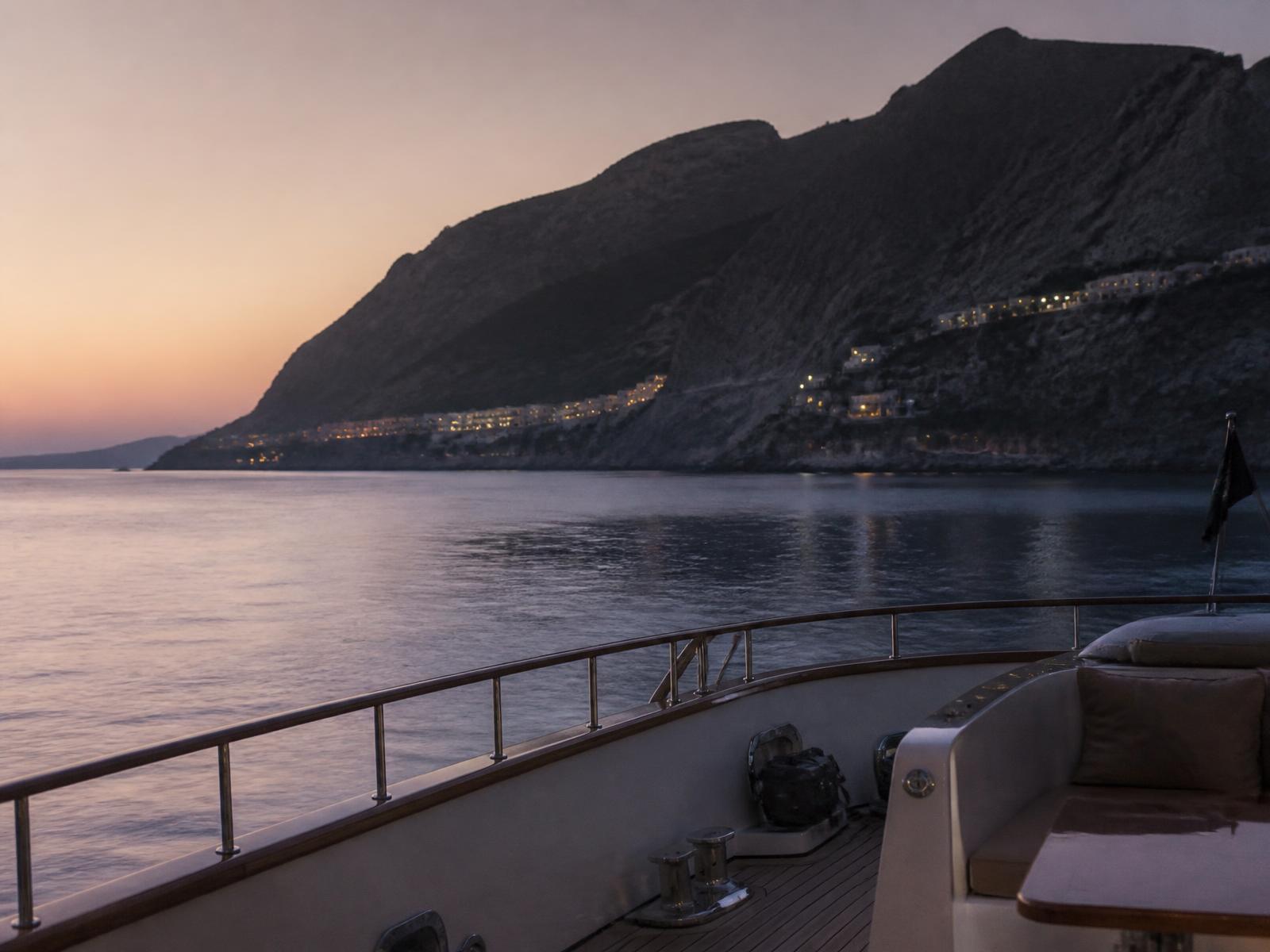
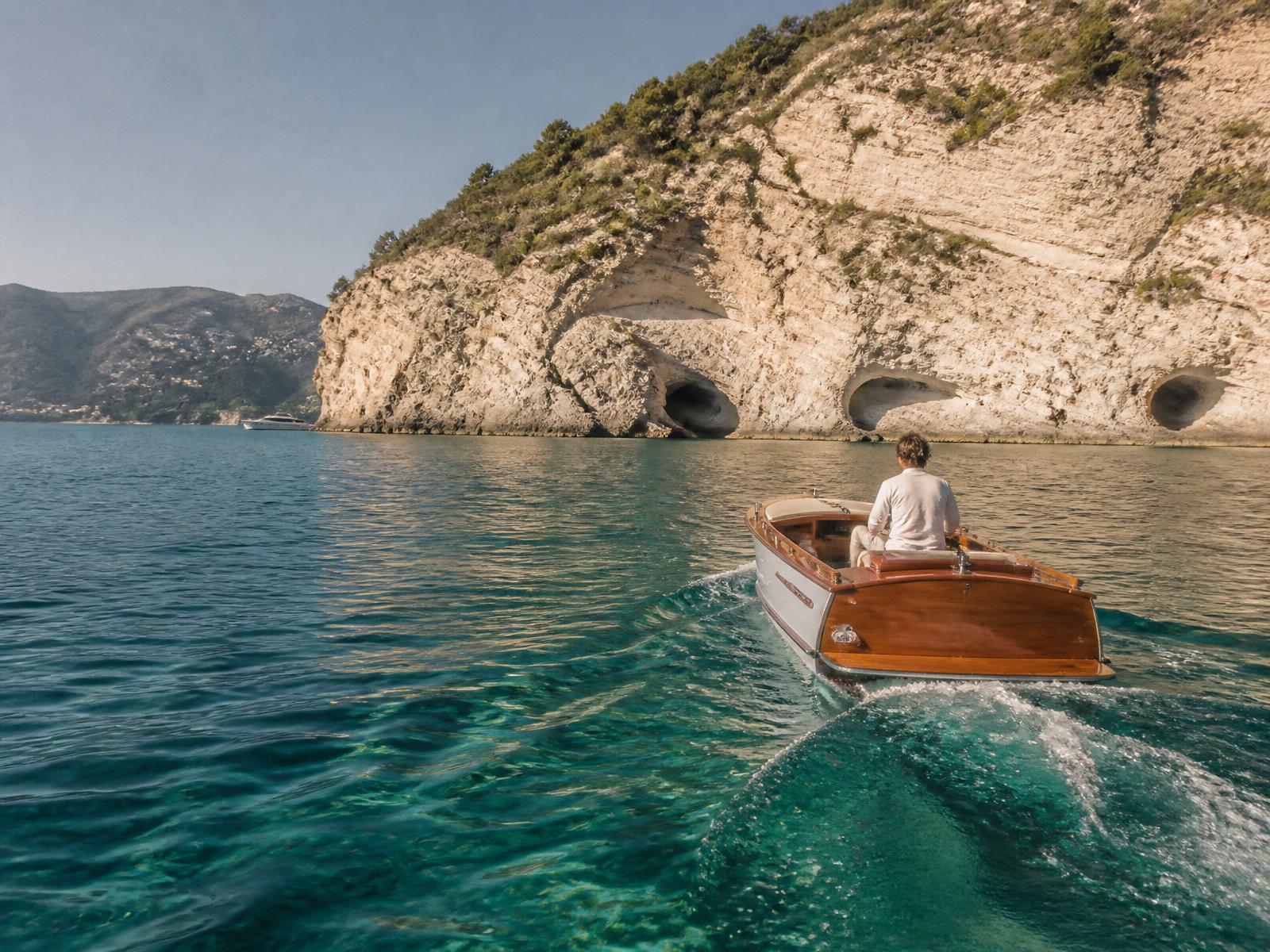
Am späten Vormittag, vor Anker, klappt der Rumpf zurück und ein Teakdeck legt sich knapp über das Wasser. Schwimmen Sie davon, oder sitzen Sie mit den Füssen im Meer und lassen Sie den Tag ganz ungeplant verstreichen.
Beiboote warten für jeden, der eine Bucht, einen Dorfsteg oder eine zu Fuss erreichbare Kapelle besuchen möchte. Nichts ist ein geplanter Ausflug; es ist einfach ein Boot, und jemand, der Sie gern hinbringt.
Am späten Nachmittag ist die Plattform meist wieder leer, die Handtücher gefaltet, und das Wasser ungestört für den, der zuletzt hinuntergeht.
Pure Voyage empfiehlt
Fünf kleine Dinge
- Im alten Hafen anlegen und an Land gehen, ohne sich jemals angekommen zu fühlen.
- Ein Gemälde pro Wand, so sorgfältig beleuchtet, wie es eine Galerie tun würde.
- Die zweite Nacht in derselben Bucht, wenn die Küste vertraut zu werden beginnt.
- Warmer Travertin unter den Füssen nach dem kalten Tauchbecken, eine Stunde vor dem Abendessen.
- Um Mitternacht von einem Dorf an Bord zurückkehren und die Lampen bereits brennen sehen.
Für wen diese Reise ideal ist
Eine besondere Art von Reisenden
- Menschen, die sammeln — Kunst, Keramik, Bücher — und bemerken, was an der Wand hängt, bevor sie die Aussicht bemerken.
- Paare, die lieber zwei Nächte in einem Hafen verbringen als sechs in einer Woche zu sehen.
- Alle, die ein kleines mediterranes Hotel geliebt und sich gewünscht haben, es könnte fahren.
- Reisende, für die das Abendessen an Land, spät, der eigentliche Sinn des Tages ist.
- Jene, für die das Wort Kreuzfahrt noch nie gepasst hat, und nie passen wird.
Die Galerie
Eine Woche, in kleinen Ausschnitten
Aus dem Journal
Weiterlesen
Kunst
Eine Sammlung auf See, und die Disziplin, wenig aufzuhängen
Ein Gemälde pro Wand, richtig beleuchtet, und nichts, das damit konkurriert. Das überzeugendste Argument für Zurückhaltung, das wir auf dem Wasser gesehen haben.
Essay
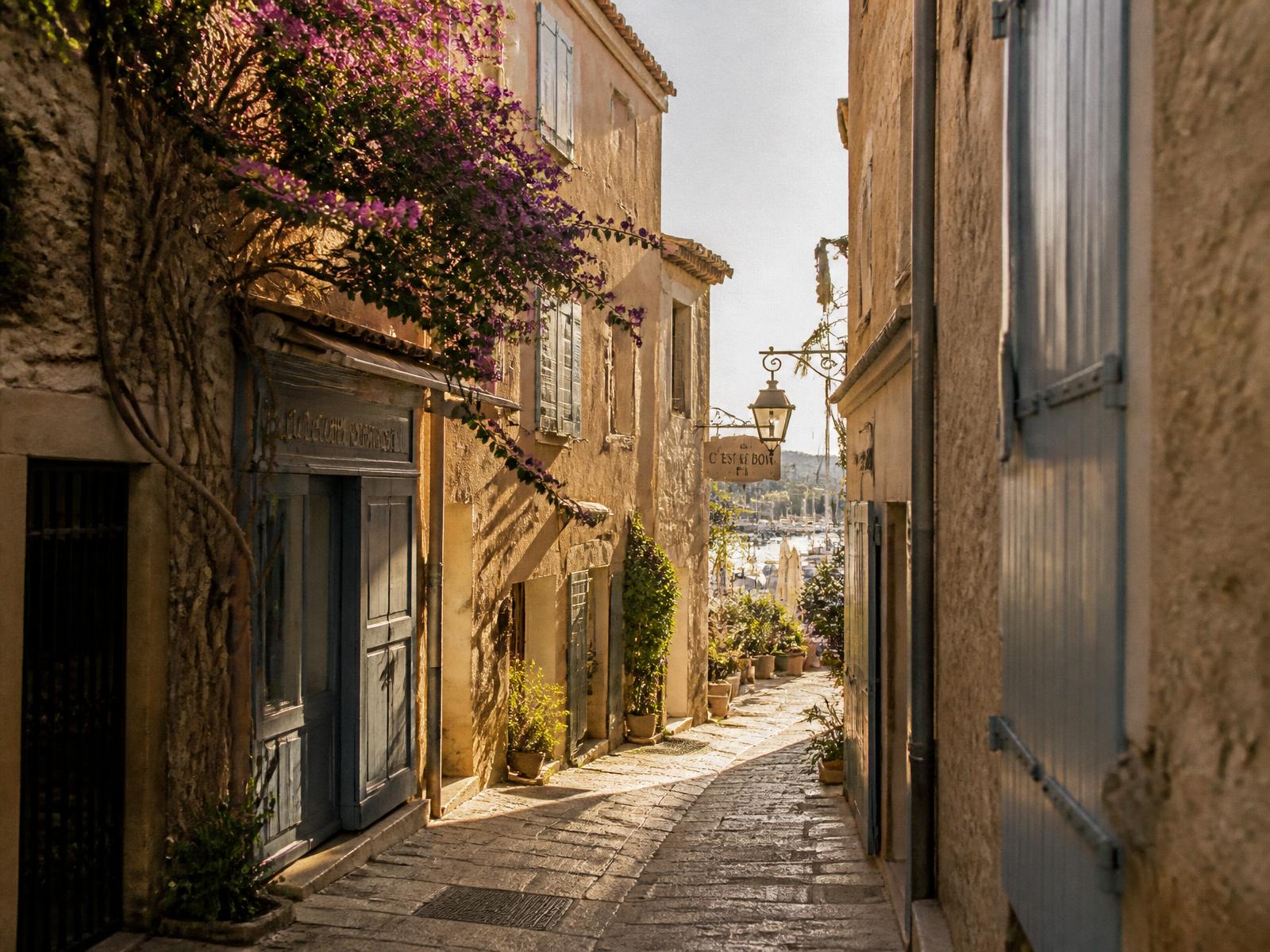
Lob des kleinen Hafens
Ein Hafen, den man in zwanzig Minuten zu Fuss durchquert, ein Markt, der um eins schliesst, und ein Kai, an dem die Yacht einfach ein Boot unter vielen ist. Der Massstab ist der ganze Luxus.
Langsames Reisen
Zwei Nächte in derselben Bucht, und warum wir eine dritte bleiben würden
Übernachtungen im Hafen verändern den Charakter einer Reise vollständig: Abendessen an Land, ein Spaziergang zurück am Wasser entlang, und kein Motor vor dem Frühstück.
Eine Anmerkung des Redakteurs
Wählen Sie die Route mit den meisten Übernachtungen im Hafen, und essen Sie bei jeder davon an Land.
Reisen Sie im Mai oder späten September, wenn das Mittelmeer sein Licht hat und nichts von seinem Andrang. Schwimmen Sie vor dem Frühstück, gehen Sie nur dann an Land, wenn ein Dorf Sie wirklich reizt, und lassen Sie die restliche Woche im Tempo der Küste verstreichen.
Das Pure Voyage Team

Eine Einladung
Einmal im Monat: Hotels, Neueröffnungen und Reiseideen
Ein Hotel, das uns überzeugt hat. Eine Neueröffnung, die wir im Blick haben. Und eine Reiseidee zur richtigen Jahreszeit. Sorgfältig ausgewählt und auf das Wesentliche reduziert.
Eine persönliche Anfrage
Planen Sie Ihre Reise?
Wenn das nach der richtigen Art von Woche klingt, arrangieren wir sie gern persönlich für Sie — die Yacht, die Saison und die Suite mit der tiefsten Terrasse.
Pure Voyage plant diese Reisen mit Bedacht, und nur für wenige Reisende gleichzeitig.
Warum über Pure Voyage buchen?
- Persönliche Luxusreiseberatung
- Sorgfältig gewählte Hotelempfehlungen
- Ein Reiseplan, der zu Ihnen passt
- Partnervorteile, wo sie verfügbar sind
- Persönlicher Ansprechpartner von Anfang bis Ende