Yachtreisen
Aman at Sea
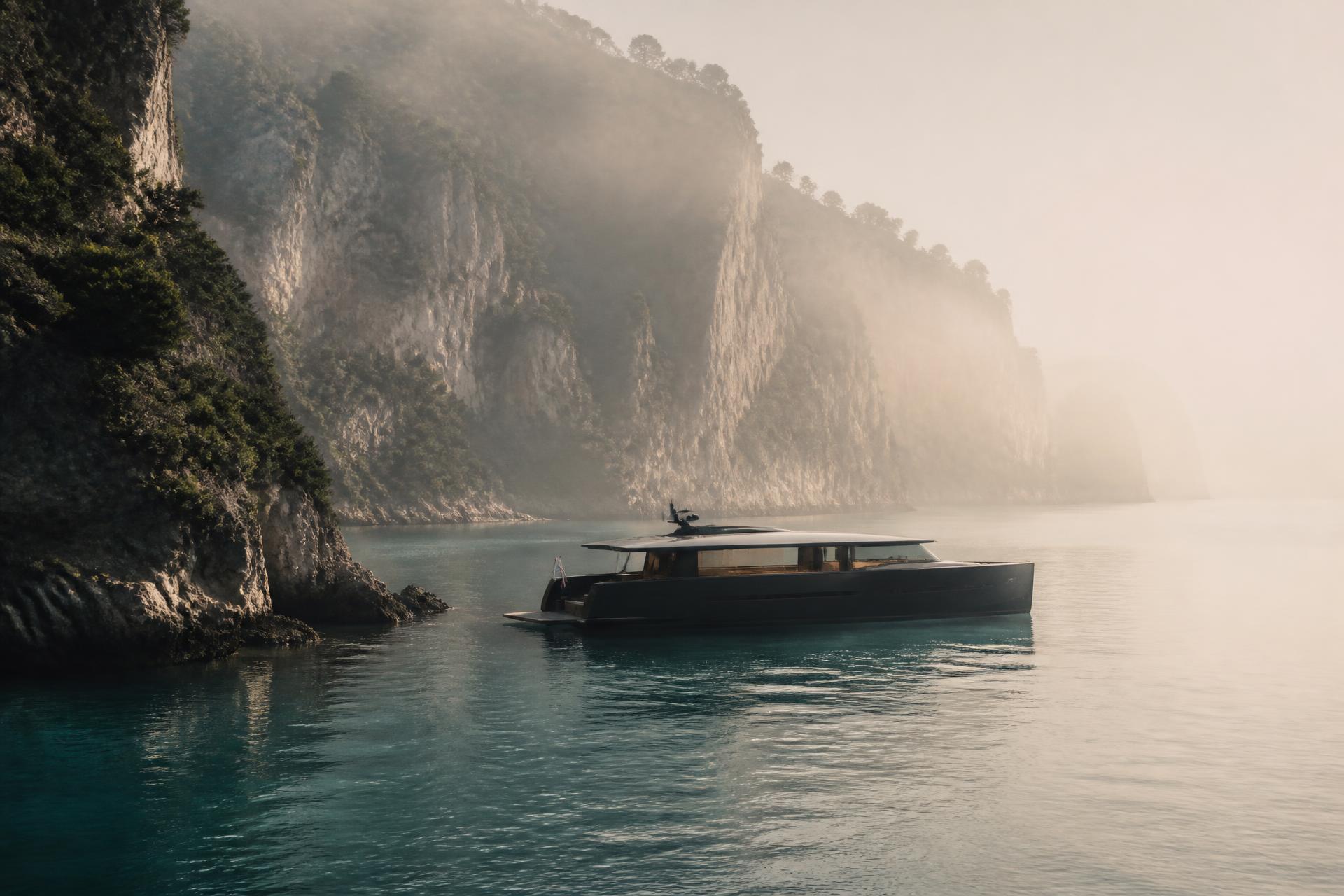
Ein dunkler Rumpf in einer leeren Bucht um sechs Uhr morgens. Die Aman-Idee von Privatsphäre, übersetzt in Zeder, Papier und Salzwasser — und dorthin gebracht, wohin kein Hotel reichen kann.
Eine Einführung
Keine Lobby, kein Namensschild, keine Gangway voller Fremder. Es gibt ein Beiboot, und dann gibt es das Meer.
Seit vier Jahrzehnten baut Aman Hotels an Orten, die bereits still waren, und macht sie dann noch stiller. Ungewöhnlich an der Version auf See ist, wie wenig sich ändern musste. Die Materialien sind dieselben — Hinoki, Stein, Papier, unbehandeltes Holz. Die Proportionen sind dieselben. Nur der Untergrund bewegt sich.
Das Schiff nimmt weniger Gäste auf als ein kleines Landhotel, und es ist so angelegt, dass man ihnen selten begegnet. Decks sind in abgeschirmte Terrassen unterteilt. Treppen führen so, dass zwei Personen nicht am selben Absatz ankommen. Es ist Choreografie, und sie ist unsichtbar — das ist der Sinn der Sache.
Eine Woche an Bord ist keine Tour. Es ist eine Folge von Ankerplätzen, die meisten ohne Strassenanschluss, und ein langes, ungestörtes Plädoyer dafür, in aussergewöhnlich schöner Umgebung sehr wenig zu tun.
Die Philosophie
Frieden im ursprünglichen Sinn des Wortes
Aman hat schon immer etwas verkauft, das schwerer zu fotografieren ist als ein Ausblick: die Gewissheit, dass sich niemand nähert, es sei denn, man wünscht es. Auf See vertieft sich diese Gewissheit noch. Es gibt keine Lobby zu durchqueren, kein weiteres Anwesen am Strand, keine Strasse hinter dem Hügel.
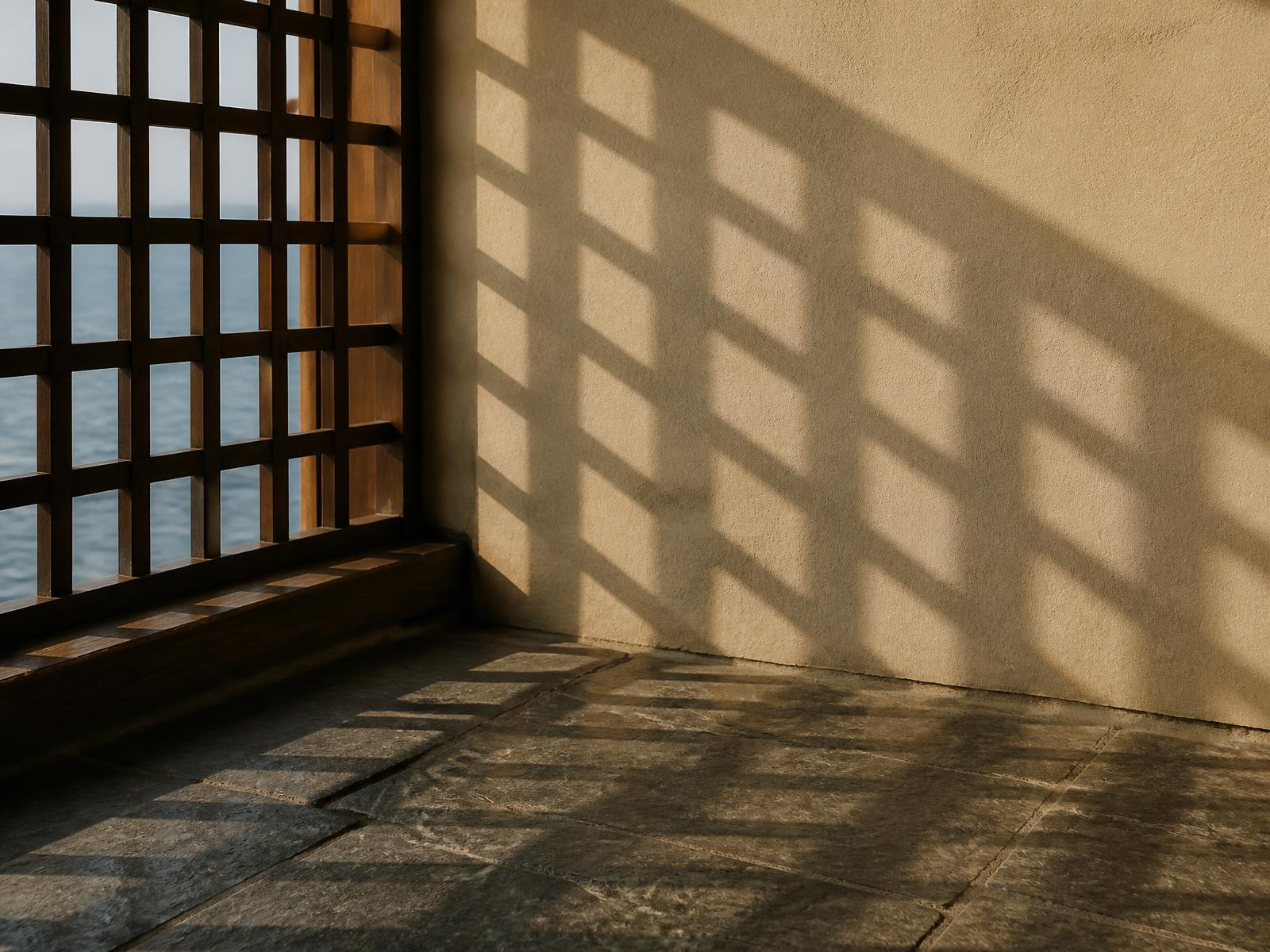
Das japanische Erbe ist unverkennbar — ma, das Intervall; die Freude an einer leeren Ecke; Licht, das auf Putz fallen darf und dann in Ruhe gelassen wird. Nichts ist dekoriert. Alles ist platziert.
Zurückhaltung ist die Disziplin. Kein Markenzeichen auf dem Leinen, keine Musik in den Gängen, keinerlei Ankündigung. Der Luxus ist subtraktiv: das, was weggelassen wurde, statt dem, was hinzugefügt wurde.
Die Yacht
Ein Hotel, das zufällig schwimmt
Die Silhouette ist niedrig und schmucklos, näher an einem dunklen Holzpavillon als an irgendetwas mit Schornsteinen. Nichts am Äusseren verrät die Marke; aus der Ferne liest sich das Schiff wie ein Schatten auf dem Wasser.
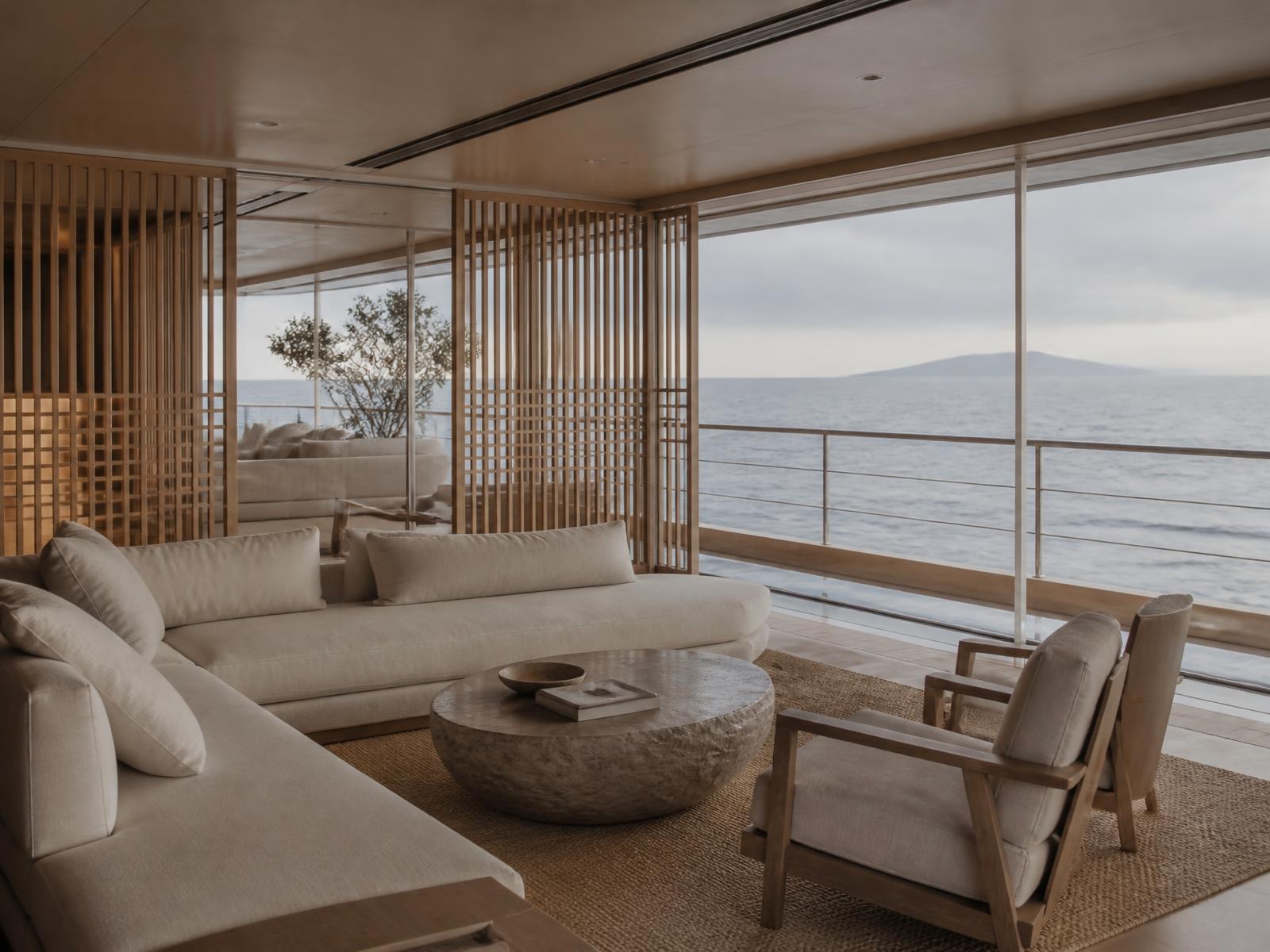
Innen ist das Vokabular architektonisch statt nautisch: verschiebbare Gitterschirme, tiefe Dachüberstände über den Terrassen, Böden aus Stein und unlackierter Eiche, und lange horizontale Fenster, die das Meer rahmen wie ein Shoji einen Garten.
Öffentliche Räume gibt es wenige, und sie sind grosszügig leer. Es gibt eine Bibliothek mit einem einzigen langen Tisch, eine Lounge, die weniger Menschen fasst, als sie könnte, und viel Deck, das für niemand Bestimmtes reserviert ist.
Die Suiten
Räume, die nach aussen blicken
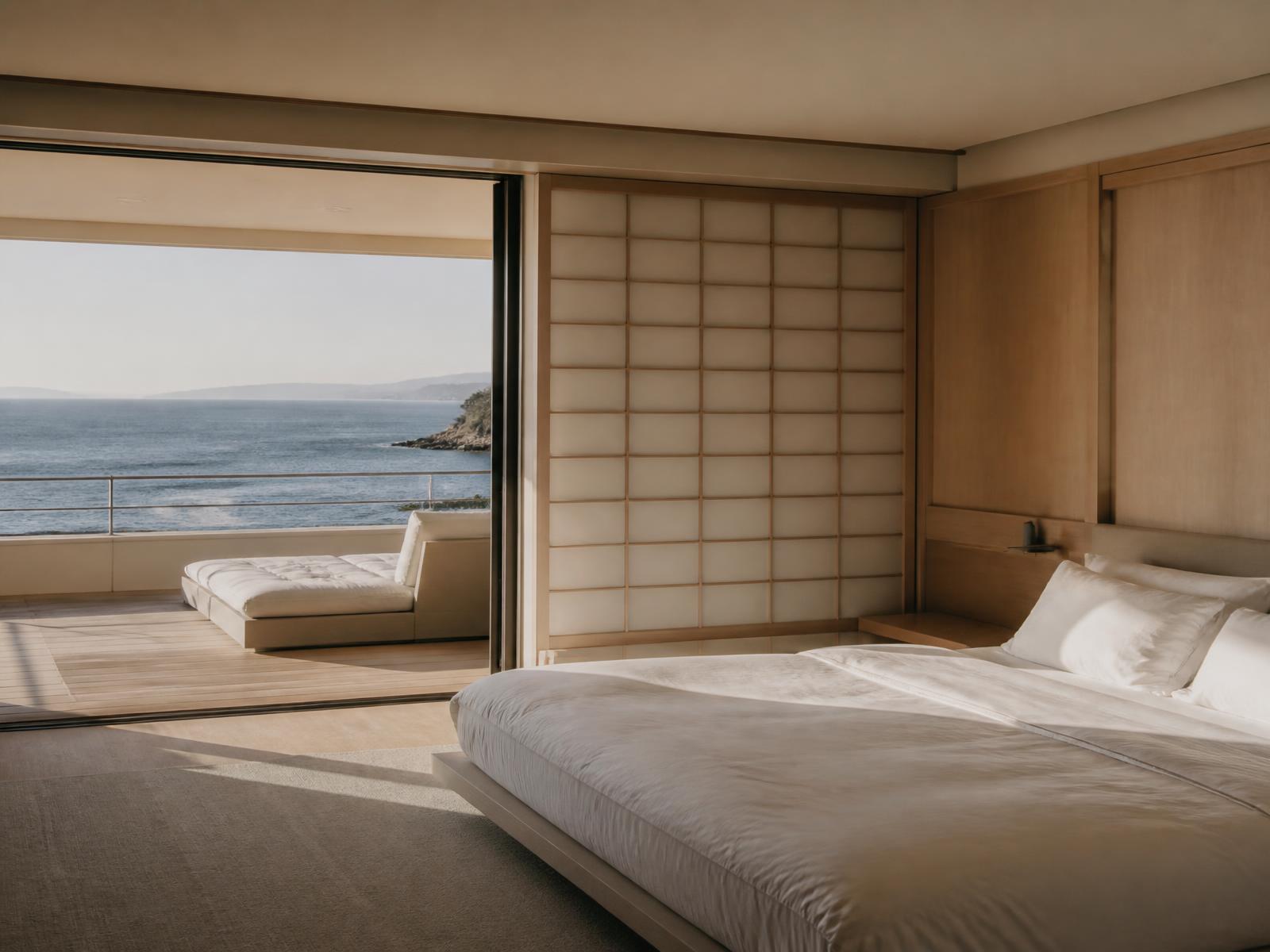
Jede Suite öffnet sich zum Wasser hin und zu nichts sonst. Es gibt keine innen liegenden Kabinen, keine Türenkorridore und keinen Nachbarn, den Sie je zu Gesicht bekommen.
Suite Nr. 01
The Sea Suite
Ein nach vorn gerichteter Raum mit niedrigem Bett, einer Schreibablage und einer Glaswand, die Ihnen den Horizont zeigt, noch bevor Sie richtig wach sind.
Suite Nr. 02
The Terrace Suite
Ein eigenes privates Deck, von allen anderen abgeschirmt. Das Frühstück wird ohne Klopfen draussen abgestellt; niemand zeigt sich wieder, bis Sie danach fragen.
Suite Nr. 03
The Aman Suite
Zwei Räume, getrennt durch einen hauchdünnen Schiebeschirm — tagsüber Wohnraum, nachts Schlafraum, im Stil eines Ryokan statt eines Hotels.
Kulinarik
Was der Morgen brachte
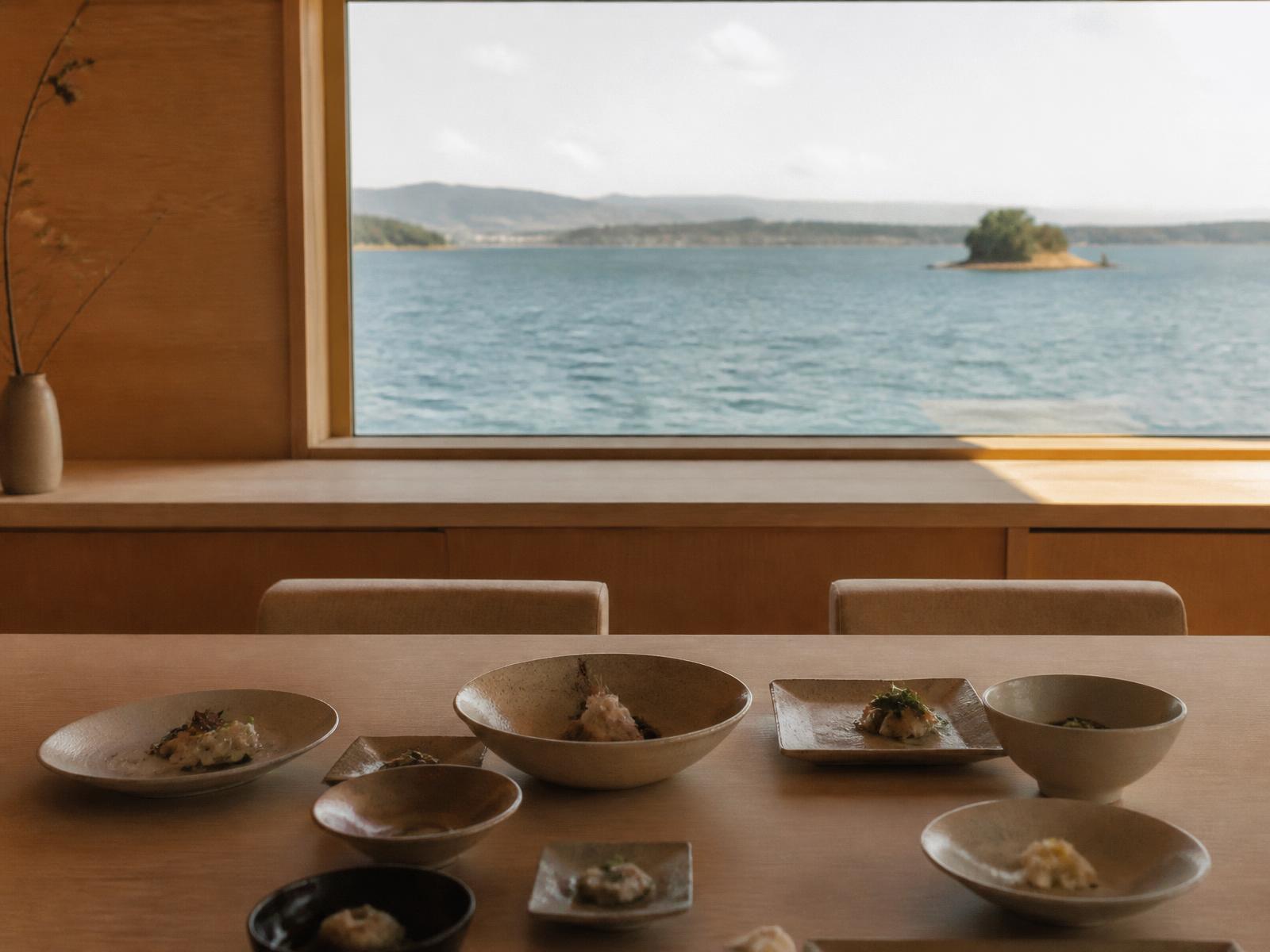
Eine gedruckte Speisekarte gibt es kaum. Die Küche kocht die Küste, vor der man ankert — ein Fisch, um sieben an einem Steg gekauft, Gemüse vom Dorfmarkt, Reis, Brühe, und sehr wenig sonst auf dem Teller.
Mahlzeiten finden dort statt, wo man sie möchte: am Hinoki-Tresen, auf der eigenen Terrasse, oder an einem Strand, an dem die Crew still einen einzigen niedrigen Tisch aufgestellt hat und nichts weiter.
Portionen sind zurückhaltend, Gänge sind wenige, und der Raum ist nie voll. Es ist eine Küche, nach der man noch schwimmen kann.
Wellness
Heisse Zeder, kaltes Wasser
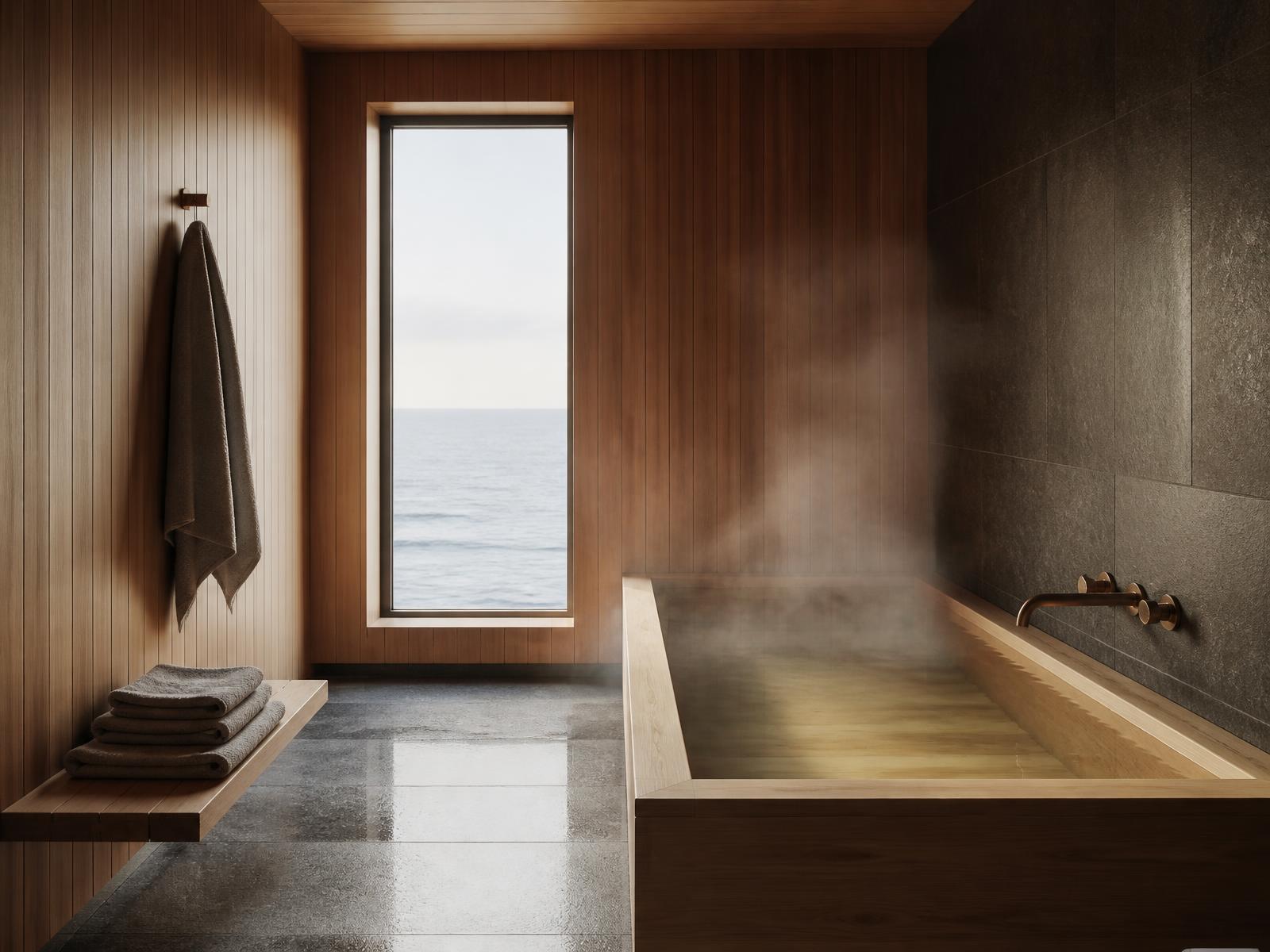
Ein einzelnes Hinoki-Bad, von Hand gefüllt, mit Blick durch ein schmales Fenster auf den ziehenden Horizont. Ein Behandlungsraum mit Steinboden. Ein Deck am Heck, an dem das Meer den Tauchpool ersetzt. Das ist alles.
Behandlungen sind lang, still und weitgehend auf Atmung und Druck aufgebaut statt auf Ritual. Buchen Sie die Stunde vor der Dämmerung, schwimmen Sie danach von der Plattform, und sprechen Sie bis zum Abendessen mit niemandem.
Die Reisen
Küstenlinien statt Reisepläne
Routen gibt es, aber man hält sich nicht starr daran. Ist das Licht in einer Bucht gut, bleibt der Tag in dieser Bucht.
Die Seto-Binnensee
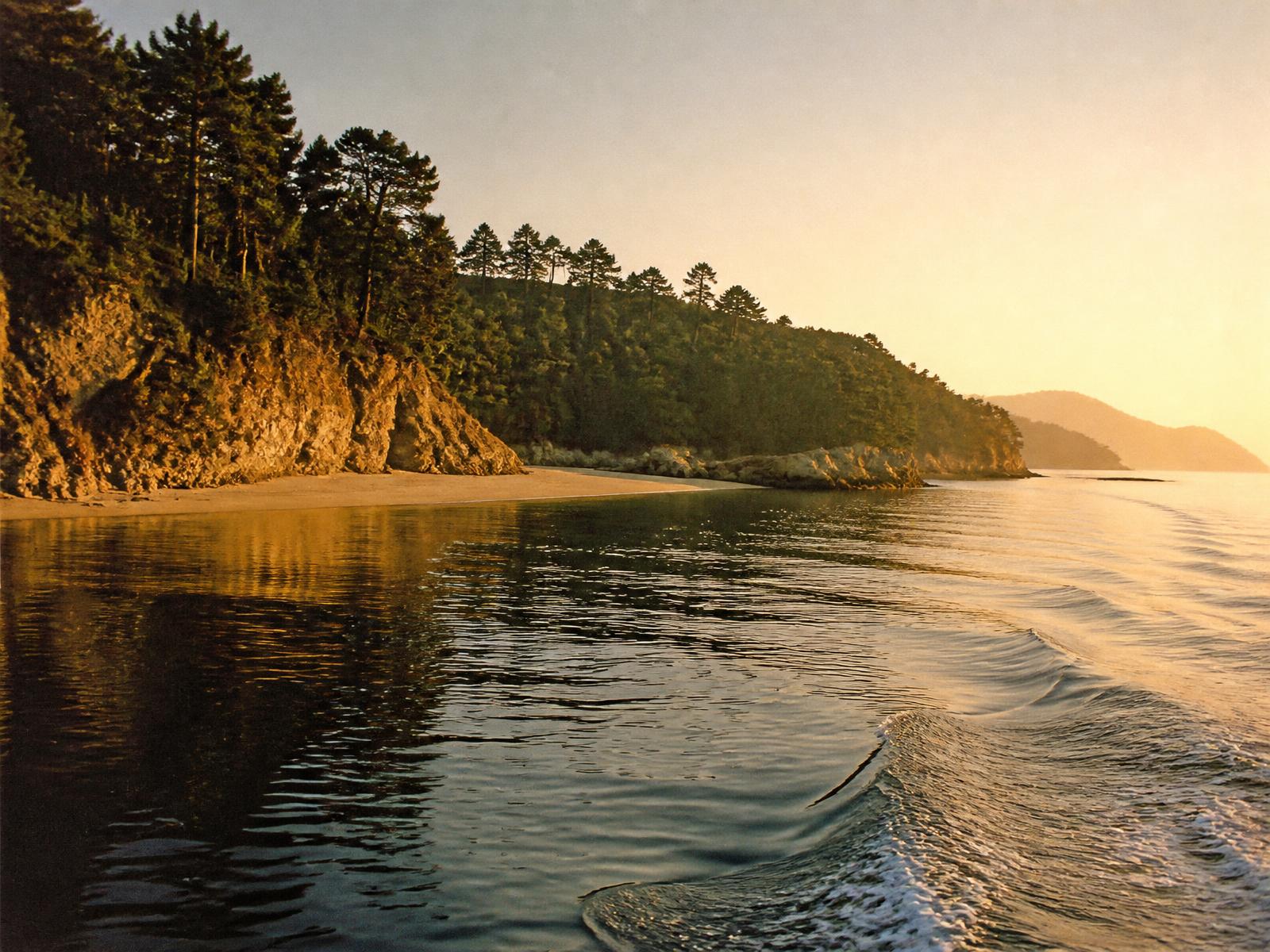
Inseltempel, Zedernhügel und Morgen, so still, dass das Wasser den ganzen Himmel spiegelt. Vor Naoshima ankern und an Land gehen, bevor die Fähren kommen.
Das Ionische Meer und die Adria
Kalksteinbuchten, die nur vom Wasser aus erreichbar sind, ein Dorf mit einer einzigen Taverne, und lange Nachmittage ganz ohne Programm.
Die Kimberley-Küste und Raja Ampat
Küstenlinien ohne Strassen, Gezeiten, die die Landkarte zweimal täglich neu zeichnen, und Riffe, die ganz sich selbst gehören.
Die norwegischen Fjorde
Steile Felsen, Schmelzwasser und eine Stille mit Gewicht. Die einprägsamsten Stunden sind die hellen, weit nach dem Abendessen.
Pure Voyage empfiehlt
Fünf kleine Dinge
- Vor Anker aufwachen, ohne zu wissen, welches Ufer man vor sich hat.
- Das Hinoki-Bad bei Dämmerung, mit dem Fenster eine Handbreit geöffnet.
- Das Frühstück, vor der Terrassentür abgestellt, und niemand klopft.
- Die Gitterschirme um vier Uhr nachmittags, die den ganzen Raum in Linien zeichnen.
- Die Badeplattform am Heck, und ein Meer, auf dem sonst nichts ist.
Für wen diese Reise ideal ist
Reisende, die gut damit leben können, unerreichbar zu sein.
Sie passt zu Menschen, die die Aman-Hotels bereits kennen und sich gefragt haben, wie dieselbe Zurückhaltung sich ohne Küste im Rücken anfühlen würde. Sie passt zu Schwimmern, Lesenden und Frühaufstehern; zu Paaren, die leise sprechen; zu Familien, die eine Woche gern nur miteinander verbringen.
Sie passt zu jedem, der schon einmal ein schönes Hotel verlassen hat und sich einen leereren Strand gewünscht hätte — denn hier ist er es meist.
Enttäuschen wird sie jene, die Unterhaltung, ein Programm, Gesellschaft oder einen Zeitplan suchen. Nichts ist inszeniert, wenig wird angekündigt, und das Ereignisreichste an den meisten Tagen ist das Licht.
Die Galerie
Kleine Spuren einer stillen Woche
Aus dem Journal
Weiterlesen
Essay
Über die Stille auf See, und warum sie sich von der Stille an Land unterscheidet
Wahre Ruhe gibt es an Bord nicht — nur ein Rauschen aus Wasser, Motor und Wind. Es erweist sich als der erholsamste Klang, den wir kennen.
Design
Wabi-Sabi auf dem Wasser: die japanische Formsprache von Aman at Sea
Hinoki, Papier, Stein und Schatten — ein Vokabular für Tempel und Ryokan, ohne einen einzigen überflüssigen Schnörkel hinaus aufs Salzwasser getragen.
Wellness
Das Hinoki-Bad, und die Disziplin, nichts zu tun
Eine Stunde in heissem, zedernduftendem Wasser, während der Horizont langsam vorüberzieht. Es ist, so finden wir, das überzeugendste Argument des Schiffes.
Eine persönliche Anfrage
Planen Sie Ihre Reise?
Wenn eine Woche vor Anker nach der richtigen Art von Ruhe klingt, arrangieren wir sie gern persönlich für Sie — die Saison, die Küste und die Suite mit der richtigen Ausrichtung.
Pure Voyage plant diese Reisen mit Bedacht, und nur für wenige Reisende gleichzeitig.
Warum über Pure Voyage buchen?
- Persönliche Luxusreiseberatung
- Sorgfältig gewählte Hotelempfehlungen
- Ein Reiseplan, der zu Ihnen passt
- Partnervorteile, wo sie verfügbar sind
- Persönlicher Ansprechpartner von Anfang bis Ende
Eine Anmerkung des Redakteurs
Nehmen Sie sieben Nächte, und verzichten Sie auf Landausflüge.
Bitten Sie stattdessen um eine zweite Nacht dort, wo sich die erste richtig angefühlt hat. Schwimmen Sie vor dem Frühstück. Baden Sie vor dem Abendessen. Irgendwann um den vierten Tag herum verschwindet die Gewohnheit, ständig etwas zu überprüfen — und genau das, nicht das Schiff und nicht die Küste, werden Sie in Erinnerung behalten.
Das Pure Voyage Team

Eine Einladung
Einmal im Monat: Hotels, Neueröffnungen und Reiseideen
Ein Hotel, das uns überzeugt hat. Eine Neueröffnung, die wir im Blick haben. Und eine Reiseidee zur richtigen Jahreszeit. Sorgfältig ausgewählt und auf das Wesentliche reduziert.